

(Image credit: VAN)
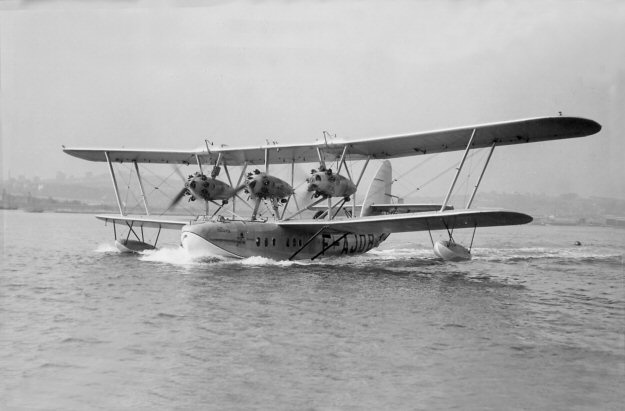
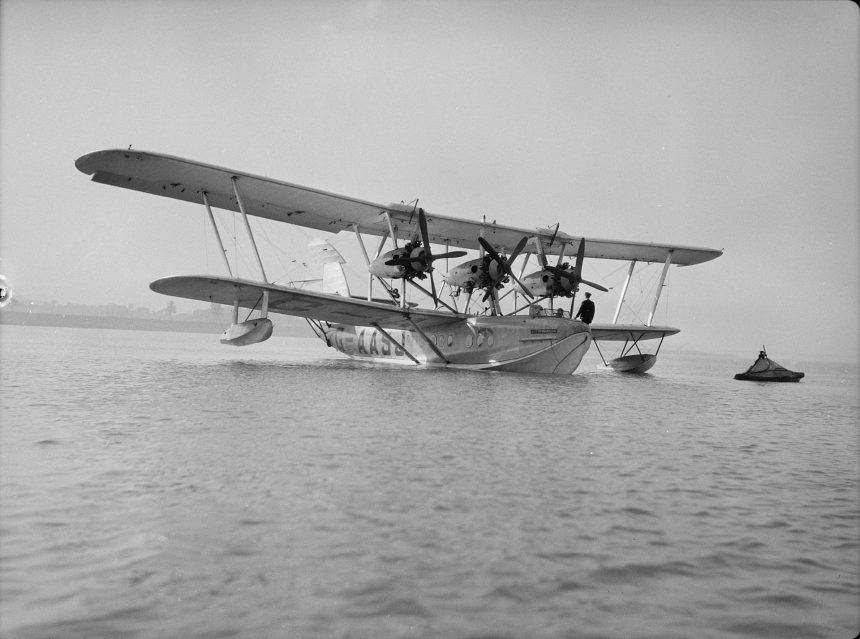
On this day in aviation history, 98 years ago (February 14, 1928), the Short S.8 Calcutta took flight for the first time. The S.8 was a flying boat that was designed for civilian use by Short Brothers. Short began to design the Calcutta in response to a requirement from Imperial Airways that sought a flying boat, one capable of making trips on Mediterranean legs to and from India. Short took their Singapore military flying boat design, and made a derivative to satisfy Imperial’s needs.
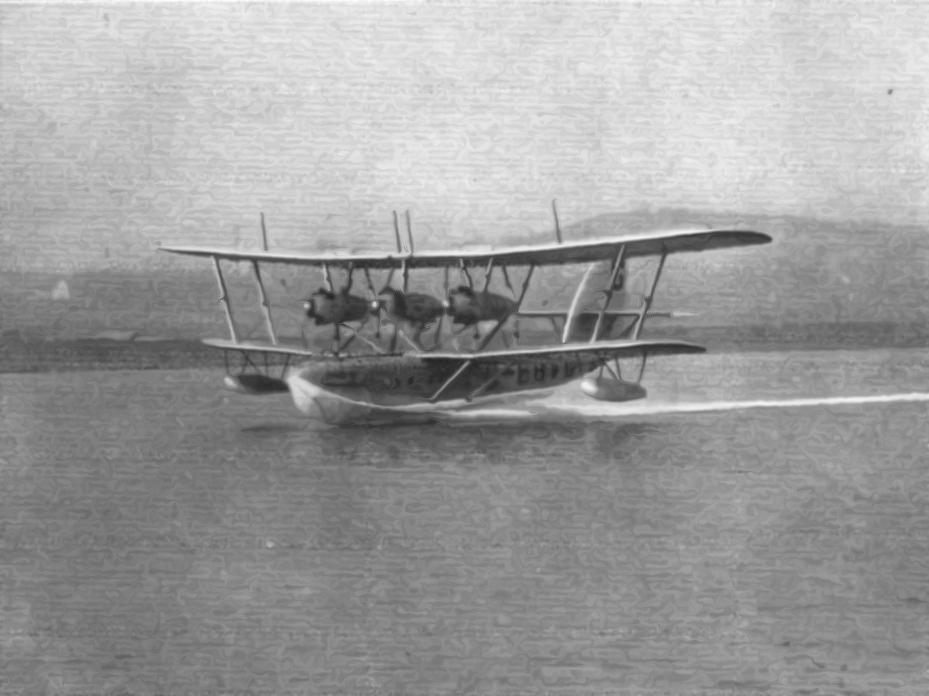
The S.8 Calcutta is noted as being the first British-built stressed skin and metal-hulled flying boat. Germany was the first to accomplish this feat of technology, with the Zeppelin-Lindau Rs.IV. Short utilized a biplane design for the S.8, mounting the three 540-horsepower Bristol Jupiter IXF 9-cylinder radial engines between the wings. The two pilots sat in an open cockpit, but the radio operator and 15 passengers sat in the aircraft’s main cabin. The first flight on 2/14/28 was flown by Shorts’ Chief Test Pilot John Parker and Major Herbert Brackley of Imperial Airways. The S.8 successfully completed airworthiness and sea handling checks.
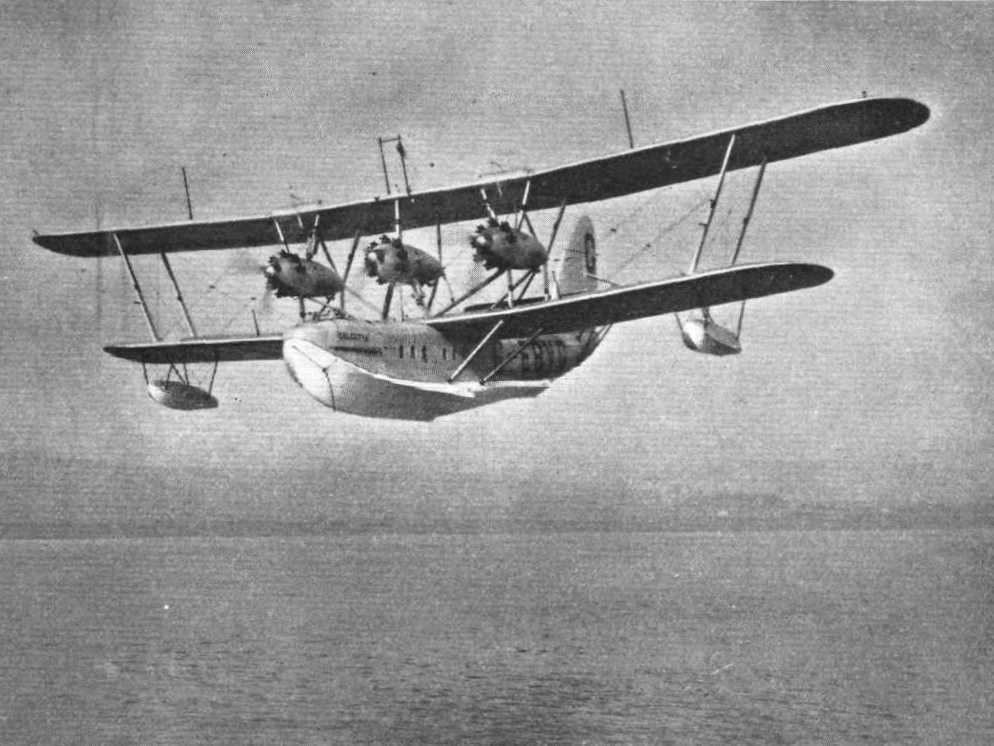
Short’s S.8 had a maximum airspeed of 118 mph, but would typically cruise closer to 97 mph. The Calcutta had a range of 560 nautical miles and a service ceiling of 13,500 feet. An empty weight of 13,845 pounds and a max takeoff weight of 22,500 pounds gave the S.8 ample space for passengers and their baggage. Additionally, the S.8 had a fuel capacity of 480 imperial gallons. Short built a total of seven Calcuttas. Also developed were three military variants of the S.8, the Rangoon, Kent, and Breguet 521, which served with the French Navy. Imperial Airways operated the Calcutta beginning in 1928, flying the aircraft on its Mediterranean-to-Karachi leg of the Britain-to-India route.