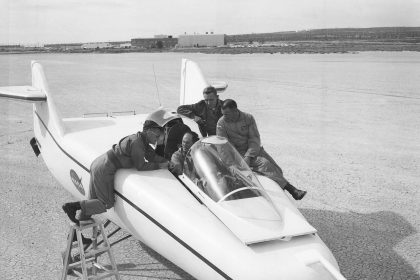
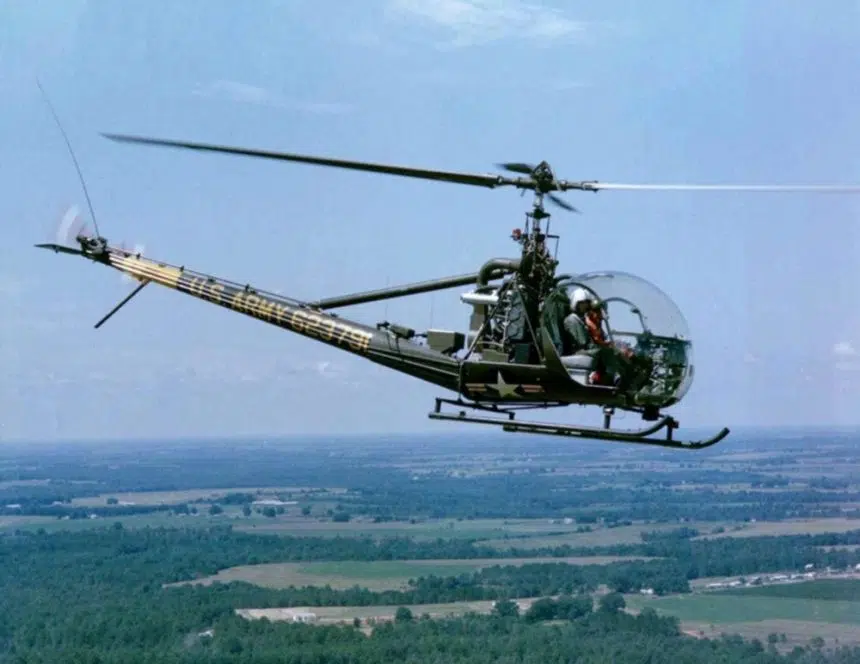

In 1942, a 17-year-old named Stanley Hiller started the first helicopter factory on the West Coast in Berkeley, California. He founded it as “Hiller Industries” to create his design for the XH-44 “Hiller-Copter” for the US Army. The helicopter first flew in 1944, and in 1945, Hiller teamed up with Henry J. Kaiser, and they renamed the company United Helicopters. After WWII, United Helicopters made several new helicopter designs for both military and civilian use, including coaxial-rotor and tailless models, along with more traditional types. In January 1949, a Hiller 360 became the first civilian helicopter to fly across the United States. After WWII, Stanley Hiller researched a two-person rocket-jet aircraft called the VJ-100. The aircraft could take off and land vertically, but he could not get the US military interested in it. In 1948, he renamed his company Hiller Helicopters. The company developed several prototype helicopters. From the early to late 1960s, its Palo Alto plant served as a CIA front for producing CORONA reconnaissance satellites. In 1964, Fairchild Aircraft bought Hiller. In 1994, Jeff Hiller, Stanley Hiller’s son, repurchased the company with help from a group of Thai investors led by Patrick C. Lim, a part owner of Siam Steel and other Asian businesses.
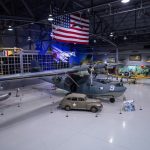
These investors covered about $1 million in liabilities and committed around $10 million to build at least 30 new helicopters at the new production site in East Bay. They also helped set up the first aerospace company in Thailand. Stanley Hiller donated money and several aircraft to create the Hiller Aviation Museum in San Carlos, California. The museum opened in 1998. In 2009, Hiller (China) Aircraft Manufacturing Company began building a production facility in Zhangjiakou City, northwest of Beijing. The company was a joint venture between Hiller Aircraft Corporation and Zhangjiakou Chahar General Aviation Company. At that time, Zhangjiakou Chahar General Aviation was already producing some parts and subassemblies for the UH-12 aircraft. In July 2018, a truck driver ran over his co-driver at the Hiller Firebaugh facility. On May 4, a jury decided that Hiller was 70% responsible for the accident and awarded the injured driver over $9 million in damages. The company filed for bankruptcy protection in 2024 after posting a news update on its website on February 15, 2021, saying it was having financial trouble and that the owners were reluctant to provide more funding to keep the company running.
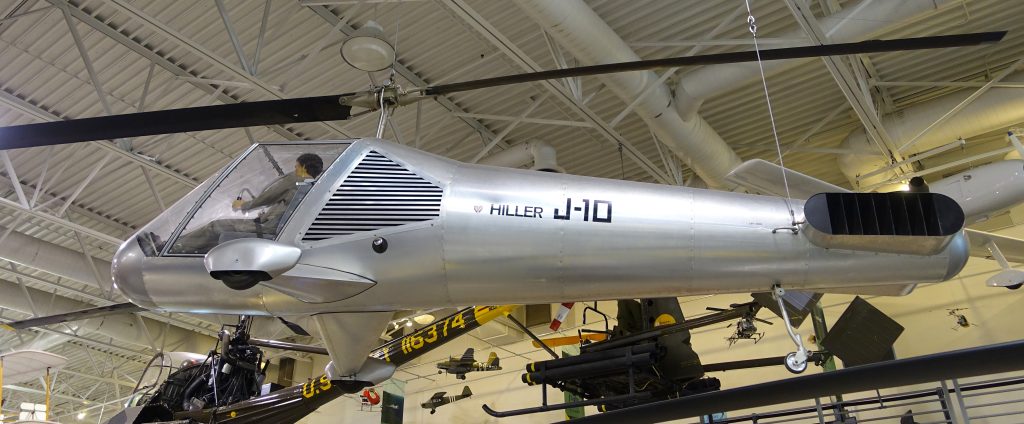
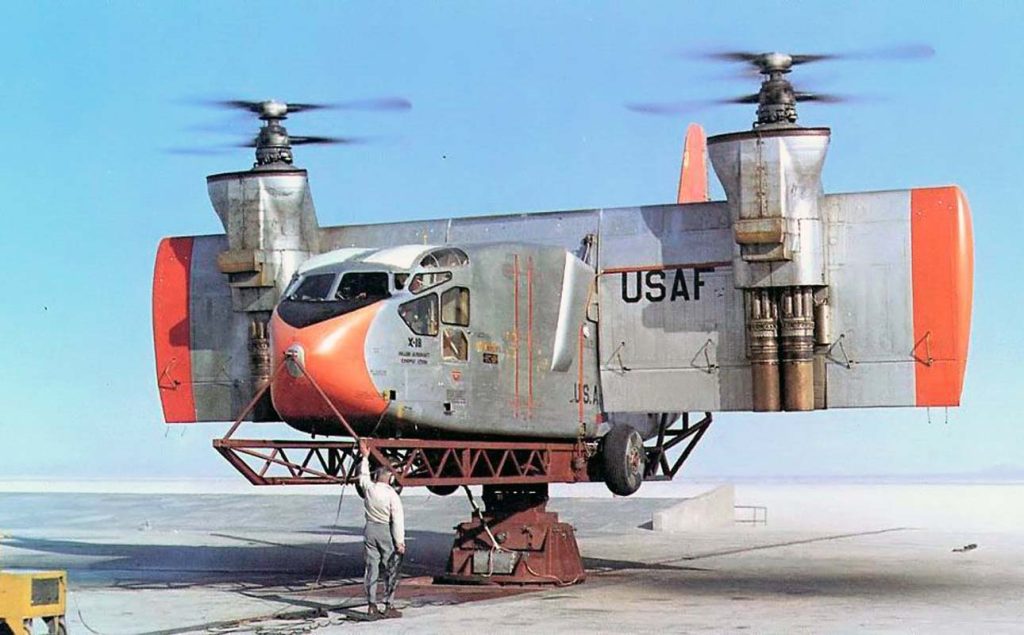
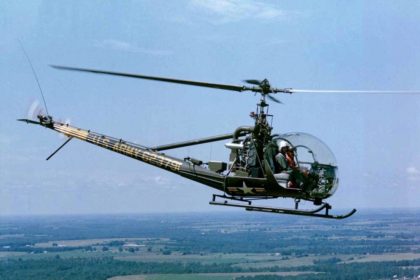
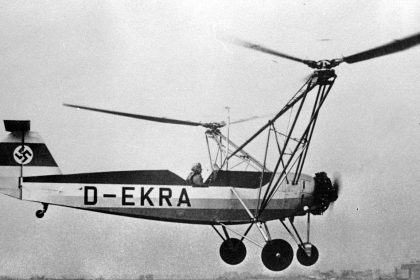
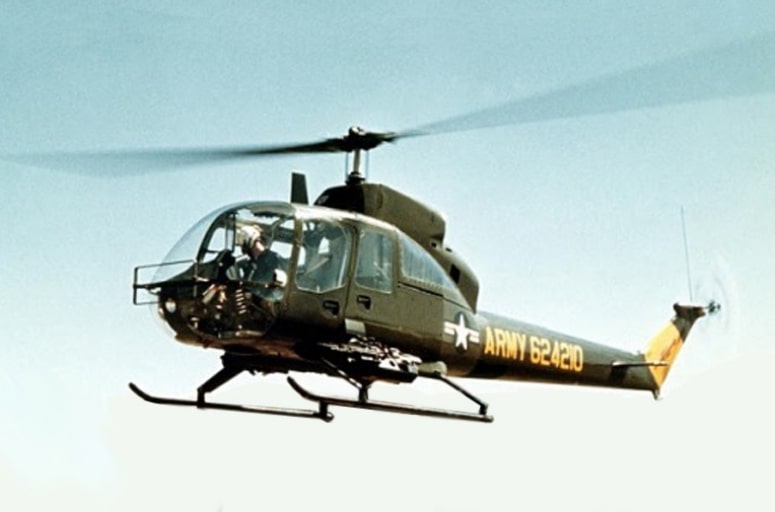
Hiller developed many types of experimental and production aircraft and helicopters. Some of its early designs were the Hiller XH-44, a 1944 experimental helicopter, and later projects included the Hiller VJ-100, Hiller 1094 CAMEL, Hiller Autogyro, Hiller Transonic VTOL, Hiller Ductoplane, Hiller X-2-235, Hiller J-5, Hiller UH-4 Commuter, and Hiller UH-5 Rotormatic. The most successful aircraft was the Hiller UH-12, a single-engine observation helicopter that first flew in 1948, with over 2,000 units built. The company also built a number of unusual rotorcraft such as the HH-120 Hornet, HJ-1, VXT-8 Transonic VTOL, and YH-32 Hornet that used engines mounted on the tips of the rotor blades. Hiller’s experimental work included the VZ-1 Pawnee flying platform, the 1098 STORC convertible aircraft-helicopter, the 1123 tip-jet cargo helicopter, the Air Tug heavy-lift concept, and the ROE-1 Rotorcycle ultralight helicopter. In 1959, Hiller made the X-18, an experimental twin-engine tiltwing aircraft, followed by the Ten99 single-turbine helicopter in 1961. The company later expanded to produce larger aircraft, including the Fairchild Hiller FH-1100 single-engine turbine helicopter and the Fairchild Hiller FH-227 twin-engine turboprop airliner. Read more Forgotten Factories articles HERE.