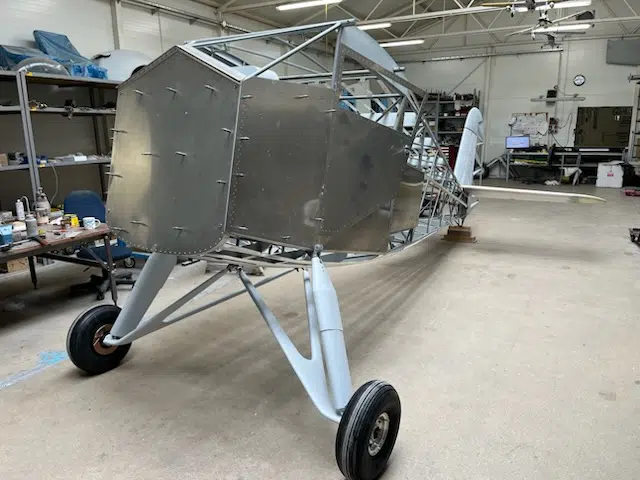

A Polish foundation, Fundacja Historia i Współczesność, is working to rebuild a flying replica of the RWD-6, a sport plane that helped Poland achieve a major aviation success in the interwar period. The foundation’s goal is to follow its historic 7,400-kilometer (4,600 miles) European route before the end of the decade. The History and Modernity Foundation is leading a project called “Let’s Build the RWD-6 Together,” in partnership with the TZL Henryka Wickiego aircraft workshop to rebuild the aircraft. The project is now a national crowdfunding campaign based on lots of small contributions rather than a few big ones. The organizers feel that it is more important for lots of people to get involved than for any one person to make a large donation. “Serce dla RWD-6” (“A Heart for RWD-6”) is a fundraiser focused on raising money for a Verner Scarlett 9 engine, which powers the RWD-6 aircraft. Support for the project has increased, with backing from Poland’s Ministry of National Defence and the Civil Aviation Authority. Marek Osak, the Honorary Consul of the Czech Republic, is also promoting the project on both sides of the Polish-Czech border. The electronics distributor TME has also become a project sponsor. Organizers want to finish the aircraft by the 95th anniversary of the 1932 Challenge victory. After that, they plan to fly the replica to Prague and then follow the original Challenge 1932 route, a journey that will cover about 7,400 kilometers (4,600 miles) across Europe, with a target date of 2029.
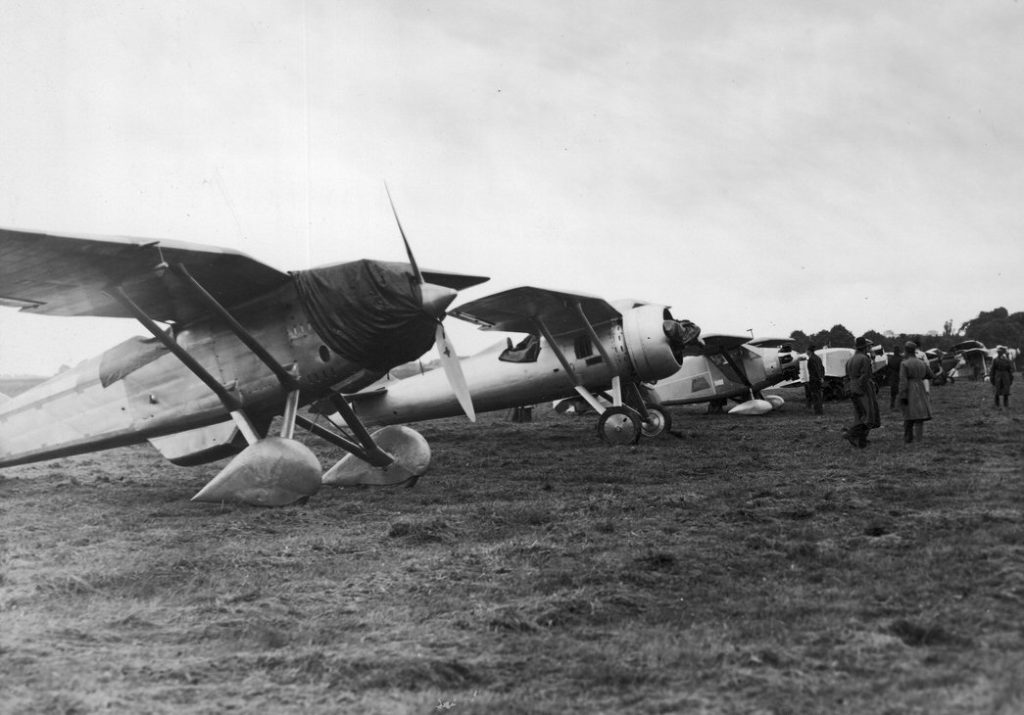
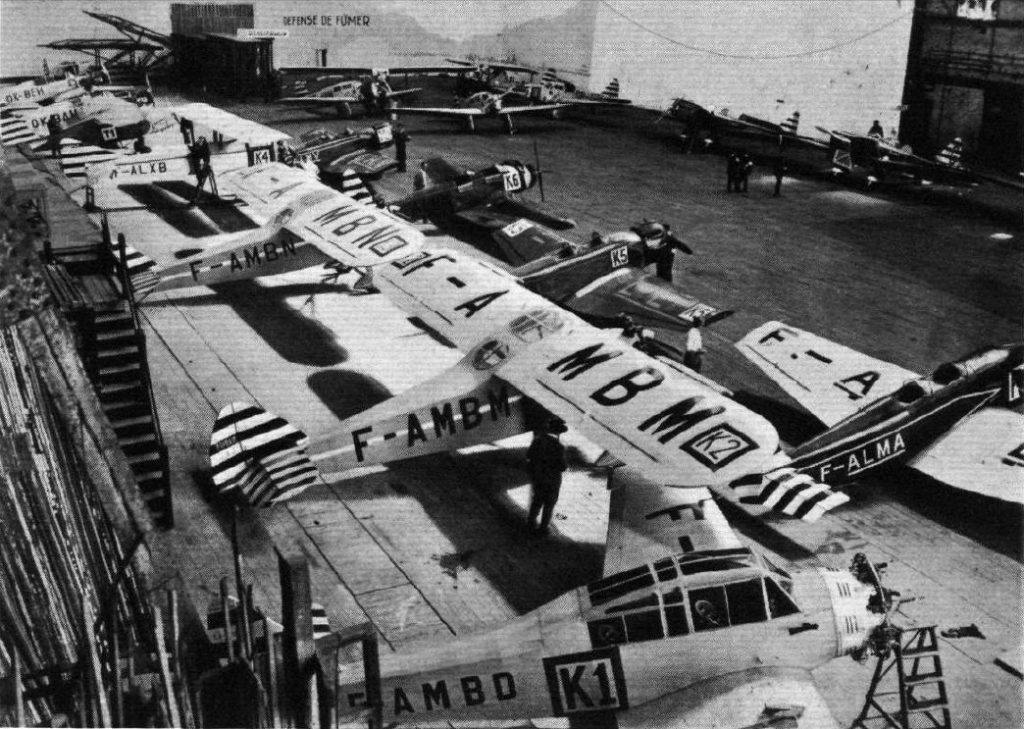
The project has a social mission focused on supporting youth, especially the more than 17,000 children in institutional and foster care in Poland. Organizers want to connect these children with aviation through the story of the RWD-6 aircraft and by building it. The RWD-6 was created in 1932 by engineers Stanisław Wigura, Stanisław Rogalski, and Jerzy Drzewiecki from the Warsaw University of Technology. Their last names formed the name of the RWD design bureau. Only three of these planes were ever made. The RWD-6 was designed to compete in the Challenge International de Tourisme, a contest for touring aircraft. Poland entered this competition in 1930 but did not finish. An RWD-4, flown by Żwirko and Wigura, had to drop out in Spain because of engine failure. The 1932 Challenge took place in Berlin from August 11 to 28. It included technical trials, a 300-kilometer (186 miles) air race, and a touring rally around Europe that covered about 7,359 kilometers (4,570 miles). In the technical trials, the RWD-6 achieved a minimum speed of 57.6 km/h (35.7 mph), a top speed of 216 km/h (134 mph), a wing disassembly and reassembly time of two minutes and 13 seconds, and a take-off run of just 111 meters (364 feet) to clear an eight-meter (26 feet) gate. These were the best technical scores of any aircraft in the competition. Pilot Franciszek Żwirko and engineer-mechanic Stanisław Wigura flew the RWD-6 SP-AHN. They finished 12th in the touring rally but won top marks in the technical evaluation, helping them to win the overall competition against strong German competitors. The victory is now celebrated as Polish Aviation Day on August 28 each year.
Another RWD-6, SP-AHL, flown by Tadeusz Karpiński and Stanisław Zientek, finished ninth out of 43 entrants. A third aircraft, SP-AHM, was lost in a crash before the competition. However, on September 11, 1932, only two weeks after their victory in Berlin, Żwirko and Wigura crashed while flying SP-AHN to an air meeting in Czechoslovakia. They went down in a storm near Cierlicko, close to the Polish border, and both died instantly. An investigation found a design flaw in the wing mounting struts, which were not strong enough and allowed the wings to twist and warp under the stress of high speed in bad weather. The only surviving airframe, SP-AHL, was rebuilt with stronger V-strut wing bracing. Despite the tragedy, the win in Berlin established Poland as a serious aviation power, even though its aircraft industry was only about ten years old. The RWD-6 and its designers became an important part of the country’s aviation history. Almost a century later, no original RWD-6 exists, but the current project in Poland aims to give this aircraft a second chance to fly. If the organizers meet their timeline, the replica will retrace the same route that made the aircraft famous, bringing this story to a new generation, including children who might not otherwise learn about aviation. For more information about the Fundacja Historia i Współczesność, visit www.zbudujmyrazemrwd6.pl.
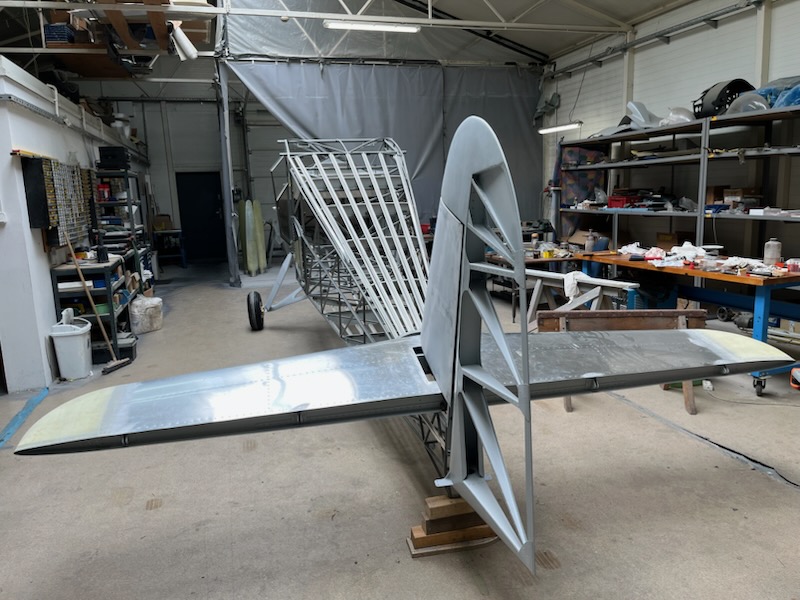
(Image credit: Damian Majsak)