
From an original article by Scott Thompson of Aero Vintage
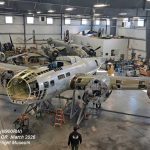
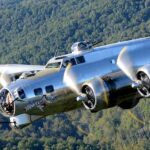
The restoration of Boeing B-17G Flying Fortress 44-85718 (N900RW), formerly known as Thunderbird and slated to fly again as We The People, continues to make steady progress at the Erickson Aircraft Collection’s Warbird Shop in Madras, Oregon. Owned by Scott Glover and the Mid America Flight Museum since late 2020, the aircraft is undergoing one of the most comprehensive B-17 rebuilds currently underway, including pioneering structural work on its wing assemblies. Aero Vintage recently visited Madras and provided an update on the project. Through Vintage Aviation News’ partnership with Aero Vintage and Scott Thompson, we are pleased to share highlights from that report.
Busy Times at The Warbird Shop, Rebuilding B-17G 44-85718
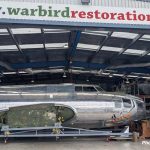
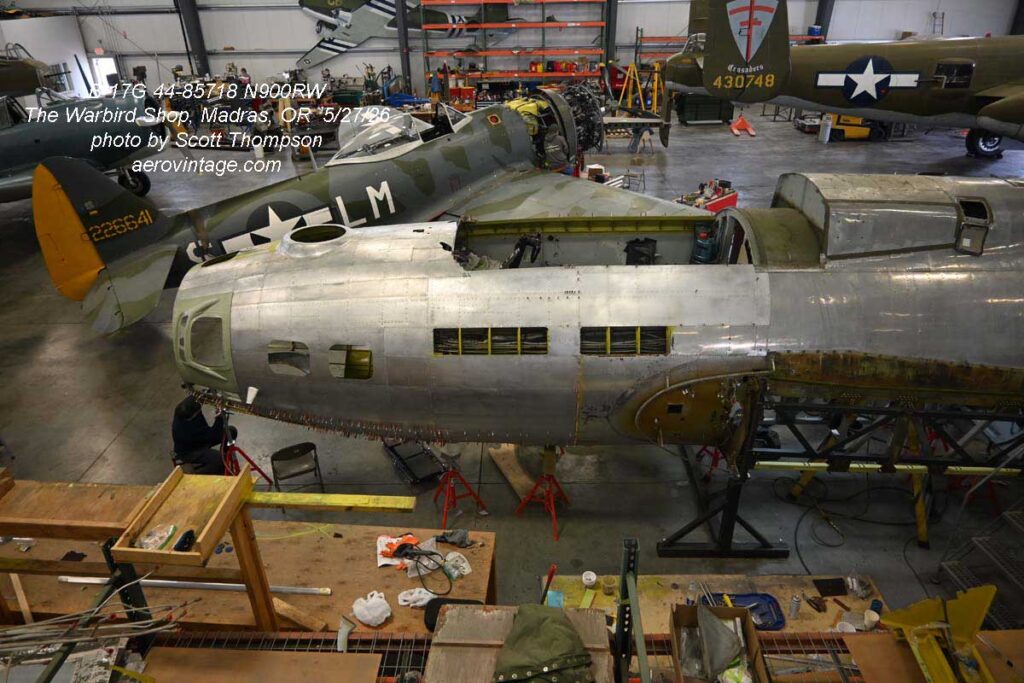
The Warbird Shop remains one of the busiest centers for vintage aircraft restoration in the country. Alongside the rebuild of 44-85718, technicians are working on the wing structures of another B-17 and performing major center-section repairs on a North American B-25 Mitchell. Routine maintenance is also underway on several aircraft from the Erickson collection, including B-17G 44-8543 (N3701G). Since arriving in Madras following its purchase from the Lone Star Flight Museum, 44-85718 has been completely disassembled for inspection and structural repairs. Detailed examinations revealed issues with the wing spars and several other critical areas, prompting a restoration effort that has now entered its sixth year.
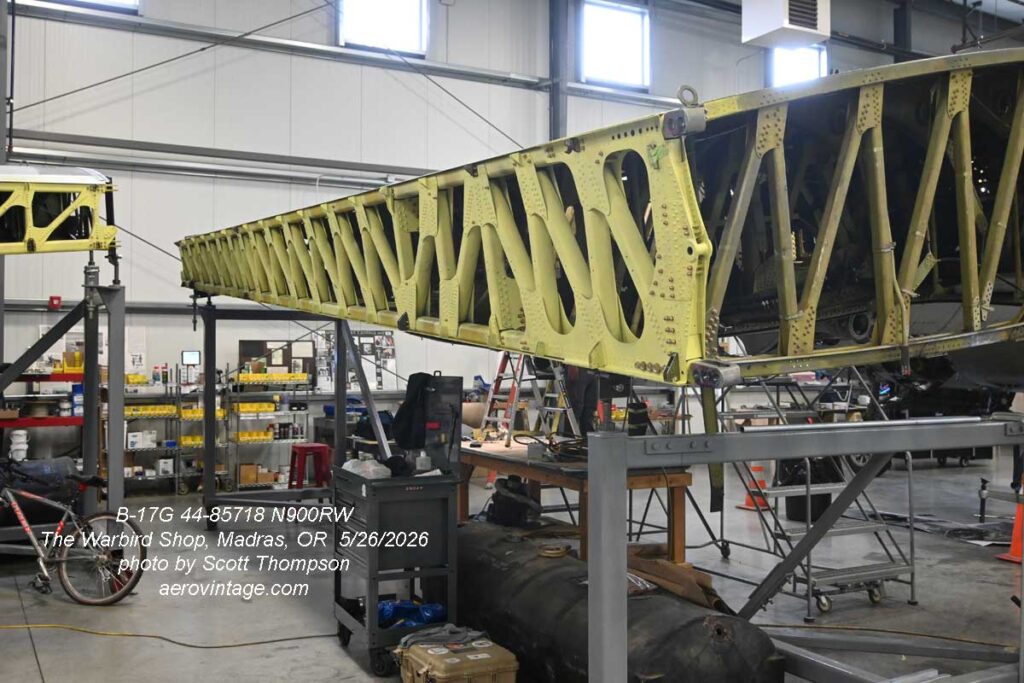
Among the most significant achievements has been the removal and replacement of both aft spar tubes in each inner wing section, along with extensive rebuilding of the wing-to-fuselage attachment structure. These repairs represented a major milestone and required techniques rarely attempted on a B-17 restoration.
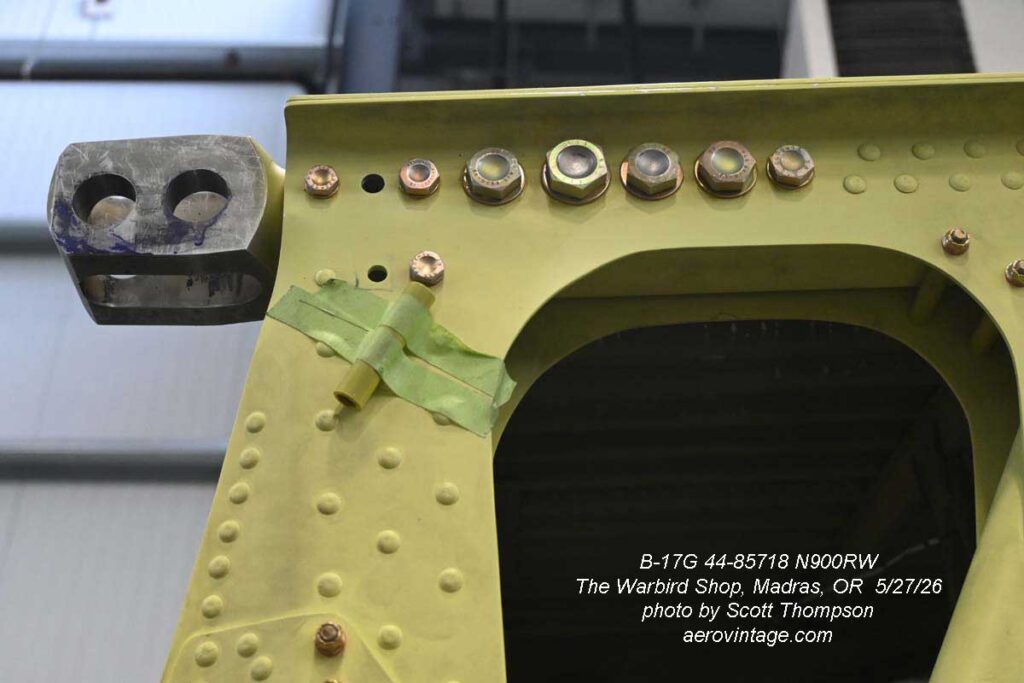
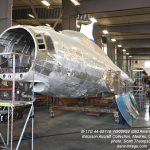
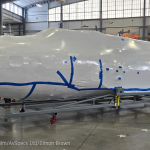
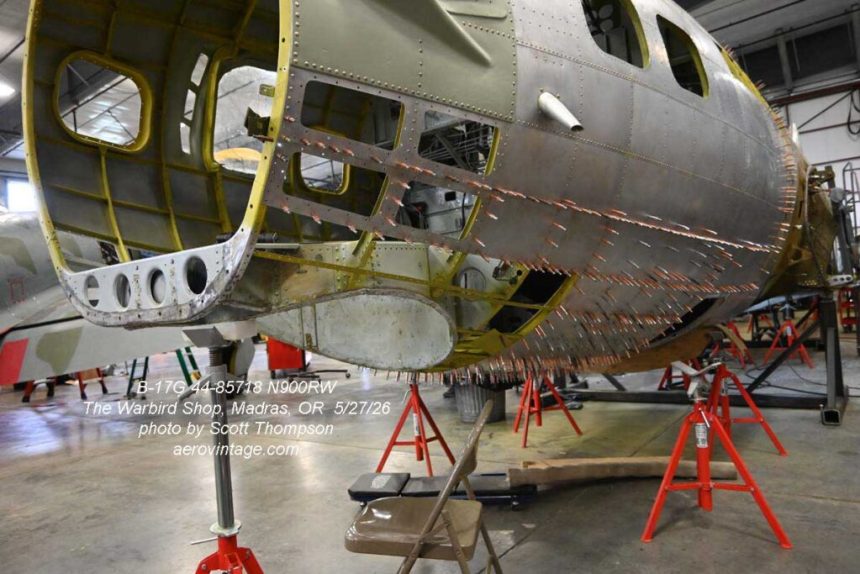
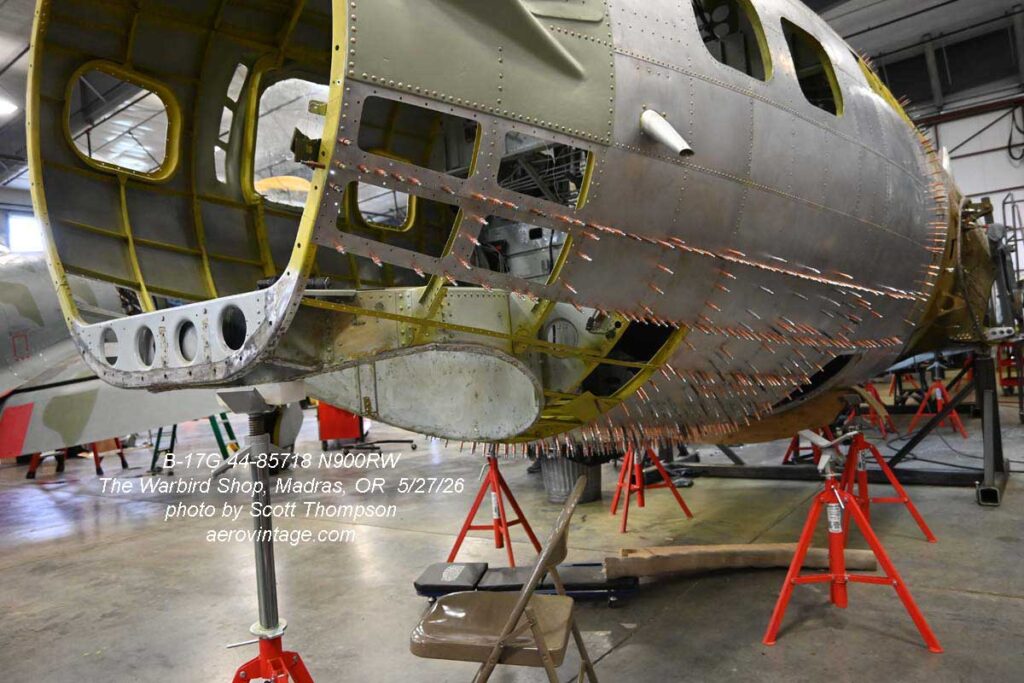
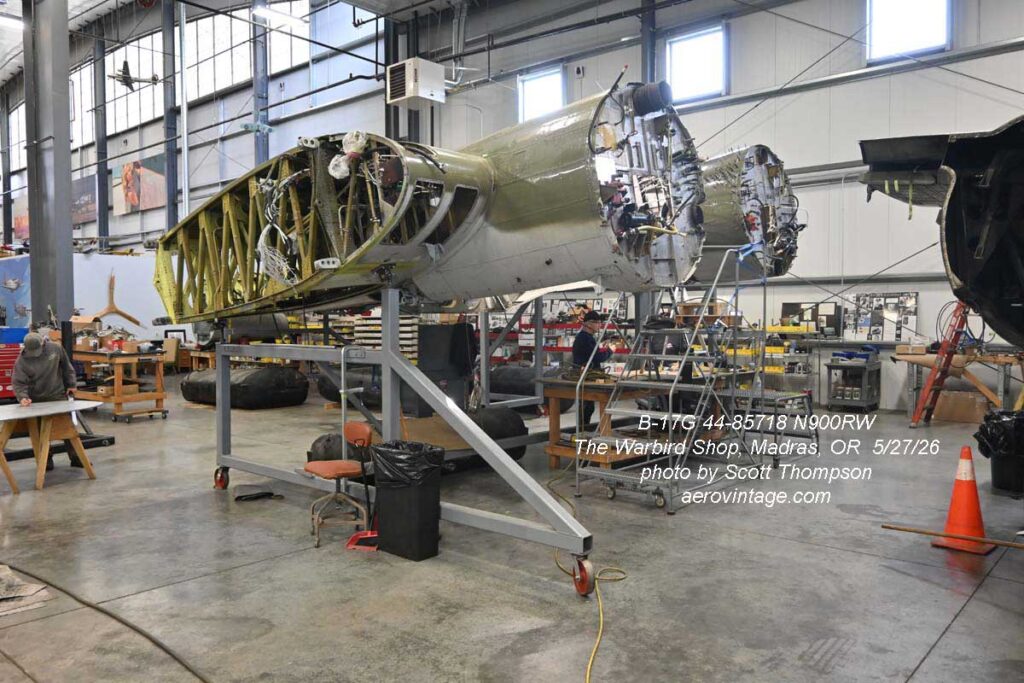
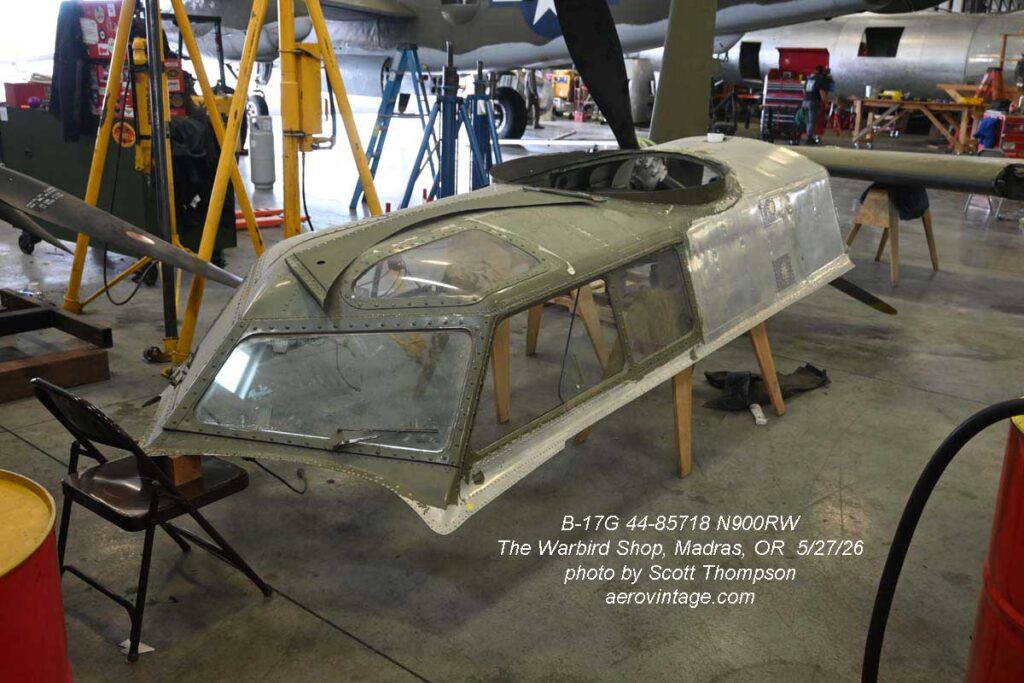
With that phase now complete, the forward and center portions of the inner wing panels have been reassembled and are awaiting the reinstallation of the aft wing sections, which include the flaps and ailerons. At the same time, the fuselage is undergoing a meticulous inspection and repair program. Corrosion discovered in various structural components required the removal of skin panels to access damaged stringers and formers. In portions of the aft fuselage, enough skin was removed that replacing entire sections with newly fabricated aluminum proved more practical than reusing the original material. Repairs in the tail section are largely complete, allowing restoration crews to focus on the bomb bay and forward fuselage. A new compression strut has been installed in the bomb bay structure, helping transfer loads between the wing attachment points and surrounding airframe. The nose section is receiving similar attention as technicians address corrosion and inspect underlying structure. Once structural work is finished, the aircraft’s systems—including wiring, hydraulics, and flight controls—will require thorough inspection, refurbishment, and testing before the airplane can return to service.
Looking Ahead
Major airframe reassembly is expected to continue through the end of 2026. During the first half of 2027, crews hope to reinstall engines, propellers, and aircraft systems before beginning operational testing. If the project remains on schedule, We The People could return to flying status by the summer of 2027. Current plans call for the aircraft to wear a polished natural-metal fuselage with aluminum-painted wings and standard U.S. Army Air Forces markings. Specific squadron or group markings have not yet been announced.
Another Fortress in Line: B-17G 44-85829
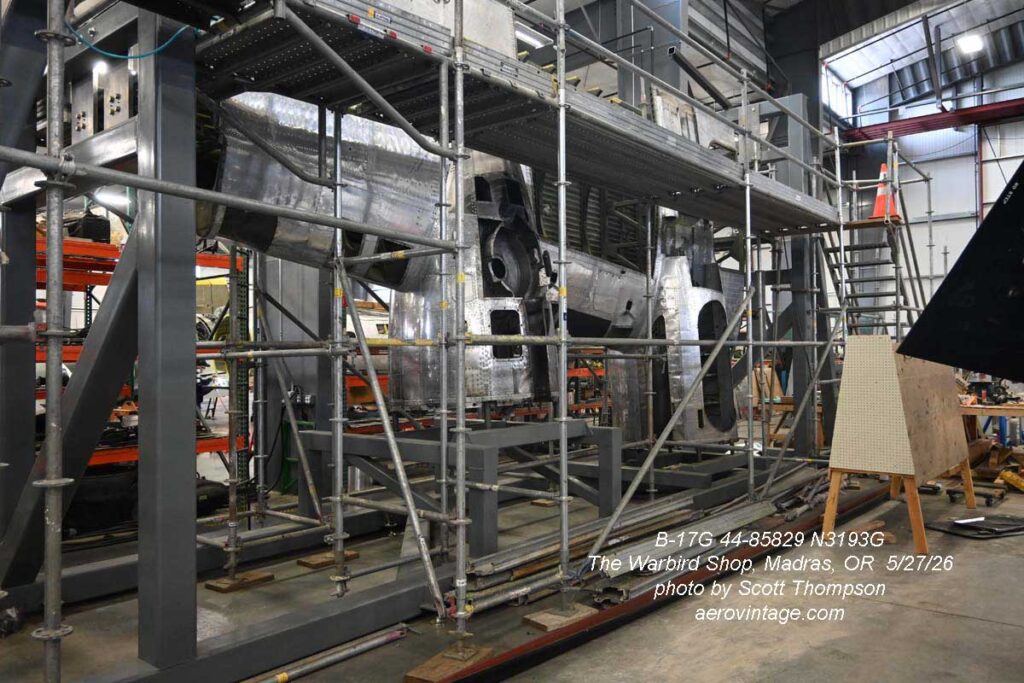
Meanwhile, another Flying Fortress is benefiting from the expertise developed at The Warbird Shop. B-17G 44-85829 (N3193G), formerly operated as Yankee Lady by the Yankee Air Force, is now owned by Charles Somers of Sacramento, California. While most of the aircraft has been shipped to AvSpecs in New Zealand for restoration, its inner wing panels remain in Madras. Inspection revealed that all four spar tubes in the aircraft’s inner wing sections require replacement. The wing assemblies are currently mounted in the same large fixtures previously used during work on 44-85718. Unlike the earlier project, which required replacement of only the aft spar tubes, restoration crews are now replacing both the forward and aft spars. Having already established procedures for removing the rear spars, the team has turned its attention to the more complicated forward spar assemblies. This requires separating the leading-edge and engine nacelle structures before lifting sections of the wing apart to access the spars. The process involves removing hundreds of rivets, extracting the original spars, preparing the structure for reassembly, and installing newly manufactured replacement components while maintaining extremely tight tolerances throughout the operation.
The Challenge of New Spar Tubes
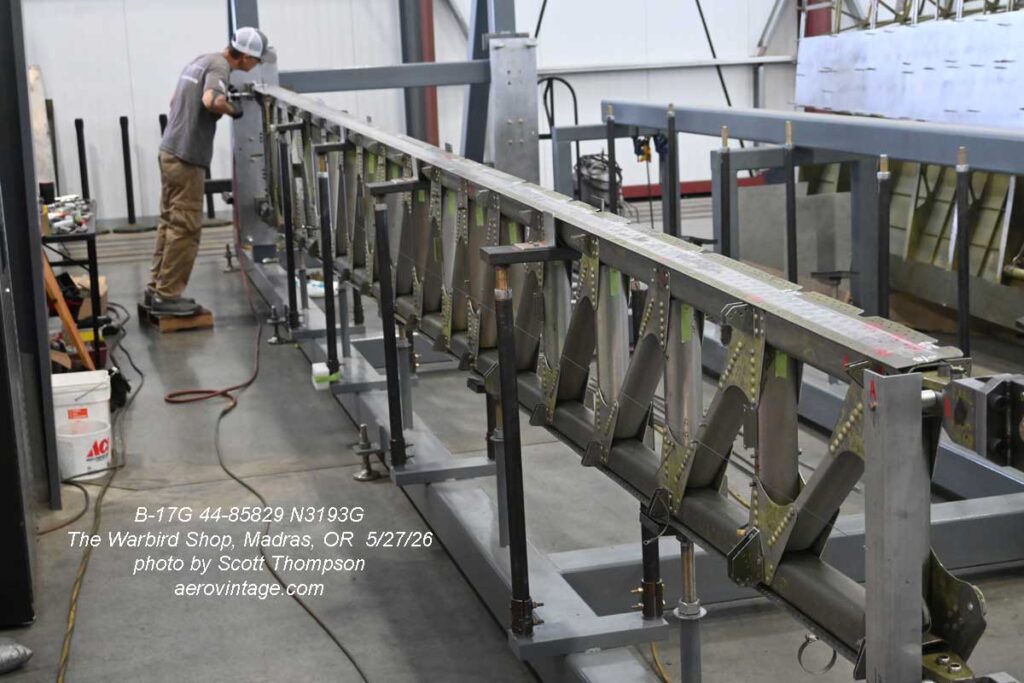
The condition of B-17 wing spars has become one of the most significant long-term maintenance concerns facing the surviving Flying Fortress fleet. Several FAA Airworthiness Directives require extensive inspection and repair programs to monitor these critical structures. Replacing the spars presents its own challenge. The original Boeing spar tubes were specialized extrusions featuring varying wall thicknesses along their length. Reproducing those components required locating a manufacturer capable of meeting the exact specifications. After an extensive search and engineering effort, a company in the United Kingdom successfully produced new spar tubes that matched Boeing’s original design requirements. Four of those tubes have already been installed in 44-85718. Producing the replacement spars, however, is only part of the challenge. Equally important is the development of specialized fixtures and procedures necessary to remove and replace them while preserving the wing’s structural integrity and alignment. The Warbird Shop has invested heavily in developing those capabilities and is now applying that experience to a second set of B-17 wings.
More Stuff at Madras #3: B-17G 44-8543 (N3701G)
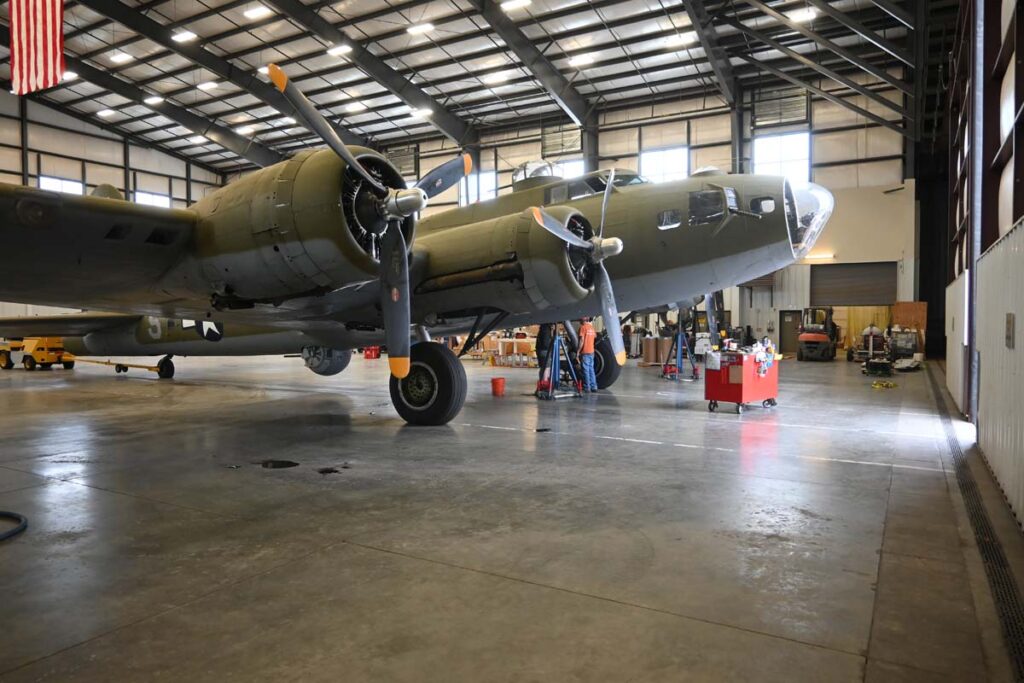
Not to be overlooked amid the other activity at Madras is the Erickson Aircraft Collection’s own B-17G, 44-8543 (N3701G), which flies as Ye Olde Pub. The aircraft remains airworthy and continues to appear at airshows throughout the Pacific Northwest. A familiar and reliable Flying Fortress, Ye Olde Pub is currently one of only two airworthy B-17s in the United States, the other being the Commemorative Air Force’s Sentimental Journey (44-83514, N9323Z). With the extensive B-17 wing spar work now being carried out by The Warbird Shop, however, the number of airworthy Flying Fortresses could increase in the years ahead.
(Image credit: Aero Vintage)
Securing the Future of the Flying Fortress Fleet
With interest growing among B-17 owners and operators, efforts are underway to determine demand for additional production runs of replacement spar tubes. The Warbird Shop is also evaluating the construction of additional wing fixtures to support future projects. Although spar replacement remains a lengthy and expensive undertaking, the willingness of owners and organizations to invest in these aircraft demonstrates a strong commitment to preserving the Flying Fortress fleet for future generations. The work underway in Madras represents more than the restoration of individual aircraft—it is helping establish the expertise and infrastructure needed to keep surviving B-17s flying for decades to come. Thanks to The Warbird Shop’s Jim Martinelli and its many restoration specialists for their cooperation in putting together this update. Many thanks indeed to Scott A. Thompson for allowing us to reproduce this article… his book, Final Cut: The Post-War B-17 Flying Fortress and Survivors as well as other titles are the gold standard when it comes to the airframe history it describes!