







By Randy Malmstrom
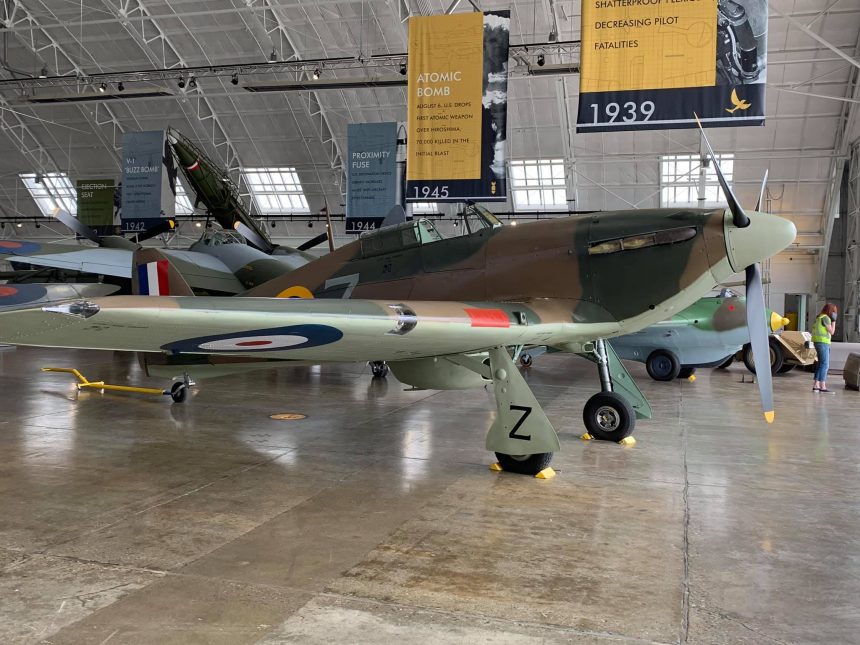
Hawker Hurricane Mk. XIIA, U.K. registration mark BW881, U.K. serial no. CCF/R32007, U.S. FAA registry N54FH. This particular aircraft was built in 1941 as one of 1,451 Hurricanes and Sea Hurricanes built by Canadian Car & Foundry Ltd. (“CCF” or also known as CanCar) at Fort William, Ontario, Canada (Thunder Bay) on the western tip of Lake Superior, and was part of the fourth production batch comprising nearly 50 aircraft with serial numbers BW835 – BW884, which were built as Sea Hurricane Mk. IA aircraft, fitted with four machine guns in each wing, Rolls-Royce Merlin III engines driving de Havilland propellers, and (as they were intended for use by the Fleet Air Arm), catapult spools and arrester hooks (except BW841 and BW880, which were built as standard Hurricane Mk. X aircraft). Note that during WWII, aircraft serving with the Royal Canadian Air Force (RCAF) had been assigned Canadian serial numbers usually consisting of a 2-letter prefix followed by 4 numbers; and “BW” designated aircraft were Sea Hurricanes initially bound for Britain, generally for the Royal Navy, and when the need was no longer there, the aircraft stayed in Canada, still designated as Sea Hurricanes.
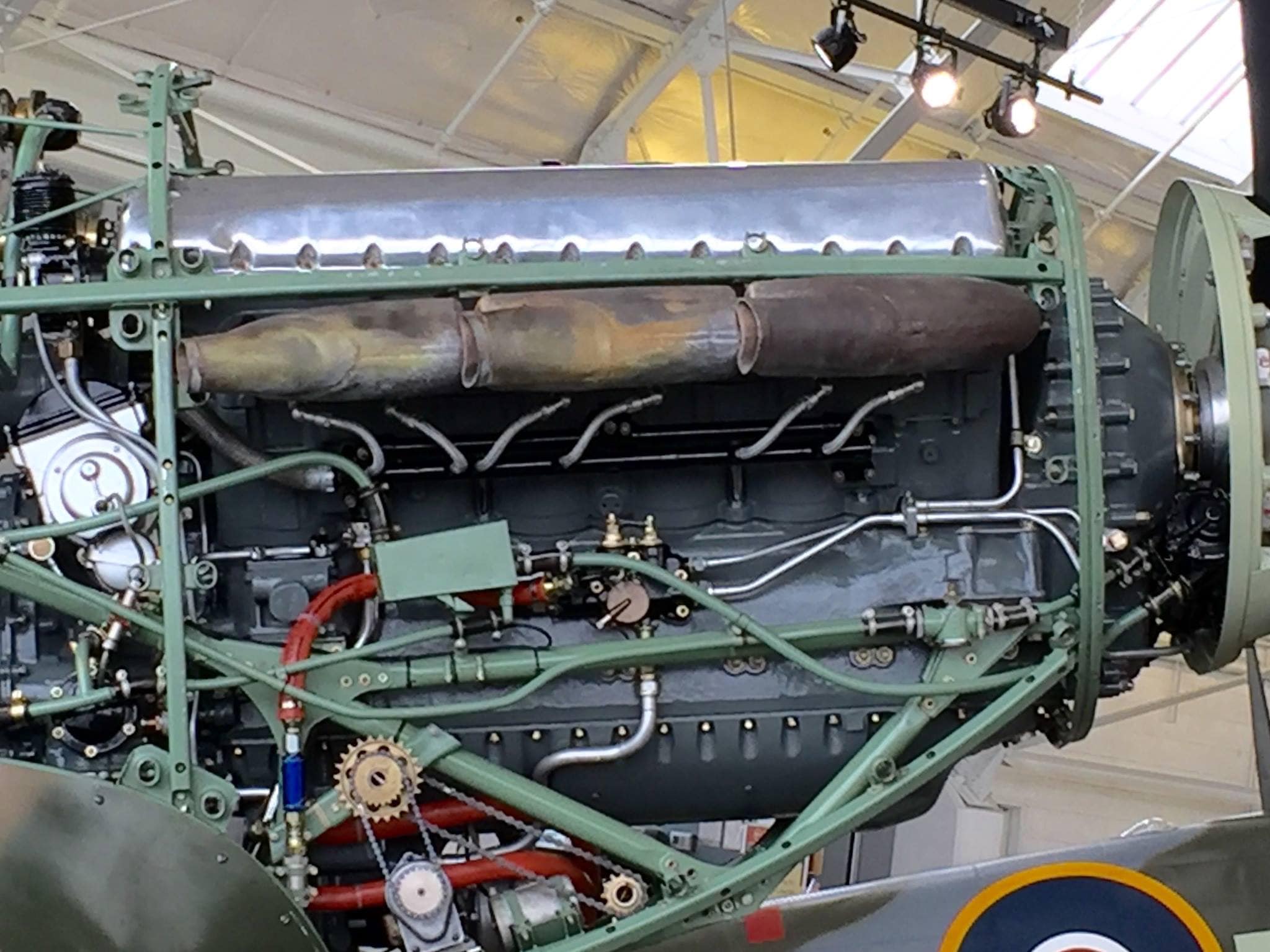
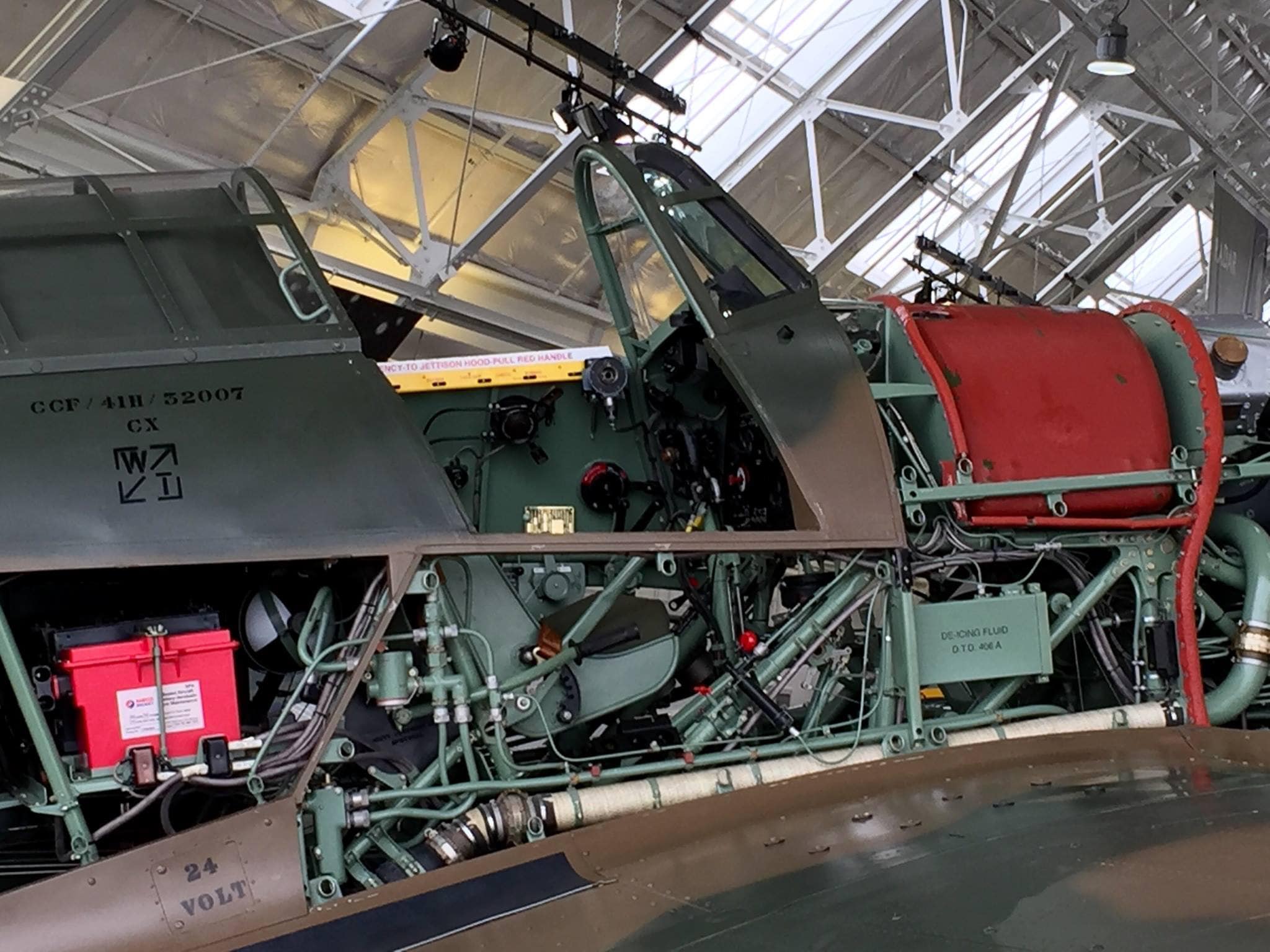
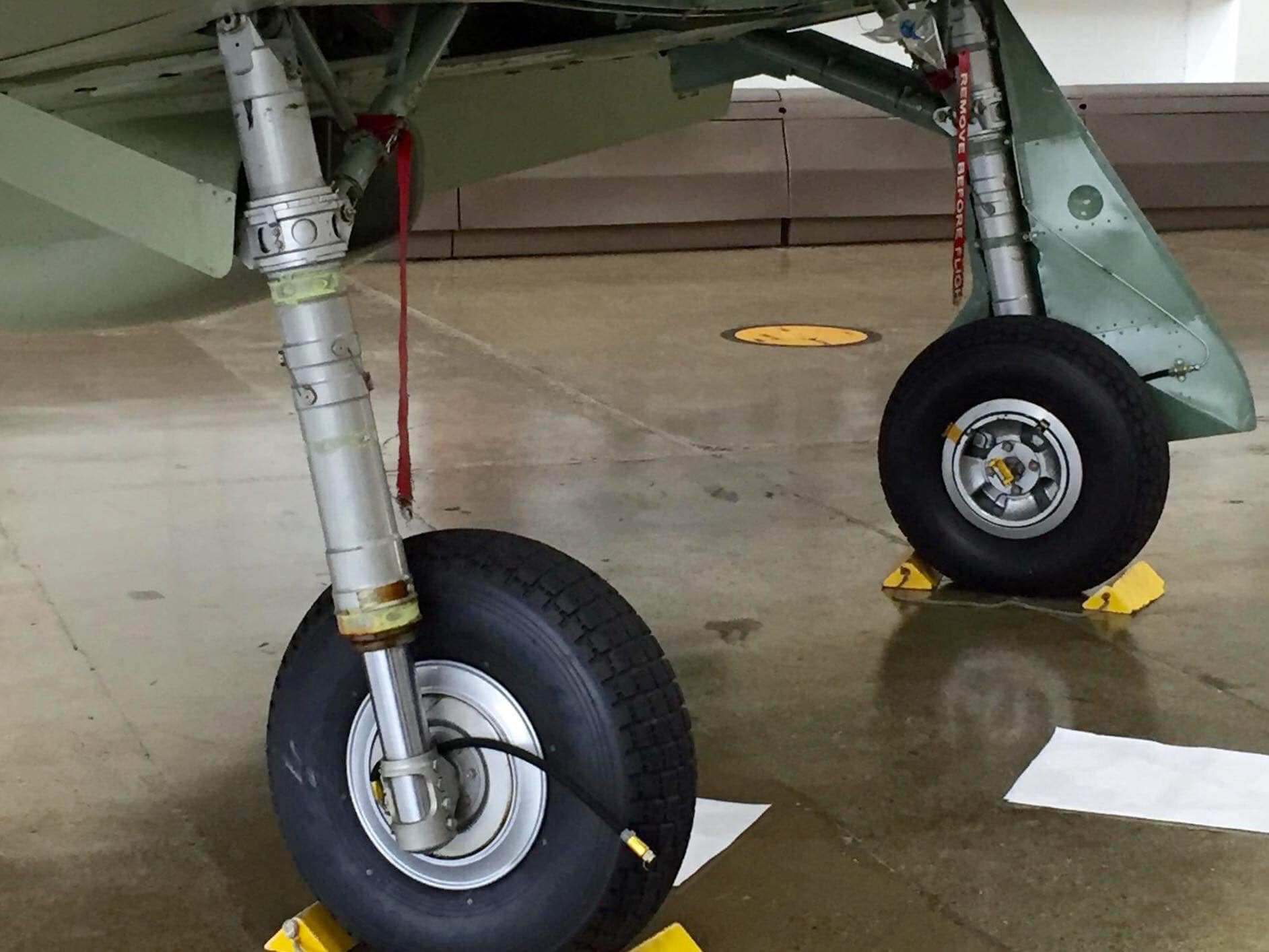
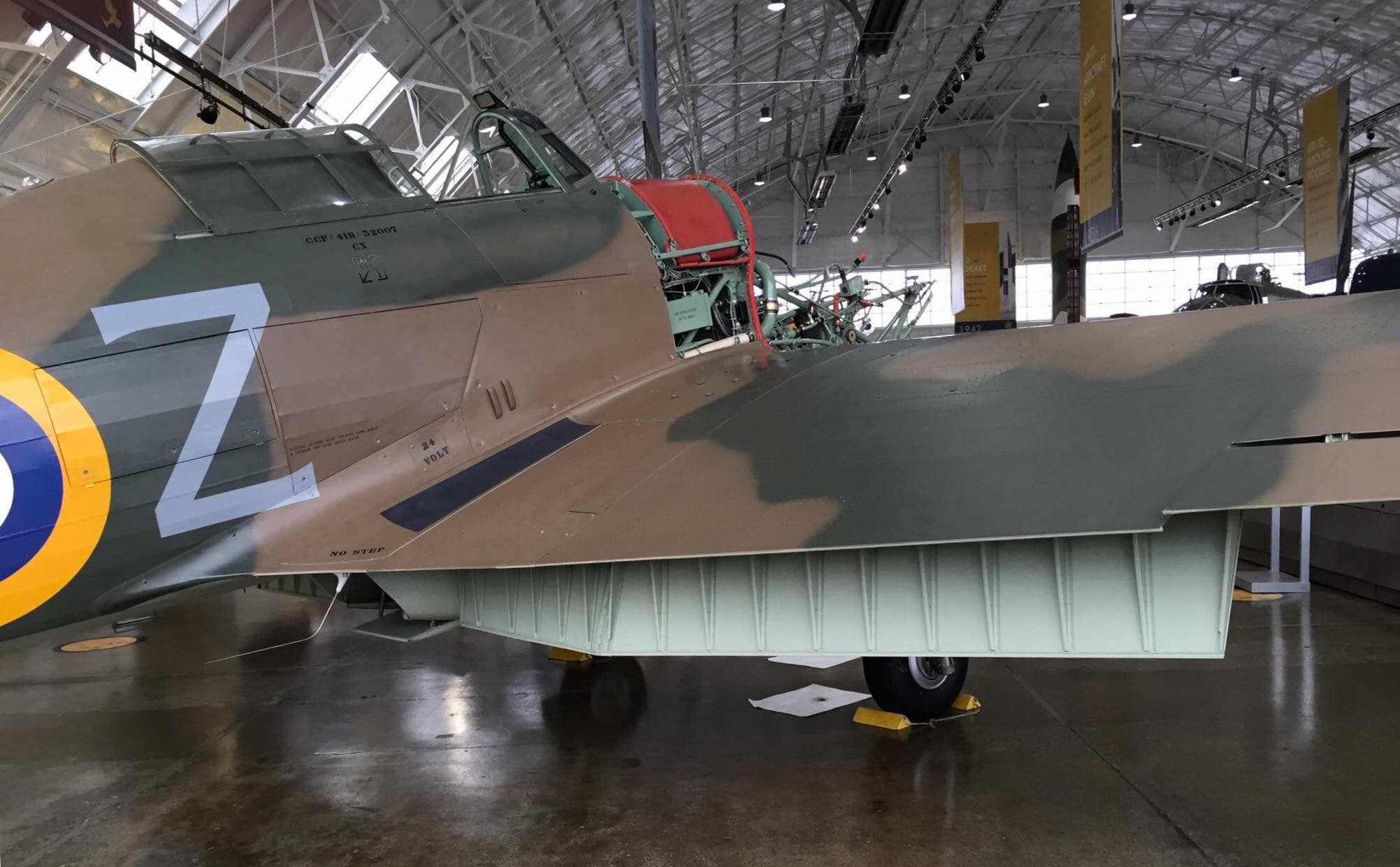
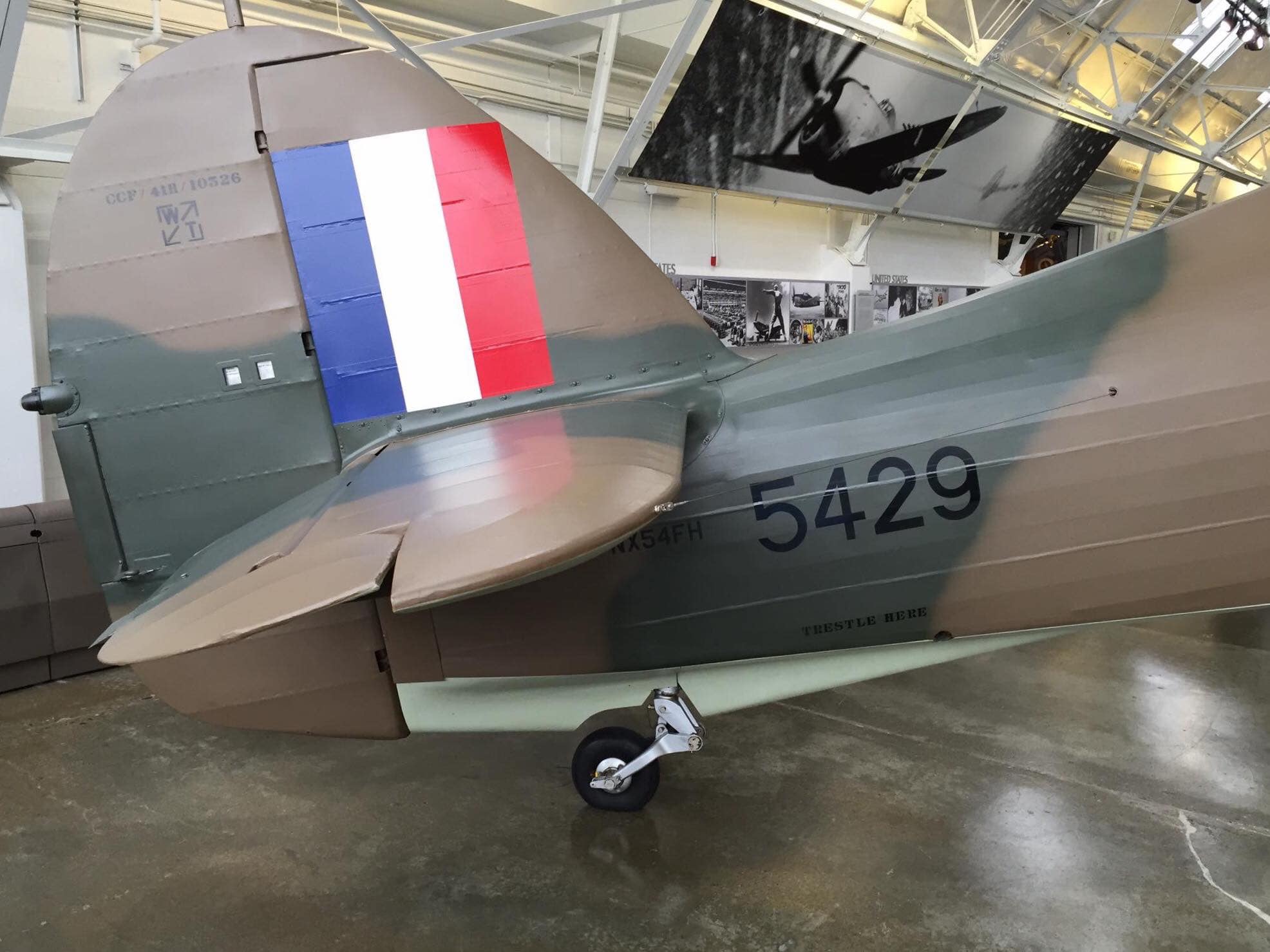
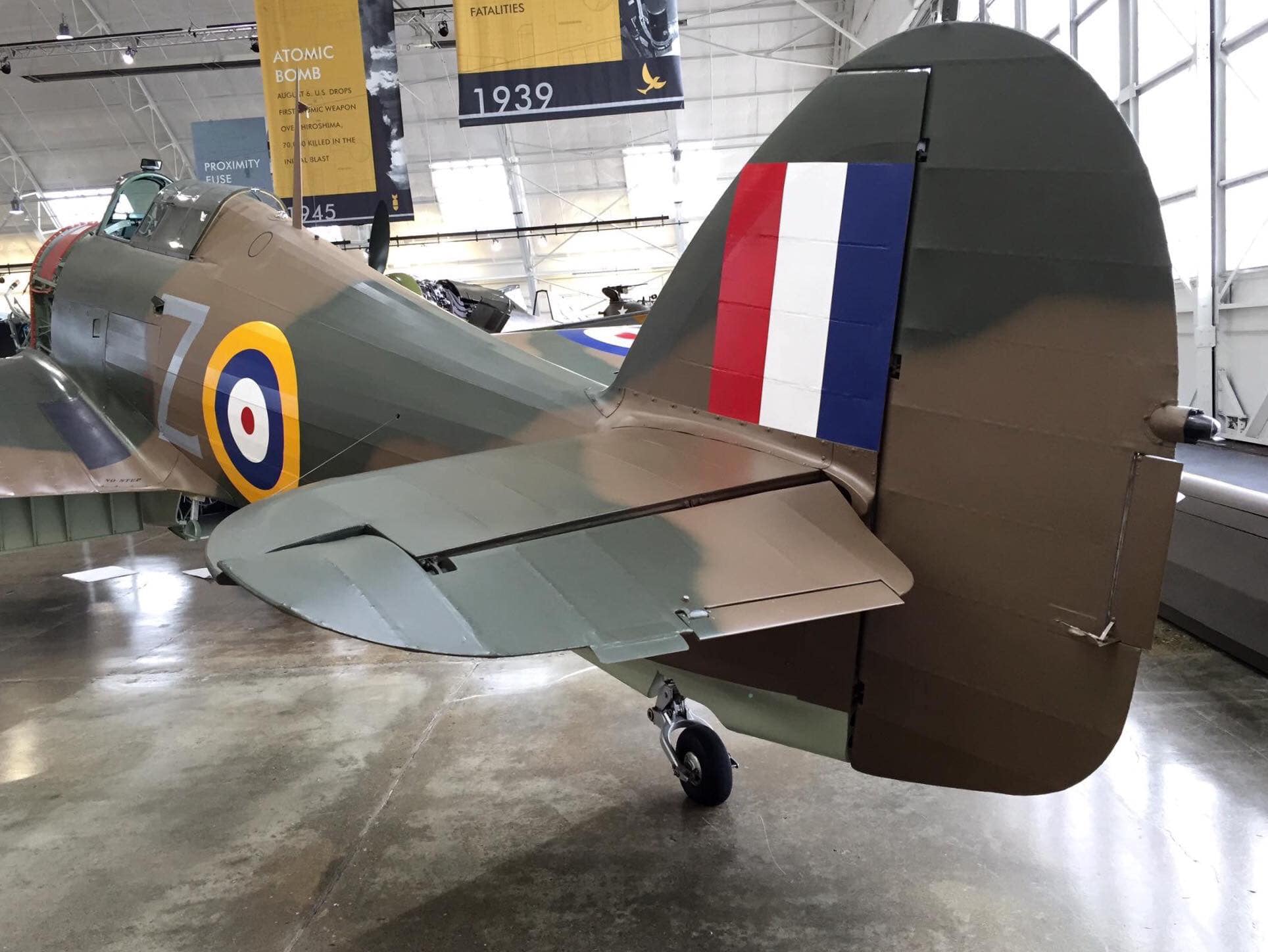
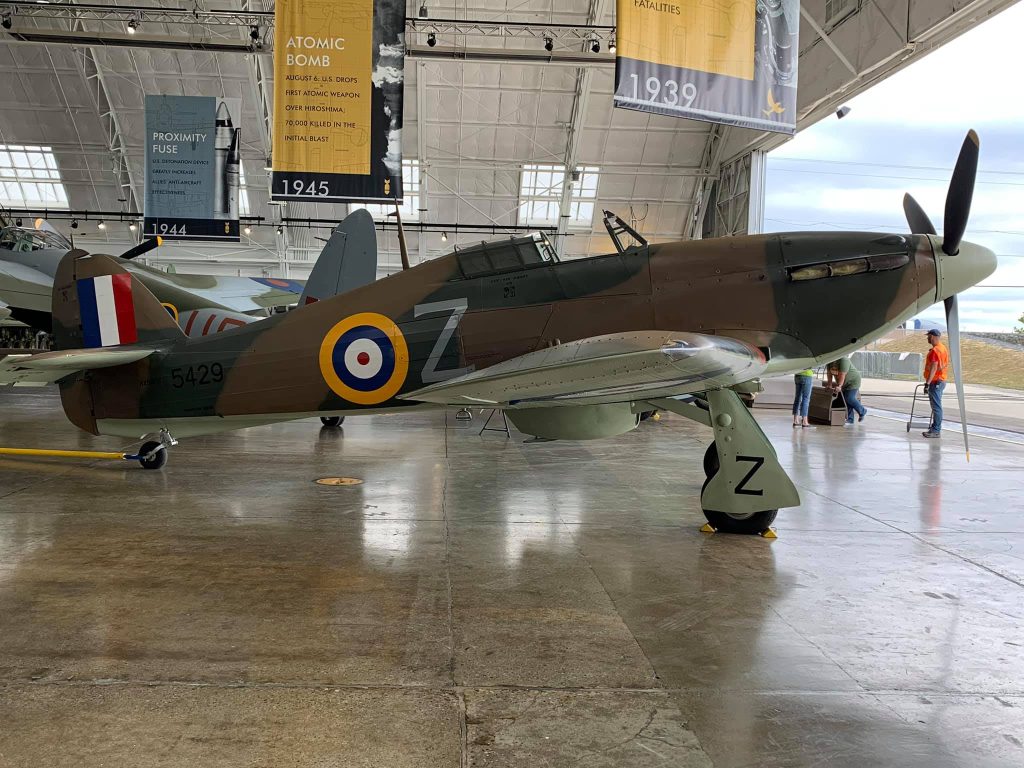
The first few were ferried by RAF pilots to the RAF Merchant Ship Fighter Unit at Halifax, Nova Scotia. After the Japanese attack on Pearl Harbor on December 7, 1941, all but two of these aircraft were transferred to Eastern Air Command of the RCAF, which took charge of these aircraft on January 17, 1942, at Dartmouth, Nova Scotia, as reserve aircraft. It was initially assigned to No. 118 (F) Squadron, but it was put into storage and did not see combat (the squadron was re-equipped with Curtiss P-40 Kittyhawks). On June 23, 1943, it became one of 50 aircraft sent back to CCF for conversion to a Hurricane Mk. XIIA (Canadian-built land-based variant without arrester hook or catapult spool) and fitted with a Packard-Merlin 29 engine running a Hamilton Standard propeller and 8 .303-caliber machine guns. On September 20, 1943, the plane was assigned to No. 1 (F) Operational Training Unit at RCAF Station Bagotville at La Baie, Quebec. Shortly thereafter, Sergeant E.E. Whitehead was forced to belly-land the aircraft following engine failure near St. Anne, Quebec; the pilot was uninjured. After repairs, the aircraft was involved in a wheels-up landing on September 7, 1944, while Flight Officer E.L. Banks was testing a new engine – again, the pilot was uninjured. The aircraft was sent to No. 9 Repair Depot, but apparently it was not repaired. I had originally found that Cameron Logan, a Quebec farmer, had acquired it after WWII and stored it on his farm in Saint-Jean-sur-Richelieu, Quebec, for 30 years, but I have also been informed that that is not the case.
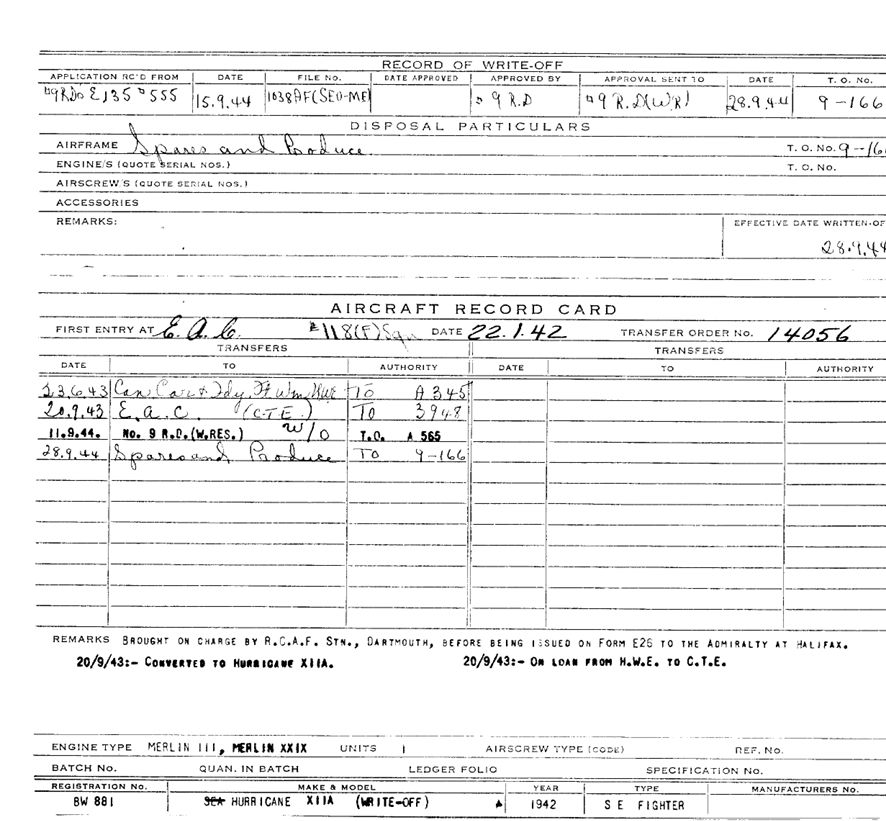
So at some point, it became part of Tex Lavallee’s “Lavallee Cultural and Aeronautical Collection” at Saint-Chrysostome, Quebec (which included a number of Hurricane remains), and when Lavallee sold his collection, this aircraft was acquired by Matt Sattler of Carp, Ontario, who sold it to Tony Ditheridge at Midlen in Suffolk, England (where he worked on aircraft in the hangar in is back garden), in the summer of 1987, and his company AJD Engineering Ltd. determined that the aircraft restoration was beyond its budget. It was then sold to William Tassell and Henry Pearman, who moved it to Tassell’s farm at Ulcombe, Kent. Restoration work was started; by then, it was under the sole ownership of Pearman. It then sat for a few years (complete with the CCF construction plate) before being sold to Maurice Hammond of Eye Tech Engineering Ltd., who registered it under the civil registration “G-KAMM” on February 23, 1995. Hammond did not work on the aircraft, and it was returned to Tony Ditheridge and, on December 10, 1998, was re-registered to the Alpine Deer Group Ltd. of Wanaka, New Zealand. By then, Ditheridge had formed Hawker Restorations Ltd. at Elmsett Airfield in Suffolk in partnership with Sir Tim Wallis.
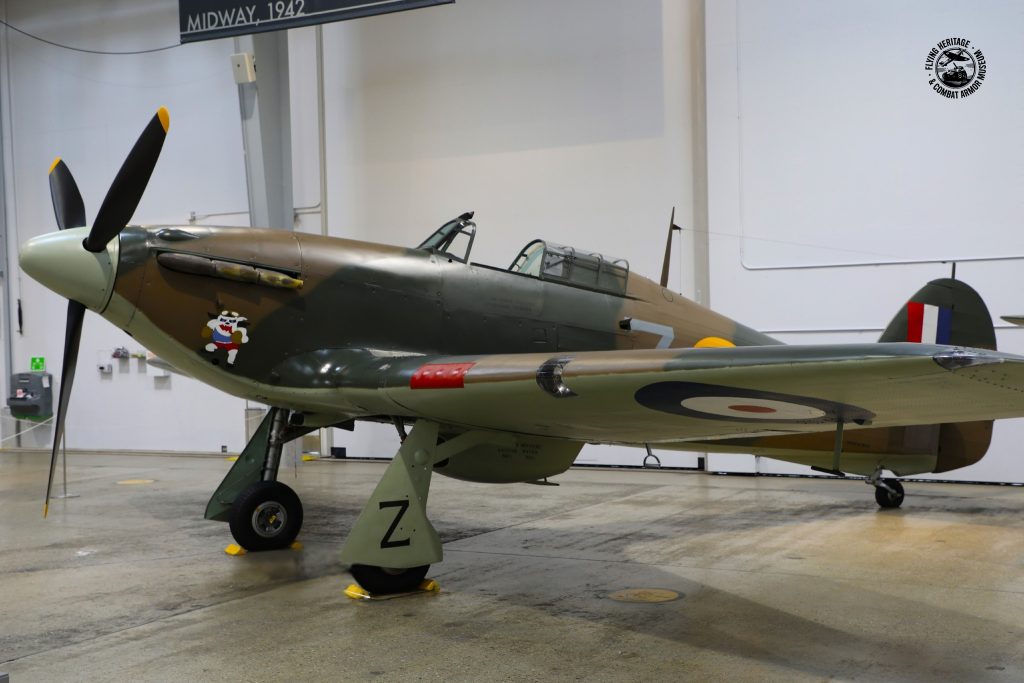
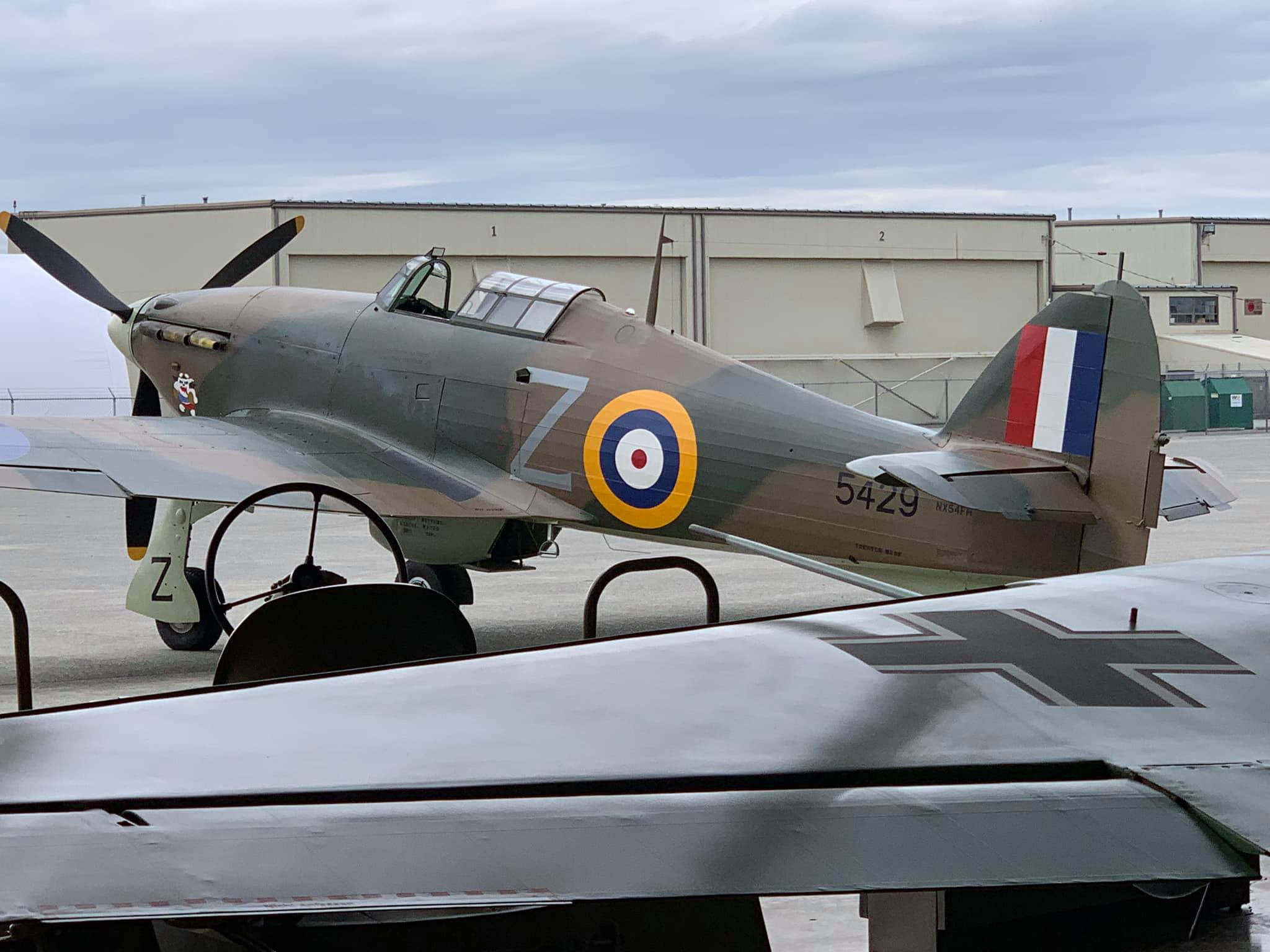
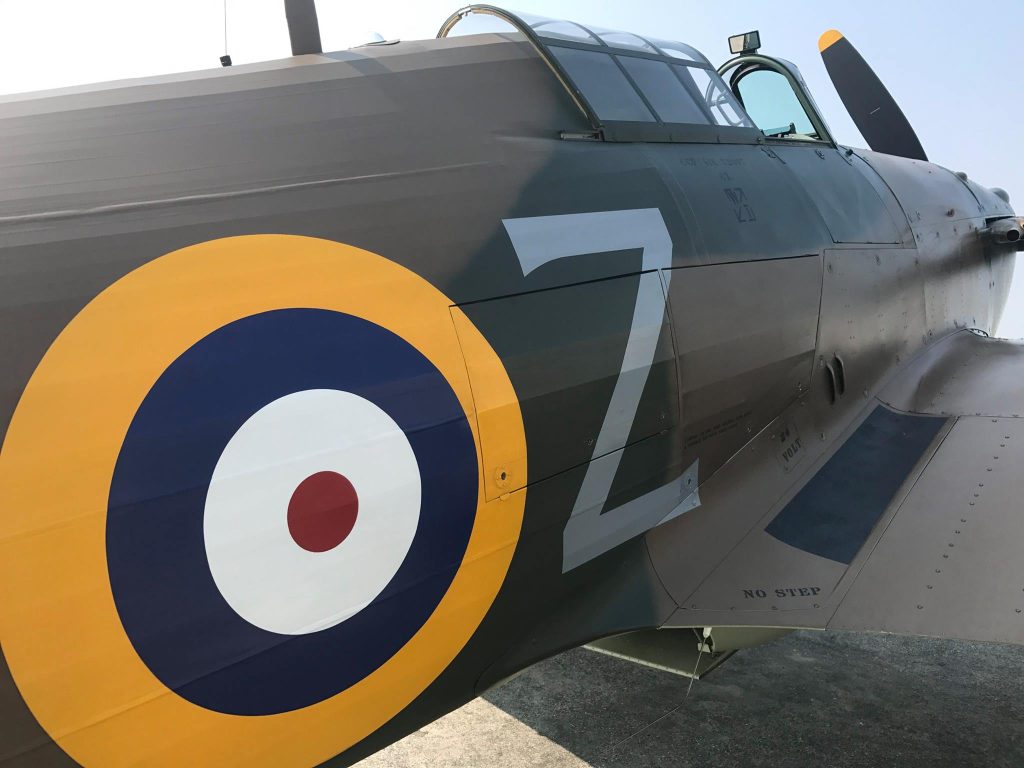
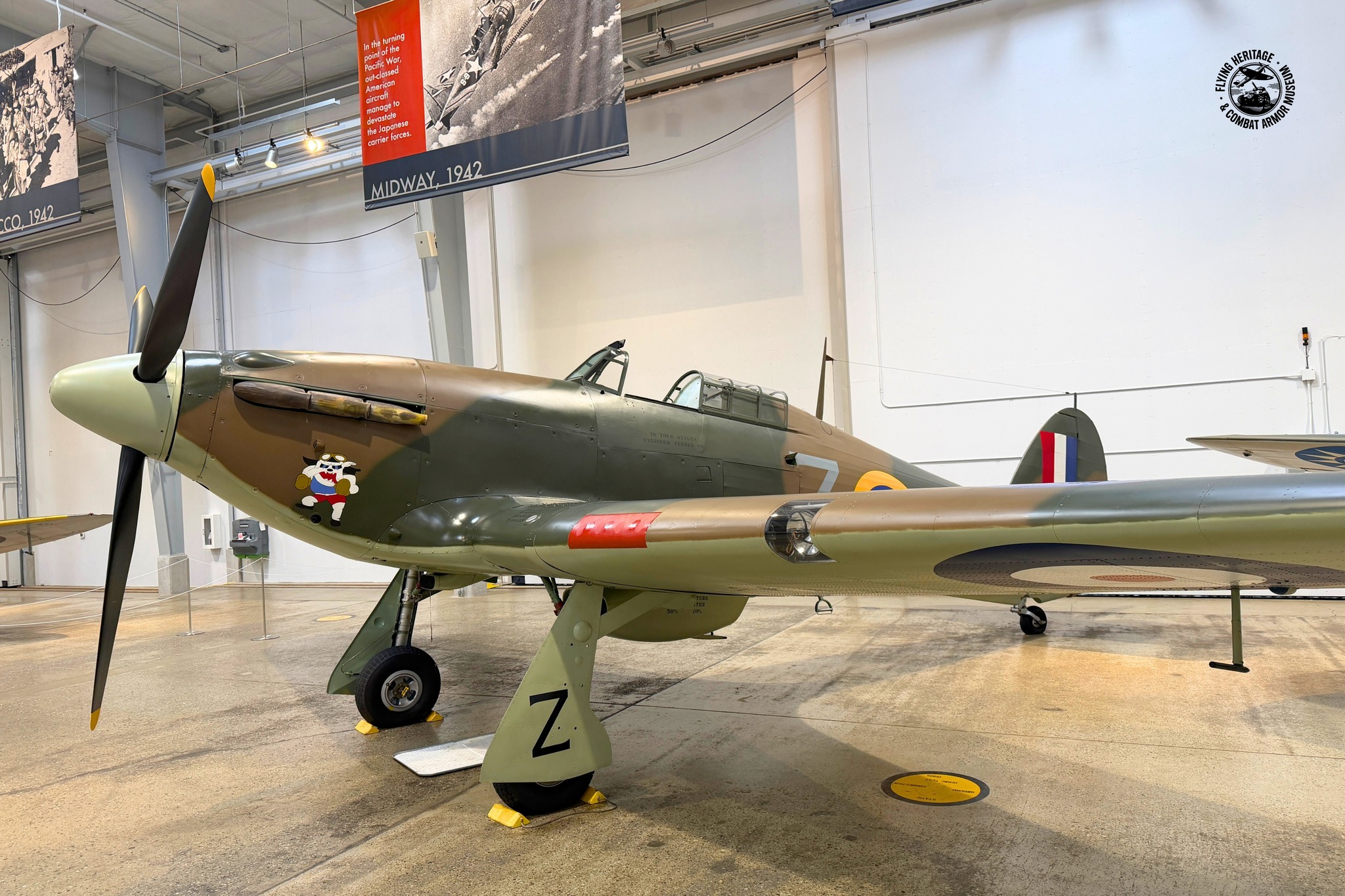
It was acquired from Sir Tim Wallis in August of 1998 as part of a 4-aircraft package including a Bf-109E-3 Emil, Polikarpov I-16, and Spitfire; Paul Allen incorporated his Vulcan Warbirds Inc. in 2004 for the purpose of owning such aircraft. Restoration by Hawker Restorations continued until 2006, and it was fitted with a Packard-Merlin 224 engine running a Hamilton Standard propeller. It was land-hauled to Wattisham Airfield, Suffolk, and was first test flown by Stuart Goldspink on March 15, 2006. After further testing, in August it was crated in Arlington, Washington, reassembled, and moved to what is now known as Flying Heritage & Combat Armor Museum, located on Paine Field in Everett, Washington, where it remains, registered under Walmart mogul Steuart Walton’s Military History Museum Inc. The UK civil registration of “G-KAMM” was cancelled and registered with the U.S. FAA registry N54FH. It is painted in the colors of number 5429 of the Royal Canadian Air Force No. 135 (F) Squadron, the “Bulldog Squadron” with the individual aircraft letter “Z” (and according to records, was one of at least three No. 135 (F) Squadron Hurricane aircraft to receive a 14-inch light blue tail band, I understand that squadron aircraft were not required to over-paint the red roundel circle or add the 14-inch light blue band, and according to Hawker Restorations, “the choice of such a squadron was simply down to the fact that none have been represented by a flying Hurricane, and a photograph of Hurricanes at Patricia Bay showed various roundel and fin-flash styles, and the decision to represent “Z” was down to the fact that with A-type roundels on the upper wings and the code letter repeated on the undercarriage doors it was a little unusual, and few aircraft are flying with the code letter quite that late in the alphabet.”).
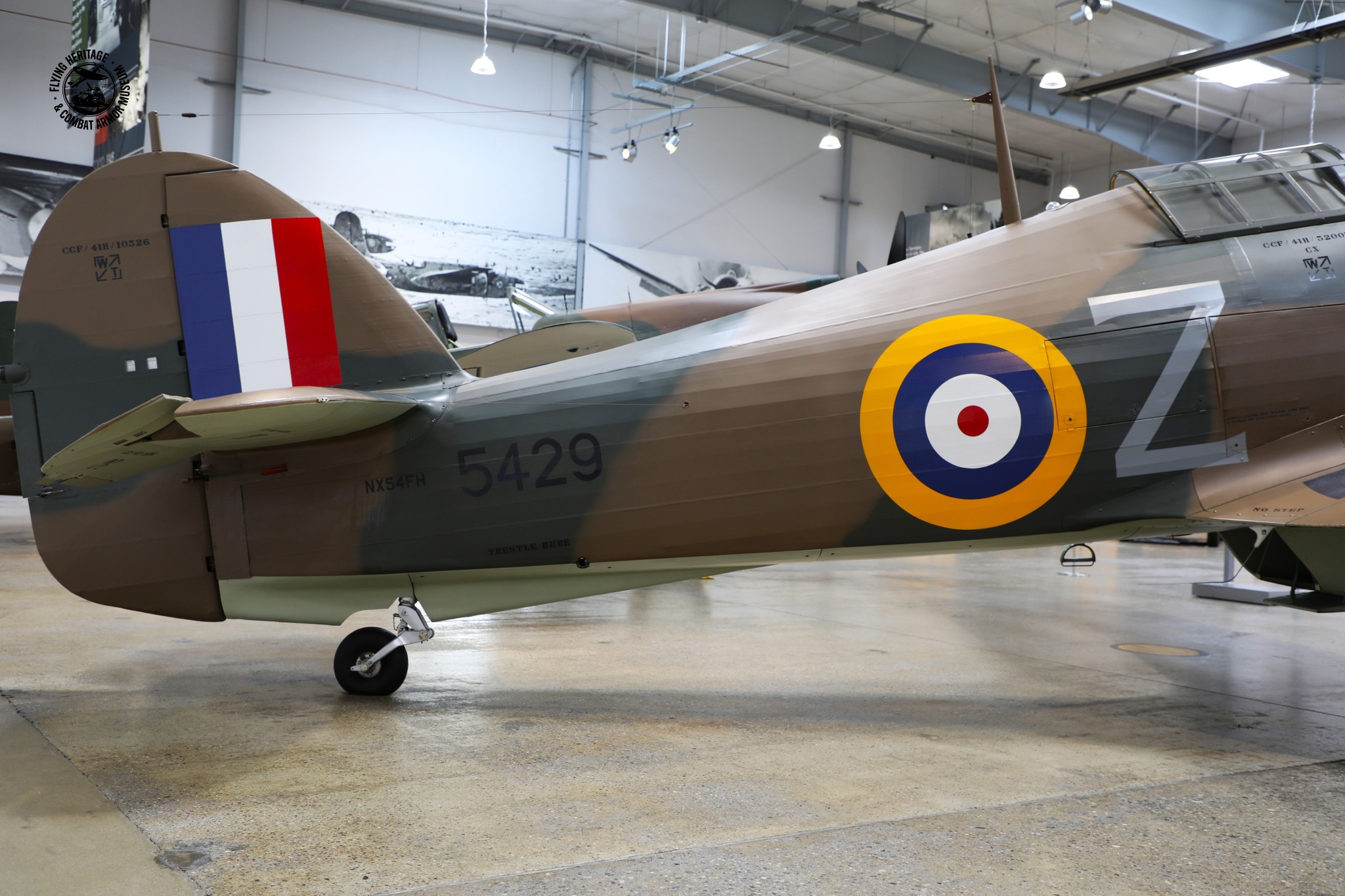
No. 135 (F) was part of the Western Air Command (headquartered in Vancouver, B.C.) and was one of the many HWE (Home War Effort) defensive fighter and bomber squadrons stationed on both the Atlantic and Pacific coasts. In August of 1942, 5429 had rolled off the production line at Fort William, Ontario, with manufacture number 849 and serial number 44019. It was flown to No. 4 Training Command at Regina, Saskatchewan. (No. 4 was one of four Training Commands created in Canada to support the British Commonwealth’s war efforts in WWII. Under these four commands, 231 flying schools and training stations of the British Commonwealth Air Training Plan (BCATP) appeared throughout Canada, and small towns such as Dunnville, Ontario, and Yorkton, Saskatchewan, saw an influx of young pilot trainees from all over the Commonwealth as well as from the United States, in the latter case by Americans who enlisted in the RCAF.) No. 135 was a Canadian Home Defense squadron formed – stood up – on June 15, 1942, at Mossbank, Saskatchewan, until the Bulldog Squadron was moved to Patricia Bay, British Columbia, on September 10, 1942.
It flew West Coast Air Defense along the southern coast of British Columbia, including the Ucluelet Area, a section interlocking with the U.S. patrols and as far as 300 miles west of Patricia Bay; it also flew from Annette Island, Alaska, providing air support for the city of Prince Rupert, B.C., while still under Western Air Command control. No. 135 (F) Squadron Hurricane aircraft continued to patrol for Japanese Fu-Go fire balloons from (it is believed) Saskatoon, Saskatchewan, and remained in service until as late as August of 1945, as balloon sightings were reported until late July of 1945. (Over fifty Fu-Go sightings were reported in British Columbia alone in 1945, and two were shot down as “Paper Kills;” 10 were found in Alberta and 8 in Saskatchewan, with a total of 285 reported in the Northwestern U.S. and northern Canada; and on February 22, 1945, a sheep was killed by a balloon in Lethbridge, Alberta; and it is more well-known that five people were killed in Oregon; and as with all Fu-Go balloon sightings, newspapers were not allowed to report them as the Allied governments did no want the Japanese authorities to have any details as to the effectiveness of the Fu-Go operation)
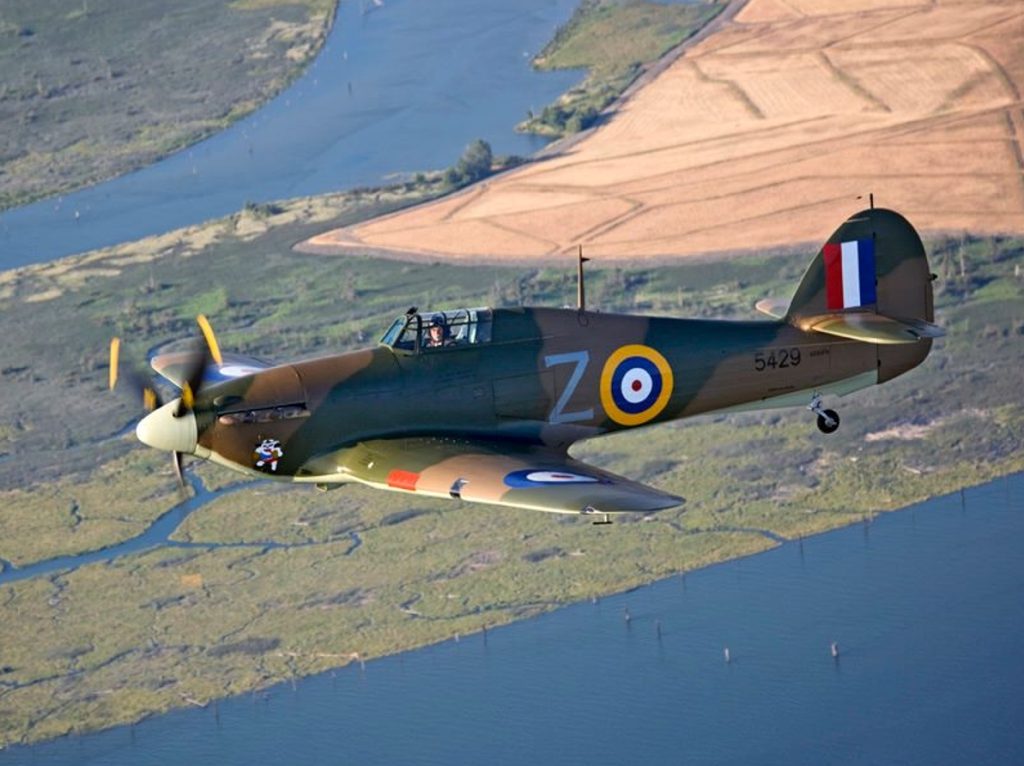
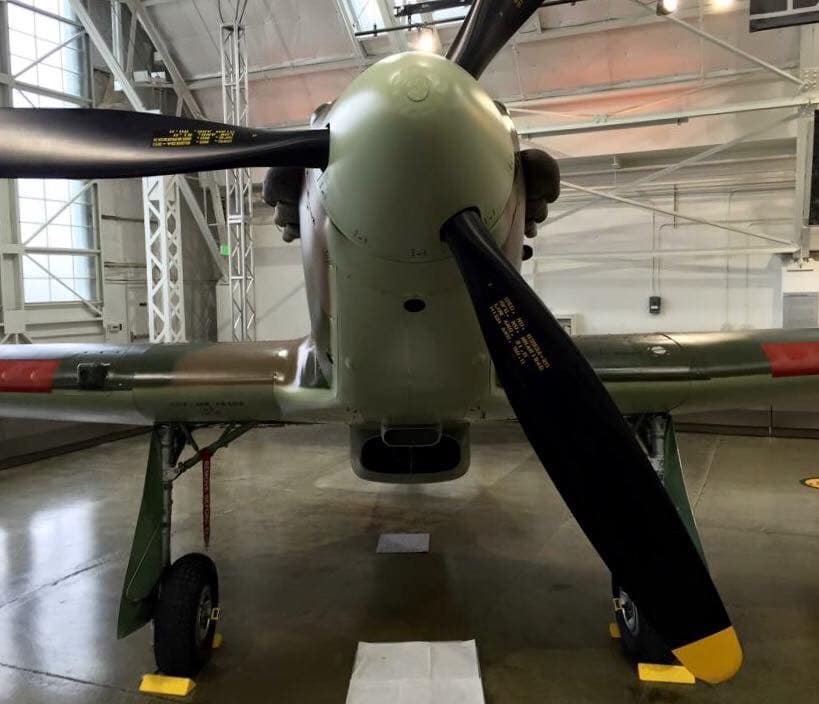
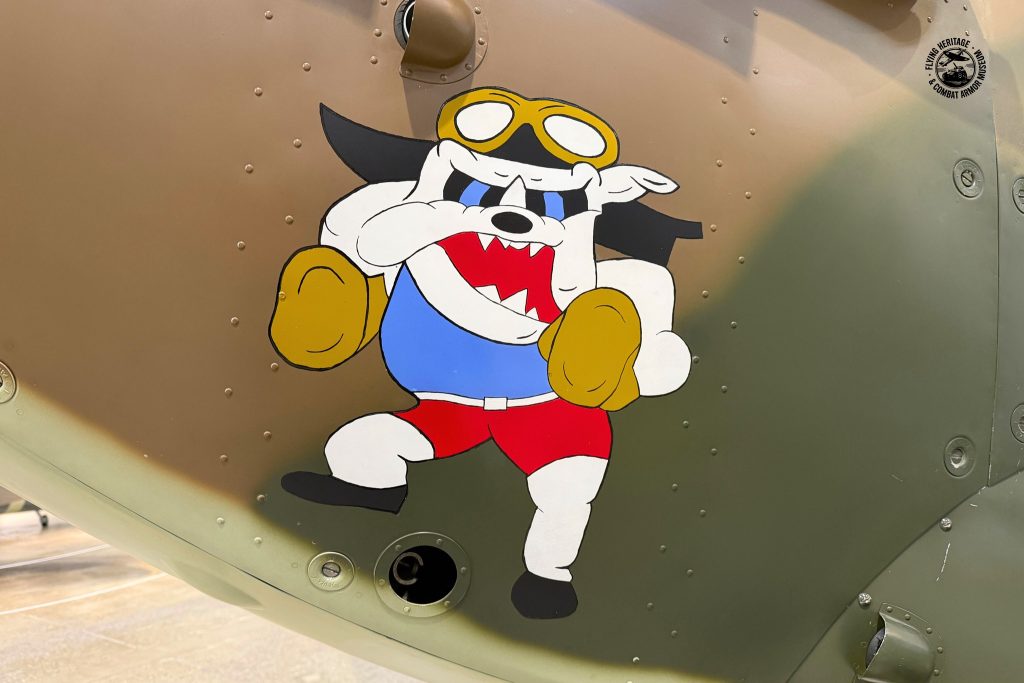
No. 135 (F) Squadron was disbanded on September 10, 1945. I have not found the final fate of 5429. The Bulldog Squadron emblem was adapted by squadron pilot Fl./Sgt. Alan Hartley from the “Pugnacious Bulldog” insignia created by Disney Studios artists for the U.S. Army Air Corps 62nd Fighter Squadron, 56th Fighter Group, U.S. Army Air Forces stationed at Charlotte, North Carolina (in all, Disney studio artists Hank Porter, Roy Williams, Bill Justice, Van Kaufman, Ed Parks and George Goepper created more than 1,200 insignia for Allied aircraft, including RCAF squadrons’ vehicles, vessels and bombs, and were reportedly fully paid by Walt Disney). The No. 135 (F) adopted a real English Bulldog as a mascot, which they named “King”, followed soon thereafter by “Queen.” The undercarriage doors and fuselage of this aircraft restoration have a “Z” aircraft letter (although not painted on the underside of the nose here). The squadron “officially” had brighter red on their aircraft’s roundels and fin-flash. It appears that the large spinner on the Hamilton Standard hydromatic propeller on this restoration was not typically seen on the Hurricane until late in WWII. My photos and video clips.
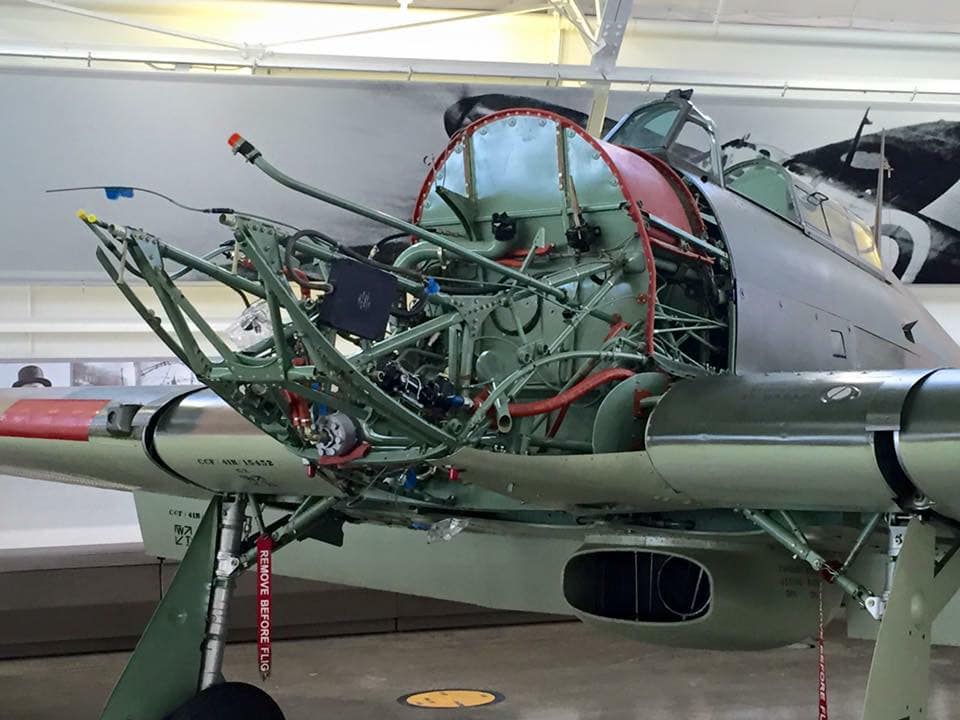
Introduced into service in 1938, the Hurricane was the first operational British Royal Air Force aircraft to exceed 300 mph. The fuselage was made with steel Warren truss-style girders (patented in 1848 by British engineer James Warren) overlaid by wood stringers covered by a doped linen skin. The cockpit’s high stance for visibility gives the aircraft its distinctive hump. The “universal wing” design that was adopted allowed for interchangeable armament configurations.
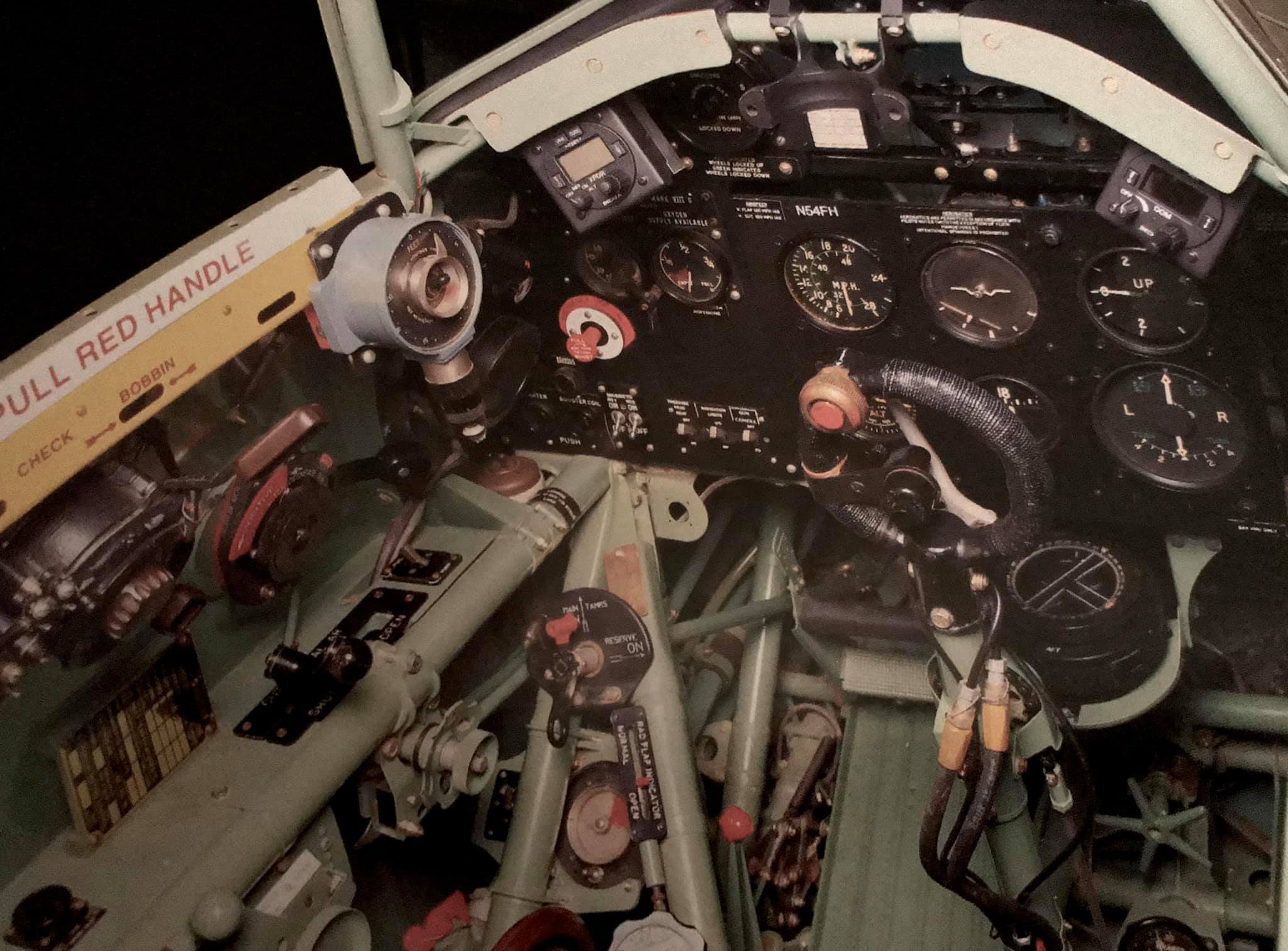
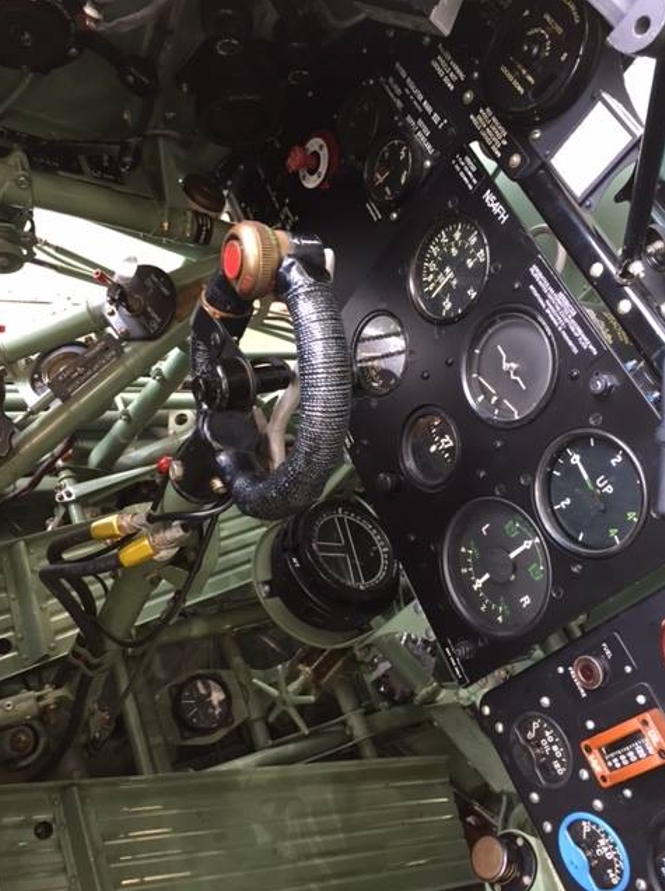
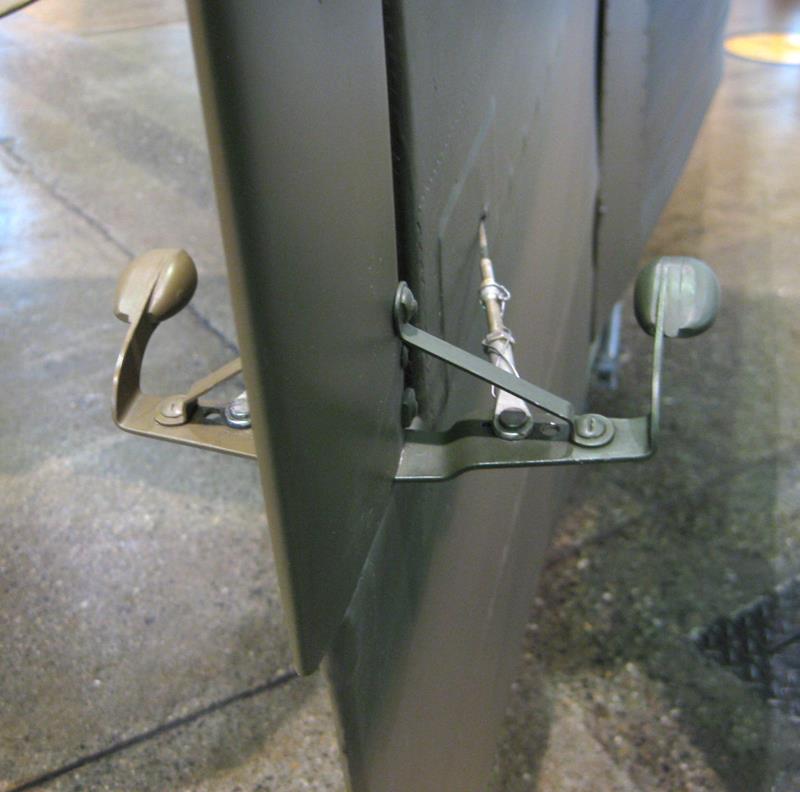
Armament on this aircraft: eight Browning .303 cal. machine guns and could carry 500 lbs. of ordnance or 8 rockets on wing hard points. Pilot access is aided by a retractable stirrup attached to a spring-loaded hinged flap which covered a handhold on the fuselage behind the cockpit; when the flap closed, the stirrup retracted. The red tape (sometimes yellow) over the gun ports was common practice on the ground as protection from dirt and moisture, and notified ground crews that the guns were loaded. The Type G45 gun camera was manufactured by Williamson Mfg. Co. Ltd., London & Reading (standard on other British aircraft from 1939).
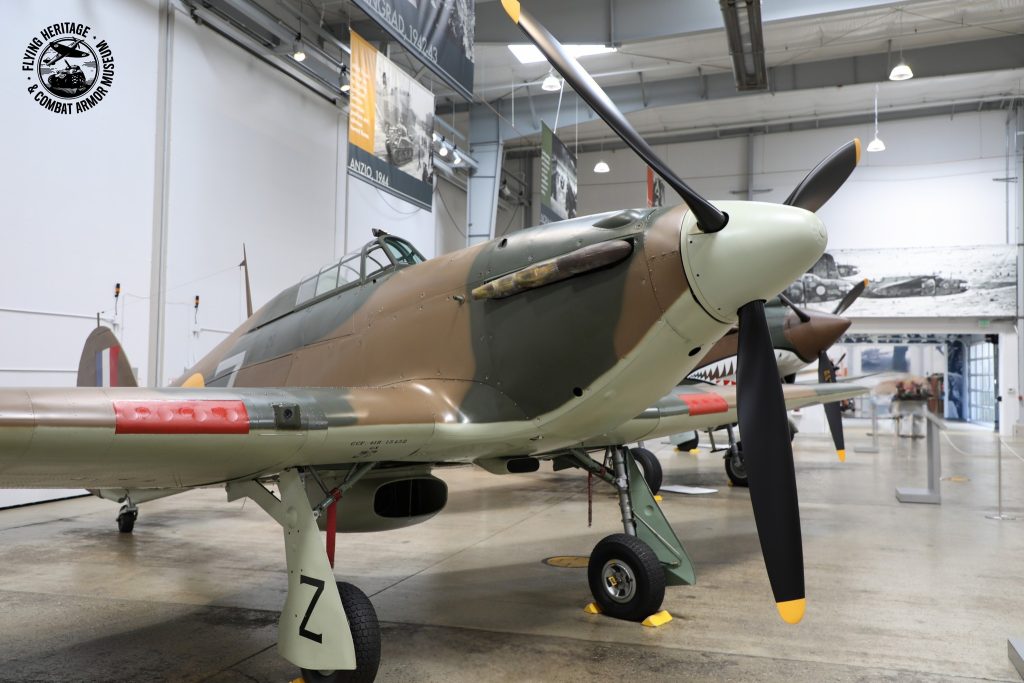
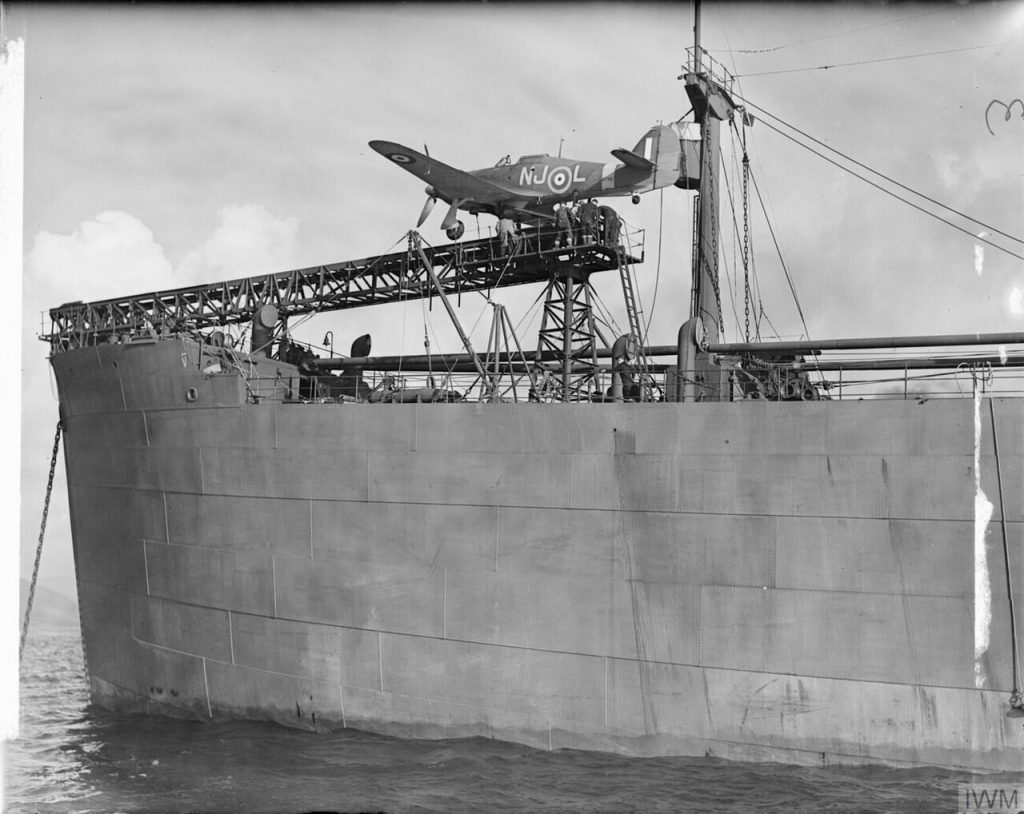
The Hurricane is credited with destroying more enemy aircraft in the Battle of Britain than its counterpart, the Supermarine Spitfire. The Sea Hurricanes were a catapult-launched naval version with catapult spools on the underside of the wing roots, radio gear for communication with merchant marine vessels, and an arrester hook; the Sea Hurricanes became nicknamed the “Hurricat” or “Catafighter.” The Sea Hurricanes were initially deployed by the British Merchant Ship Fighter Unit (MSFU) of the Royal Air Force. The MSFU was created to operate from merchant ships known as Catapult Aircraft Merchant (CAM) ships, and was outfitted with a catapult on their bow that provided a rocket-propelled assist to launch the aircraft. There was no way to recover the aircraft shipboard, so the pilot was obliged to bail out or ditch the aircraft following the mission. MSFU was an effort to close the sea gap in the Atlantic Ocean (where land-based Allied aircraft at the time were unable to reach) and provide convoy protection to merchant marine vessels.
About the author 
Randy Malmstrom grew up in a family steeped in aviation culture. His father, Bob, was still a cadet in training with the USAAF at the end of WWII but did serve in Germany during the U.S. occupation in the immediate post-war period, where he had the opportunity to fly in a wide variety of types that flew in WWII. After returning to the States, Bob became a multi-engine aircraft sales manager and, as such, flew a wide variety of aircraft; Randy frequently accompanied him on these flights. Furthermore, Randy’s cousin, Einar Axel Malmstrom, flew P-47 Thunderbolts with the 356th FG from RAF Martlesham Heath. He was commanding this unit at the time he was shot down over France on April 24th, 1944, and spent the rest of the war as a prisoner of war. Following his repatriation at war’s end, Einar continued his military service, attaining the rank of Colonel. He was serving as Deputy Wing Commander of the 407th Strategic Fighter Wing at Great Falls AFB, MT, at the time of his death in a T-33 training accident on August 21, 1954. The base was renamed in his honor in October 1955 and continues to serve in the present USAF as home to the 341st Missile Wing. Randy’s innate interest in history in general, and aviation history in particular, plus his educational background and passion for WWII warbirds, led him down his current path of capturing detailed aircraft walk-around photos and in-depth airframe histories, recording a precise description of a particular aircraft in all aspects.




Thanks for the great article which I enjoyed reading, please keep up the good work. One detail is not right in the photo caption: the Hurricane has split flaps not fowler flaps (no increase in area on lowering)?