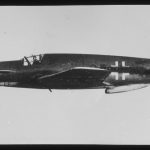

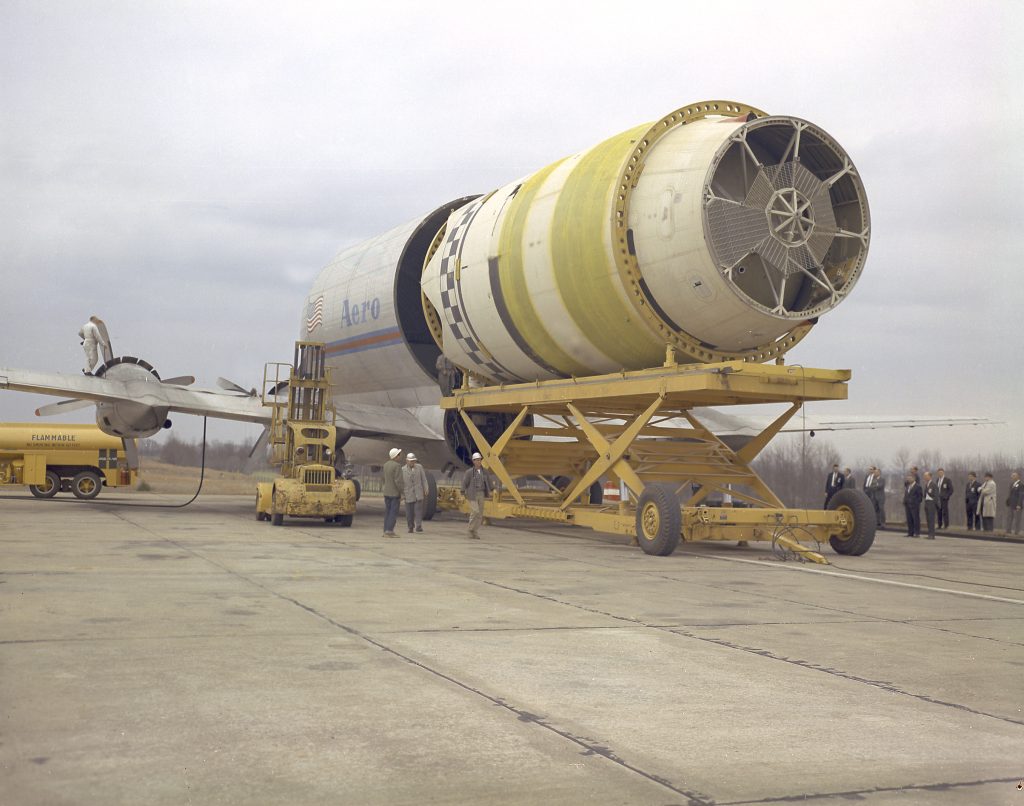
One major challenge the NASA Apollo program faced in the 1960s and early 1970s was moving large rocket stages from the places where they were built to the launch pads in Florida. In 1961, John M. Conroy of Aero Spacelines Industries proposed modifying a Boeing Stratocruiser airliner to create a new aircraft with a bulging body. The modified aircraft, known as the Pregnant Guppy, looked strange, but proved successful despite Conroy’s financial difficulties during its conversion. Aero Spacelines modified various types of Guppies from Boeing 377, C-97 Stratocruiser, and KC-97 Stratotanker airframes, all of which shared the same design and structure and were built in the 1940s and 50s. The B-377PG Pregnant Guppy used parts from a Boeing 377 Stratocruiser, including the wings, engines, lower fuselage, and tail, and featured a large upper fuselage over 20 feet wide. In 1961, Aero Spaceline Industries, based in California, rolled out the first Guppy aircraft.
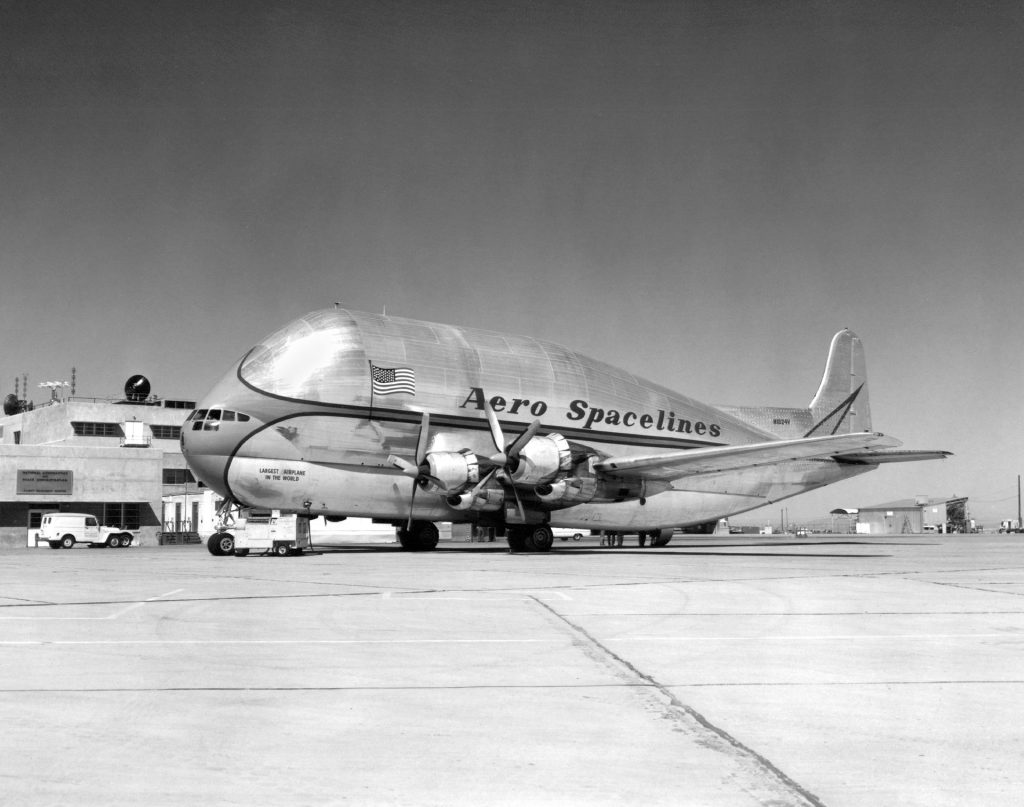
The Pregnant Guppy, the first member of the NASA Guppy family, was a heavily modified KC-97 Stratotanker and had the largest cargo space of any aircraft ever made. In 1962, NASA’s Flight Research Center helped test the first Pregnant Guppy plane. The Aero Spacelines B-377PG Pregnant Guppy was flown to Dryden for tests and evaluation by pilots Joe Vensel and Stan Butchart in October 1962. The cargo area measured just over 19 feet in diameter and was designed to carry the second stage of a Saturn rocket for the Apollo program. With the help of Pregnant Guppy, NASA could deliver large, oversize cargo from the manufacturer to Cape Canaveral in just eighteen hours instead of the usual 18 to 25 days it would take by barge. In September 1963, the aircraft transported the S-IV stage for the fifth Saturn I launch from California to Florida. It also carried Gemini launch vehicles, Apollo command and service modules, Pegasus equipment for detecting meteoroids, F-1 engines for the Saturn V rocket, an instrument unit for the Saturn I, and other large cargo for NASA.
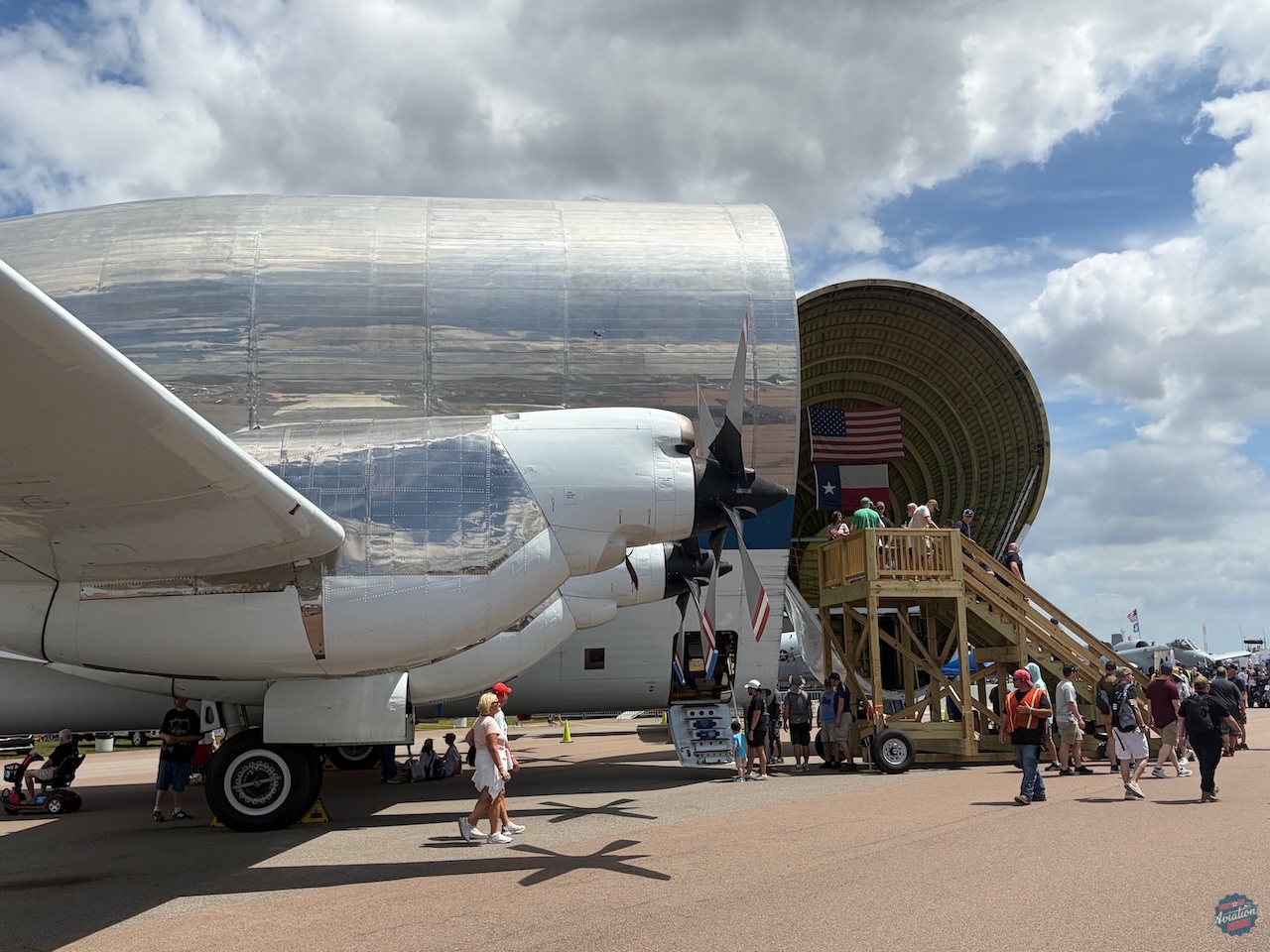
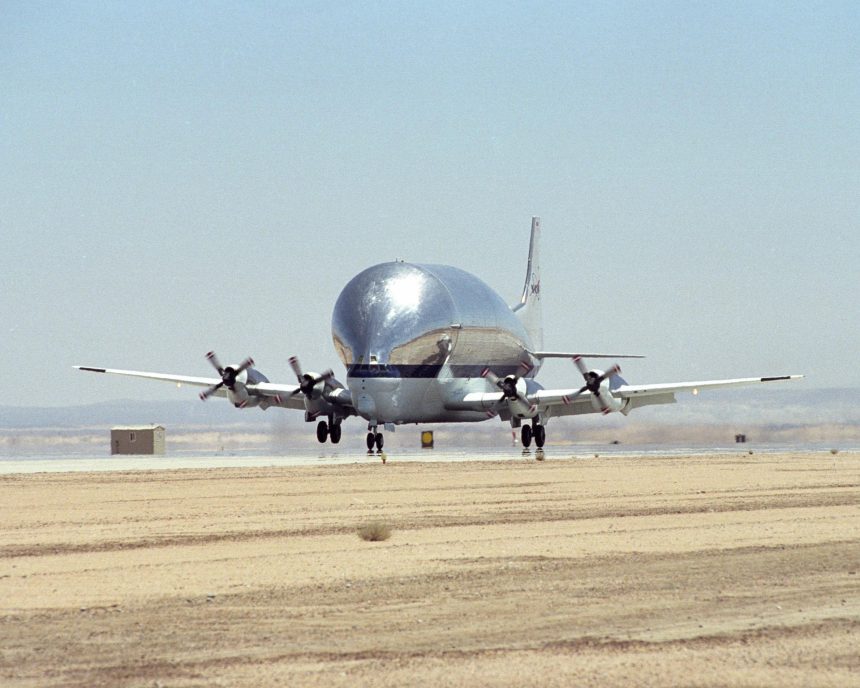
Following the success of the Pregnant Guppy, Aero Spacelines developed a larger version of its aircraft in 1965, the B377SG Super Guppy, the second member of the NASA Guppy family. It had a 25-foot-diameter cargo bay, stronger engines, a pressurized cockpit, and a hinged nose to make cargo loading easier. The Super Guppy was an upgraded version of the B377PG Pregnant Guppy. It had a wider fuselage, replaced the original piston engines with more powerful turboprop engines, and featured a taller vertical tail for better stability. One of the Super Guppy planes, which used a turboprop engine and was built from a YC-97J airframe, last flew at Dryden in May 1976. It was used to transport the X-24B and HL-10 lifting bodies to the Air Force Museum at Wright-Patterson Air Force Base in Ohio. The Super Guppy was followed by the last version of the Guppy aircraft, called the B377SGT Super Guppy Turbine, the third member of the NASA Guppy family, which first flew in its outsized form in 1980. It was developed between 1970 and 1980 for Airbus.
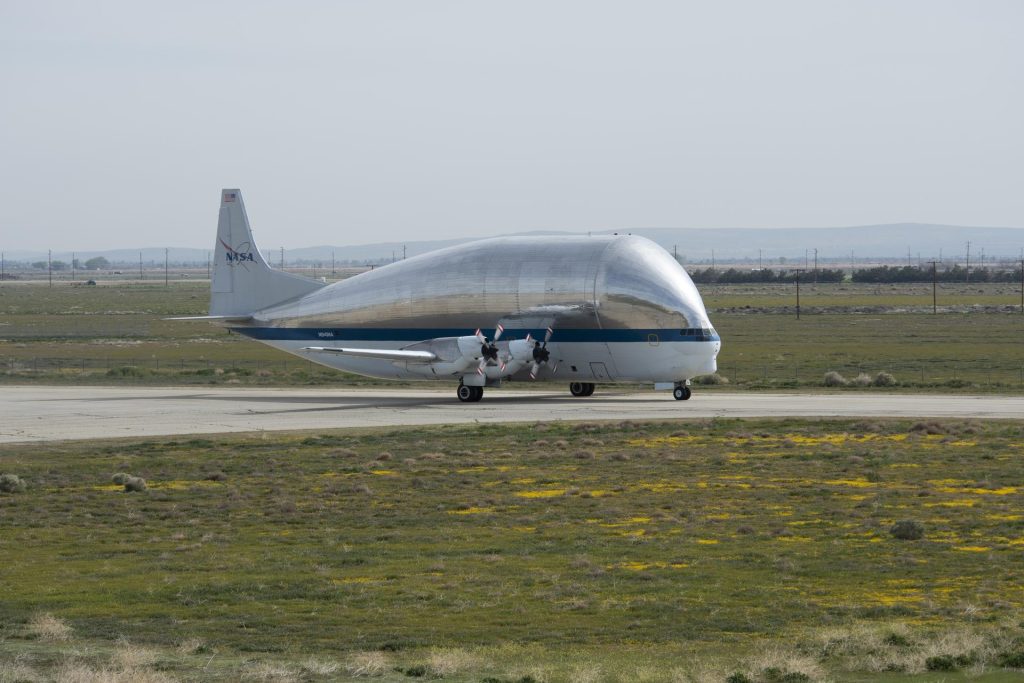
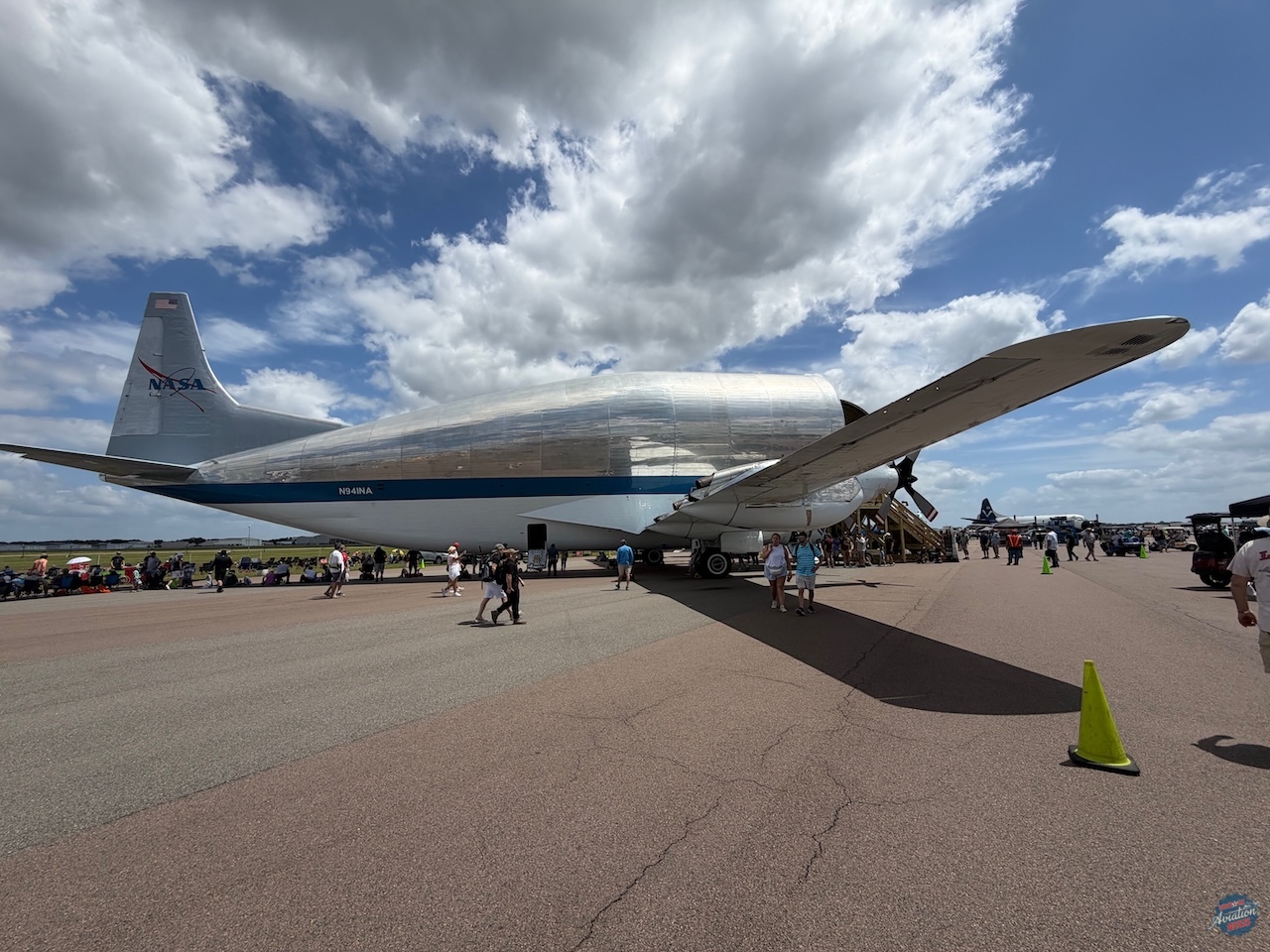
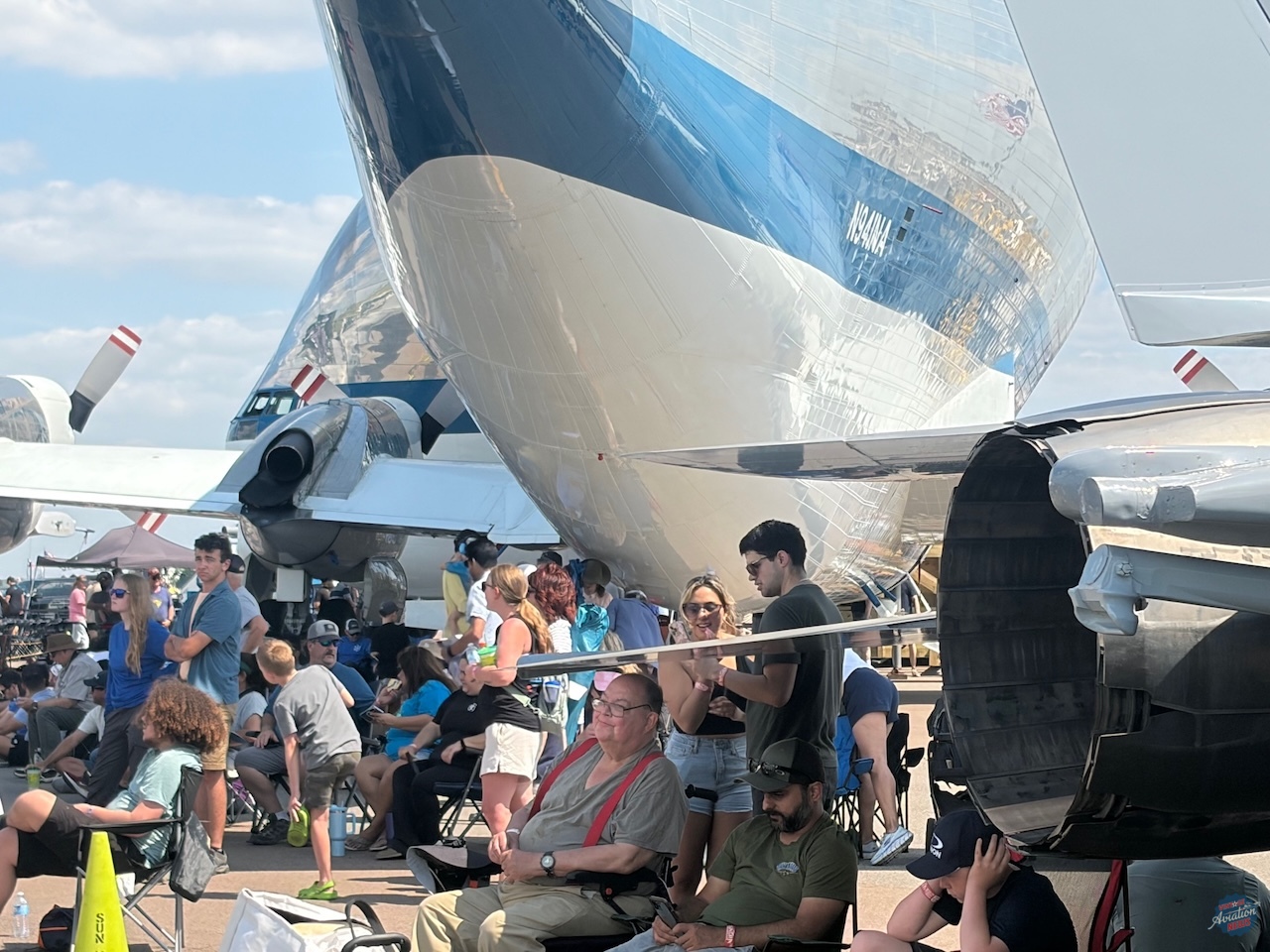
This B377SGT Super Guppy Turbine was used to transport outsized structures of Airbus jetliners from different manufacturing plants in Europe to the final assembly plant in Toulouse, France. It was powered by more reliable, readily available Allison T-56 turboprop engines. It continued to serve throughout Europe during the 70’s, 80’s, and 90’s. The B377SGT Super Guppy Turbine was later acquired by the European Space Agency, then by NASA Johnson Space Center in late 1997, to ferry outsize components of the International Space Station from their manufacturers around the world to launch sites in preparation for sending them into orbit. The Super Guppy is the last of its kind still flying. Over its 32 years of service, it flew more than three million miles, supporting NASA’s Apollo, Gemini, Skylab, and International Space Station programs. NASA’s Super Guppy Turbine is registered under the number N941NA. It is located at Ellington Field, near the Johnson Space Center.
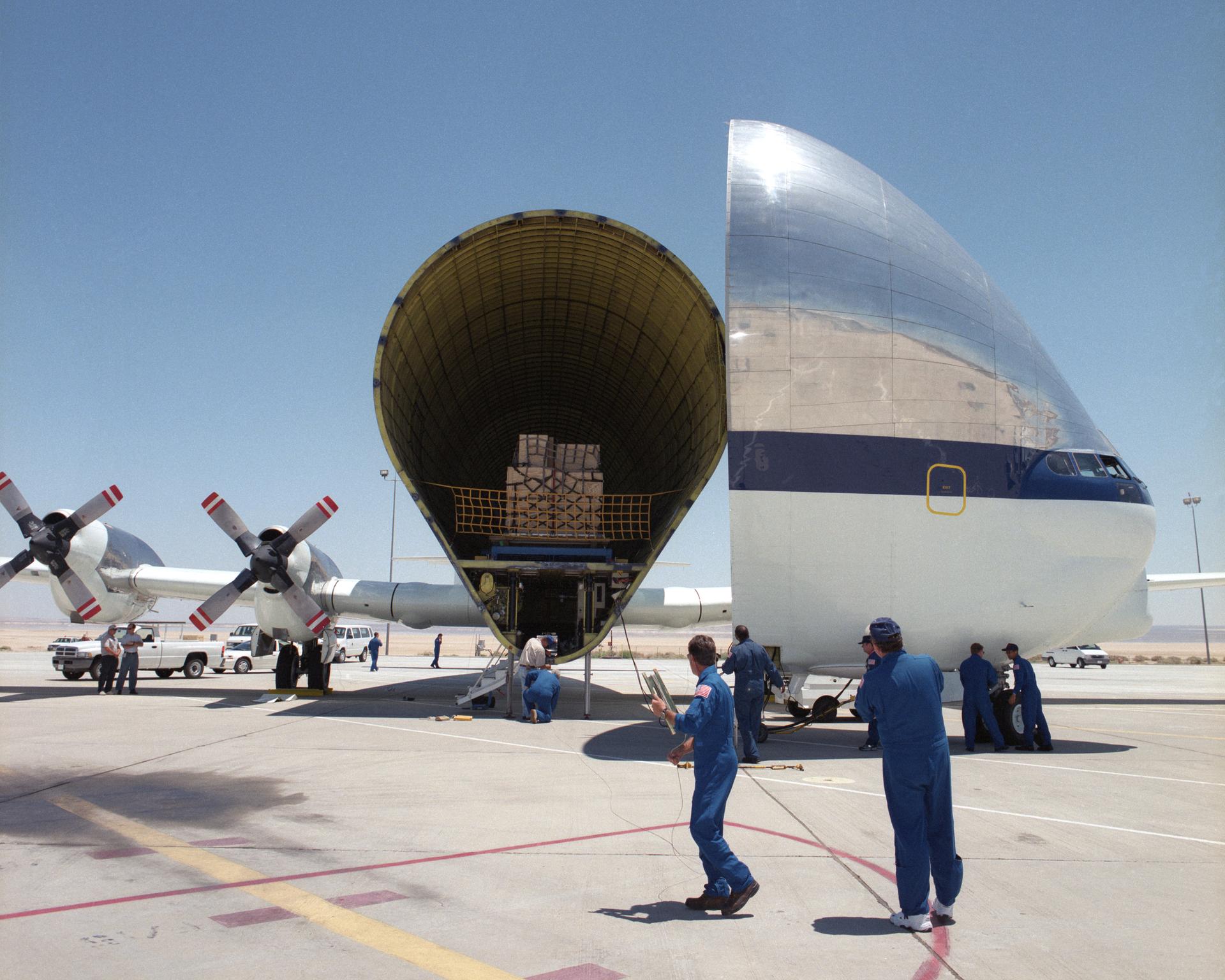
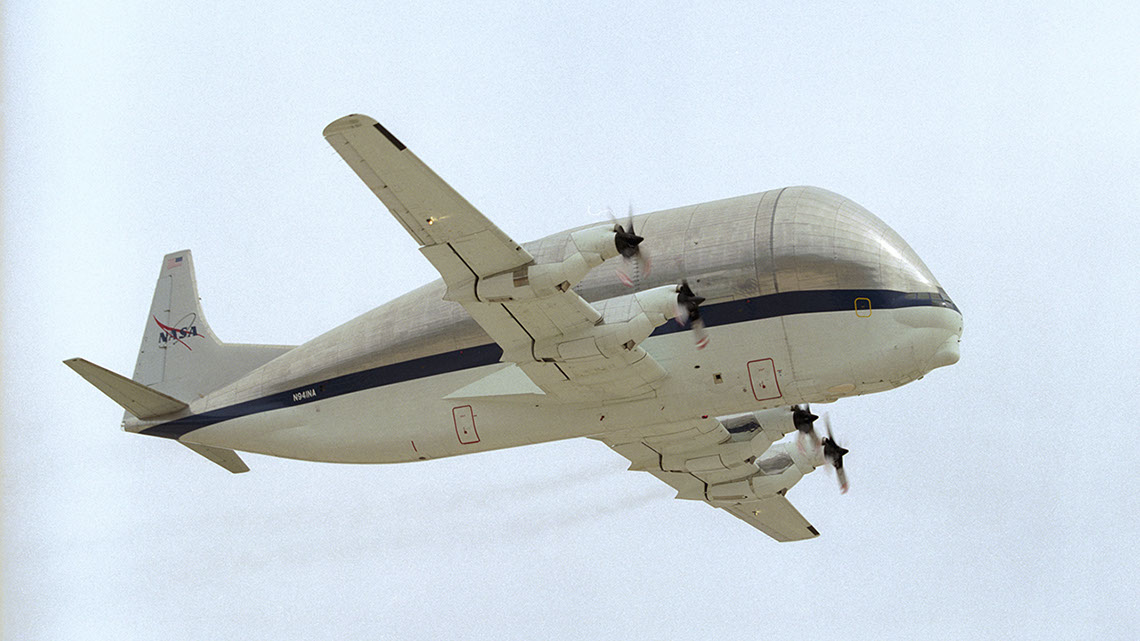
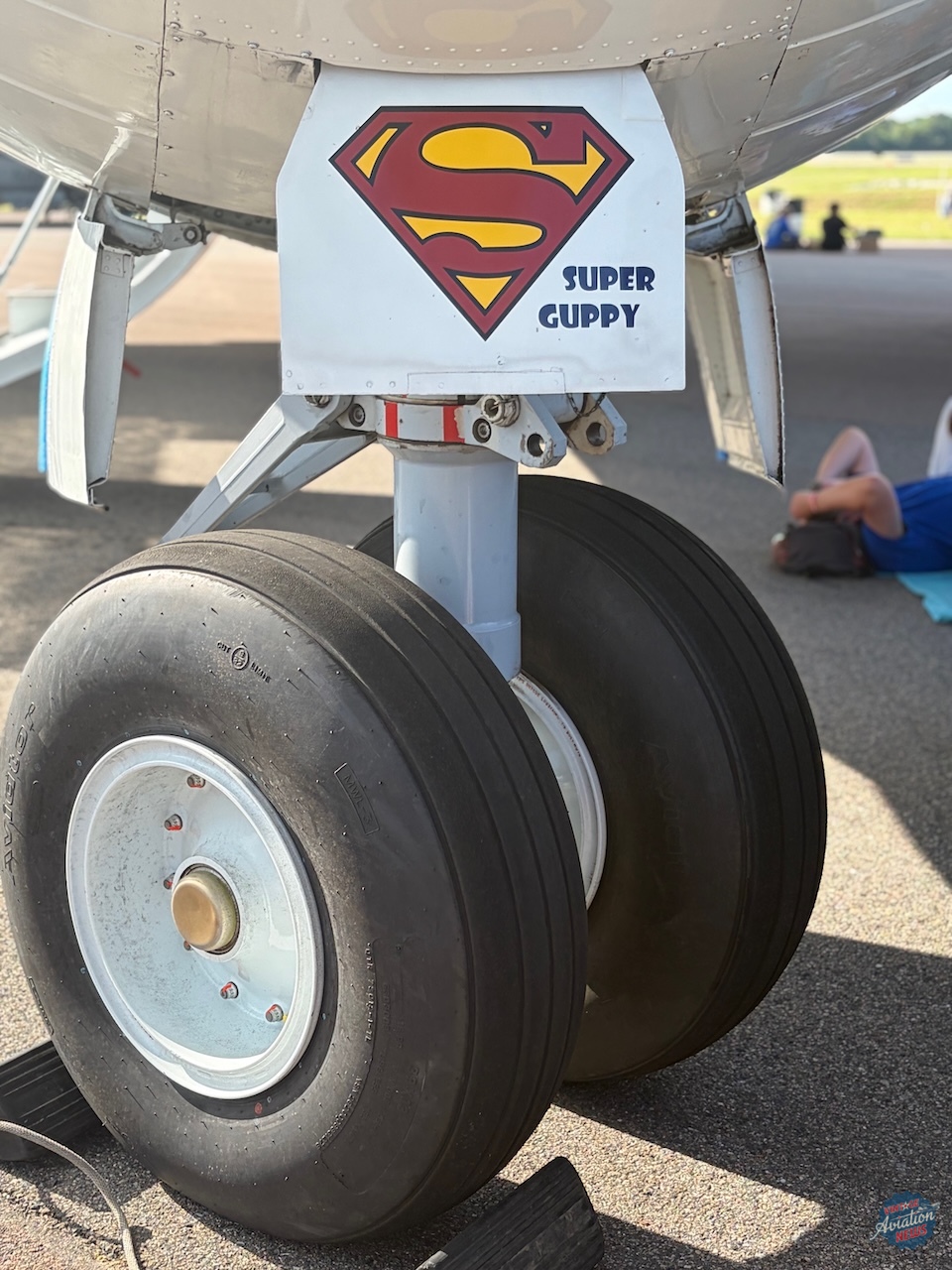
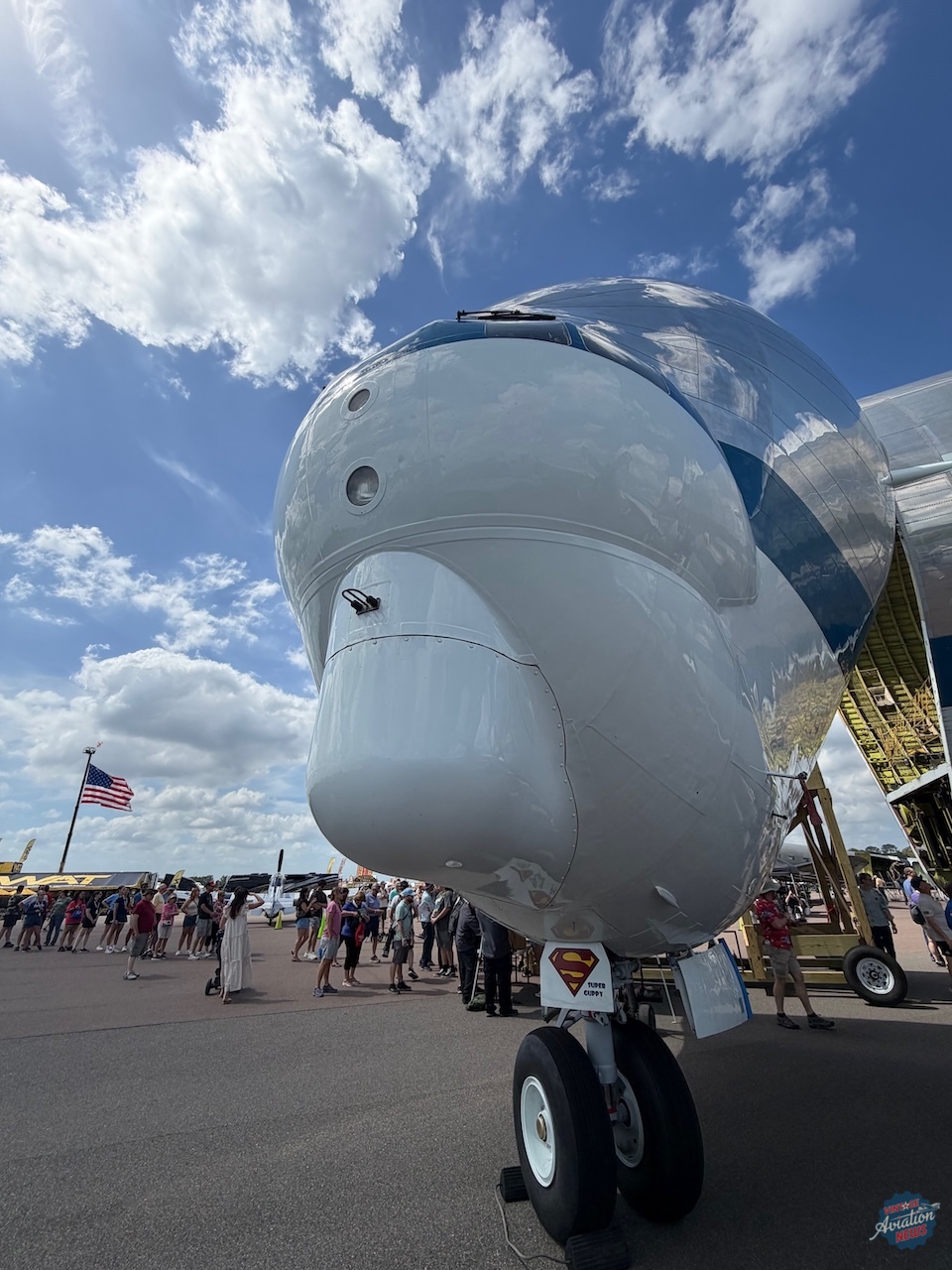
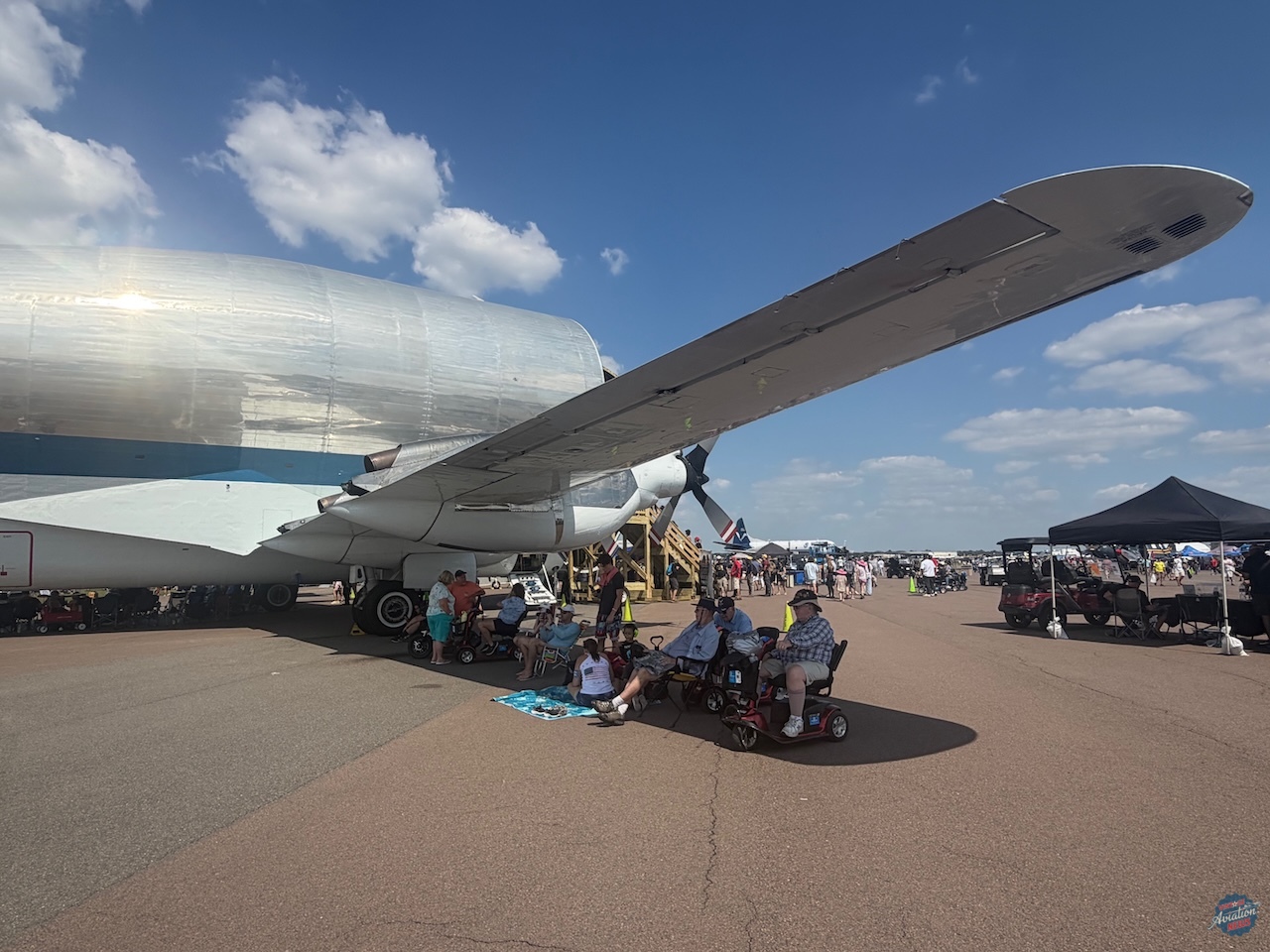
NASA’s Super Guppy Turbine still supports America’s space program today. Its abilities have also caught the attention of other government agencies. Recently, the Guppy has worked with the Department of Defense and contractors to transport aircraft and large parts across the country, including moving T-38s for the Air Force and V-22s for the Navy. Although the peak of America’s space program may be in the past, the Super Guppy remains one of the few viable solutions to transport oversized cargo. In the Flight Test Files series, the NASA Guppy family stands as a practical and economical solution to logistical problems posed by railroad tunnels, narrow roads, low bridges, and power lines that make overland shipment of such cargo extremely difficult, if not impossible. According to NASA, “to say that this amazing aircraft helped America win the space race would be an understatement.” Read more Flight Test Files articles HERE. The NASA Super Guppy attended the 2026 Sun ’n Fun, and here are photos we captured during the event. You can also watch videos on our Instagram page.