
By Randy Malmstrom
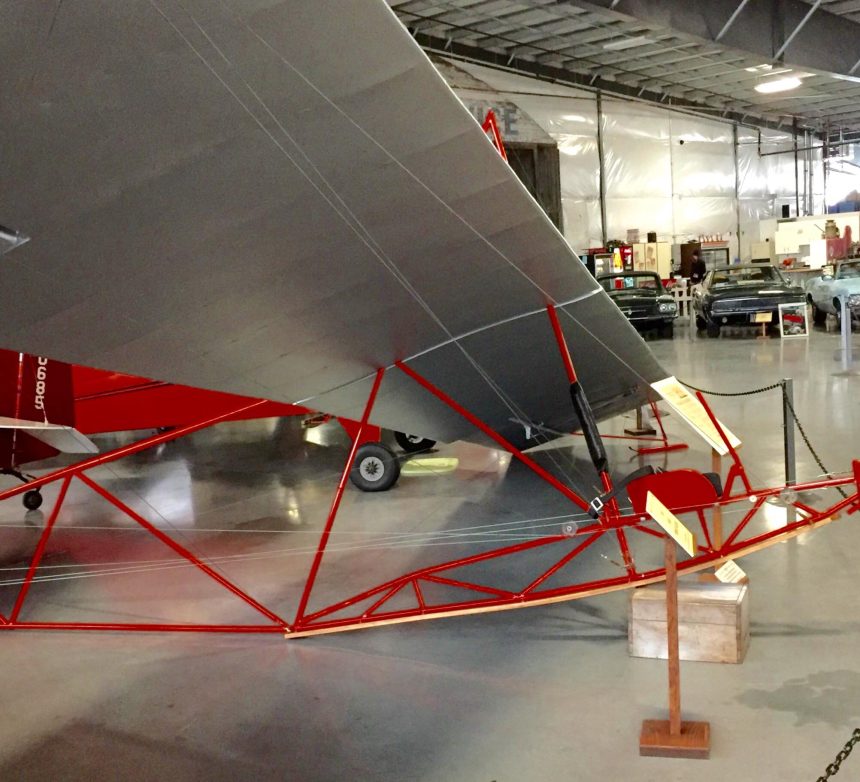
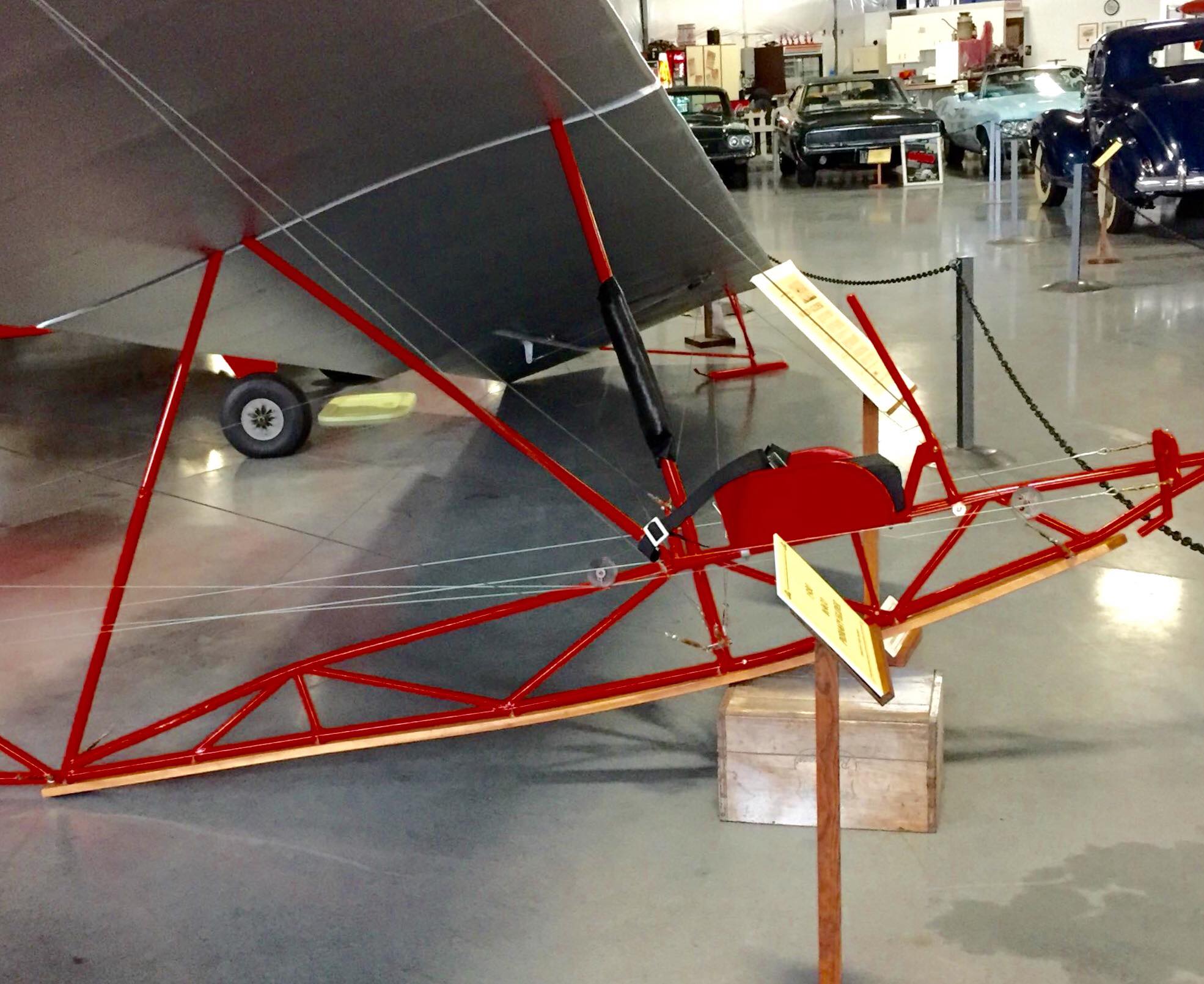
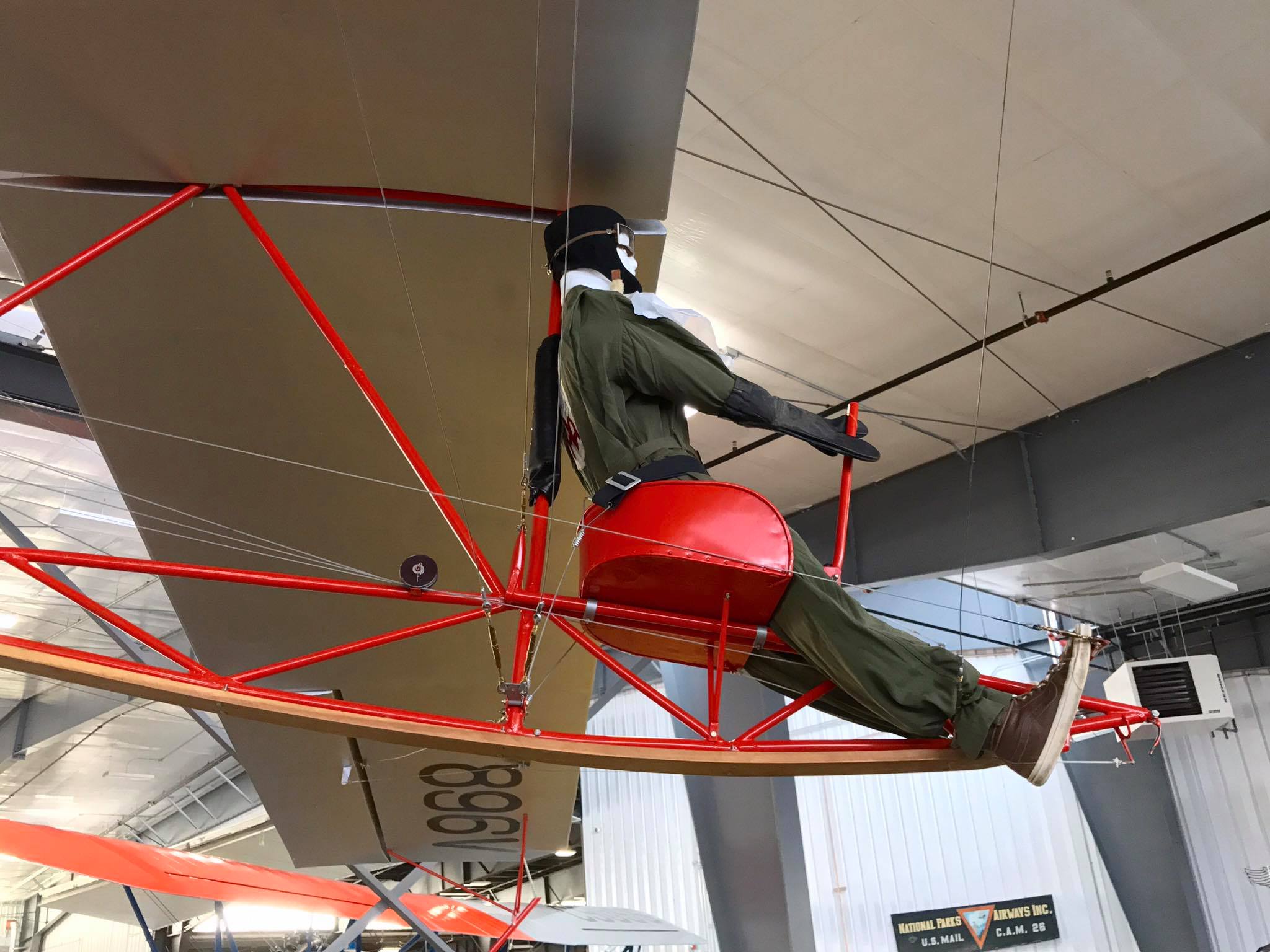
1930 Waco Primary Glider. Primary gliders were designed and built in large quantities in Germany and then elsewhere after WWI. Thousands of pilots made some of their first flights in simple aircraft such as these, including Experimental Aircraft Association (EAA) founder and flying legend Paul Poberezny. While in high school, Poberezny was given a damaged Waco Primary Glider from Troy, Ohio, by history teacher and “Wings” model airplane club supervisor Homer F. Tangney under the condition that it be restored. Poberezny completed the restoration in 1937, and at age 15, he became a pilot.
U.S. interest in sailplanes increased in part following a U.S. record-breaking 58-minute flight by German pilot Peter Hesselbach of Leipzig in a Darmstadt D-17 wood and fabric sailplane. Hesselbach, a leading pilot with the Flugsport-Vereinigung Darmstadt (“FSV” or Darmstadt Academic Flight-Sports Association or Flying Group), flew from Highland Golf Course at Cape Cod, Massachusetts, on July 26, 1928. It was considered the first extended glider flight in the U.S. and unofficially broke the Wright brothers’ nine-minute, 45-second flight in their 1911 Wright Glider. The following day, Hesselbach stayed aloft for four hours and five minutes. For one, the U.S. Army Air Corps used various types of gliders in their cadet training but, to my knowledge, they were phased out in 1947. These gliders were made to be launched from a hilltop, by ground tow, air tow, by bungee cord (a term attributed to British slang for India-made rubber), or by a winch.
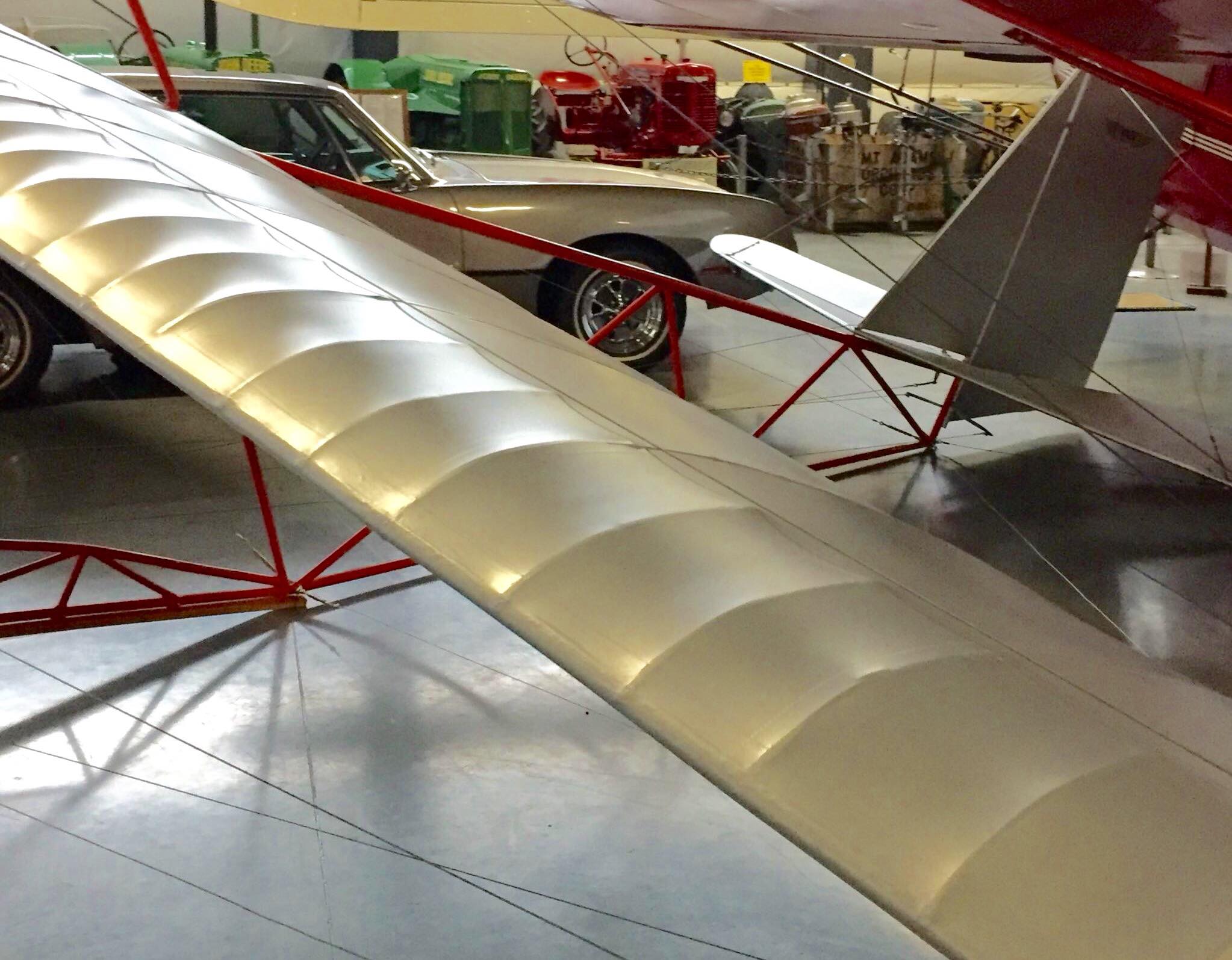
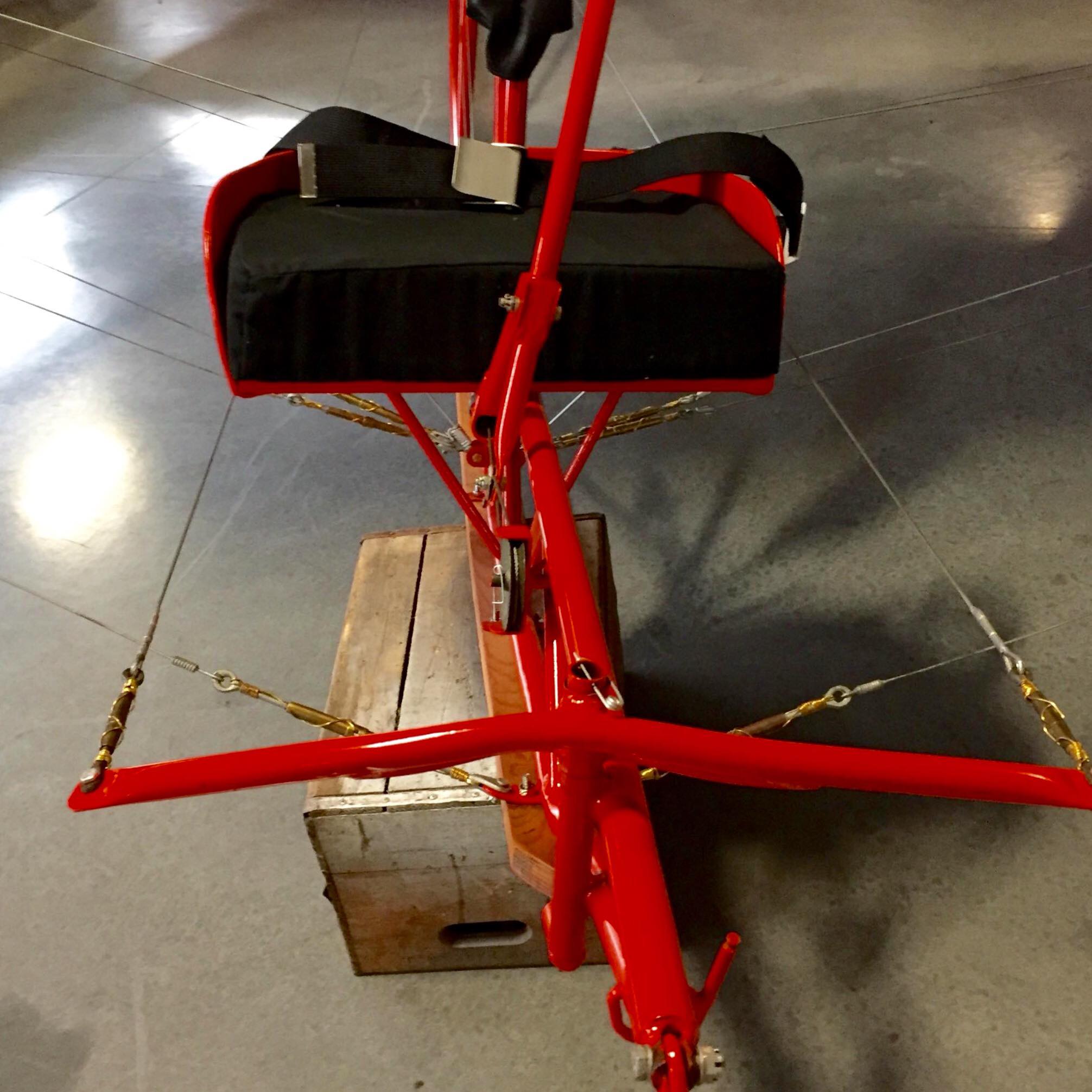
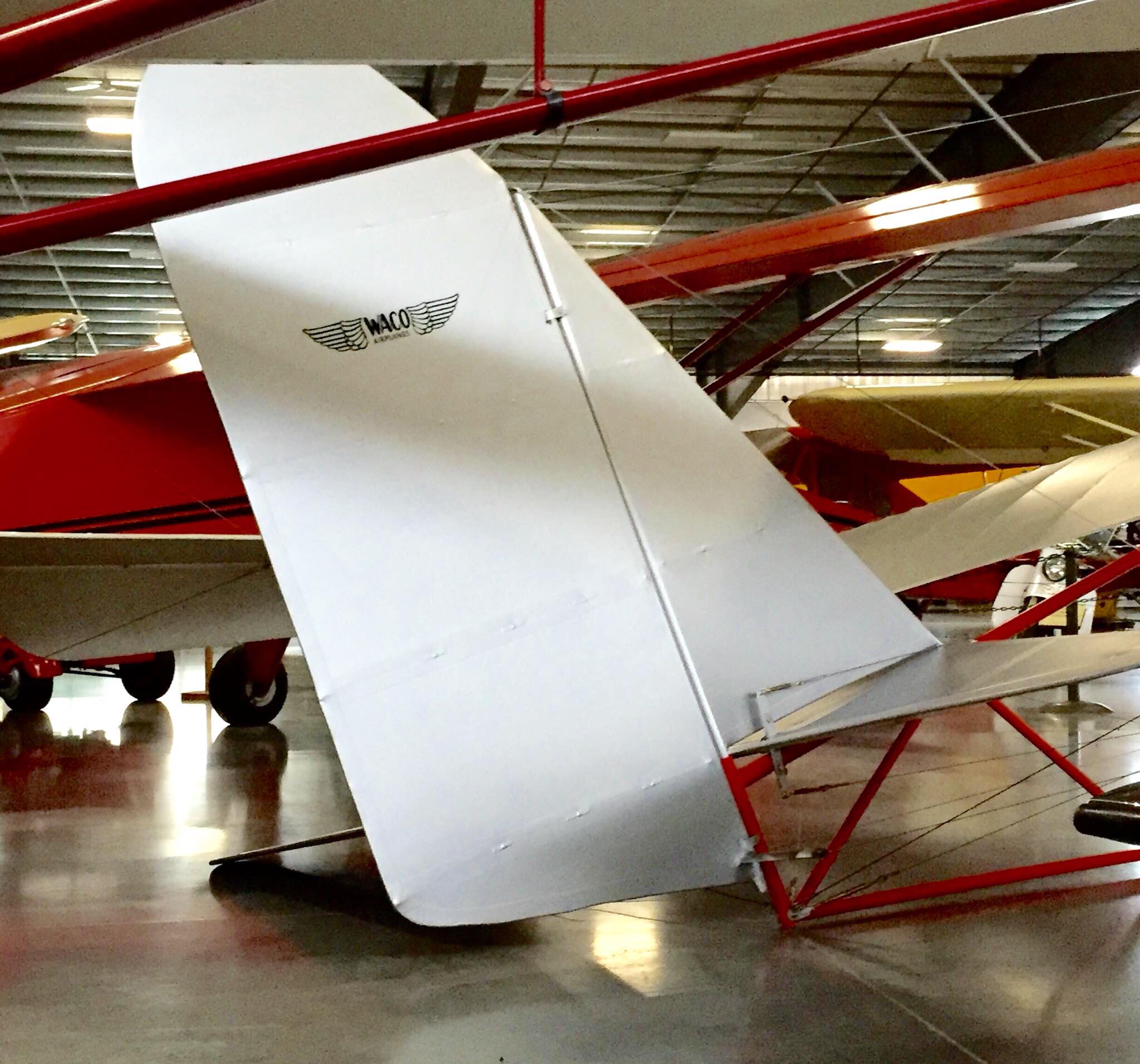
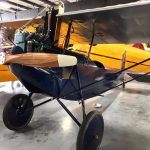
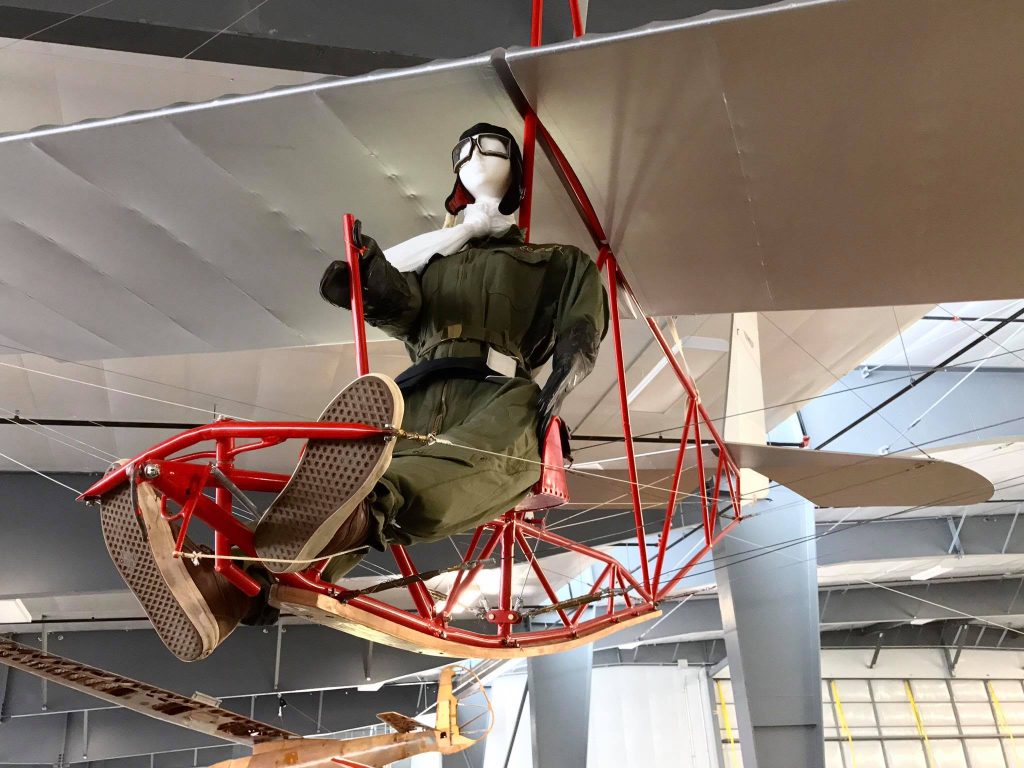
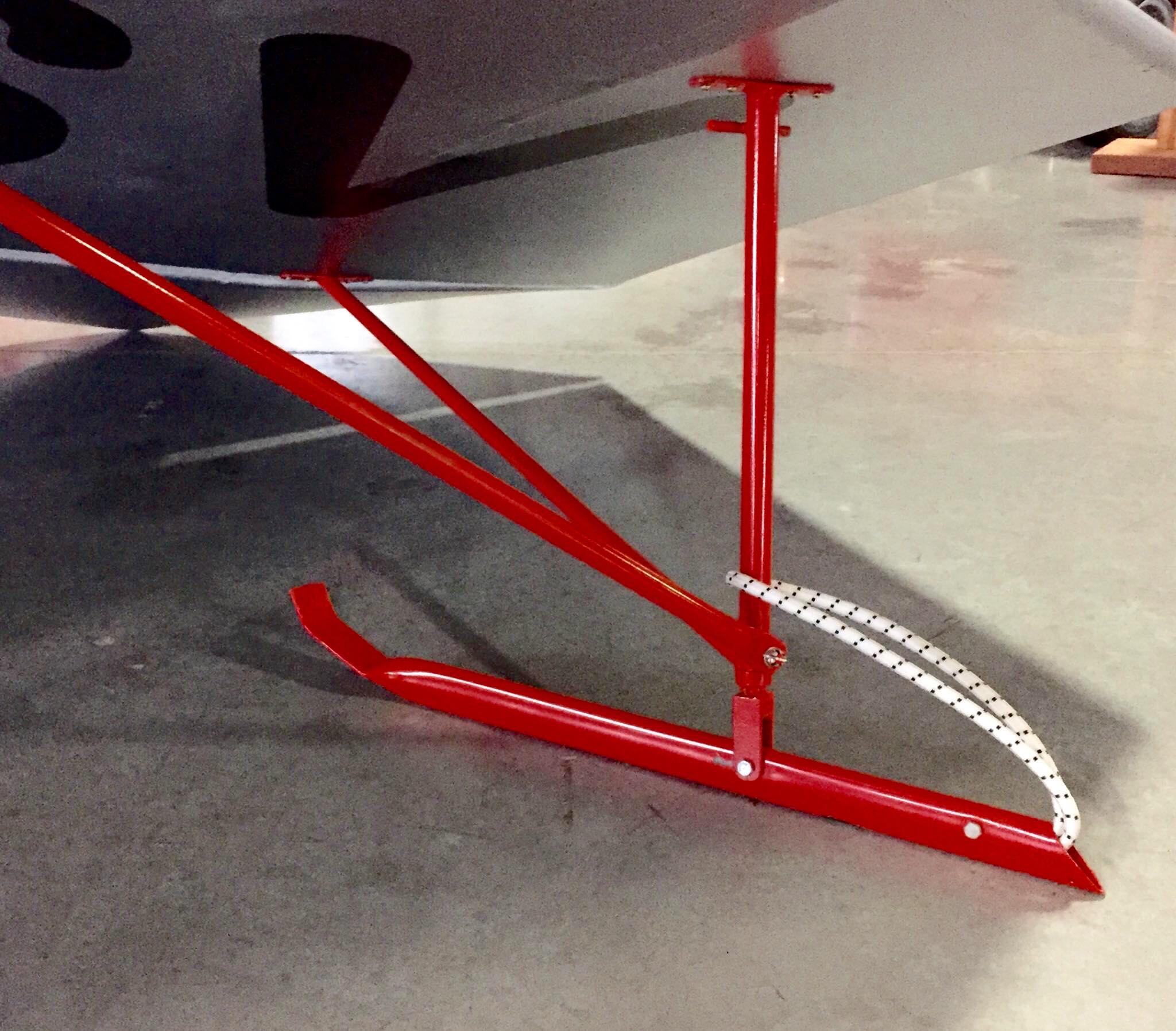
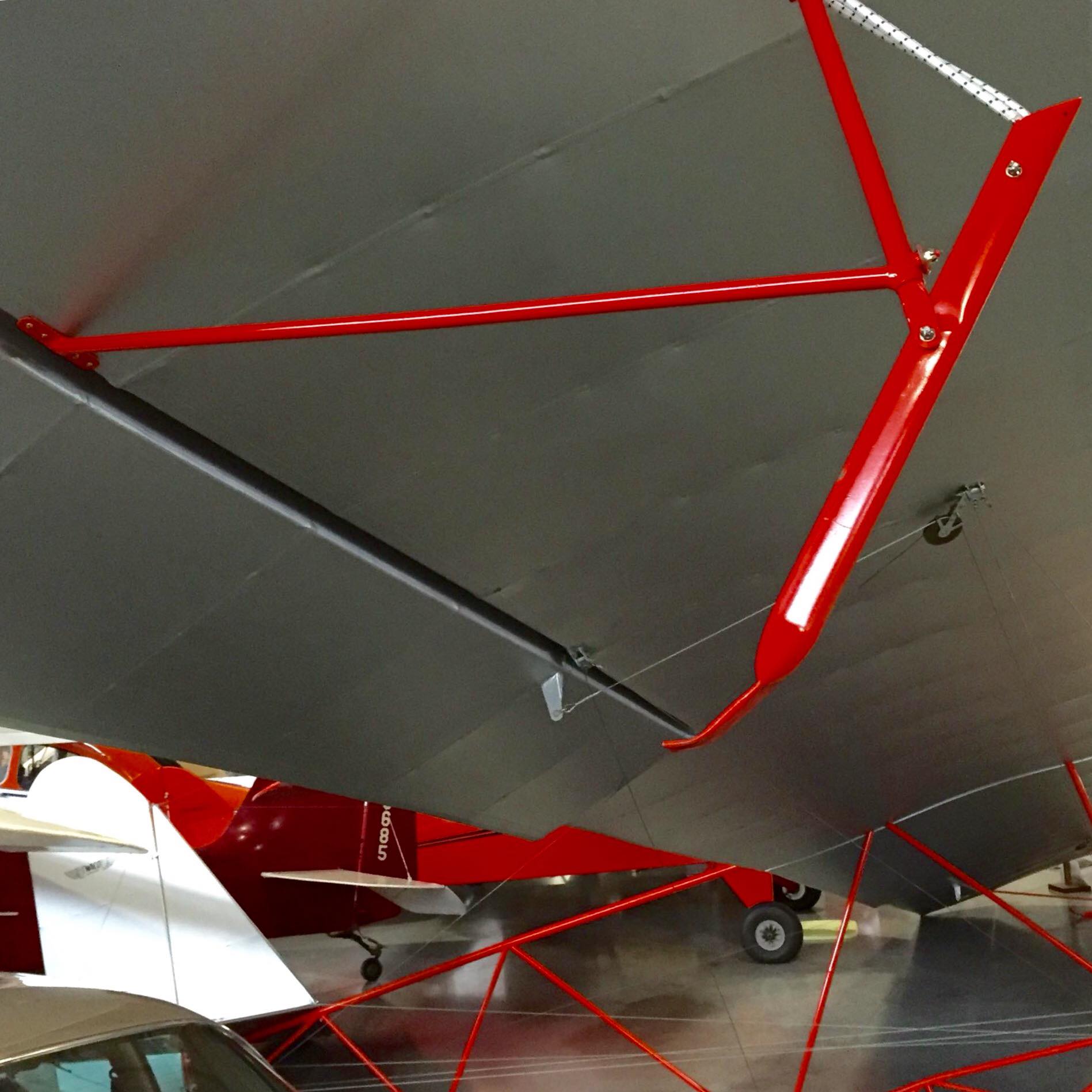
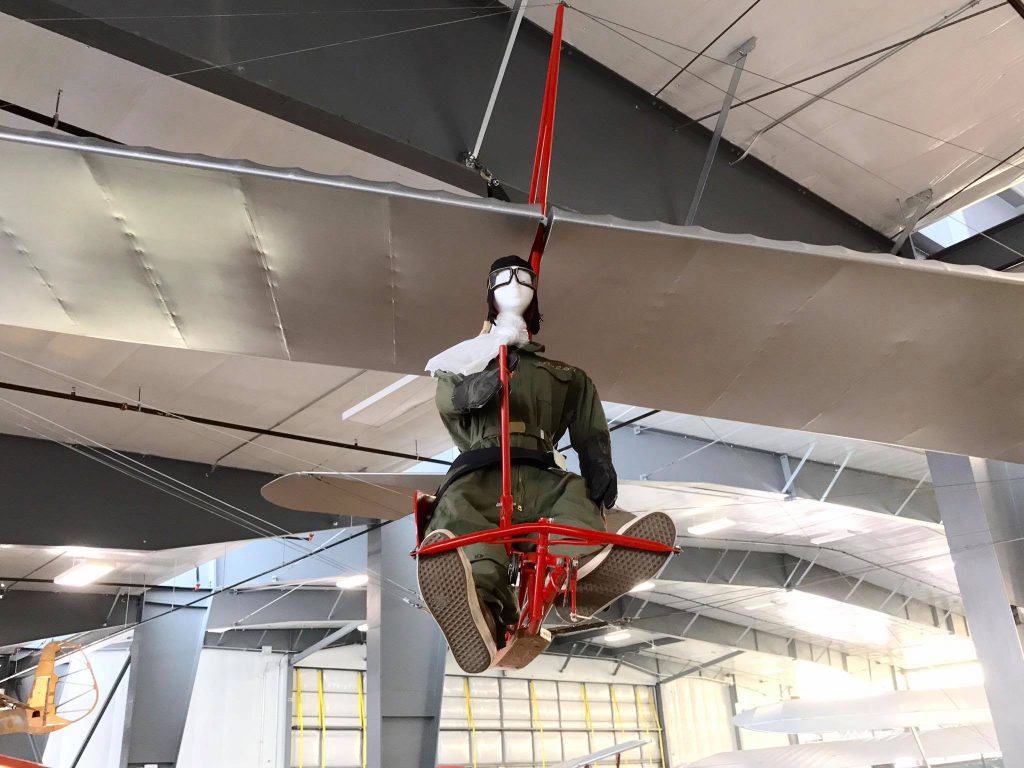
Western Aircraft Company (Waco) built and sold this particular low-cost version of the primary glider in the 1930s for $385 and shipped them disassembled to the buyer. Waco built about 300 aircraft before Assistant Secretary of Commerce Clarence D. Young caused major changes to the regulations regarding gliders and tow aircraft as a result of accidents, and demand faded. The Waco aircraft had a fuselage of welded steel tubing reinforced with cables and wings of spruce spars and web ribs and also had wire bracing and were covered in Grade A cotton. Control surfaces were manipulated by wires attached to a stick and foot bar. The landing gear consisted of a main skid (with a single wheel added in some cases) and wingtip skids. Capable of a low speed of 20 mph. and a top speed of 65 mph. My photos of this 1930 aircraft at Western Antique Aeroplane & Automobile Museum in Hood River, Oregon.
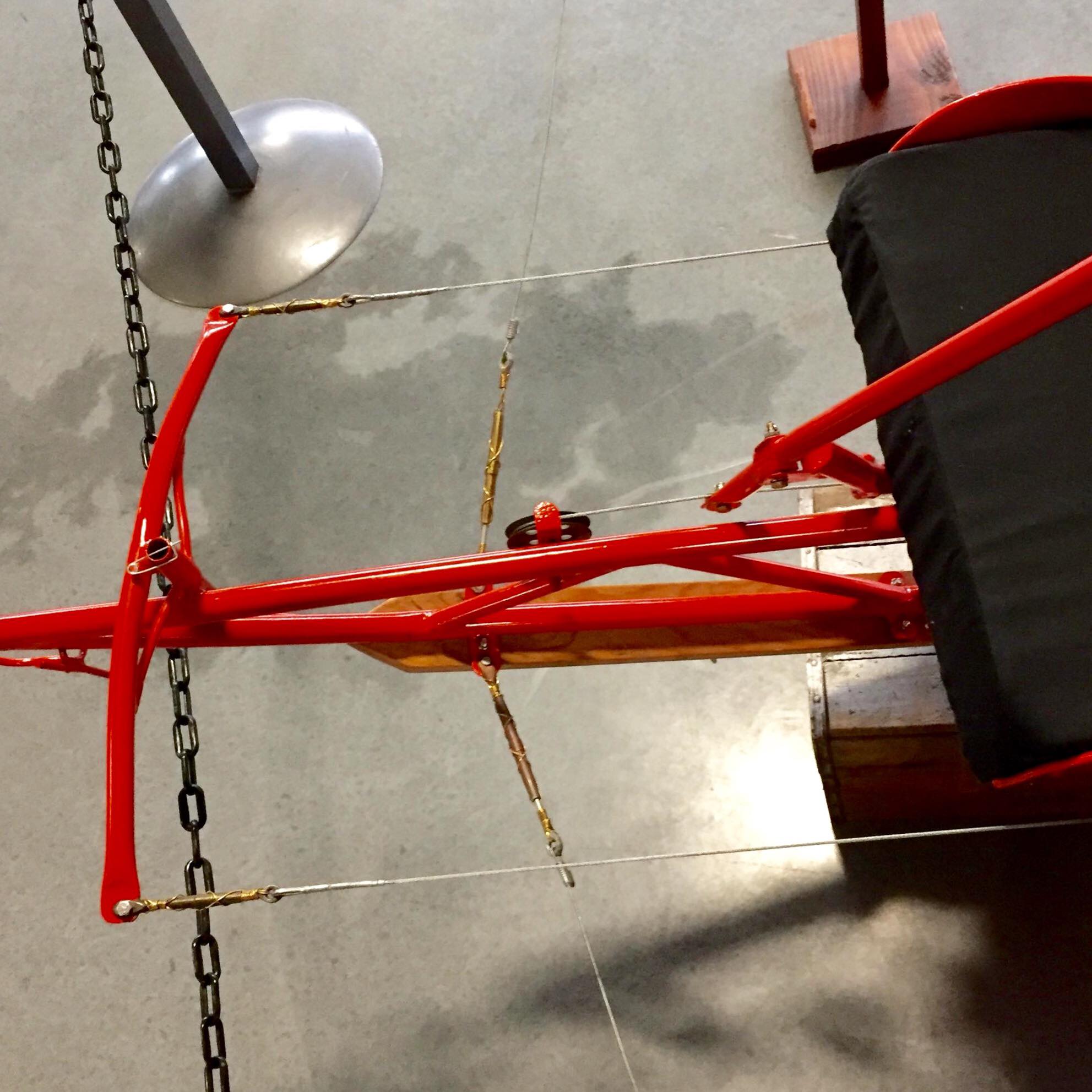
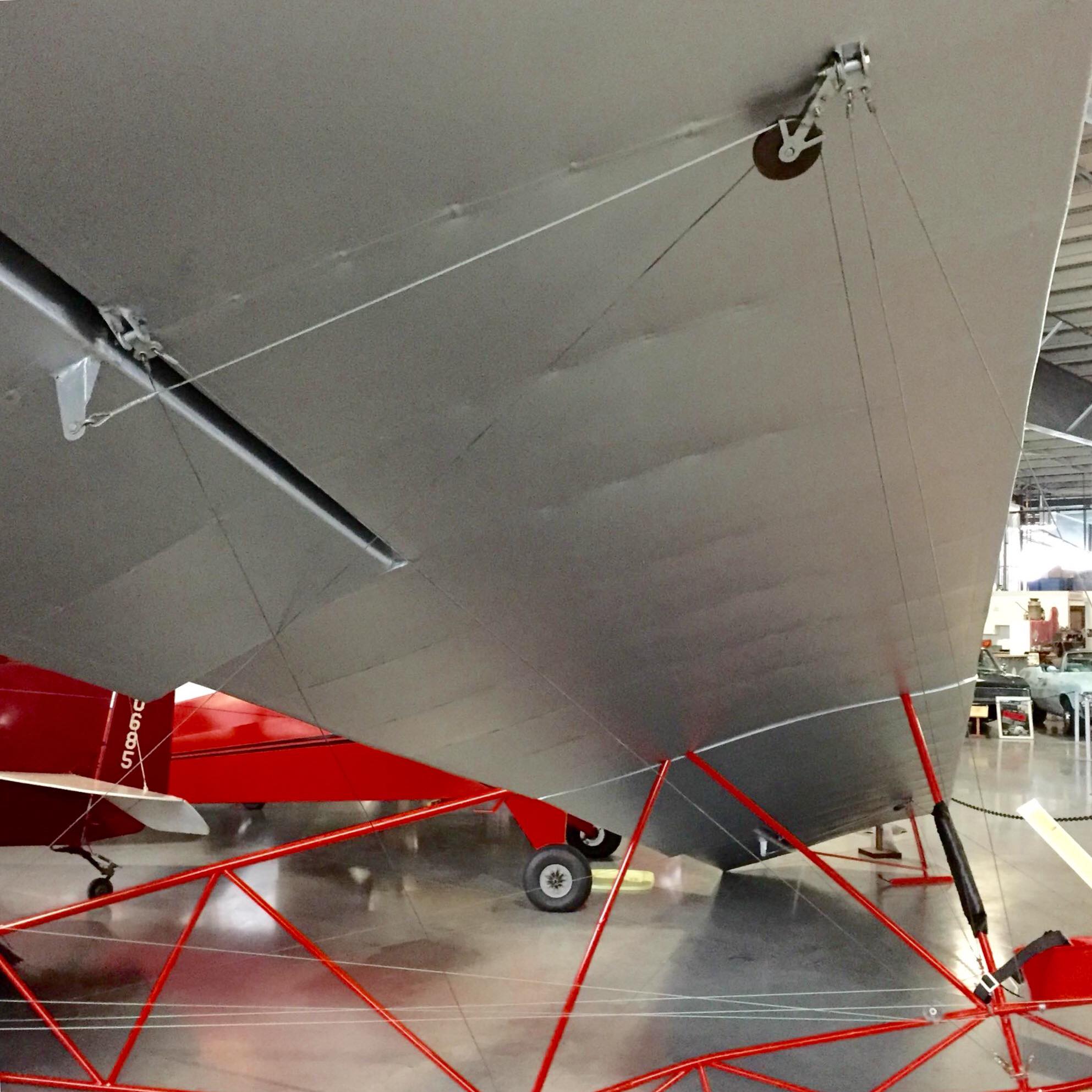
What became the Weaver Aircraft Company was started by George E. Weaver, Clayton Bruckner and Elwood “Sam” Junkin in Troy, Ohio in 1920. The company became known as Advance Aircraft Company but continued to paint “Waco” on their aircraft. By 1929, the company became known as Waco Aircraft Company and during the 1930’s, the company built and sold more planes than all other U.S. commercial companies combined, and by the time the company withdrew from aircraft production in 1947, it had produced 62 different aircraft models operated in 35 countries. Because the U.S. was remaining isolationist at the outbreak of WWII (yet the federal government wanted to provide pilot training for college students), Civilian Fixed Base Operators (“FBO”) such as Unger purchased aircraft and then recouped their investment through federally funded training programs such as CPTP that included yearly hangar leases for $1.00.
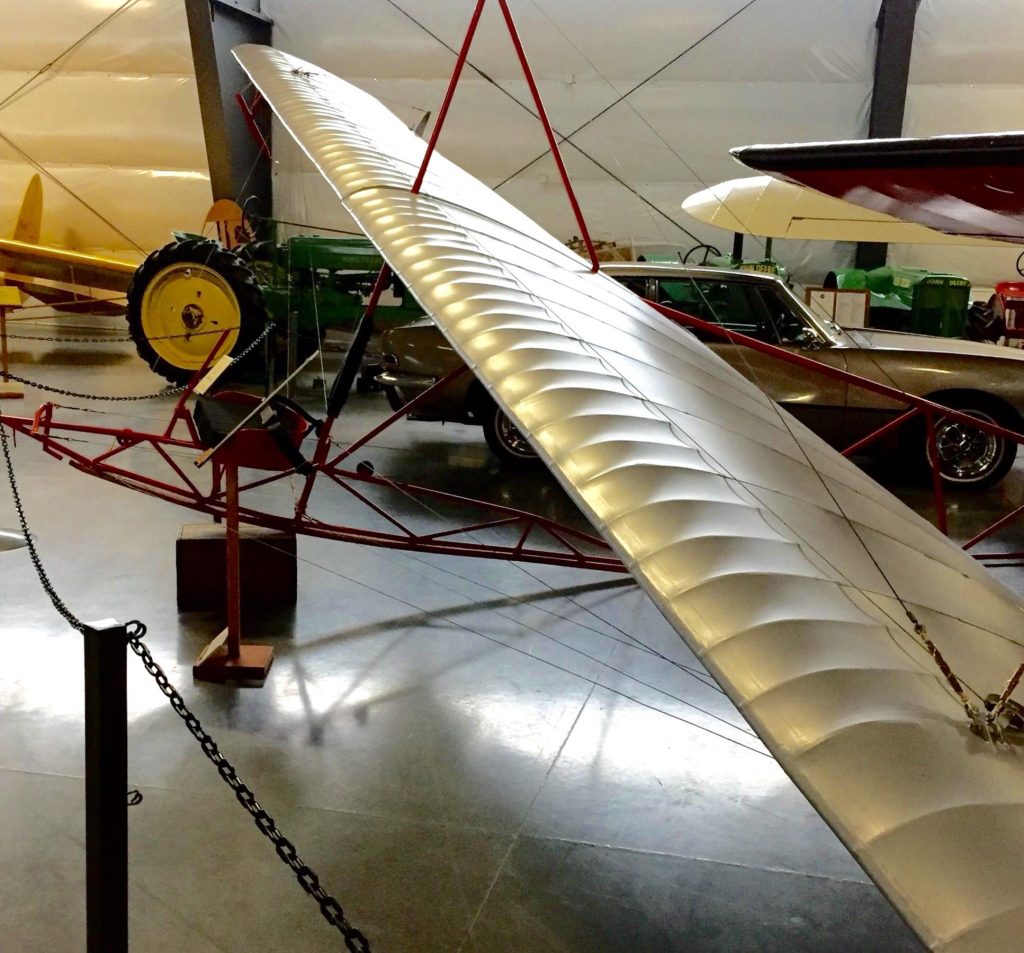
Editor’s notes: This Waco glider (company designation NAZ), N896V, was originally operated by the Dewitt Glider Club of Dewitt, Iowa during the 1930s. In 2014, the aircraft was restored to airworthy condition by the Western Antique Aeroplane and Automobile Museum and made its first post-restoration flight on May 14, 2016, alongside the Franklin PS-2 glider featured in this profile HERE. N896V is presently suspended from the ceiling of WAAAM’s hangars, but can still be taken down and flown again.
About the author  : Randy Malmstrom grew up in a family steeped in aviation culture. His father, Bob, was still a cadet in training with the USAAF at the end of WWII but did serve in Germany during the U.S. occupation in the immediate post-war period, where he had the opportunity to fly in a wide variety of types that flew in WWII. After returning to the States, Bob became a multi-engine aircraft sales manager and, as such, flew a wide variety of aircraft; Randy frequently accompanied him on these flights. Furthermore, Randy’s cousin, Einar Axel Malmstrom, flew P-47 Thunderbolts with the 356th FG from RAF Martlesham Heath. He was commanding this unit at the time he was shot down over France on April 24th, 1944, spending the rest of the war as a prisoner of war. Following his repatriation at war’s end, Einar continued his military service, attaining the rank of Colonel. He was serving as Deputy Wing Commander of the 407th Strategic Fighter Wing at Great Falls AFB, MT, at the time of his death in a T-33 training accident on August 21, 1954. The base was renamed in his honor in October 1955 and continues to serve in the present USAF as home to the 341st Missile Wing. Randy’s innate interest in history in general, and aviation history in particular, plus his educational background and passion for WWII warbirds, led him down his current path of capturing detailed aircraft walk-around photos and in-depth airframe histories, recording a precise description of a particular aircraft in all aspects.