
By Randy Malmstrom
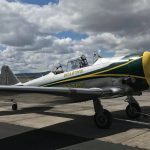
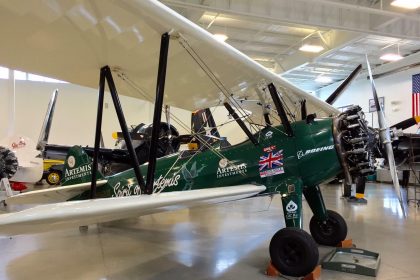
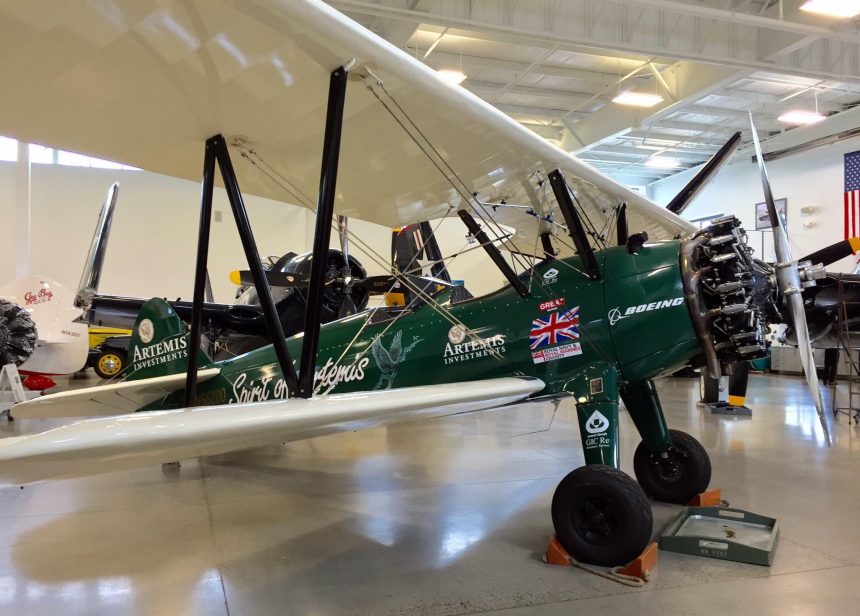
Boeing-Stearman Model 75 Kaydet “Spirit of Artemis.” This aircraft was built in 1942 by Stearman Aircraft Division of Boeing Aircraft. It was fully restored by 3G Classic Aviation in Hungary between 2012 and 2013. It is fitted with a 300 hp Lycoming R-680 radial engine with extra fuel tanks in the top wing for added distance. It has a cruising speed of 95 mph and a ceiling of 10,000. ft. It was being flown in controversial flights by British aviator Ms. Tracey Curtis-Taylor (reports are that she had a copilot). My photos while it was on a maintenance stop at Historic Flight Foundation, Paine Field, Washington.
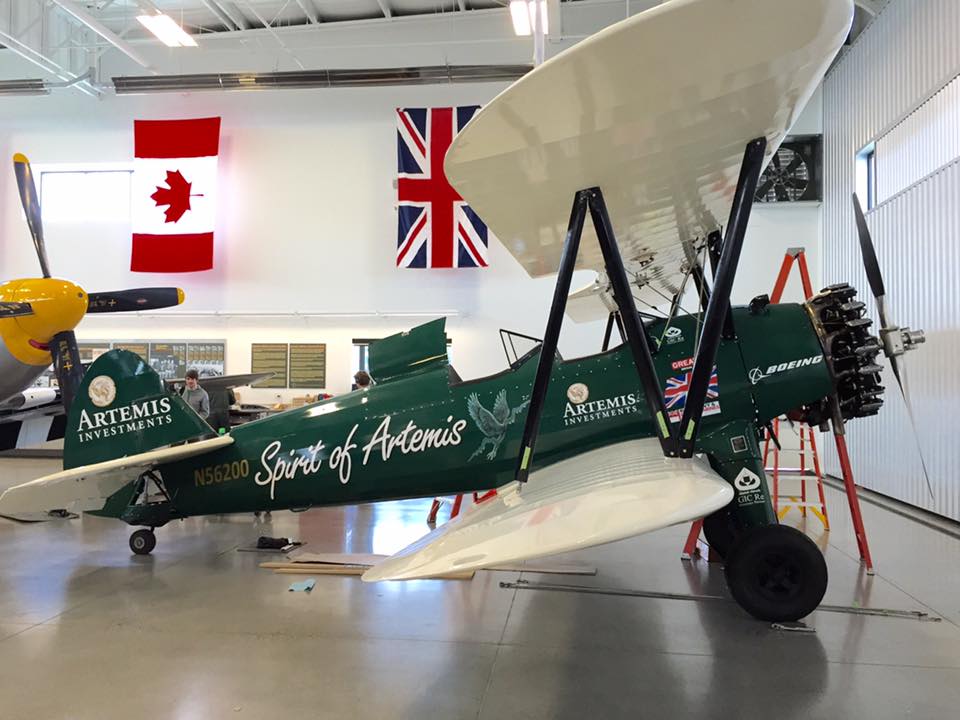
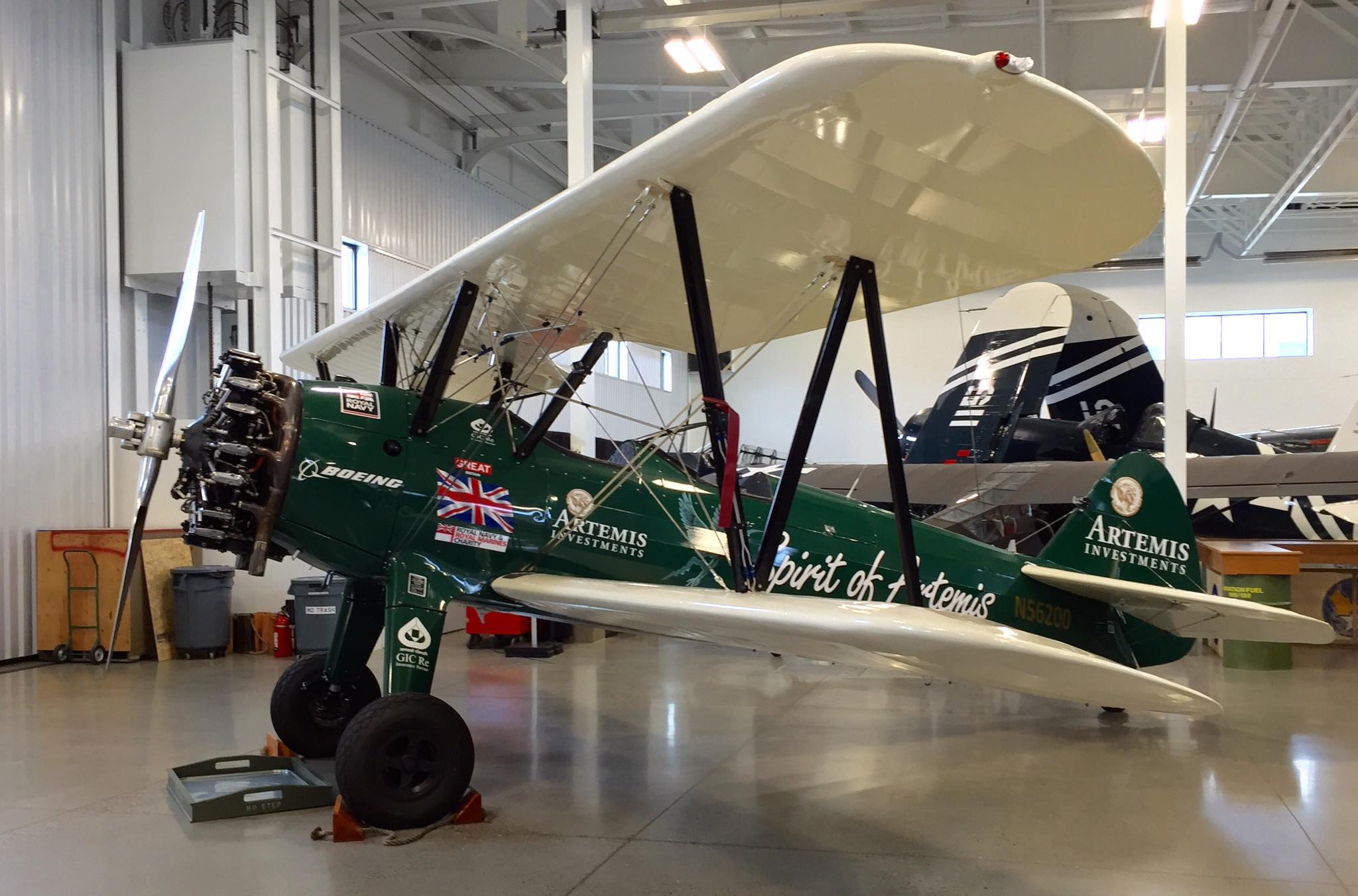
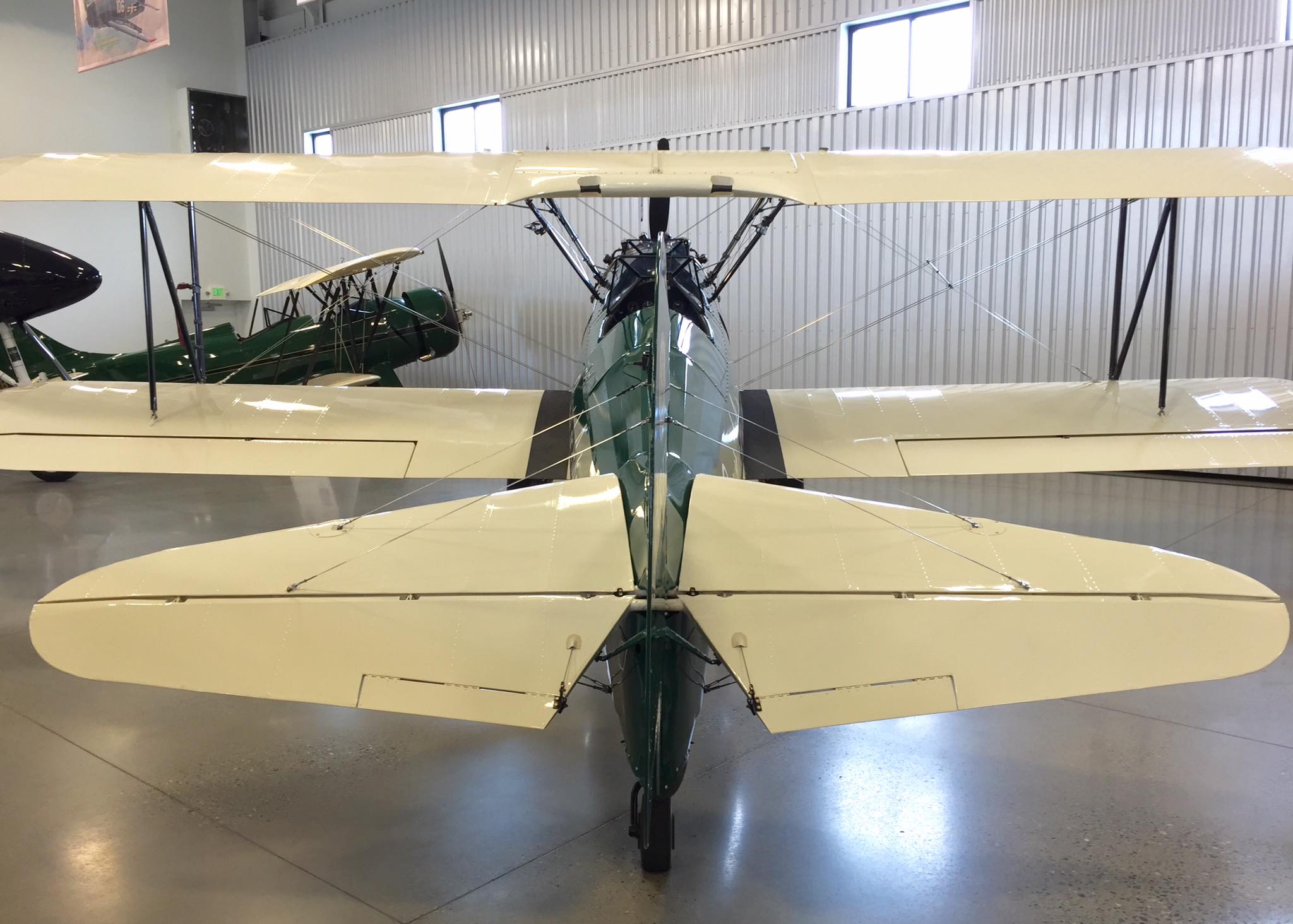
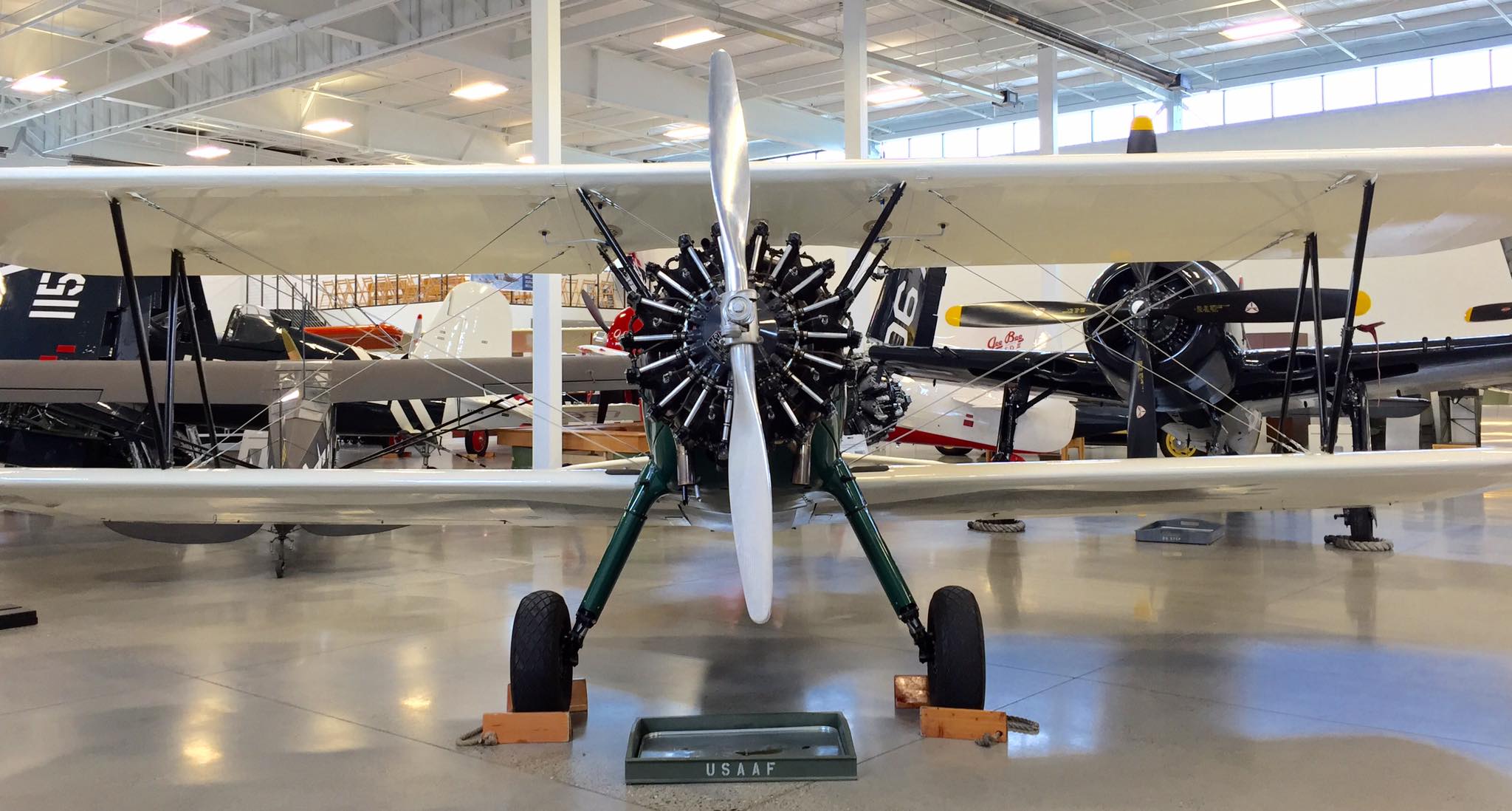
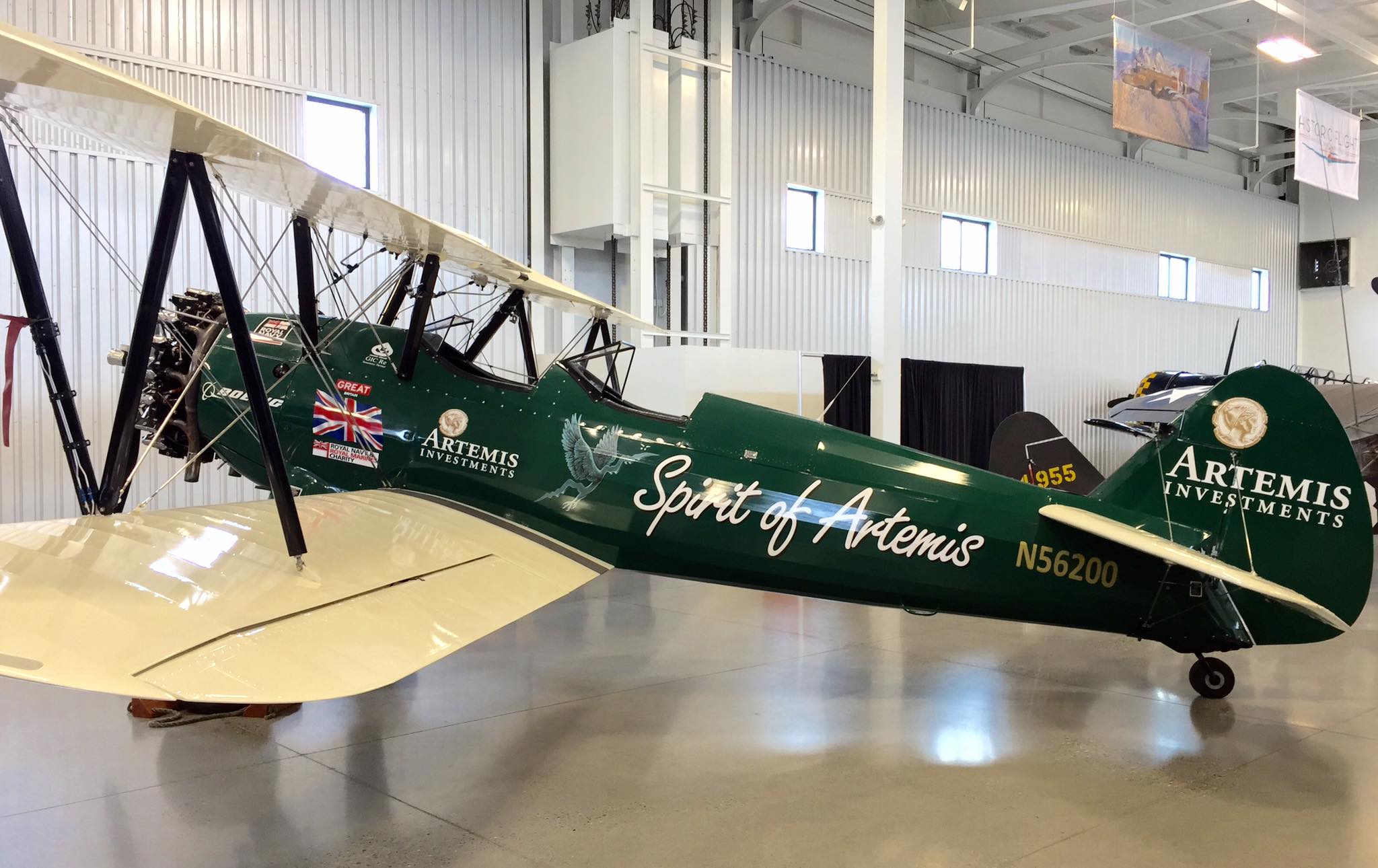
The name “Kaydet” has been alternatively ascribed to originating with the Royal Canadian Air Force, the U.S. federal government (in 1941 in an effort to ascribe “generic” names to aircraft) or by Boeing. The Kaydet was designed by Stearman Aircraft Company engineers Harold Zipp and Jack Clark based on drawings of a Cloudboy (Model 6) by Lloyd Stearman and the prototype Model 70 appeared in 1933. The Stearman company had been absorbed by Boeing Aircraft in 1934 and became the Boeing Wichita Division located in Wichita, Kansas. The Kaydet was designed as a primary trainer for U.S. Army Air Corps, U.S. Navy and Royal Canadian Air Force pilots and was known as the PT-13, PT-17, PT-18, PT-27 and the N2S in the various services and was flown by many countries worldwide. Built of fabric-covered wooden wings, a fuselage made of sturdy, over-welded tubes also covered in fabric, and single-leg landing gear.
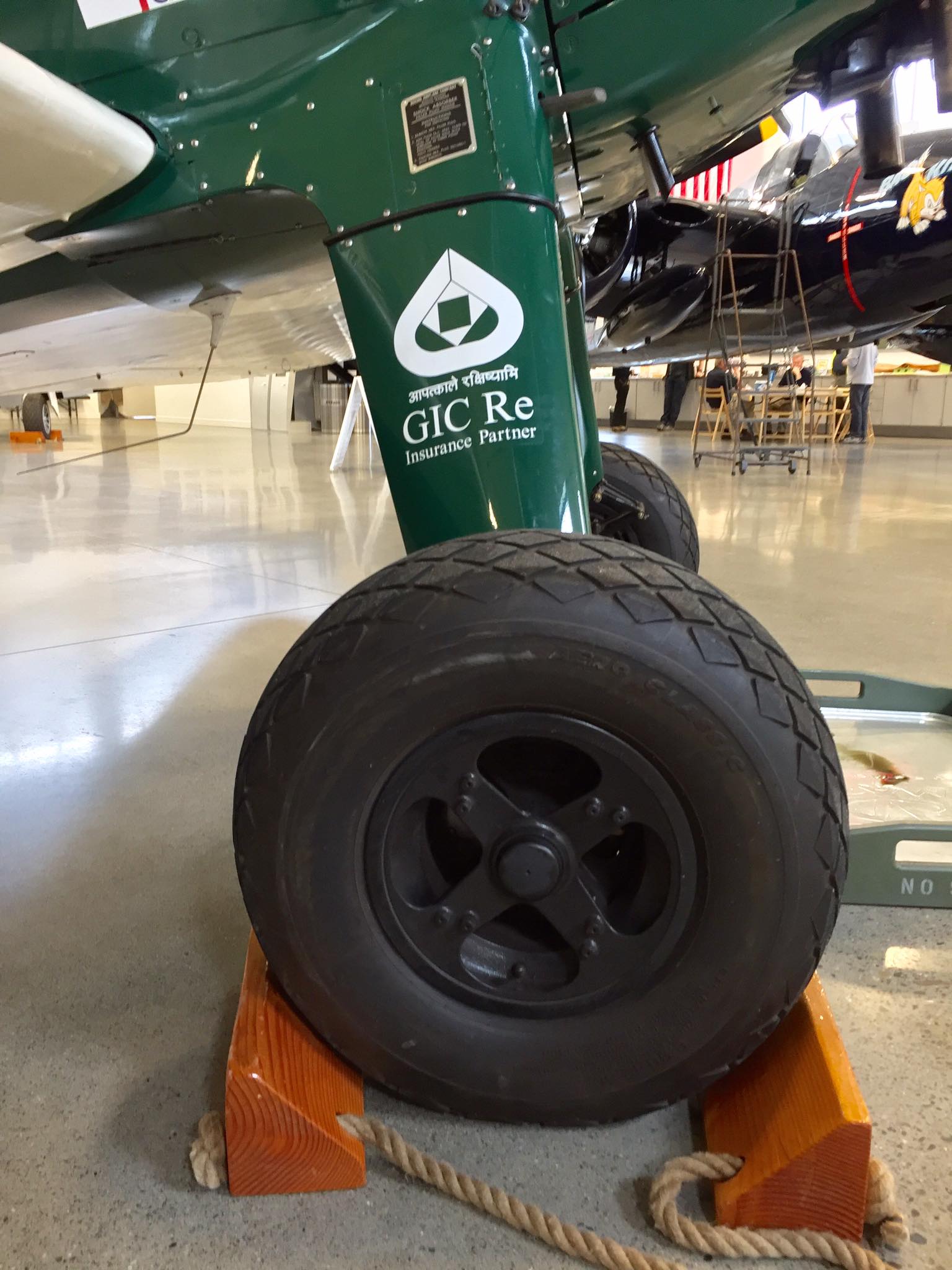
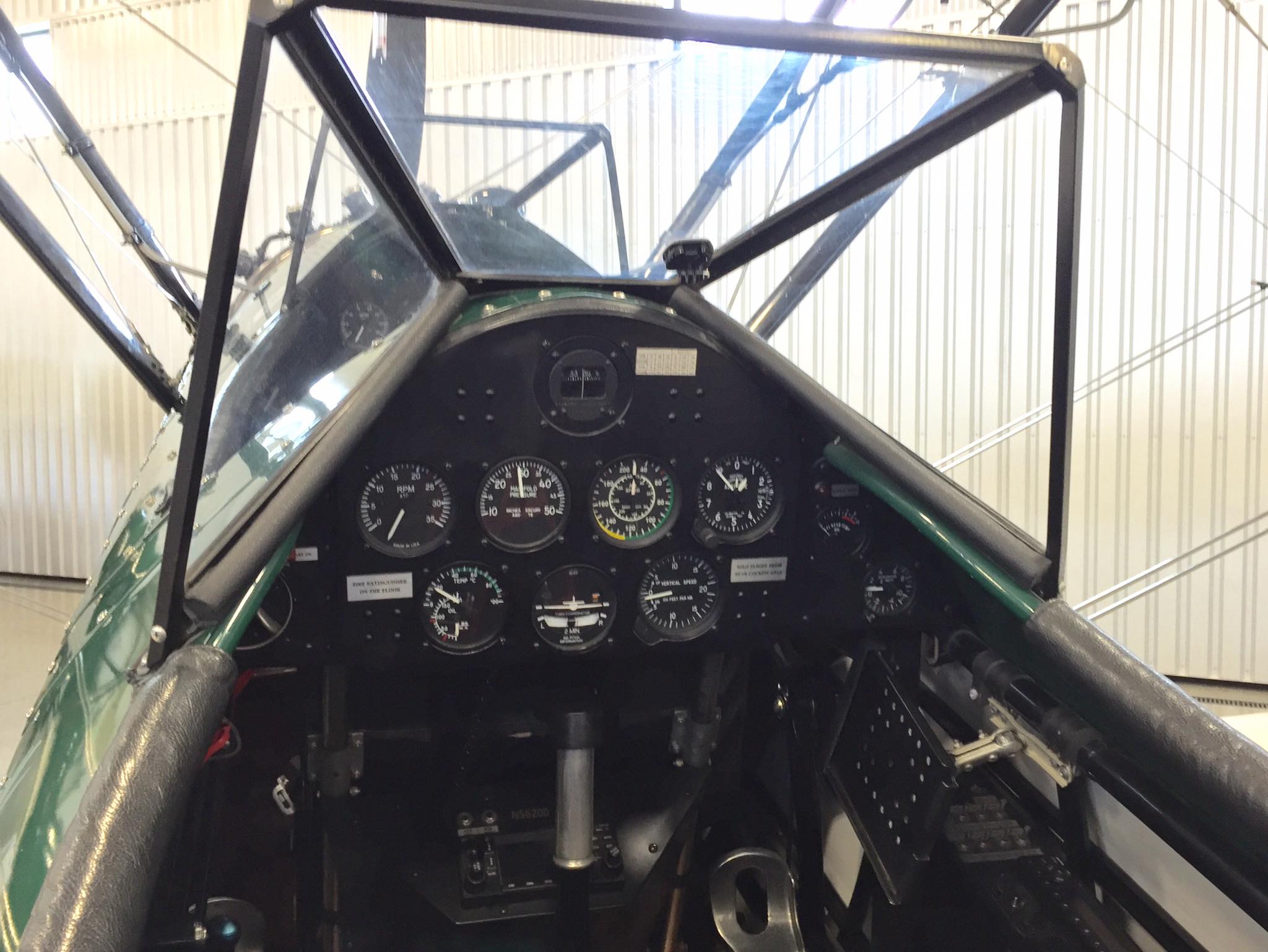
For ease of training, it had no flaps, fixed landing gear, no radio or navigation instruments (I believe some effort was made to train some pilots on instruments at a point). The airframe was built to be balanced for solo flying from the rear seat (which also provided better visibility side to side over the nose than the front seat) but could be piloted from the front seat with added weight to the rear). At age 18, future U.S. President George H.W. Bush became the youngest U.S. Navy pilot to earn his wings – part of his training was in U.S. Navy N2S-3, BuNo 92468 (and as is known, he and his Avenger crew were shot down on a raid over Chichi Jima and he survived).
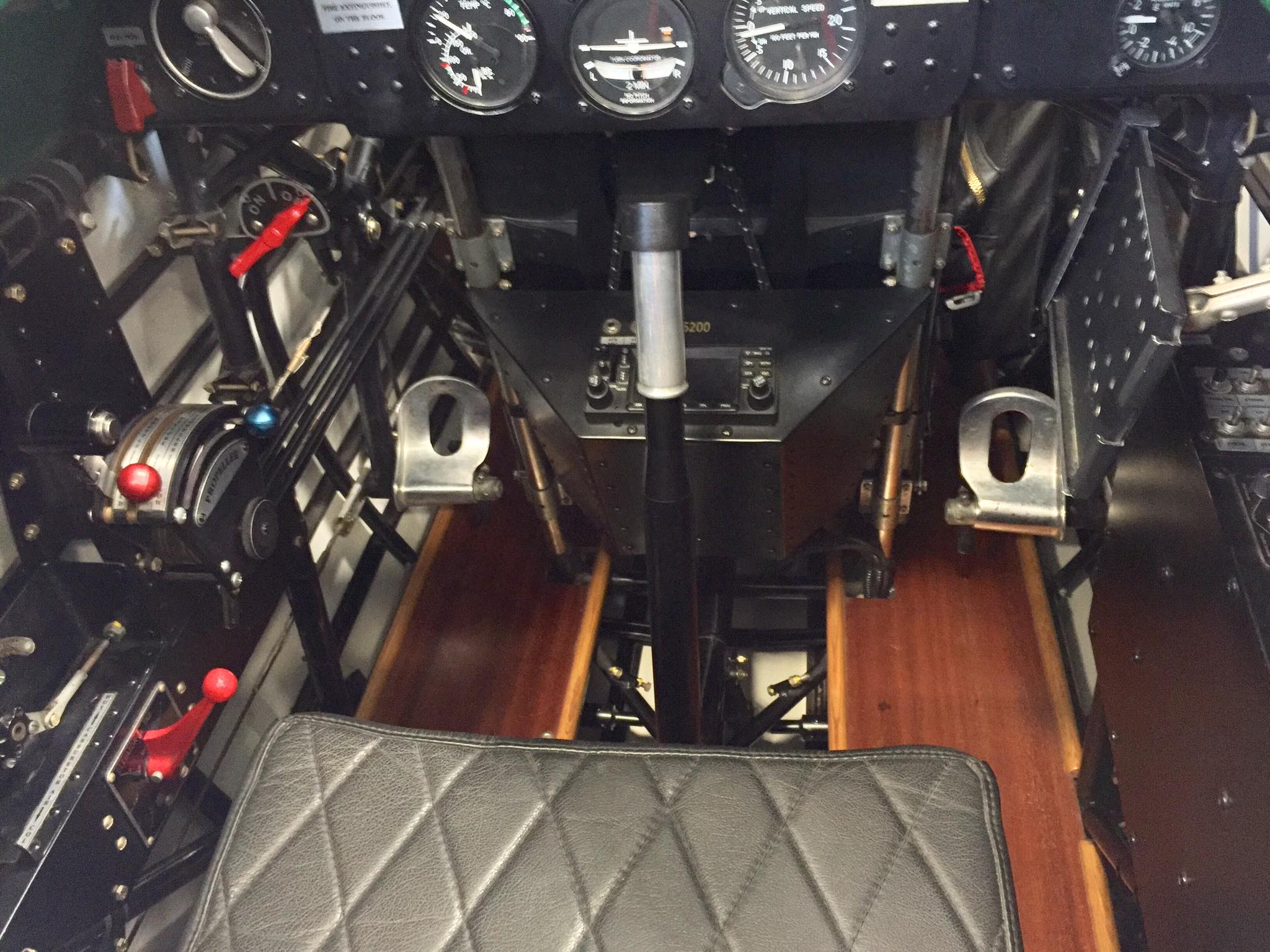
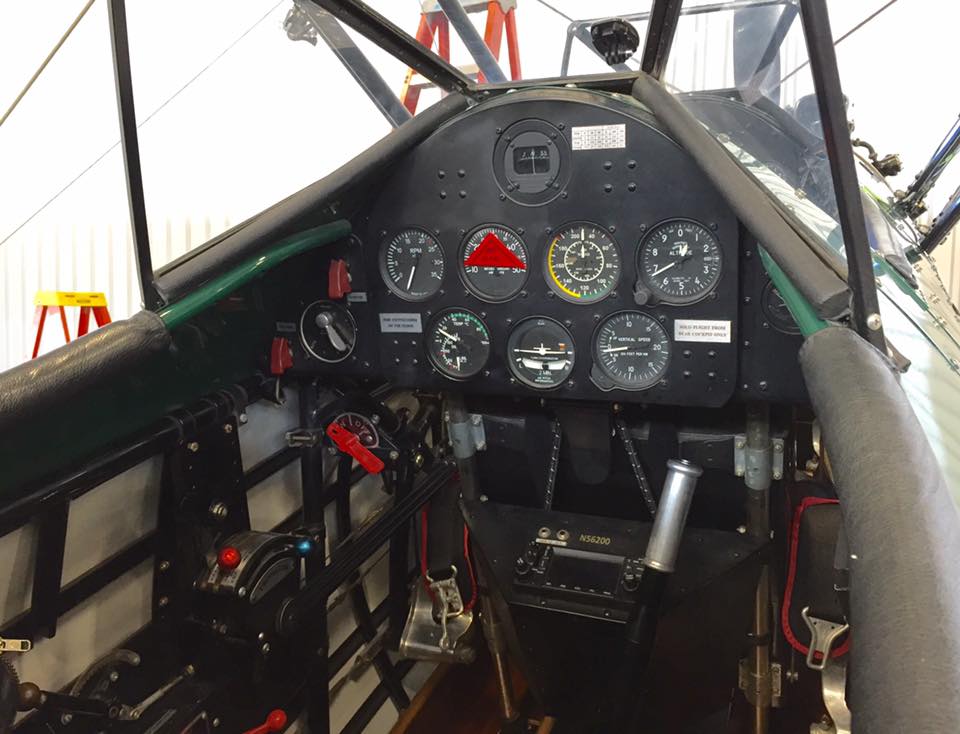
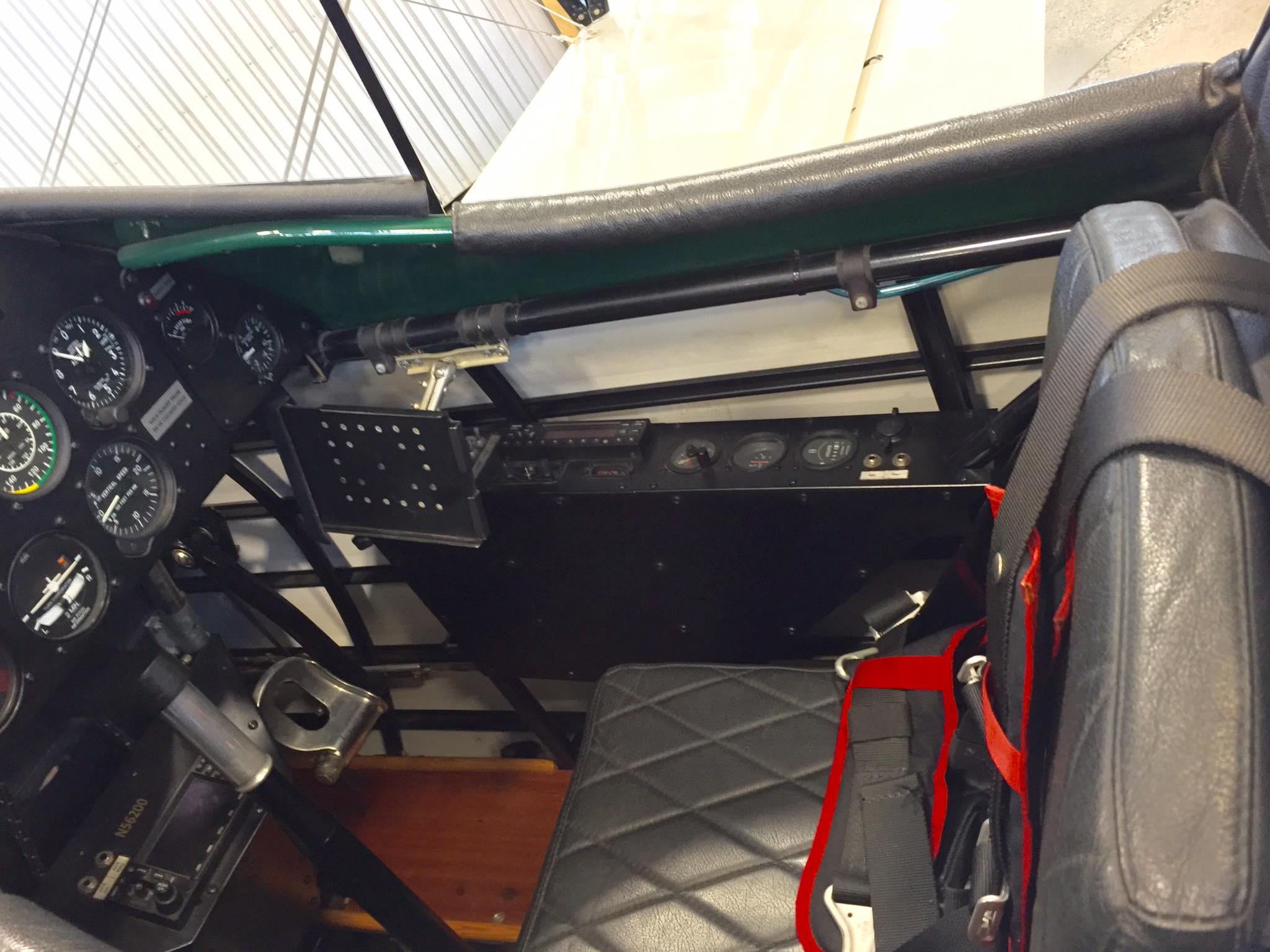
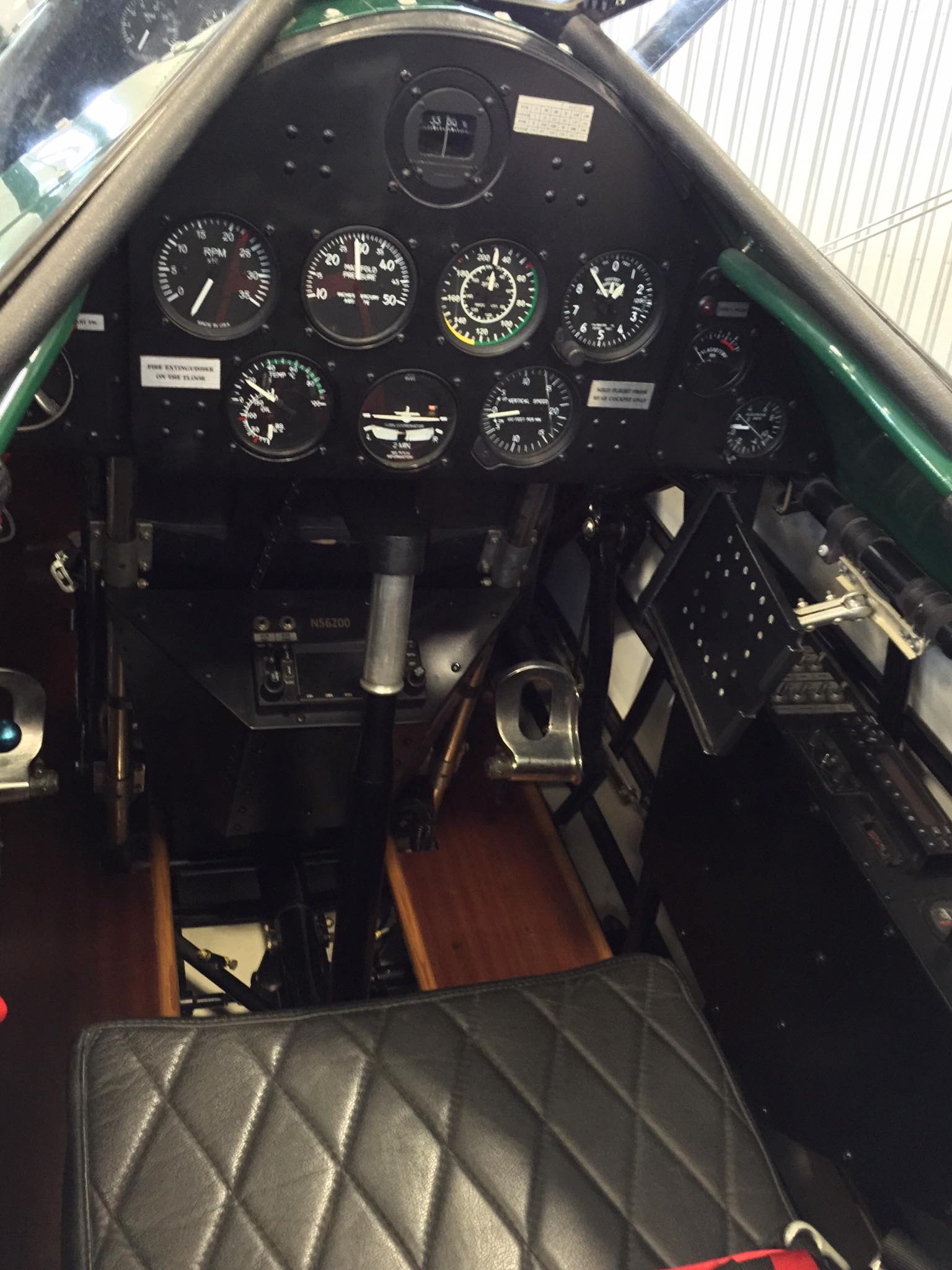
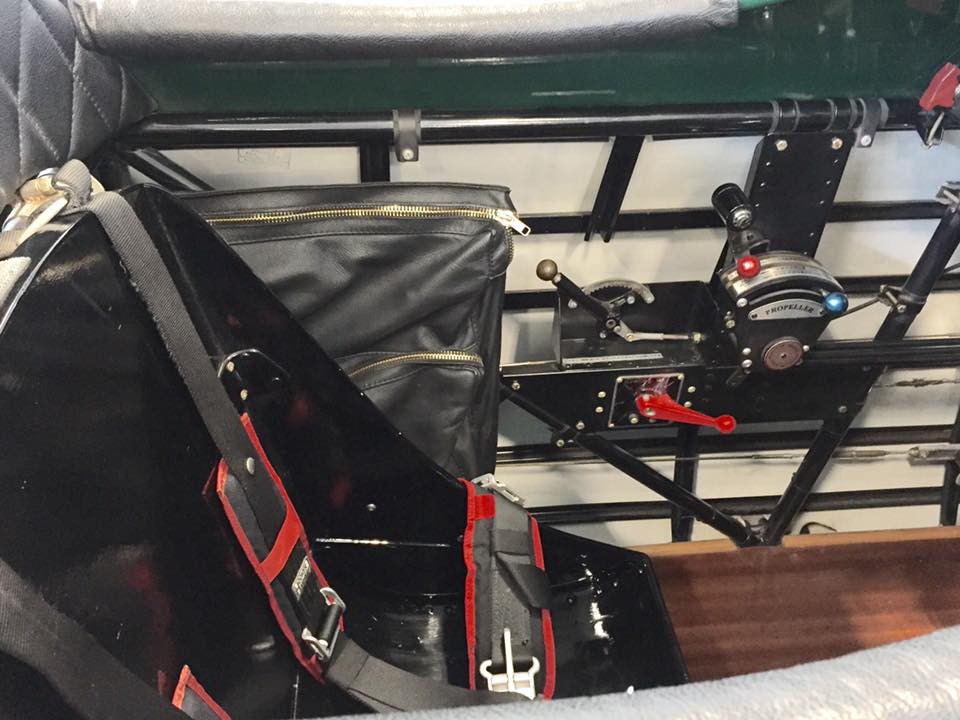
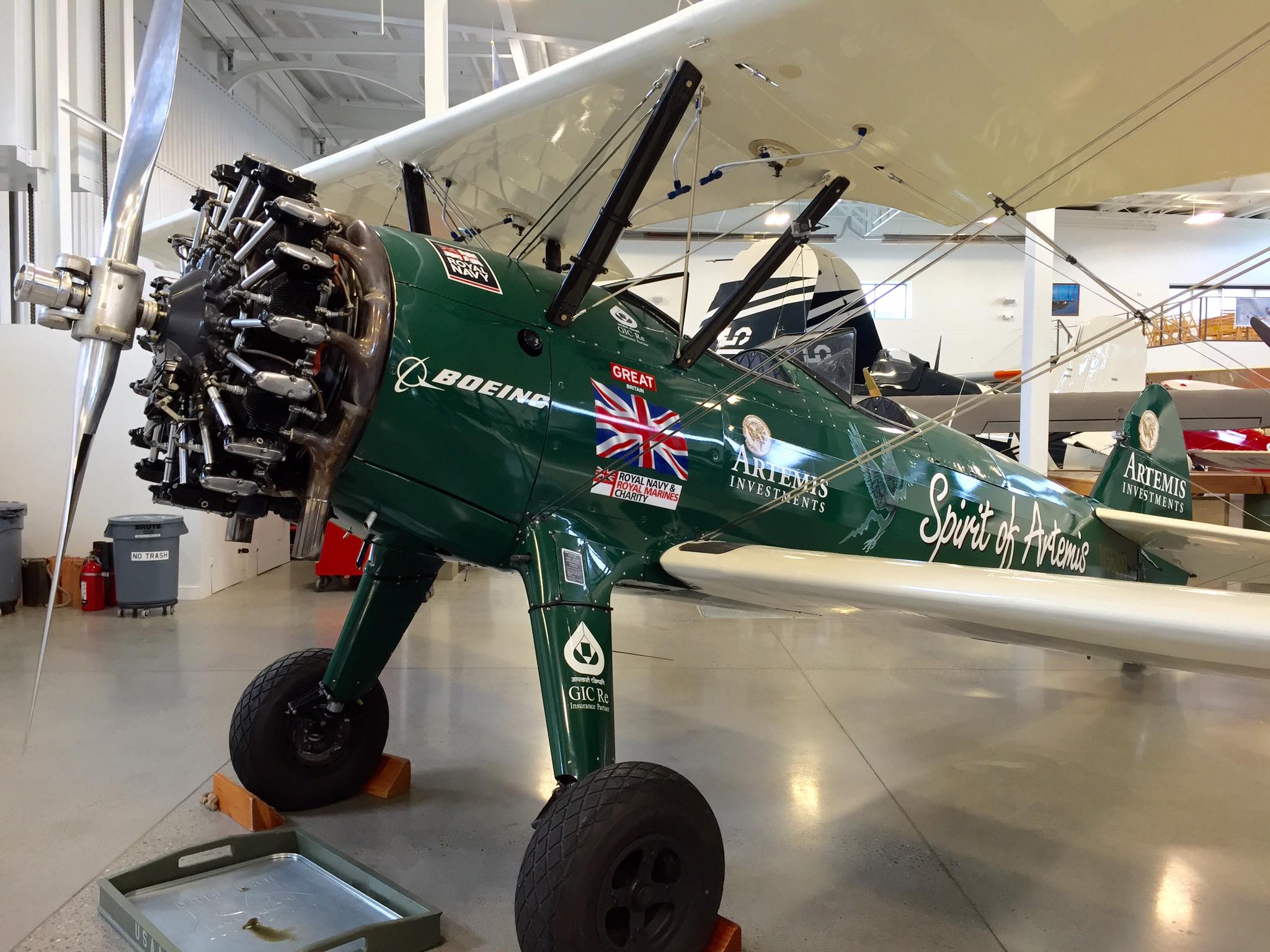
Over 8,584 aircraft were built between 1936 and 1944. After World War II, the Kaydet went into civil uses such as sport aircraft and crop-dusting. A variant of the Boeing/Stearman Model 75, there were a number of engine substitutions for the Kaydet’s such as the Lycoming R-680 and Continental W-670-5 – and during an engine shortage between 1940-41, Jacobs R-755 engines were installed on some 150 aircraft – and were generally uncowled. The design of the propeller caused the tips to reach near speed-of-sound speeds during engine run-up giving the Kaydet its “growl.”
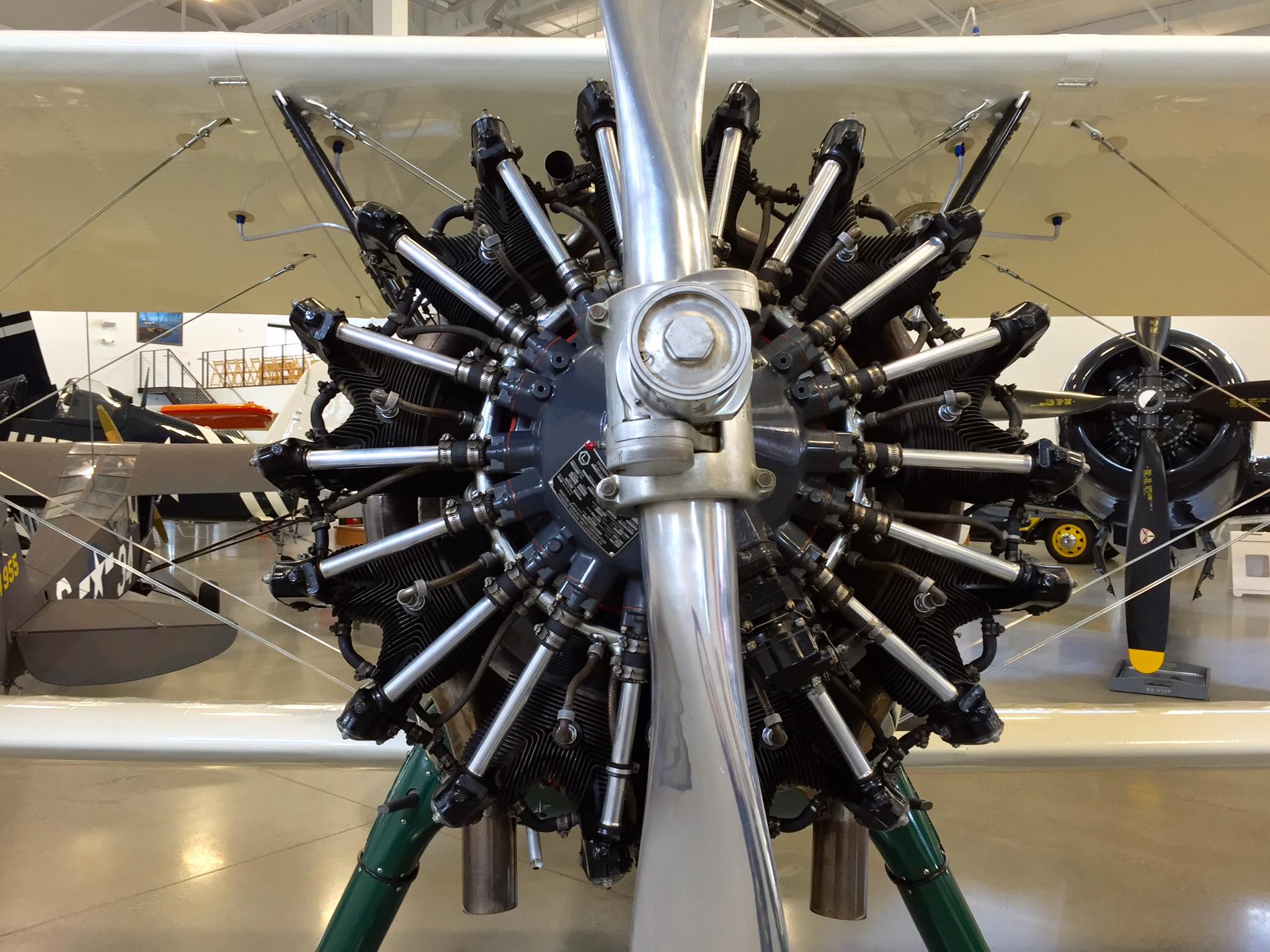
Editor’s notes: This Boeing-Stearman Model 75, construction number 75-7813, was originally manufactured at the Boeing-Stearman plant in Wichita, Kansas during WWII and was delivered to the United States Navy to serve as an N2S-3 trainer with the Bureau Number 38192. After WWII, the aircraft was declared surplus and eventually came onto the civilian market. By 1958, it was registered as N69801 and owned by Berrien County Aerocrop Control of Sodus, Michigan, for use as a crop duster. After being purchased by Thomas E. Bressmer of Dearborn, Michigan in 1978, the aircraft was issued its current registration of N56200 when it was purchased by Louis T. Spanberger of Daytona Beach, Florida, in 1999. By 2008, the aircraft was sold to Aircraft Guaranty Corporation of Houston, Texas, but was flown in USN colors in Belgium. Between 2012 and 2013, the aircraft underwent restoration with 3G Classic Aviation at Meidl Airport in Sopron, Hungary on behalf of British aviator Tracey Curtis-Taylor, who was set on tracing the first solo flight between Cape Town, South Africa and London, England, made in 1928 by Irish aviator Mary, Lady Heath. Stearman N56200 was named Spirit of Artemis in honor of Curtis-Taylor’s primary sponsor, Artemis Investment Management, and was equipped with a GPS navigation system and a transponder. Other sponsors for her planned flight included Boeing and ExecuJet Aviation Group. Curtis-Taylor also brought the aircraft to the Royal International Air Tattoo (RIAT).
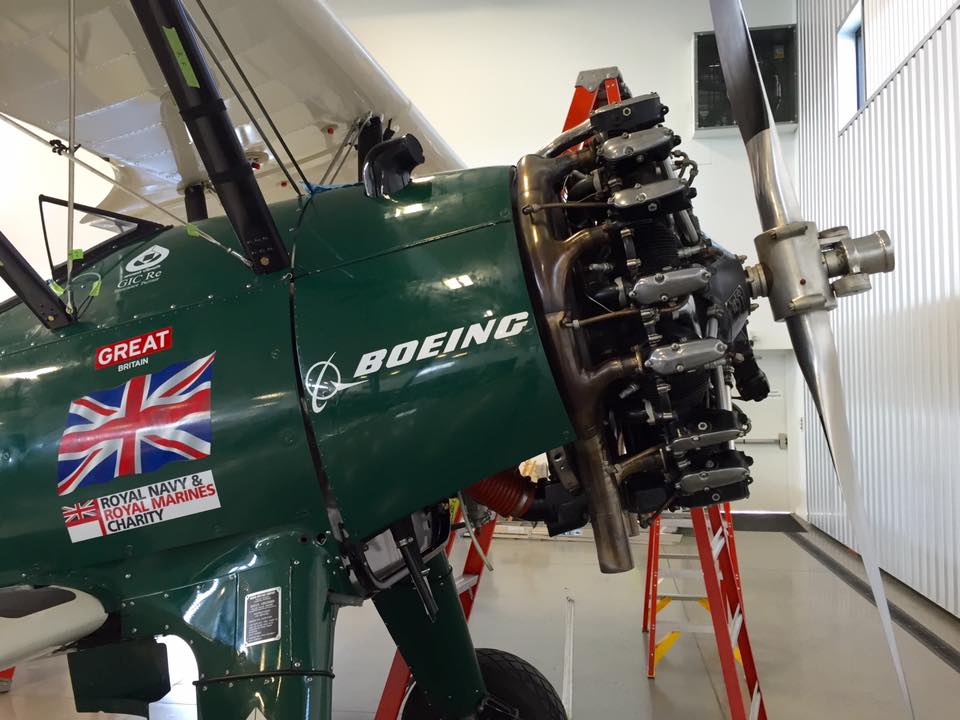
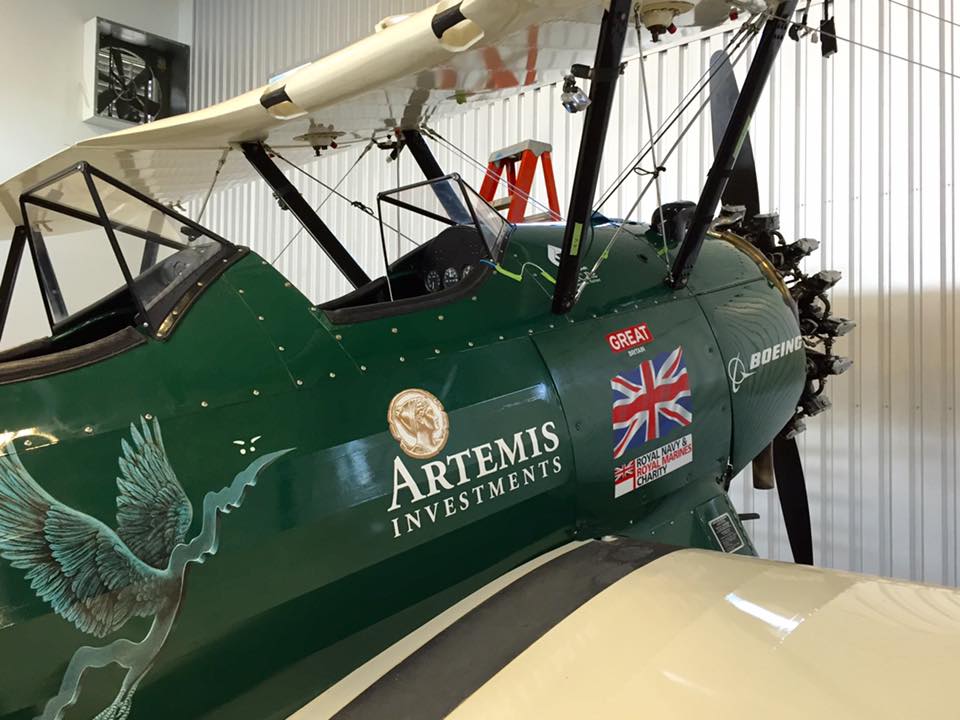
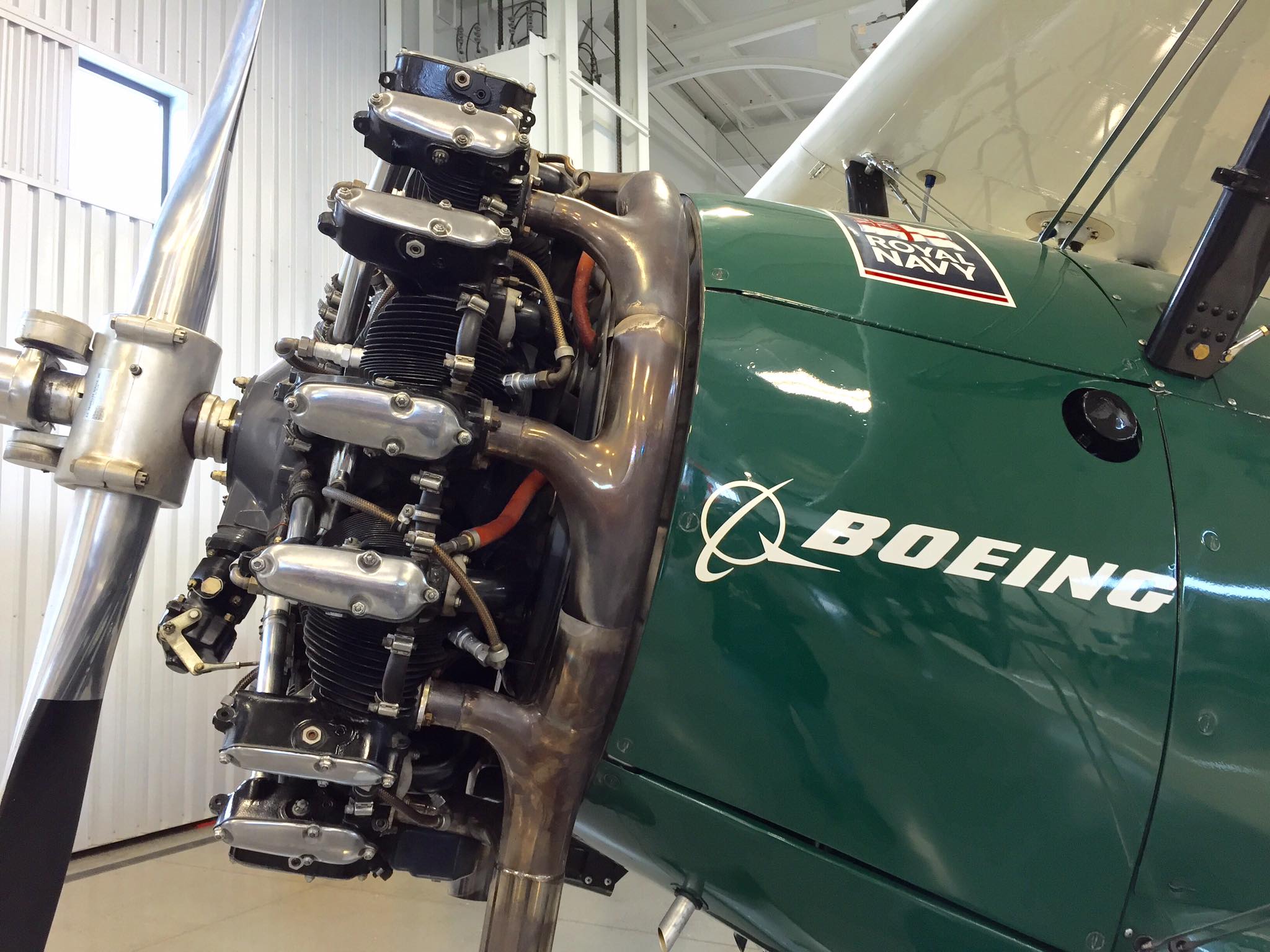
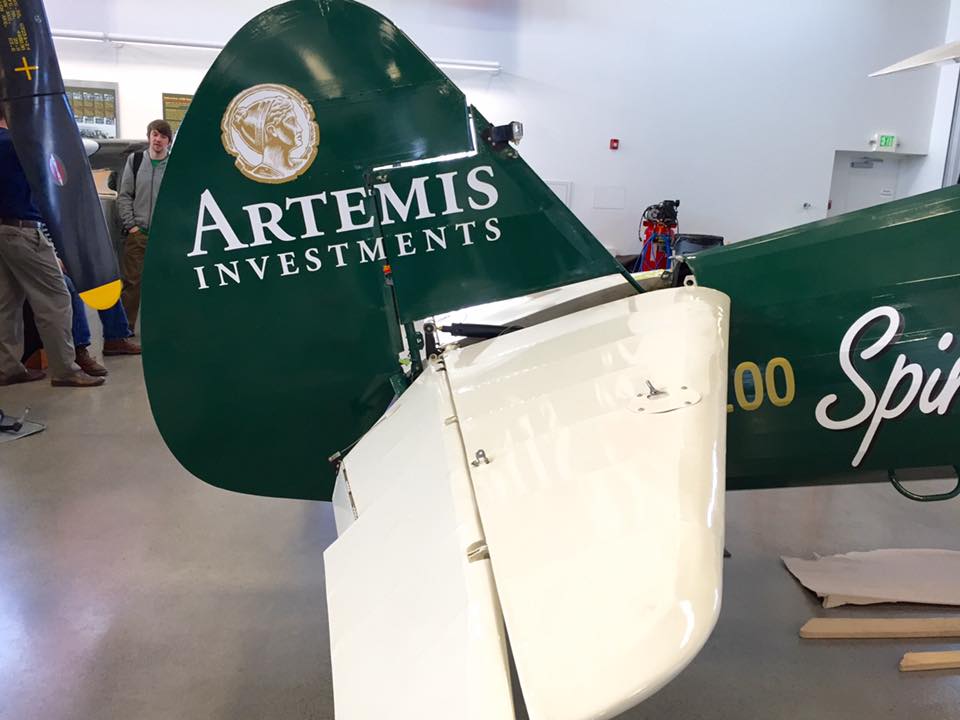
Following this restoration, Curtis-Taylor shipped the Spirit of Artemis to Cape Town, South Africa and set off for England on November 13, tracing Mary, Lady Heath’s flight. Curtis-Taylor and the Spirit of Artemis flew from Cape Town through Zimbabwe, Zambia, Tanzania, Kenya, Uganda, and Sudan before ending the African leg of the journey in Cairo, Egypt. Though Lady Heath’s original flight also took her through Libya, the ongoing strife in the country forced Curtis-Taylor to divert from Libya. On December 31, 2013, eight weeks after departing Cape Town, Tracey Curtiss-Taylor completed her flight by landing at Goodwood Aerodrome in Chichester, West Sussex, England. The journey had been made over the course of 110 flying hours over 38 flights in total, with route planning assistance from retired Royal Air Force Group Captain pilot and historian Bill Sykes, while a Cessna Caravan was used as a chase plane/aerial photography platform for the flight. The flight was also the subject of a BBC documentary film The Aviatrix.
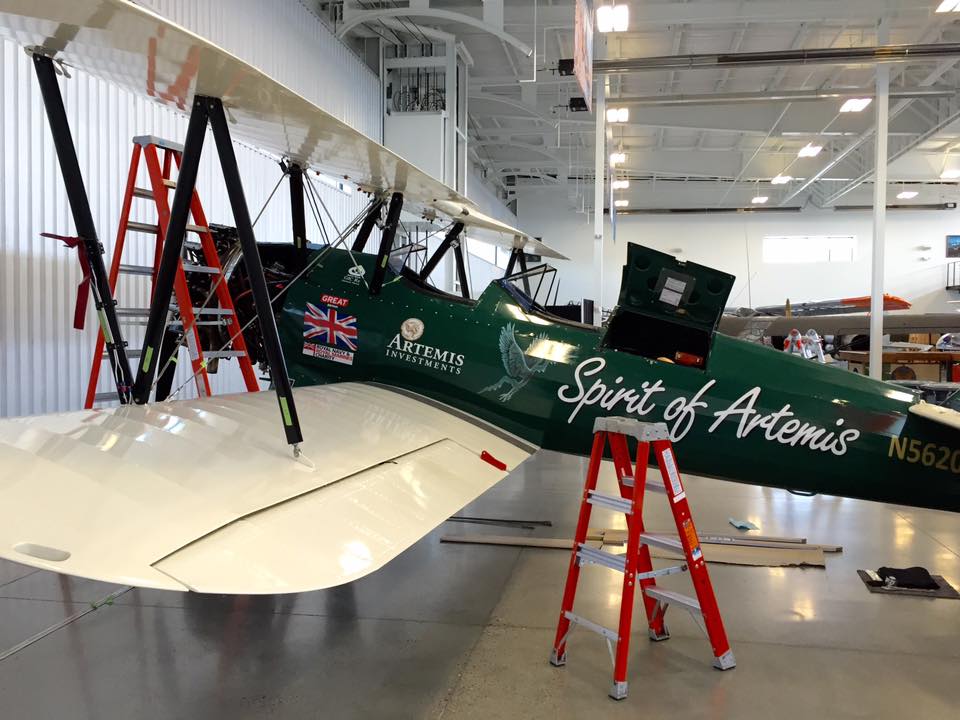
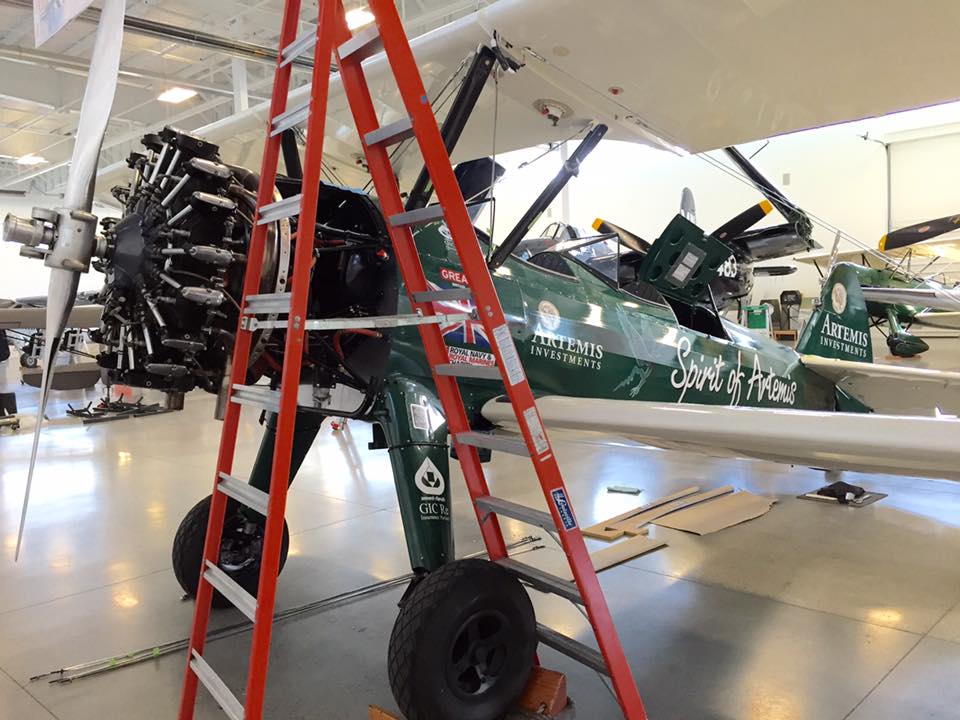
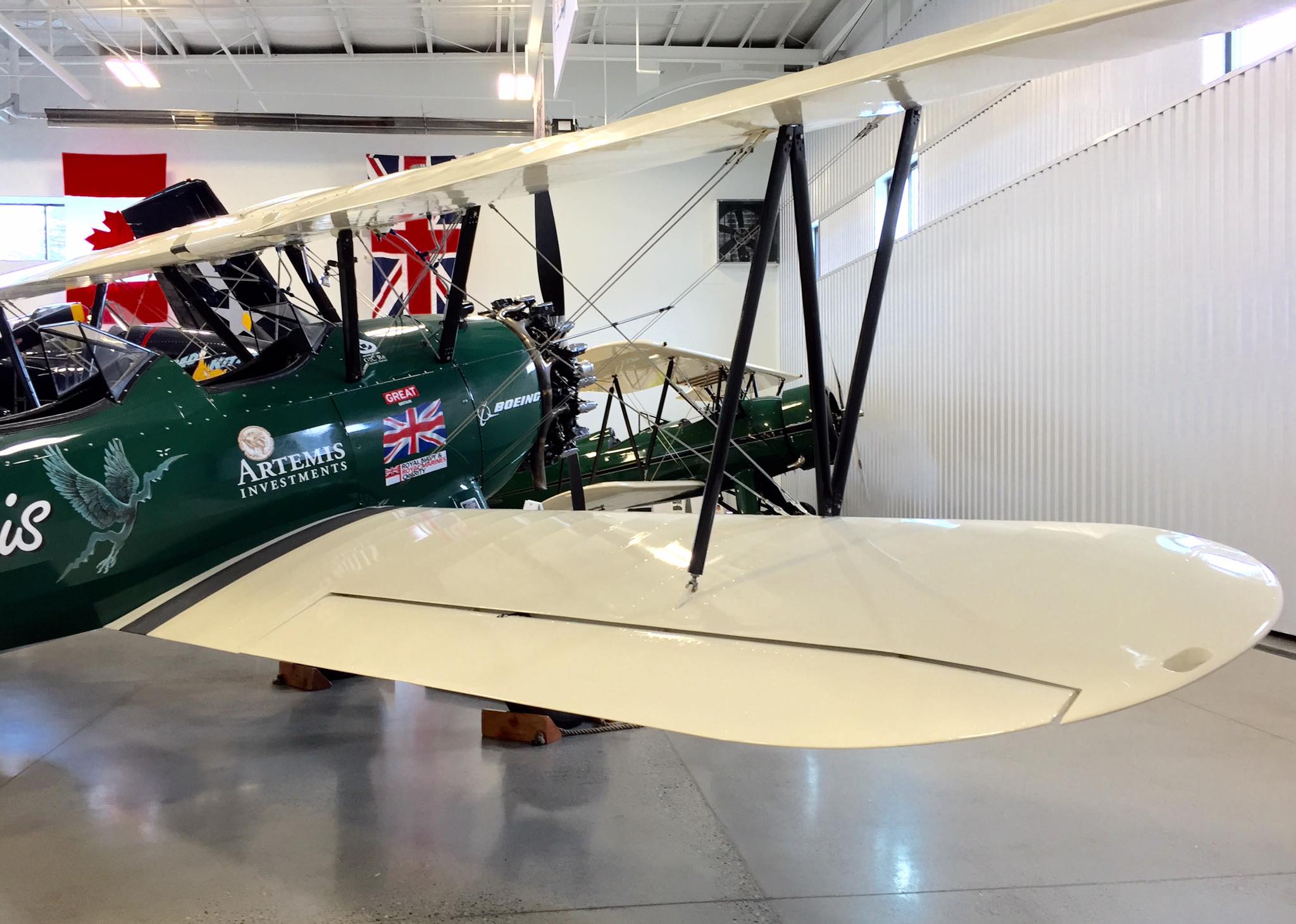
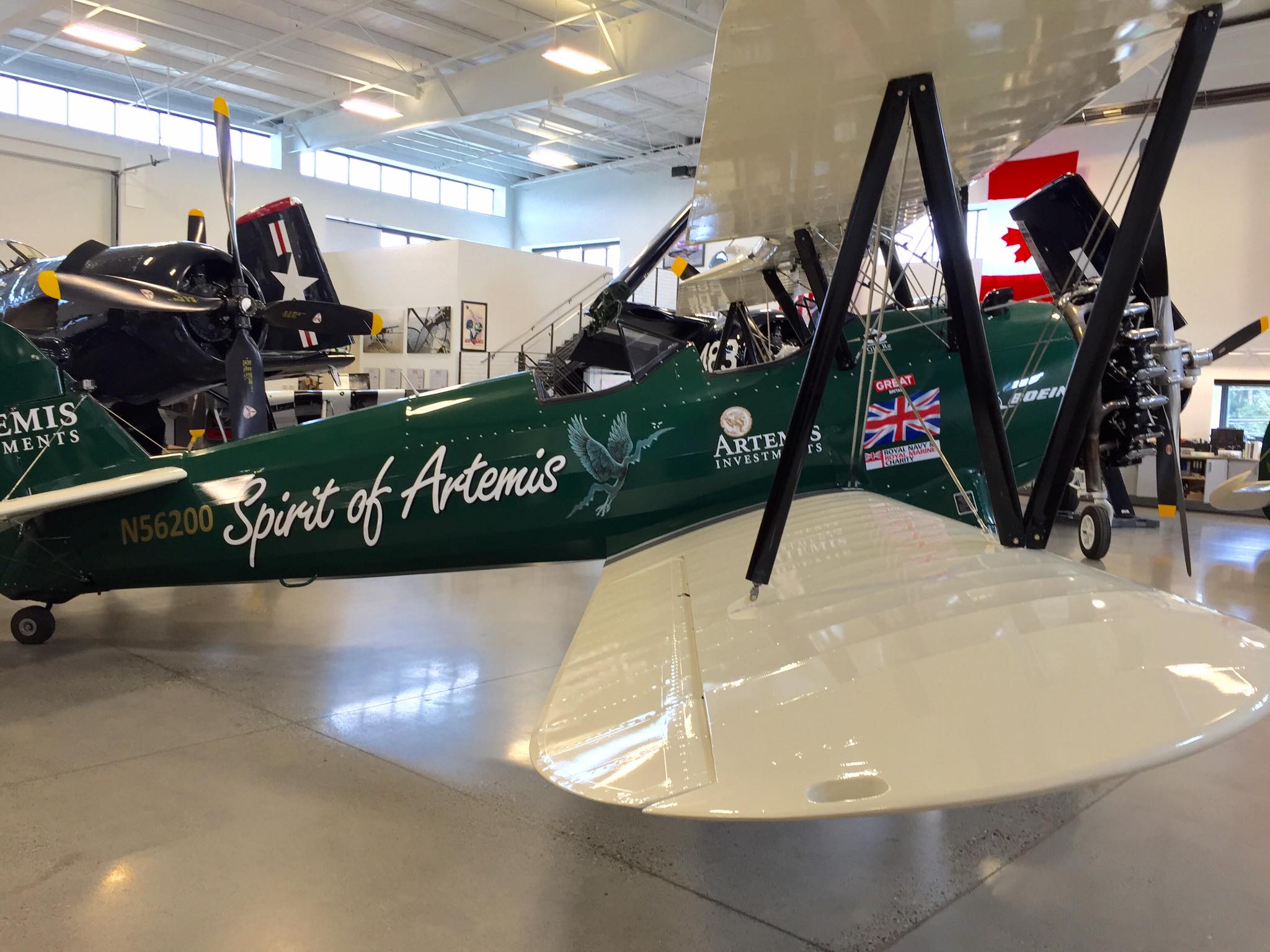
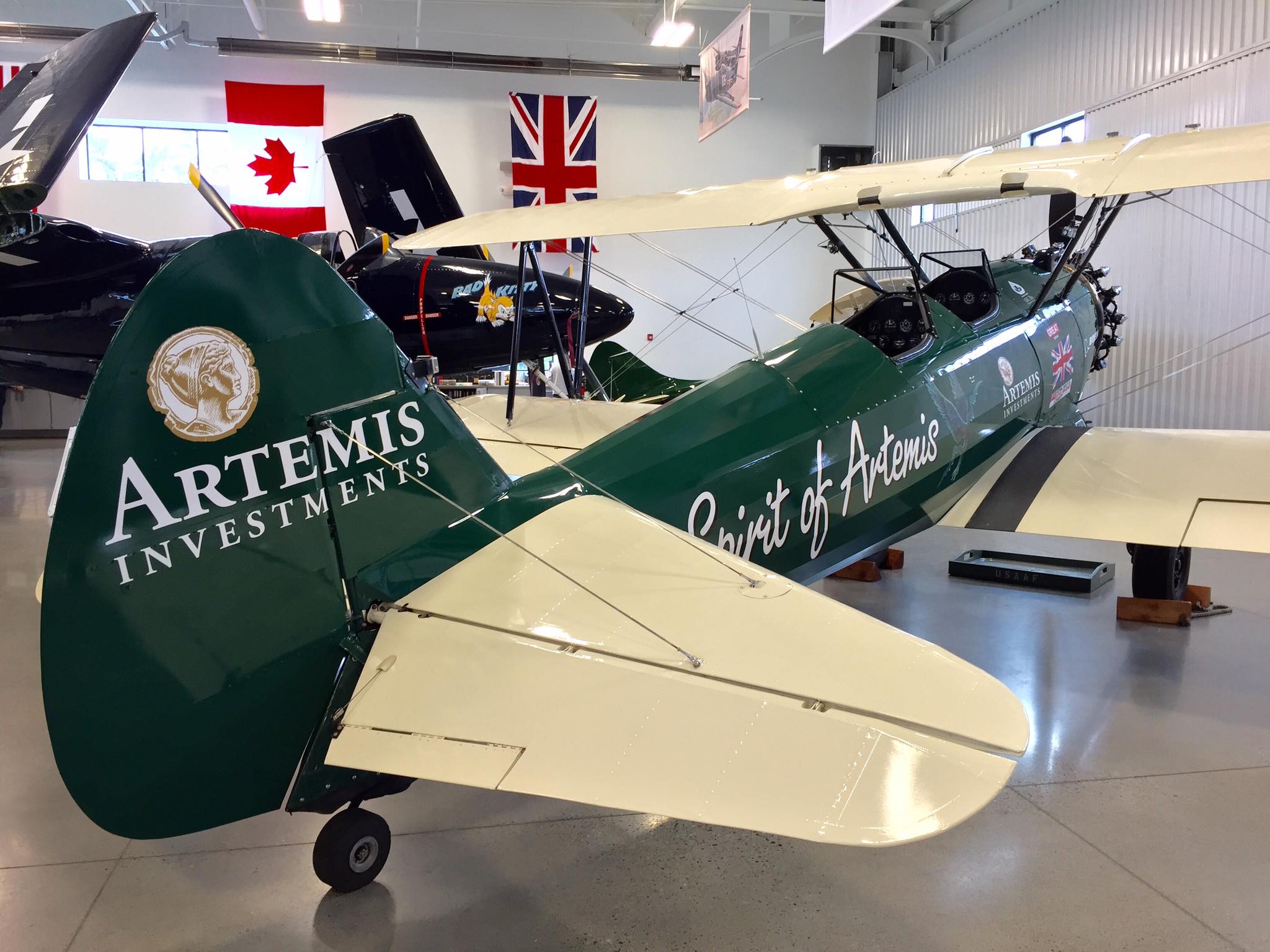
On October 1, 2015, Curtis-Taylor took off from Farnborough Airport, England, in the Spirit of Artemis on yet another commemorative long-distance, this time tracing the route of British aviator Amy Johnson’s famous 1930 solo flight from England to Australia. After crossing through 23 countries in 50 legs, Tracey Curtis-Taylor arrived in Syndey, Australia on January 9, 2016, having been followed by a support team who documented the flight for another documentary. At the same time, she spoke at numerous conferences at some of the stops on her flight route, including Dubai, Karachi, and Singapore.
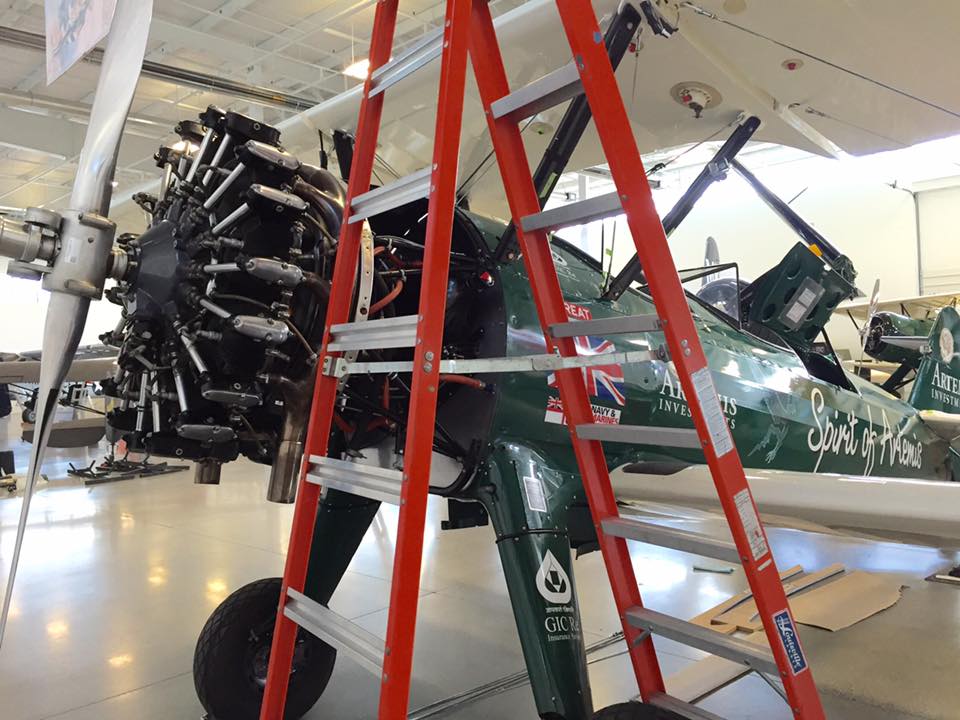
Following these flights, Curtis-Taylor, who self-styled herself as the “Bird in a Biplane”, brought the aircraft back to the United States in 2016 to celebrate the centenary of The Boeing Company and trace the US airmail routes from Seattle to Boston. While the Seattle – Los Angeles – Phoenix leg was successful, the flight came to an abrupt end on May 11, 2016, when the Spirit of Artemis crashed shortly after takeoff from Winslow, Arizona. The Spirit of Artemis’ Lycoming R-680 radial engine failed at an altitude of about 50 ft (15m), and though Curtis-Taylor and copilot Ewald Gritsch landed in the open desert south of the airport, the right wheel hit a sage root mound, tearing off the right landing gear and using the Stearman to cartwheel onto its left wing and tail. Although the aircraft was substantially damaged, Curtis-Taylor and Gritsch emerged unscathed, with N56200 being sent back to Hungary for repairs, which were completed in time to attend the 2016 RIAT.
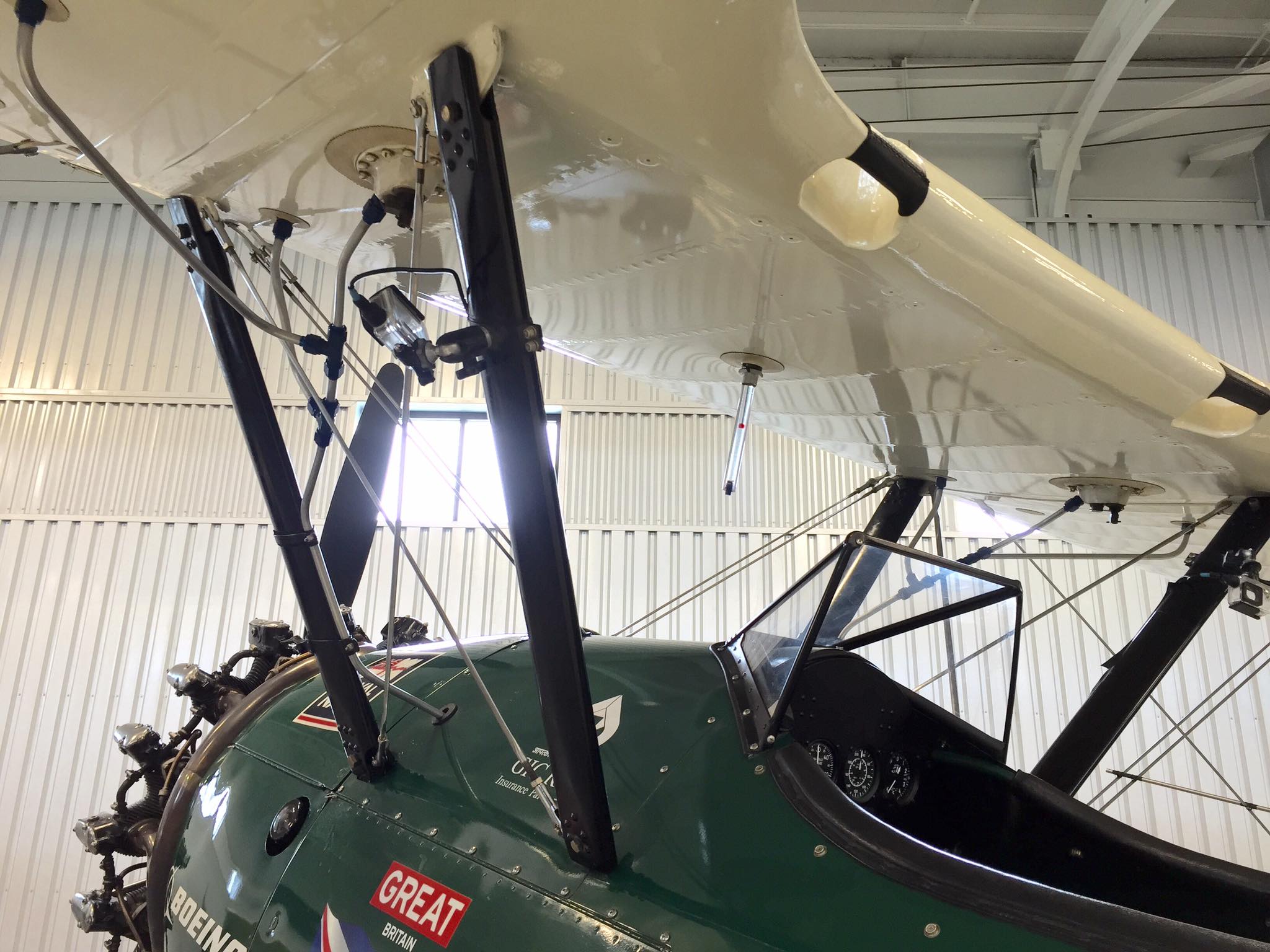
In 2017, Curtis-Taylor and Stearman N56200 (now named the Spirit of Victory) returned to the USA to complete a cross-country flight. Starting in Los Angeles, Curtis-Taylor returned to Winslow without incident before proceeding through New Mexico, Texas, Kansas, and Missouri before attending the National Stearman Fly-In in Galesburg, Illinois, then completed the flight at the American Airpower Museum at Republic Airport in Farmingdale, Long Island, New York. In June 2024, Stearman N56200 was sold to Seymour “Si” Robin, and has been spotted at Camarillo Airport, California, as seen in this photo HERE.
About the author 
Randy Malmstrom grew up in a family steeped in aviation culture. His father, Bob, was still a cadet in training with the USAAF at the end of WWII but did serve in Germany during the U.S. occupation in the immediate post-war period, where he had the opportunity to fly in a wide variety of types that flew in WWII. After returning to the States, Bob became a multi-engine aircraft sales manager and, as such, flew a wide variety of aircraft; Randy frequently accompanied him on these flights. Furthermore, Randy’s cousin, Einar Axel Malmstrom, flew P-47 Thunderbolts with the 356th FG from RAF Martlesham Heath. He was commanding this unit at the time he was shot down over France on April 24th, 1944, and spent the rest of the war as a prisoner of war. Following his repatriation at war’s end, Einar continued his military service, attaining the rank of Colonel. He was serving as Deputy Wing Commander of the 407th Strategic Fighter Wing at Great Falls AFB, MT at the time of his death in a T-33 training accident on August 21, 1954. The base was renamed in his honor in October 1955 and continues to serve in the present USAF as home to the 341st Missile Wing. Randy’s innate interest in history in general, and aviation history in particular, plus his educational background and passion for WWII warbirds, led him down his current path of capturing detailed aircraft walk-around photos and in-depth airframe histories, recording a precise description of a particular aircraft in all aspects.