
A space elevator, also known as a space bridge or orbital lift, is often envisioned as a science fiction concept, but it is a proposed means of transporting people and goods between Earth and space. No one has built a working space elevator yet, but the idea is being taken seriously by engineers and scientists, and the concept has moved from science fiction to real engineering and materials science. Yuri Nikolaevich had been working on this idea for years. Yuri was born on October 5, 1929, in Leningrad, now called Saint Petersburg, Russia. Yuri’s parents were history teachers. His father, Nikolai Akimovich Artsutanov, came from Ossetia, and his mother was Olga Petrovna. His father was arrested in 1935 during the Stalinist purges related to Leon Trotsky’s trials. Authorities labeled him an “enemy of the people” and sent him to a labor camp in Kolyma.
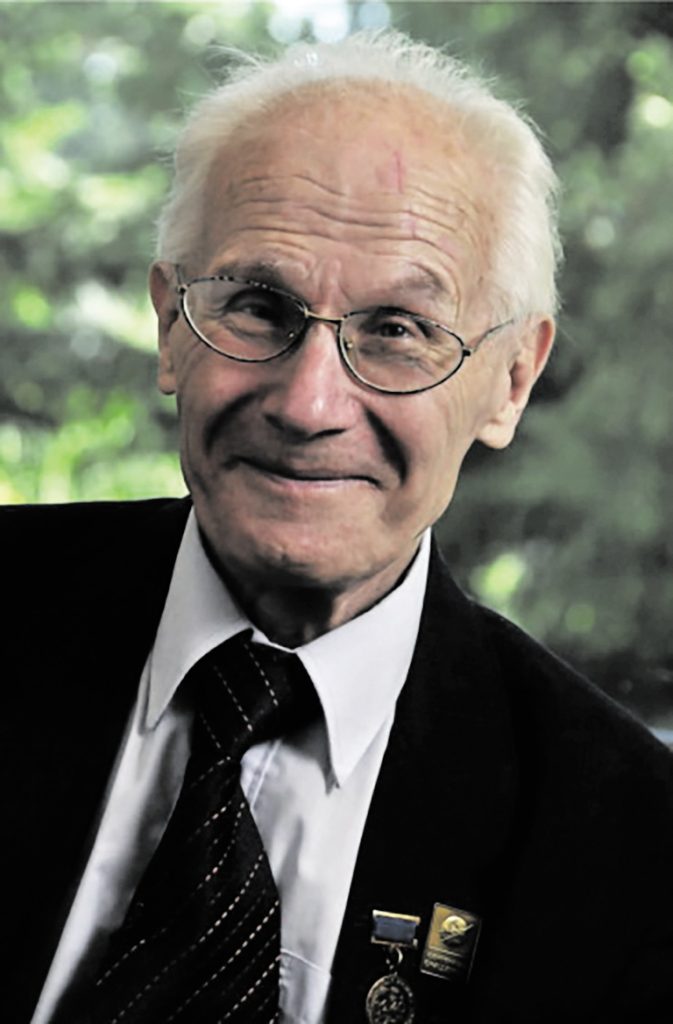
In March 1942, Olga Petrovna, Yuri Artsutanov, and his brother were evacuated from besieged Leningrad to the village of Beloyarka in the Kurgan region. There, Yuri Nikolaevich completed his seven years of schooling. In 1960, he wrote an article titled “V Kosmos na Electrovoze”, which means “into space with the help of an electric locomotive”. In this article, Yuri Artsutanov proposed the idea of a space elevator, a safe and inexpensive way to reach orbit and enable further space exploration. He came up with this idea independently of Konstantin Tsiolkovsky, who proposed an orbital tower in 1895. Yuri Artsutanov planned to connect geosynchronous satellites to the ground with a cable. He proposed using a satellite as the base for the tower because a geosynchronous satellite remains over a fixed point on the equator. By using a counterweight, a cable could be lowered from space to Earth’s surface, while the counterweight would extend away from Earth, keeping the cable’s center of mass at the same height above Earth. Tsiolkovsky’s idea of a compression structure was considered far beyond what the world could achieve, while Yuri Artsutanov’s tension-structure idea was easier to build and maintain, making it more feasible with near-future technology. Later, Artsutanov proposed other ideas involving space tethers, including a lunar space elevator and the use of spinning tethers for space transportation. Yuri Artsutanov proposed a “non-stationary elevator,” which was a rotating cable system designed to launch spacecraft into high orbit.
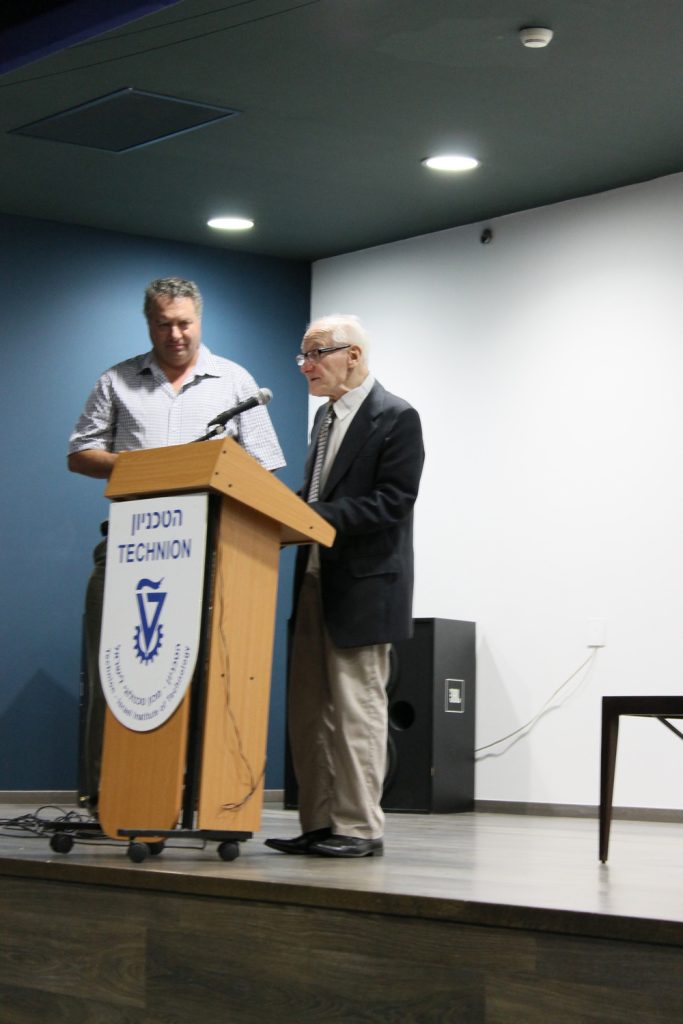
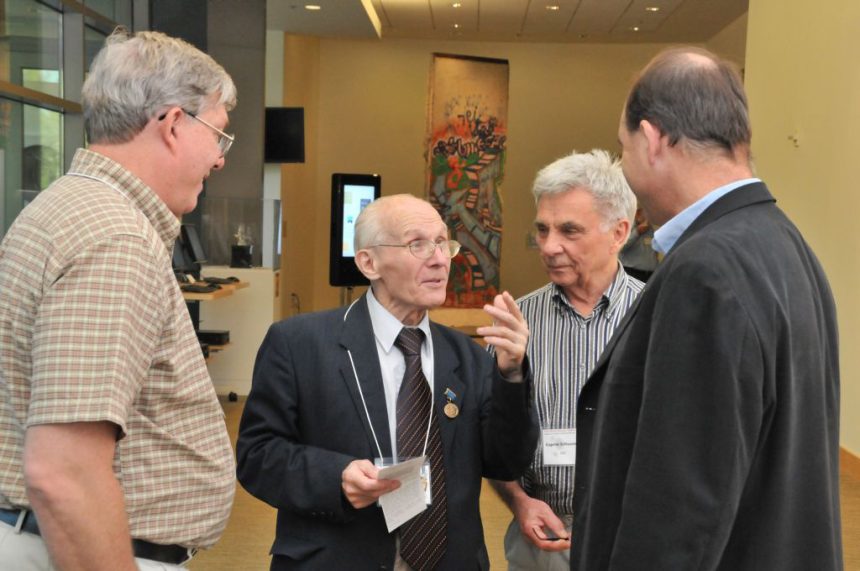
He submitted this idea in May 1967 as a patent application for “A method for launching spacecraft and returning them to Earth or another celestial body.” In 1969, Yuri Artsutanov introduced his idea of a “non-stationary elevator” in the journal “Knowledge is Power.” His article, titled “Into space without rockets: a new idea for a space launch,” presented a new concept for launching into space. In 2010, Yuri Nikolaevich attended the International Space Elevator Consortium (ISEC) conference. In 2014, Yuri Artsutanov was invited to the annual “Space Elevator Games” in Israel. To evaluate the key factors of the cable connecting the Earth’s surface to a geostationary satellite, the Spaceward Foundation has created a new unit called the Yuri. The Yuri measures the ratio of a material’s tensile strength to its density. In standard units, it is shown as pascal-meter³ per kilogram (Pa m³/kg). One Megayuri (1 MYuri) is equivalent to a more familiar unit in engineering, namely gigapascal-cubic centimeters per gram (GPa cm³/g). As one of the Pioneers of Aeronautical Engineering, Yuri Artsutanov was a visionary behind a concept that has not been physically developed but has helped mature concepts in materials science and robotics. Read more similar stories HERE.