
By Randy Malmstrom
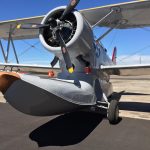
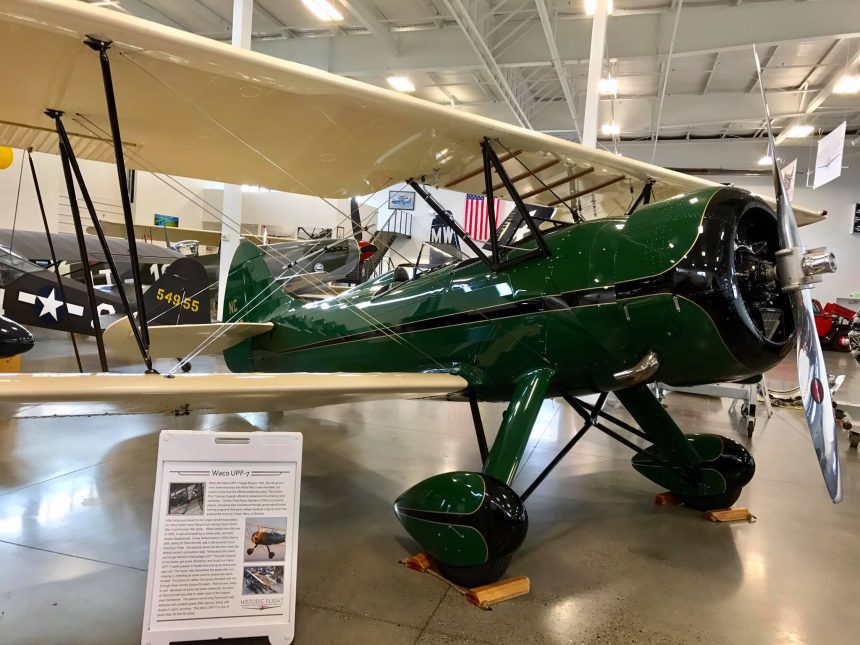
WACO UPF-7, s/n 5650, N32018. Like similar tandem-seat versions of this aircraft, this particular aircraft was purchased by Unger Aircraft Association through the Civilian Pilot Training Program (“CPTP”) sponsored by the U.S. government and served as a trainer starting in 1941 for WWII and Korean War pilots. This aircraft was retired in 1953 and purchased by a private owner in Florida who crated it up in boxes with the intention of someday restoring it himself (the owner had hauled it in boxes on three moves over a period of 50 years). In 2002, on behalf of RARE Aircraft Ltd. of Faribault, Minnesota, a pilot rediscovered the aircraft in the owner’s storage unit while in the process of acquiring a Piper aircraft from the owner.
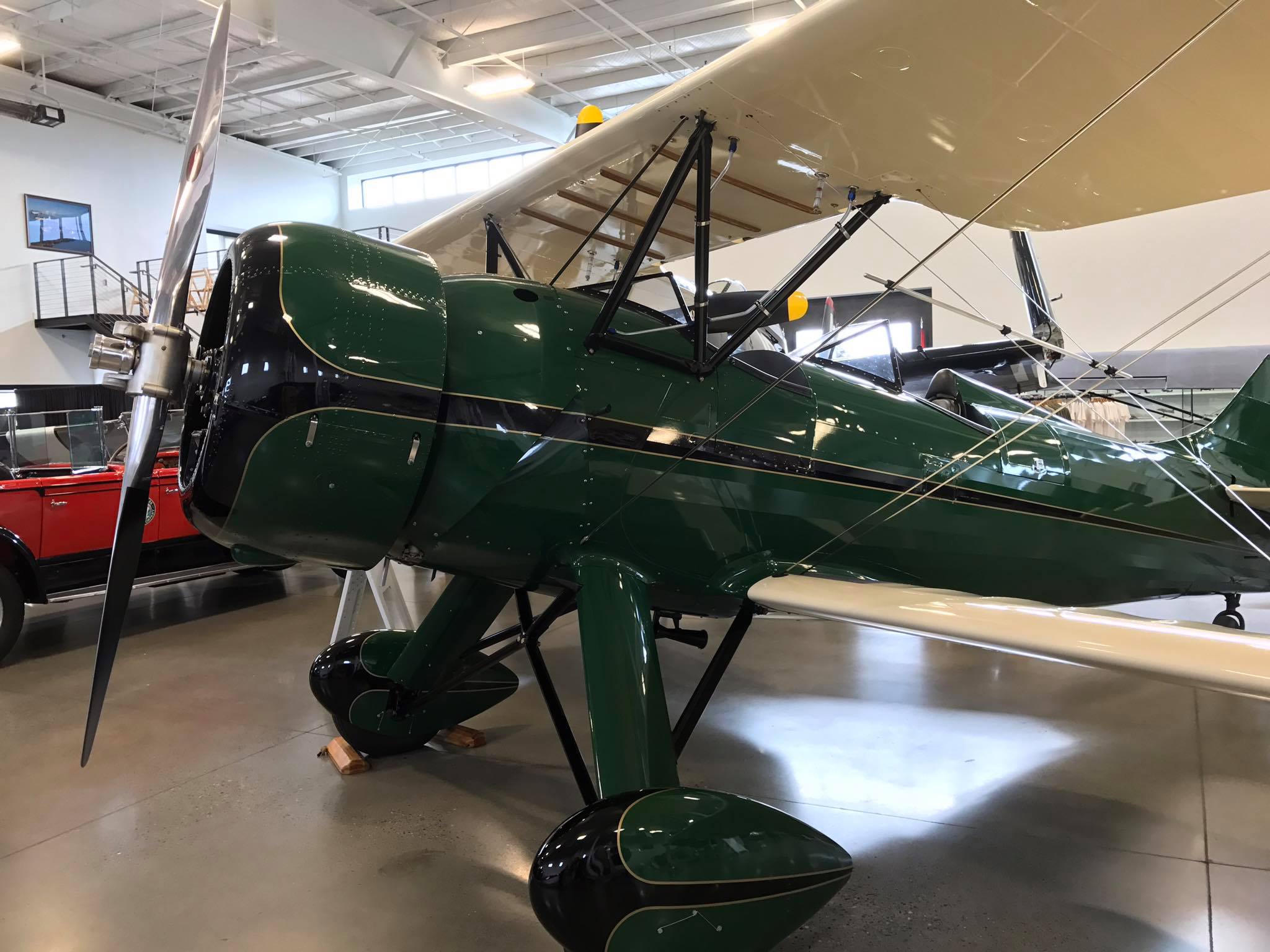
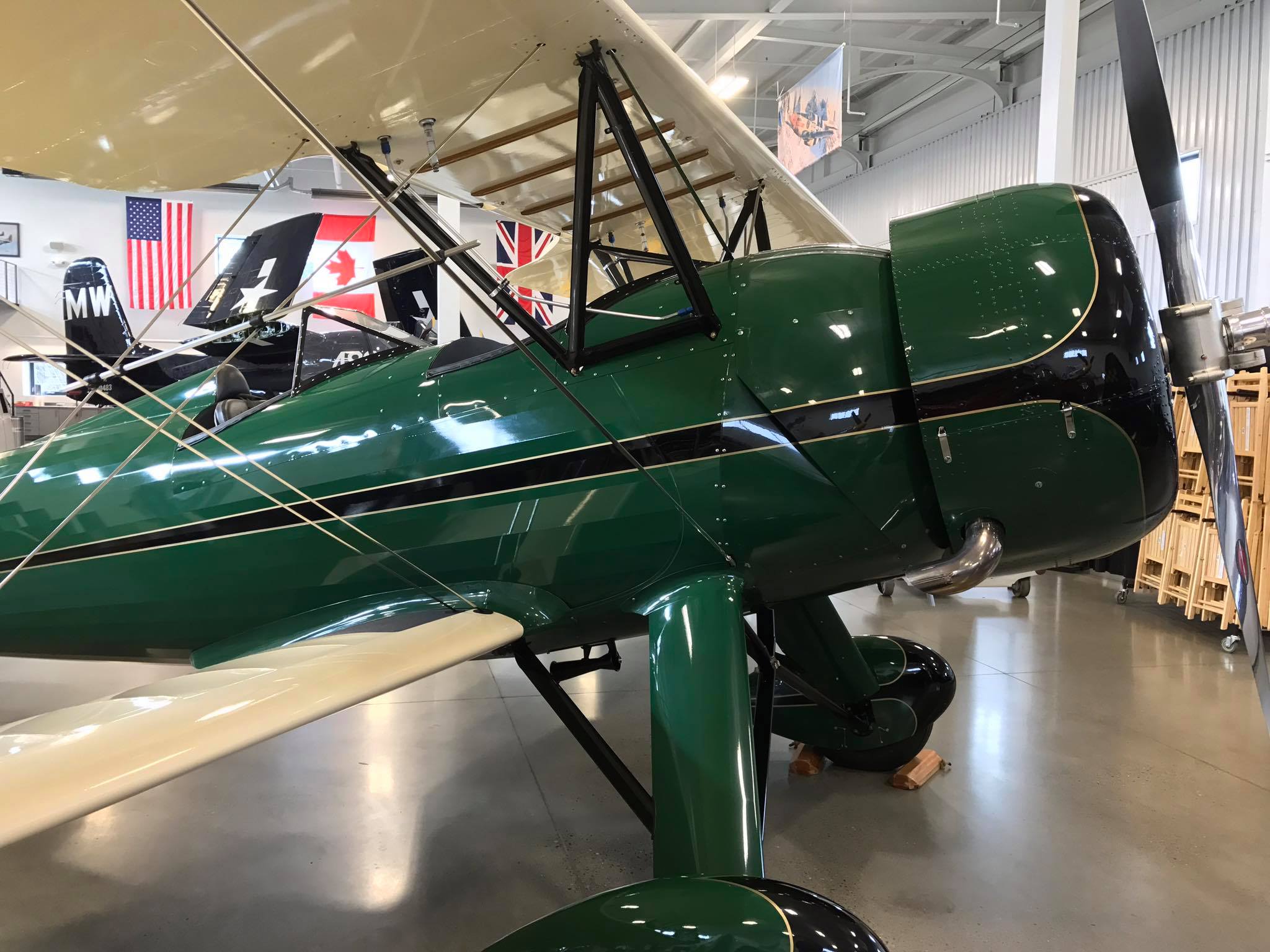
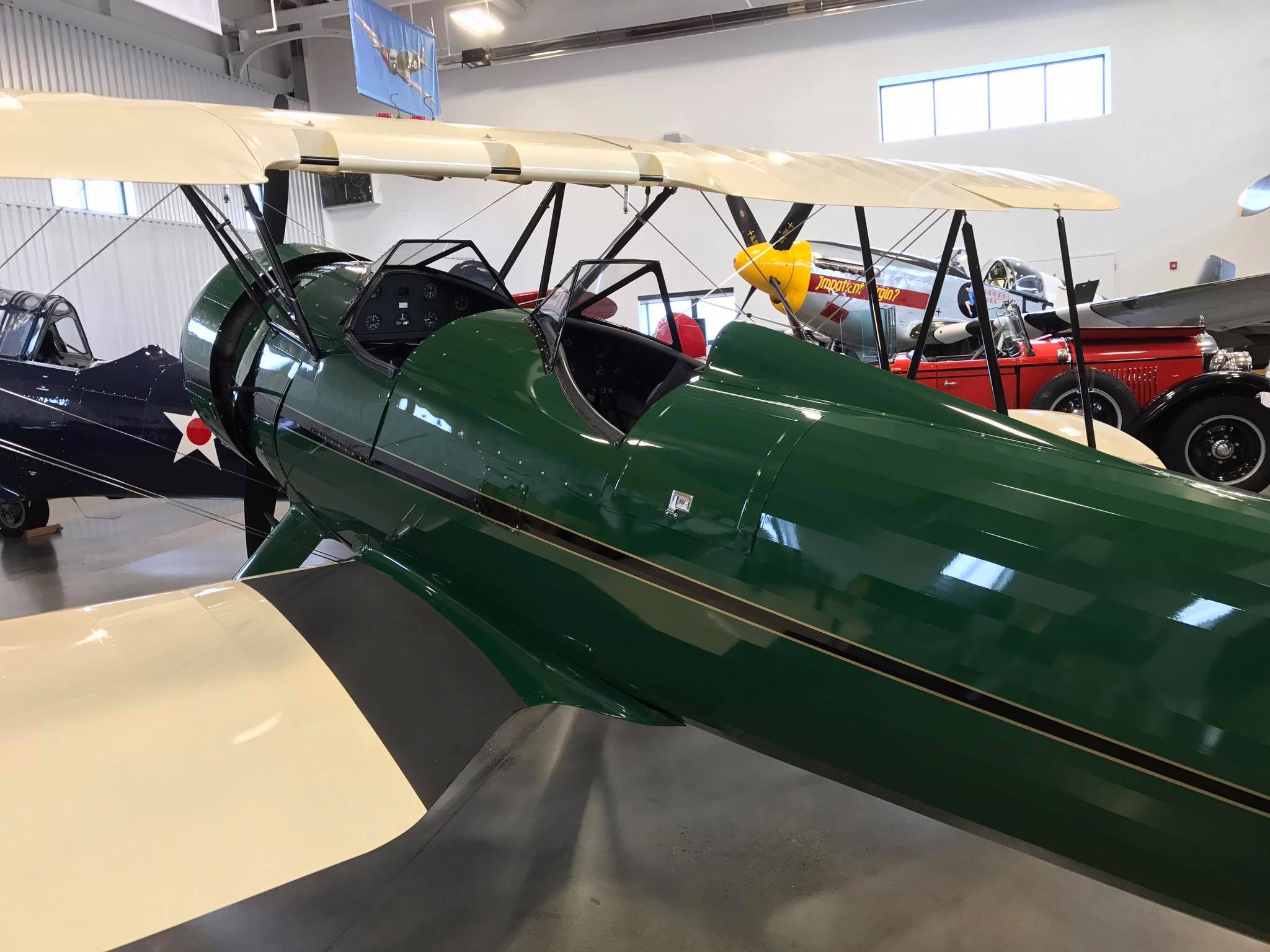
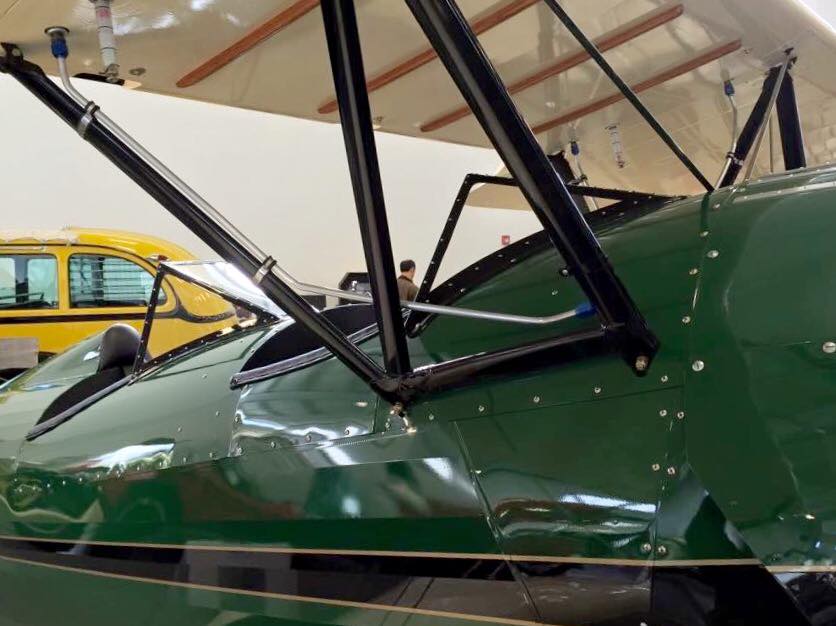
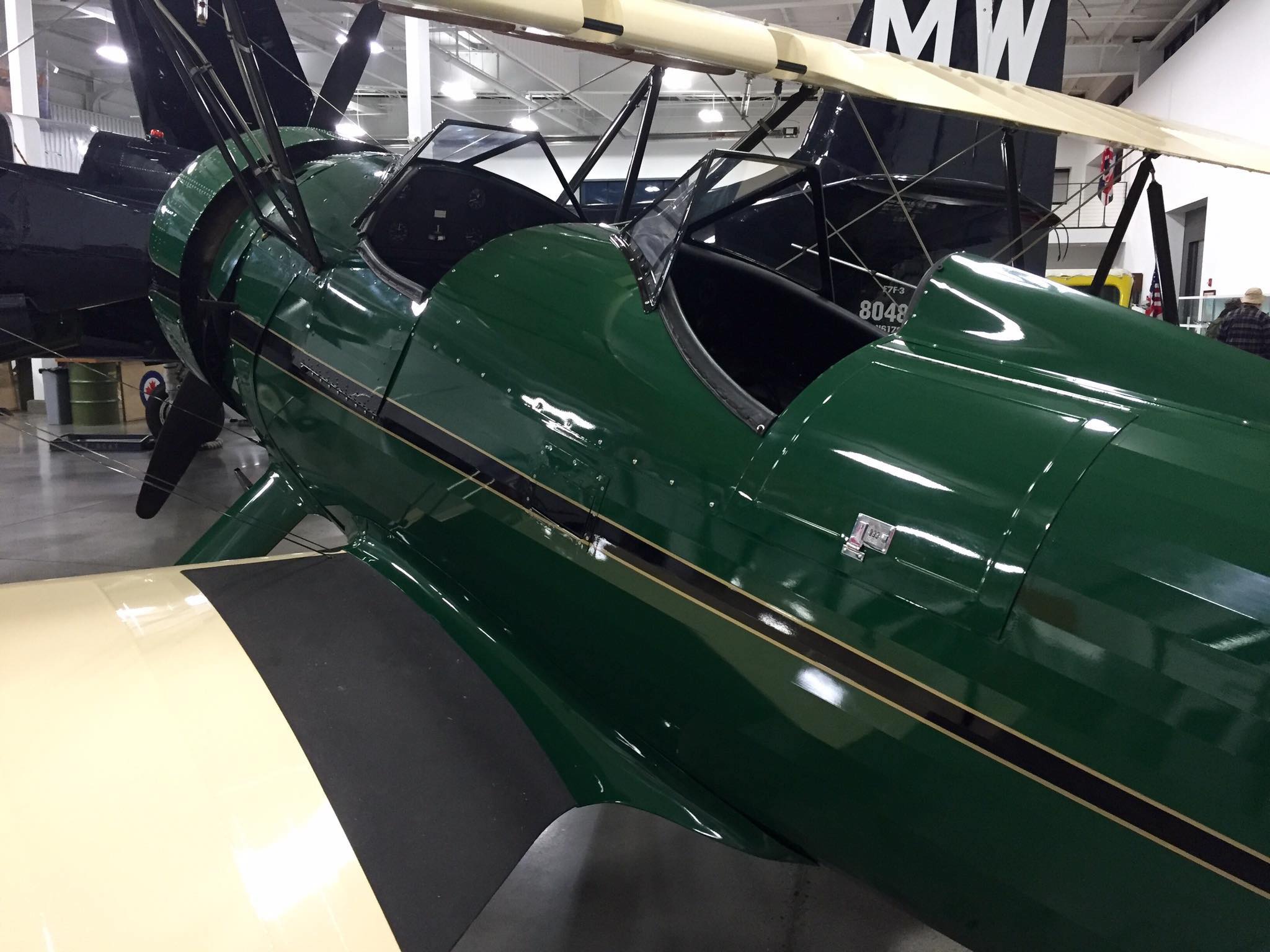
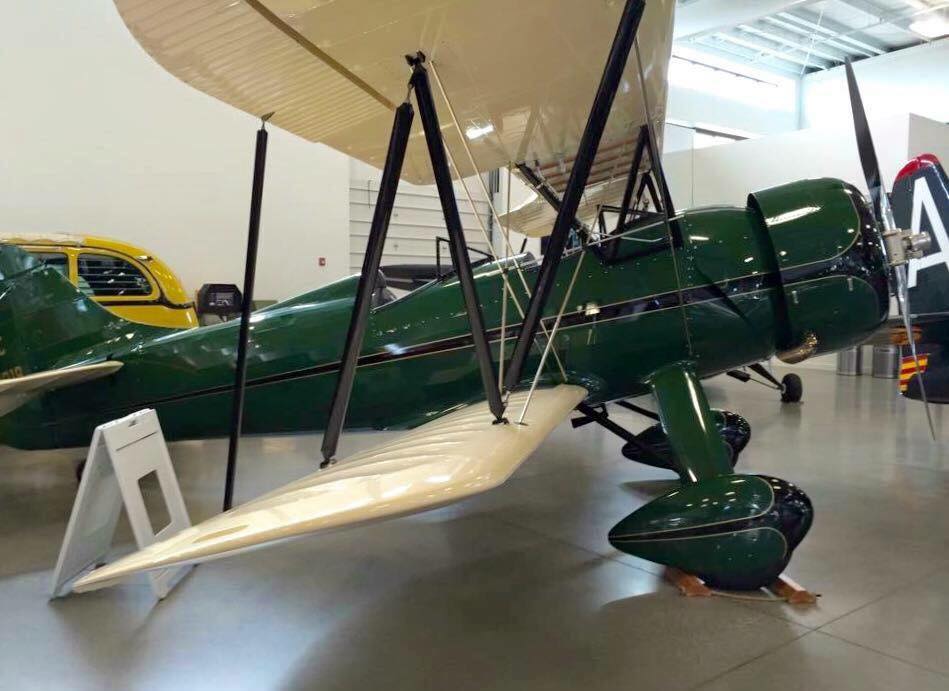
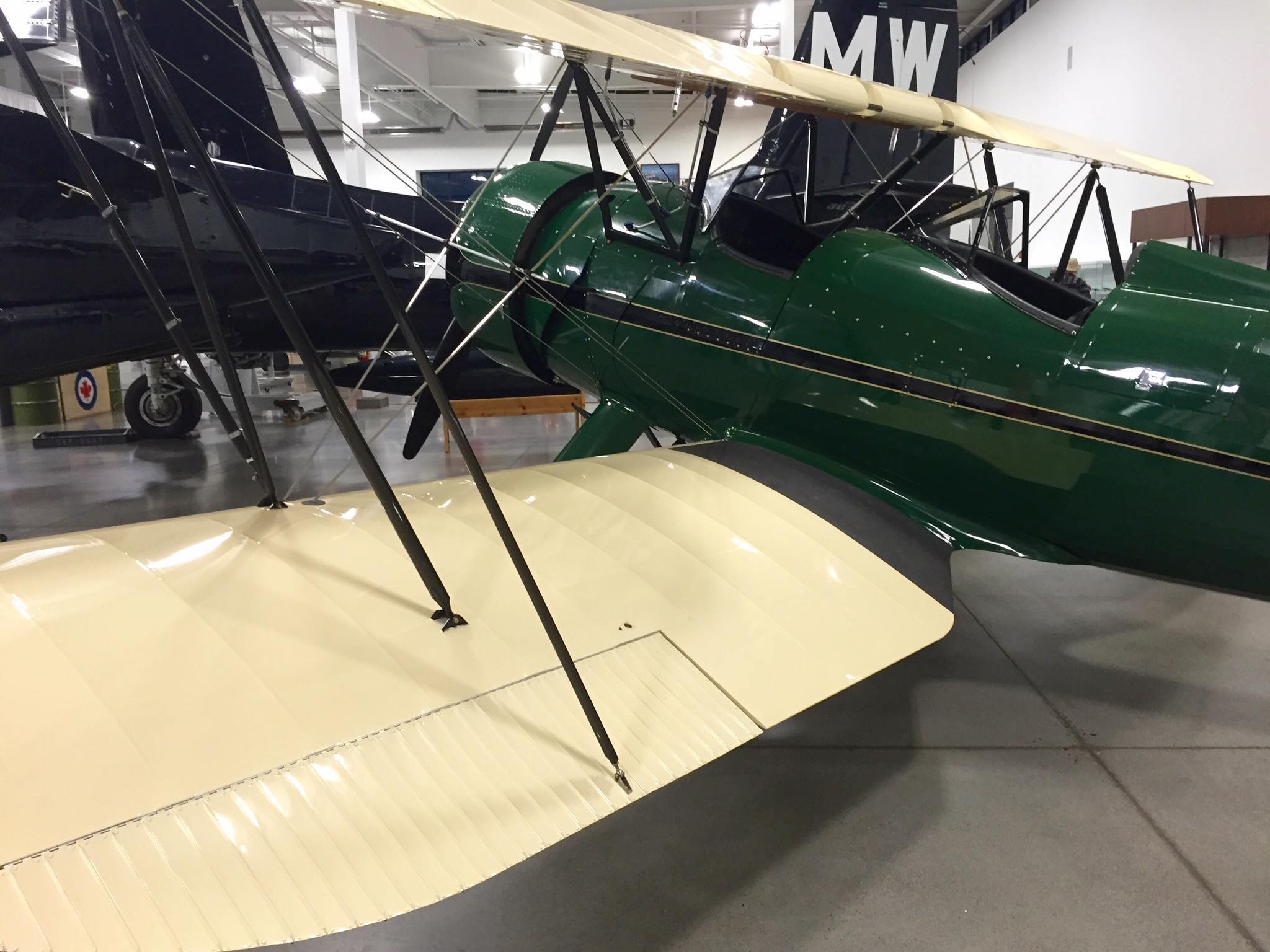
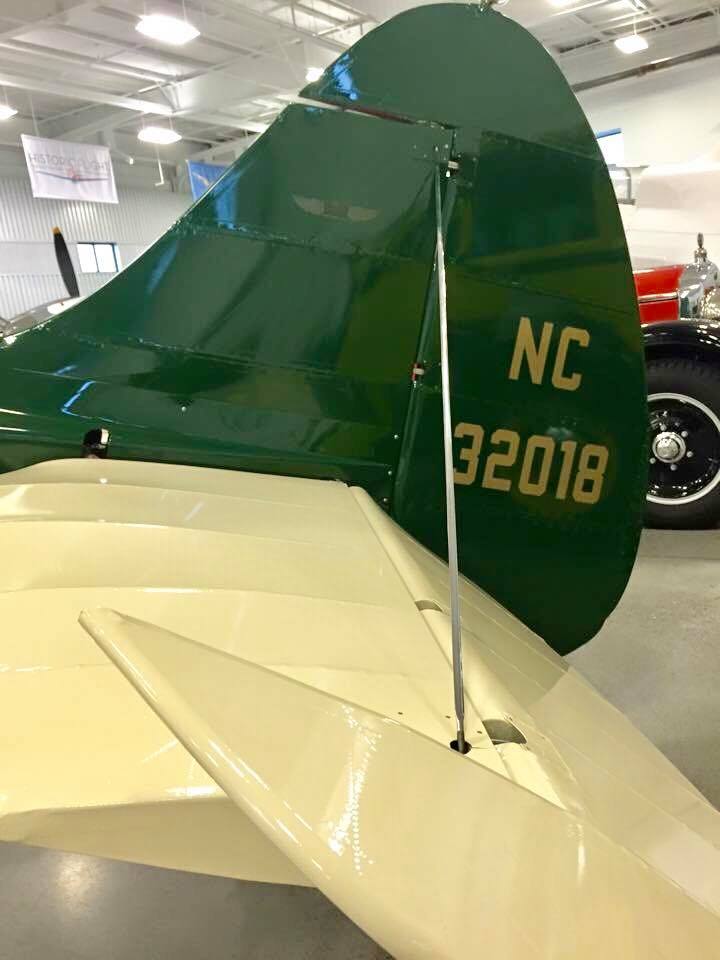
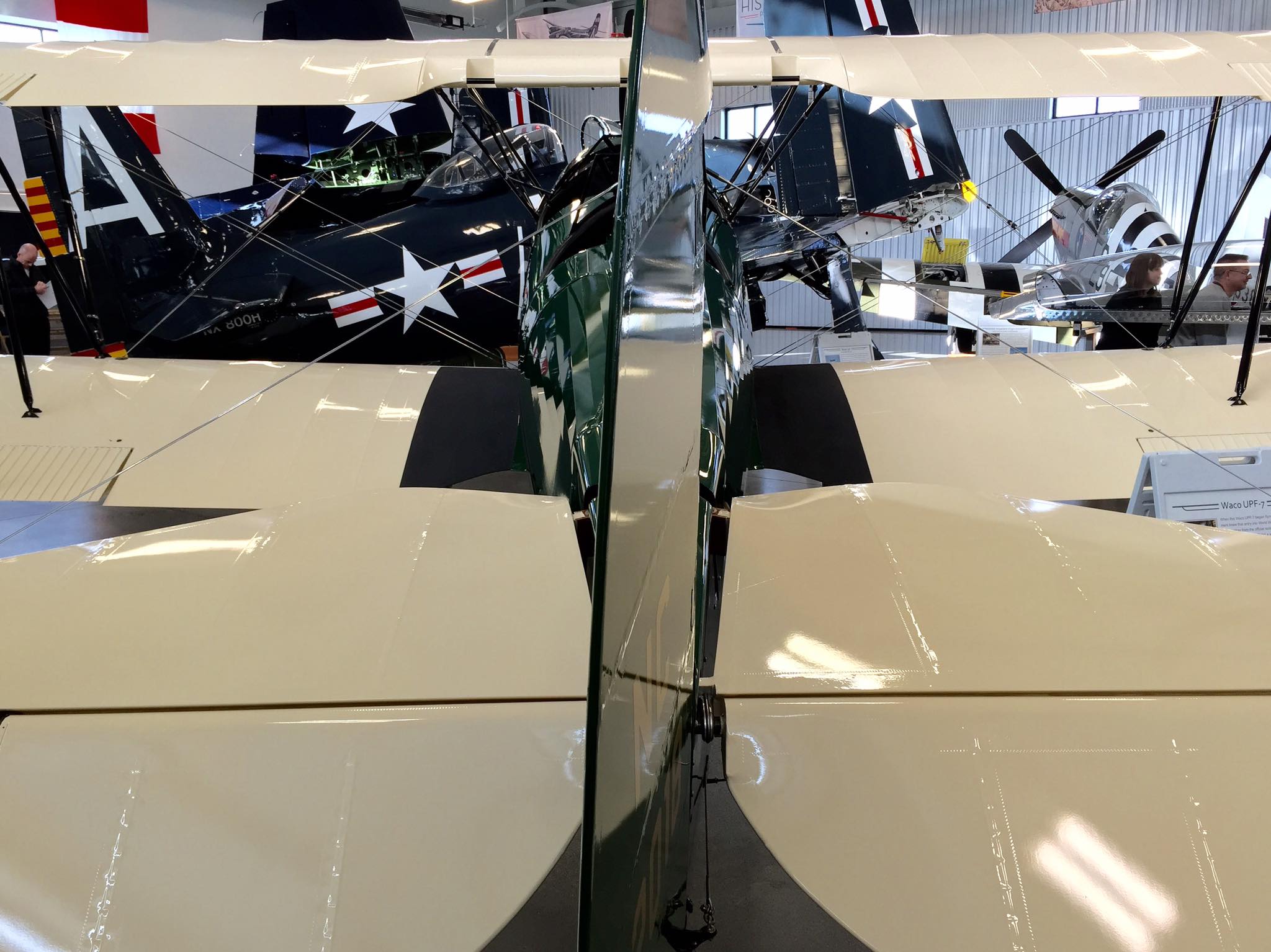

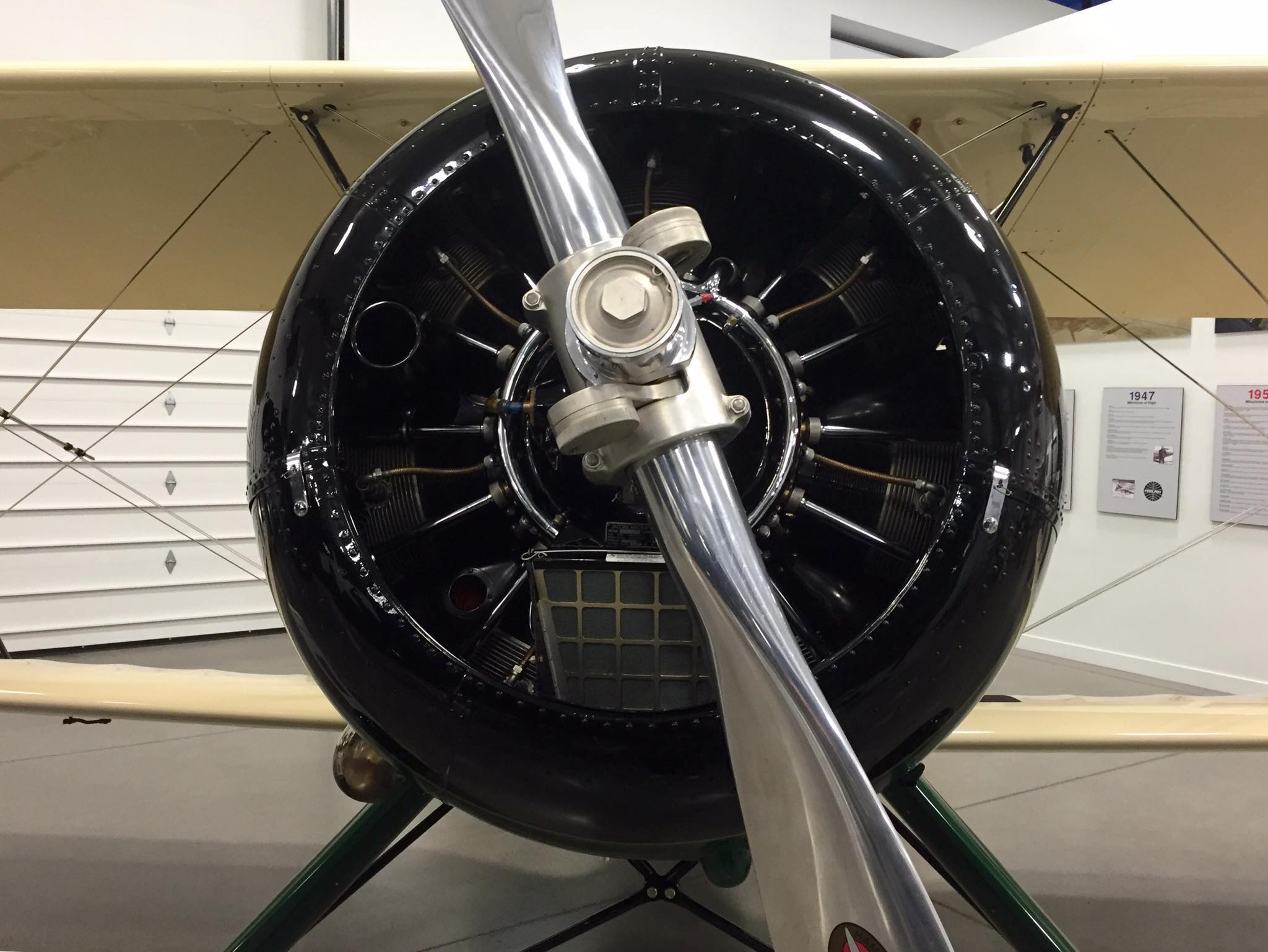
RARE Aircraft restored it, keeping much of the steel framework but replacing much of the wood and the Grade A cotton covering with Dacron (the standard in the restoration industry now). The original wing ribbing is now the conference room table at this museum (see my photos). The original registry number of N32019 had been co-opted for use on another plane, so RARE Aircraft obtained a new registry number of N32018 from the U.S. Federal Aviation Administration. This aircraft is fitted with a Jacobs R75582M engine and a Hamilton Standard constant speed propeller. My photos of this airworthy aircraft at its owner’s location at Historic Flight Foundation, when it was located on Paine Field in Everett/Mukilteo, Washington (now in Spokane). Here is my YouTube video of my WACO flight in another aircraft:
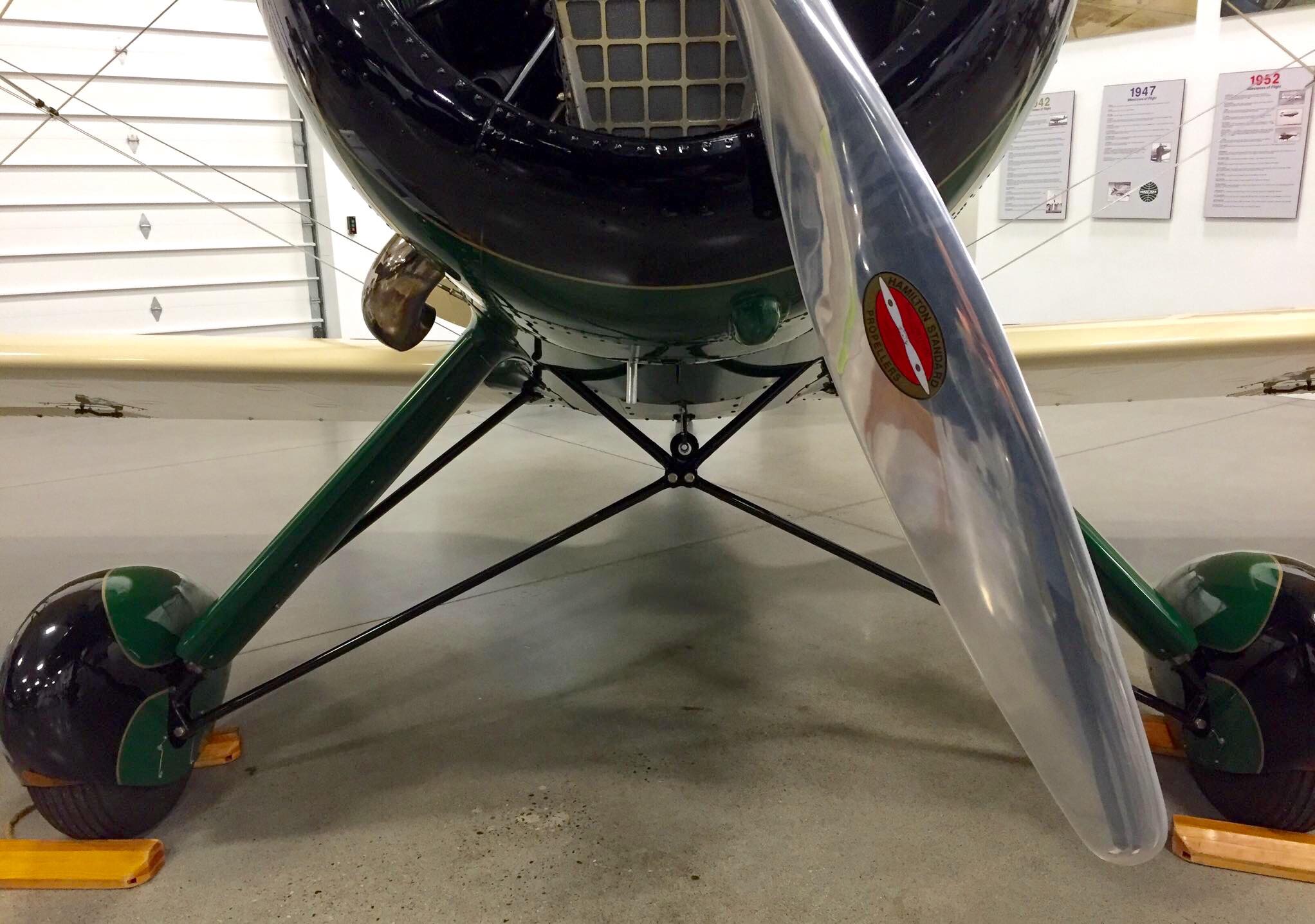
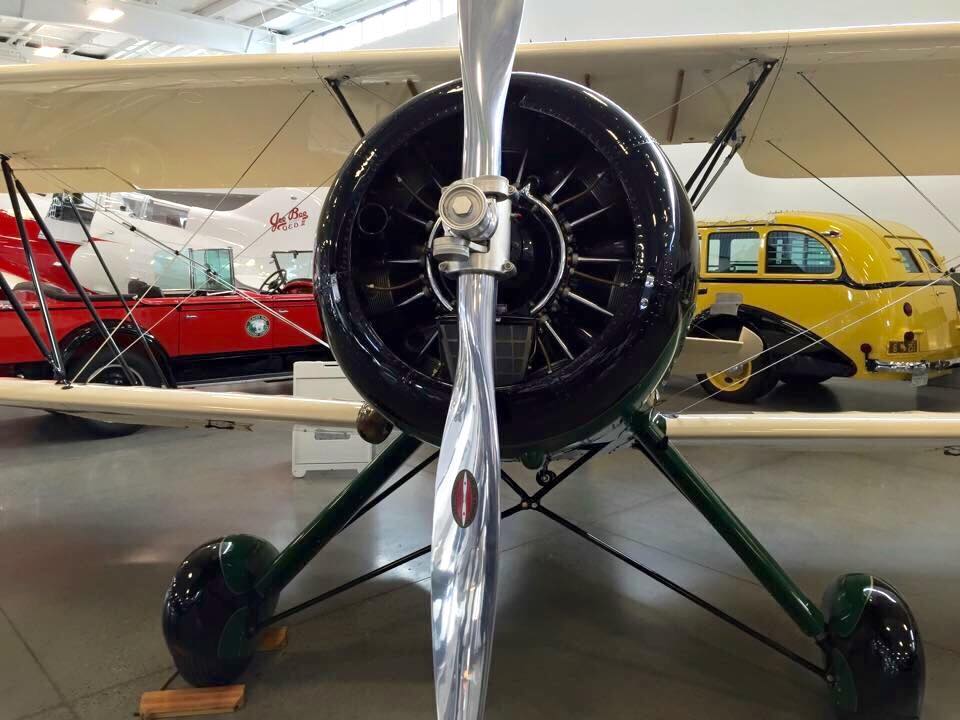
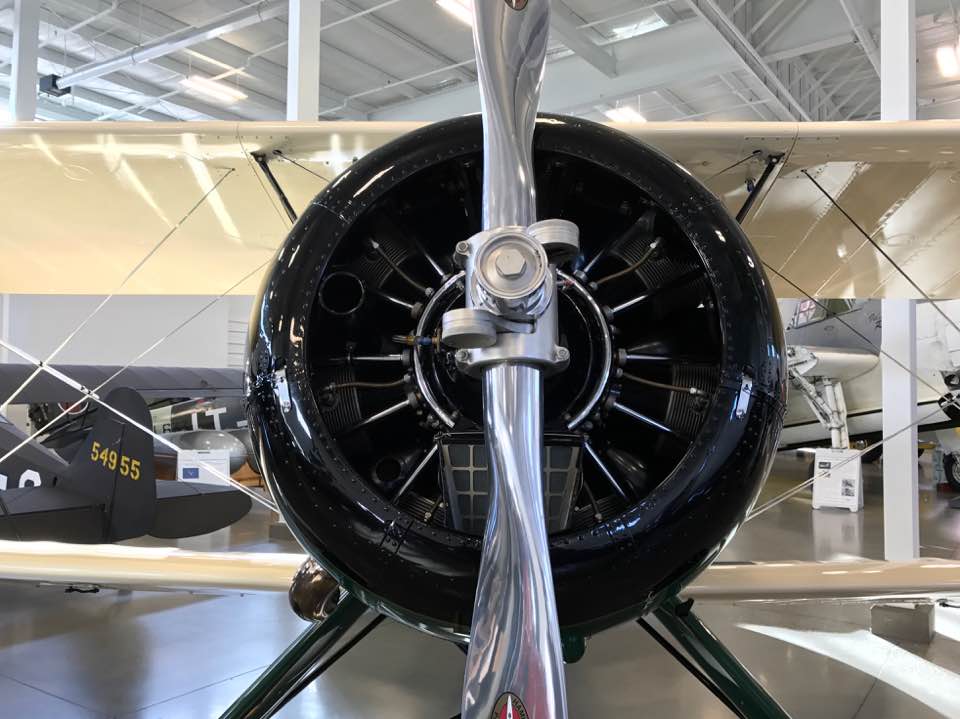
What became the Weaver Aircraft Company was started by George E. Weaver, Clayton Bruckner, and Elwood “Sam” Junkin in Troy, Ohio, in 1920. By 1929, the company became known as Waco Aircraft Company, and during the 1930’s, the company built and sold more planes than all other U.S. commercial companies combined; by the time the company withdrew from aircraft production in 1947, it had produced 62 different aircraft models operated in 35 countries. Because the U.S. was remaining isolationist at the outbreak of WWII (yet the federal government wanted to provide pilot training for college students), Civilian Fixed Base Operators (“FBO”) such as Unger purchased aircraft and then recouped their investment through federally funded training programs such as CPTP that included yearly hangar leases for $1.00.
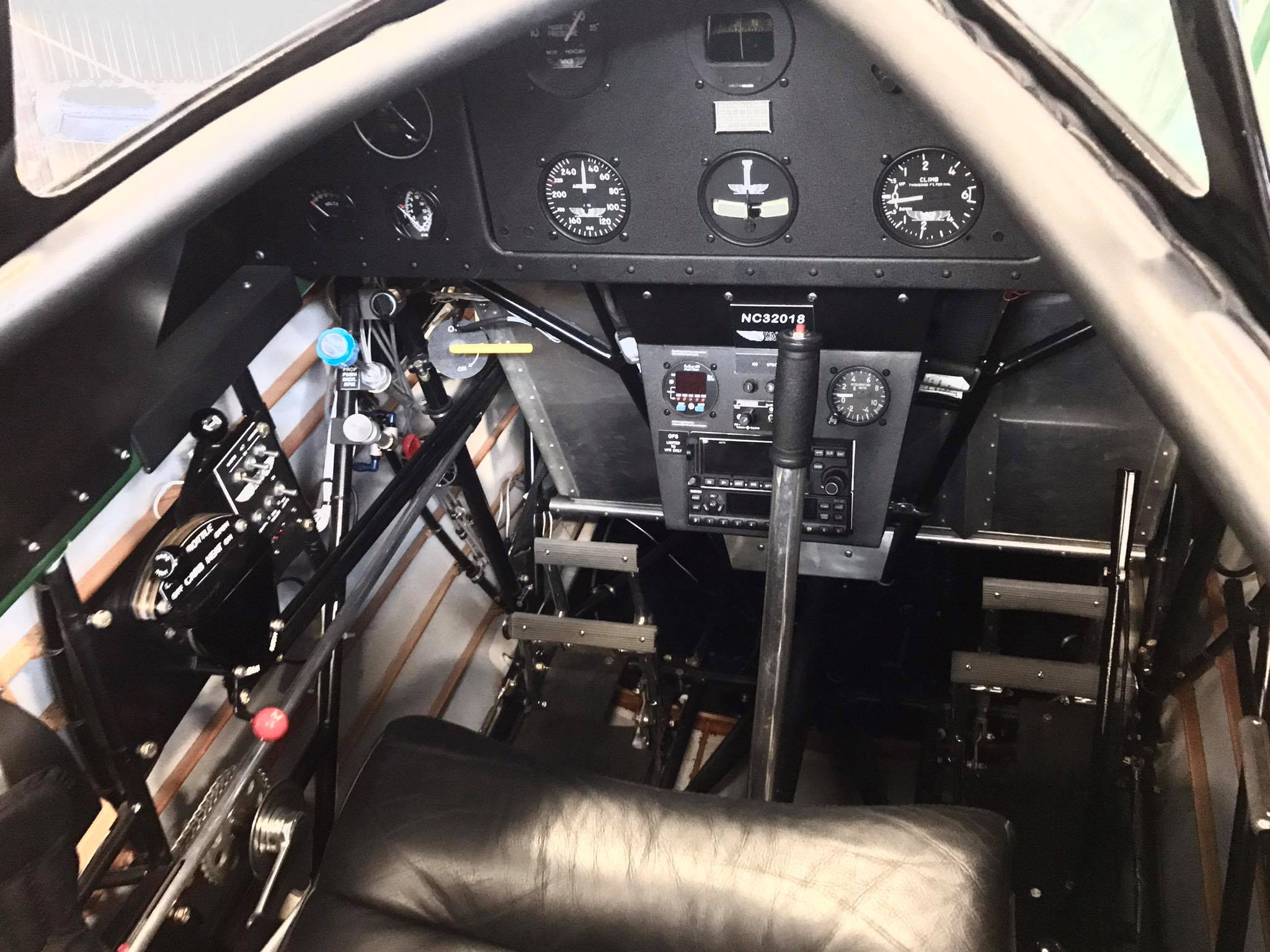
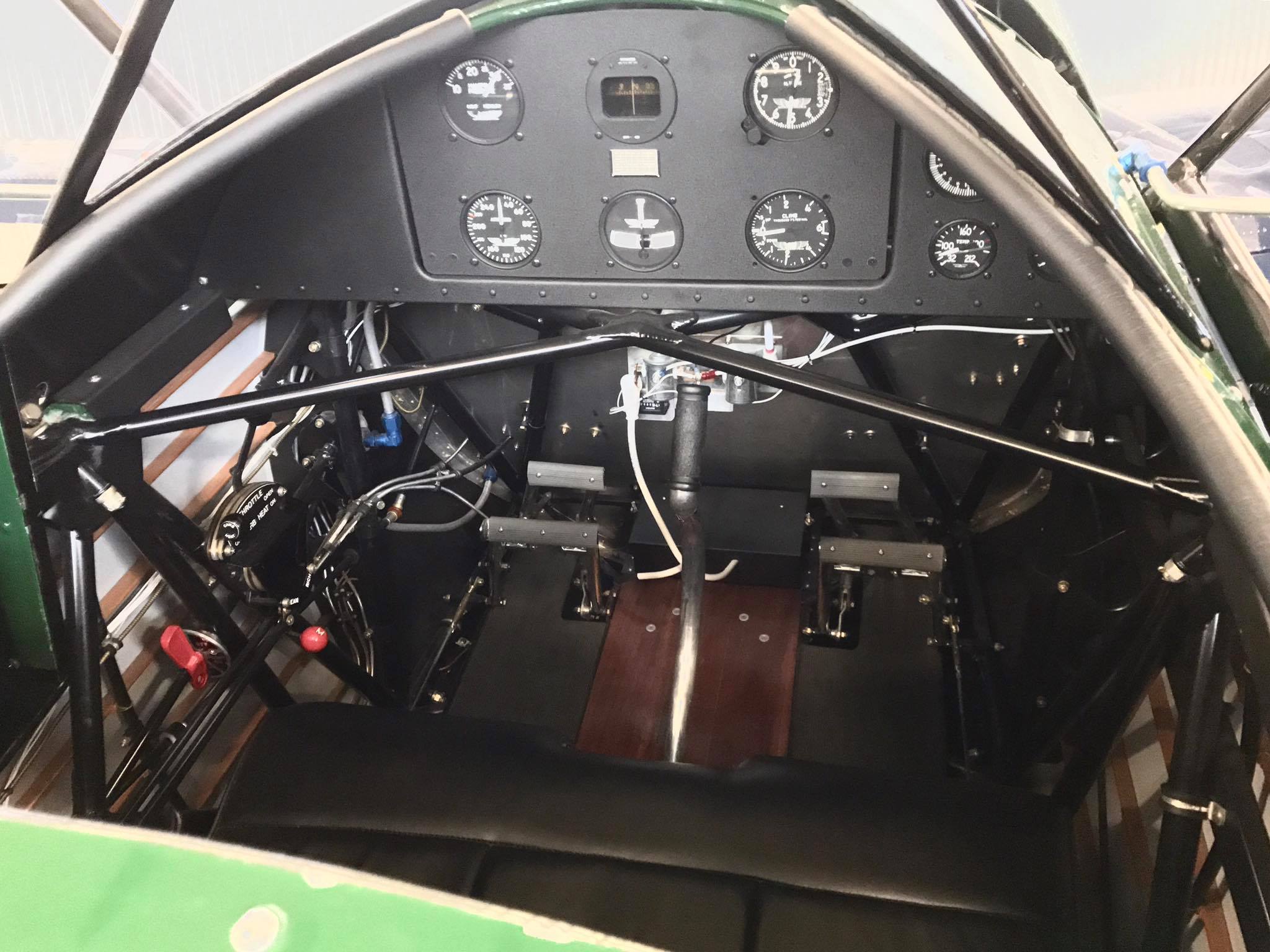
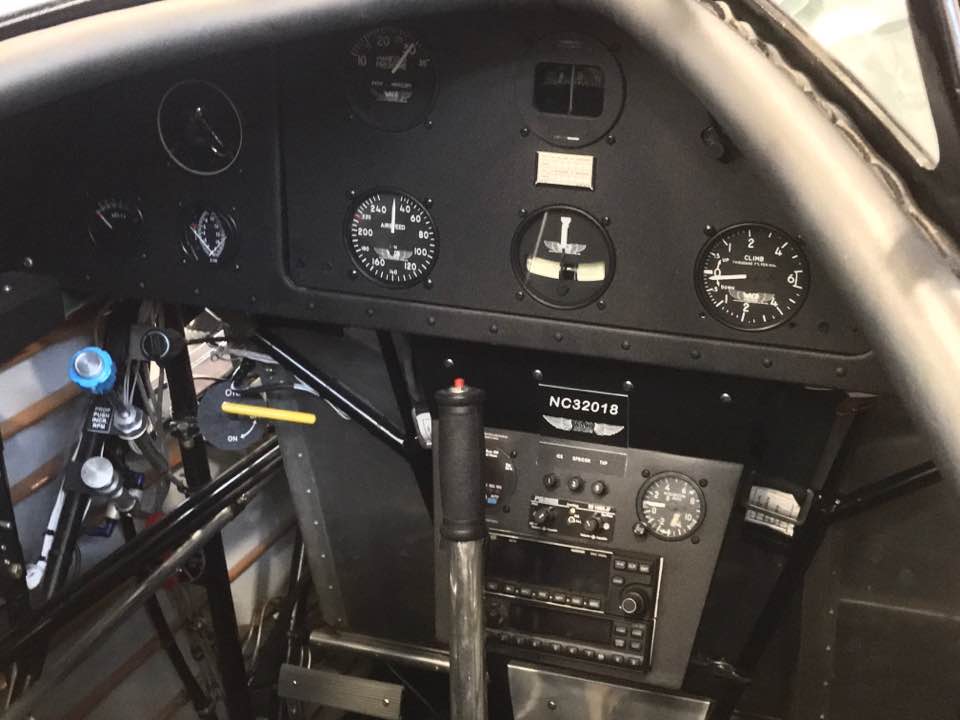
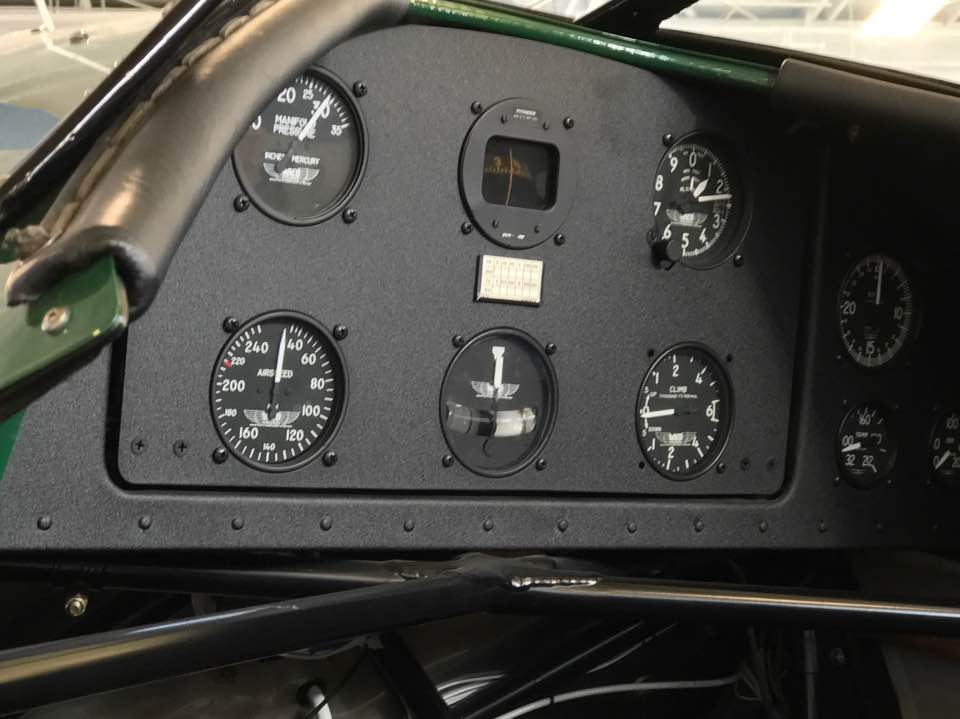
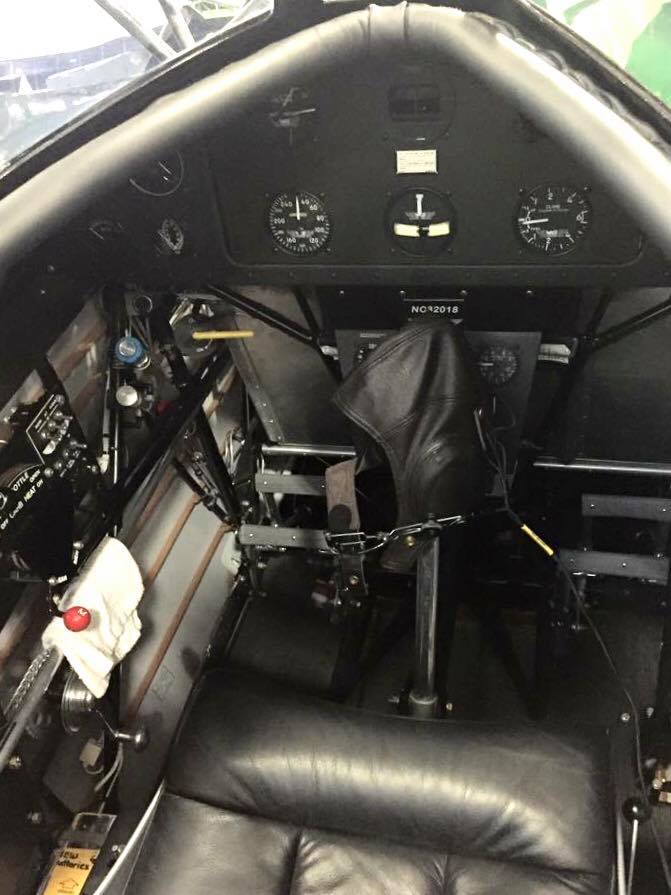
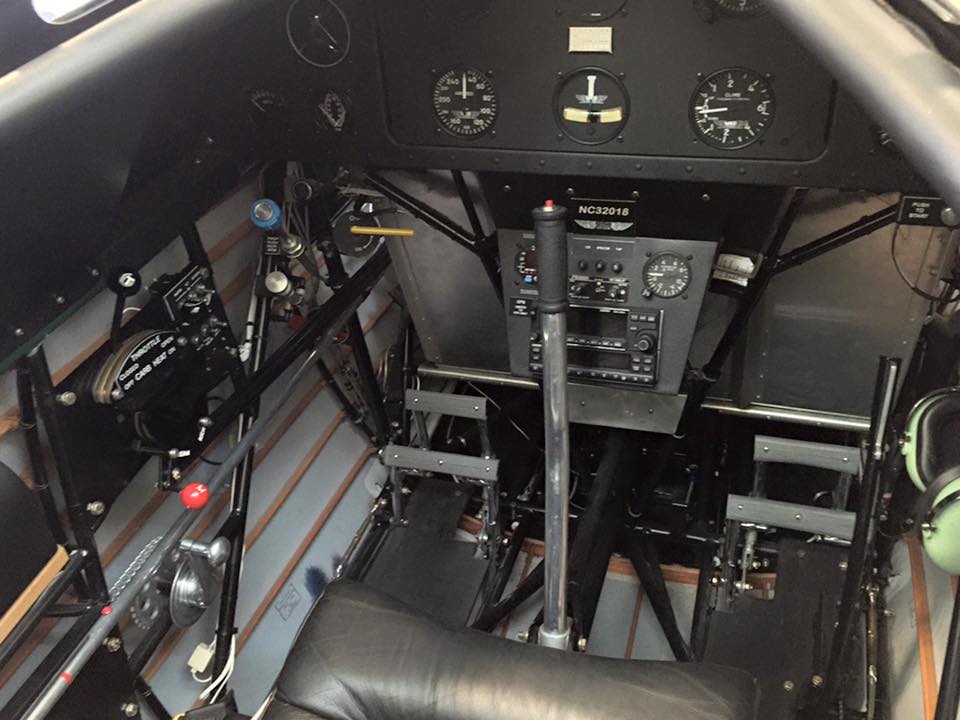
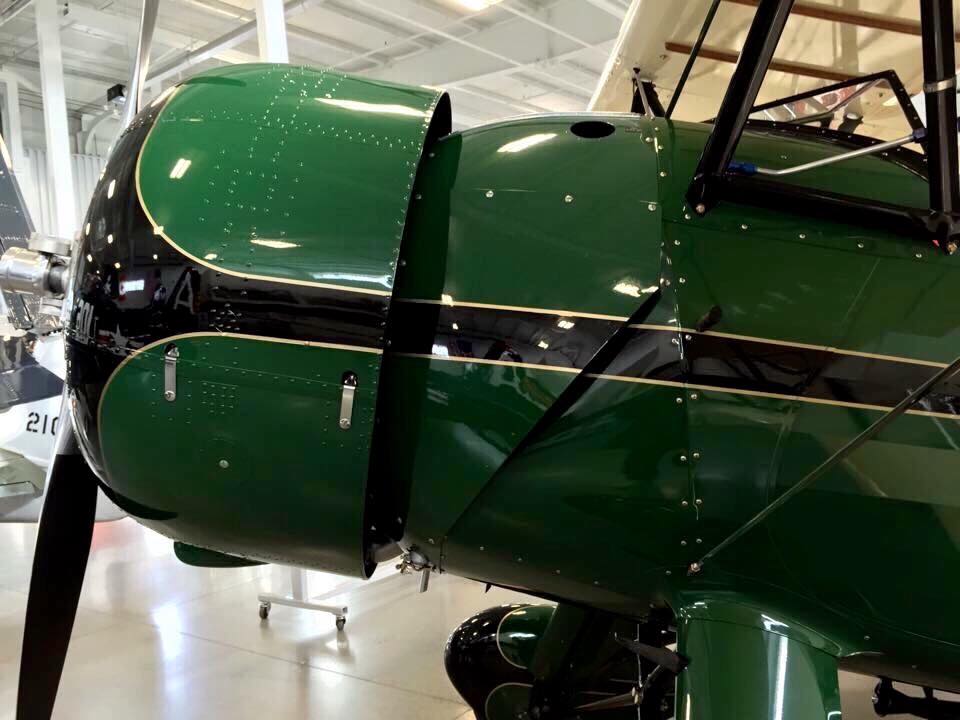
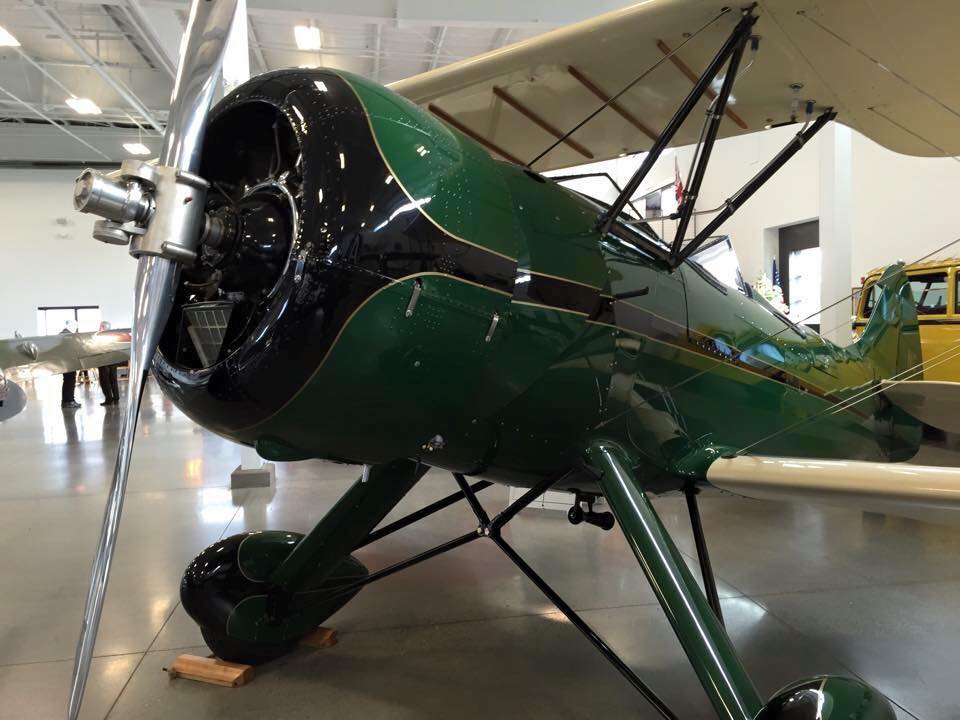
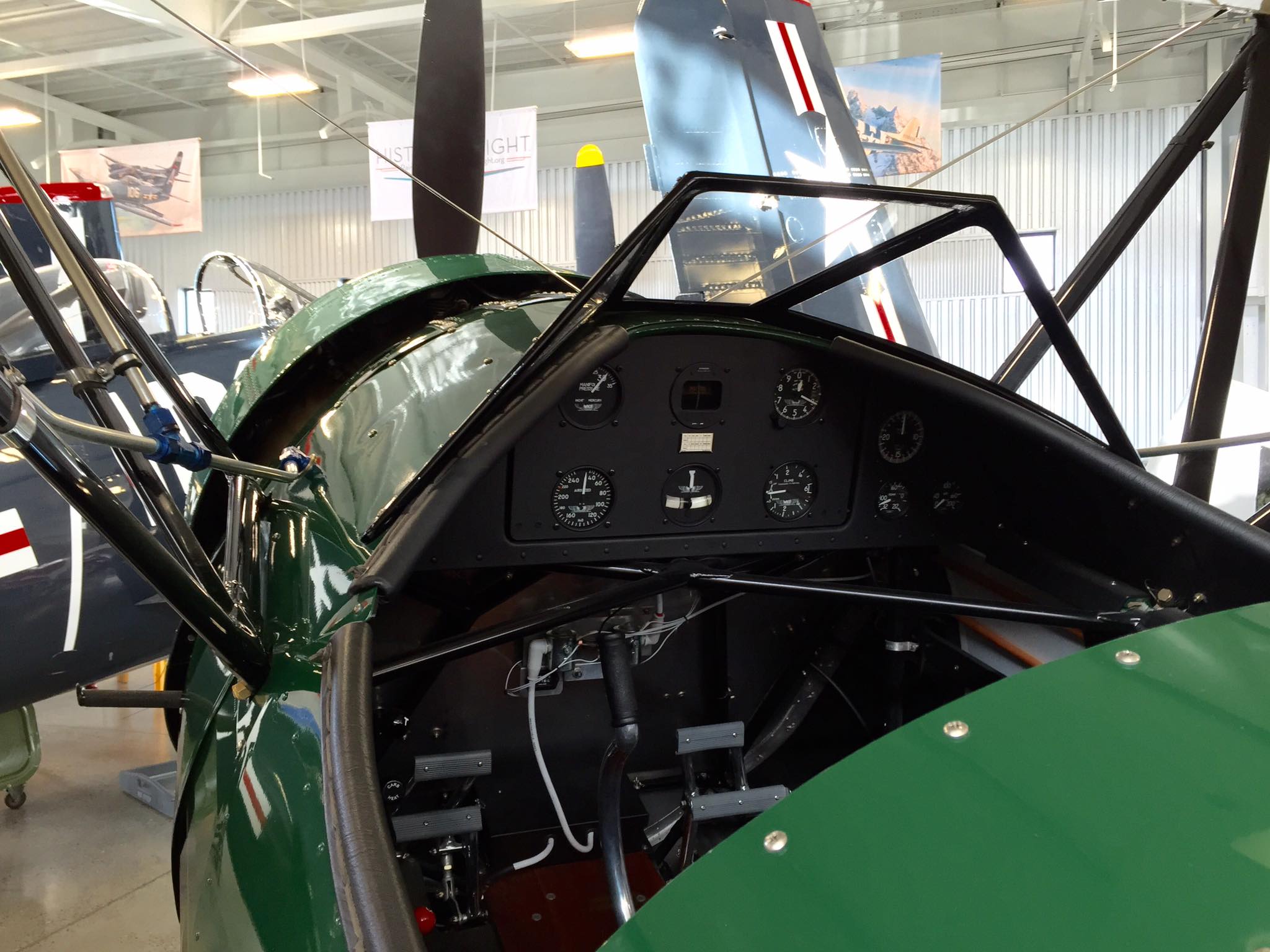
The UPF-7 was built as a primary trainer between 1937 and 1942. Made of wood, steel, and fabric with an open cockpit, it was fitted with a Jacobs or Continental engine and a Hamilton propeller. Easy to maneuver and stable, it was excellent for basic pilot training. It is estimated that 50% of World War II pilots received their initial training in the Waco UPF-7. The “U” designation referred to the engine model, the “P” designation referred to the wing and fuselage design, and the “F” was the company’s model reference.

Editor’s note: Since the dissolution of the Historic Flight Foundation, this WACO UPF-7 has been sold to a private owner in Lakeland, Florida.
About the author: 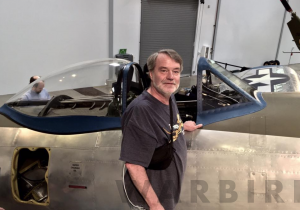 Randy Malmstrom grew up in a family steeped in aviation culture. His father, Bob, was still a cadet in training with the USAAF at the end of WWII but did serve in Germany during the U.S. occupation in the immediate post-war period, where he had the opportunity to fly in a wide variety of types that flew in WWII. After returning to the States, Bob became a multi-engine aircraft sales manager and, as such, flew a wide variety of aircraft; Randy frequently accompanied him on these flights. Furthermore, Randy’s cousin, Einar Axel Malmstrom, flew P-47 Thunderbolts with the 356th FG from RAF Martlesham Heath. He was commanding this unit at the time he was shot down over France on April 24th, 1944, and spent the rest of the war as a prisoner of war. Following his repatriation at war’s end, Einar continued his military service, attaining the rank of Colonel. He was serving as Deputy Wing Commander of the 407th Strategic Fighter Wing at Great Falls AFB, MT, at the time of his death in a T-33 training accident on August 21, 1954. The base was renamed in his honor in October 1955 and continues to serve in the present USAF as home to the 341st Missile Wing. Randy’s innate interest in history in general, and aviation history in particular, plus his educational background and passion for WWII warbirds, led him down his current path of capturing detailed aircraft walk-around photos and in-depth airframe histories, recording a precise description of a particular aircraft in all aspects.