







By Randy Malmstrom
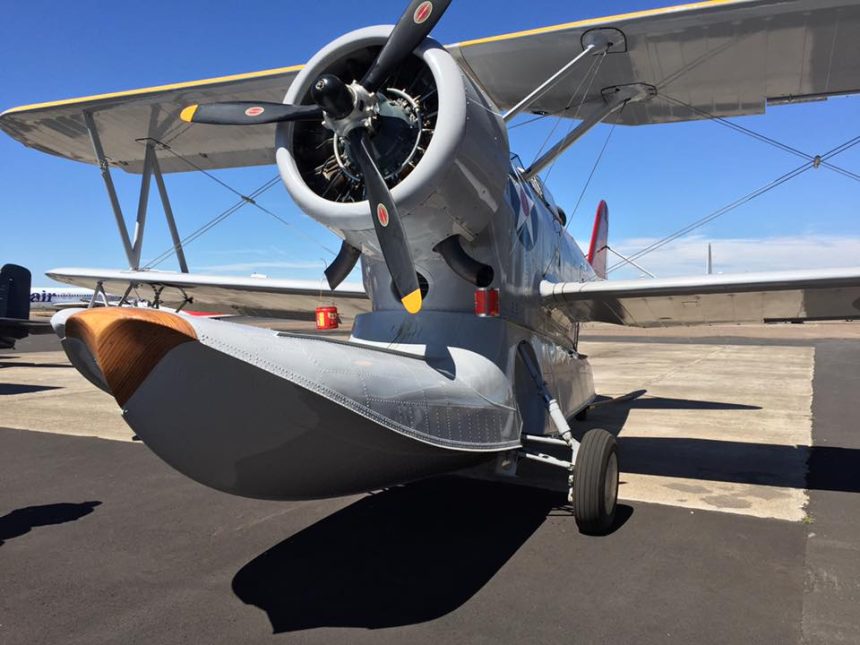
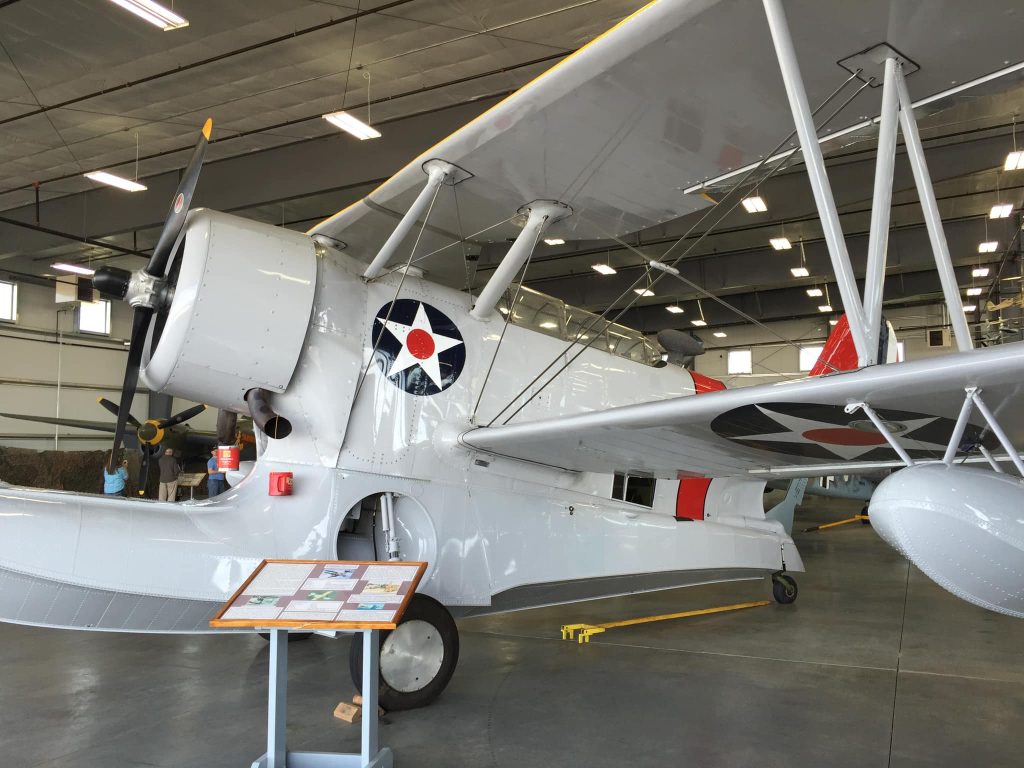
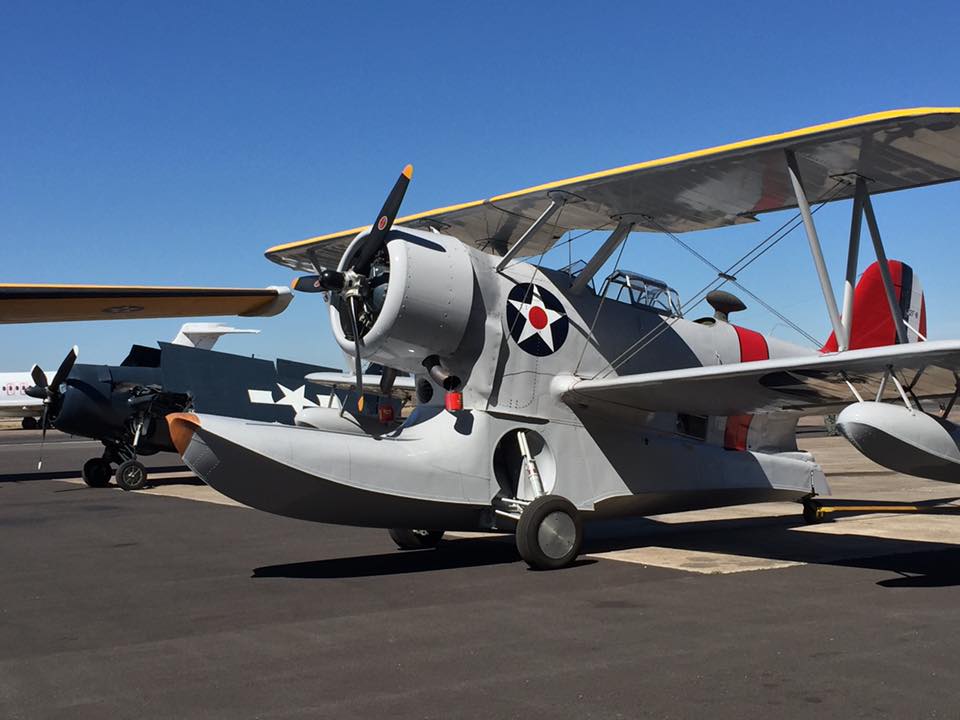
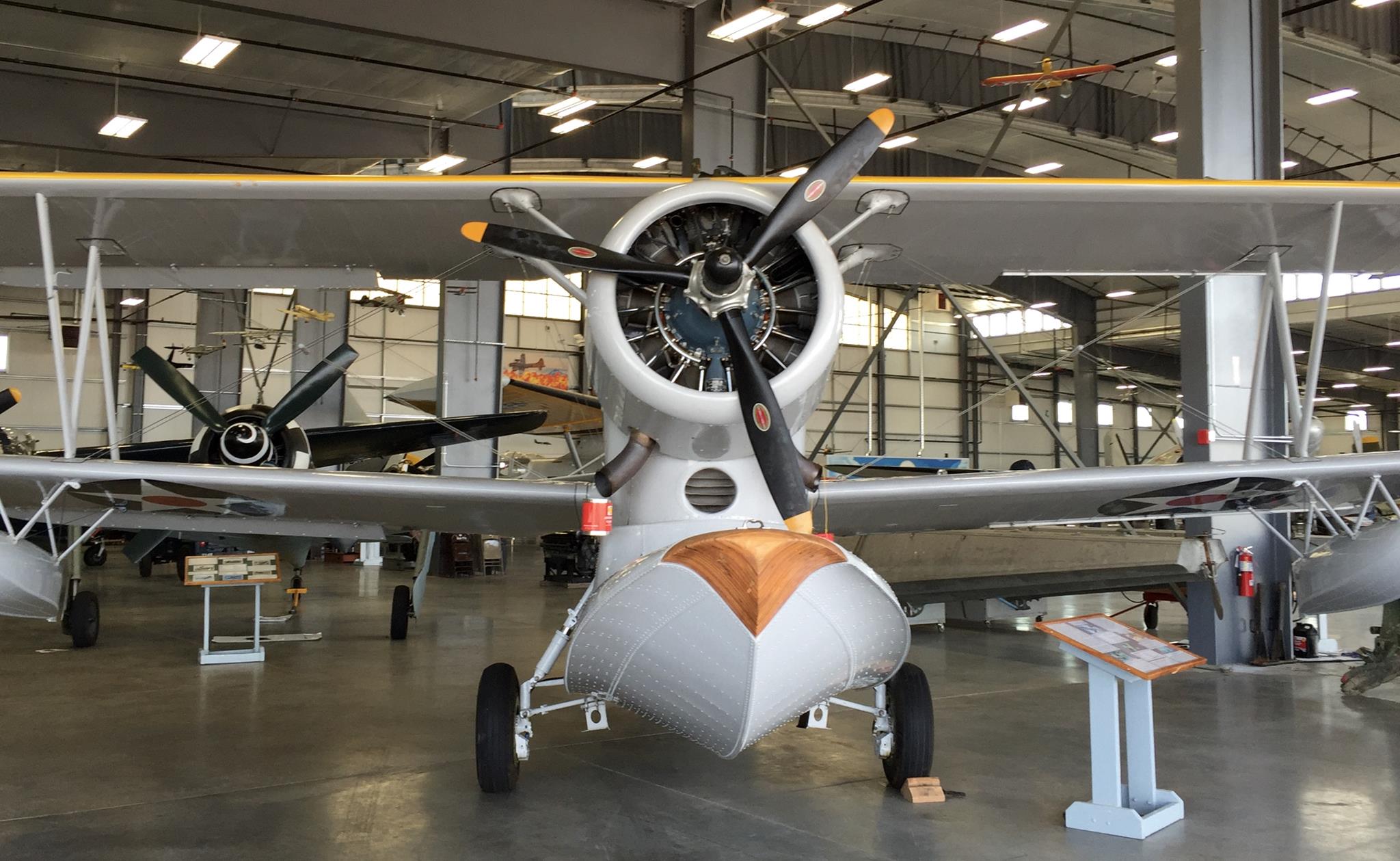
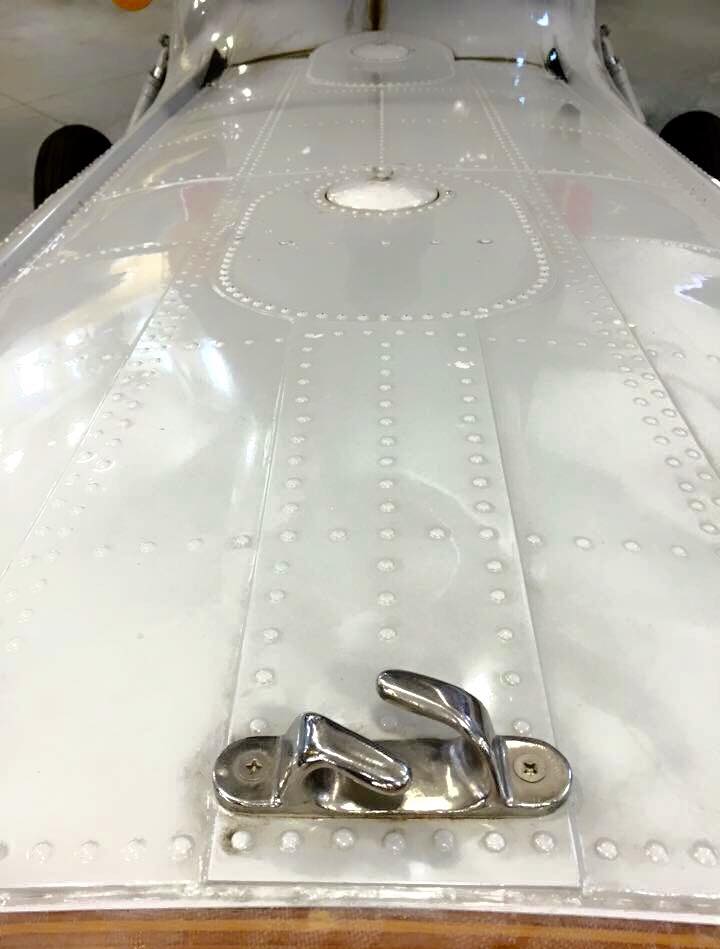
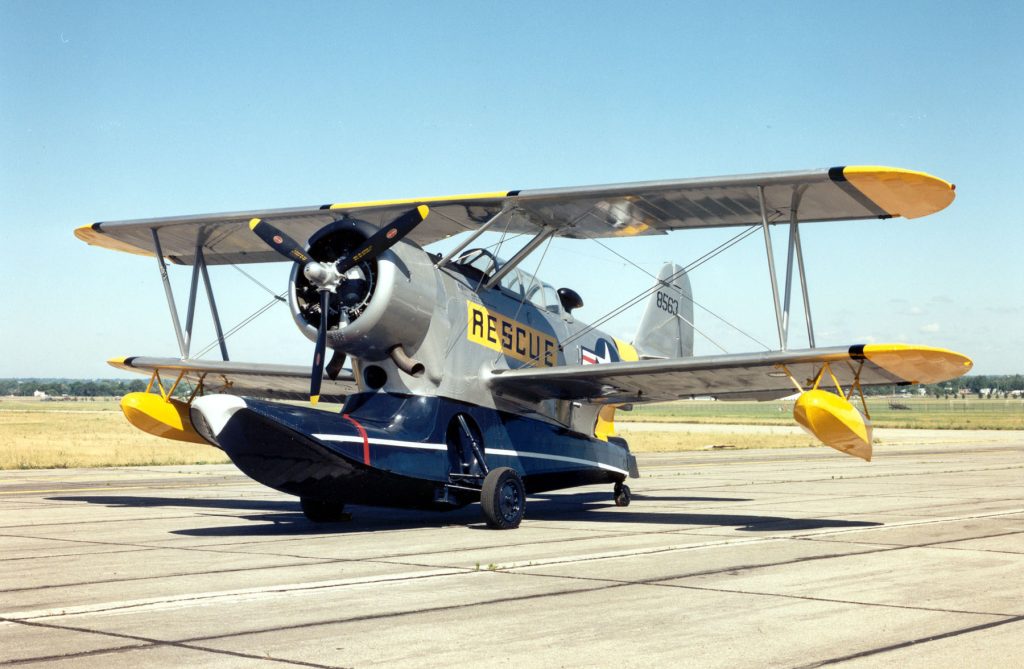
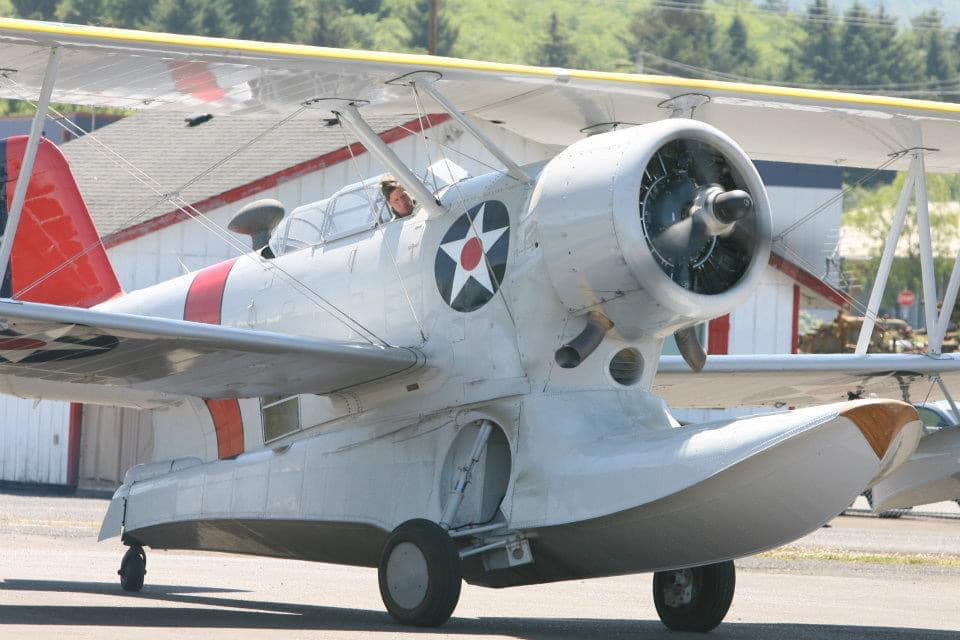
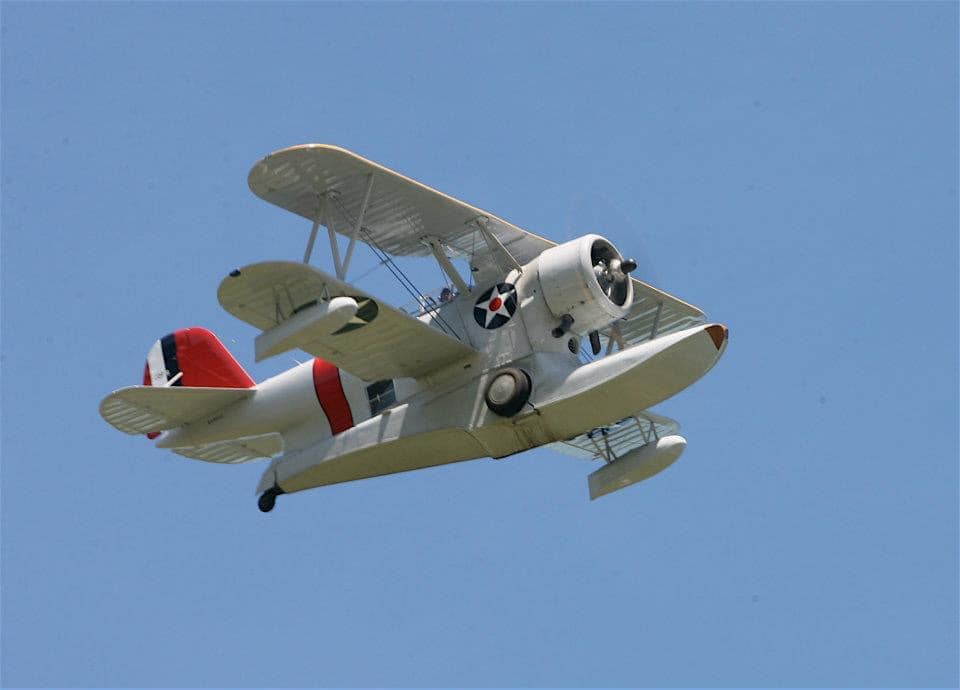
Grumman J2F-6 Duck, BuNo. 33559, N3960C. This particular aircraft was among all the J2F-6 versions that were built under license to Columbia Aircraft Corporation of Valley Stream, Long Island, New York and accepted by the U.S. Navy on May 26, 1945, as a pool of aircraft that were assigned to Naval Air Station Quonset Point (Rhode Island), Navy Auxiliary Air Station Chincoteague (Virginia) and Naval Air Station South Weymouth (Massachusetts). It was declared surplus, and it (as was the case with some other Ducks) was acquired by the U.S. Air Force as an AO-12A air/sea rescue aircraft. In 1959, American Automotive Company bought it for $727.00, and it operated out of Puerto Rico, the Virgin Islands, and the United States. Aircraft collector Jack Erickson acquired it, and it is now owned by his Wulf LLC and, since 1993, has been a part of the Erickson Aircraft Collection, now in Madras, Oregon. It is restored in a U.S. Navy pre-WWII grey/red/yellow scheme and is airworthy, although I do not have any of my own flight videos. My photos.
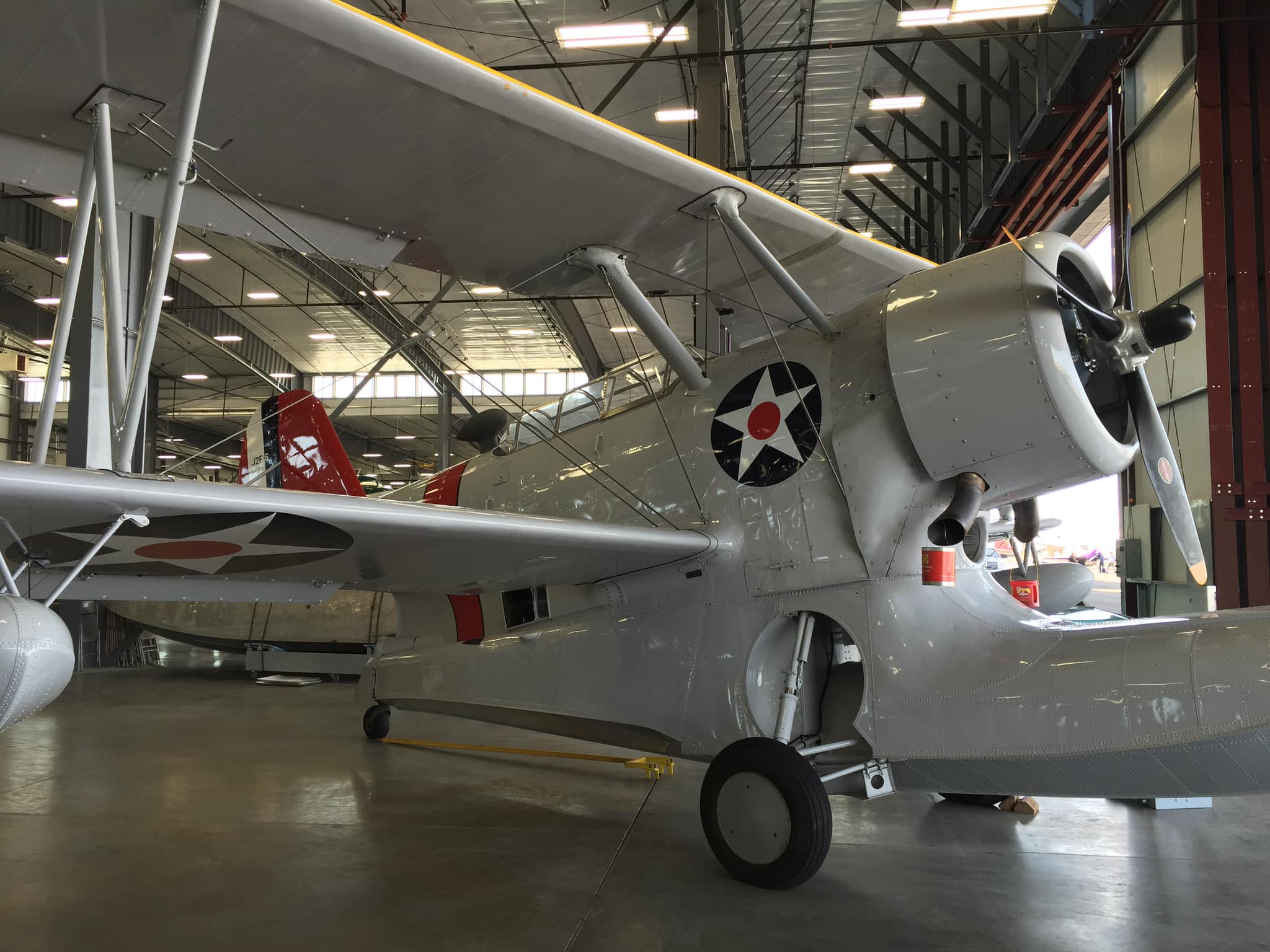
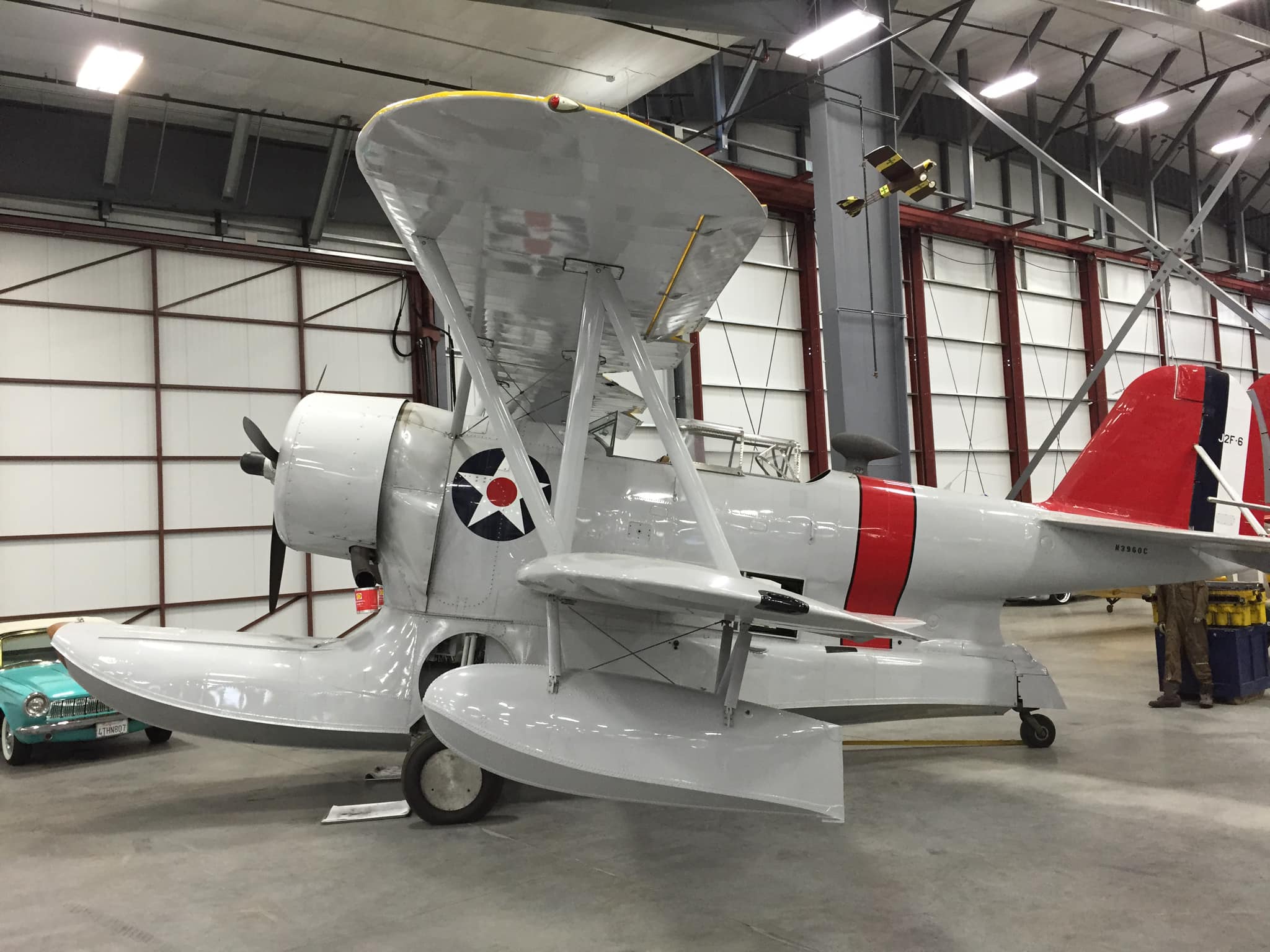
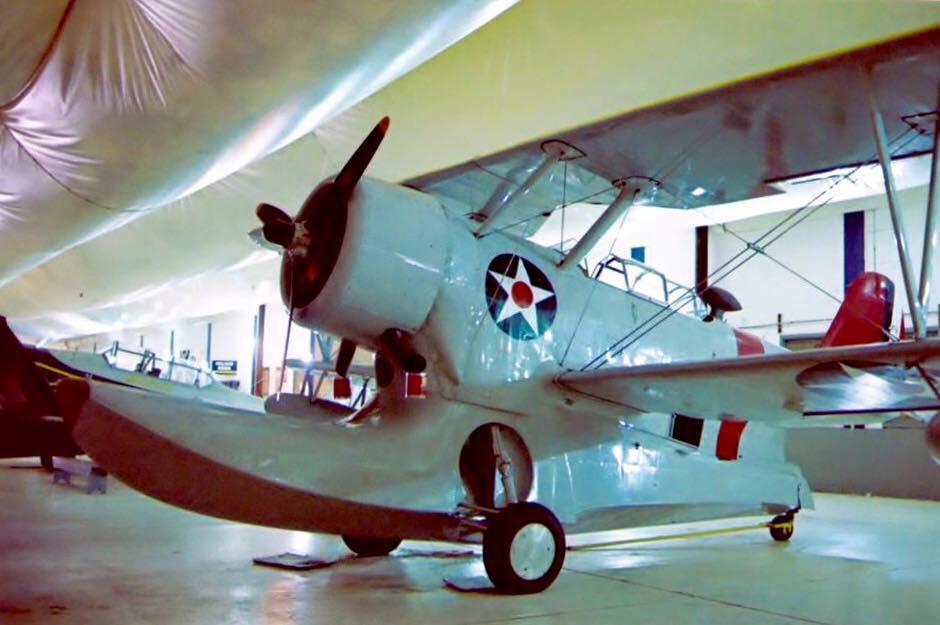
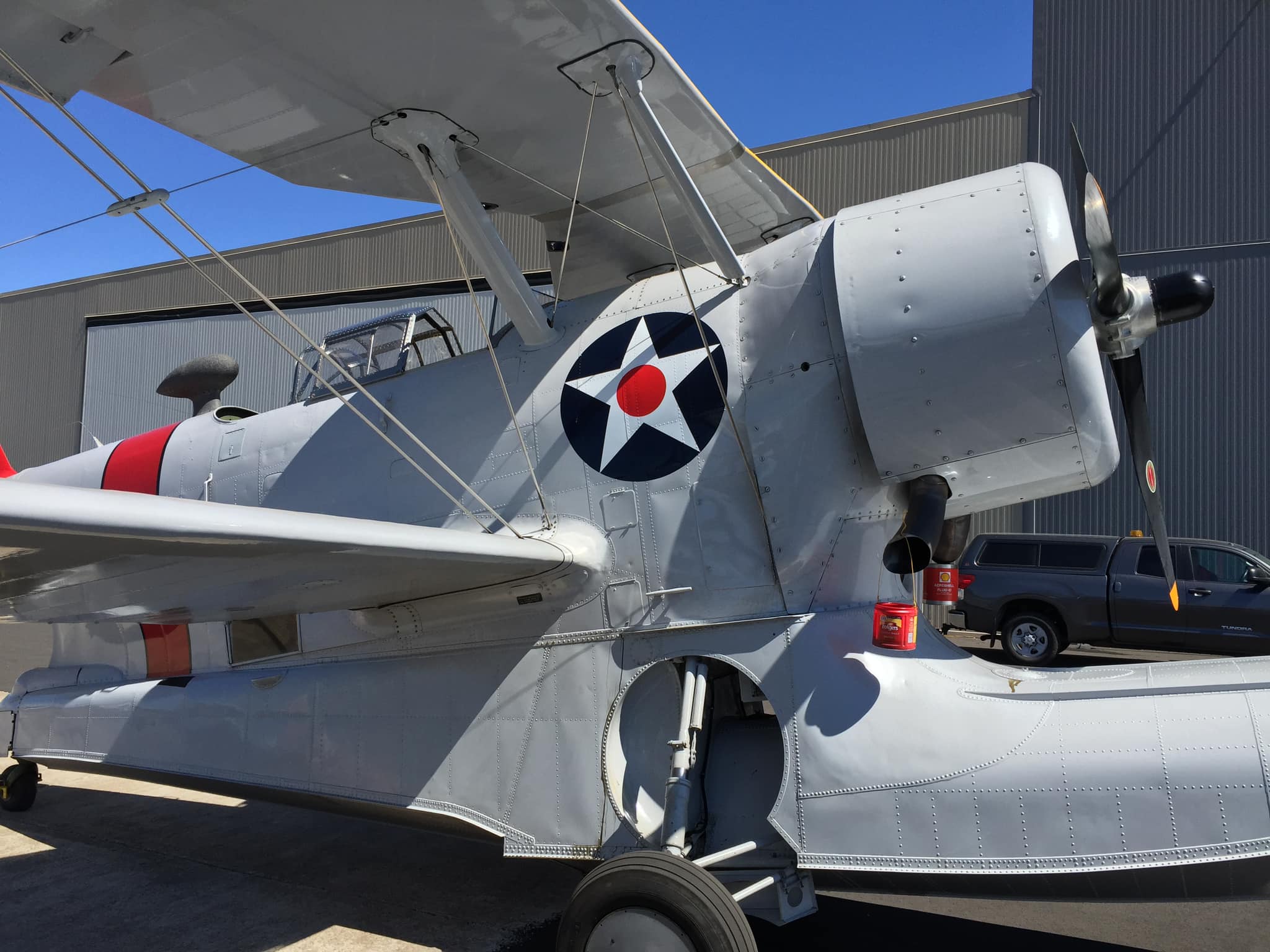
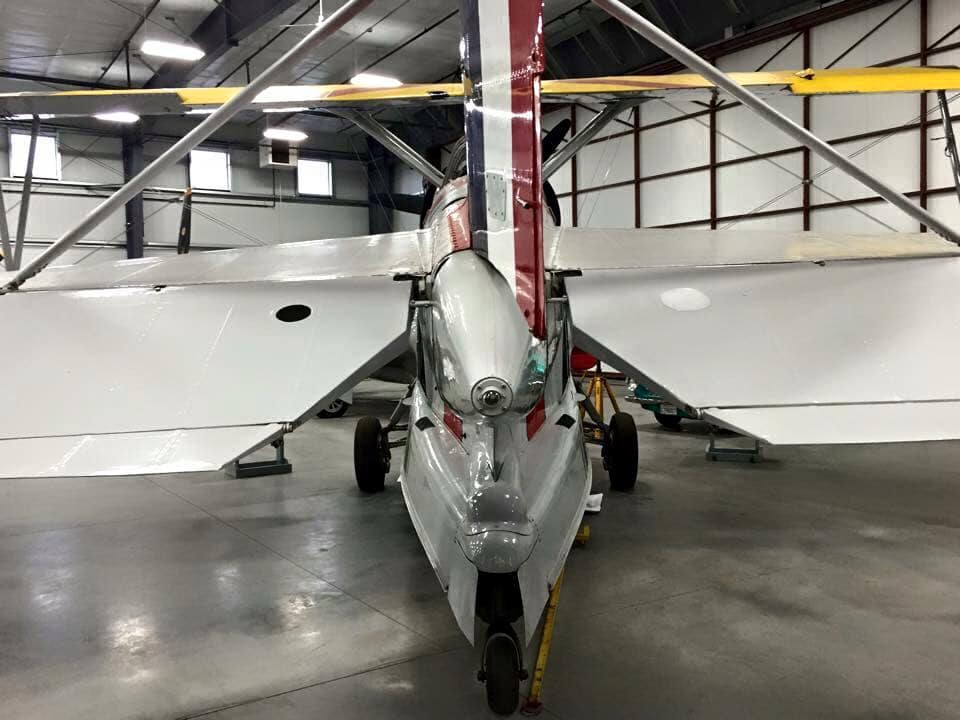
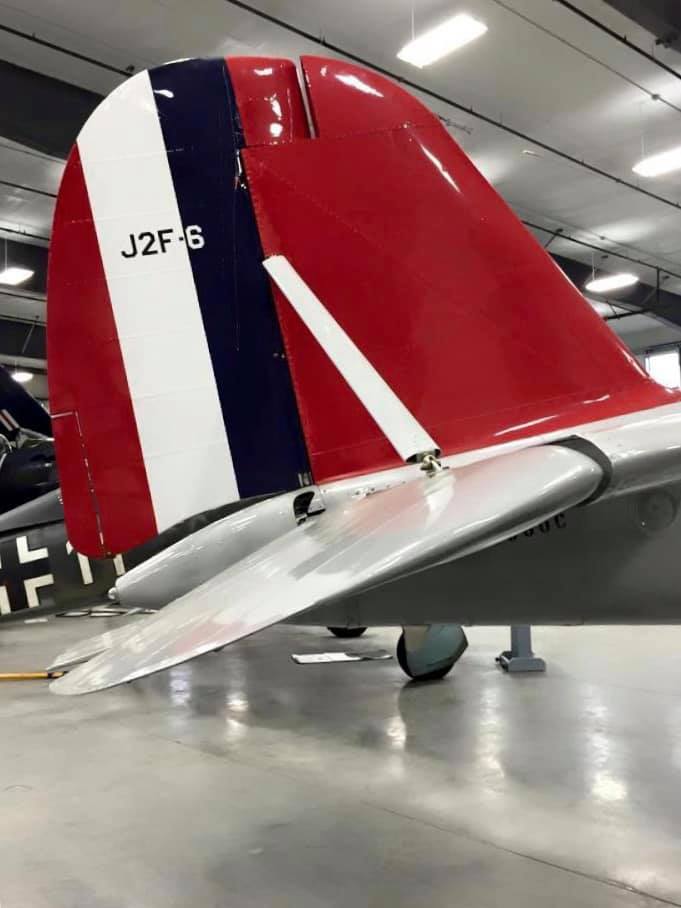
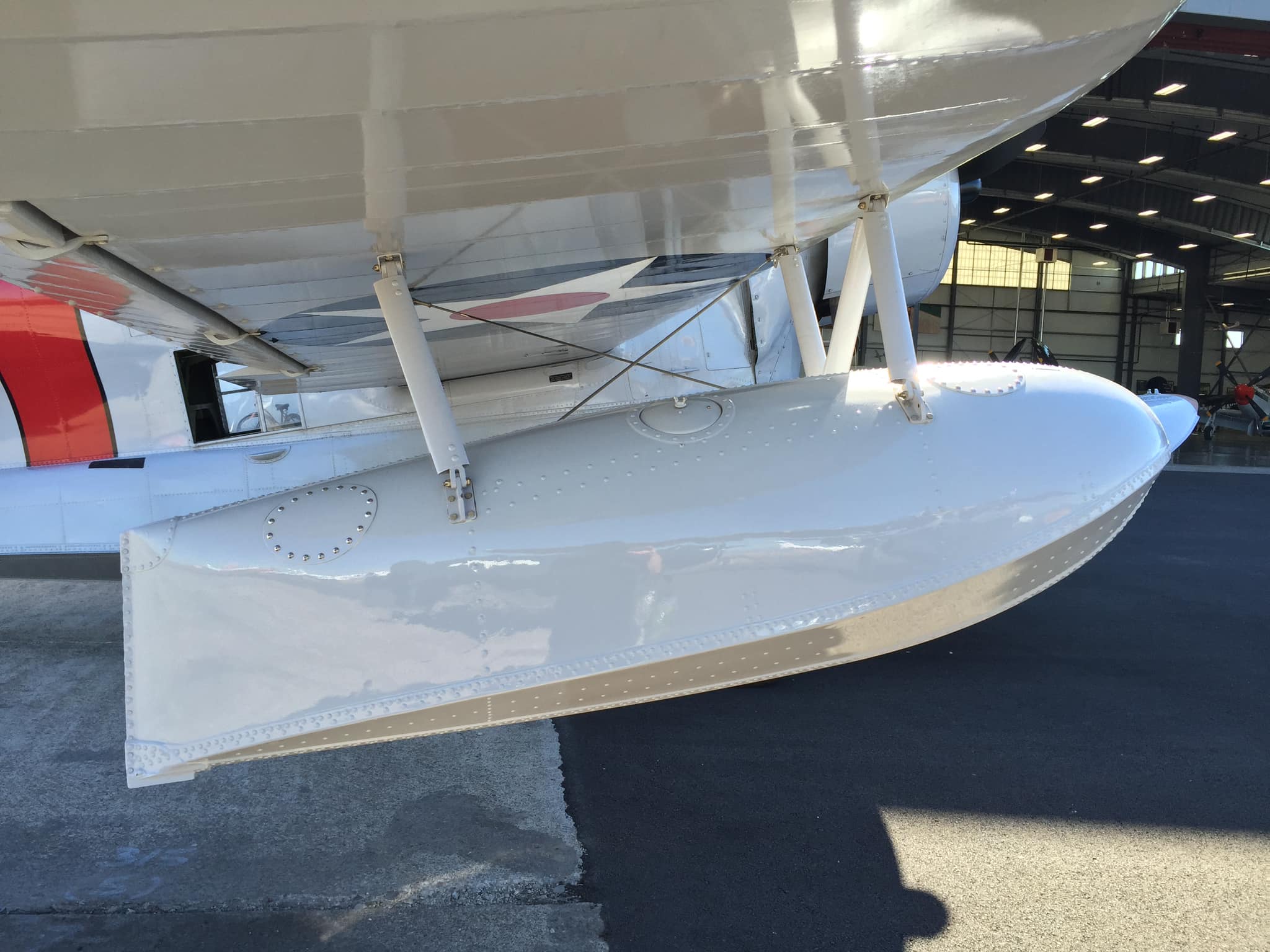
This is by no means intended to represent the entire history of the “Duck.” In 1929, aircraft designer (and former U.S. Navy instructor and test pilot) Leroy Grumman left Loening Aeronautical Corporation to form Grumman Aircraft Engineering Corporation. What became the Duck was based on a 1931 design by Grumman aerodynamicist/engineer Charles Tilgner. Jr., as a replacement for the earlier Loening amphibious aircraft, which had introduced its Flying Shoehorn amphibian designs (so named because of the shape of the large central float) for the U.S. Army in 1923. Grumman presented a design to the U.S. Navy, which accepted it in 1933, and the prototype XJF-1 first flew in April 1933, with deliveries commencing in 1934.
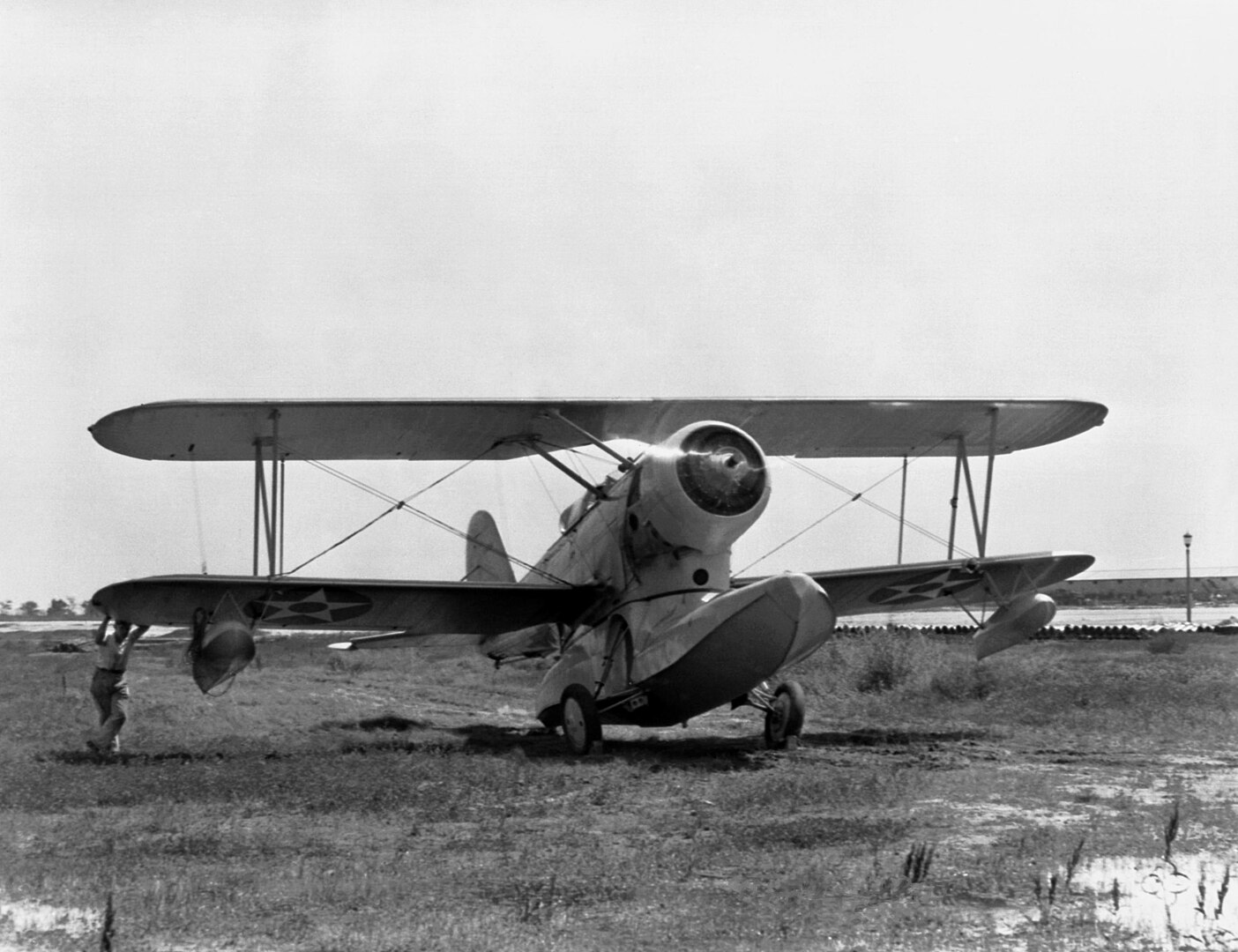
Production began with Grumman, but when the U.S. entered WWII and the company was under pressure to build fighters and attack aircraft, a license to build the Duck was granted to Columbia Aircraft Corporation at its plant at Valley Stream, New York, where 330 Ducks were ultimately built by the end of WWII. The “J” was the US Navy designation for a utility/transport aircraft, and the “F” was the manufacturer designation for Grumman; contrary to typical designation practice at the time, the Duck retained its Grumman “J2F” designation while built by Columbia. It was the only U.S. biplane still in production for operations by the U.S. Navy at the outset of WWII.
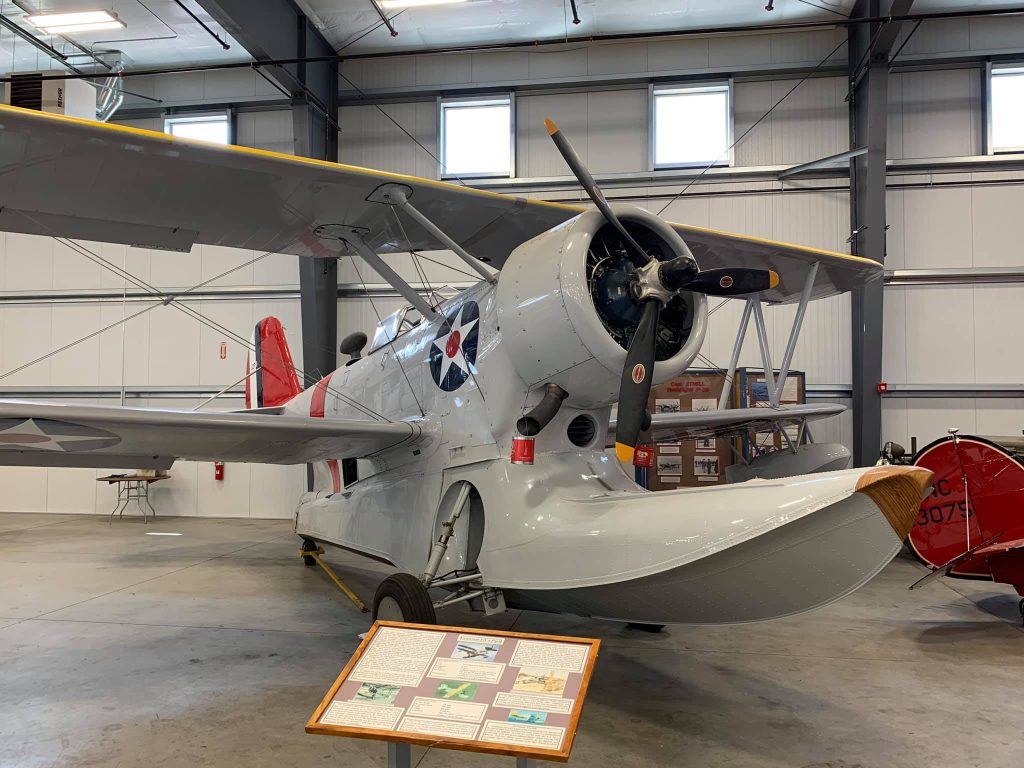
The aircraft’s crew consisted of a pilot and an observer seated in tandem (forward and aft, respectively) in the telescoping canopy (and a radio operator if needed), and it had a cabin in the back of the fuselage that could carry two passengers or a stretcher with the seats removed. This aircraft is powered by a Wright Cyclone 1820G-2-3&5 nine-cylinder engine (although the J2F6 pilot’s manual specifies a Wright R-1820-54 engine) and, when armed, was fitted with a flexible-mount Browning .30 cal. machine gun in the rear cockpit. With the gun removed, a loop radio direction-finding antenna could be fitted in the rear cockpit. It could carry 650 lbs. in bombs or depth charges on wing hard points.
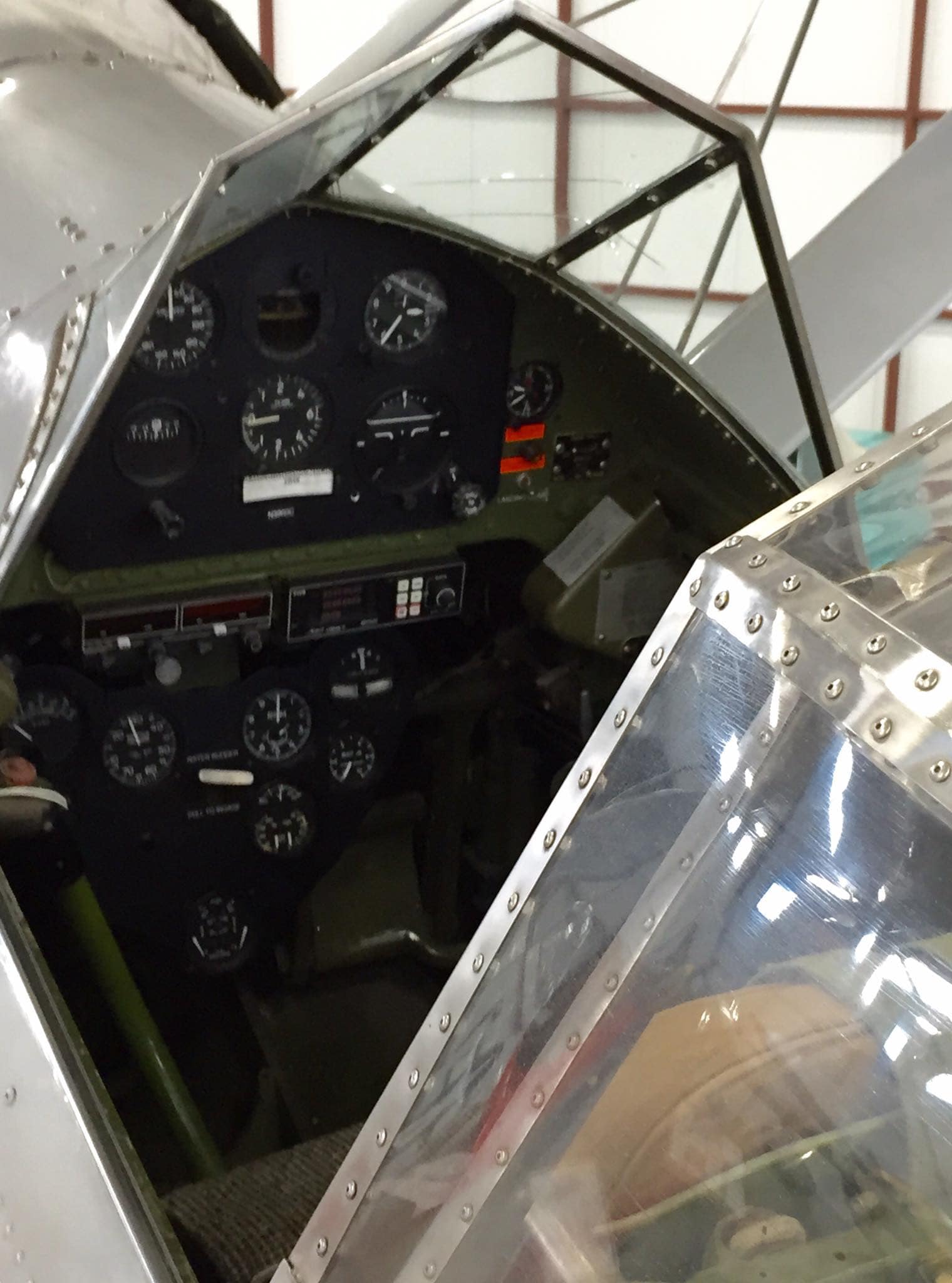
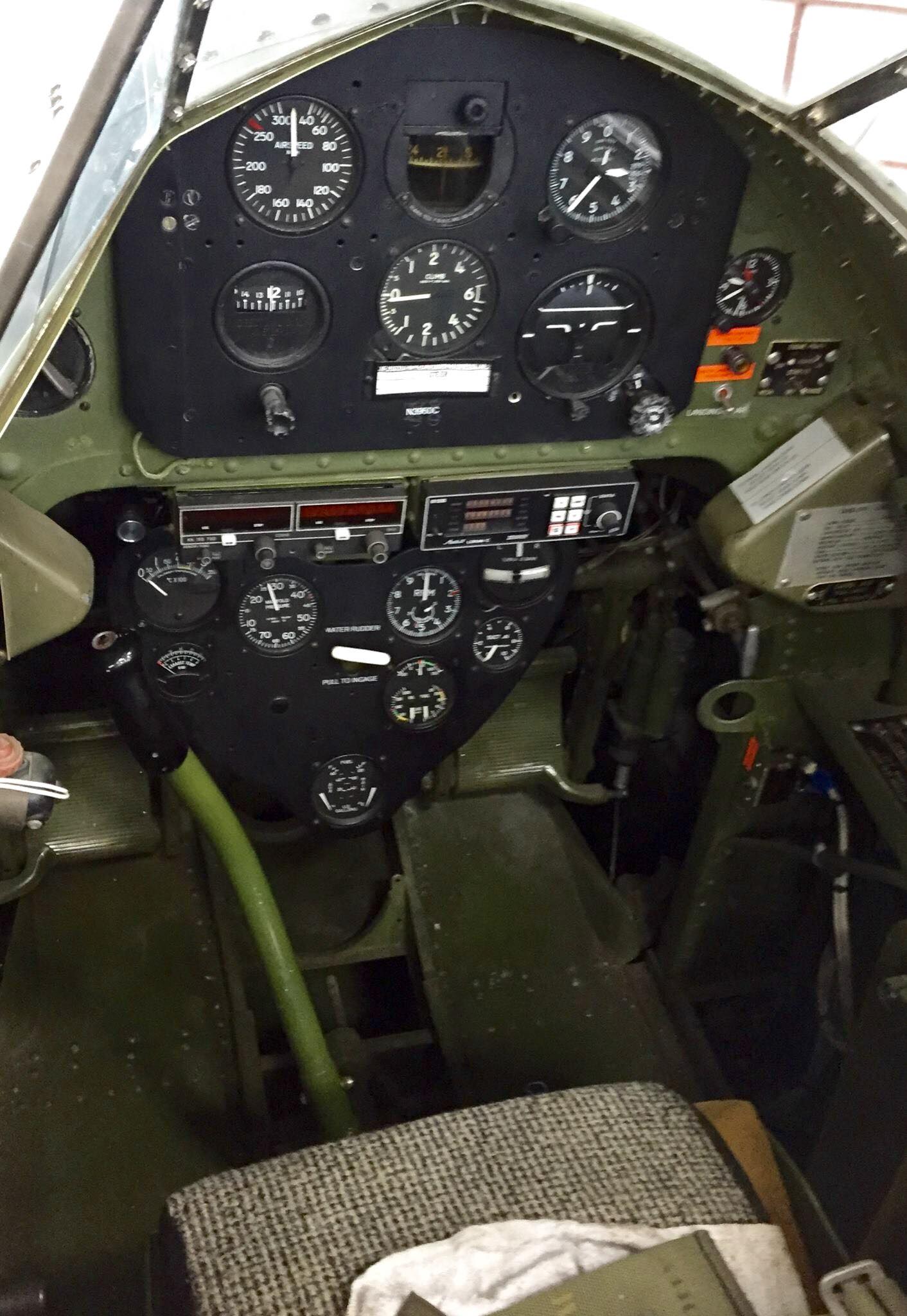
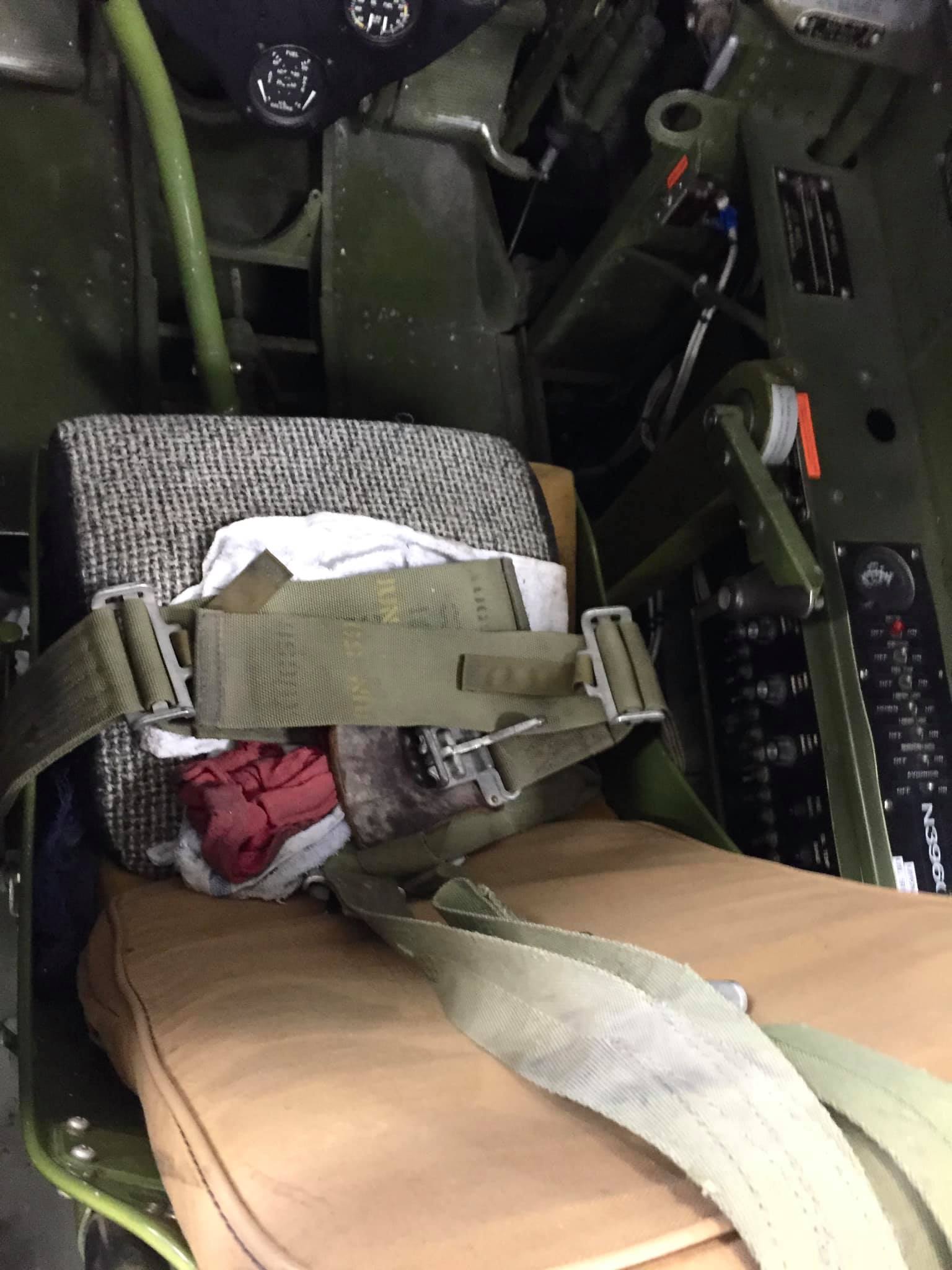
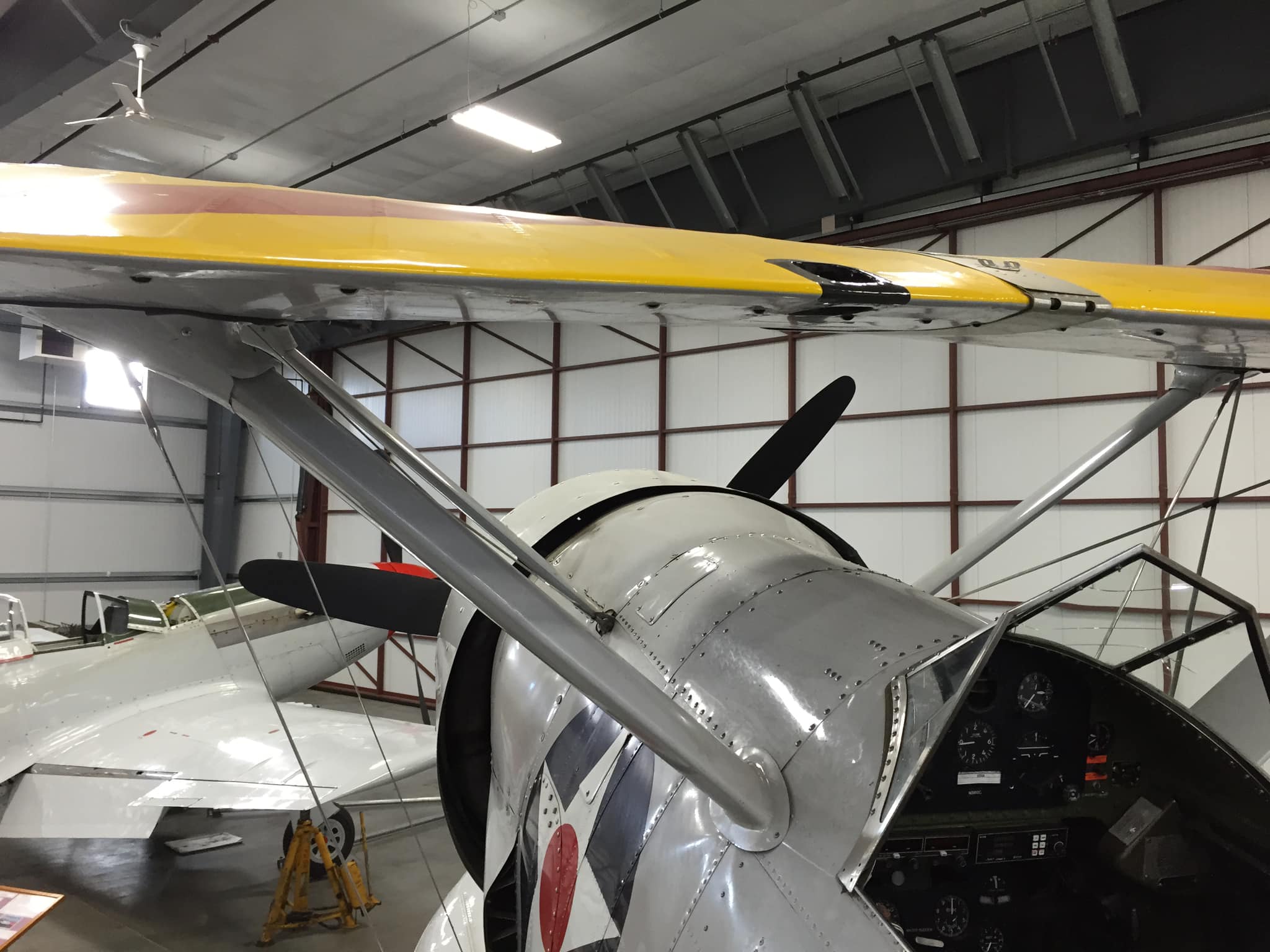
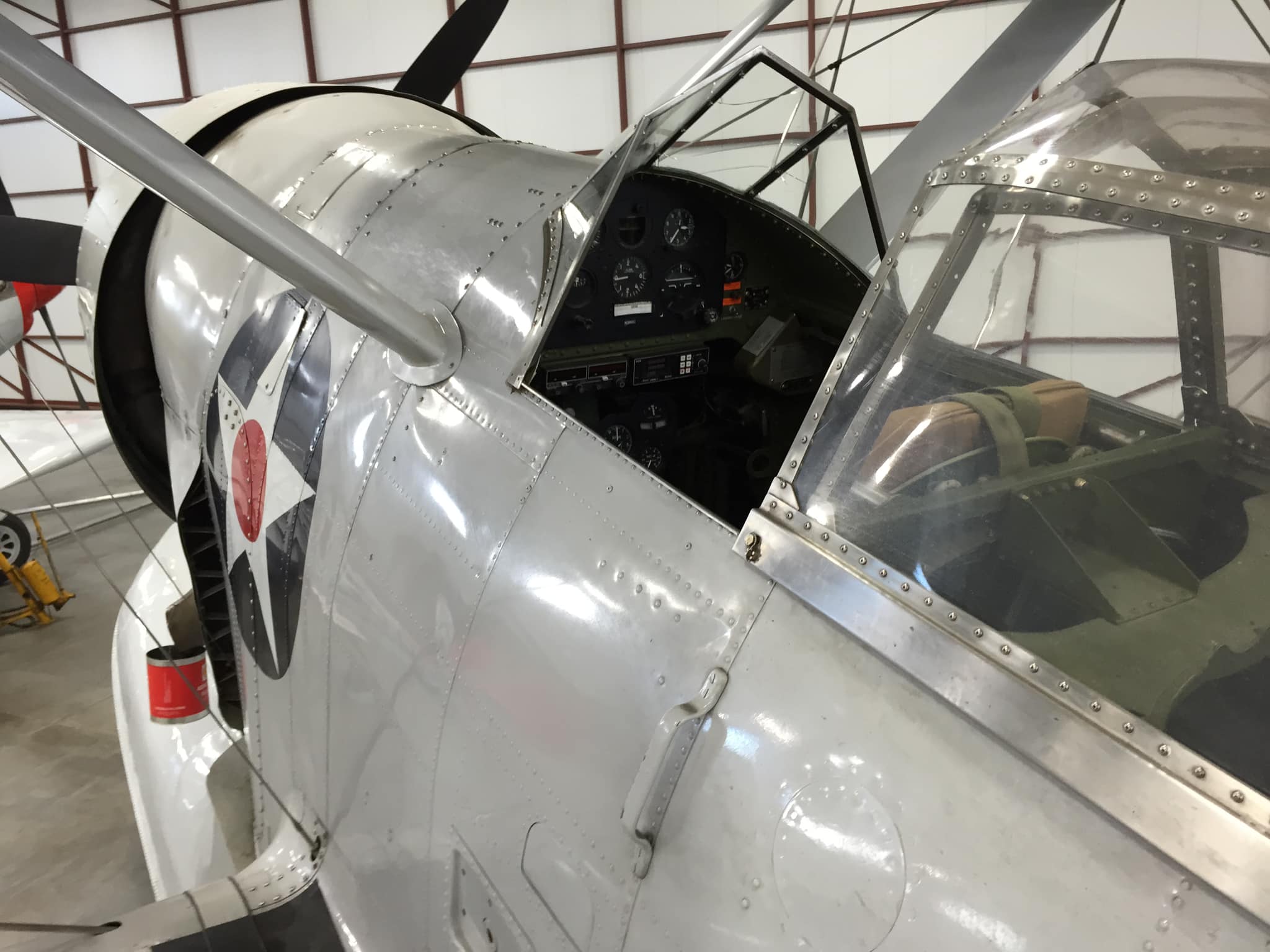
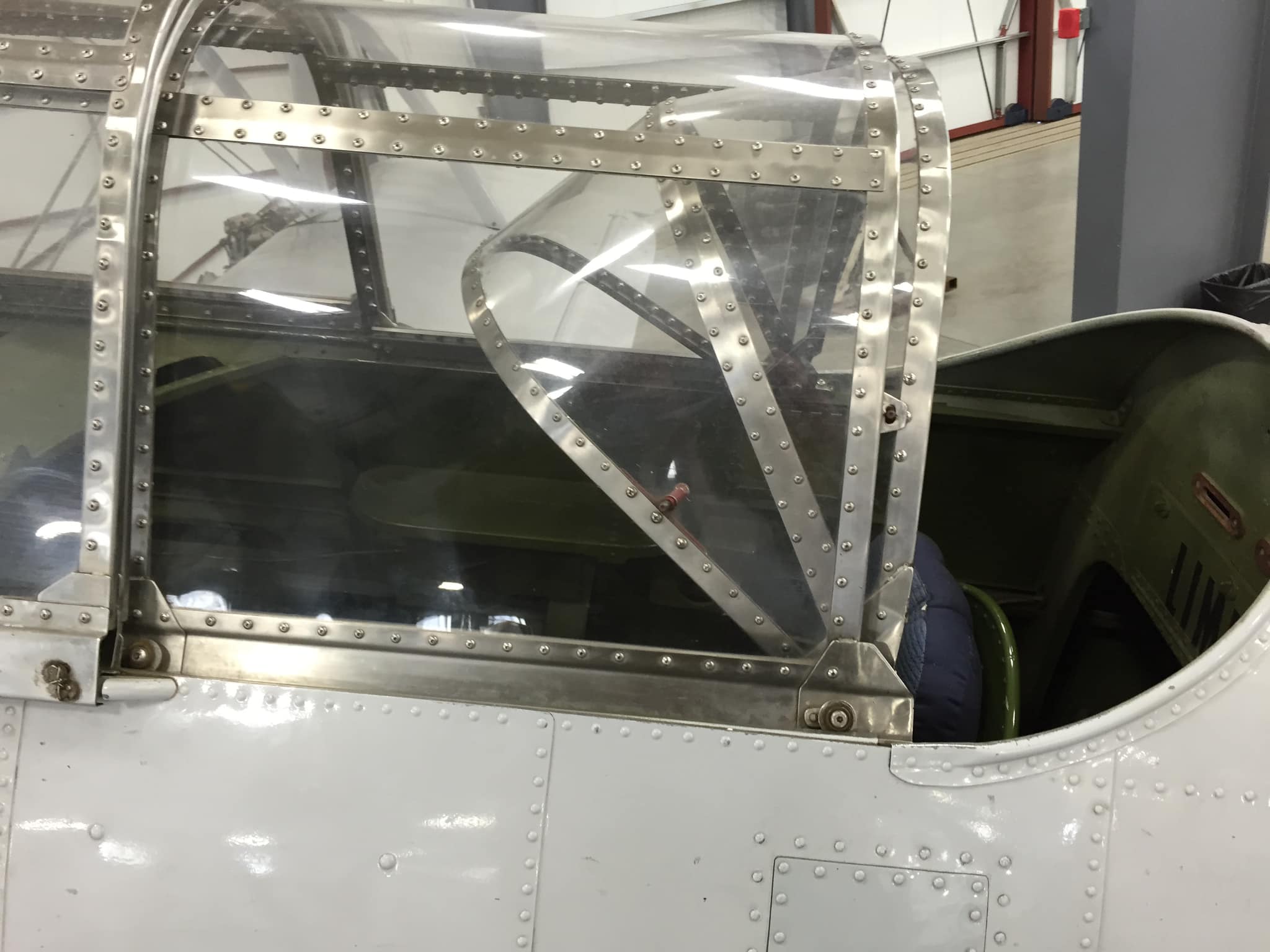
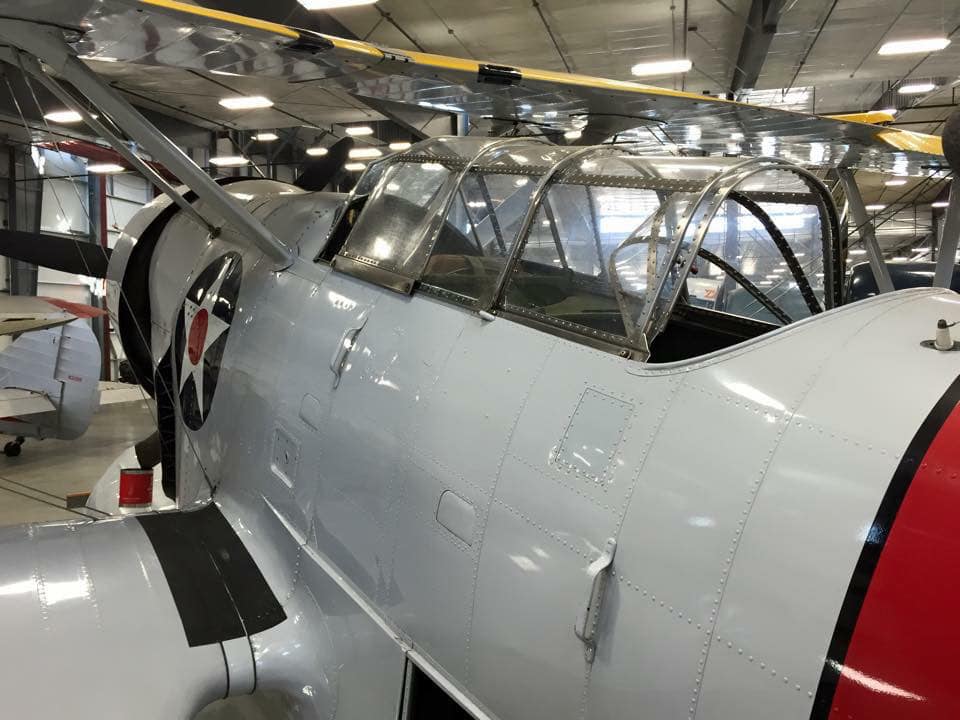
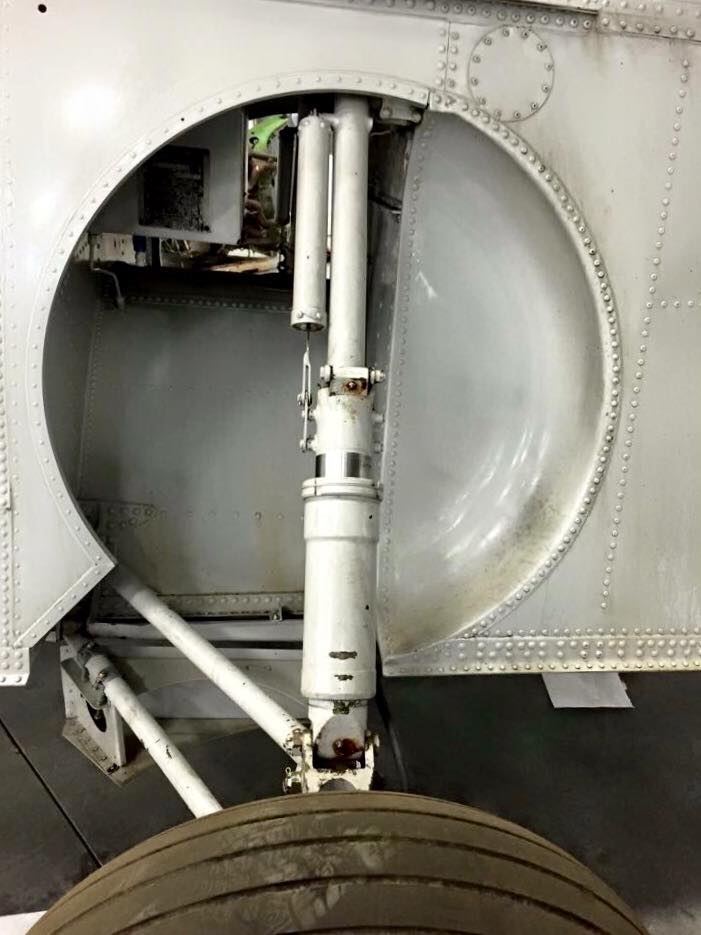
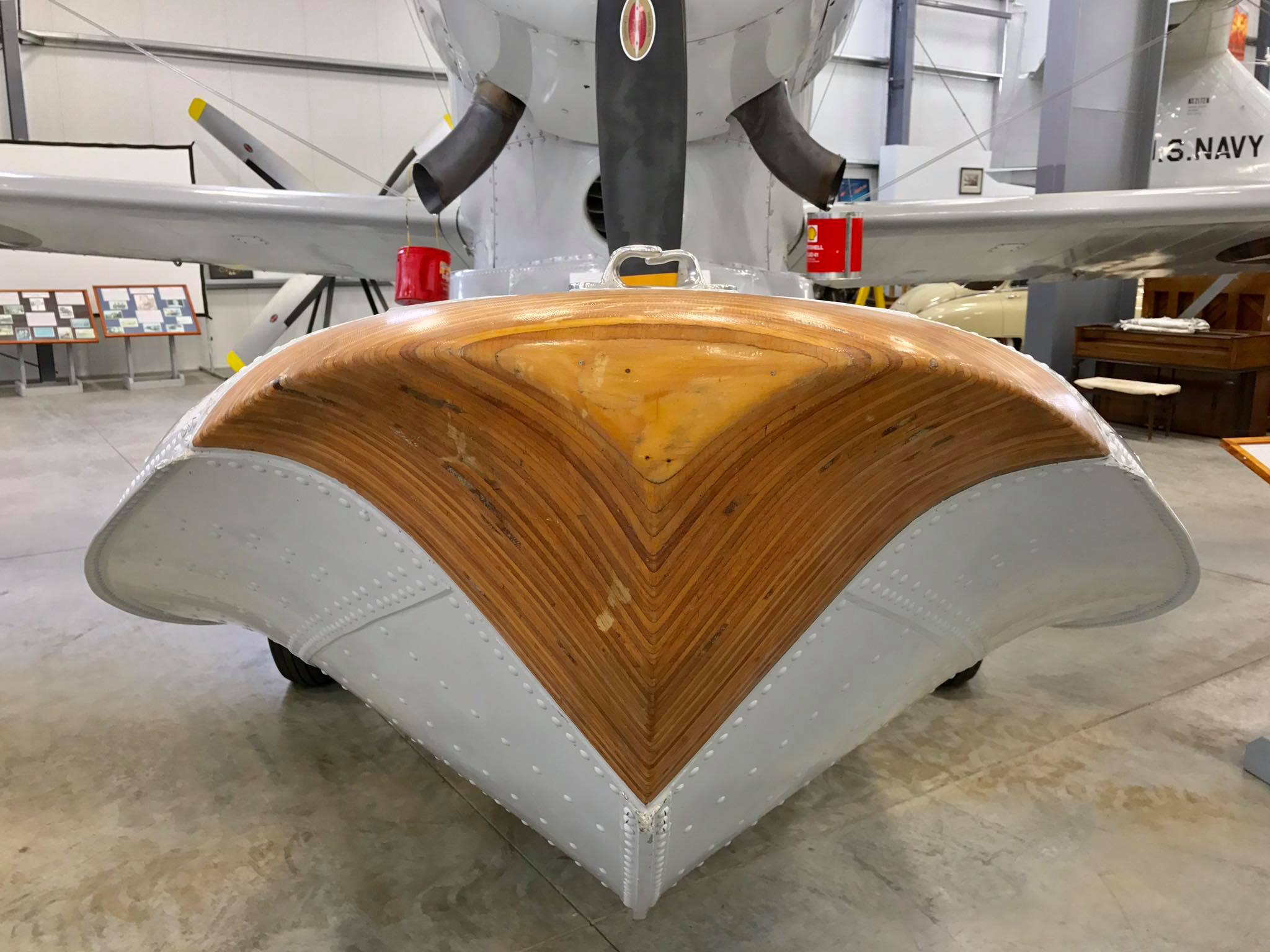
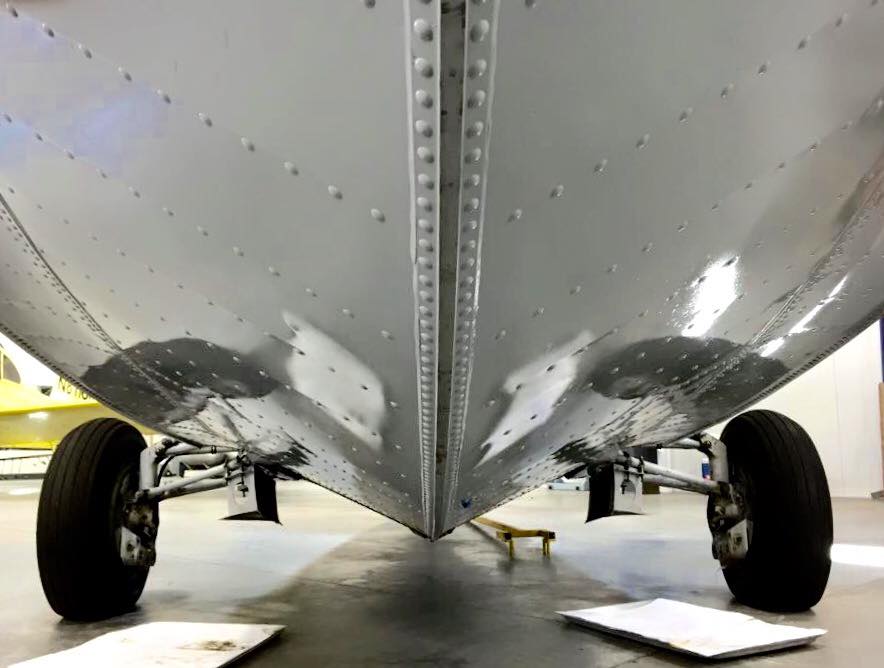
It was of all-metal construction and had its main central pontoon (“shoehorn float” design) and strut-mounted stabilizer floats beneath each lower wing, along with narrow-tracked retractable landing gear, and, like the Grumman Wildcat and Polikarpov I-16, was hand-cranked by the pilots (who were known to push the nose over to make it easier to raise them). The main landing gear and the tail wheel are retracted and lowered with the hand crank located on the pilot’s right-hand shelf of controls, and it requires approximately 46 cranks to raise and lower the gear – clockwise to retract and counterclockwise to lower; the hand crank has a ratchet that latches the wheels during the process of cranking to raise and lower the gear; the hand crank needs to be held during lowering so as to avoid dropping the gear; there is a mechanical landing gear indicator just forward of the hand crank. In a full down position, a spring counterbalance is actuated to lock the gear from retracting. The tail wheel has a 360-degree swivel and has a spring-loaded self-centering device. There is a lock pin that is activated by a cable which has a control on the pilot’s left shelf; pilots are instructed to keep the tail wheel unlocked on aircraft carrier landings.
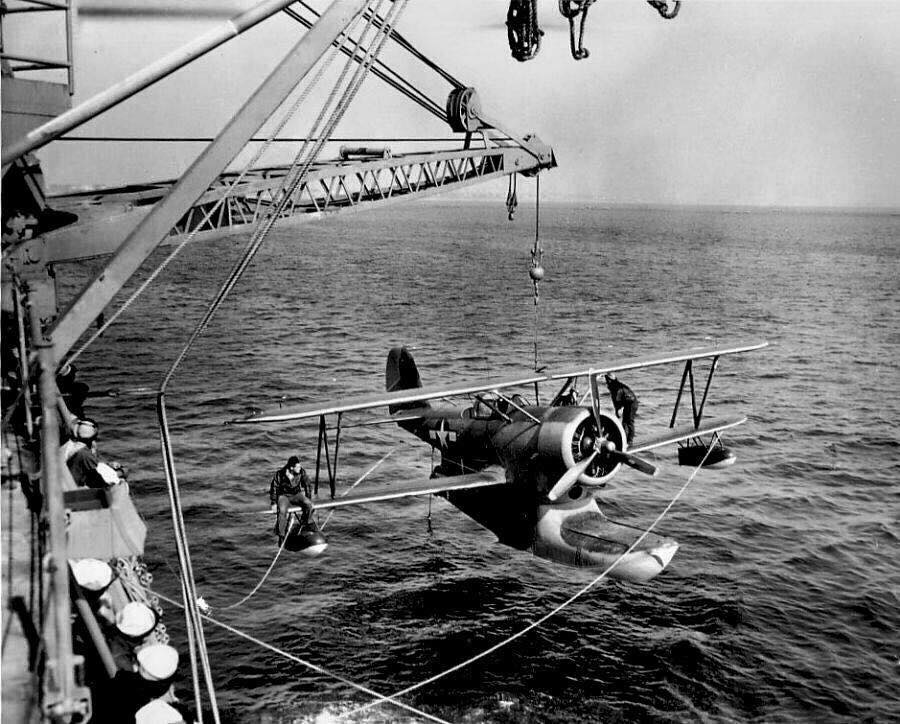
The two water rudders are operated by the air rudder pedals on the floor, and the water rudders are disconnected from the pedals for land operation by a control handle. So, it was capable of land, aircraft carrier deck, and water take-off and landing. It could also be catapult-launched from ships and recovered shipside by winching the plane with an aircraft handling crane, or lowered over the side of the ship with the crane (late in WWII, the arrester gear was not installed or removed, as the need to operate from aircraft carriers was no longer needed). Throughout its career, the Duck was flown by the U.S. Navy, U.S. Marine Corps, U.S. Army and U.S. Coast Guard, and had been scattered around the world including some built particularly for some Central and South American militaries including Argentina, Columbia and Mexico as a basic utility aircraft and its many duties included air-sea rescue, anti-submarine patrol, photographic reconnaissance, aerial ambulance and target tow (for these countries, the Duck bore the model numbers G-15 through G-20 depending on the variant: the J2F4 was the G-15 and the JF2 was the G-20 for example). About 645 Ducks had been built by the time production ceased in August 1945, and some military use continued into the 1950’s and other uses beyond that.
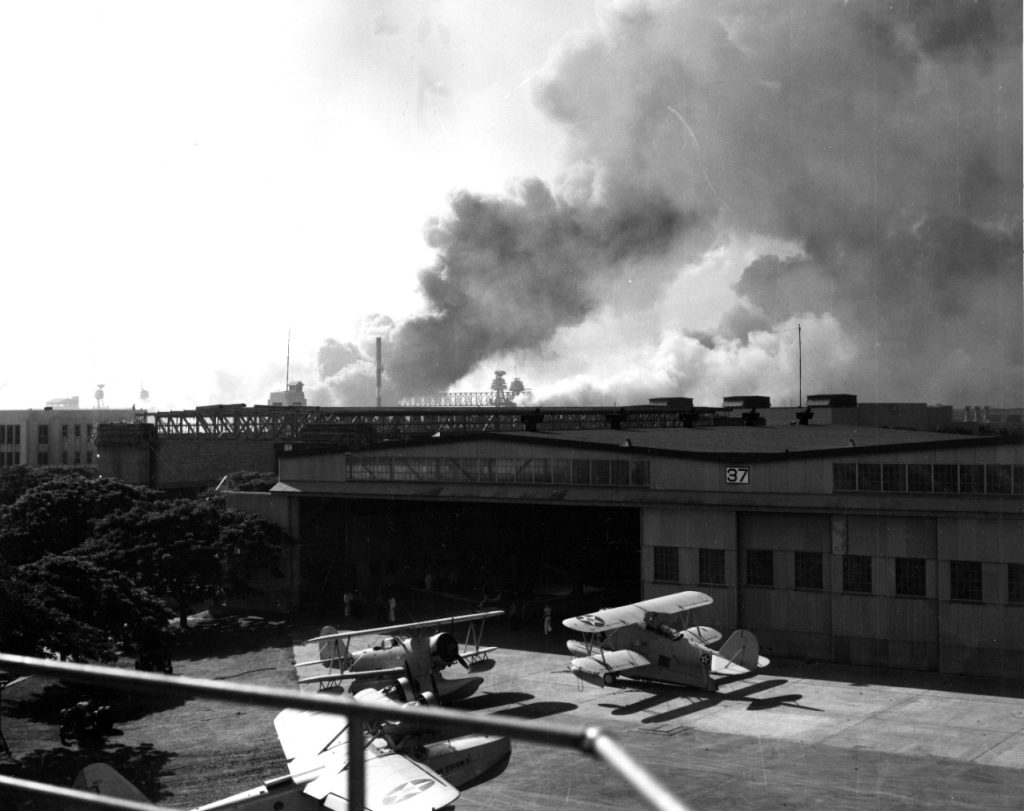
Nine Ducks had been assigned to Utility Squadron One (VJ-1), which was based on NAS Ford Island, Pearl Harbor, on December 7, 1941, and during the attack, Duck crew members installed machine guns in the rear seats and began firing on the Japanese aircraft. Elements of the unit went up in search of the Japanese fleet, with one of the nine JRS-1’s in VJ-1, piloted by Lt. (JG) Wesley Ruth along with Lt. Emory “Pappy” Geise and two Marines armed with hand-held, bolt-action Springfield rifles, first out-running a Japanese dive bomber before getting within about 50 miles of the fleet before low fuel forced it back, making VJ-1 what is believed to be the first U.S. unit to counterattack the Japanese.
In 1946-47, a J2F6 was assigned to the U.S. Coast Guard icebreaker USCGC Northwind (WAGB-282) and, as part of U.S. Navy Task Force 68, participated in the Antarctic expedition known as Operation Highjump (OpHjp), making reconnaissance, liaison, and supply flights, and acting as standby rescue and medical evacuation aircraft. Ducks were famously used in the movie and television industry including two (BuNo. 33587 and BuNo. 36976) that were used in the filming done in Venezuela for the movie “Murphy’s War” (Frank Tallman of Tallmantz Aviation supplied and flew them) as well as one in “The Court Martial of Billy Mitchell” (N67709 or N1196N apparently) and another in the TV series “Baa Baa Black Sheep.”
About the author: Randy Malmstrom grew up in a family steeped in aviation culture. His father, Bob, was still a cadet in training with the USAAF at the end of WWII but did serve in Germany during the U.S. occupation in the immediate post-war period, where he had the opportunity to fly a wide variety of types that flew in WWII. After returning to the States, Bob became a multi-engine aircraft sales manager and, as such, flew a wide variety of aircraft; Randy frequently accompanied him on these flights. Furthermore, Randy’s cousin, Einar Axel Malmstrom, flew P-47 Thunderbolts with the 356th FG from RAF Martlesham Heath. He was commanding this unit at the time he was shot down over France on April 24th, 1944, and spent the rest of the war as a prisoner of war. Following his repatriation at war’s end, Einar continued his military service, attaining the rank of Colonel. He was serving as Deputy Wing Commander of the 407th Strategic Fighter Wing at Great Falls AFB, MT, at the time of his death in a T-33 training accident on August 21, 1954. The base was renamed in his honor in October 1955 and continues to serve in the present USAF as home to the 341st Missile Wing. Randy’s innate interest in history in general, and aviation history in particular, plus his educational background and passion for WWII warbirds, led him down his current path of capturing detailed aircraft walk-around photos and in-depth airframe histories, recording a precise description of a particular aircraft in all aspects.







Good article about the Duck! BTW, Paul Mantz, of Tallmantz Aviation, was already deceased when Murphy’s War was filmed. It was all Frank Tallman flying the Duck.
Oh, we absolutely MUST have many more, and much larger, aerial shots of the glorious Duck!
Juat one of the most good/odd loking aircraft designs of the interwar/war period but is just that design that make it so freaking beautiful!!!,by the way the history in detail of this particular duck is know?? I would love to know more about his career and first days flying with the museum