







By Randy Malmstrom
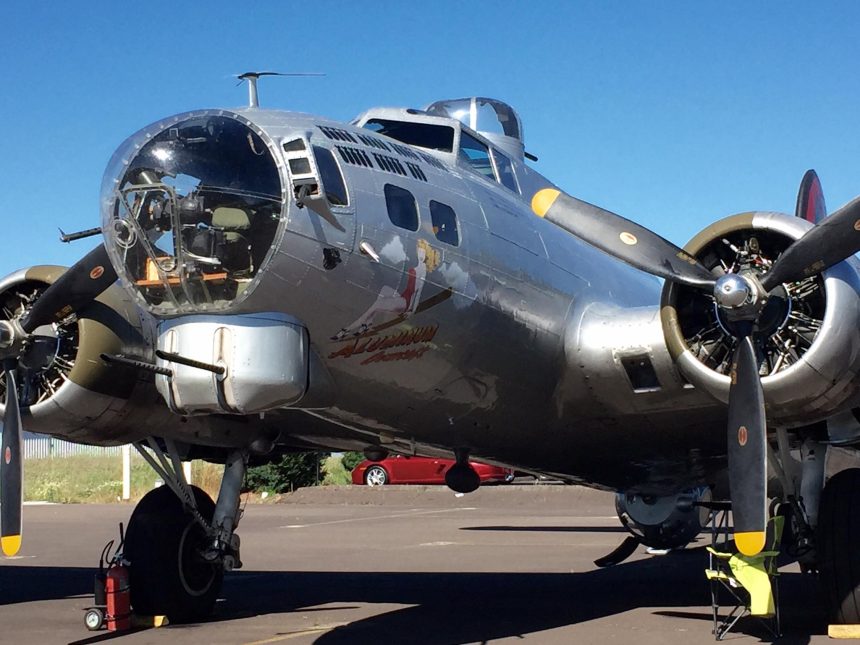
Boeing B-17G-105-VE, s/n 44-85740, N5017N. This is by no means an attempt to record the full history of this particular aircraft which has been documented elsewhere, but I include some of the information from my own research. It was built under license at the Vega Division of Lockheed Aircraft Corporation in Burbank, California (hence the “VE” designation) and delivered to the U.S. Army Air Forces on May 18, 1945, but served in no combat capacity. It was bought out of surplus in 1946 for $750 and has an extensive history of it logging over a million miles as a cargo hauler, aerial mapping aircraft, and as a duster for forest pest control. I understand that for a time during this civilian duty, this aircraft was nicknamed “17 Nasty” because the chief pilot at the time had plastered the inside of the fuselage with Playboy and Penthouse centerfolds.

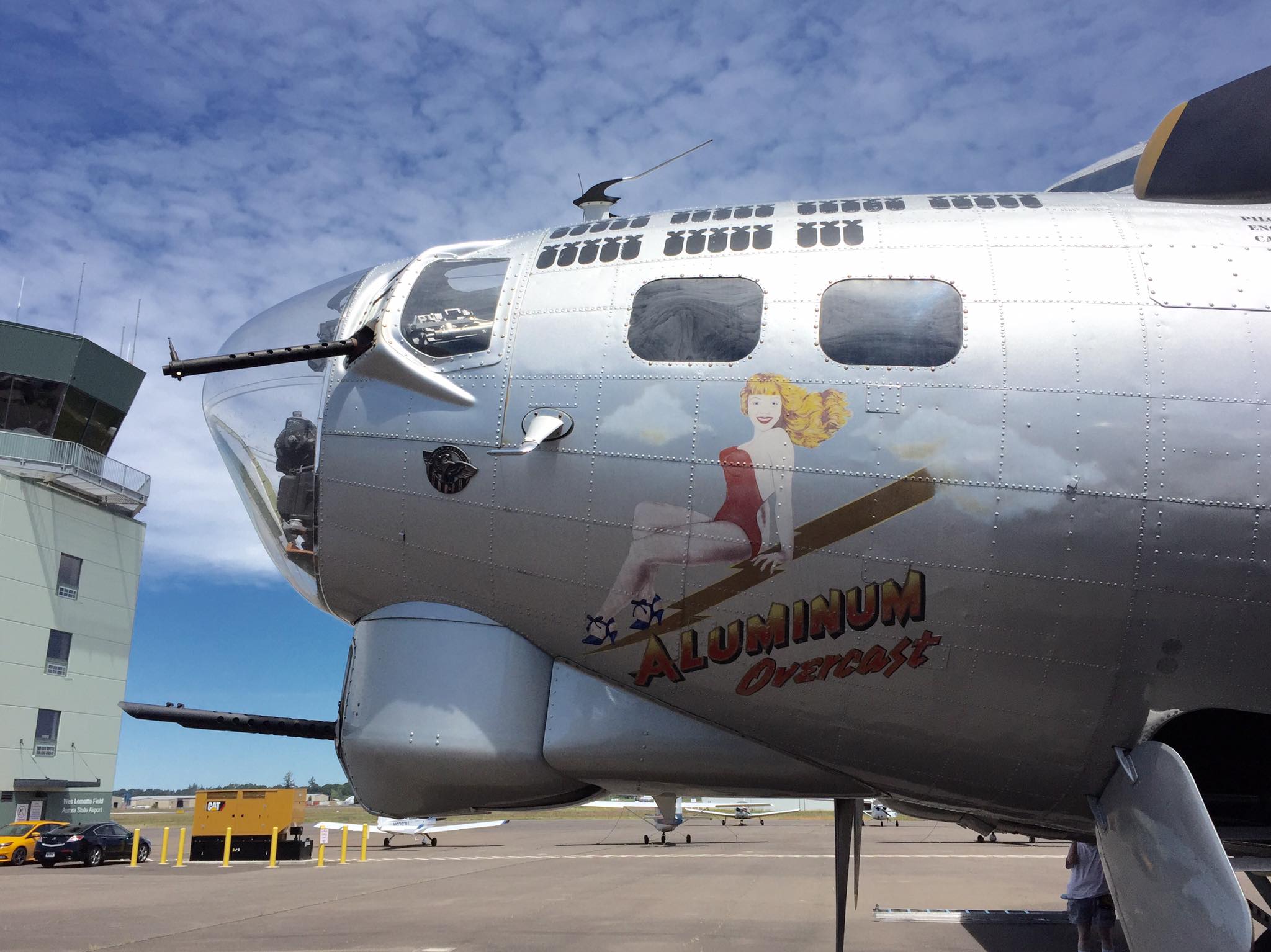
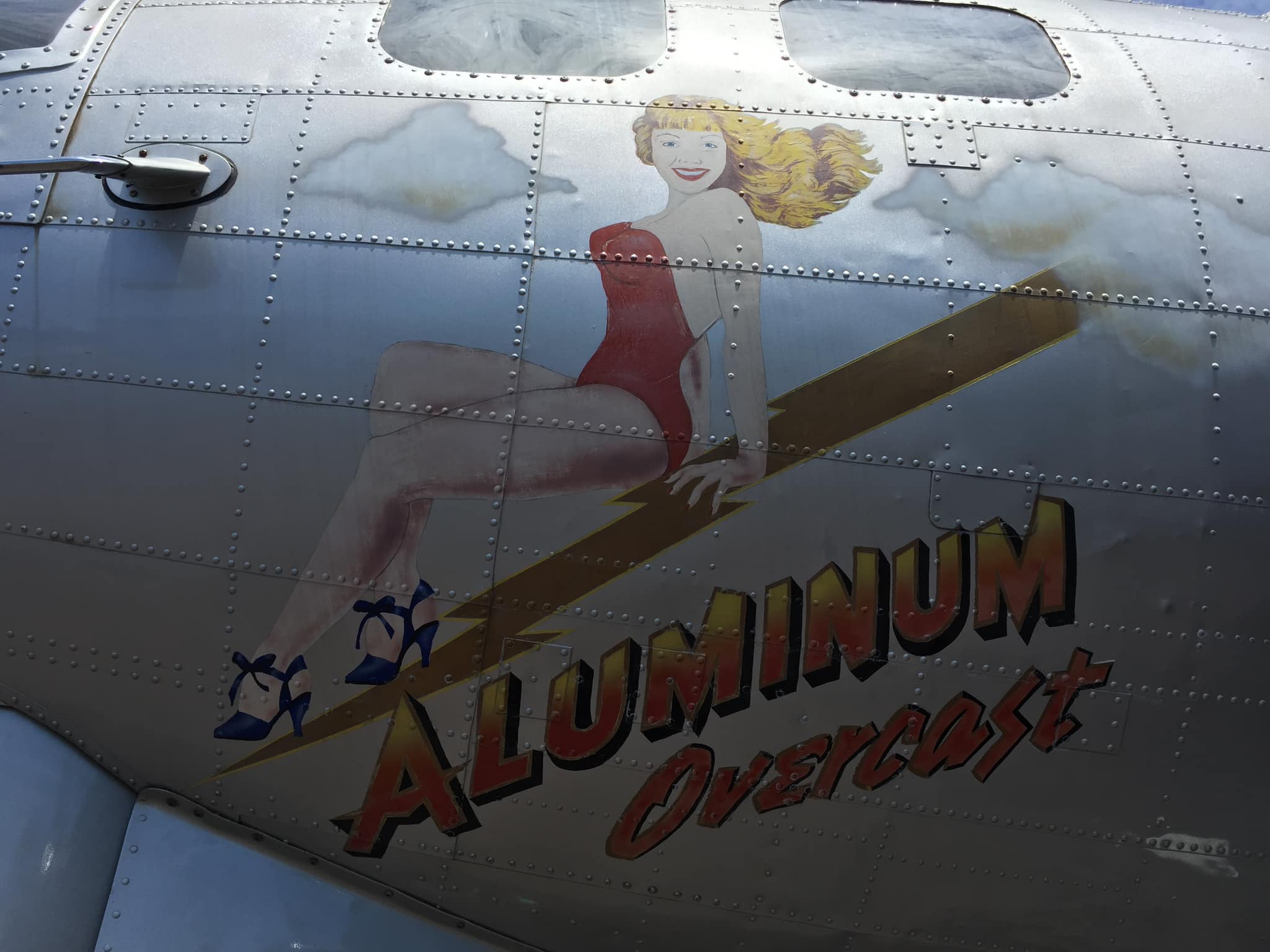
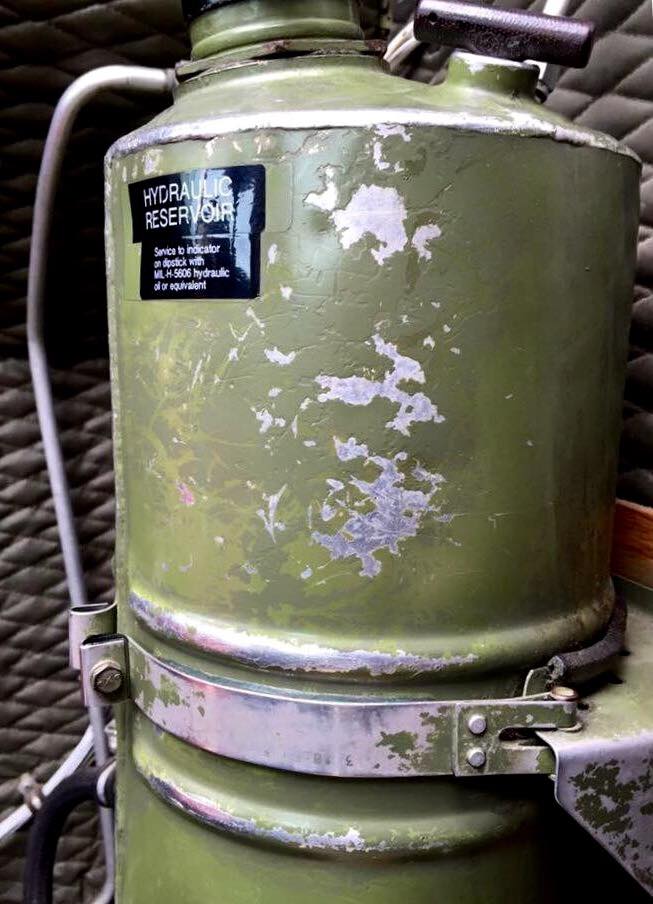
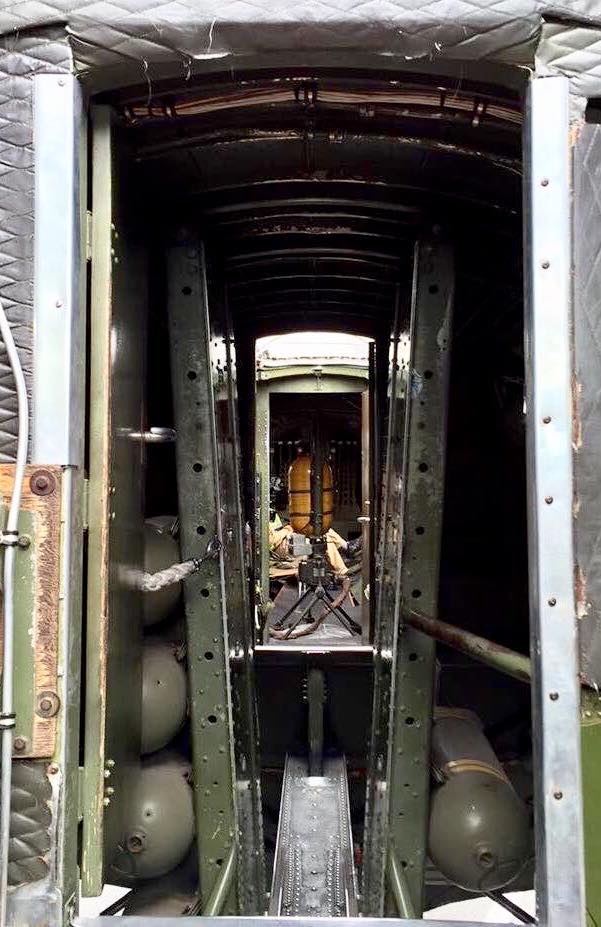
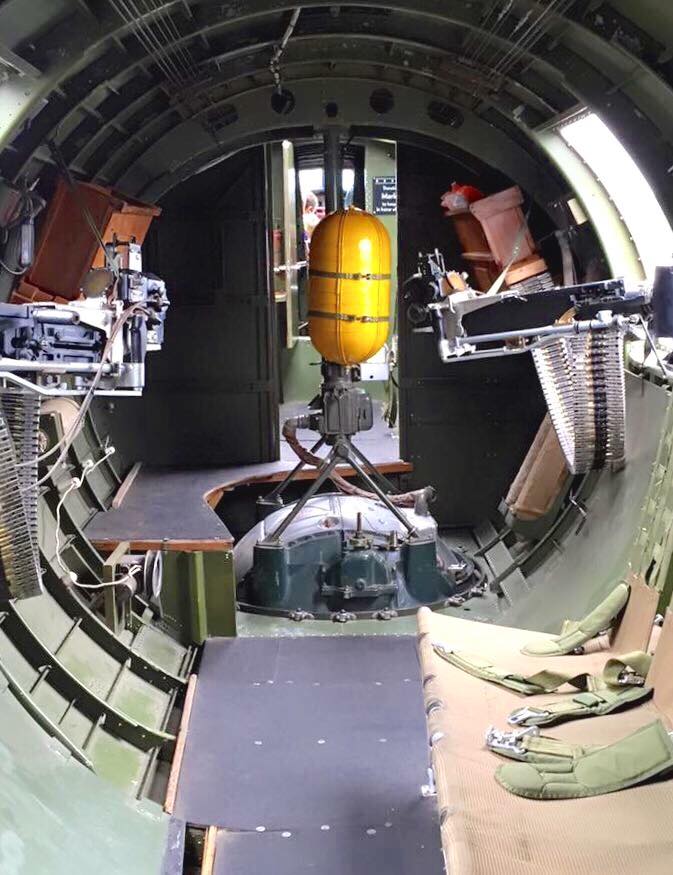
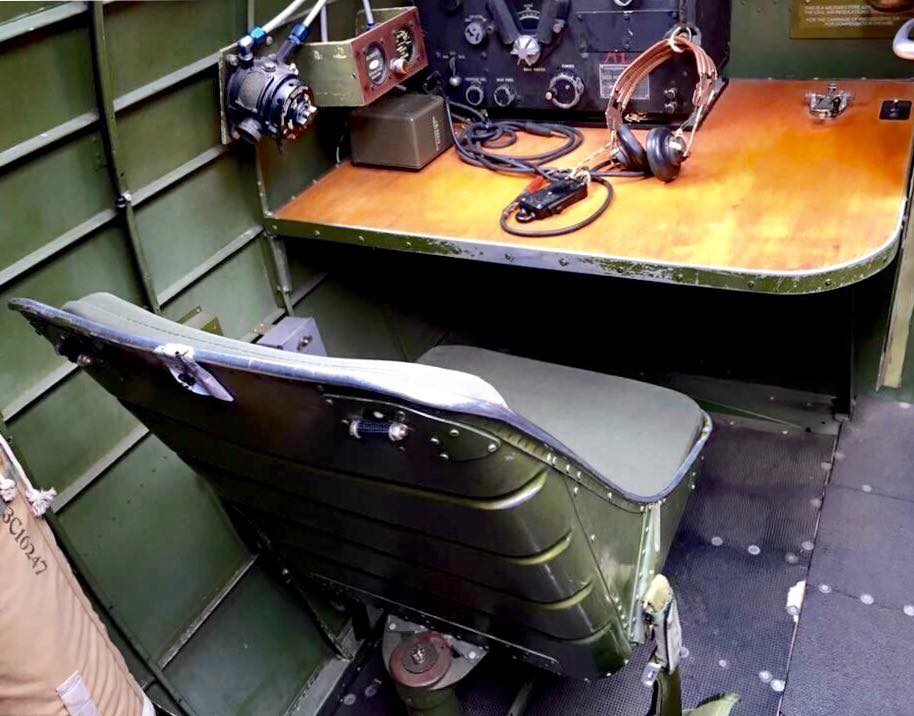
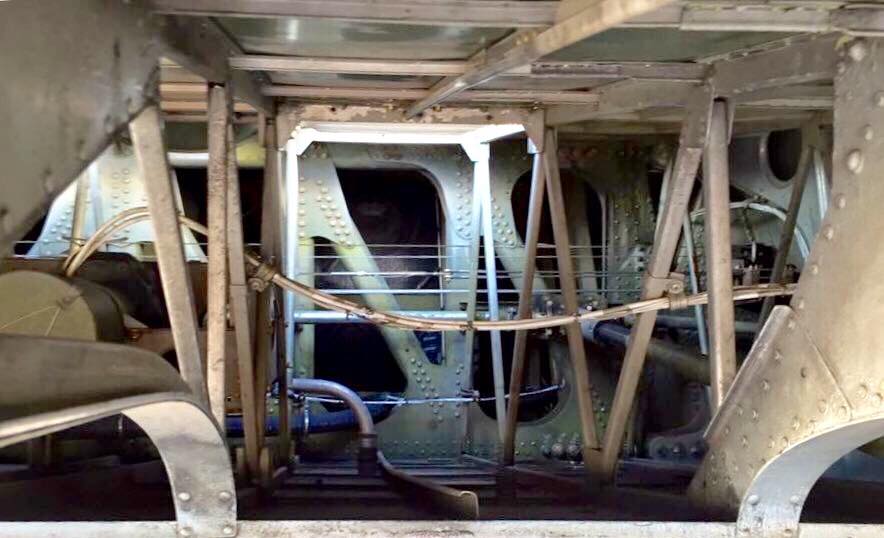
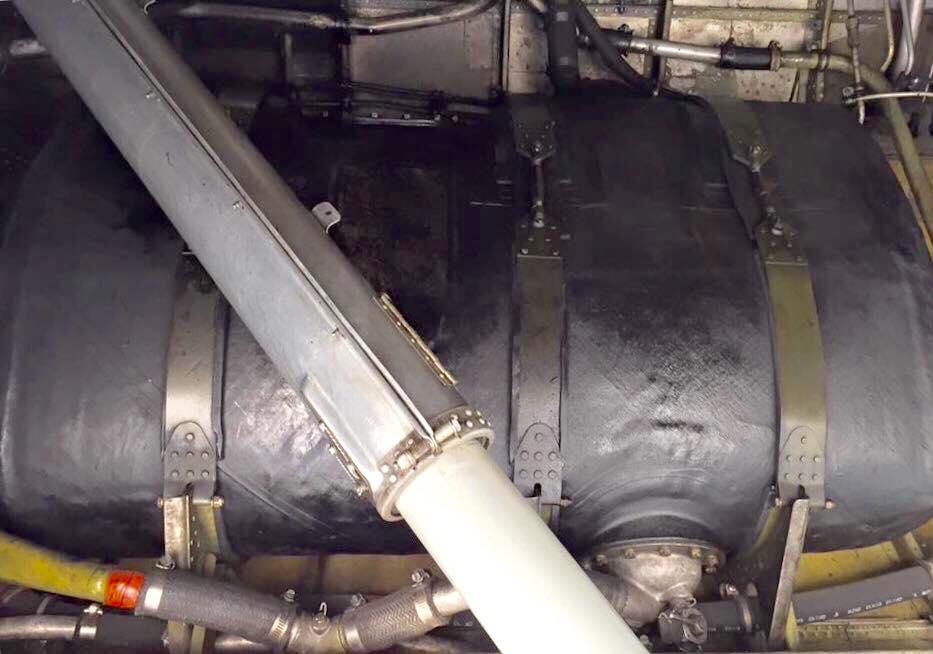
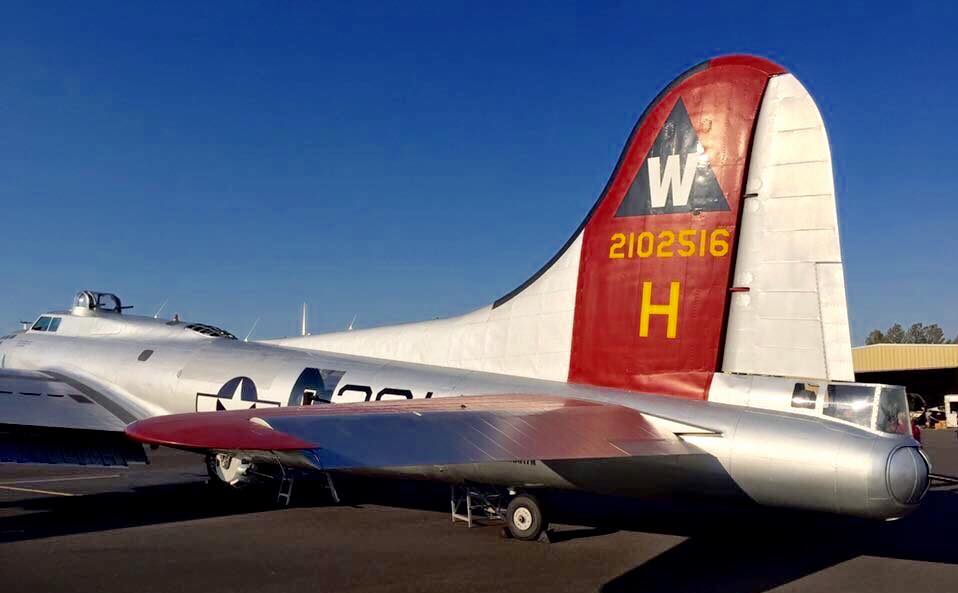
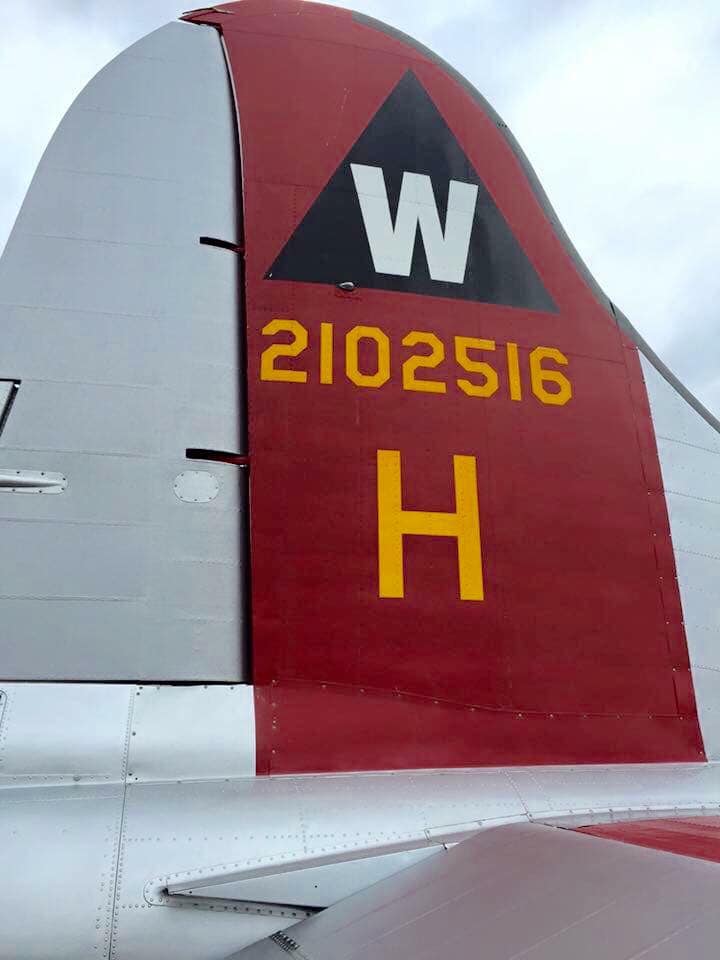
As of this writing, it is owned by the Experimental Aircraft Association, Inc. Except for its nose art, it is painted with the markings of “Bronx Bomber I,” which was a B-17G, s/n 42-102516, with tail code H, fuselage number 30-H, piloted by 1st Lt. Harold D. “Hal” Weekley of the 601st Bomb Squadron of the 398th Bomb Group stationed at Nuthampstead, Hertfordshire. It was shot down by flak on its 34th combat mission to destroy a bridge at Le Manoir de La Fiére, France, on August 13, 1944 (La Fiére was important for the U.S. Army VII Corps’ operational objectives along the Merderet River during the Battle of Normandy). Of the crew members on that mission, T. Sgt. Louis Buchsbaum, the radio operator/gunner, and 2nd Lt. Raymond Delbart, the bombardier, were taken as POWs; Delbart was sent to Stalag Luft 1 at Barth (the same camp “Hub” Zemke, “Gabby” Gabreski, and my cousin Einar A. Malmstrom were sent to); the remaining crew members were eventually retrieved.
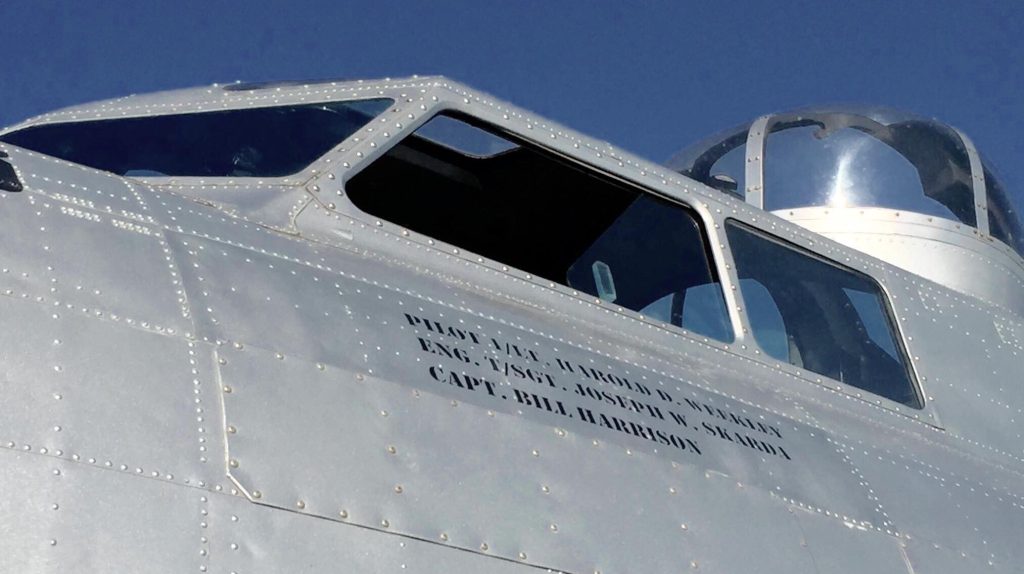
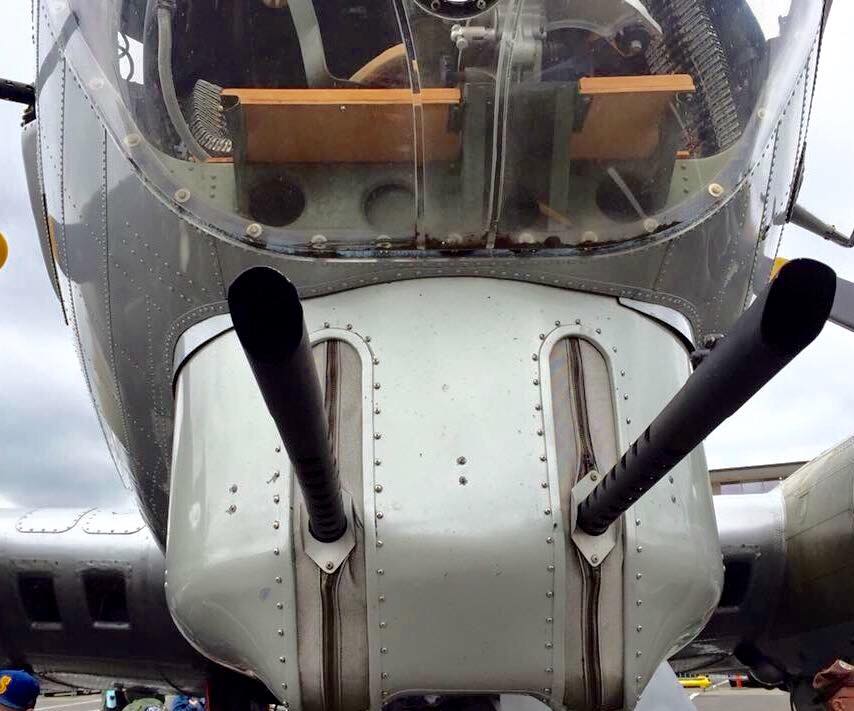
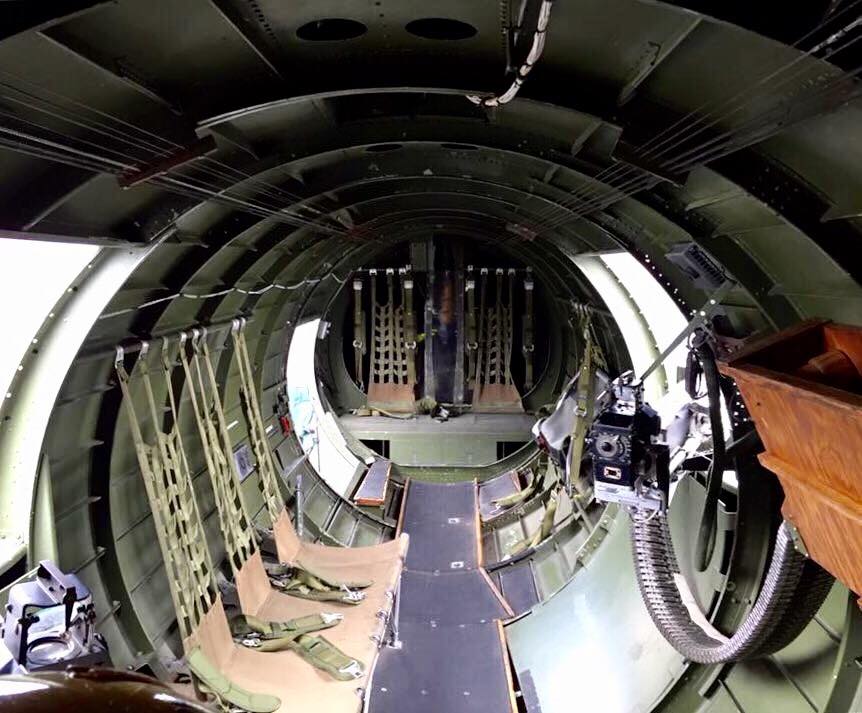
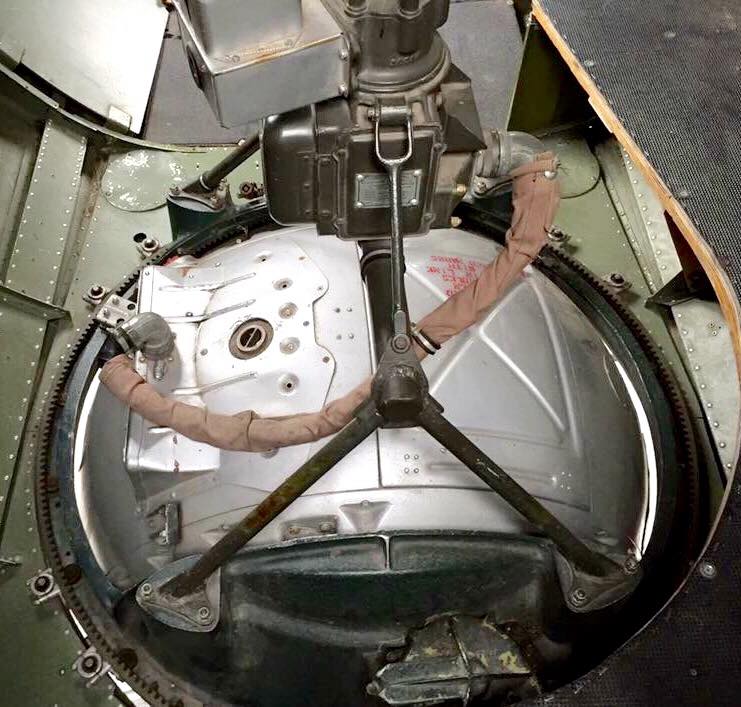
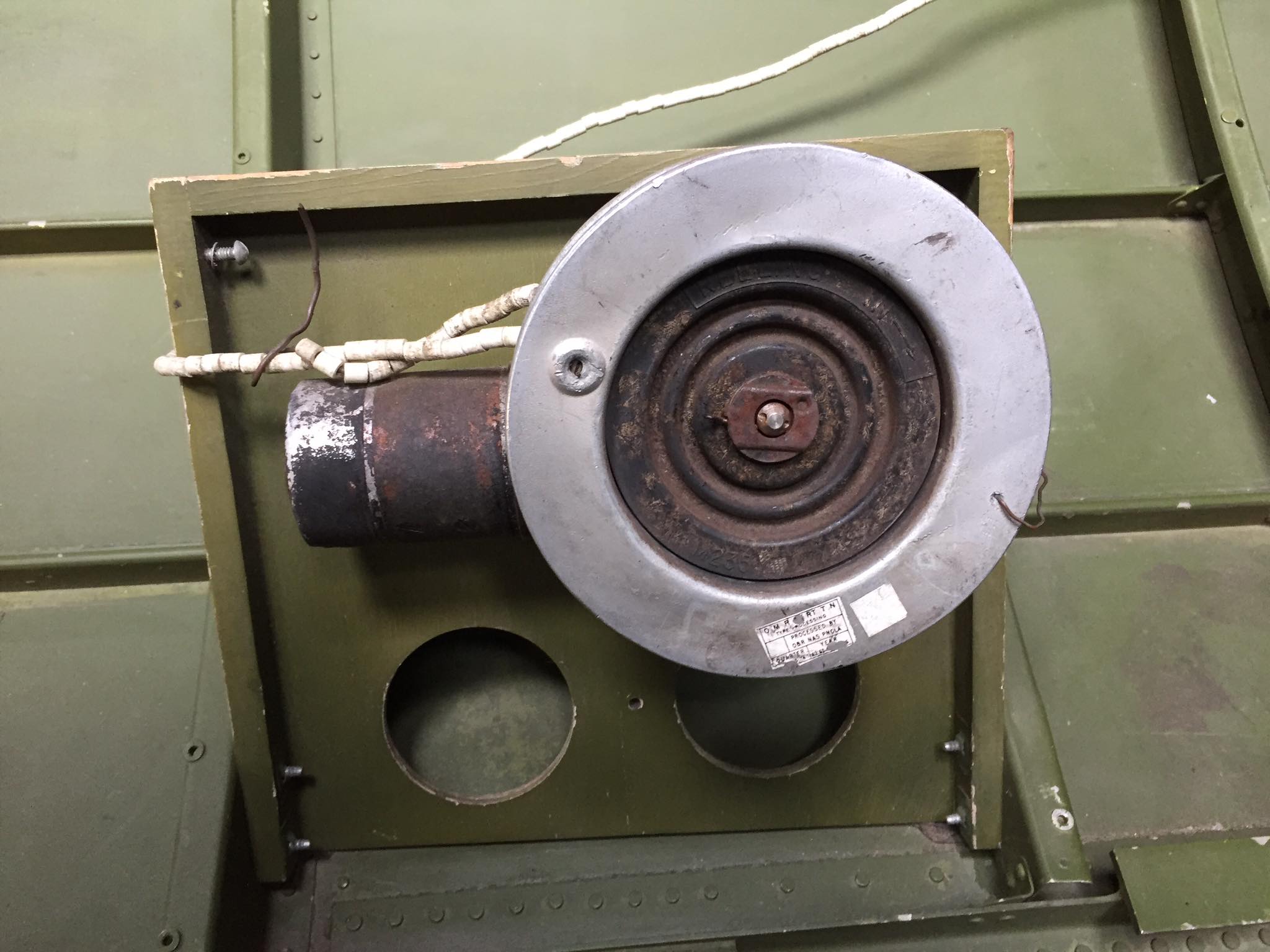
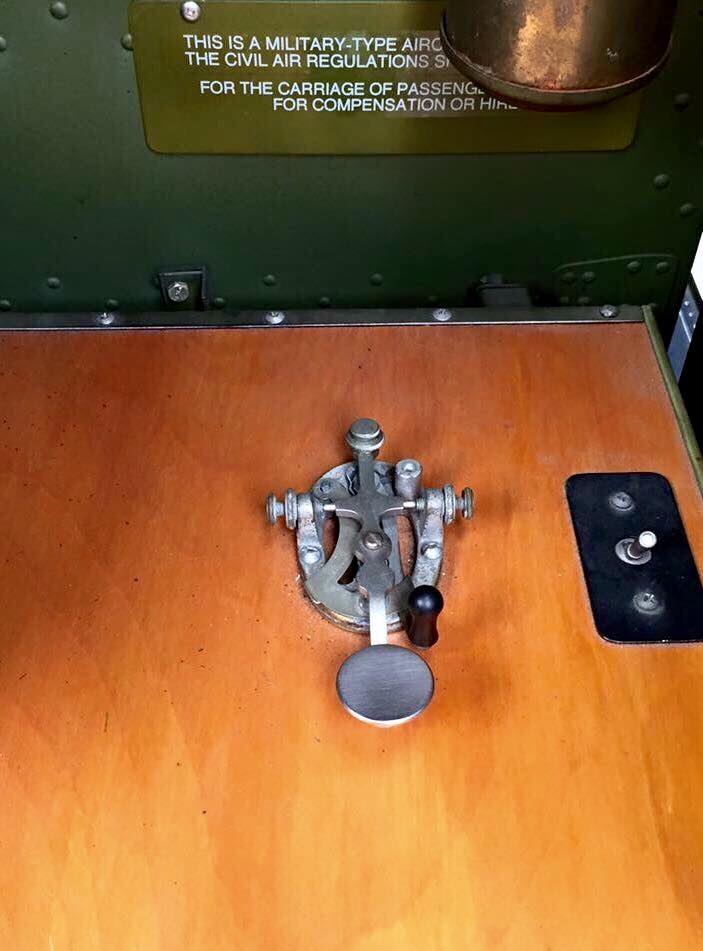
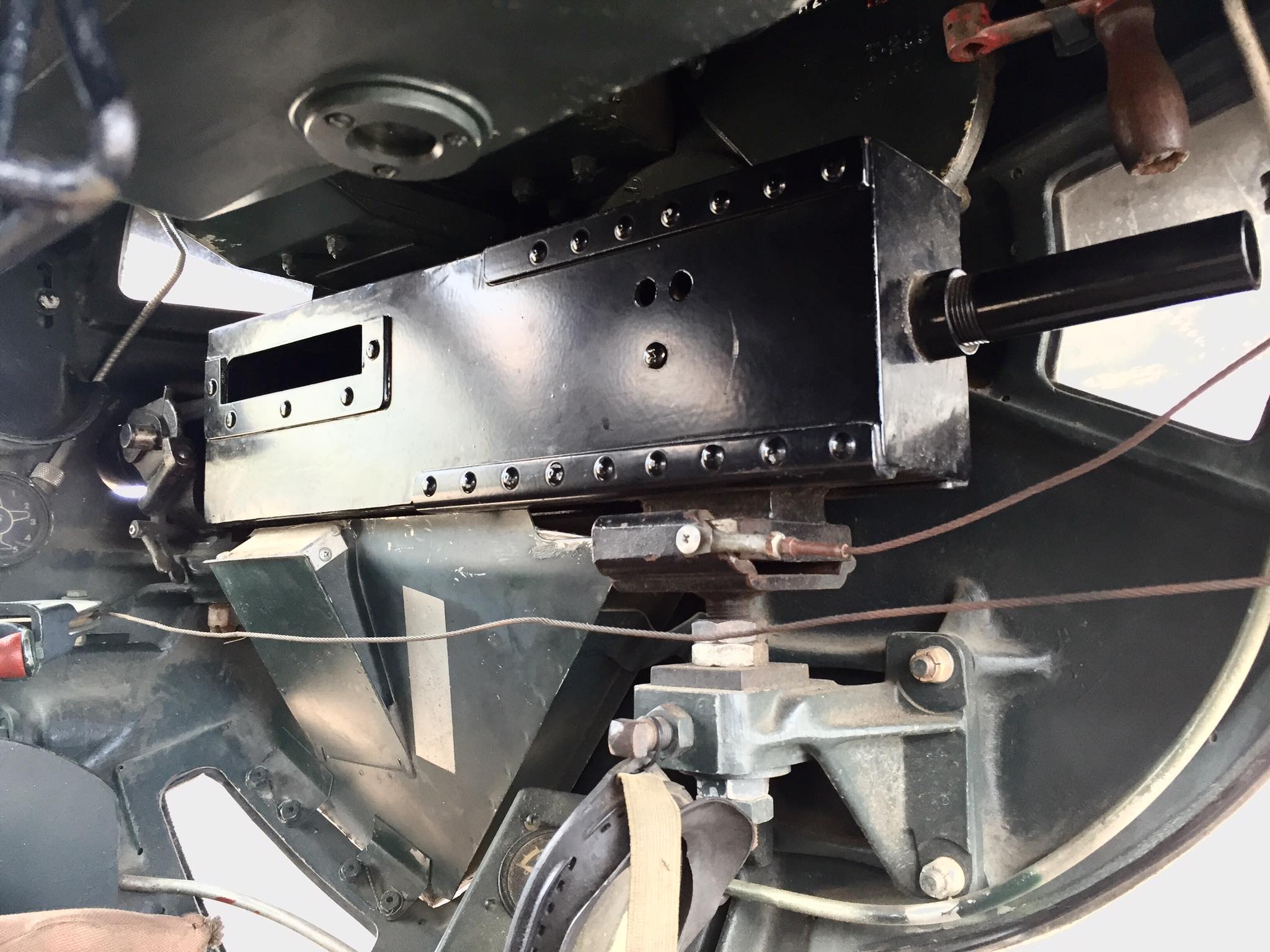
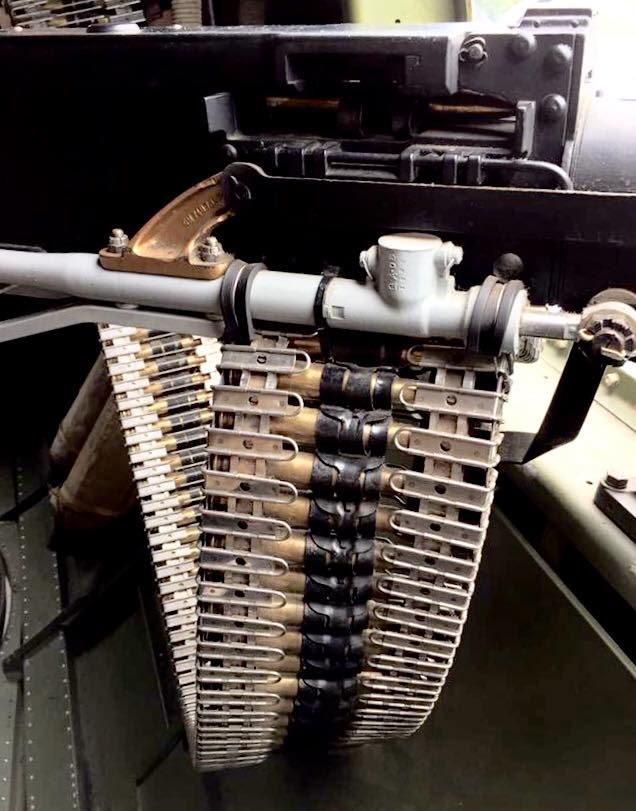
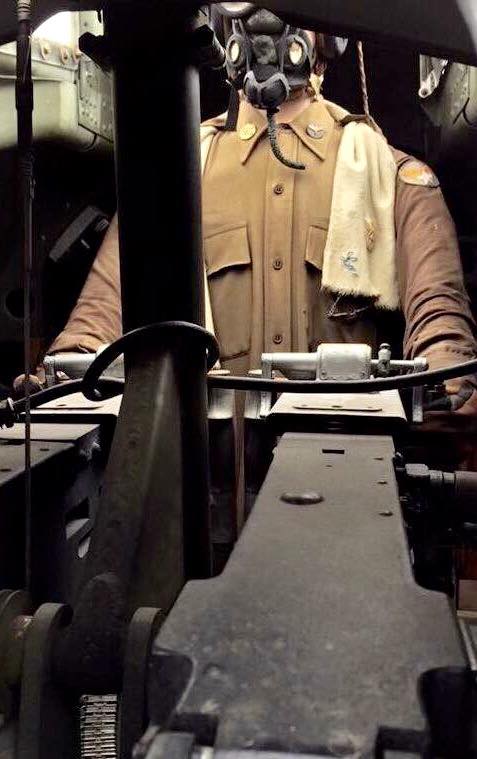
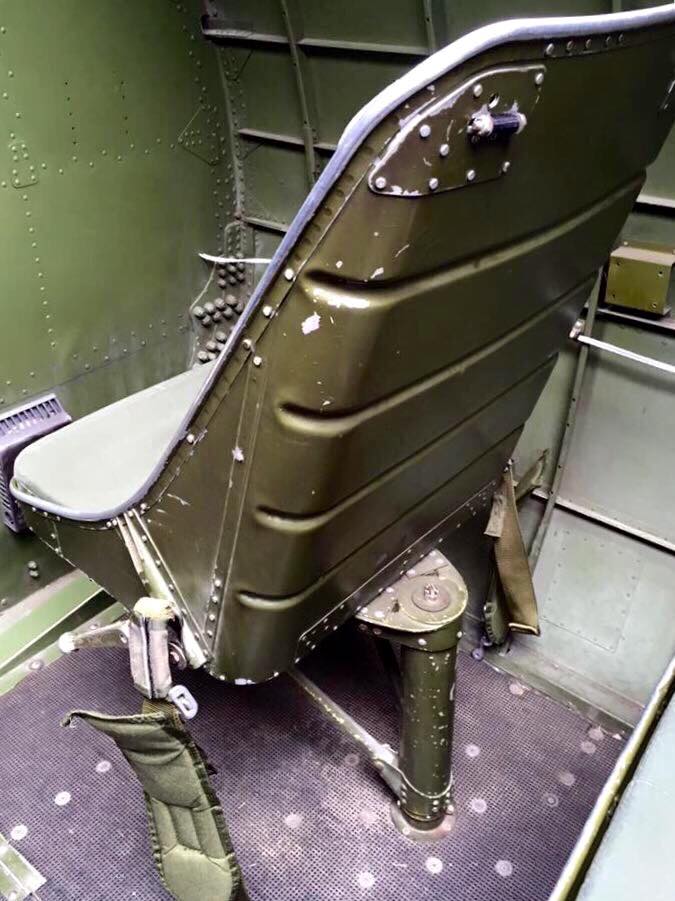
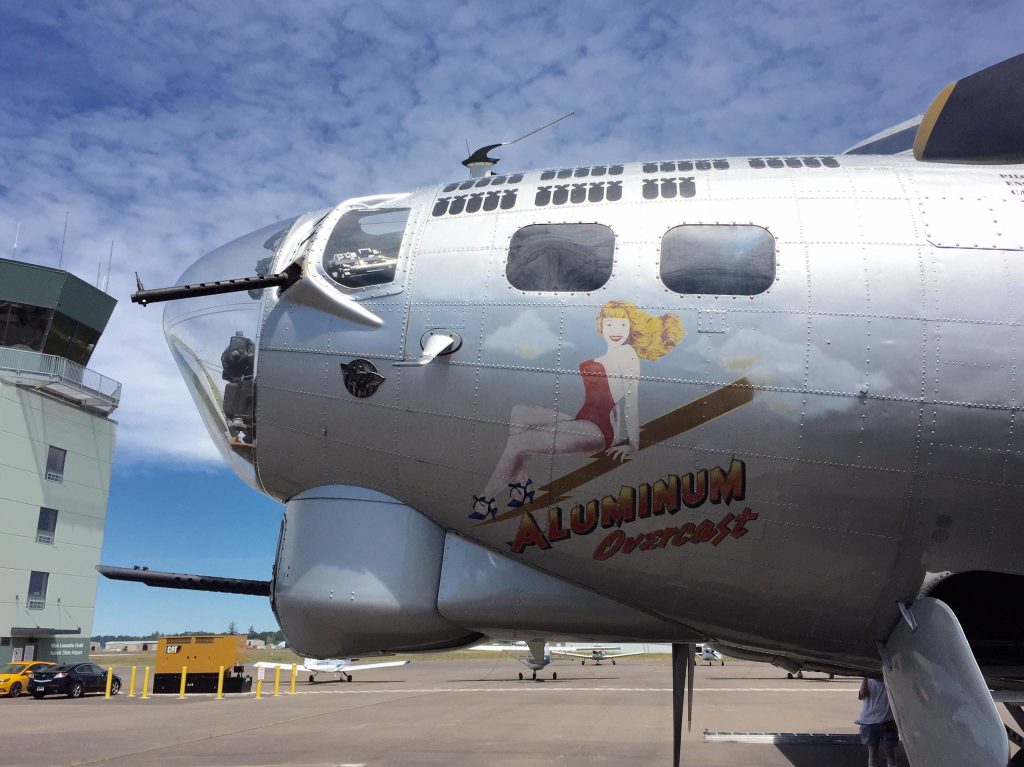
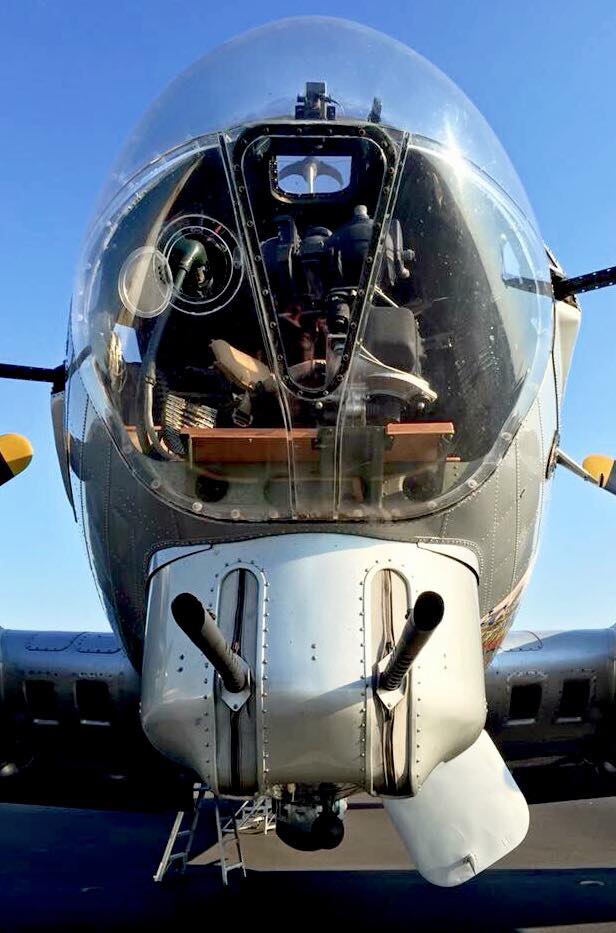
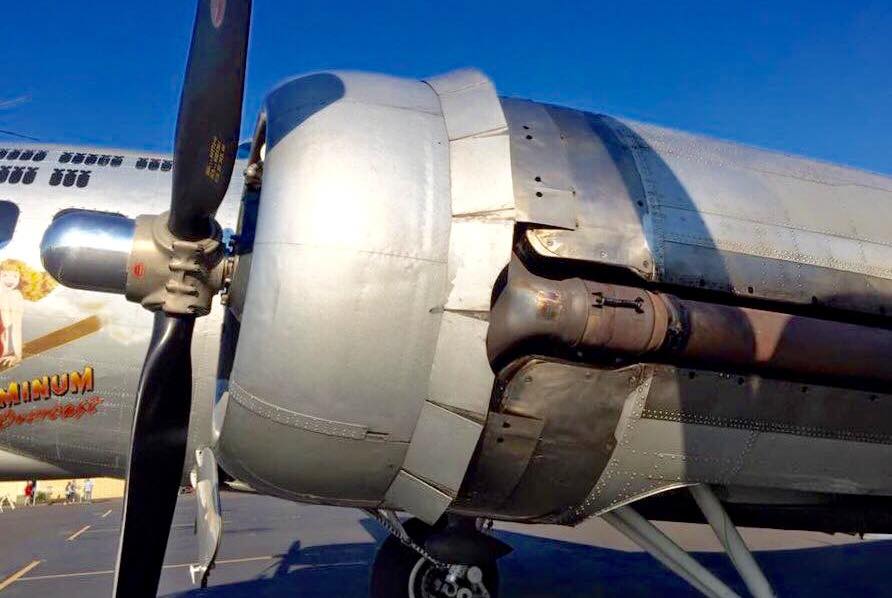
I understand that the “Aluminum Overcast” nose art is in reference to when it was being accompanied by fighters in its shadow. This excellent restoration includes the bombardier/toggler’s yoke and gunsight; Cheyenne tail turret with pumpkin mount (named for the United Air Lines Modification Center in Cheyenne, Wyoming); well-equipped ball turret with K-4 computing sight; swivel-mount seats in the radio room; and trailing antenna wire spool with motor and switch (no mast or avocado weight – I have been told by some restorers that some leave that off out of fear of someone walking into it). My photos and video clips.
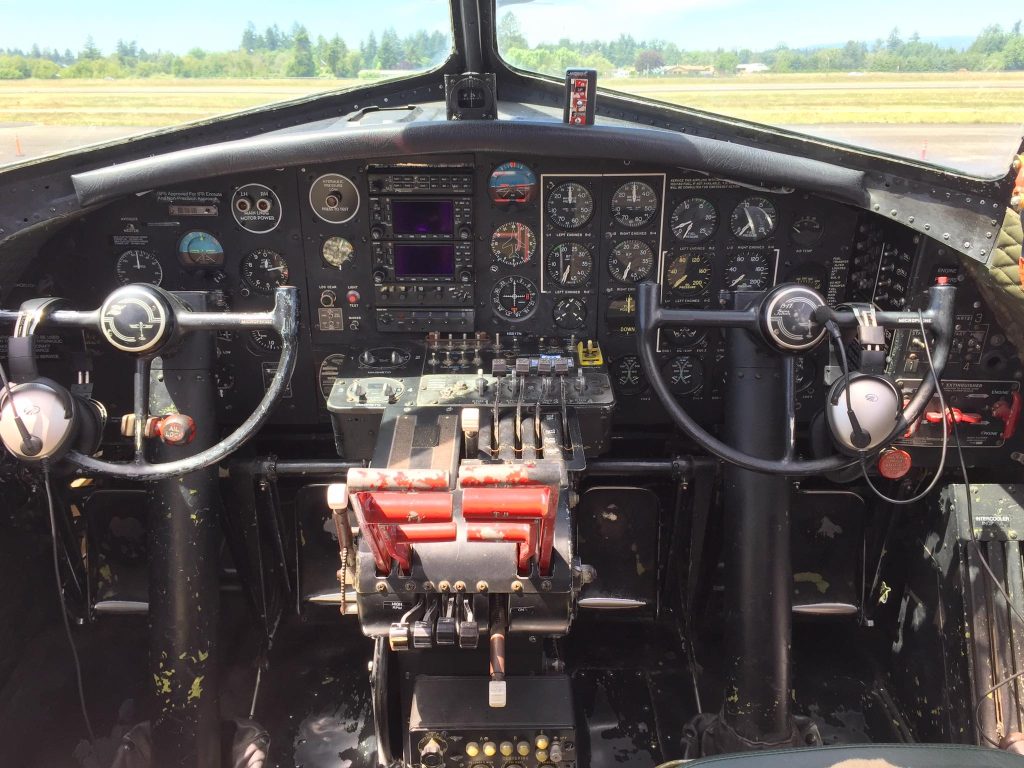
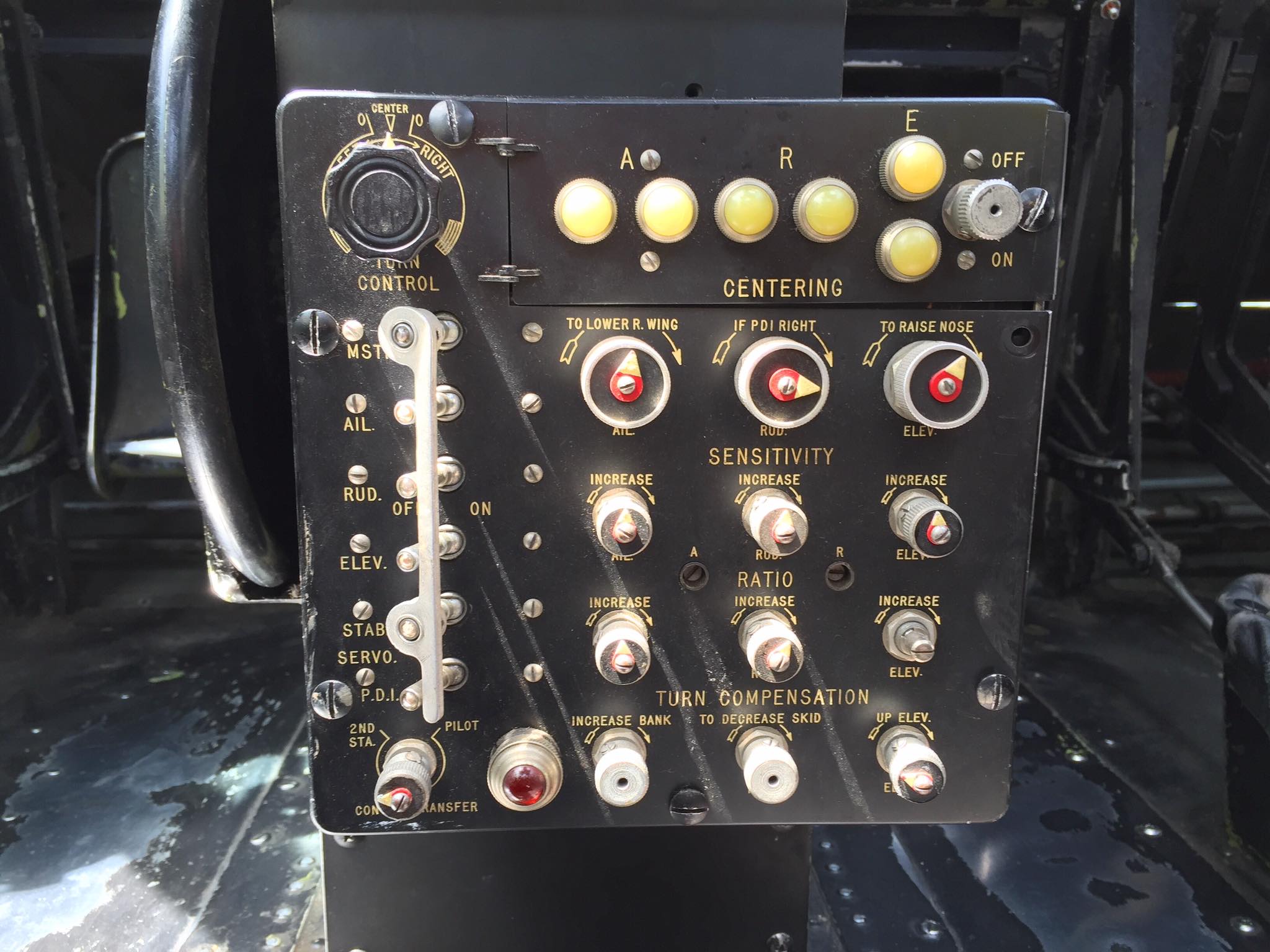
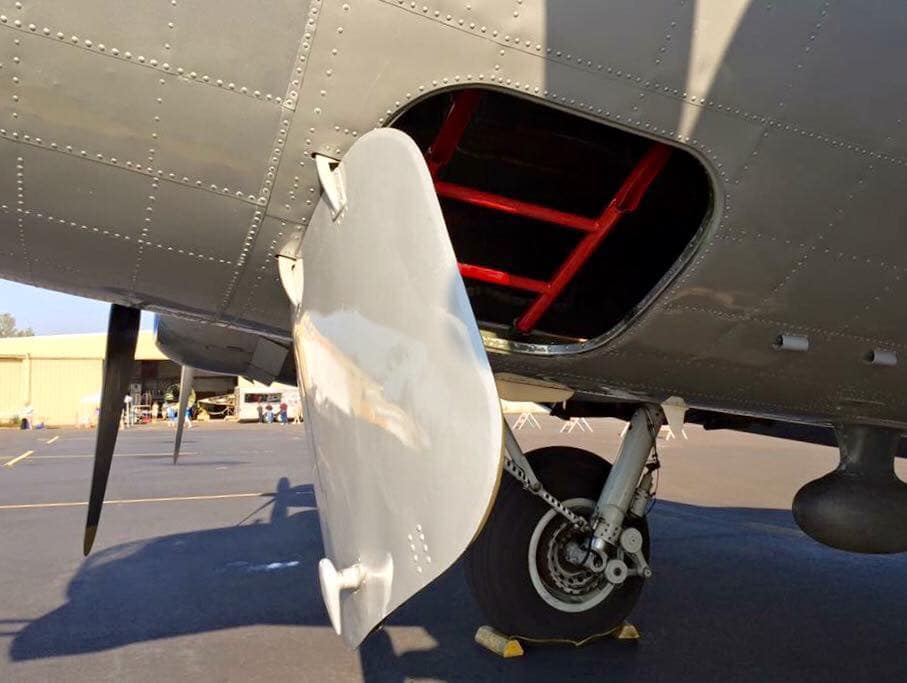
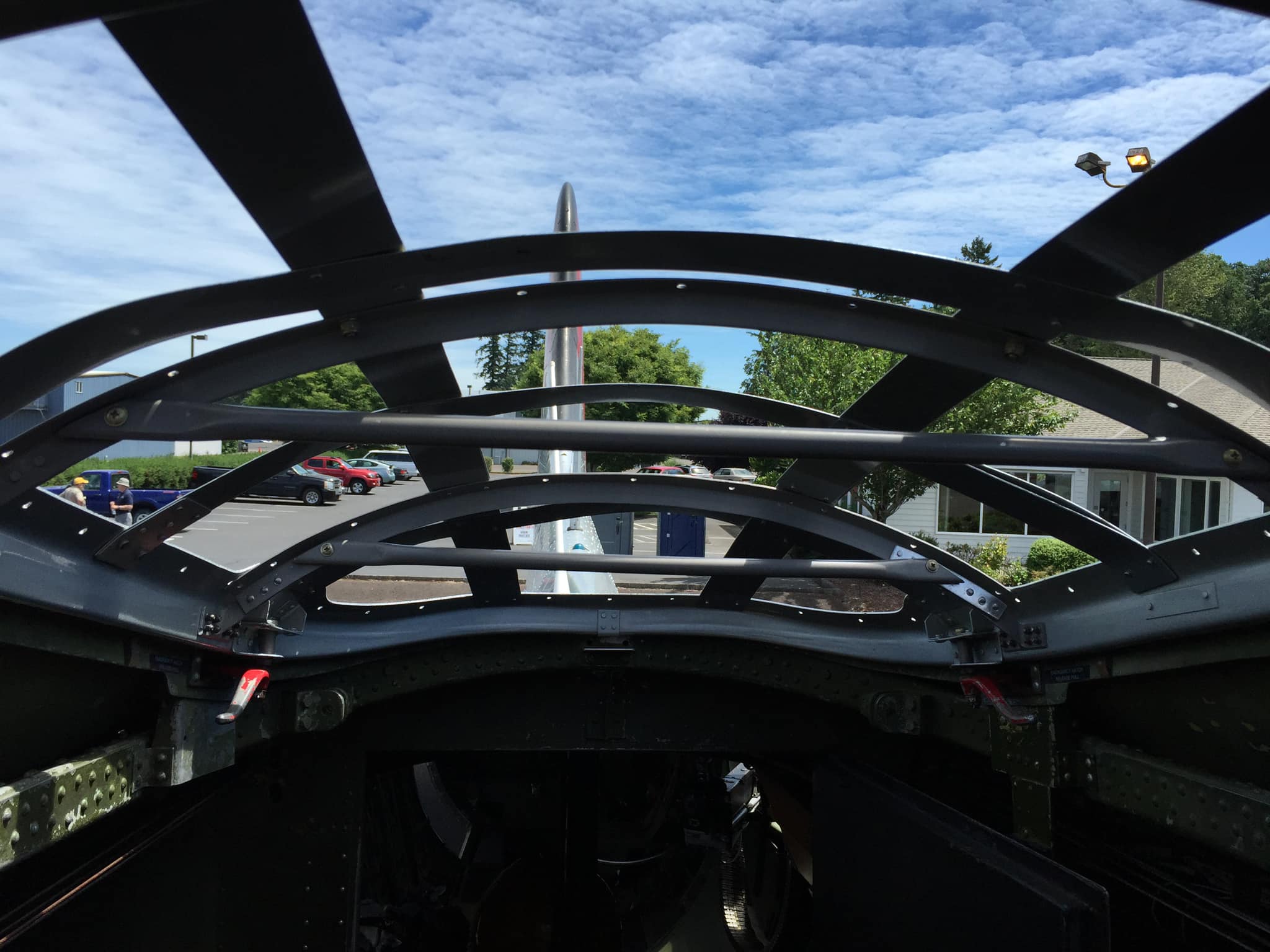
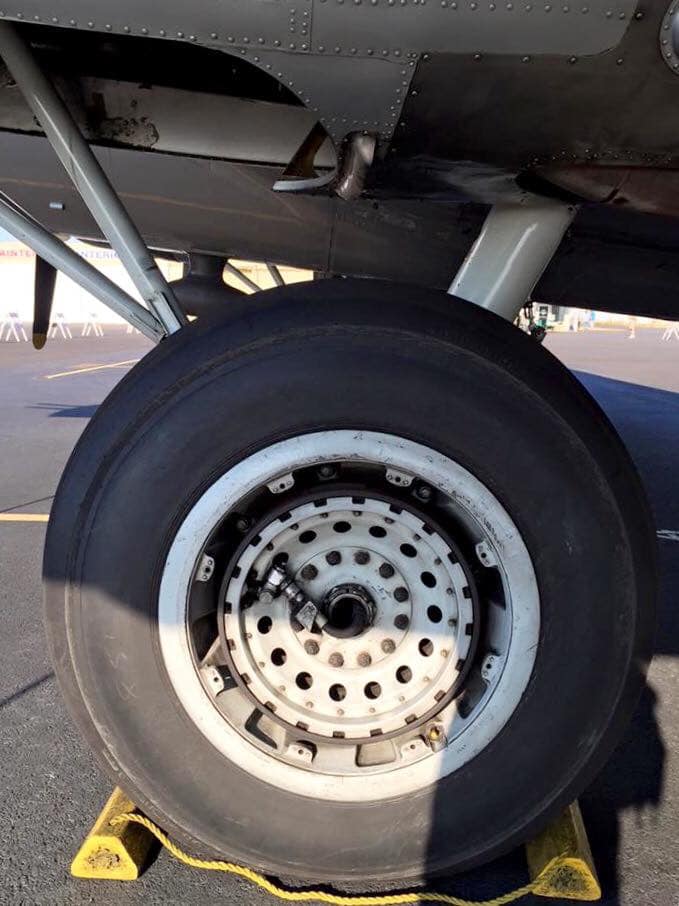
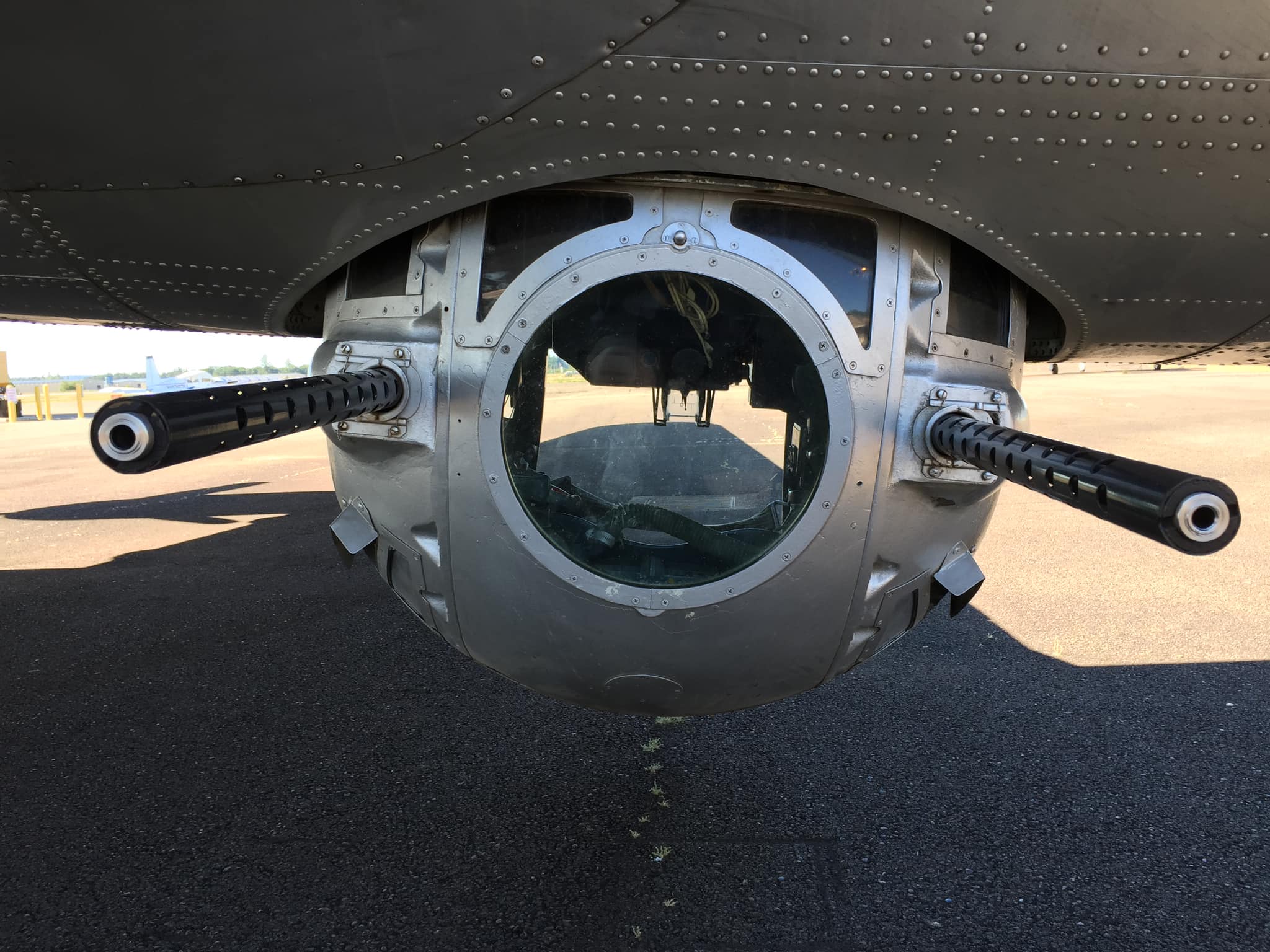
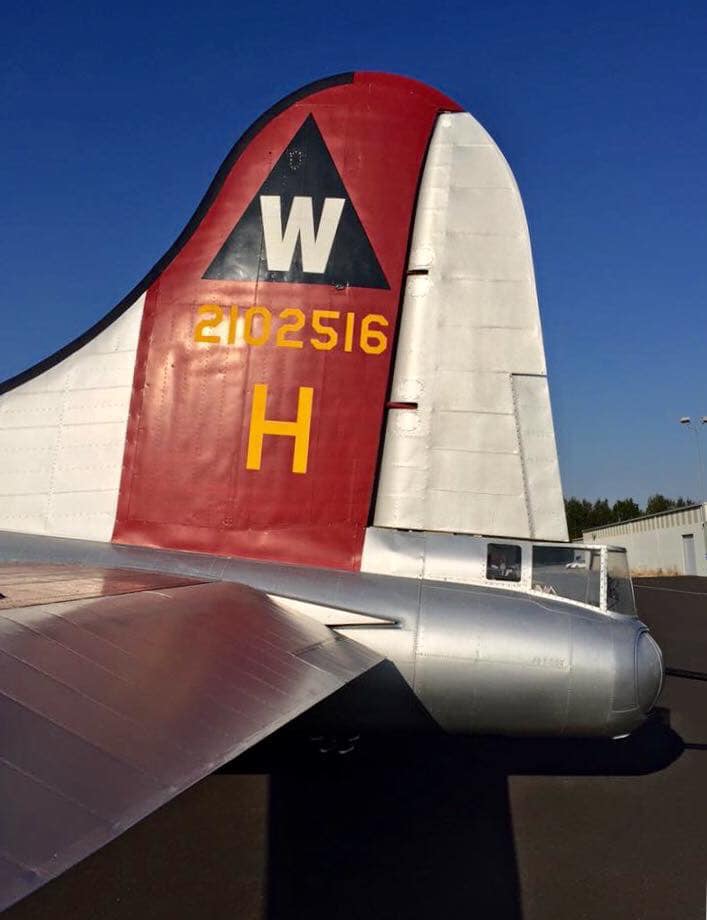
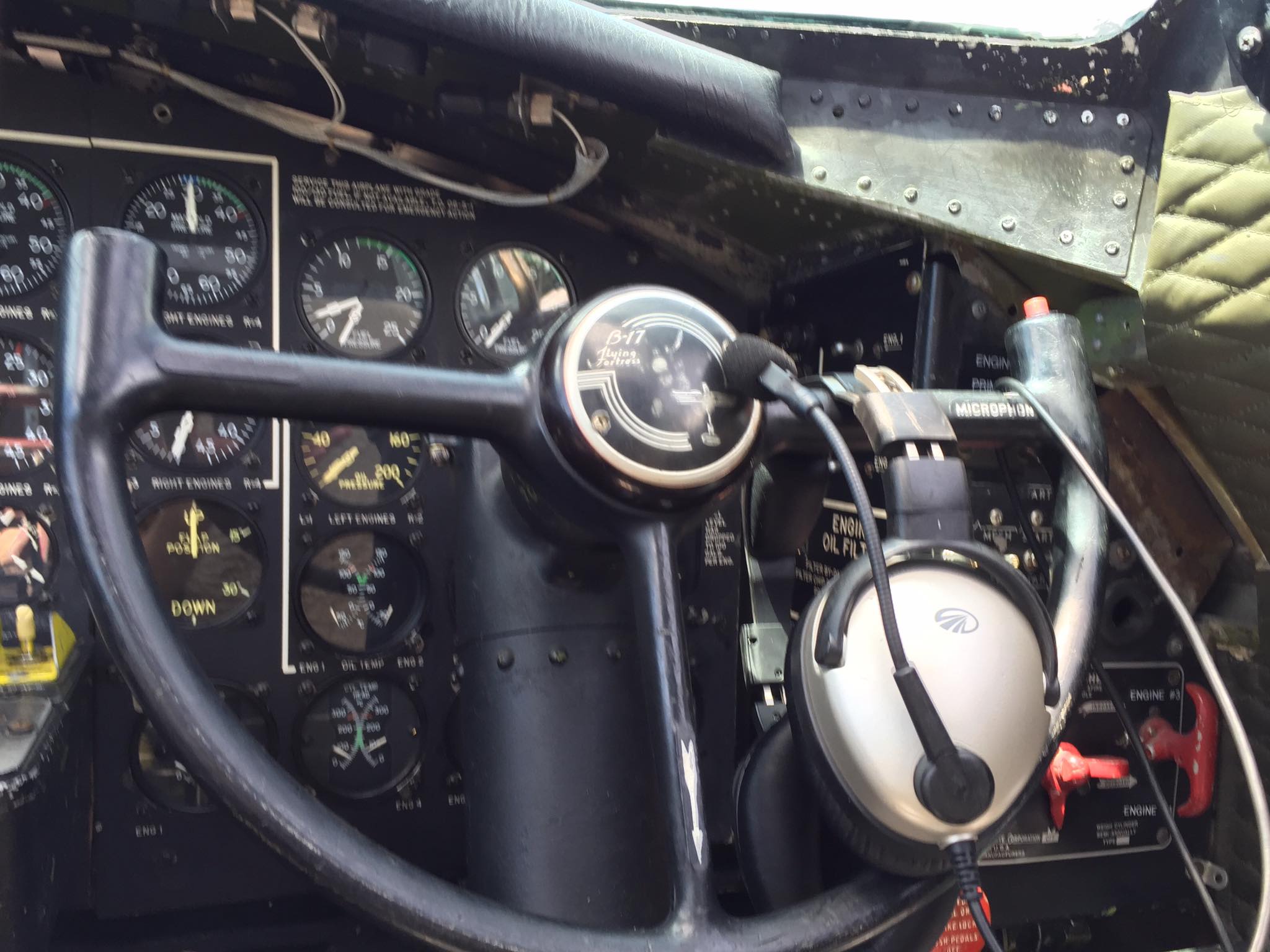
The “Flying Fortress” nickname was coined by Richard L. Williams, a writer and editor for the Seattle Times, when he was assigned to write a caption on a photo of the Model 299, a prototype that was unveiled at Boeing on July 17, 1935. The G variants were generally armed with 13 Browning M2 .50 caliber machine guns: twin-mounted in the Bendix chin mount – operated by the now-known-as bombardier/toggler (since he controlled it with a yoke or joy stick); single-mounts on each cheek; twin-mounted in the top electric Sperry turret; twin-mounted in the lower non-retracting electric Sperry ball turret, single-mounts in the left and right waist positions (by the G model, enclosed in Plexiglas and staggered); and a twin-mount in the Cheyenne tail turret with hand-operated pumpkin mount (Cheyenne being the United Air Lines plant in Cheyenne, Wyoming) – earlier versions had the “Steeplechase” or “Stinger” tail gun with just a ring-and-post sight.
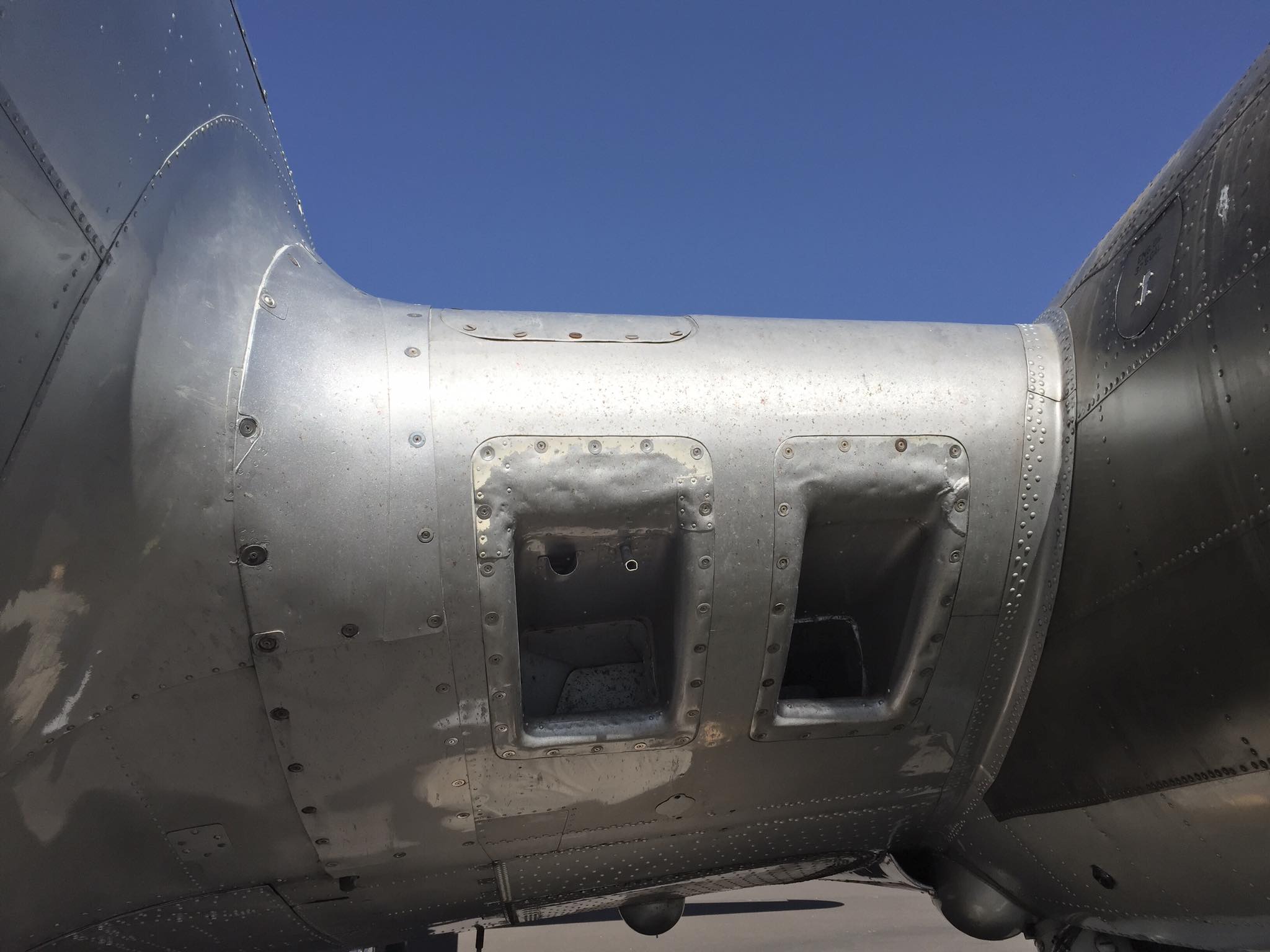
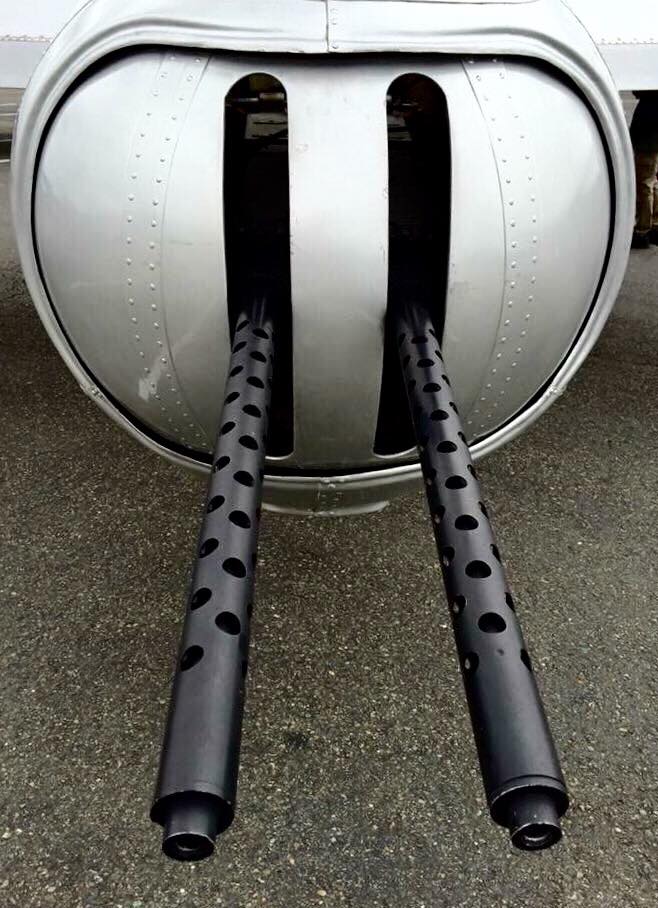
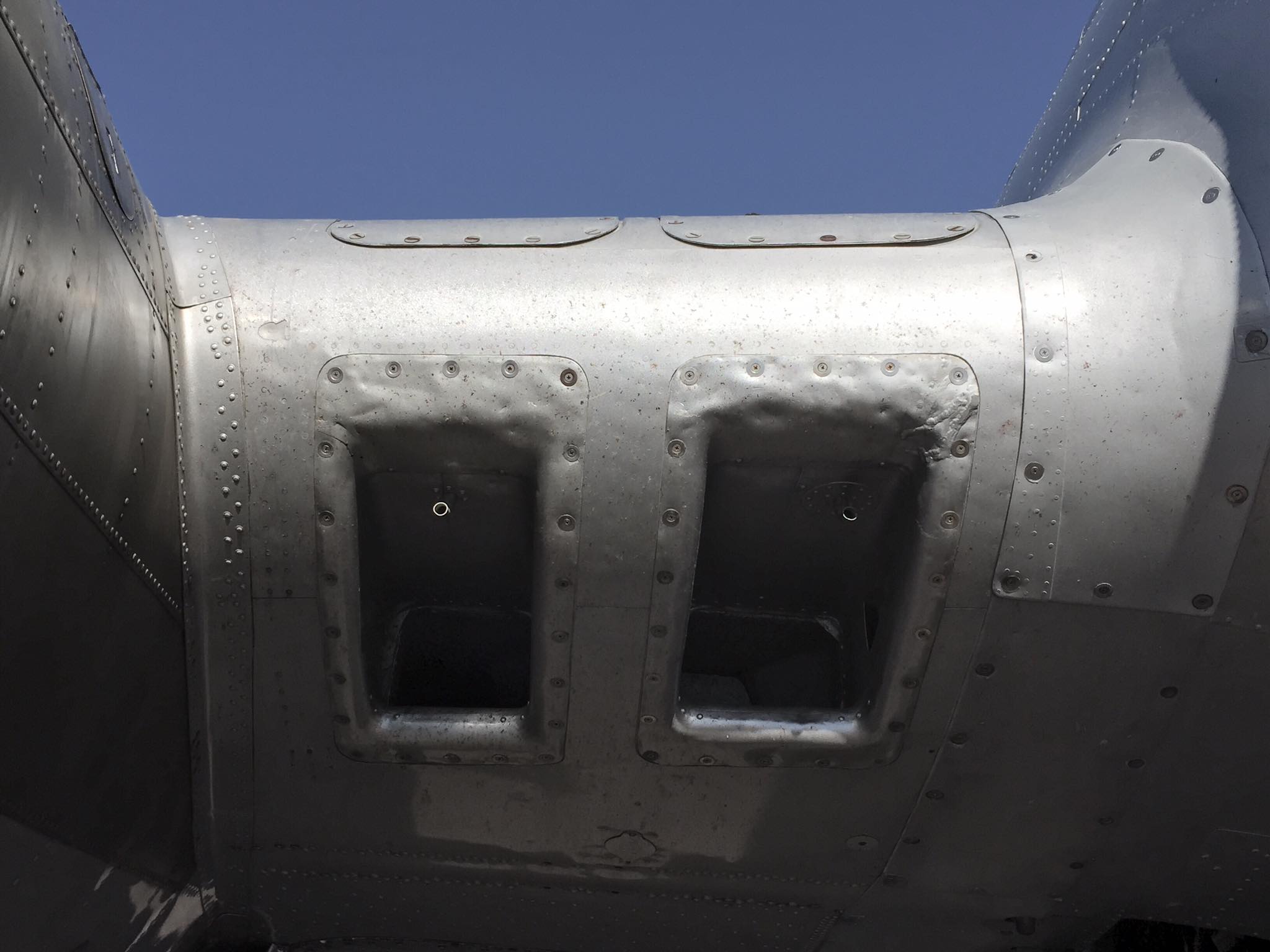
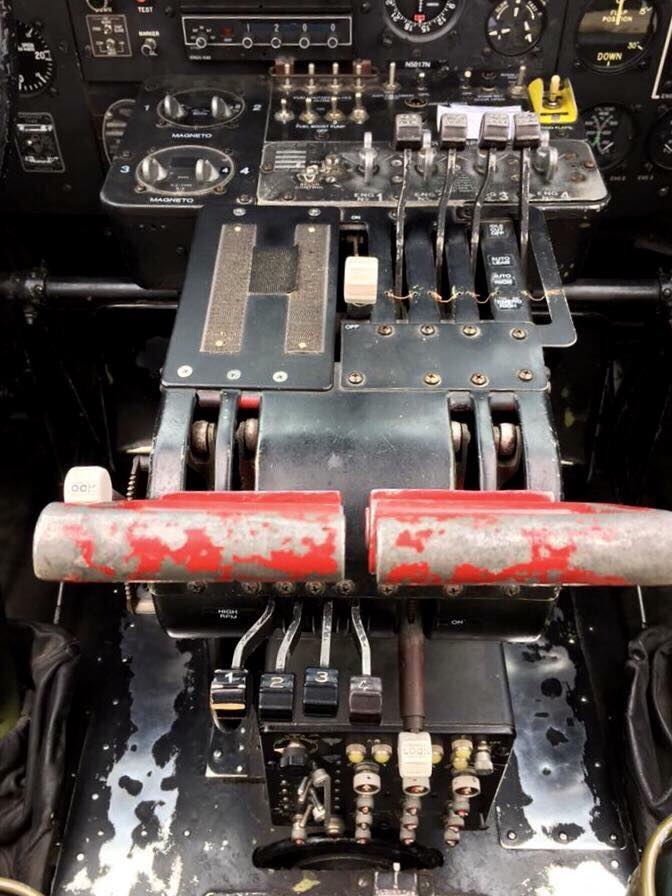
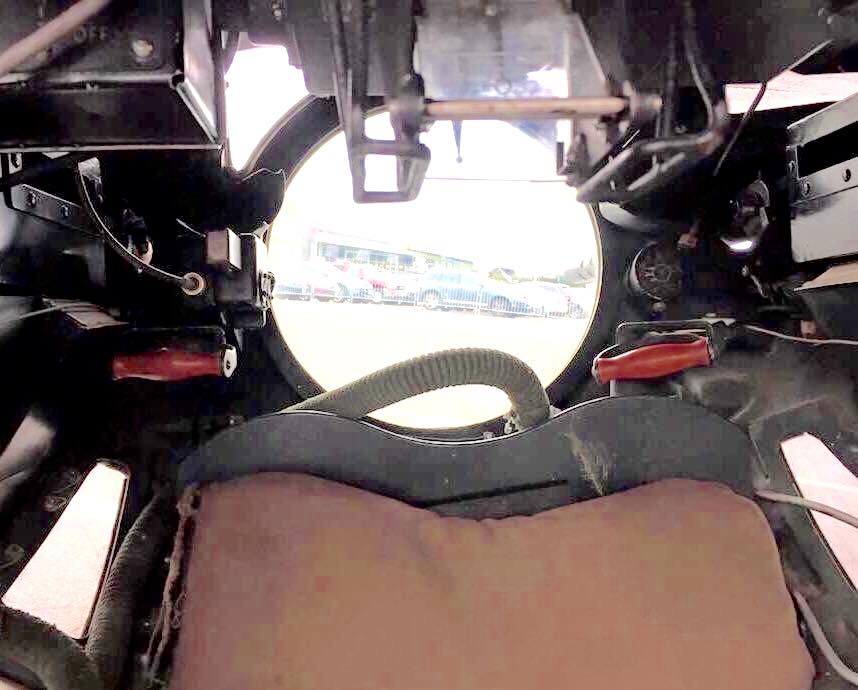
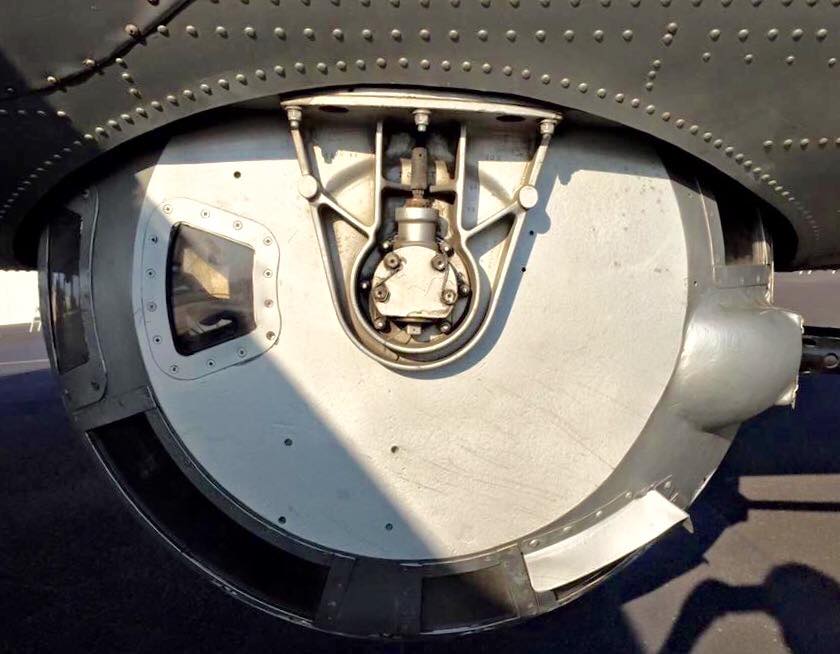
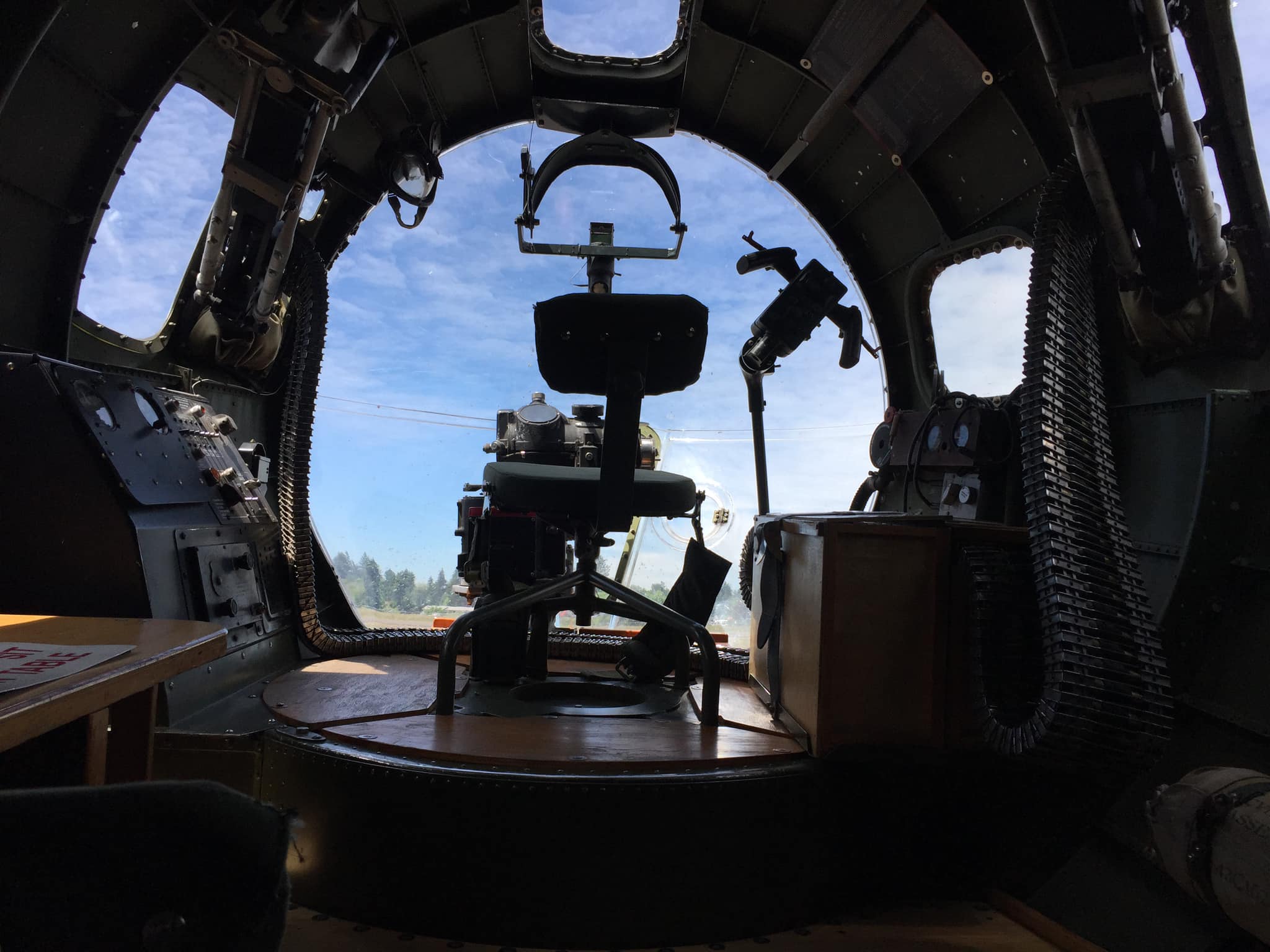
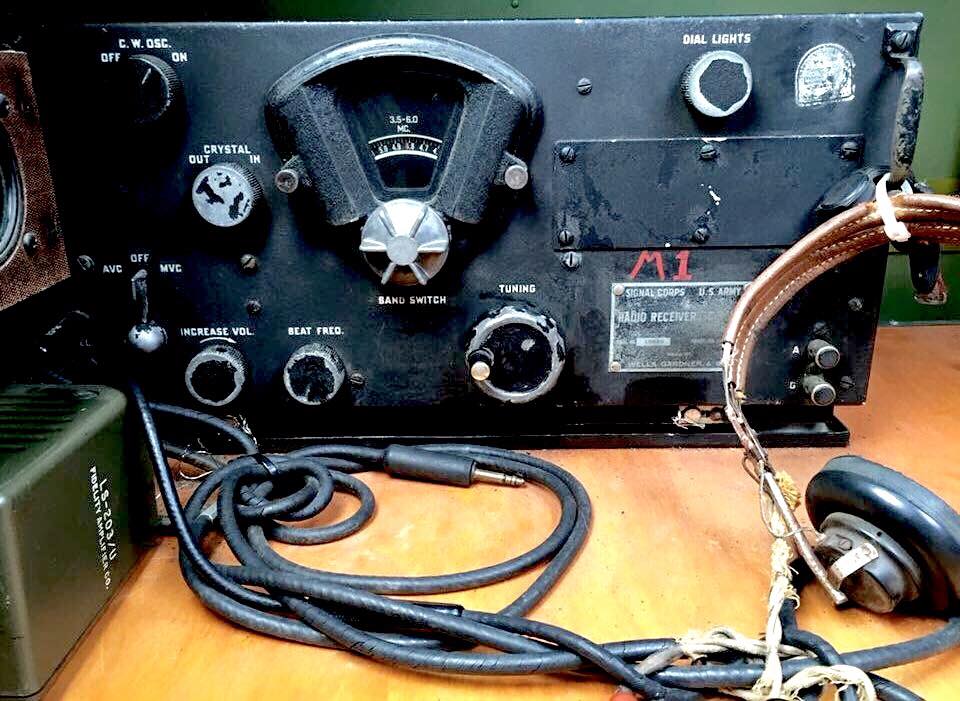
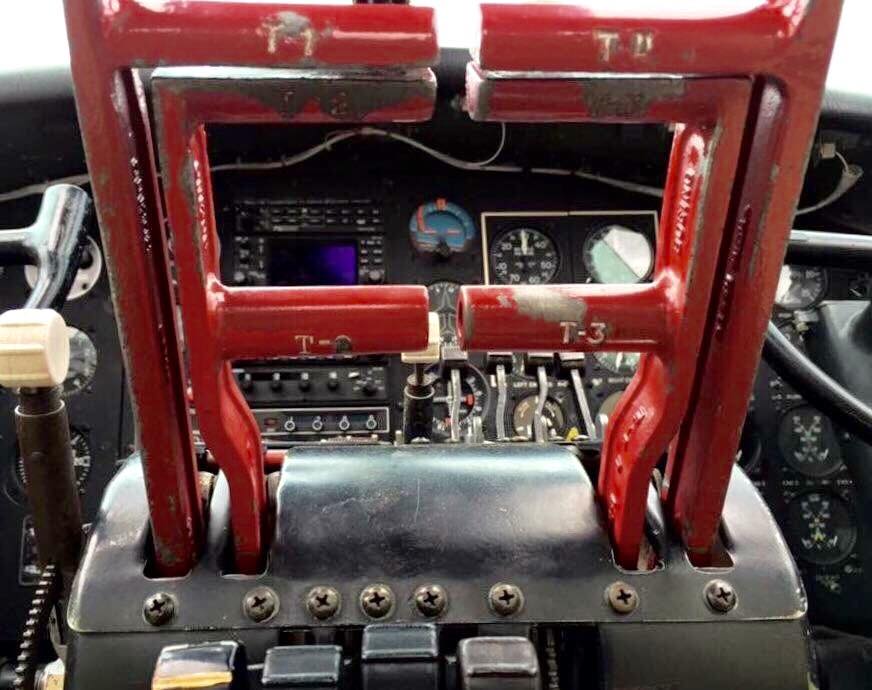
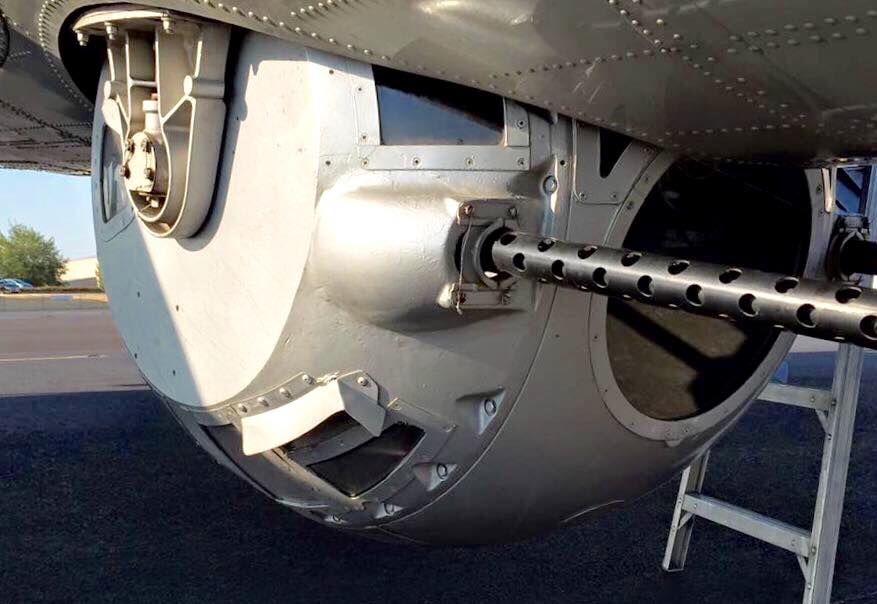
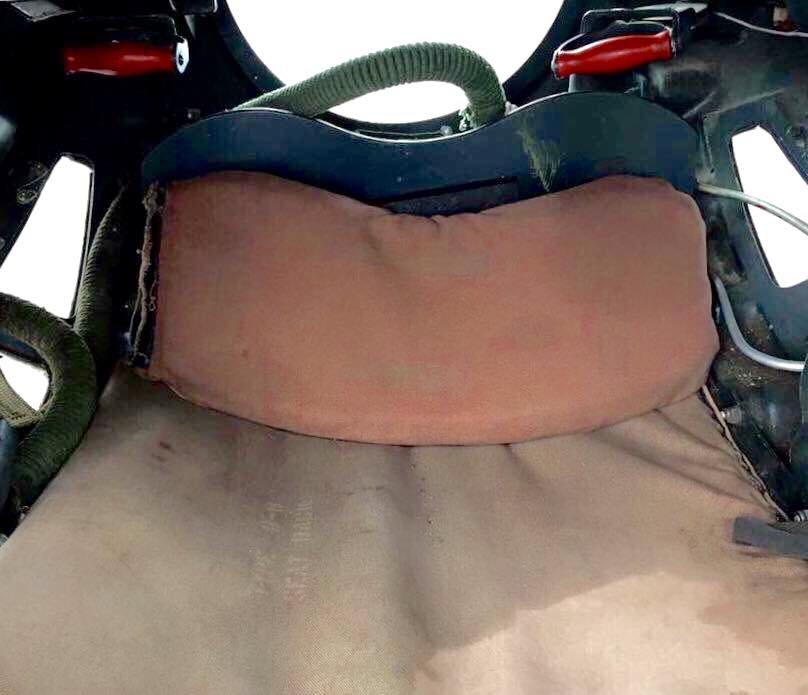
The ball turret gunner has gun charging handles on each side of his head, an intercom button by his left foot, foot pedals to electrically rotate the turret and adjust the azimuth, a hose to connect to his oxygen tank on the turret gimbal, and an emergency hand crank to rotate the turret in the event of a power failure. Statistically, this was not the most deadly position despite some common notions, and not all ball turret gunners were 5’4″. You can see the trailing antenna wire for the liaison transmitter system that was developed for communication between aircraft and the ground and designated the “BC-348-J” by the U.S. Army Signal Corps.
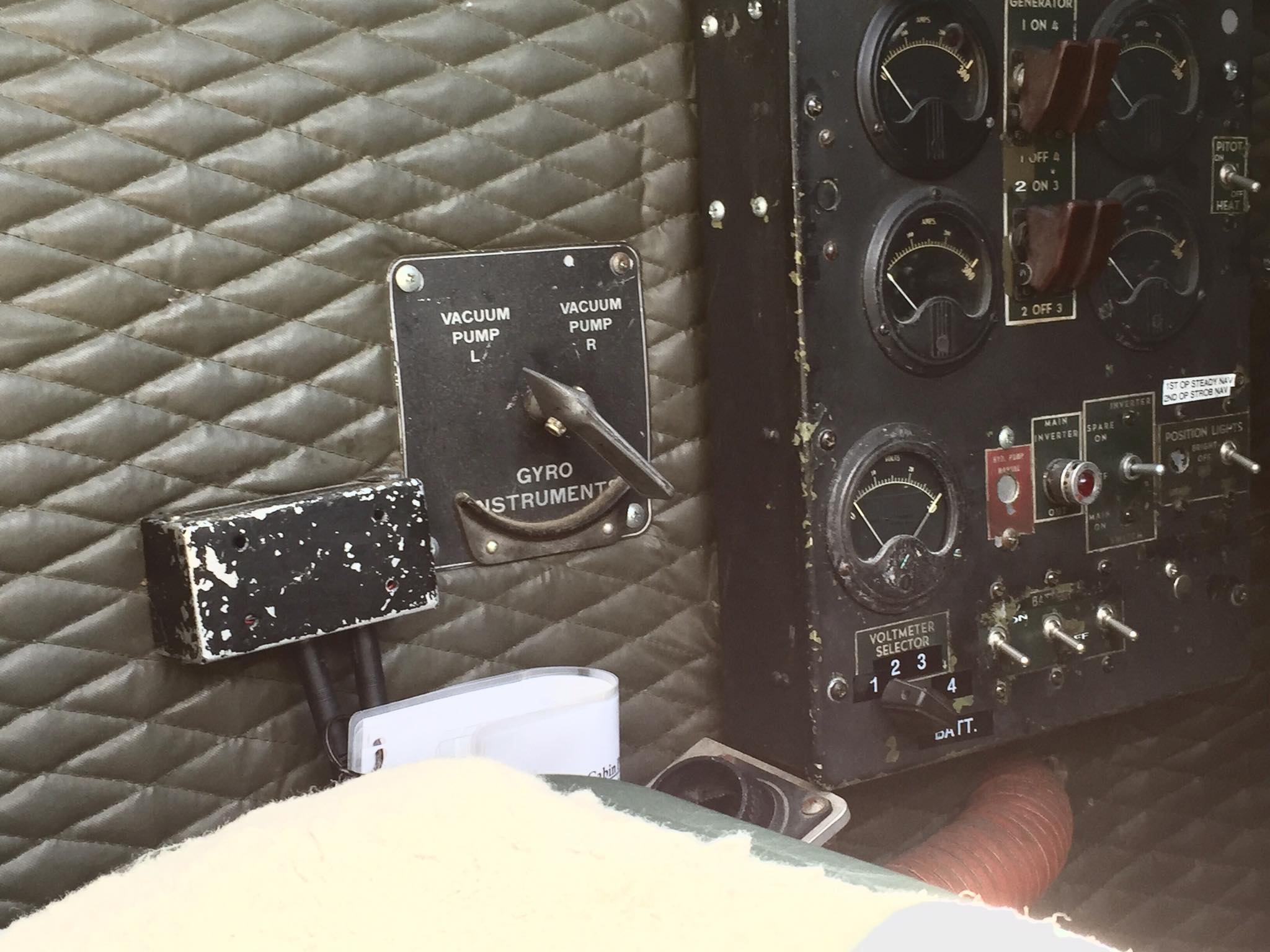
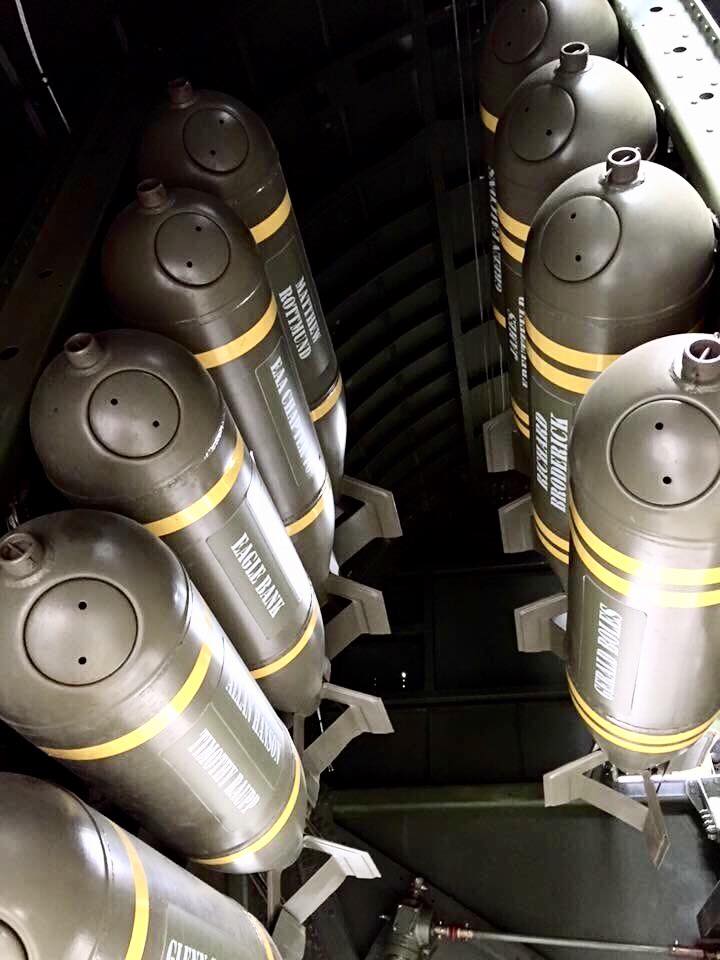
The spool (or reel) for the antenna wire is in the waist, in front of the port waist gunner. It could carry between 4,500 and 8,000 plus bombs depending on the distance to target and type of mission. Electrical power is supplied by a 24-volt DC system which distributes power from four engine-driven generators and from three storage batteries in the leading edges of the wing just outboard of the fuselage.
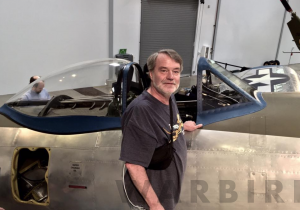 About the author: Randy Malmstrom grew up in a family steeped in aviation culture. His father, Bob, was still a cadet in training with the USAAF at the end of WWII but did serve in Germany during the U.S. occupation in the immediate post-war period, where he had the opportunity to fly a wide variety of types that flew in WWII. After returning to the States, Bob became a multi-engine aircraft sales manager and, as such, flew a wide variety of aircraft; Randy frequently accompanied him on these flights. Furthermore, Randy’s cousin, Einar Axel Malmstrom, flew P-47 Thunderbolts with the 356th FG from RAF Martlesham Heath. He was commanding this unit at the time he was shot down over France on April 24th, 1944, and spent the rest of the war as a prisoner of war. Following his repatriation at war’s end, Einar continued his military service, attaining the rank of Colonel. He was serving as Deputy Wing Commander of the 407th Strategic Fighter Wing at Great Falls AFB, MT, at the time of his death in a T-33 training accident on August 21, 1954. The base was renamed in his honor in October 1955 and continues to serve in the present USAF as home to the 341st Missile Wing. Randy’s innate interest in history in general, and aviation history in particular, plus his educational background and passion for WWII warbirds, led him down his current path of capturing detailed aircraft walk-around photos and in-depth airframe histories, recording a precise description of a particular aircraft in all aspects.







https://youtu.be/gSkrfWWKS8E?is=wpJkG_TADErqu-xx
Admired this B-17 at LVIA (ABE) while working with the FAA a few years ago. I didn’t realize it’s connection with Malmstrom AFB, my first duty assignment USAF. It’s a small world
This is another airworthy B-17 that I’ve seen here in Nebraska.
I worked on this aircraft in Virginia.