
(Image credit: VAN)
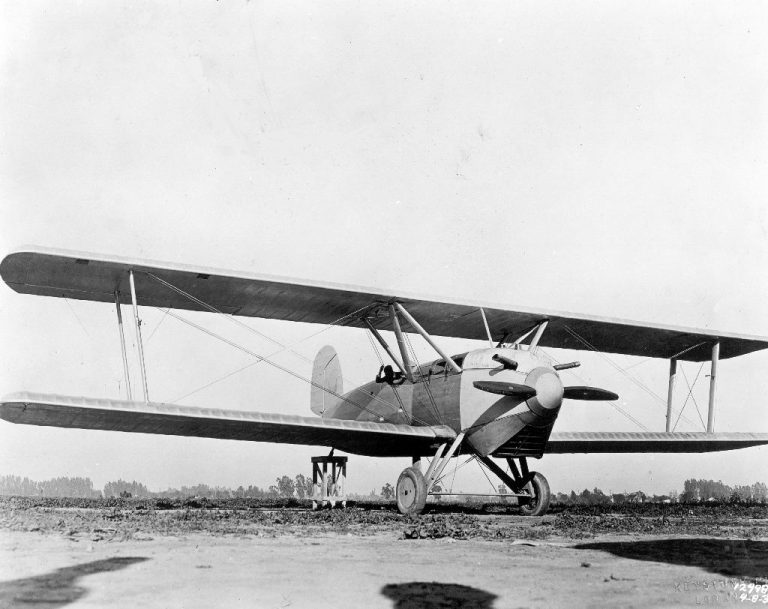
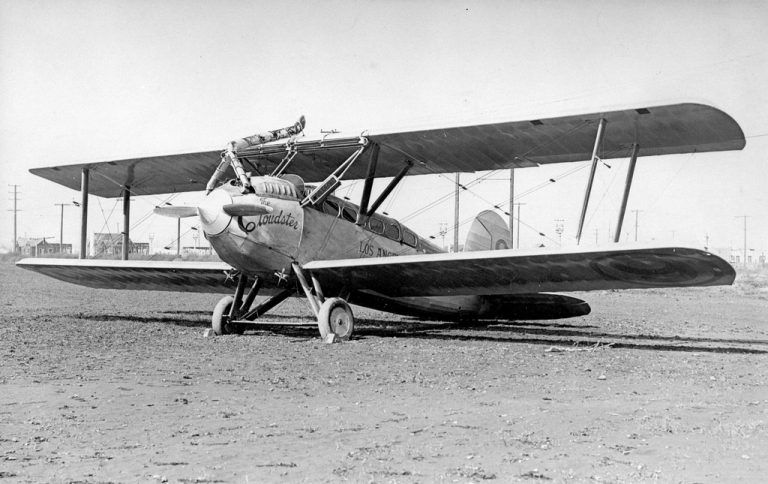
On this day in aviation history, 105 years ago (February 24, 1921), the Douglas Cloudster flew for the first time. The Cloudster was a biplane designed and built by the American-based Davis-Douglas Company. Developed with the intention of making the first non-stop flight coast-to-coast across the United States, the Cloudster proved to be the first airplane capable of lifting a useful load that exceeded its own weight.
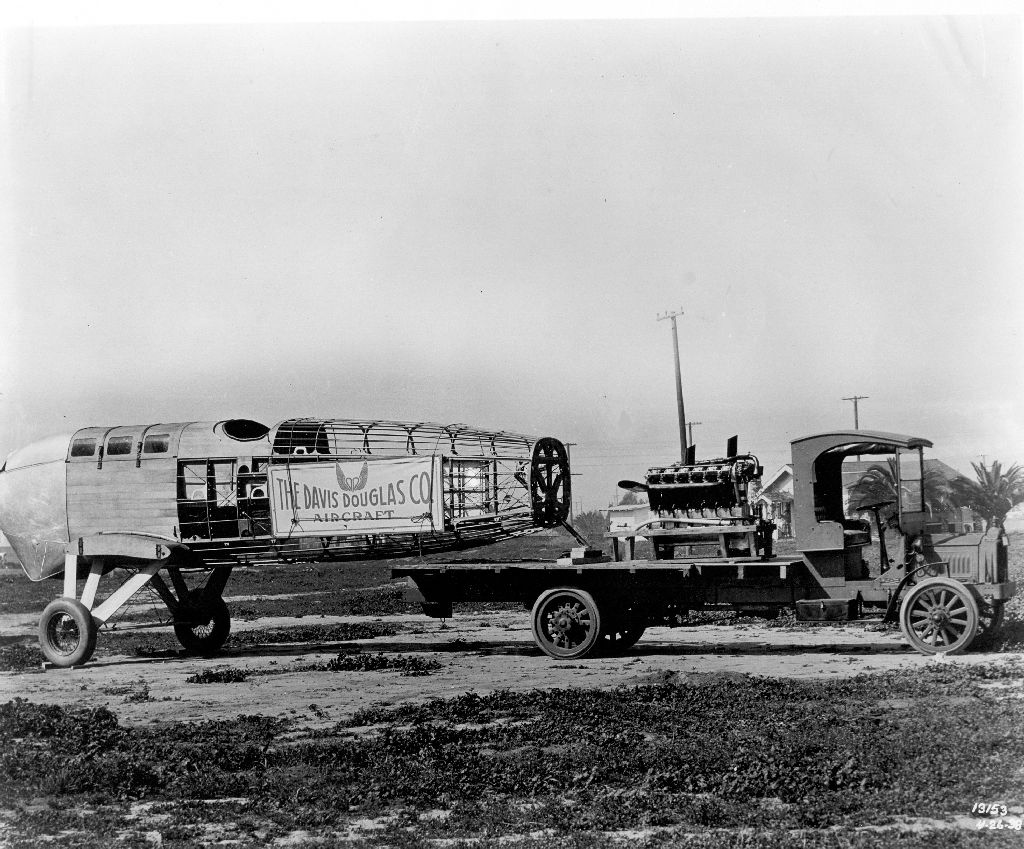
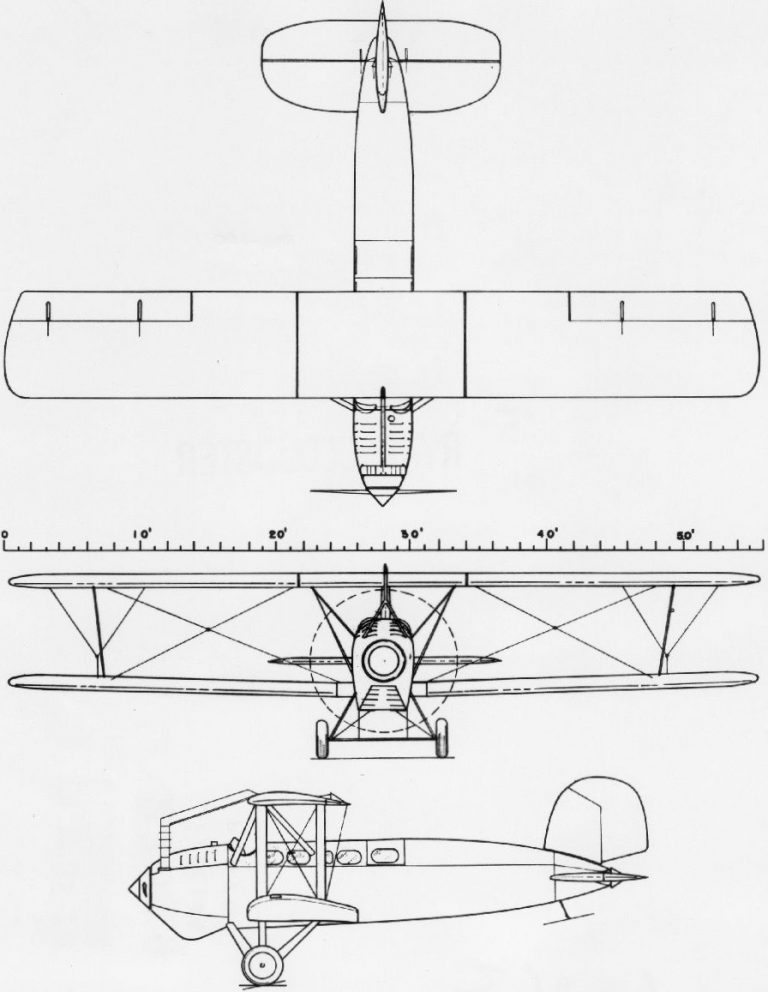
Davis-Douglas was founded in 1920 with the main purpose of designing an aircraft that could make a transcontinental flight spanning the United States. American aircraft industrialist and engineer Donald Douglas entered the joint venture with funding from investor David Davis, hence the name Davis-Douglas. The company’s resulting aircraft, the Cloudster, was an equal-wingspan (upper/lower) biplane of wooden construction. The airframe was mostly covered with fabric, with the exception of the forward fuselage, which was covered in sheet metal.
On March 19, 1921, the Davis-Douglas Cloudster would break the Pacific Coast altitude record by climbing to 19,160 feet. In June of 1921, the coast-to-coast flight spanning the US was attempted. Unfortunately, the aircraft suffered an engine failure on June 27, forcing a landing in Fort Bliss, Texas. The Cloudster was sold and used for sightseeing flights. At one point, Ryan’s San Diego–to–Los Angeles airline operated the aircraft, which was modified to hold ten passengers in an enclosed cabin. This was one of the first scheduled passenger lines in the country. The Cloudster was sold again and changed hands a few times, only to be lost to another engine failure off the coast of Ensenada, Baja California, in December of 1926. The aircraft was unrepairable, and its time came to an end.
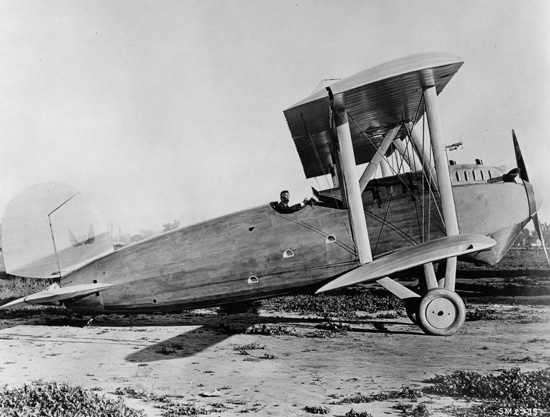
The Davis-Douglas Cloudster had a gross weight of 9,600 pounds and a fuel capacity of 660 US Gallons. The aircraft was powered by a 400-horsepower Liberty L-12 V-12 water-cooled engine. The Cloudster could attain a maximum airspeed of 120 mph, though cruise was typically around 85 mph. A ferry range of 2,400 nautical miles and endurance of 33 hours meant the Cloudster could handle long cross-country flights, such as the attempted coast-to-coast US mission. The failure of the coast-to-coast flight caused David Davis to lose interest in the joint venture, freeing Donald Douglas to eventually establish the Douglas Aircraft Company.