
(Image credit: VAN)
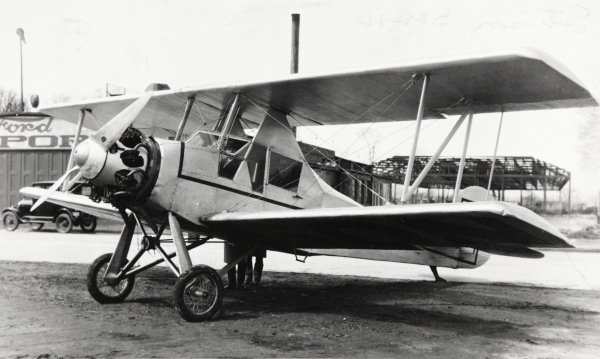
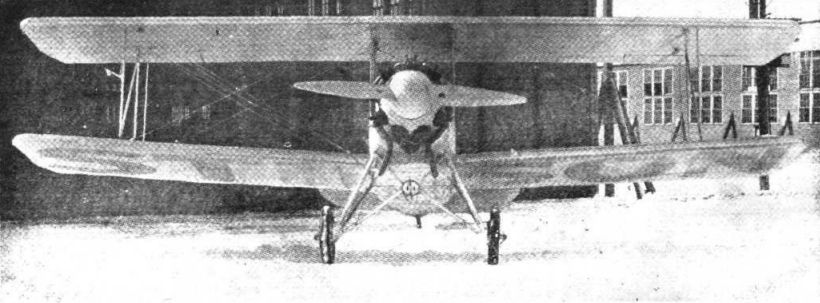
On this day in aviation history, 100 years ago (January 25, 1926), the Stinson Detroiter flew for the first time. The Detroiter was a dual-purpose aircraft that was built by the Stinson Aircraft Syndicate to fill needs in both the airline and freight industries. The first design of the aircraft was a biplane named the SB-1, which featured a heated four-seat cabin, brakes, and an electric engine starter. This biplane Detroiter variant, powered by a 220-horsepower Wright J-5 Whirlwind radial engine, was the first to fly on 1/25/26.
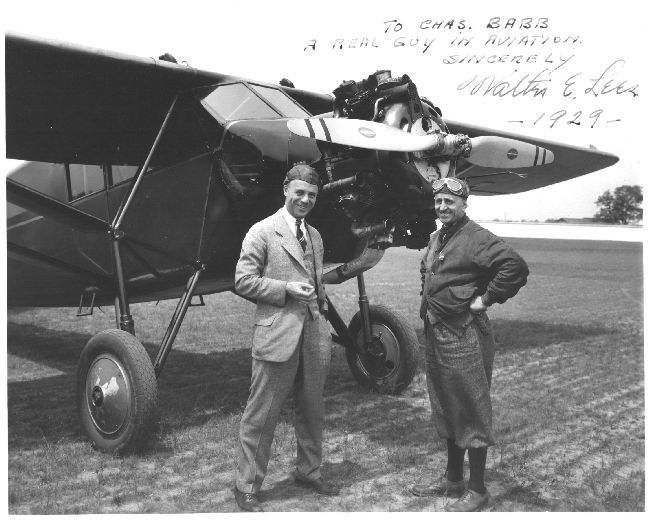
Stinson further developed the SB-1 into a high-wing monoplane, designated as the SM-1D. After a series of significantly long flights, the SM-1D proved to be a successful design. This aircraft allowed Stinson to earn $150,000 in public funds to incorporate, becoming the Stinson Aircraft Corporation. Stinson would go on to build over 100 SM-series Detroiters, including the SM-2 Junior, a smaller variant aimed towards private owner-pilots. Including the original SB-1 biplane, fourteen variants of the Detroiter were built.
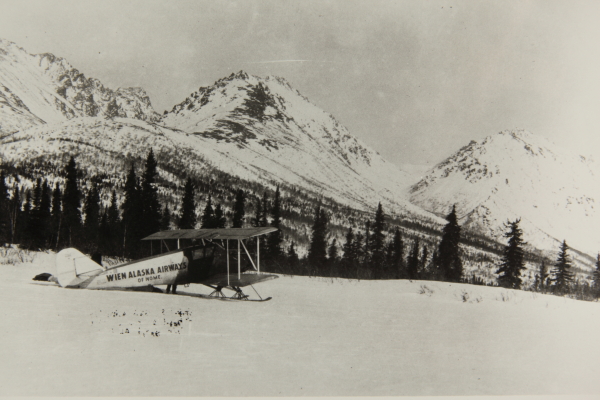
Stinson’s Detroiter would serve commercially with China National Aviation Corporation, China Airways Federal, Faucett, Braniff Air Lines, North American Airways, and Northwest Airways. Some SB-series aircraft would see service in the military, serving in China, Peru, and Honduras. The SM-1F was flown by a single pilot and had a capacity for 6 passengers. The aircraft was powered by a 300-horsepower Wright J-6 Whirlwind radial engine and could attain a maximum airspeed of 132 mph. A handful of Stinson Detroiters survive today, including an SM-1 still flown by the Old Rhinebeck Aerodrome in Red Hook, New York.