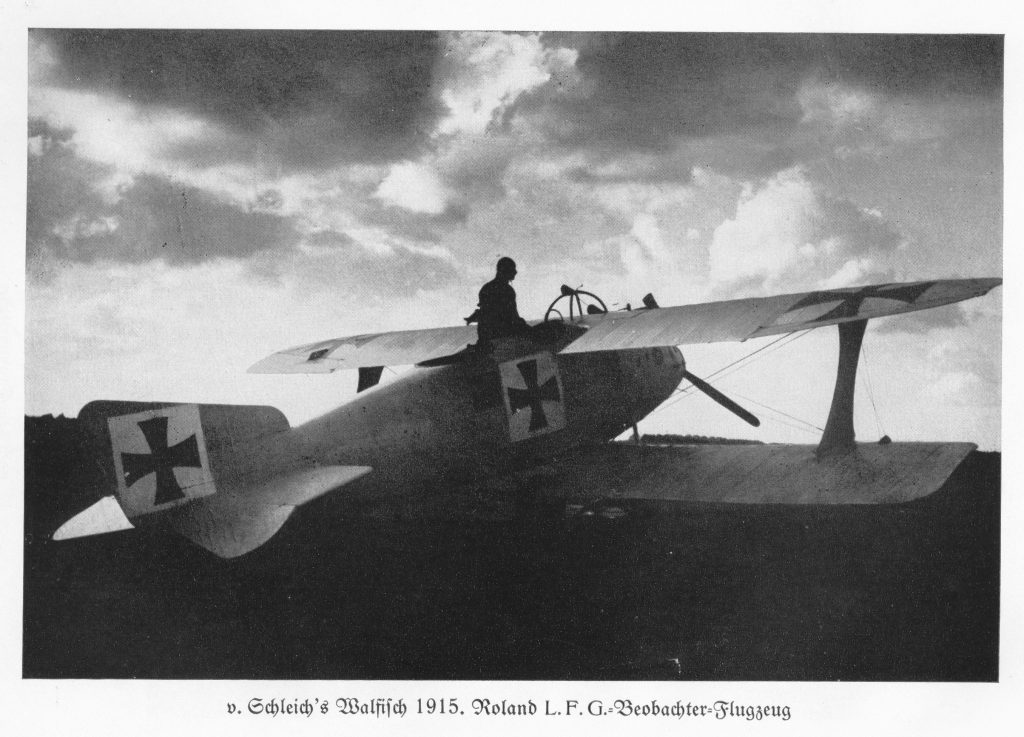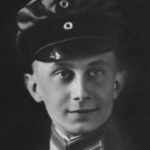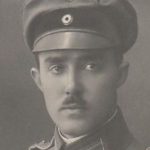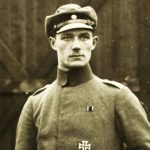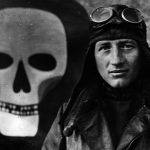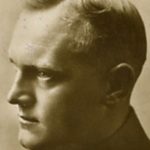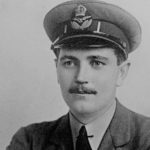
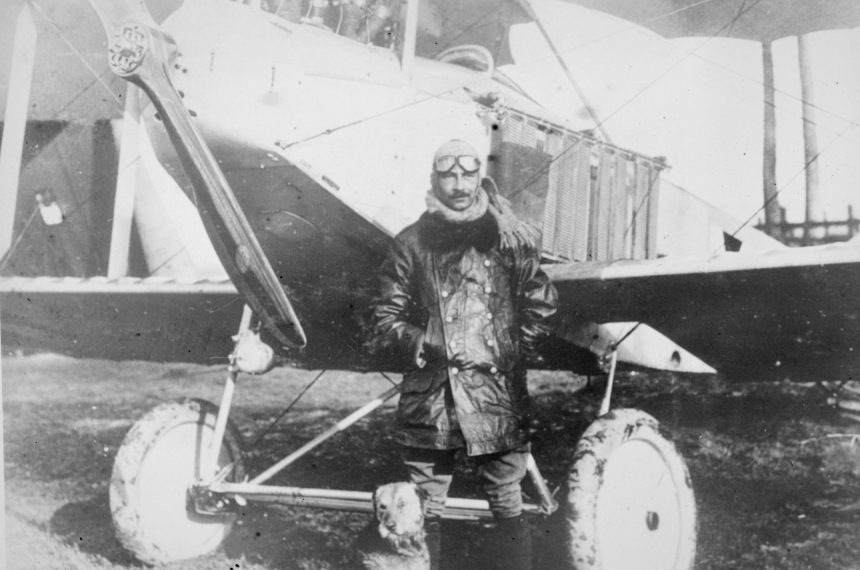

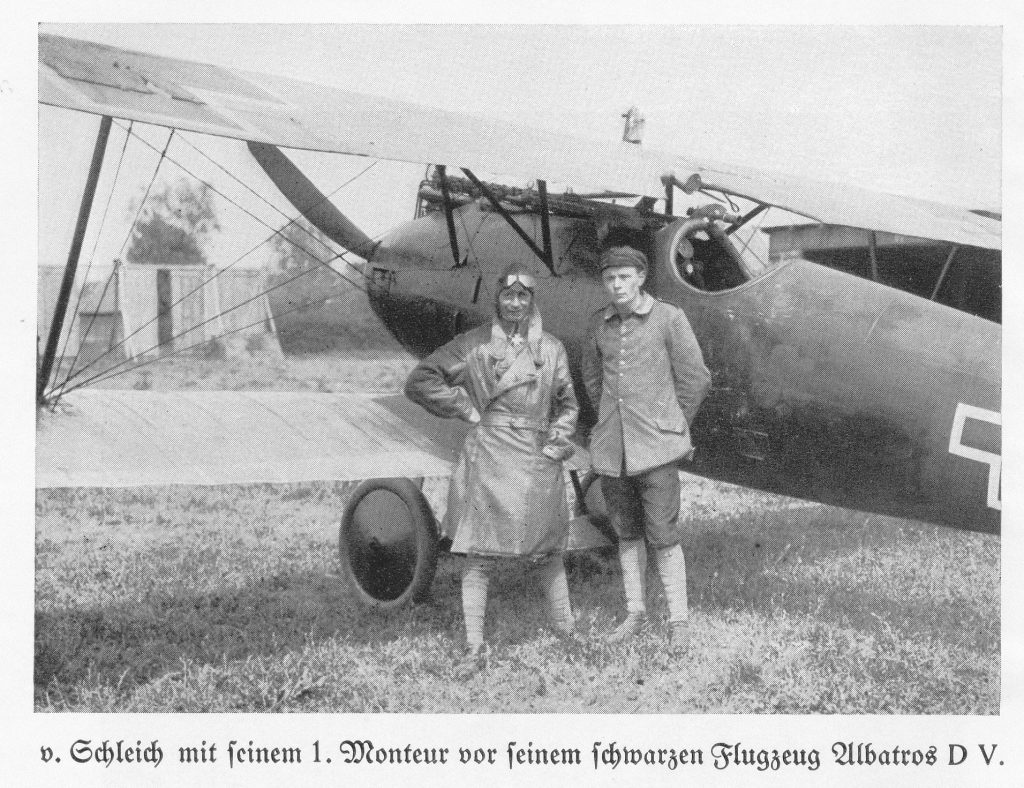
Many aces who took part in WWI later served as leaders in WWII. One such ace was Eduard Ritter von Schleich, who was born on August 9, 1888, in Munich, Kingdom of Bavaria. After finishing school, Schleich joined the Royal Bavarian Army. Before WWI started, Schleich had health issues due to which he was released from active duty. He later volunteered again and was seriously injured in the Battle of Lorraine on August 25, 1914. While recovering from his injuries in August 1914, Schleich decided to volunteer for the Royal Bavarian Air Service and began training as an observer. After serving with FEA 1 on two-seater planes, he requested pilot training and, in December 1915, joined FA 2b. After spending some time flying reconnaissance missions in this unit, Eduard Ritter von Schleich joined Jagdstaffel 21 as a fighter pilot in May 1917, where he flew an Albatros D.V.
Ace Journey of Eduard Ritter von Schleich
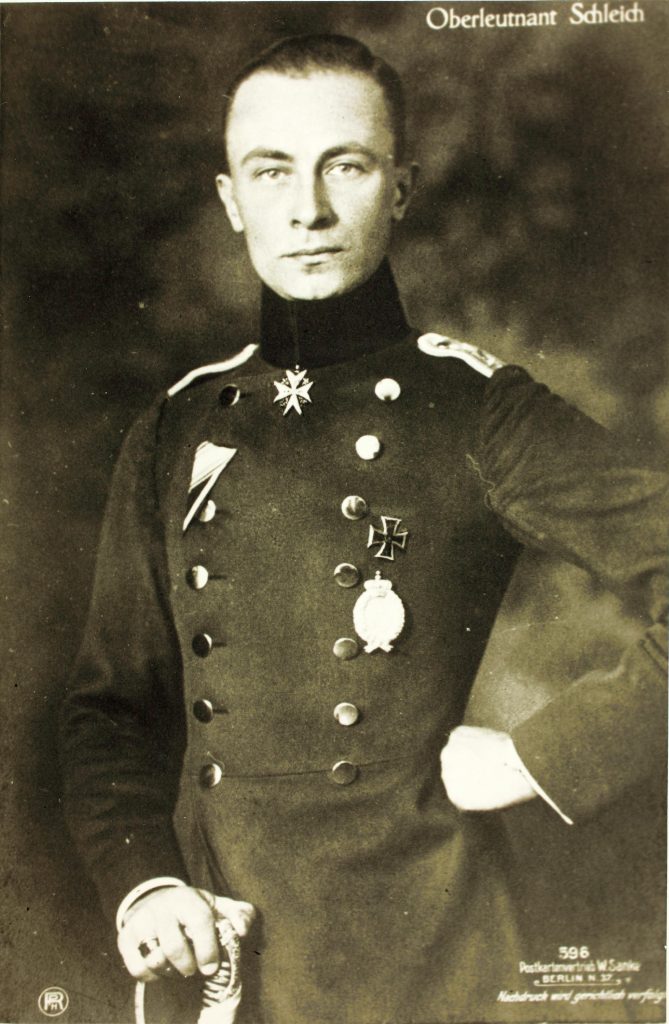
Eduard Ritter von Schleich’s first victory came on May 25, 1917, when he shot down a SPAD VII, followed by three more victories in June. On July 12, after shooting down an AR2 aircraft, he officially became an ace. He shot down one more aircraft in July. In late July, after his best friend Erich Limpert was killed in a dogfight, Eduard Ritter von Schleich had his plane painted all black and became known as “The Black Knight” of Germany. He destroyed two aerial targets in August and 17 in September, bringing his score to 25. In October 1917, the Imperial German Air Service reorganized its fighter squadrons, which were now called Prussian, Saxon, or Bavarian, and each squadron included only members from its home province. Jagdstaffel 21 became a Saxon squadron. Schleich, who was Bavarian, was appointed to lead a Bavarian squadron, Jagdstaffel 32. He was awarded the Pour le Mérite on December 4, 1917. In March 1918, he took command of Jagdgruppe Nr. 8. His next victory came on May 8, when he shot down three S.E.5a in a single day, followed by two victories in June, four in September, and his final victory in October, bringing his personal score to 35. He scored 29 out of his 35 victories while flying the Albatros D.V, making him the most successful pilot of this aircraft. After the war in 1919, he became an Inspector with the Bavarian Air Service. When the German Communist Party took control of Munich, it wanted him to be arrested. He was saved when government troops removed the Communists from power. After a short time as a pilot, Eduard Ritter von Schleich became a liaison officer with the Army Peace Commission and was discharged in December 1921. He later worked as a peat farmer and an airline pilot. In 1922, he helped start the Bavarian Flying Club. In 1931, Schleich joined the Nazi Party, eventually leading the SS-Fliegerstaffel and overseeing Hitler Youth flying programs. He was elected to the Reichstag in 1933 but only served one term.
WWII and Death
After the Luftwaffe (German Air Force) was created in 1935, Eduard Ritter von Schleich returned to military service and became a group commander. He was later promoted to wing commander and tasked with defending Germany’s western frontier. On May 1, 1939, his unit was redesignated to Jagdgeschwader 26, which saw limited action in the early phases of WWII. In December 1939, Eduard Ritter von Schleich became the commander of the fighter pilot school at Wien-Schwechat in Nazi-occupied Austria. In late 1940, he went to Romania to help organize and train the Romanian Air Force as part of the Luftwaffe Mission. In mid-1941, Schleich took command of the Occupation Forces in Denmark and stayed there for almost two and a half years. On August 29, 1943, during Operation Safari, Eduard Ritter von Schleich led an attack on Sorgenfri Palace in Copenhagen to disarm the Danish military, which resulted in a firefight that killed seven Germans. His final job was as the Luftwaffe Ground Forces Commander in Norway, where he served until late 1944. The regional command disbanded in September, nine months after he arrived. Schleich went on the reserve list in mid-November and eventually retired as a lieutenant general. Eduard Ritter von Schleich died on November 15, 1947, at the age of 59, from a heart condition, and was buried in Diessen am Ammersee, near Munich. In the Aces series, Eduard Ritter von Schleich stands as a careful pilot and thoughtful leader, despite his country not winning any of the world wars. Read stories about more aces HERE.