






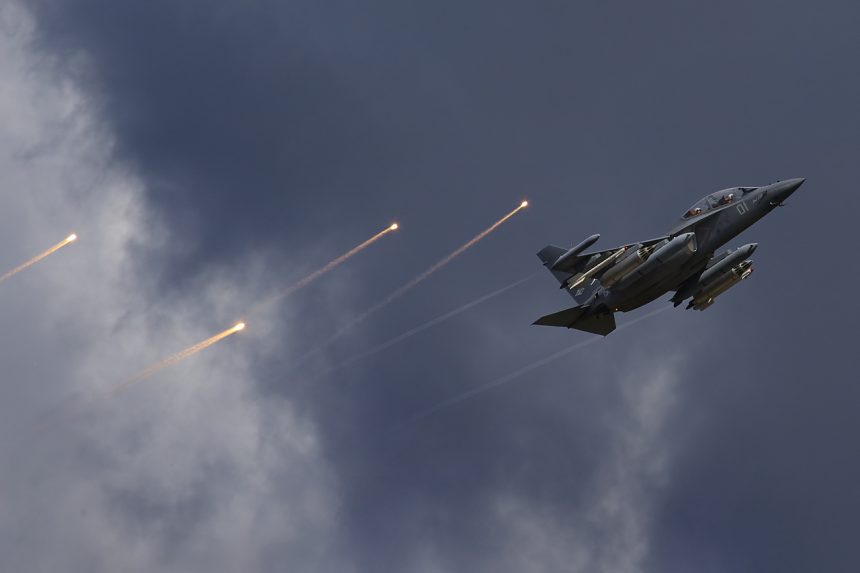

In 1934, Alexander Sergeyevich Yakovlev founded the Yakovlev Design Bureau (OKB-115), a prominent aircraft design bureau in the Soviet Union. The bureau became known for its fighter aircraft and training planes. Later, it also developed technology for vertical takeoff and landing (VTOL) and short takeoff and landing (STOL) aircraft. The bureau produced many important military aircraft during the Soviet era, including the Yak-1, Yak-3, and Yak-9 piston-engine fighters used during WWII, which were among the most successful Soviet fighters of that time. In the jet age, Yakovlev created early jet fighters like the Yak-15 and Yak-23, the Yak-28 tactical bomber, and the Yak-38 “Forger” V/STOL fighter that could operate from aircraft carriers. The bureau also became the top producer of military jet trainers in the Soviet Union, including the popular Yak-130. The firm designed the Pchela drone reconnaissance aircraft, which first flew in 1990. However, it is best known for its successful line of piston-engine fighter aircraft from WWII.
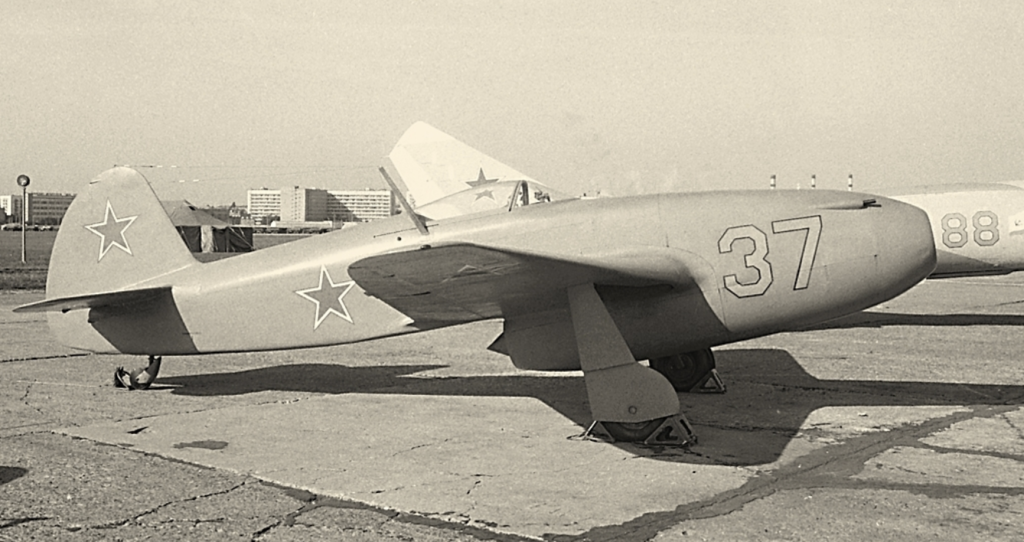
The Yakovlev Design Bureau underwent several changes during the Soviet era. In 1959, it became part of the State Committee for Aviation Technology and was given the secret name “Mailbox Enterprise No. 1303.” In 1966, it was officially renamed the Moscow Machine-Building Plant “Skorost,” and its secret name changed to “Enterprise P.O. Box M-5050.” The secret name was dropped in 1989, and in 1990 the plant was renamed “Moscow Machine-Building Plant Skorost named after A.S. Yakovlev” in honor of Alexander Sergeyevich Yakovlev. After the Soviet Union collapsed in 1991, the organization was privatized and reorganized. In 1993, it became the A.S. Yakovlev Experimental Design Bureau. Then in 1996, it was officially registered as the A.S. Yakovlev Design Bureau. The bureau faced problems in the early 2000s. In 2004, it cut its staff from about 1,400 employees to only 311. The company also sold its production facilities and real estate. In April 2004, Irkut bought Yakovlev. In February 2006, the Russian government merged Irkut with Mikoyan, Ilyushin, Sukhoi, and Tupolev to form a new company, United Aircraft Building Corporation. In August 2023, Irkut Corporation was renamed Yakovlev. The Sukhoi Superjet 100 is now the SJ-100, and the Irkut MC-21 has also been renamed the Yakovlev.
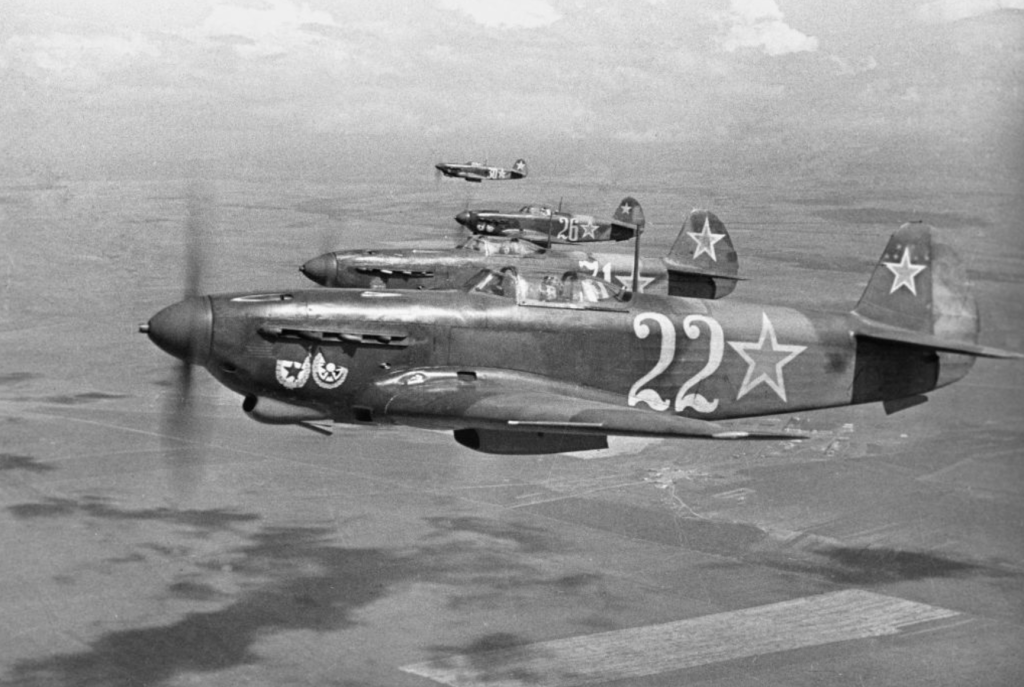
The Yakovlev Design Bureau created many aircraft that were important to Soviet fighter aviation during WWII. Its fighter planes included the Yak-1, Yak-3, Yak-5, Yak-7, Yak-9, Yak-15, Yak-17, Yak-23, Yak-25, Yak-27, and Yak-28. The bureau also developed bombers such as the Yak-2, Yak-4, Yak-26, and Yak-28, and transport aircraft such as the Yak-6 and Yak-8. Yakovlev developed the Yak-40, Yak-42, Yak-48, Yak-58, and MS-21 in the passenger aircraft field. For training and sports, it produced the UTI-26, Yak-7UTI, Yak-11, Yak-18, Yak-18T, Yak-30, Yak-50, Yak-52, Yak-54, Yak-55, Yak-130 and Yak-152. The bureau also designed multipurpose aircraft, such as the Yak-12 and Yak-112, as well as the Yak-44, used for airborne early warning and control. Yakovlev also explored vertical takeoff and landing technology, developing the Yak-36, Yak-38, Yak-38U, Yak-38M, Yak-41M, and Yak-141. Its helicopter projects included the EG, Yak-100 (Yak-22), and Yak-24. Later, the bureau entered unmanned aviation with systems including the Bumblebee-1, Bee-1T, and Yak-133BR “Proryv”, a reconnaissance and attack UAV.
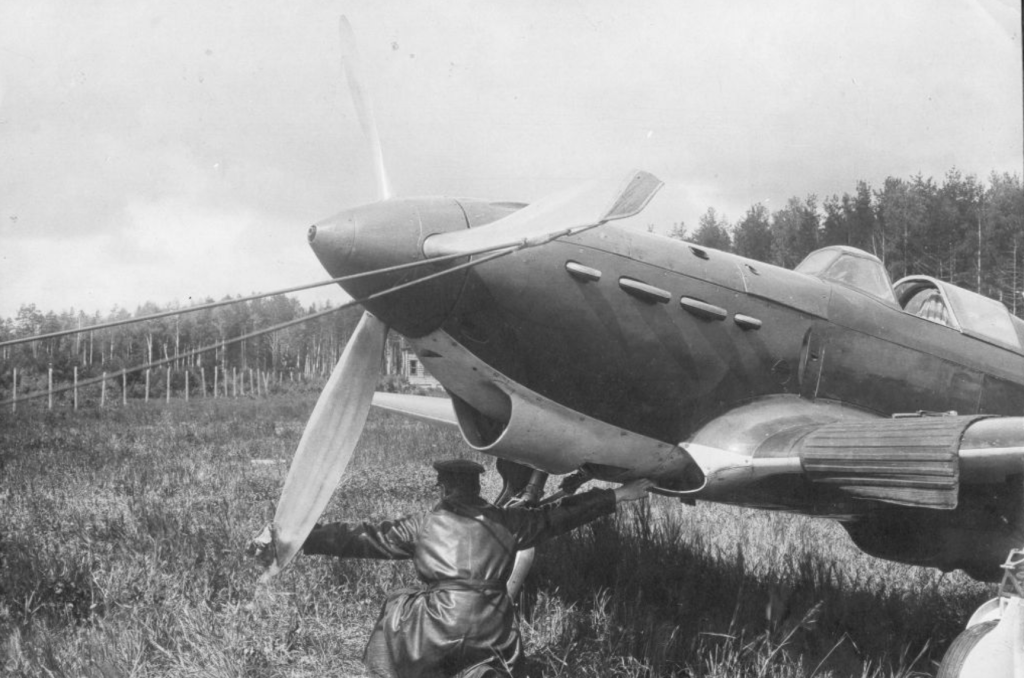

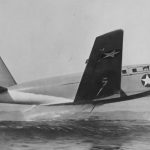



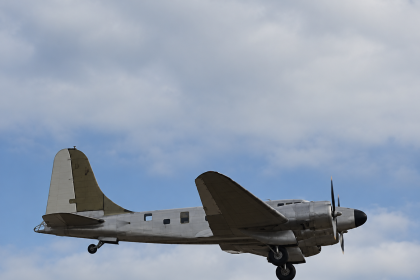


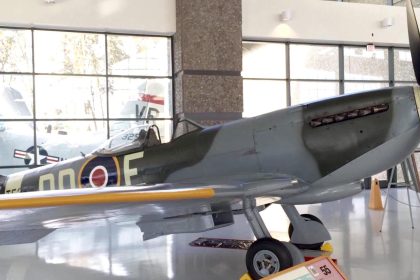






The YAK-44 was meant to be Russia’s E-2 equivalent, but it was never built.