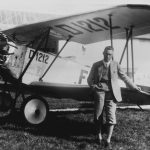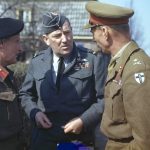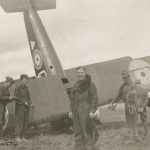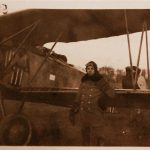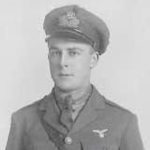
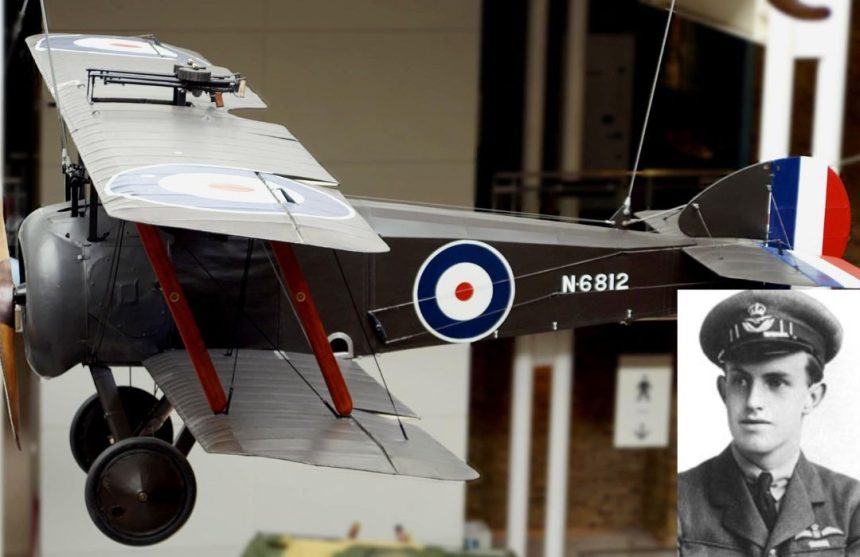

Scots had a unique history as pilots in WWI. Scottish pilots made an important contribution to the Royal Flying Corps (RFC) and the Royal Naval Air Service (RNAS), and subsequently, when the services combined to form the Royal Air Force (RAF) in WWI. One such pilot was Colin Brown, who was born in Glasgow on December 20, 1898. He joined the RNAS in January 1917 and was promoted to flight sub-lieutenant in June. He was assigned to the Seaplane Defence Flight, which was created to protect the seaplanes operating from Dunkirk, flying the Sopwith Camel. His first victory came on November 13, 1917, when Colin Brown shot down an Albatros D.V. It took another five months for him to secure a second victory, forcing down another Albatros D.V on April 27, 1918. In between these victories, the Seaplane Defence Flight was renamed No. 13 (Naval) Squadron on January 15, 1918. On April 1, 1918, it became No. 213 Squadron RAF. His third victory came in May, followed by two victories in July, to officially become an ace. On August 9, he became acting captain while serving as a flight commander. He scored three victories each in August, September, and October, ending his WWI with a score of 14. Colin Brown received the Distinguished Flying Cross and a Bar to it for his WWI flying. Additionally, he received the Croix de Guerre from France for his services in Flanders on November 1.
Journey of Colin Brown
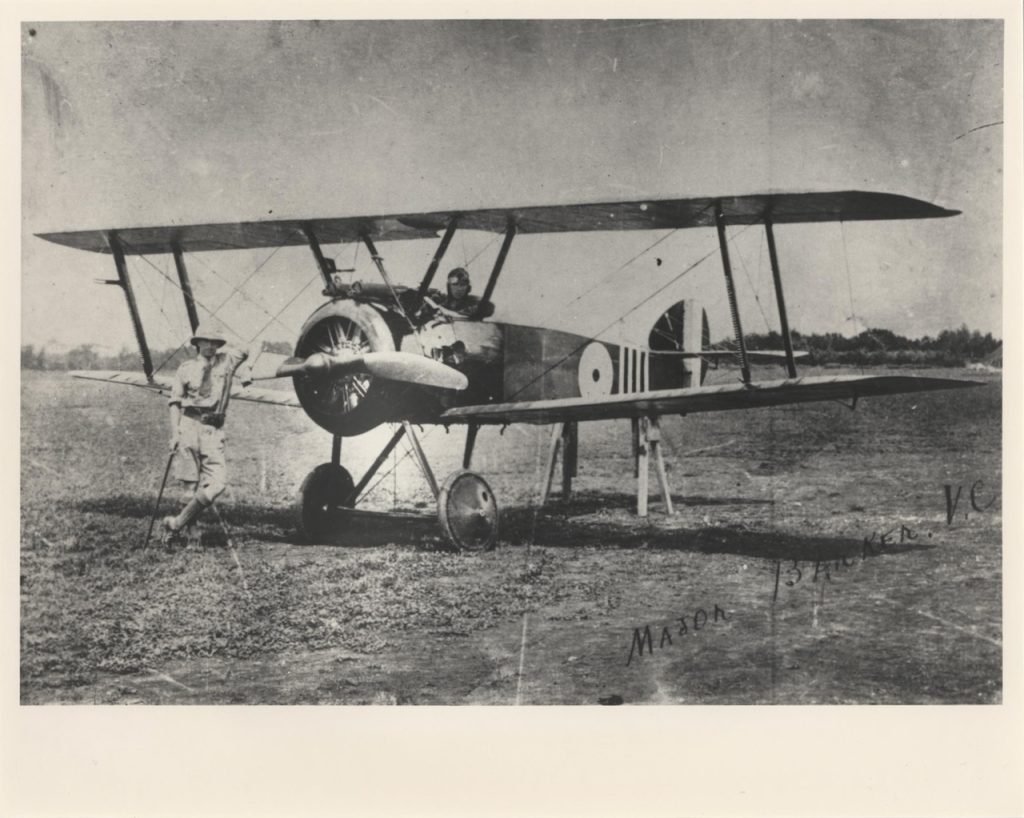
On August 1, 1919, the RAF introduced its rank system, and Colin Brown moved from lieutenant to flying officer. He began serving on HMS Argus on November 25 and became an instructor at the School of Naval Co-operation and Aerial Navigation on May 31, 1920. After serving in No. 205 Squadron and No. 3 Squadron, flying the Airco DH.9A, he was injured in a forced landing on September 6, 1922, due to engine failure. In September 1923, he took the Signals Course at RAF Flowerdown. By September 1924, Colin Brown had become a staff officer in the Signals Branch at the Air Ministry and was promoted to flight lieutenant on January 1, 1925. On January 29, 1929, he joined No. 30 Squadron in Iraq and later became the flight commander of No. 84 Squadron. He moved to the Iraq Command Headquarters on August 28. On February 1, 1931, Brown started working as a signals officer for No. 13 Squadron at RAF Netheravon. Colin Brown became a staff officer in the Signals Branch on December 12, 1932. On October 1, 1934, he was promoted to squadron leader. He took command of No. 26 Squadron at RAF Catterick on October 5, 1935, and became the station commander on August 30, 1937. Colin Brown was promoted to wing commander on January 1, 1938, and assigned to the Directorate of Staff Duties at the Air Ministry on July 4. During WWII, Brown became acting group captain on March 1, 1940, and was appointed as Senior Air Staff Officer in No. 60 (Signals) Group of Fighter Command. This group was responsible for the RAF’s radar network. On April 24, he transferred to the RAF’s Technical Branch. He was then promoted to temporary Group Captain on September 1.
The Legacy
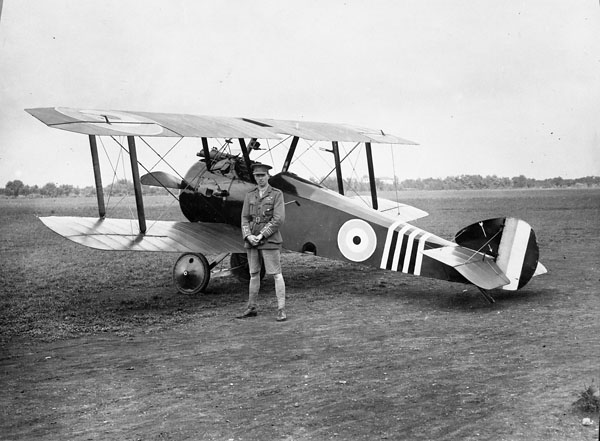
In September 1941, Colin Brown received the title Commander of the Order of the British Empire (CBE) for his distinguished services in operational commands of the Royal Air Force from October 1, 1940, to March 31, 1941. He became acting air commodore on August 19, 1942, and served as Director of Radar at the Air Ministry. Colin Brown was appointed Group Captain on February 19, 1943, and promoted to Group Captain on December 1, 1943. He worked in the Directorate of Operational Requirements at the Air Ministry from 1945 until December 1947. On June 14, 1945, during the King’s Birthday Honors, he was awarded the title of Companion of the Order of the Bath (CB). Brown was promoted to air commodore on July 1, 1947. From 1949, Colin Brown worked as the Chief Signals Officer for the Middle East Air Force. On April 7, 1950, he became acting air vice-marshal and served as the Assistant Controller of Supplies (Air) at the Ministry of Supply. He was promoted to air vice-marshal on January 1, 1952. Colin Brown had to resign due to health issues in early 1953 and left the RAF on March 15, 1954. Air Vice Marshal Brown died on October 19, 1965. In the Aces series, Colin Brown was an impactful pilot and leader who dedicated his entire life to the military and played an important role in both world wars. Read more Aces articles HERE.