






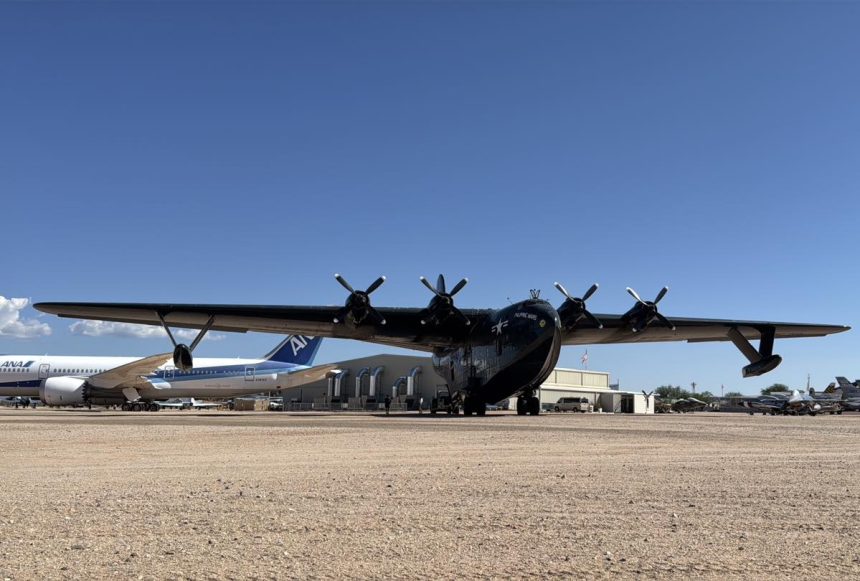

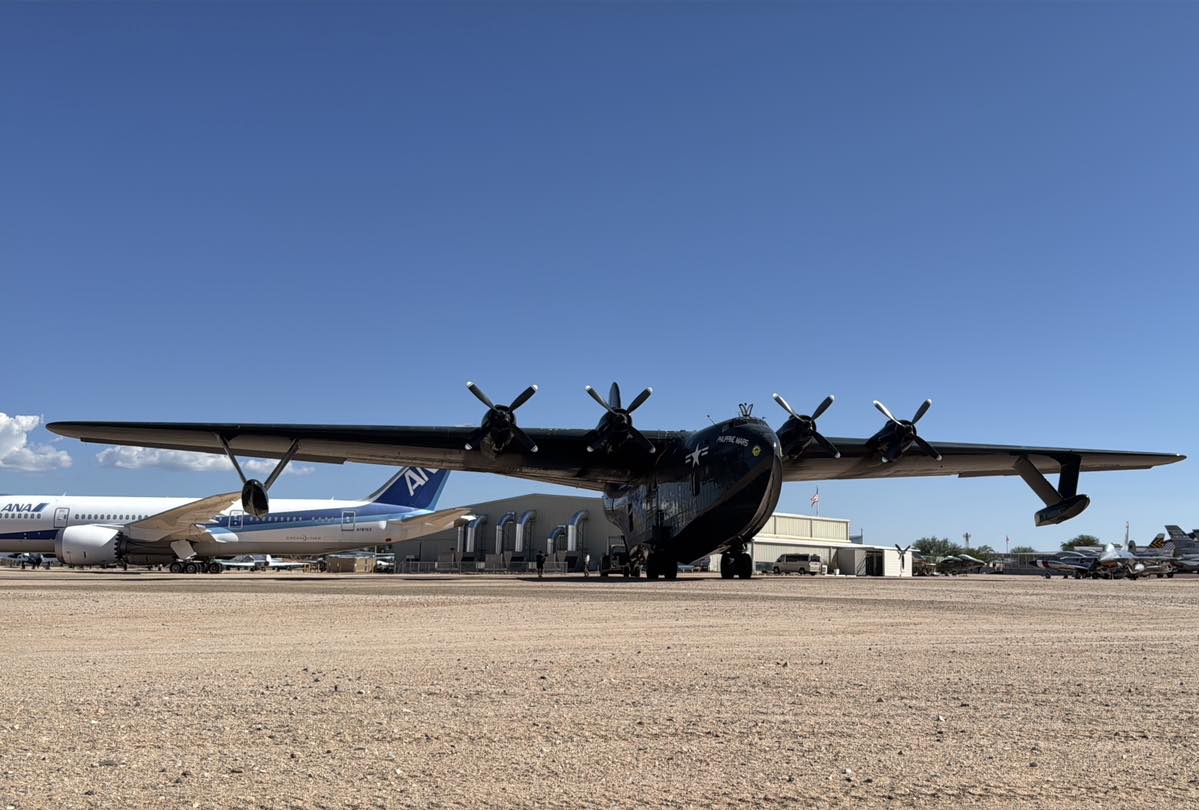
At Vintage Aviation News, we have extensively covered the journey of the Philippine Mars, one of two remaining Martin JRM Mars flying boats used as transports by the U.S. Navy, which then served for 50 years as water bombers fighting forest fires in British Columbia, which, earlier this year, found a home at the Pima Air and Space Museum in Tucson, Arizona. Now, the museum has officially announced that the Philippine Mars is officially on public display, fully reassembled and resting on its beaching gear.
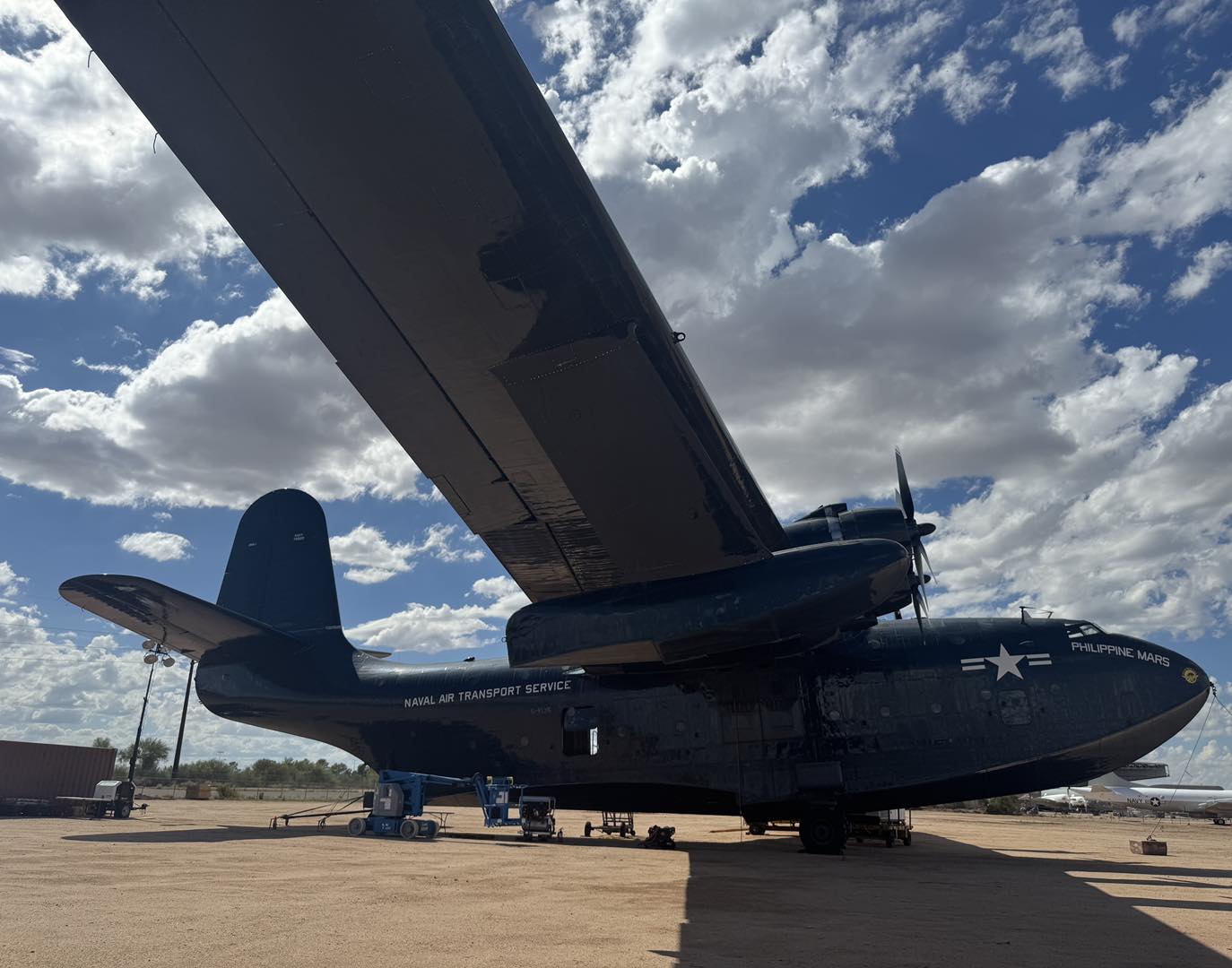
When Coulson Aviation announced that they would retire the two last surviving Martin Mars flying boats in March 2024, many asked what would happen to the two massive aircraft. Before this, the Philippine Mars, which was repainted back to its U.S. Navy colors was to be retired to the National Naval Aviation Museum in Pensacola, Florida, but this was halted in May 2012 when then-Minister of Canadian Identity and Culture Shelly Glover attempted to stop the transfer of an airplane considered to be part of the “cultural property” of Canada. Many Canadian officials and aviation enthusiasts had wanted to retain at least one of the two Mars flying boats in Canada, and when the British Columbia Aviation Museum at Victoria International Airport announced in March 2024 that it would acquire the Hawaii Mars, Philippine Mars was confirmed to be sold to the Pima Air and Space Musuem in April of 2024. After Hawaii Mars’ final flight in August 2024, preparations began on readying the Philippine Mars for its flight into the Arizona desert.


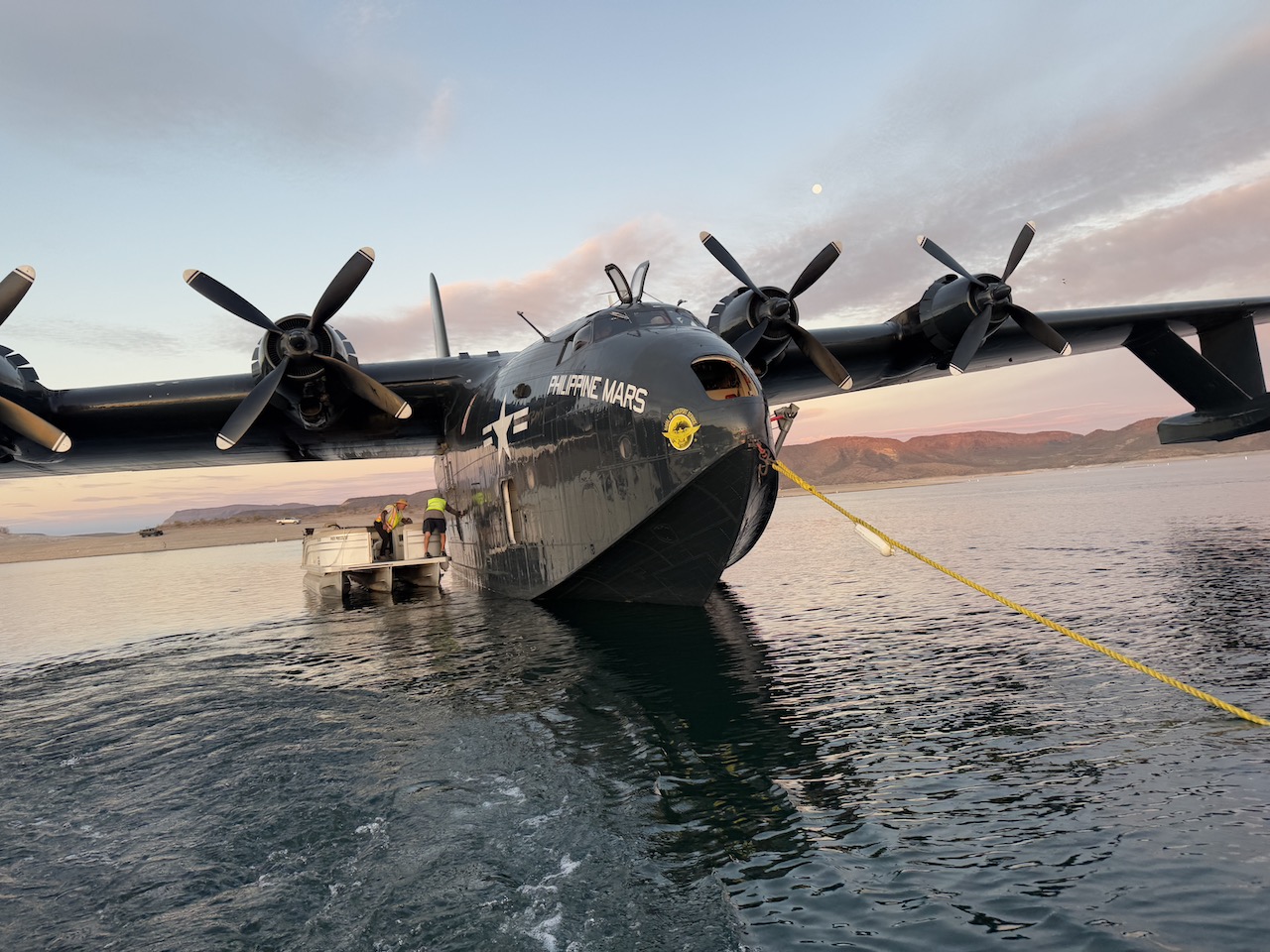
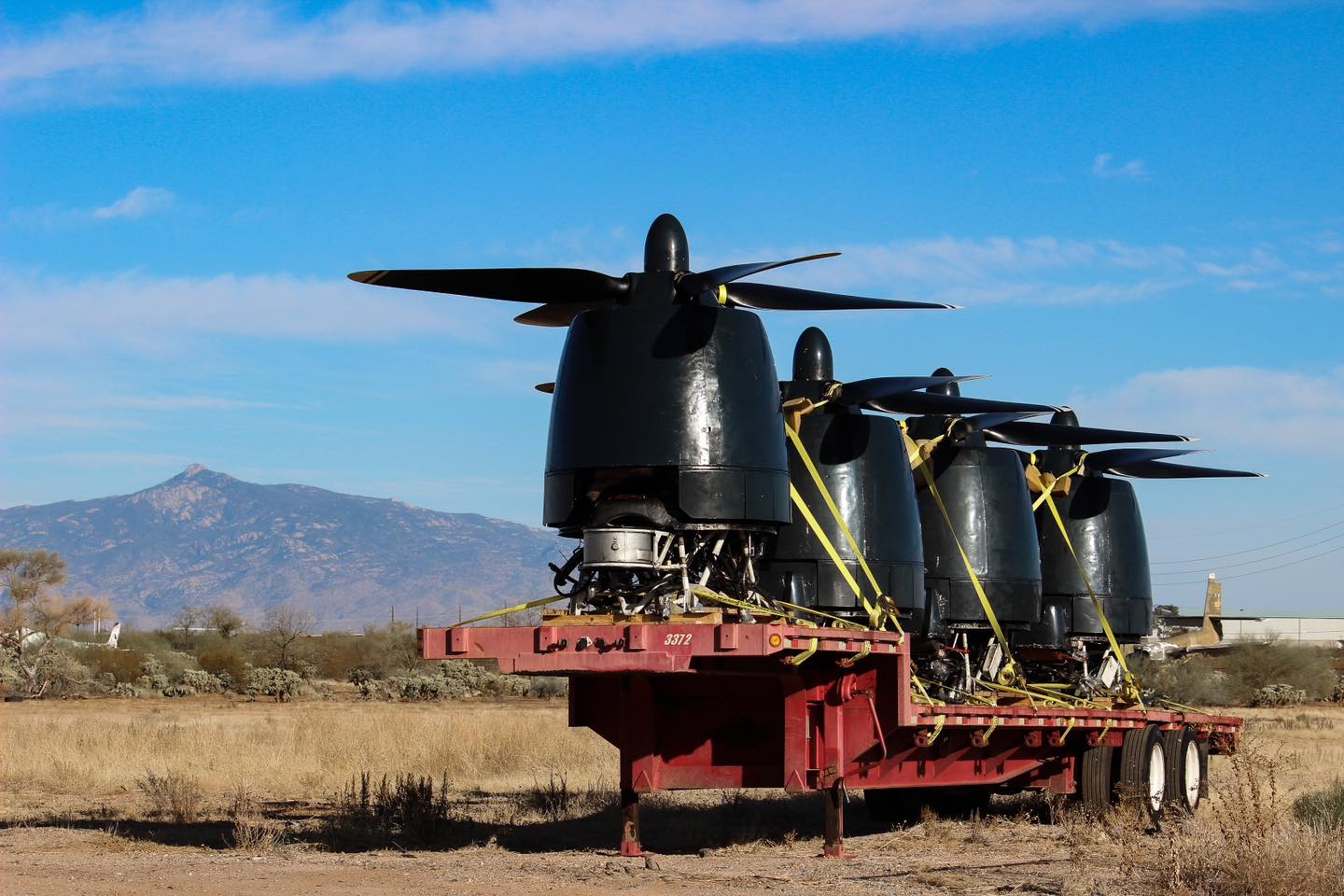
After overcoming several hurtles from mechanical difficulties to unpredictable weather, Philippine Mars made its final, epic flight in February 2025. Flying from Sproat Lake, British Columbia, it made a stopover in San Francisco, where it had previously flown out of during its naval service, but a planned stopover in San Diego was set aside in favor of a direct flight to Lake Pleasant, just northwest of Phoenix, Arizona, where it landed on the afternoon of February 10, 2025. Almost immediately, the Philippine Mars was towed to the boating docks on the southern shore of Lake Pleasant, and contractors from Southwest Industrial Rigging carefully disassembled the massive flying boat piece by piece and transporting the massive aircraft in truckloads to Tucson.
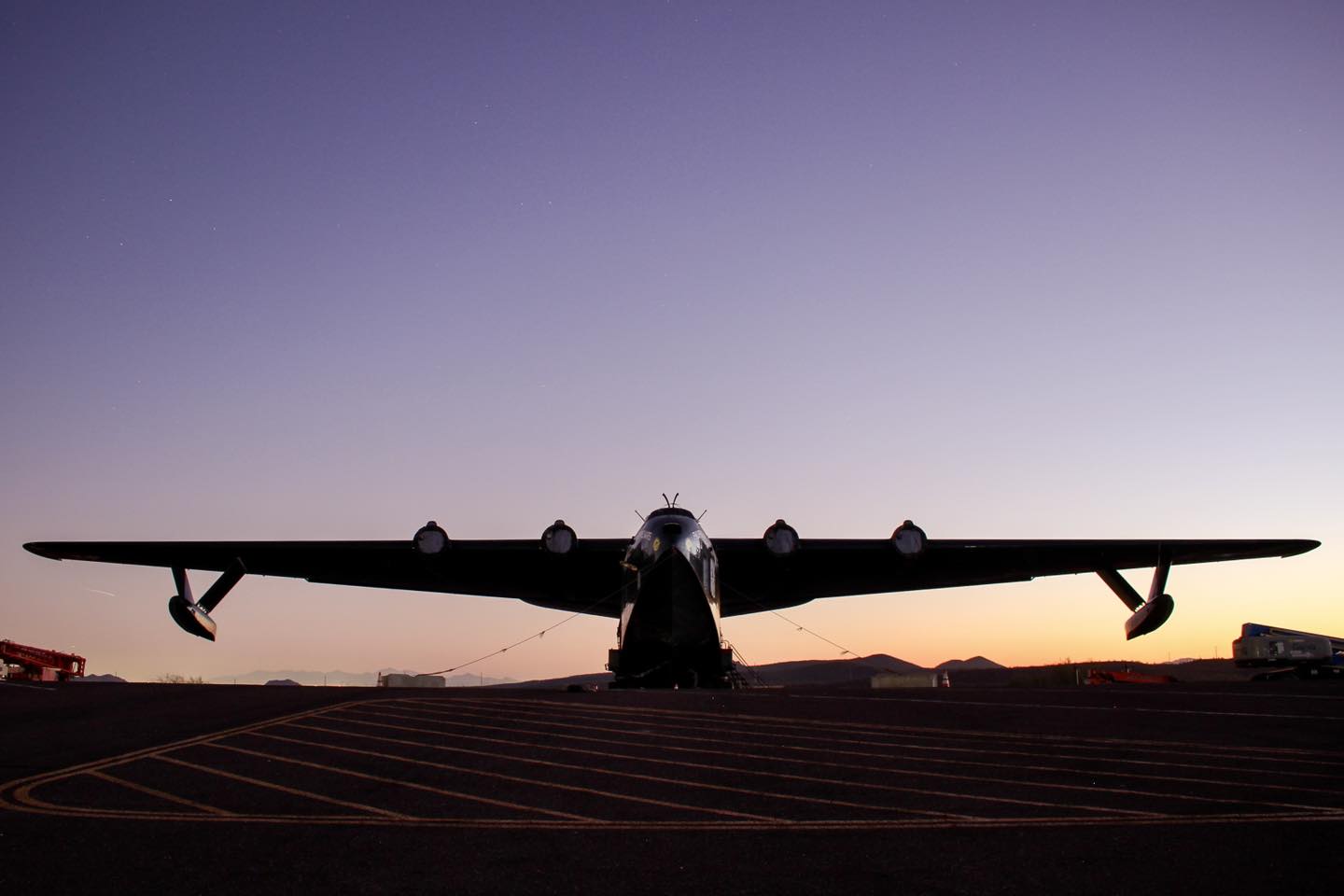
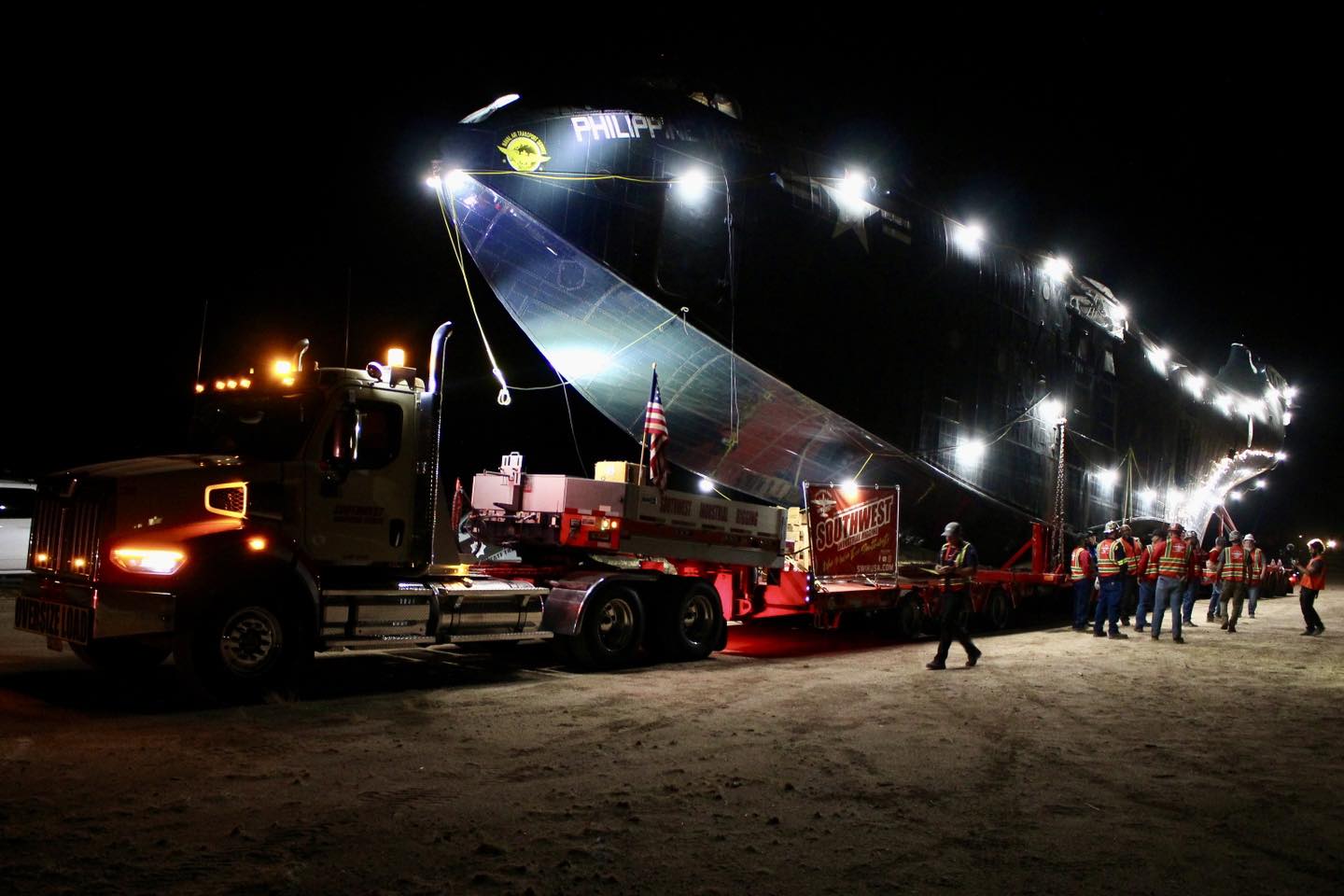
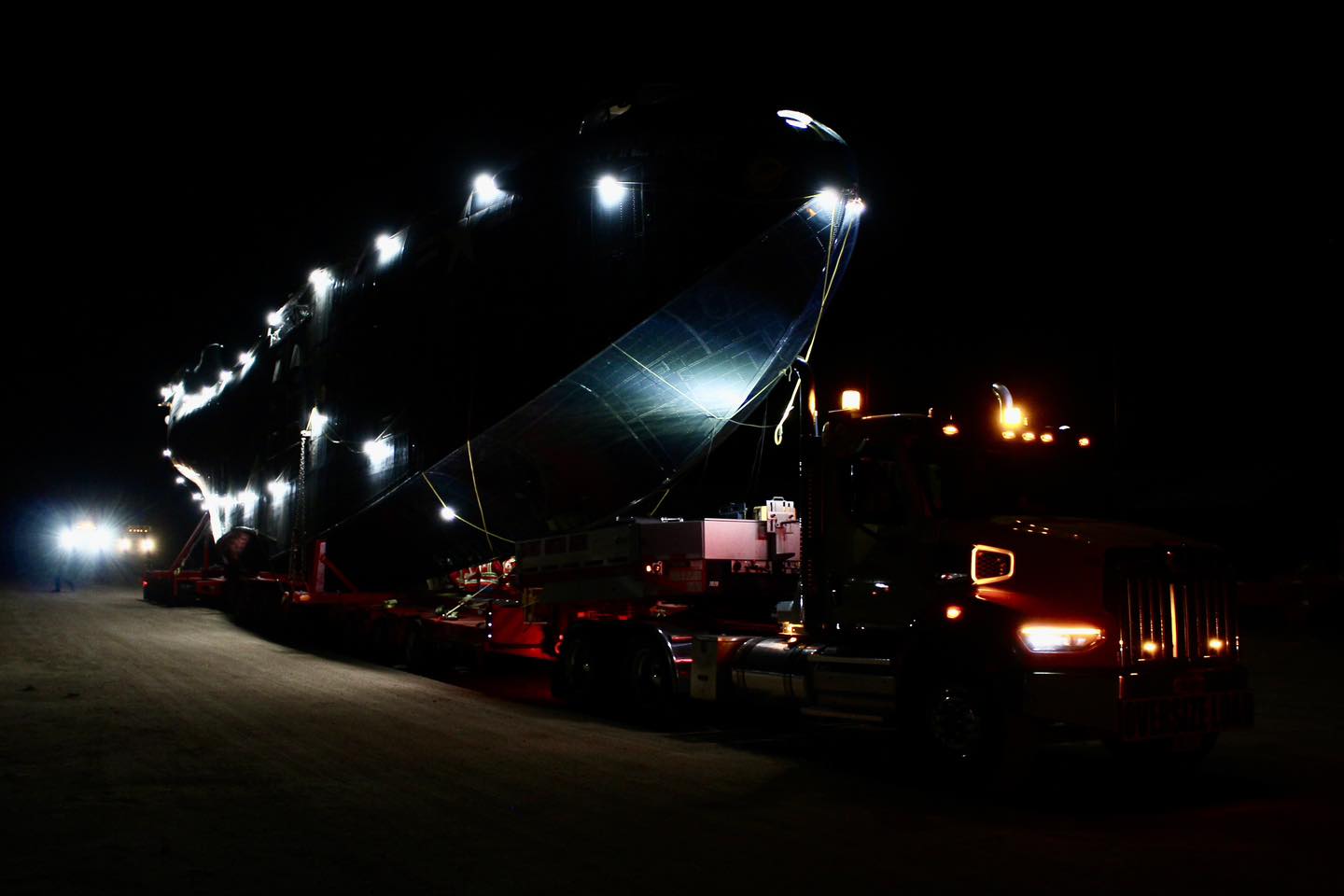
By April 2025, the engines, propellers, pontoon floats, tail surfaces, and outer wing panels had arrived at the Pima Air and Space Museum, leaving the hull and the center wing box as the largest to be shipped from Lake Pleasant. At the beginning of May, the center wing box was driven on a wide load trailer to the PASM, leaving the hull as the last item still at Lake Pleasant. The height of the Philippine Mars’ hull on the oversize trailer meant that this final component was too big to be driven under highway overpasses. Instead, the hull of Philippine Mars would embark on an epic nocturnal journey through central and southern Arizona to arrive in Tucson under police escort.
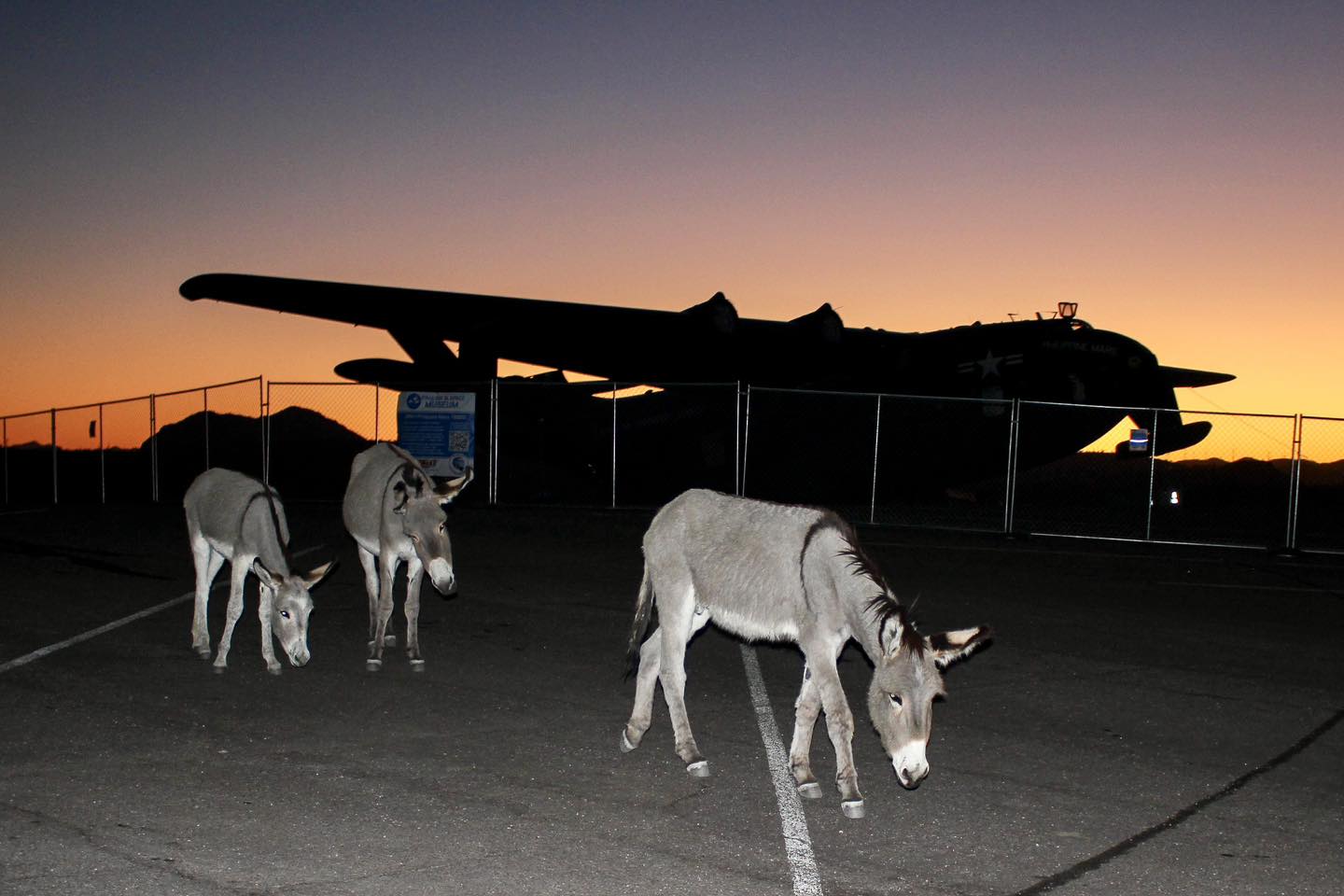
On the night of May 11-12, the hull was driven from Lake Pleasant to Surprise, before being driven from Surprise on the night of the 12th and arriving at Buckeye Municipal Airport in the early morning hours of May 13. There, the hull would spend the day near the Lauridsen Aviation Museum. On the night of May 13, the hull was driven to Casa Grande via Gila Bend, avoiding the interstates along the way. Philippine Mars’ hull would then be driven from Casa Grande to Ryan Airfield via Maish Vaya. With their arrival at Ryan in the early hours of May 16, the last section of Philippine Mars was nearing its permanent home. Just before 11:30 pm on May 16, the hull of Philippine Mars arrived safely at the Pima Air and Space Museum. After some well-deserved applause for a job well done, it was soon time to begin reassembling the Philippine Mars at Pima.
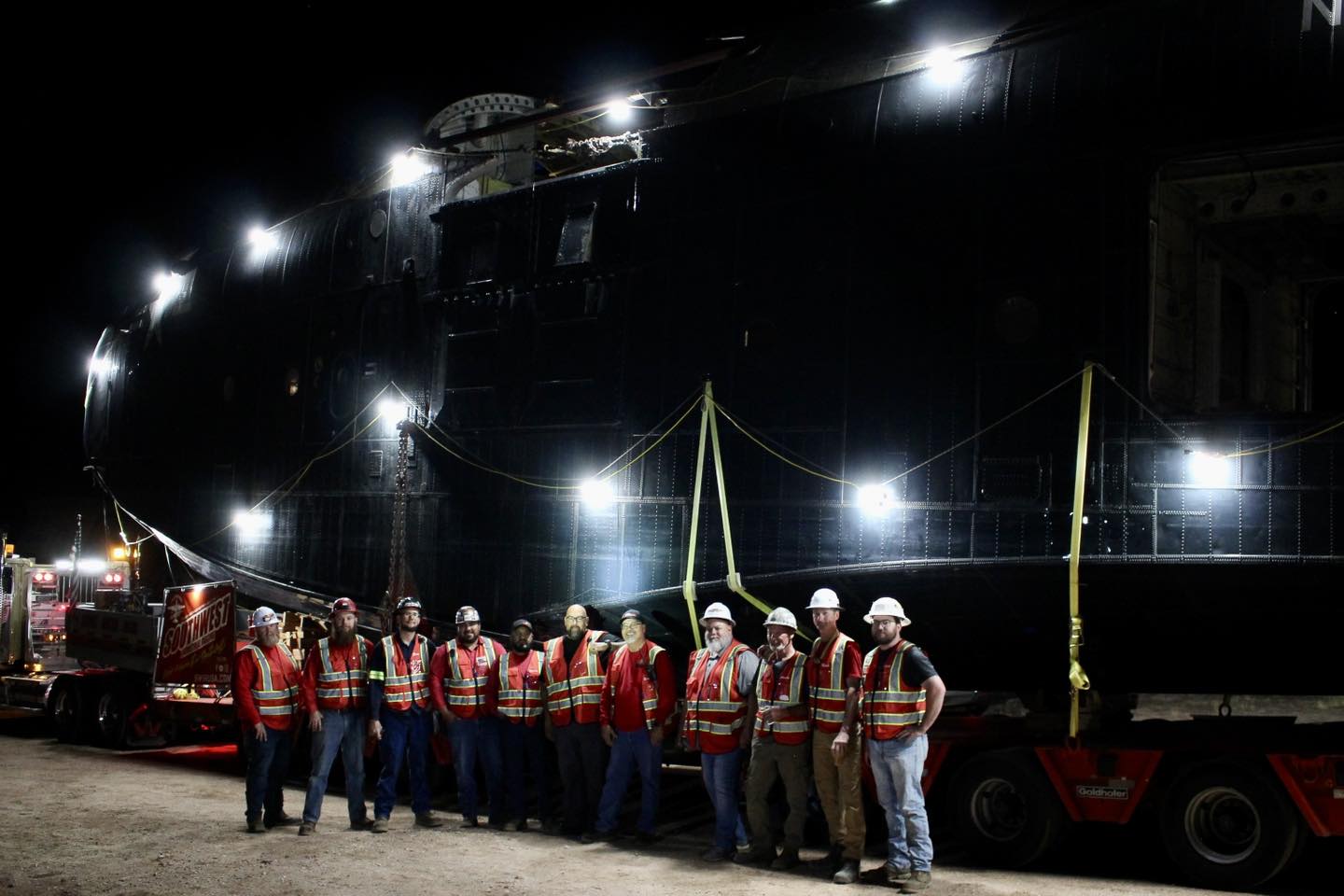
In May and June of 2025, the team from Southwest Industrial Rigging worked tirelessly to get the majority of the Philippine Mars reassembled before the intensive heat of the Tucson summer made conditions unsuitable for continued work. By June, the Mars’ wings, tail stabilizers, engines, and propellers had all been reinstalled. While much of this work was being done at the museum, the reassembly of the Philippine Mars was being carried out in the outer fields reserved for storage. Most of the time, the public could only see the aircraft from a distance or find social media posts from the museum or from the blog Boneyard Safari, which had extensively covered the transport of the Philippine Mars. The exception to this restriction were the Pima Air and Space Museum’s Night Ops events that allowed visitors access to the museum during the summer months from 5-8:30pm, when the museum typically closes at 3:00pm during the summer season from June to September.
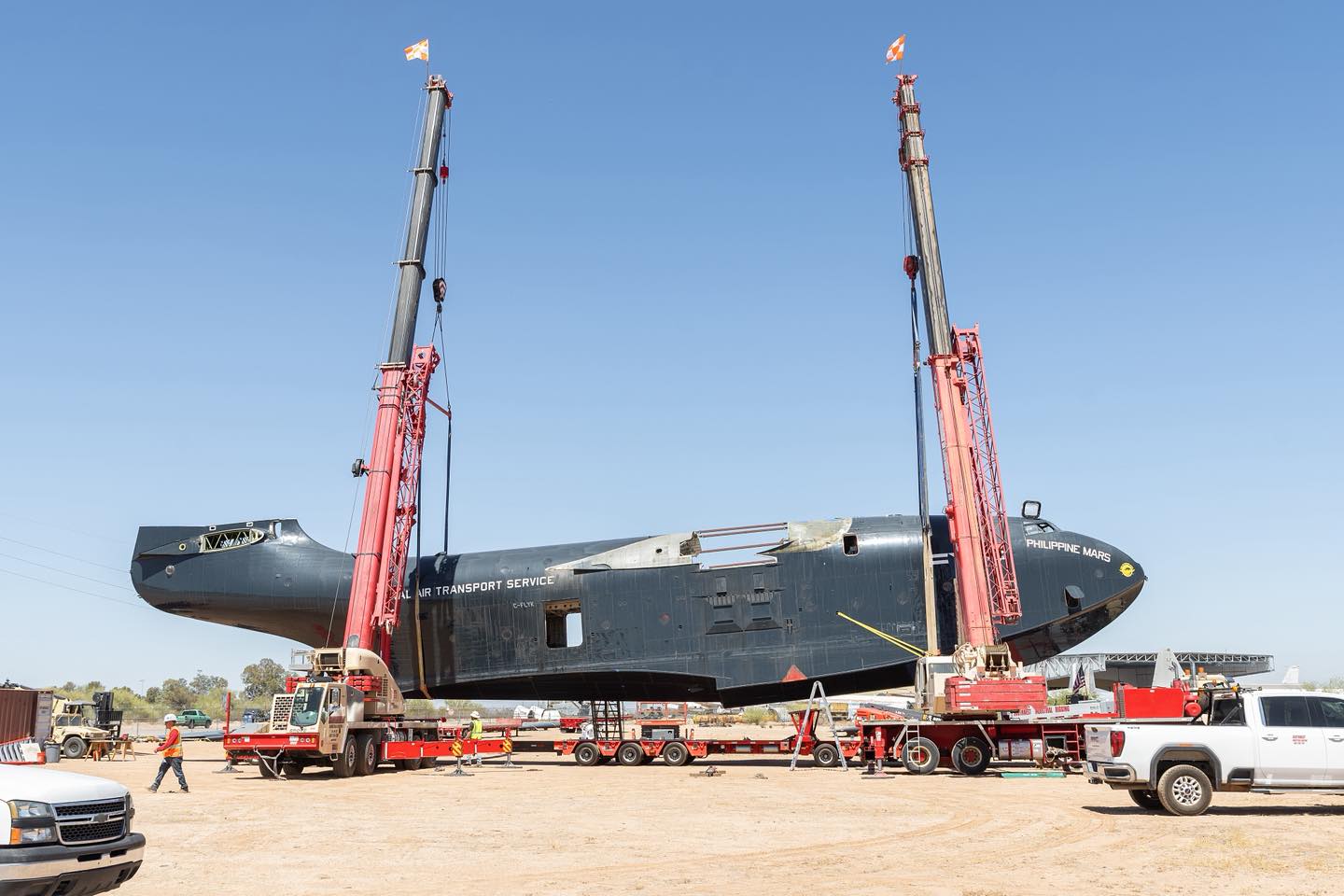
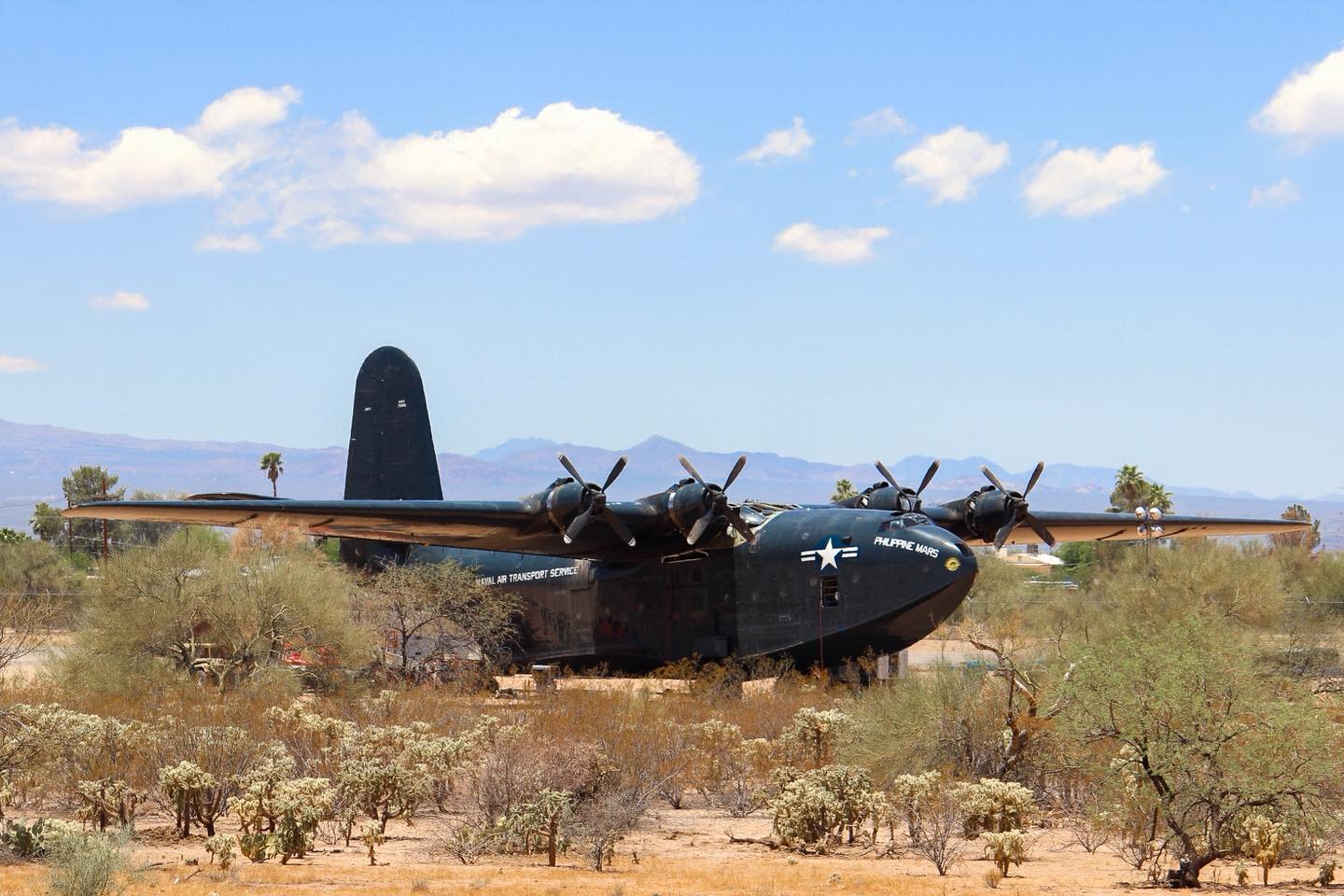
By August, the flaps, ailerons, and the two pontoon floats mounted to the undersides of the outboard wing panels would be among the final components installed on the exterior of the aircraft. Additionally, work was done on the interior, with the cockpit being kept intact and components removed during its long journey from British Columbia to Arizona being refitted. By September 2025, the Philippine Mars was at last completely reassembled at the Pima Air and Space Museum, which made the following statement on September 22: “The reconnection of a few interior components and the placement of the last panels for the trailing edge of the wing were among the last few steps. This past month involved the major elements of aileron and flap placements, and she is in fine form, we think!” Now all that was required was for the Philippine Mars to go on display.
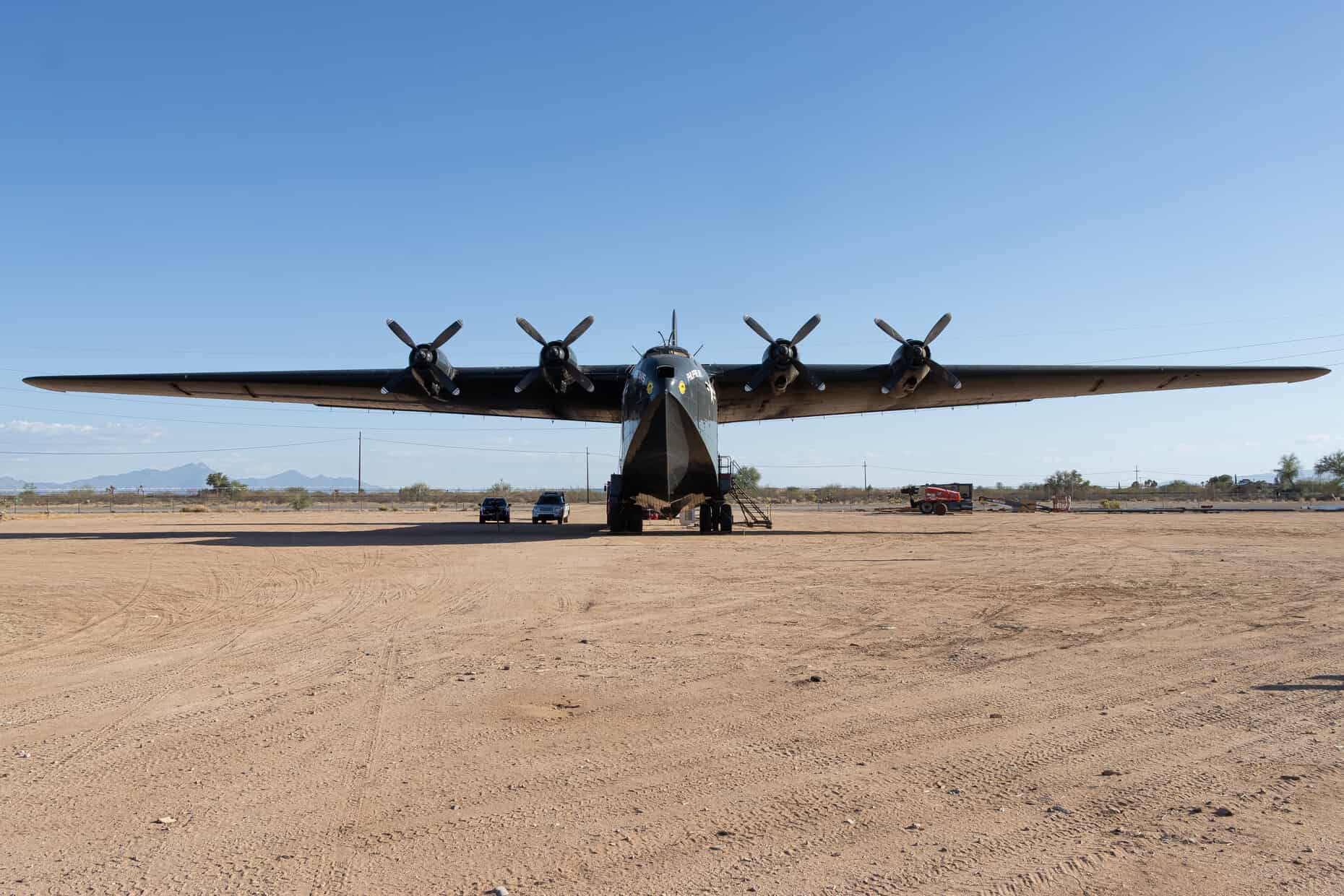
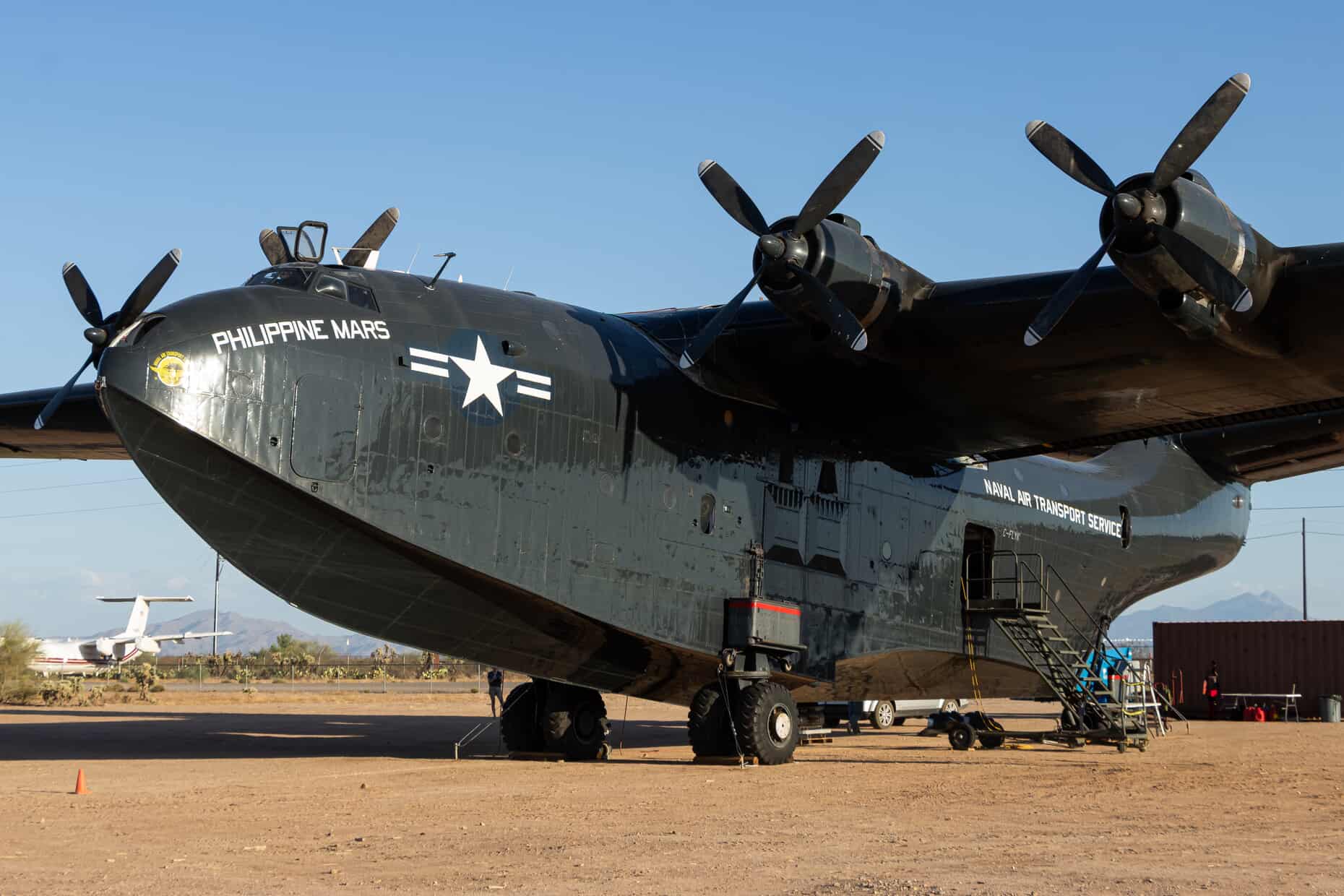
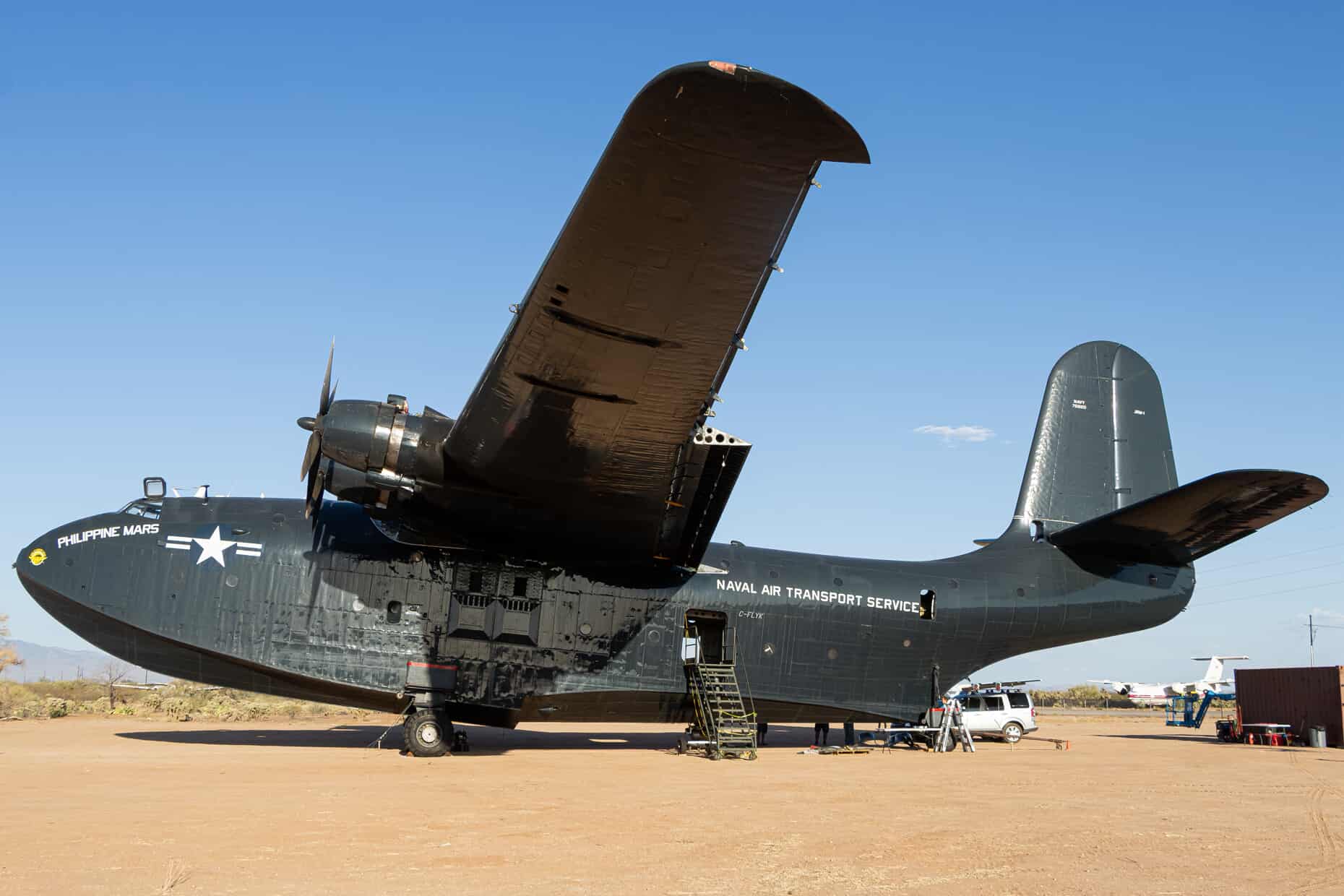
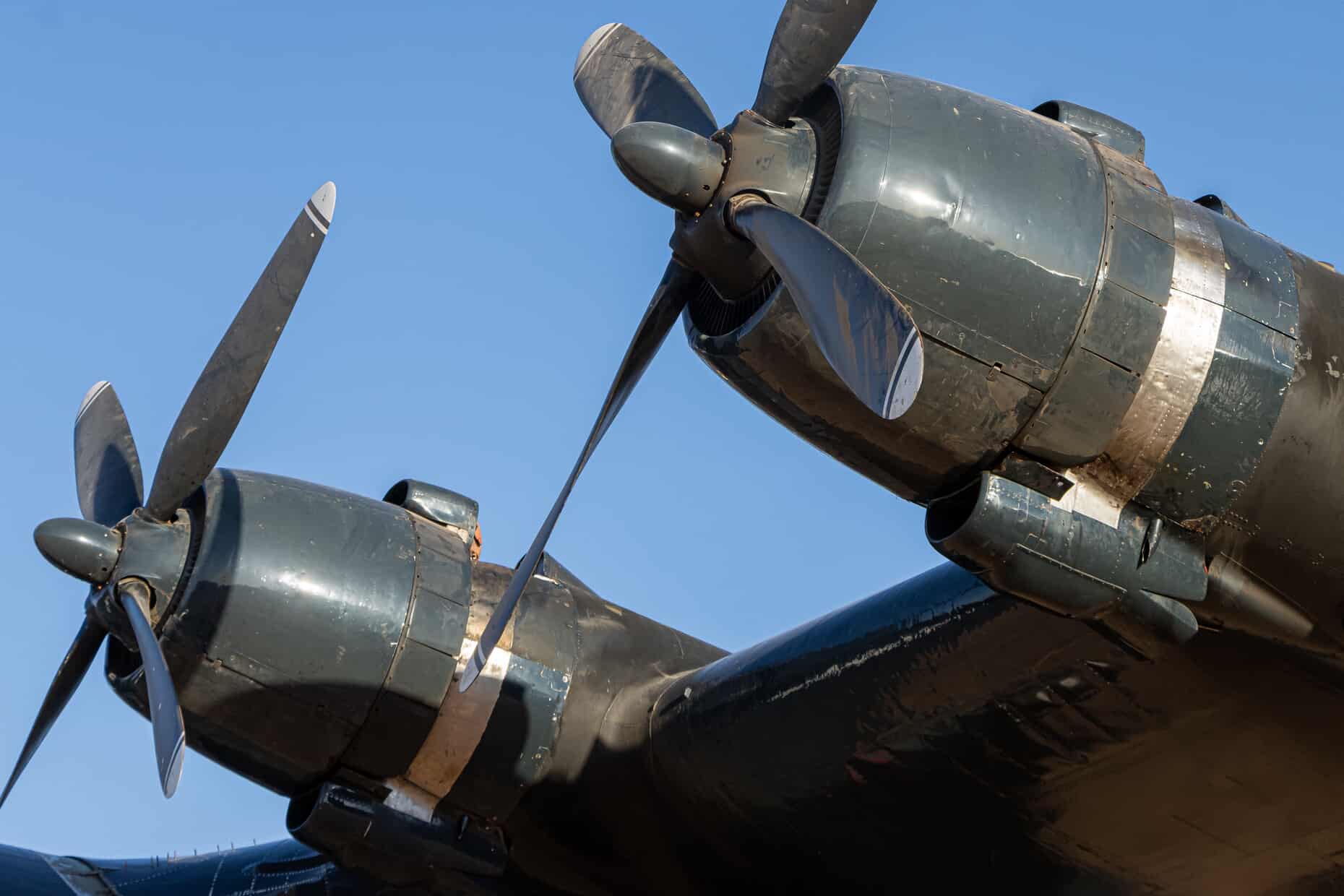
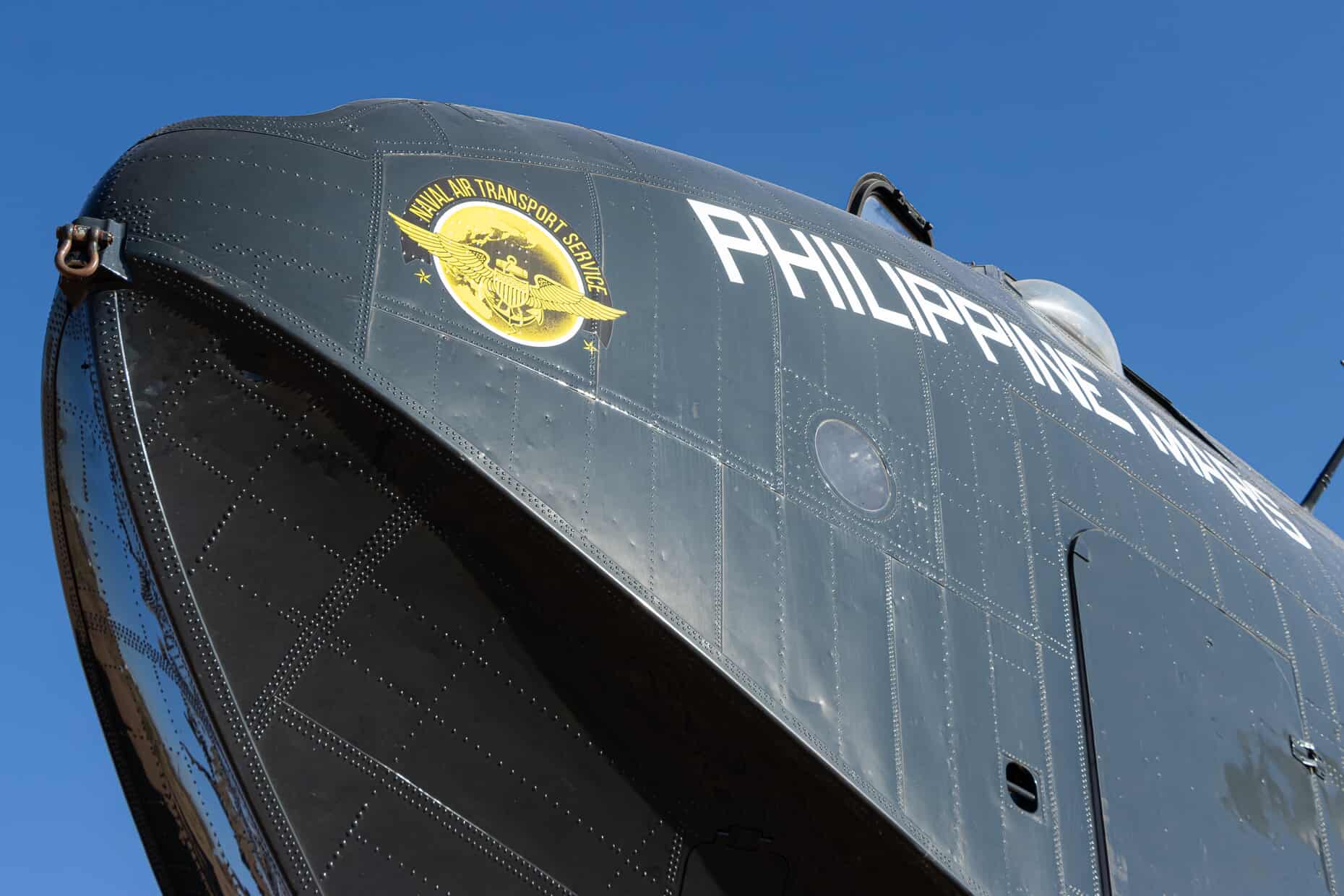
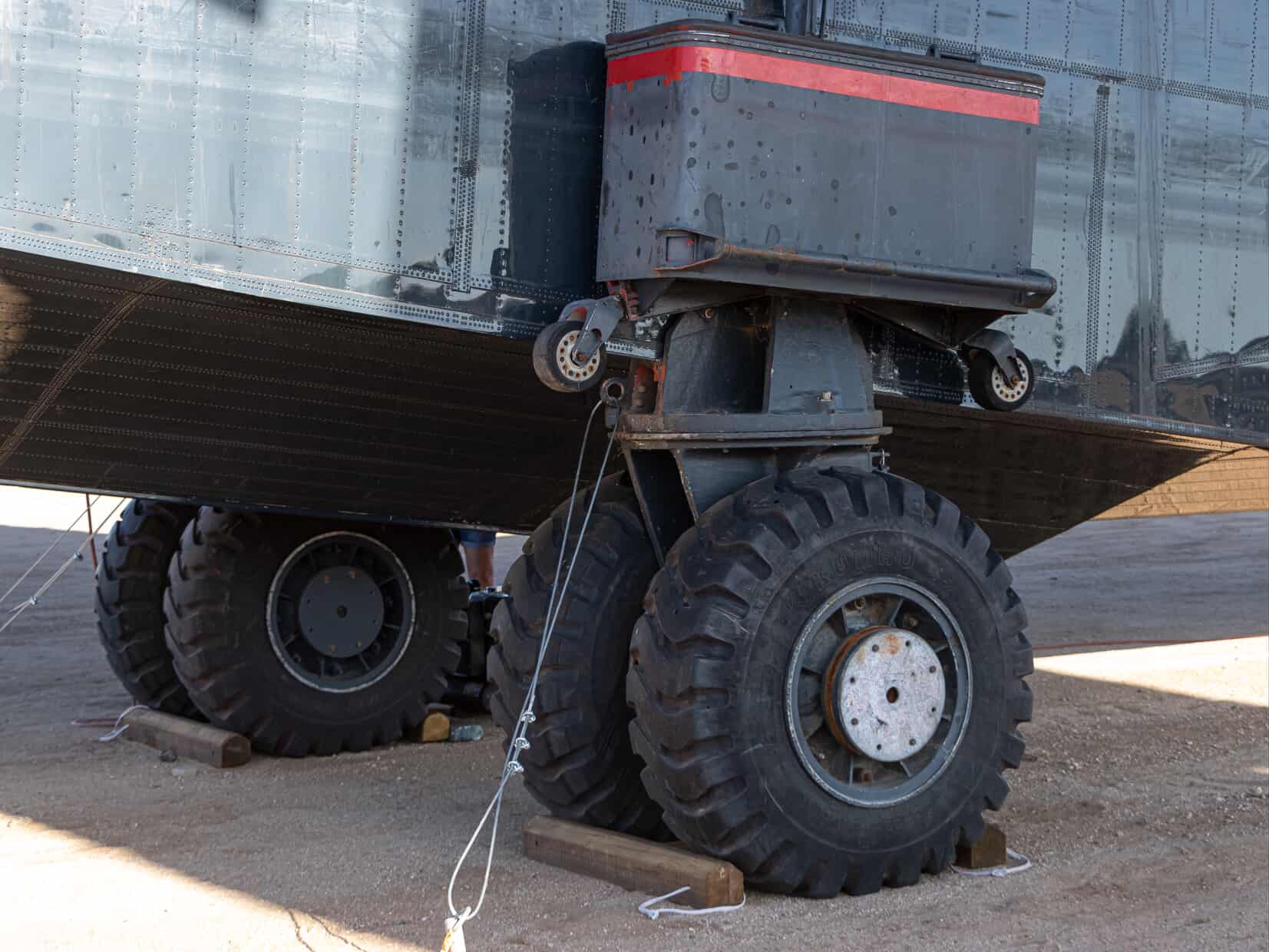
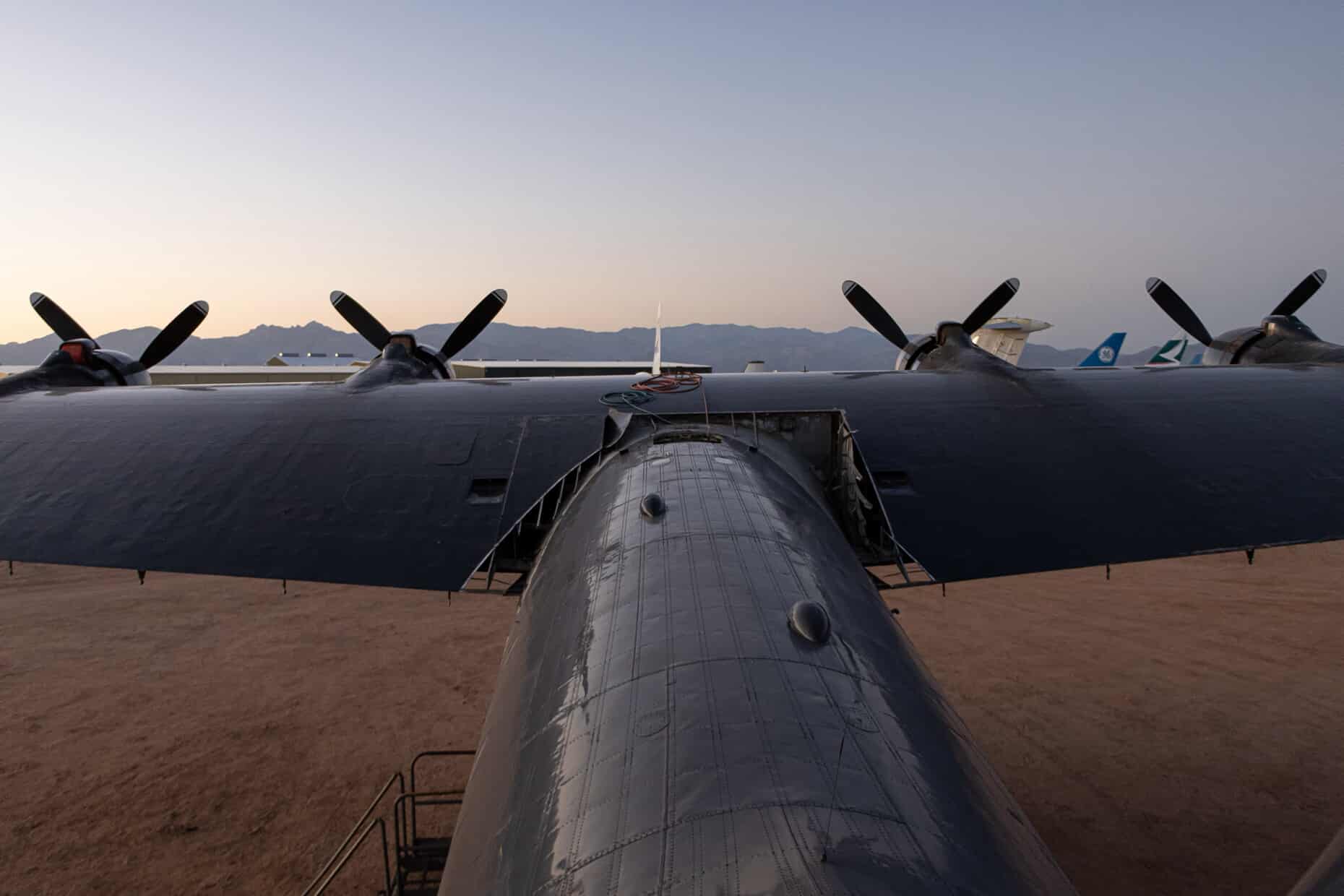
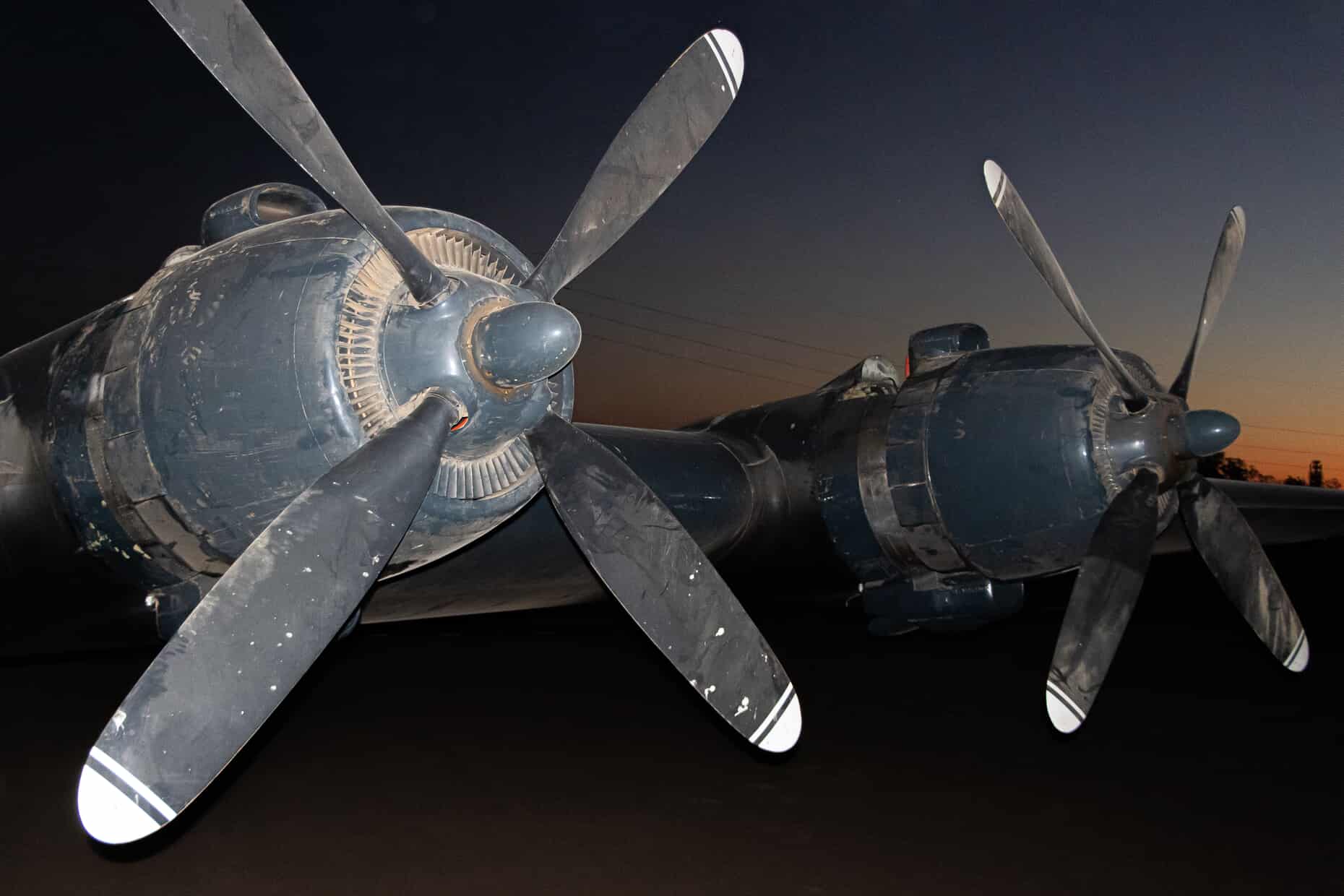
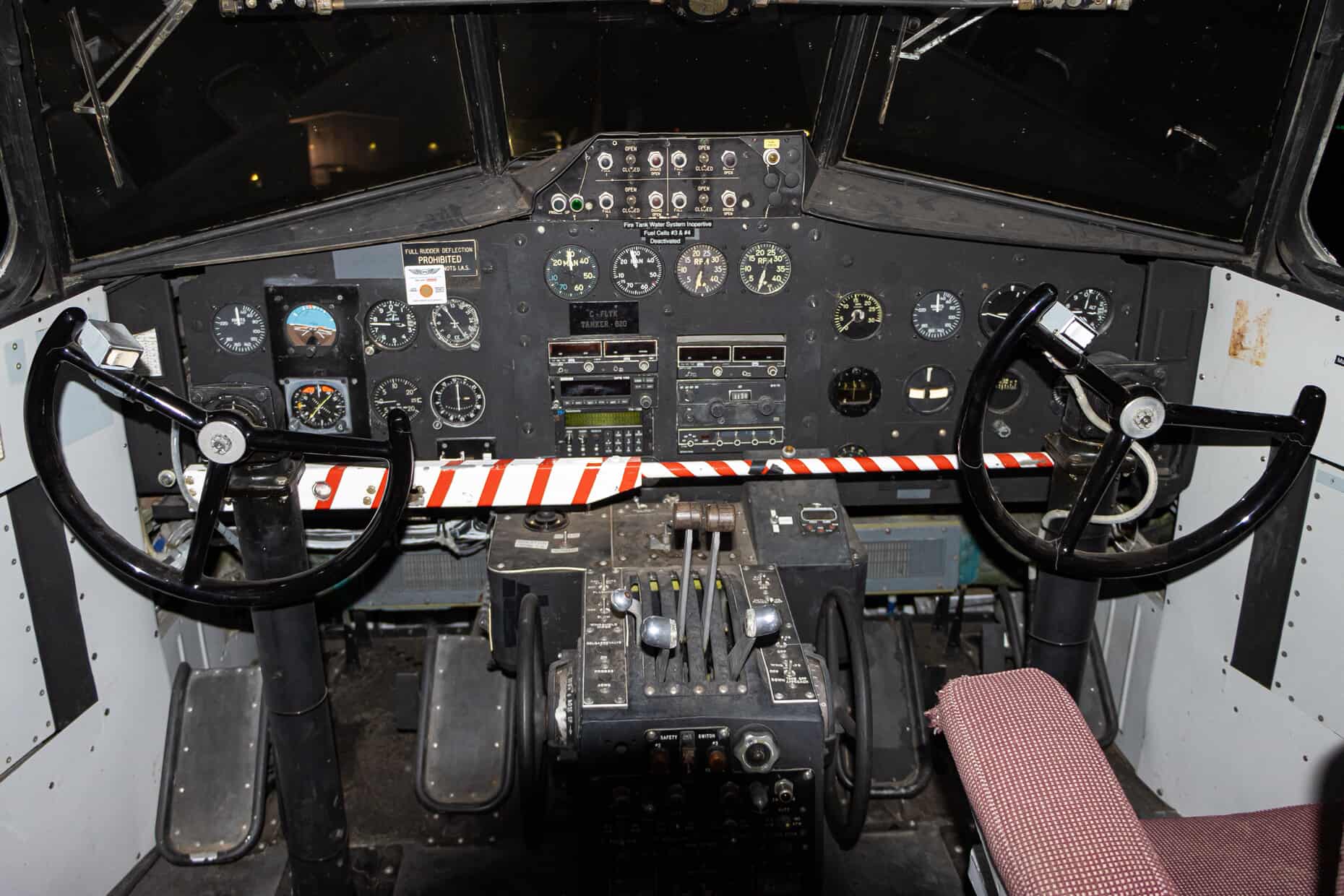
On September 24, a tug from the museum’s restoration facility was brought out and towed the Philippine Mars tail-first into the museum’s display grounds. Today, the Philippine Mars now sits next to the museum’s Boeing 787 Dreamliner prototype and just outside the building for the 390th Memorial Museum, which exists inside the Pima Air and Space Museum. In light of moving the Philippine Mars to be on public display, the Pima and Space Museum released the following statement: “After a short trip from the re-assembly area via tug, Philippine Mars is finally here on the public grounds and placed for display. The team has a little more work to do securing her in place, but our museum is open, and visitors are welcome to come and see her. We are grateful for your interest and for your patience, and are proud and humbled to be her forever home in her final chapter – preservation.”





















I thought World Wide Aircraft Recovery was the firm tasked with the disassembly, movement, and reassembly of the Philippines Mars. The previous articles mentioned that World Wide Aircraft Recovery was handling her diisassembly, and movement to the museum, so, why are you saying that a local company had the job, instead of World Wide Aircraft Recovery?
No, it was Southwest Industrial Rigging. When I drove out to Lake Pleasant to see the Philippine Mars back in February, it was Southwest Industrial Rigging that was disassembling and transporting the Mars to Tucson. They have previously worked with the Pima Air and Space Museum back in 2023 in removing the main mirror assembly of the infrared telescope from the former NASA 747SP SOFIA in order for it to be displayed in a museum in Germany, as the aircraft was part of a joint mission between NASA and the German Aerospace Center.