
Keeping Santo Flying: The 29th Air Service Group on Espiritu Santo – Originally published in the South Pacific WWII Museum Newsletter, December 2025 – James (Jimmy) Carter. The article was gently edited for our readers.
When the 29th Air Service Group (a highly skilled aircraft repair and supply unit of the then U.S. Army Air Forces) arrived on Espiritu Santo, in the New Hebridges (now called Vanuatu), it was a completely different setup compared to what the group was used to in the U.S. The island was largely covered in dense jungle, with small sandy beaches along the coast, and it soon took on an important role in the Allied effort in the South Pacific. In those early months, much was still uncertain, and the group often had to adapt as problems arose.
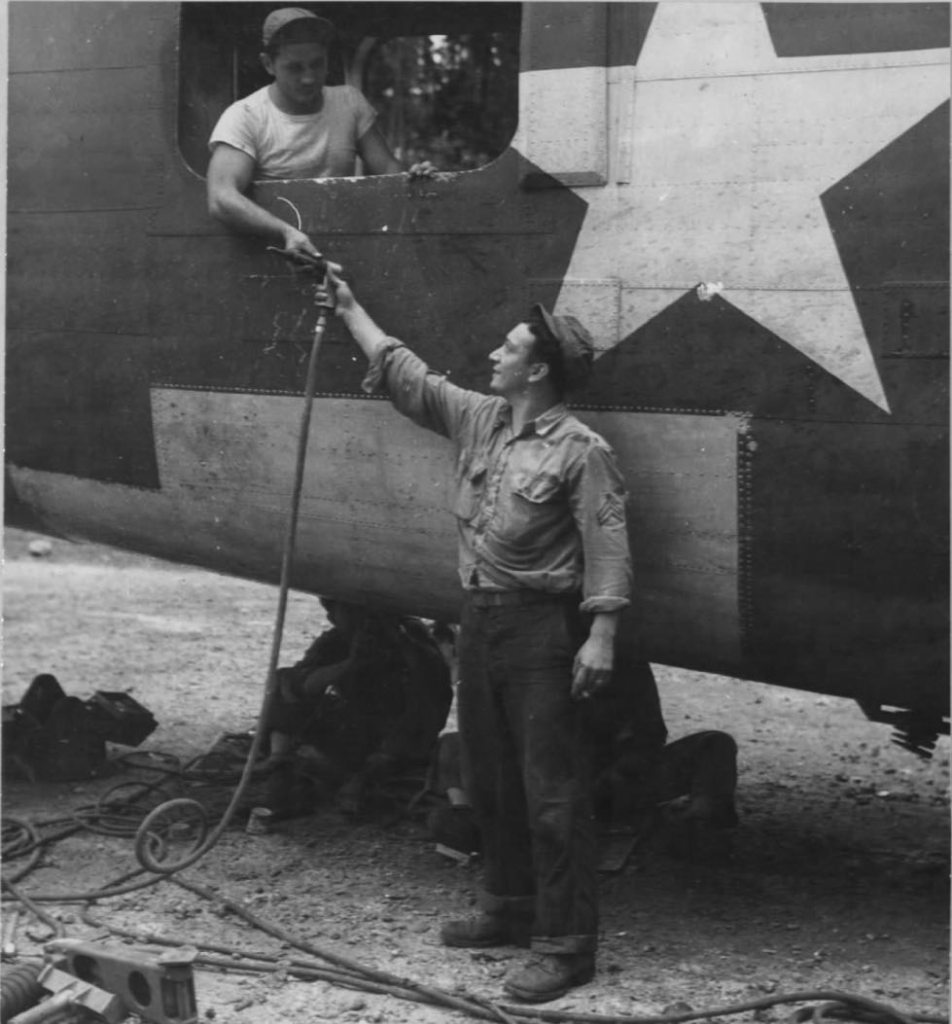
Getting to Espiritu Santo came with its own set of problems. Some of the group’s equipment, shipped aboard the USS Mormacsea, was delayed, while a second load carried on the USS Edison was damaged in a storm near Fiji. Officers Lawrence Jarvis and John Scott, along with four enlisted men, were assigned to stay with the cargo and see it through the incident. Although smaller items were lost at sea, most of the heavy machinery was recovered and reached Santo on January 8, 1943. Once the equipment arrived, the group could finally begin setting up a functional base. Choosing a place to set up camp was a task of its own. The group selected a heavily wooded area on a peninsula in the southeastern part of the island, no more than six miles wide at its narrowest point. Clearing the jungle took exhausting effort. Banyan trees tangled with hanging vines and dense coconut palms slowed progress, though they sometimes offered cover during Japanese air raids. To keep work areas from turning into mud due to heavy rains, the men in the group dragged coral and sand by hand in shifts. Over time, mess halls and shower facilities were built using empty fuel drums and palm logs. This reflected how the group relied on improvisation.
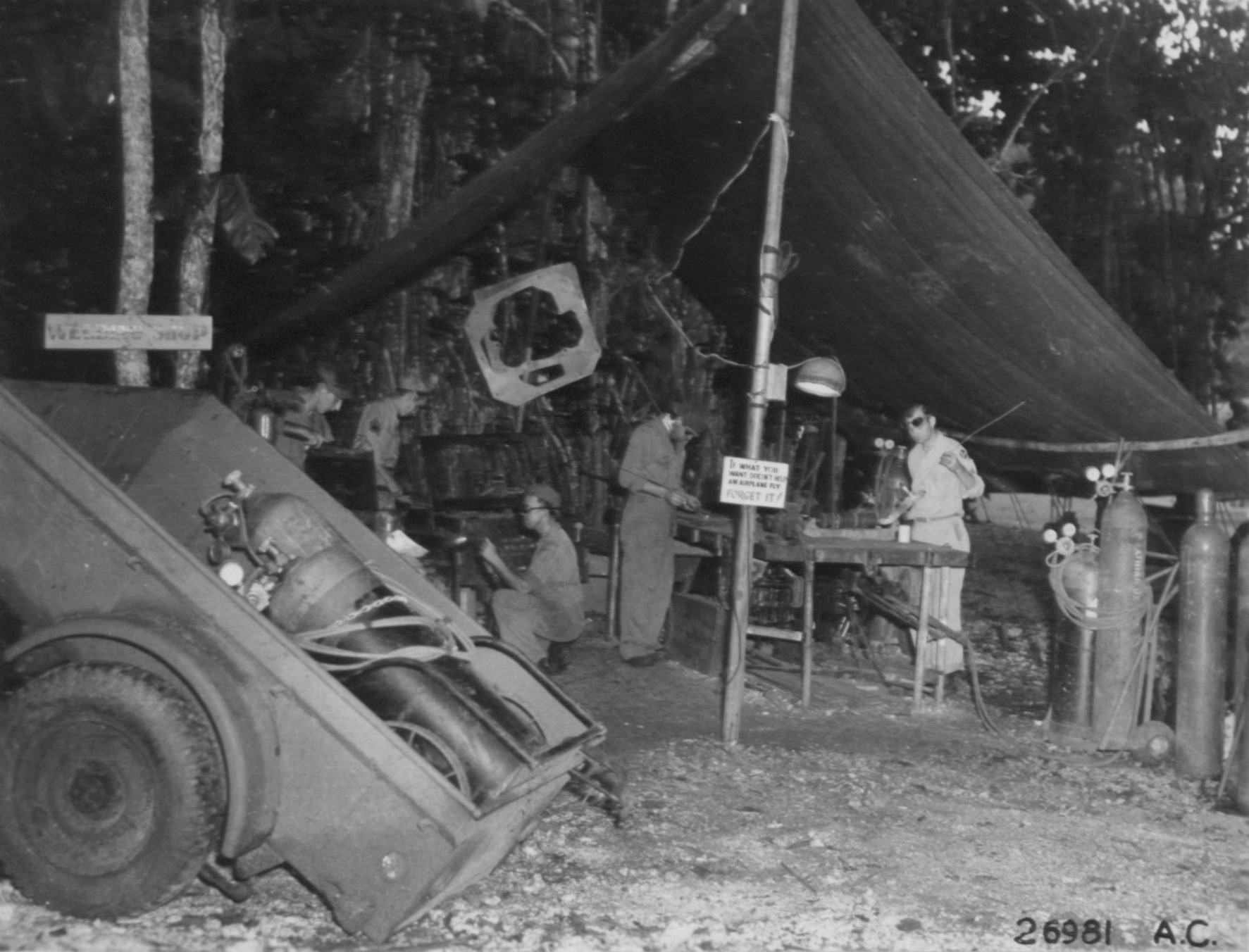
Even with the heavy workload, the men understood that morale mattered. Portable generators were put to use to supply power for the headquarters and the dispensary, and small, practical fixes helped make day-to-day life easier. One solution was a simple shower setup, using sprinkler heads mounted on improvised frames to deal with the tropical heat. Steel cots were set up, living spaces were painted, and whatever could be done to make the camp more comfortable was done. These small efforts helped keep spirits up while the work continued. Once operations were underway, the 29th Air Service Group quickly became essential to the effort in the region. The ordnance units, including the 1637th and 1021st Ordnance Companies, were tasked with assembling vehicles and equipment, often without proper lifting gear. Diamond T wreckers were not available, so crews relied on tall trees, simple A-frames, and block-and-tackle rigs to handle GMC trucks and other heavy vehicles.
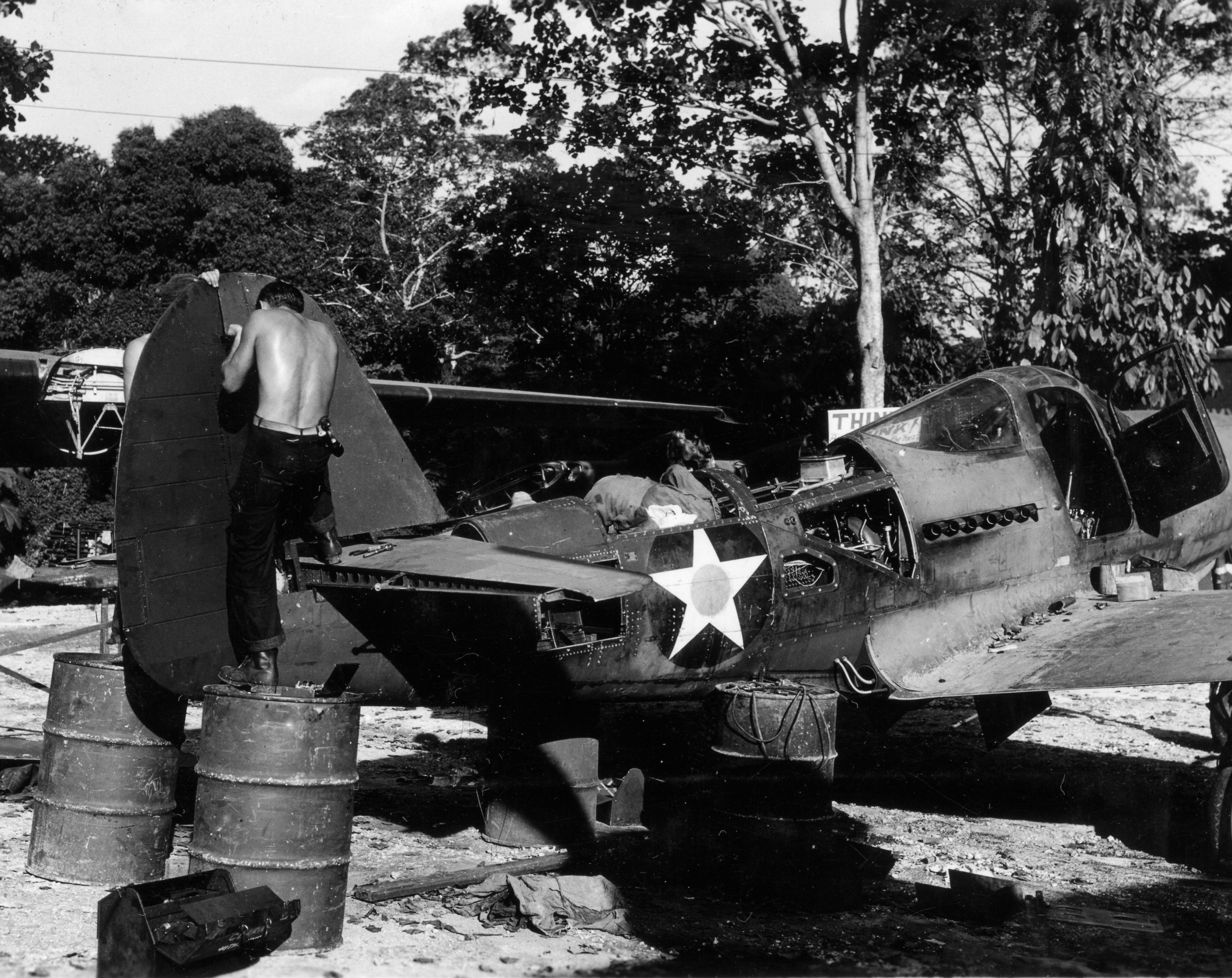
Maintenance duties were split between several shops, including Chassis and Heavy Units, Engine Overhaul, and Body and Fender. Each section dealt with ongoing repair work as vehicles arrived from the field. Parts shortages were common, and proper replacements were not always available. In some cases, crews resorted to temporary fixes, such as shaping brake shoes from wood when metal components could not be sourced. Ordnance and supply work was ongoing. Parts tents were set up close to the work areas, and several vehicles, including four cargo trailers and a GMC truck, were adapted to move parts as needed. The automotive section stayed busy with inspections and repairs. Crews worked on transmissions, clutches, cooling systems, and other engine components, often while dealing with constant heat and frequent rain.
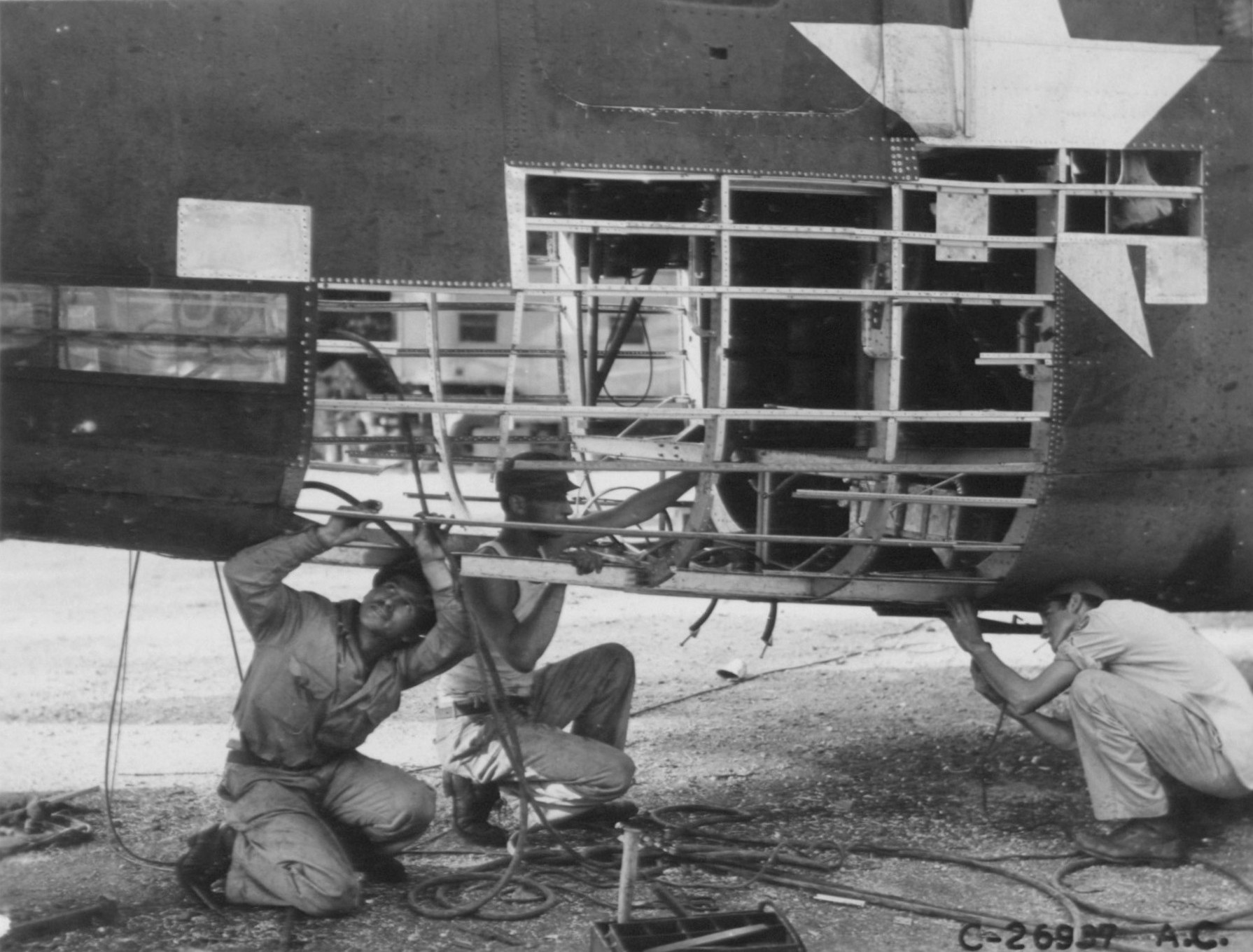
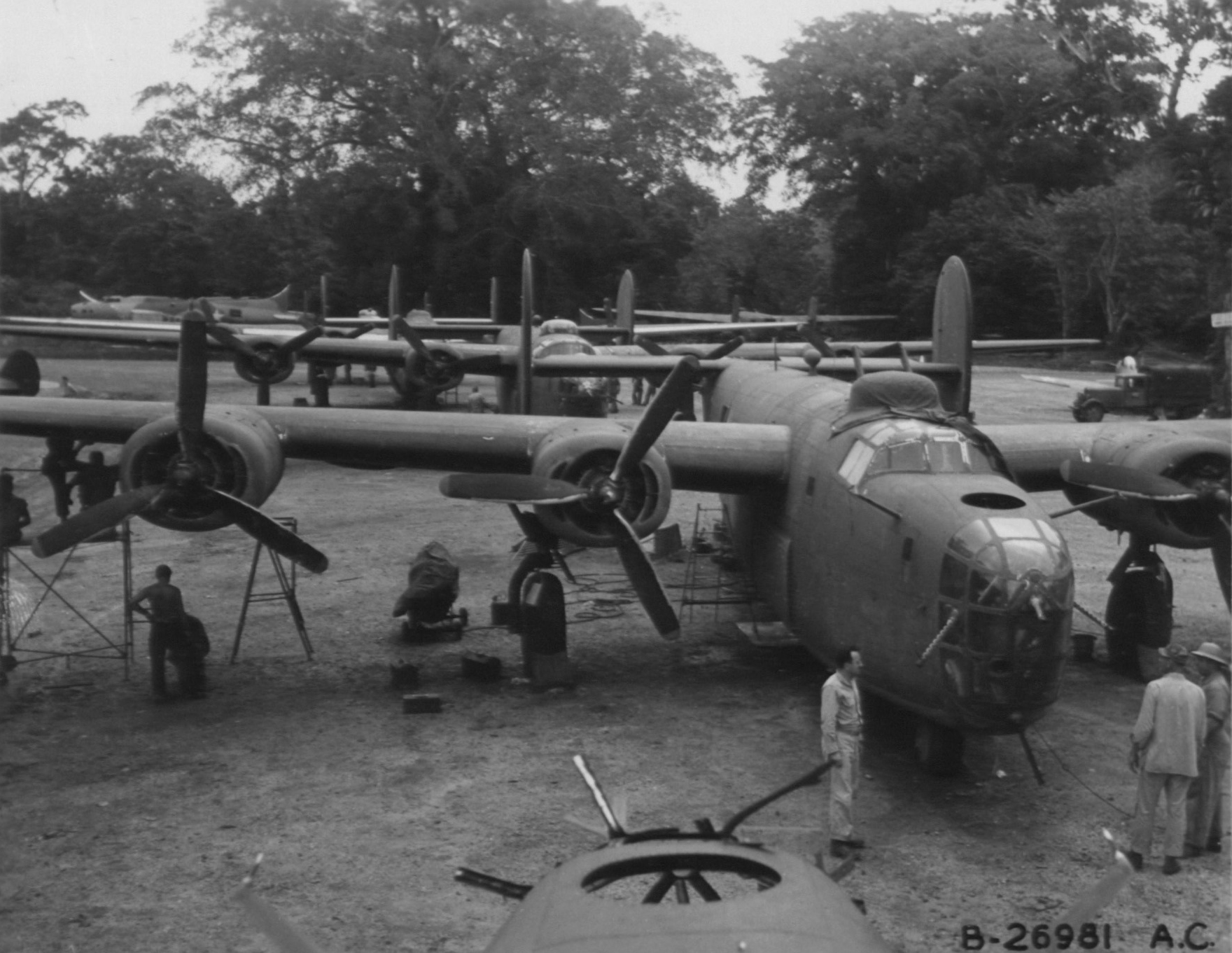
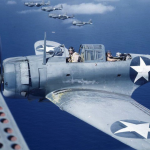
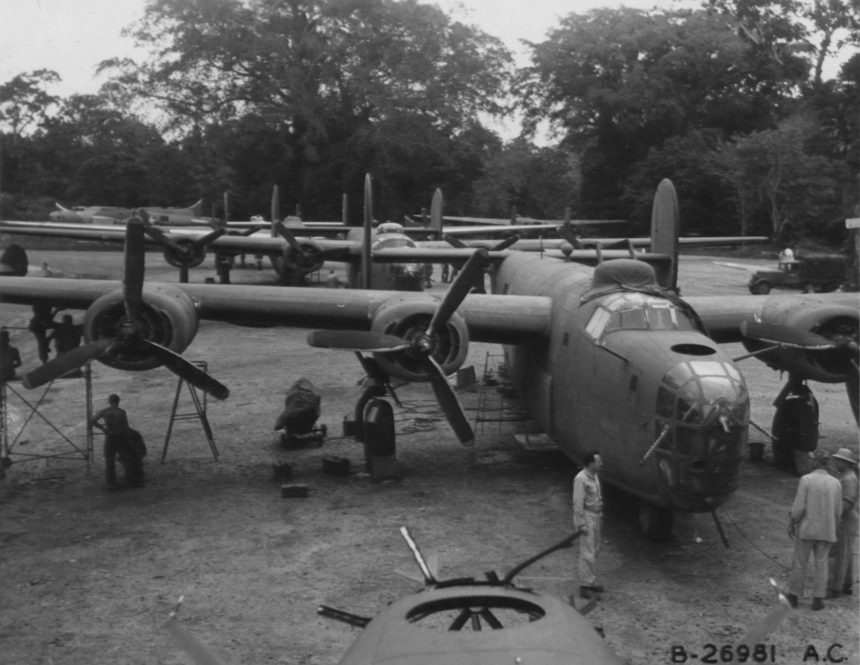
Aircraft maintenance was just as important. The 29th worked closely with the 13th Air Force, supporting bomber and fighter units spread across the New Hebrides and the Solomon Islands. Crews repaired combat-damaged aircraft, supplied needed parts, and found practical fixes when standard equipment was not available. The work never really stopped, with aircraft returning to service as soon as repairs were finished. Espiritu Santo was not without danger. A lone Japanese aircraft, known to Allied personnel as “Washing Machine Charlie,” carried out regular night raids, dropping bombs that threatened both men and equipment. During one such attack, a Japanese bomber released several bombs near the 1637th Ordnance Company bivouac area. One 500-pound bomb buried itself deep in the coral without detonating, leaving a large crater. There was no bomb disposal team on the island, so Lt. Andrew Burke pulled together a group of volunteers from the 1021st Ordnance Company. Working in shifts with picks and shovels, they dug nearly thirty feet into solid coral before realizing the bomb was armor-piercing and fitted with a delayed fuse. When it finally detonated, there was no serious damage, and the effort later earned a special commendation from Island Base Commander Brigadier General B. C. Lockwood.
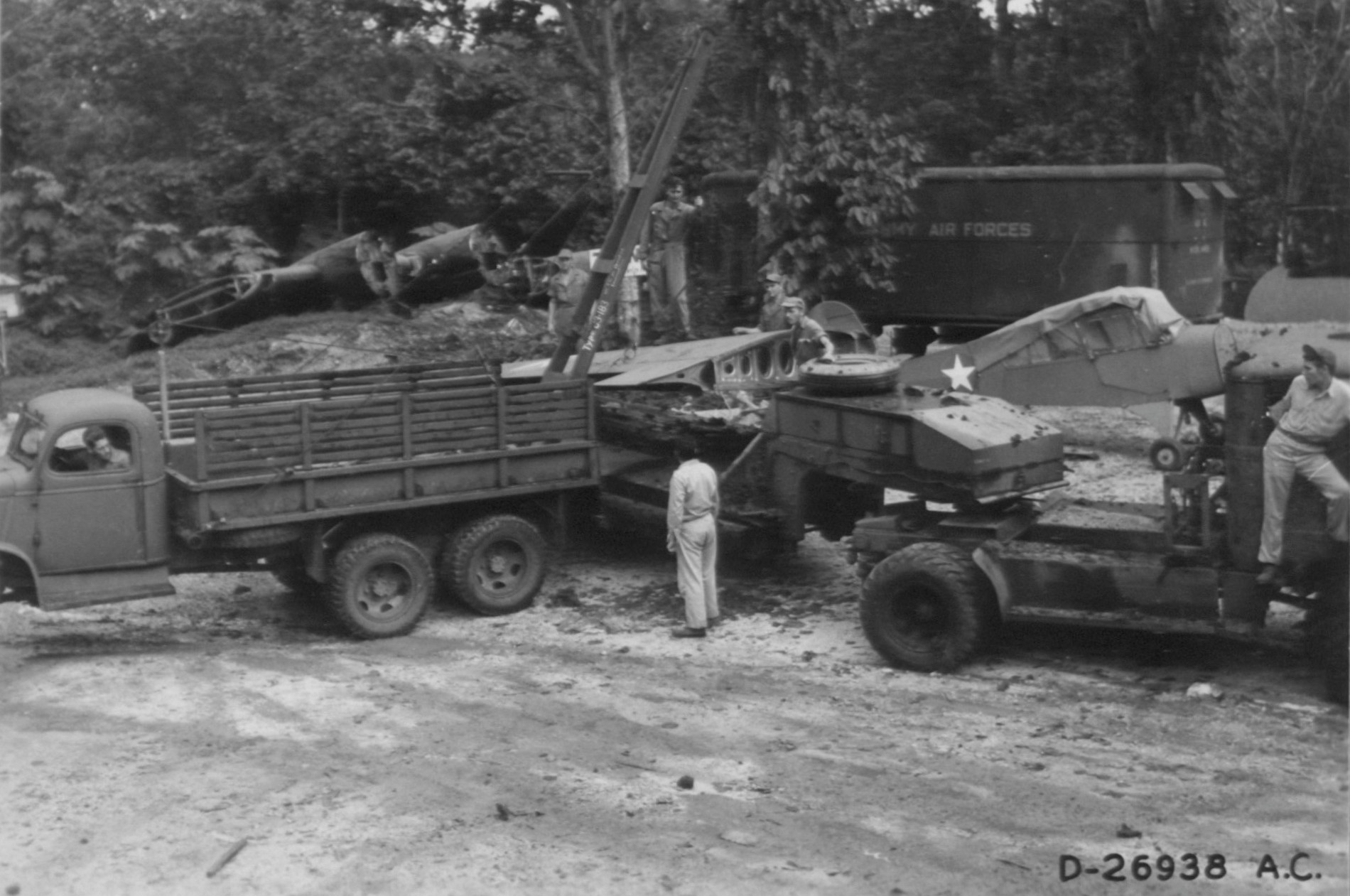
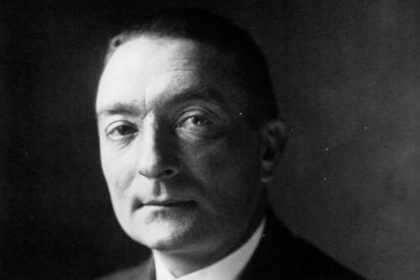
The 29th Air Service Group also constructed essential base buildings, which include the first set of quarters for General Nathan F. Twining, the 13th Air Force Commander. The group used tropical hardwoods like rose mahogany and teak to build the quarters. Over the following year, General Twining relied on the 29th Air Service Group to keep combat aircrafts operational, frequently noting the group’s effectiveness in supplying, repairing, and maintaining aircraft across the region. Life on Espiritu Santo was tough. Supplies were often short, air raids were a constant worry, and building an air base out of jungle and coral was slow, hard work. Even so, the 29th kept the 13th Air Force running and often managed to do more than was asked of them. By mid-1943, as operations shifted north toward Guadalcanal, the group began preparing to leave Santo. Equipment was packed and shipped aboard the USAT Jane Adams, while a rear echelon remained briefly to complete the remaining tasks. The main body of the unit then moved on to its next assignment. The 29th Air Service Group’s time on Espiritu Santo highlights the importance of the support units in the Pacific War. While combat squadrons carried out missions, it was groups like the 29th that kept aircraft flying and operations moving forward. For more South Pacific WWII Museum, visit www.southpacificwwiimuseum.com