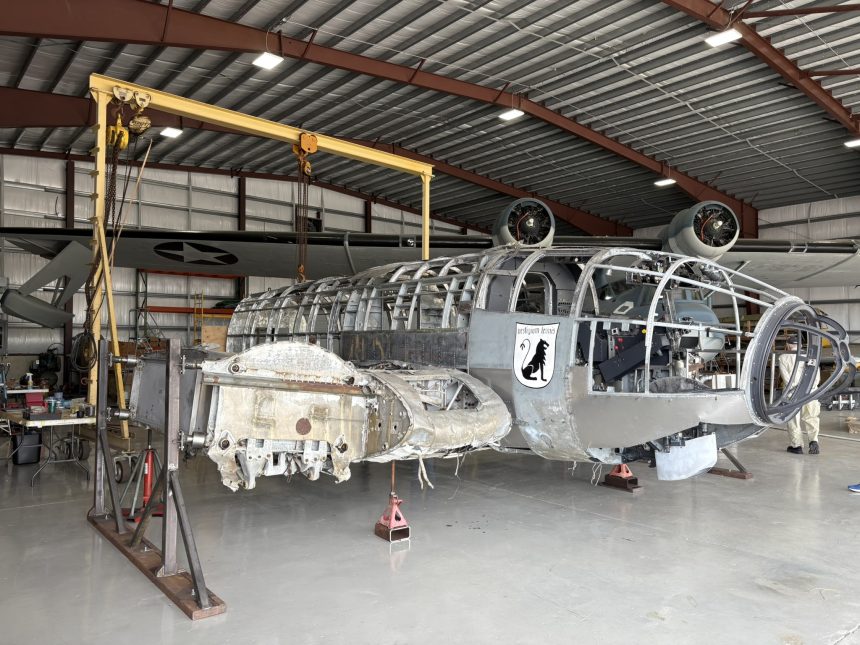

The American Heritage Museum is making progress with a significant and historically important restoration project on its Heinkel He 111H-3 bomber, a rare survivor of the World War II German Luftwaffe and a combat veteran of the 1940 Norwegian Campaign. The aircraft is now undergoing detailed restoration at American Aero Services in New Smyrna Beach, Florida, where teams are working to return it to a highly accurate static display configuration. Once complete, it will offer museum visitors a rare and authentic look into the engineering and design of Germany’s early-war medium bombers.
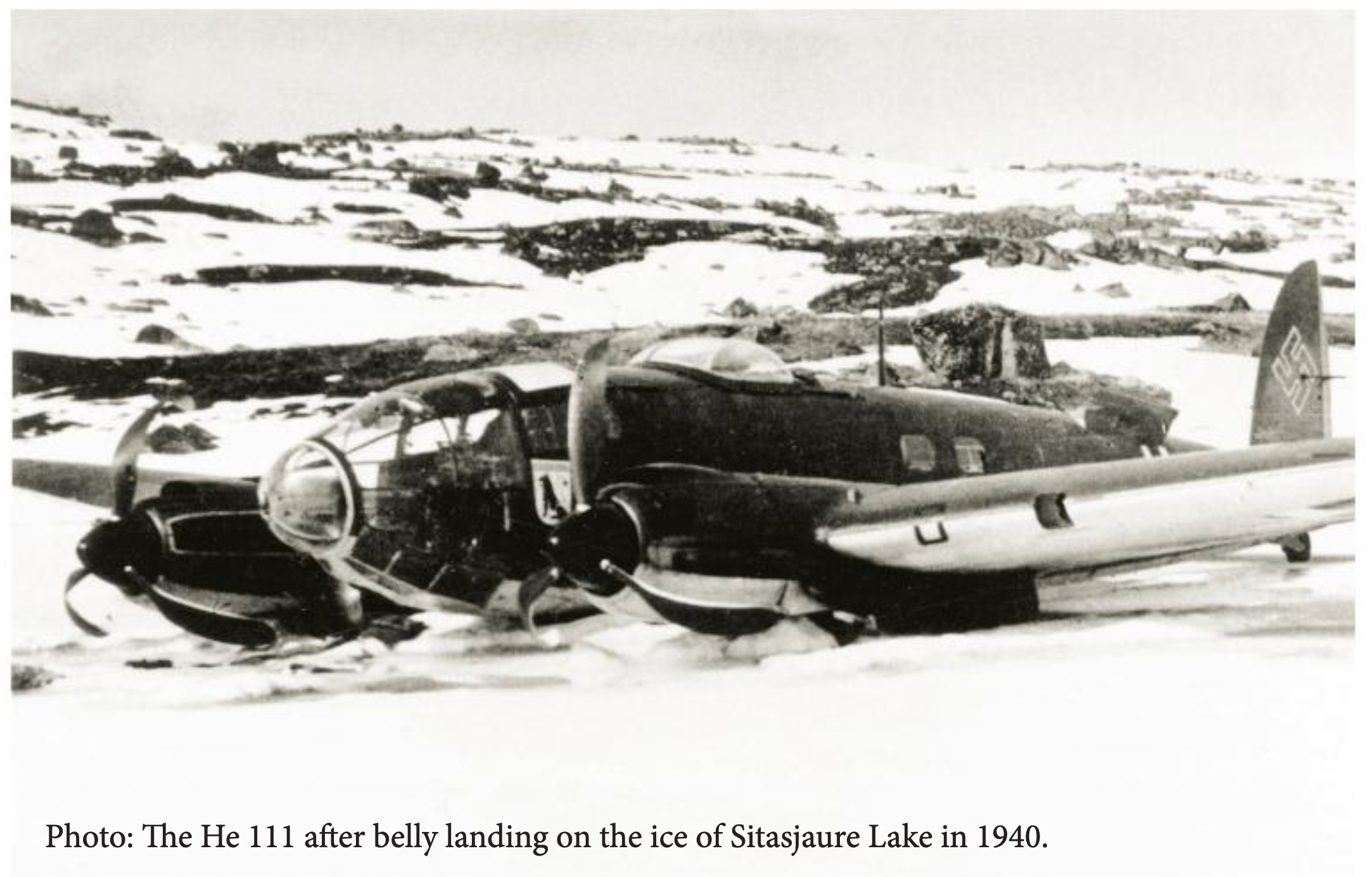
During a recent interview, Rob Collings, President of the American Heritage Museum, provided an update on the work now underway. “They’ll be working on skinning the fuselage fairly soon,” Collings explained. “Paint is next. The team has been straightening everything out because, keep in mind, this airplane didn’t crash—it landed on a lake. But after sitting for decades, it twisted over the years.”
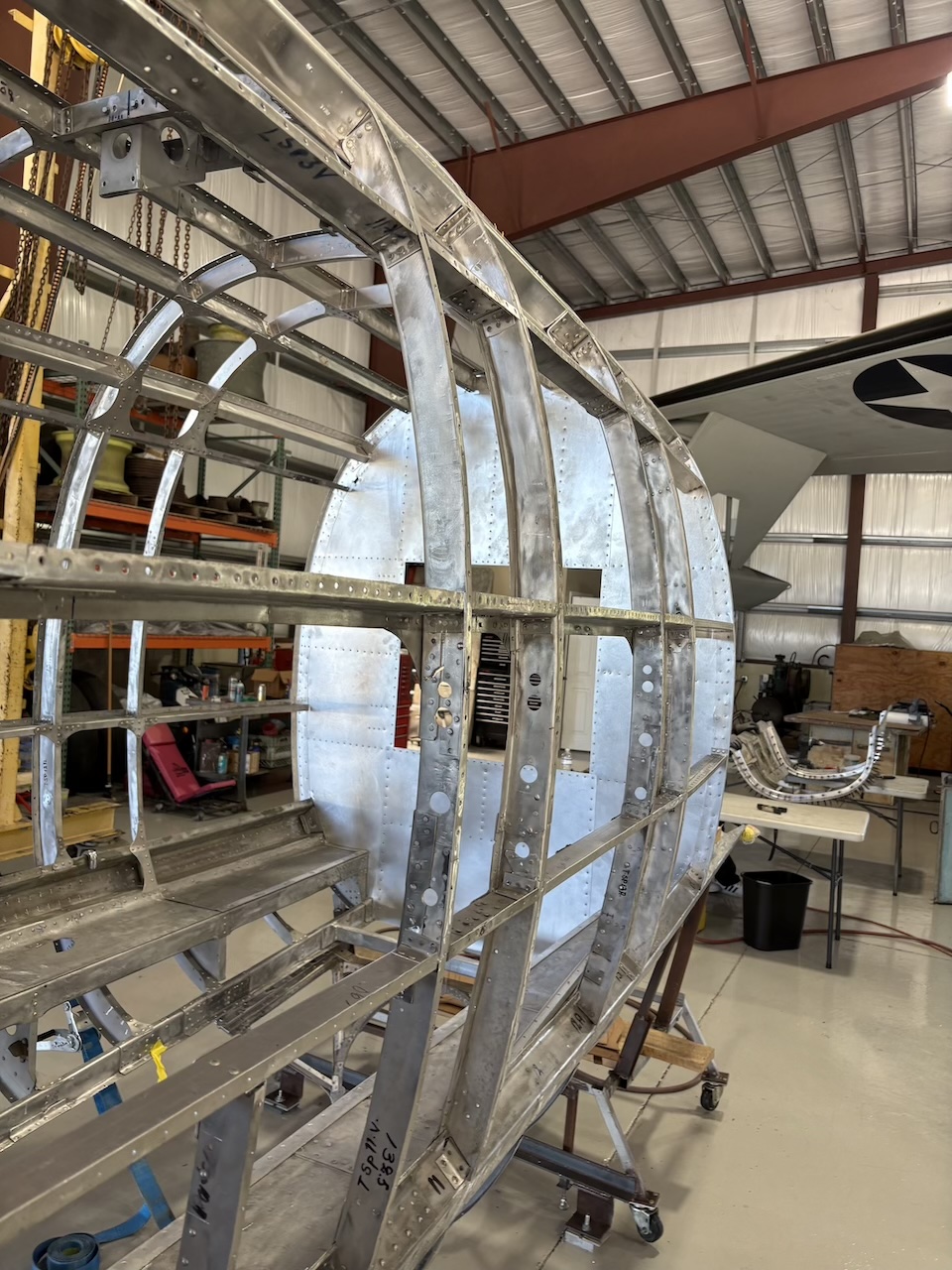
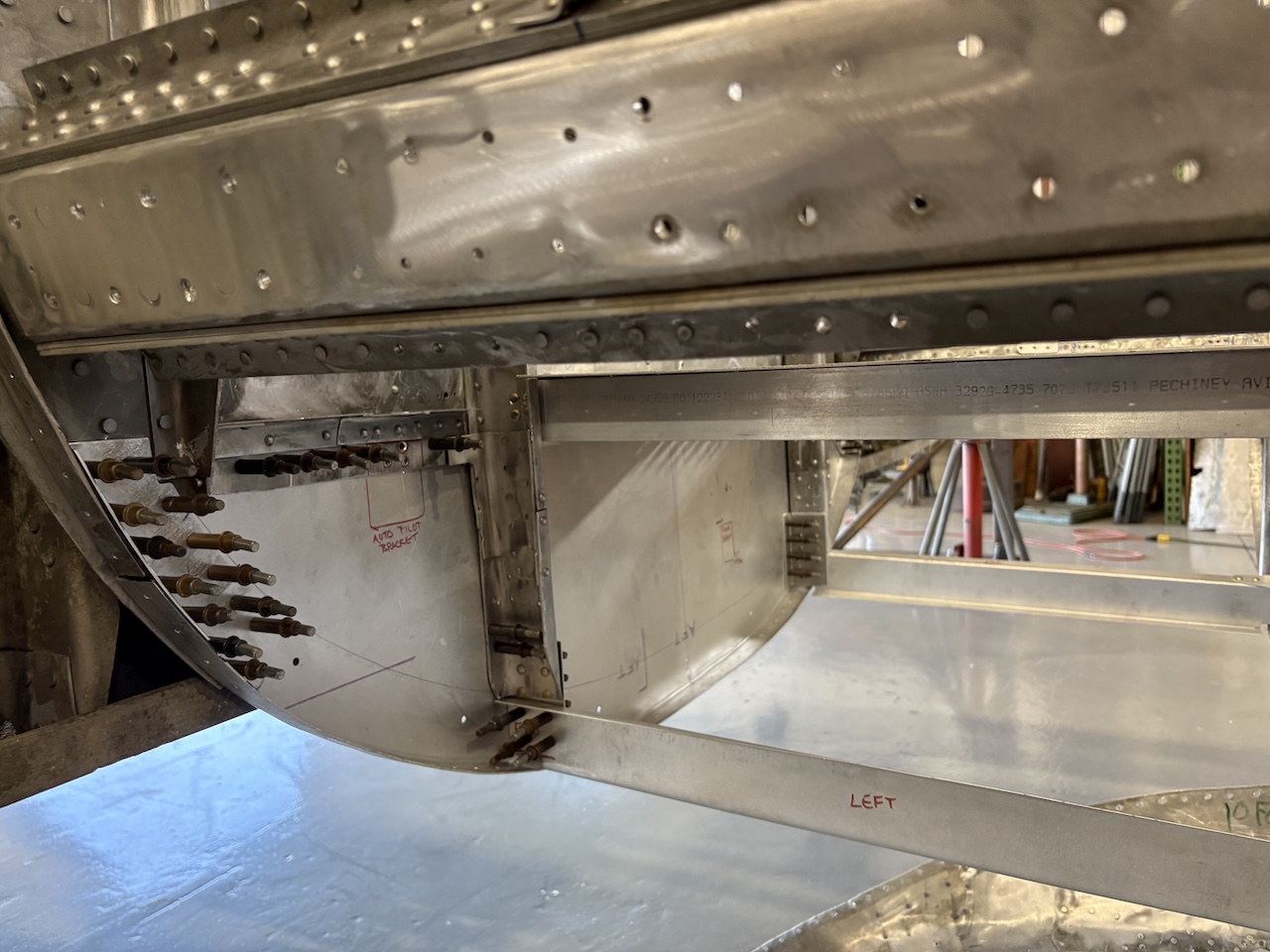
Correcting that distortion has been one of the most demanding aspects of the restoration. With the fuselage realigned and the center section mounted, the project has reached a stage where internal components can be rebuilt and refitted. “Right now, they’re working on the belly gunner’s position,” Collings said. “Getting that all fitted has been a bit of a challenge, but it’s making progress.” The belly gunner station—an exposed and vulnerable position on the He 111—requires precise reconstruction to maintain accuracy. Restoring this area involves fabricating missing structural elements, aligning curved fuselage panels, and ensuring that interior equipment mounts match wartime specifications.
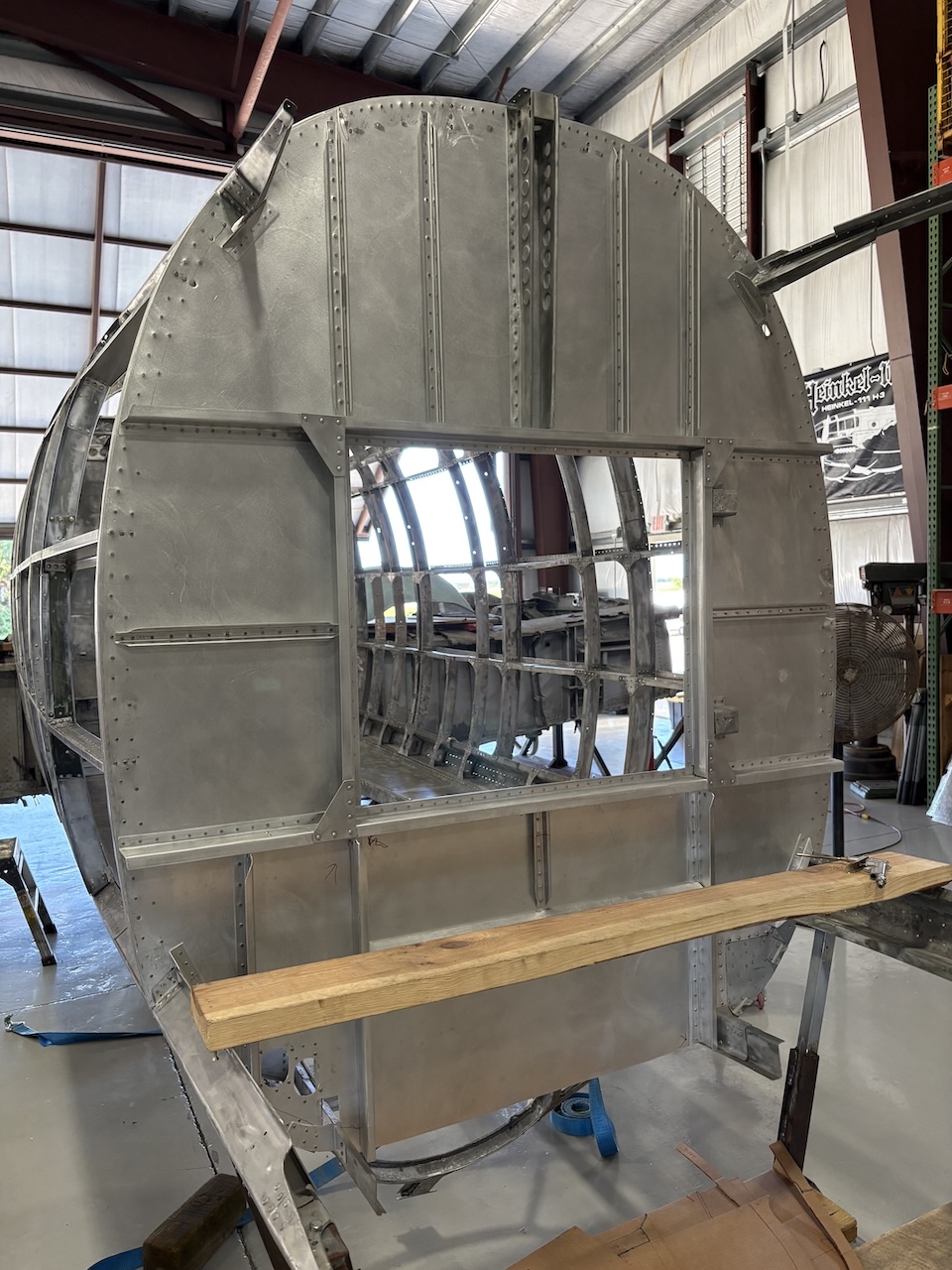
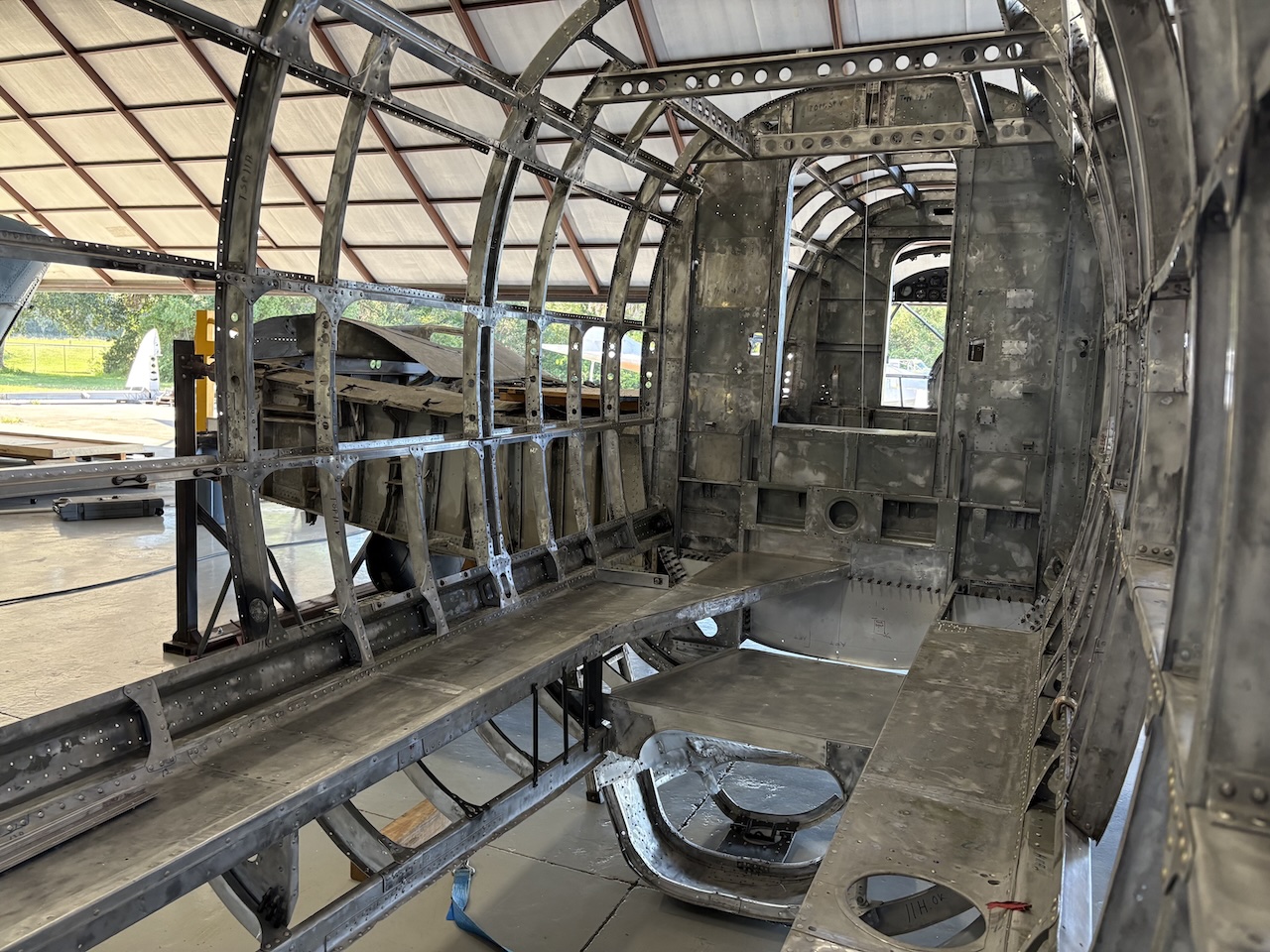
Once the fuselage skinning begins and the belly gunner’s compartment is finalized, the restoration team will shift toward exterior finishing and paint, recreating the He 111’s original wartime appearance. The aircraft’s completion will mark a major addition to the museum’s collection, providing historical context to the Luftwaffe’s operations during the early years of World War II and preserving one of the last surviving He 111 airframes. This project continues the American Heritage Museum’s commitment to restoring and interpreting rare military aircraft, giving future generations the opportunity to study and experience historically significant machines up close. For more information about the American Heritage Museum, visit www.americanheritagemuseum.org.