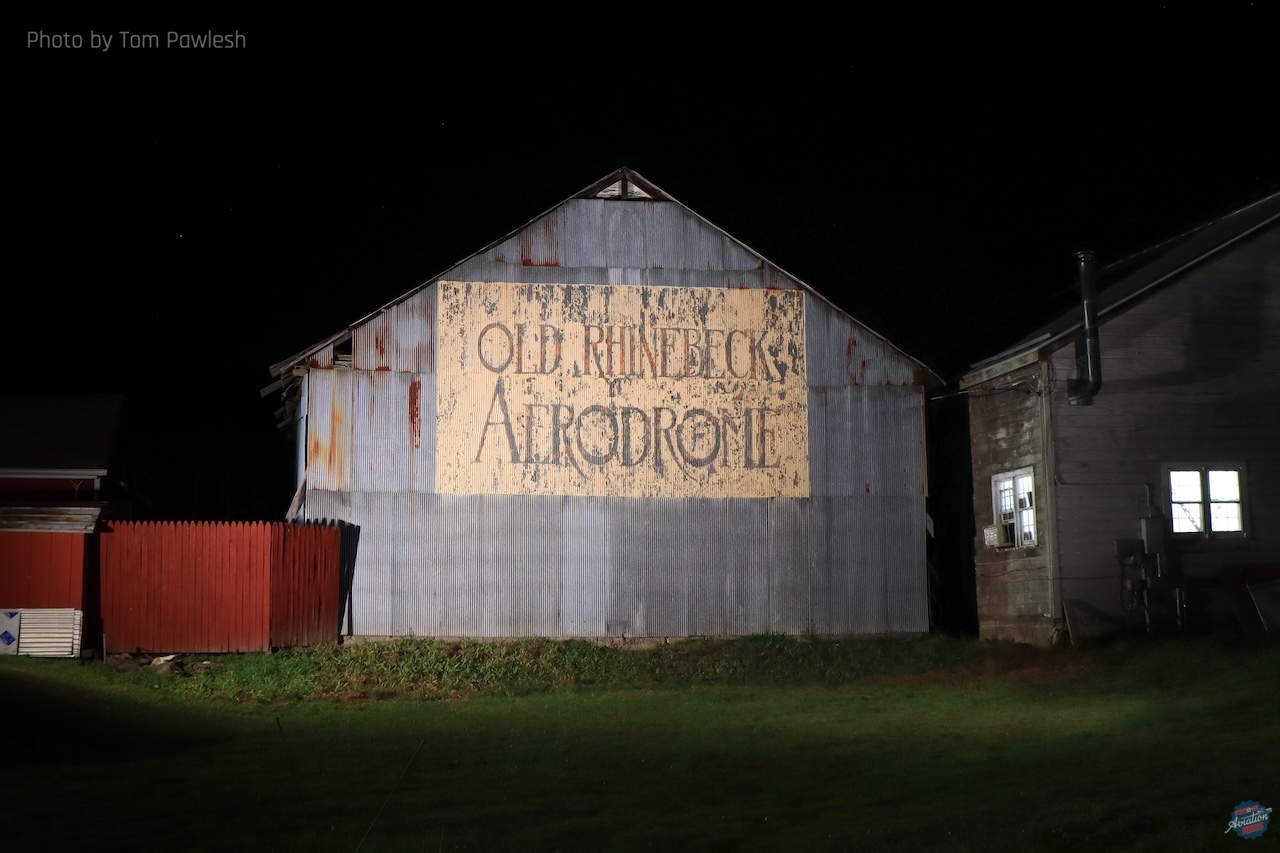
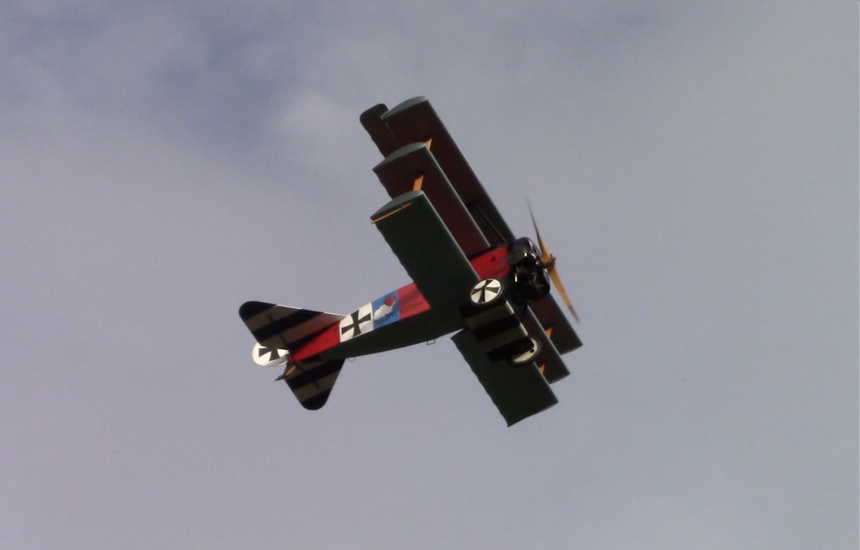

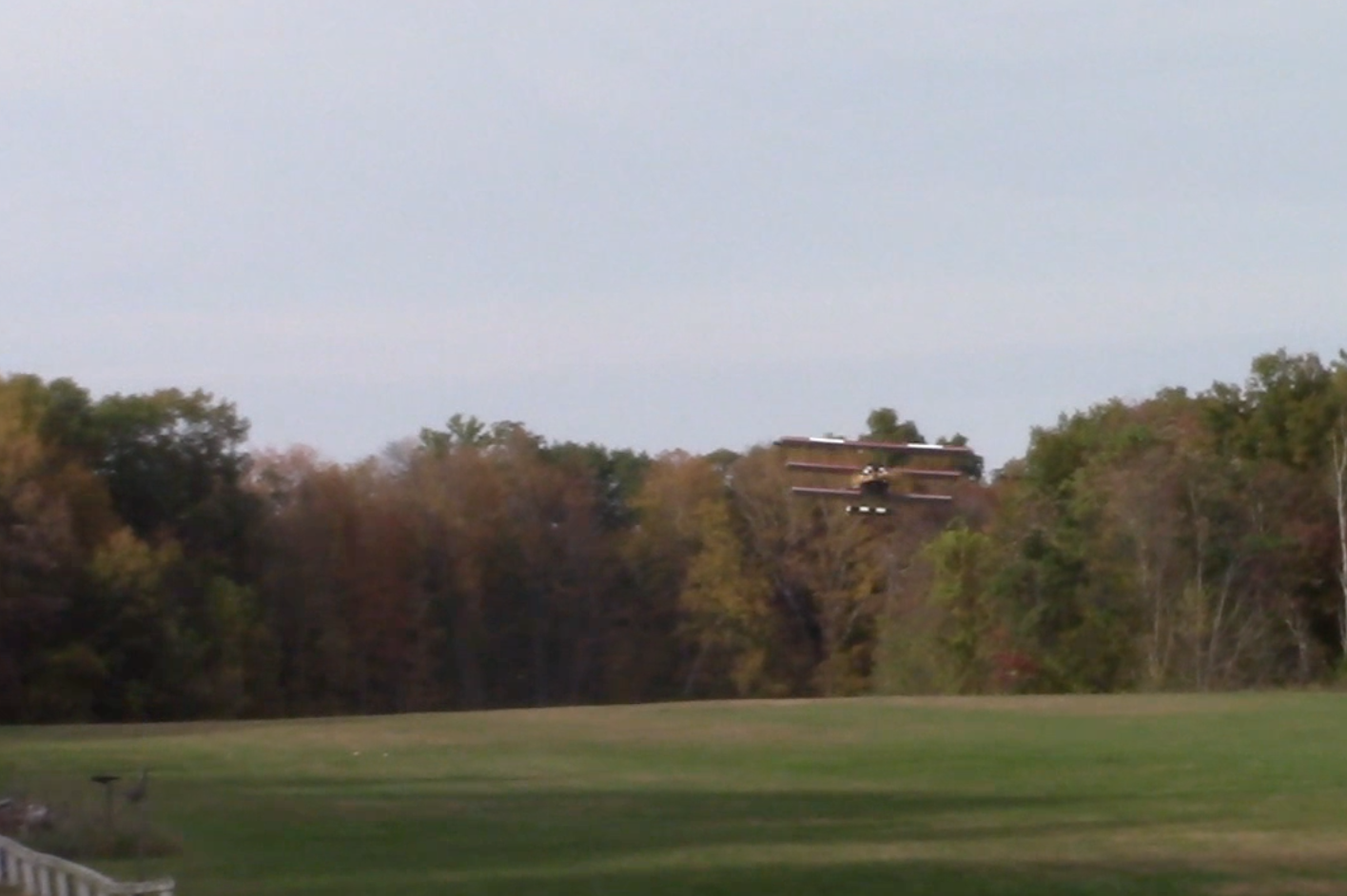
The Old Rhinebeck Aerodrome has achieved another significant milestone in its ongoing efforts to preserve and operate vintage aircraft. After the successfull first flight of the Blériot XI serial number 56 in early October, on Saturday, October 18, 2025, the museum’s replica Fokker Dr.I triplane took to the skies, in the capable hands of the mueum’s chief pilot Clay Hammond, once again following an extensive period of maintenance and restoration. The aircraft, a longtime favorite at the Aerodrome’s weekend air shows, received a much-needed overhaul after years of continuous operation.
Volunteer and project contributor Tom Polapink shared details about the recent work. “It was really just a new build of the wings,” he explained. “This triplane was built many years ago and had accumulated a lot of flight time. It’s been through a tough life, and it was determined that it was time to build a new set of wings for it. Dana Narcunas was called upon to build the new wings, while the museum’s volunteers handled the covering and painting at the Aerodrome. Brian Coughlin started the covering process, with Dave Trost and Mark Mondello finishing it off.”
The Fokker Dr.I is renowned for its exceptional maneuverability and impressive rate of climb. It became the aircraft of choice for some of Germany’s most celebrated World War I fighter pilots, including Manfred von Richthofen—the “Red Baron”—and Werner Voss. Both aces met their end flying the triplane in two of the most famous dogfights of the war.
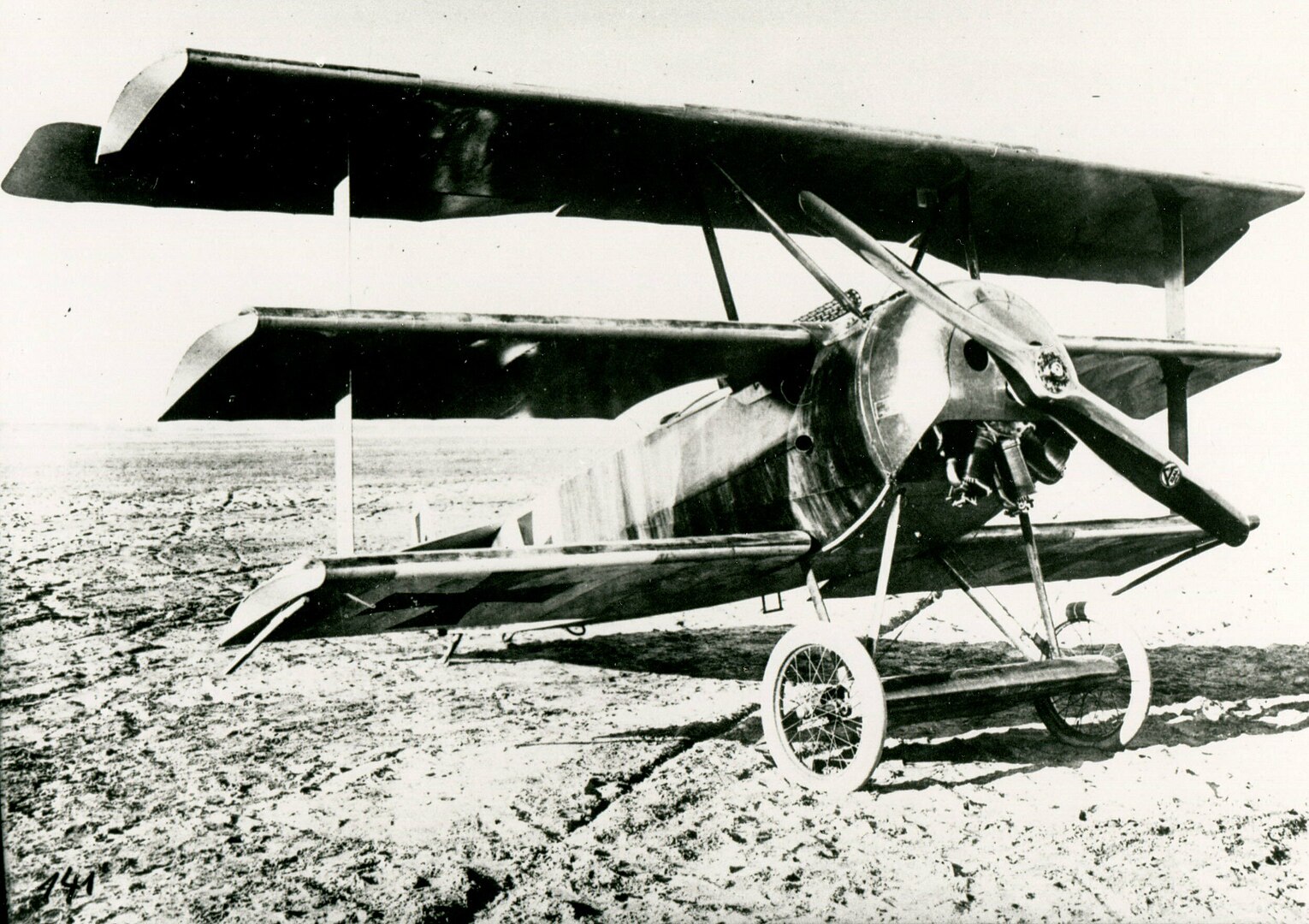
Fokker’s Dr.I was developed in response to the success of the British Sopwith Triplane, which entered combat in the spring of 1917. Seeking to rival its agility, designer Reinhold Platz created a triplane featuring a steel-tube fuselage and cantilever wings, eliminating the need for external bracing. This innovative design marked a major advancement in aircraft construction. However, early Dr.I models suffered from structural failures in flight, often attributed to poor workmanship and inadequate varnishing that allowed moisture to weaken the wooden components.
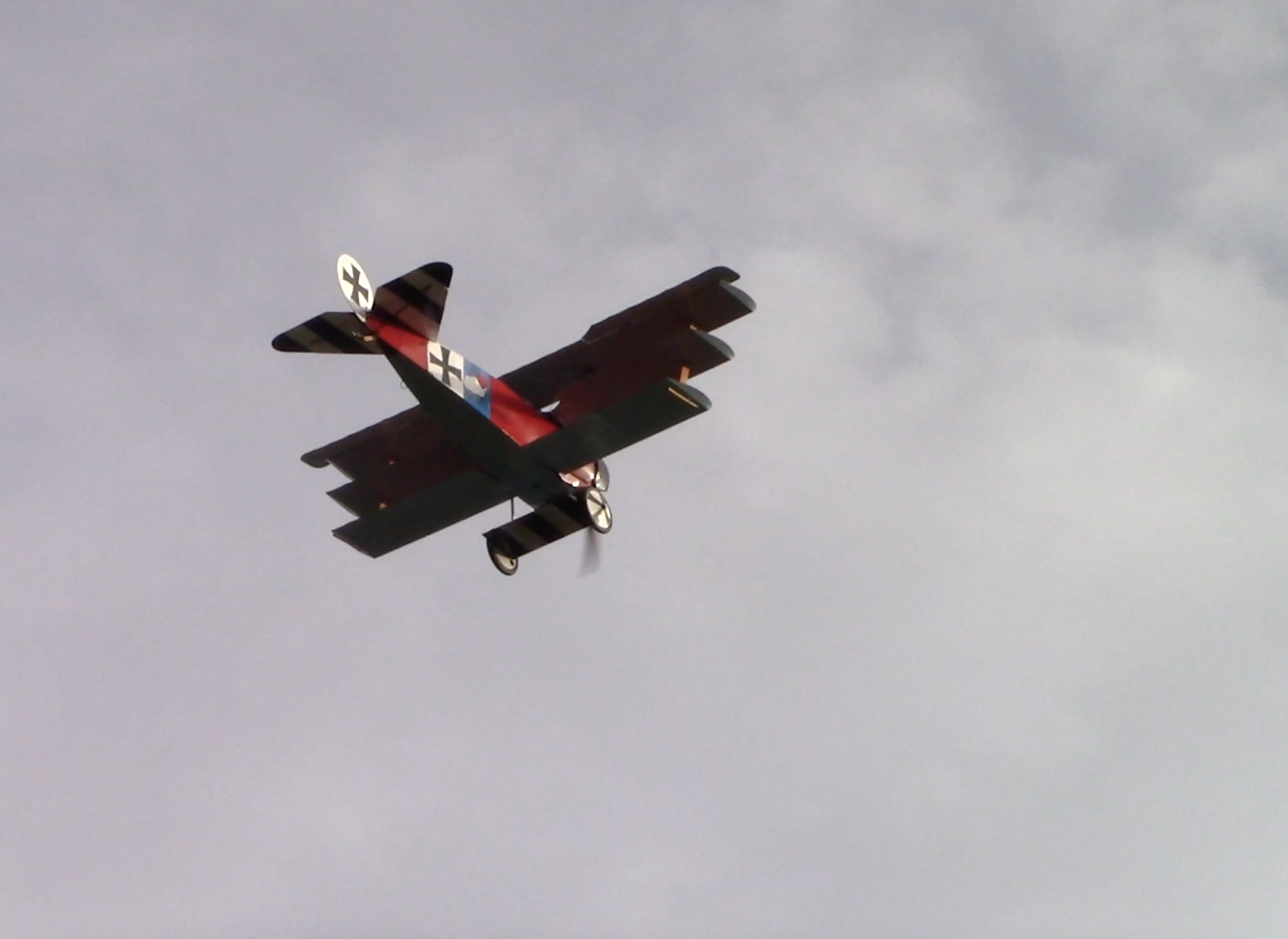
The Old Rhinebeck Aerodrome’s replica was originally built by Hank Palmer and Louis Wilgus. To ensure reliability for frequent flight demonstrations and film work, it is powered by a modern 220-horsepower Continental W-670 radial engine rather than the original rotary powerplant.
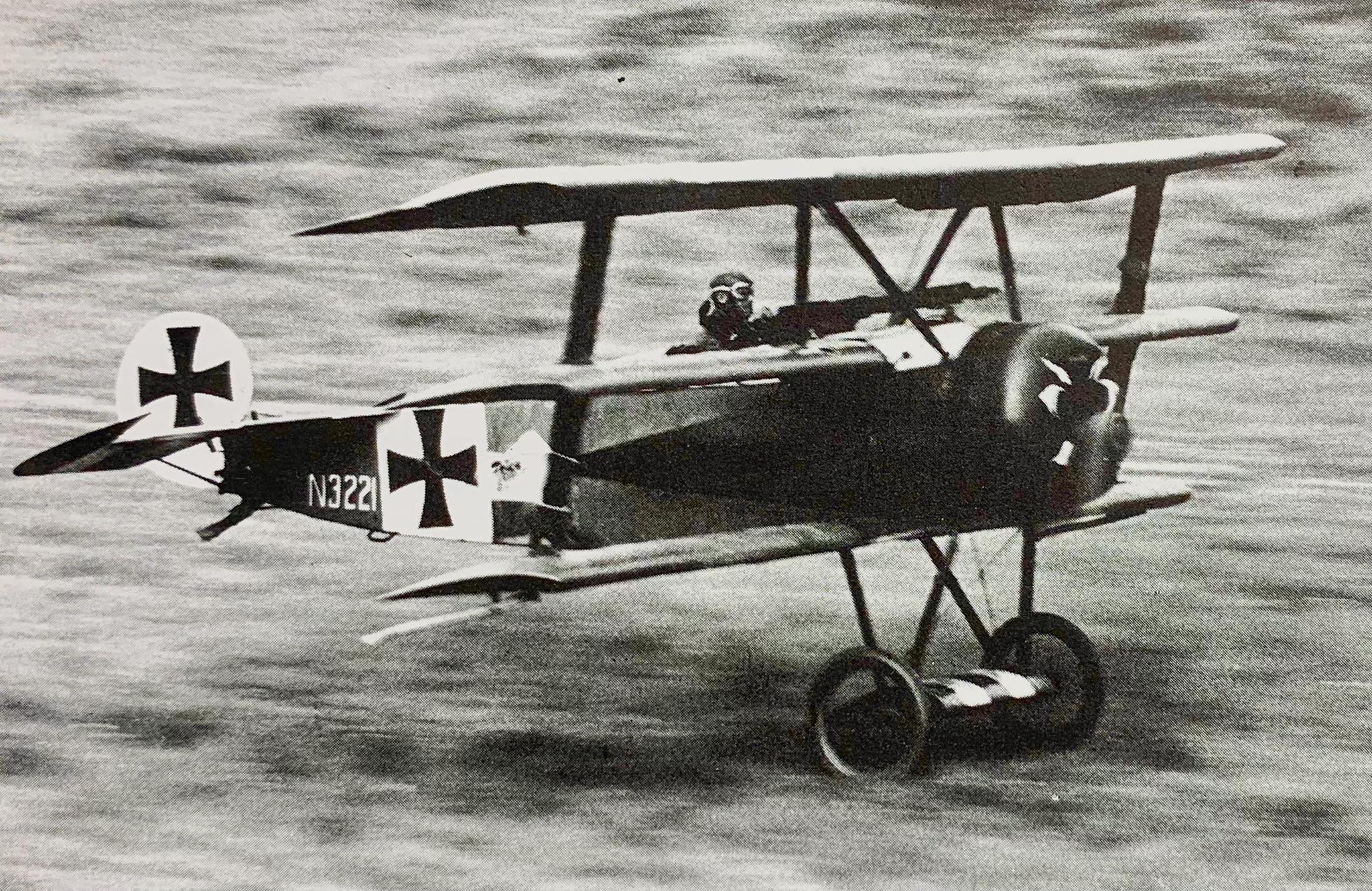
Cole Palen, the Aerodrome’s founder, acquired the aircraft in 1987 and famously flew it from Florida to New York, making stops along the East Coast at grass airstrips. During the journey, Palen flew the triplane past the Statue of Liberty, delighting tourists aboard the Circle Line with an unforgettable sight. According to its builders, the aircraft’s wheels are believed to be original German World War I components—a rare and authentic link to the era that inspired its creation. For more information about the Old Rhinebeck Aerodrome and to help them keep aviation history alive, visit www.oldrhinebeck.org.