

(Image credit: VAN)
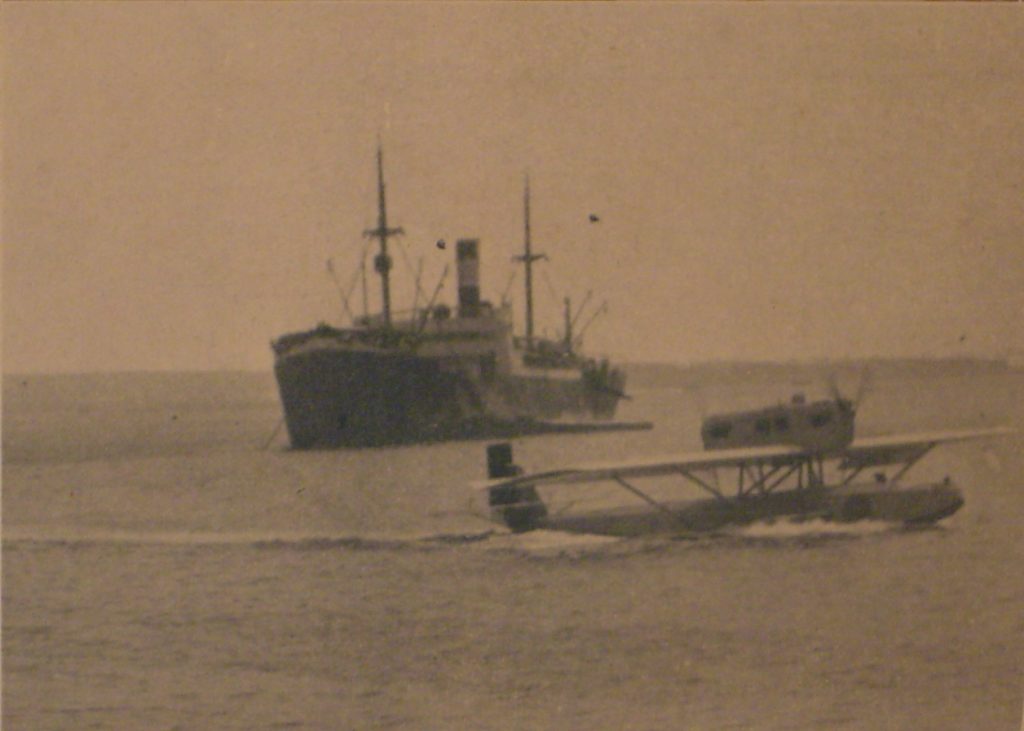
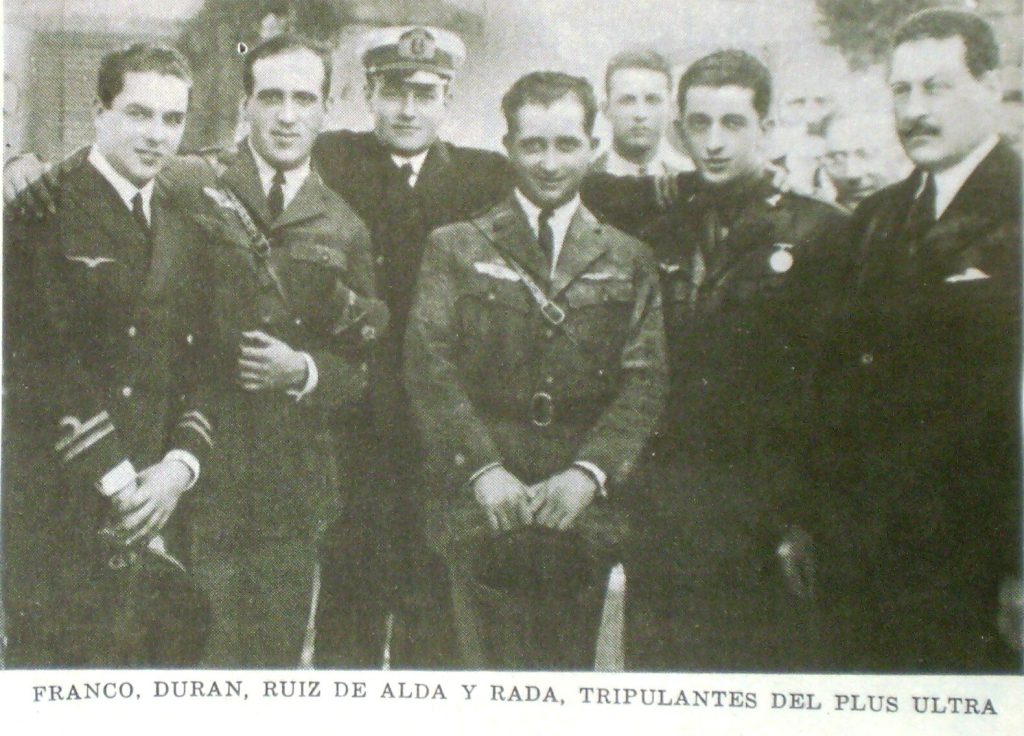
On this day in aviation history, 100 years ago (January 22, 1926), the first transatlantic flight between Spain and South America took off. Plus Ultra, a Dornier Do J flying boat, was the aircraft that was used to establish the route. The flight was piloted by Spanish aviators Major Ramón Franco and Captain Julio Ruiz de Alda Miqueleiz. Also on the flight were Sub-Lieutenant Juan Manuel Durán and Mechanic Pablo Rada. Plus Ultra departed Palos de la Frontera, in Huelva, Spain, on 1/22/26. Four days later, on 1/26/26, the Plus Ultra and crew arrived in Buenos Aires, Argentina, successfully flying the first transatlantic flight between the two points.
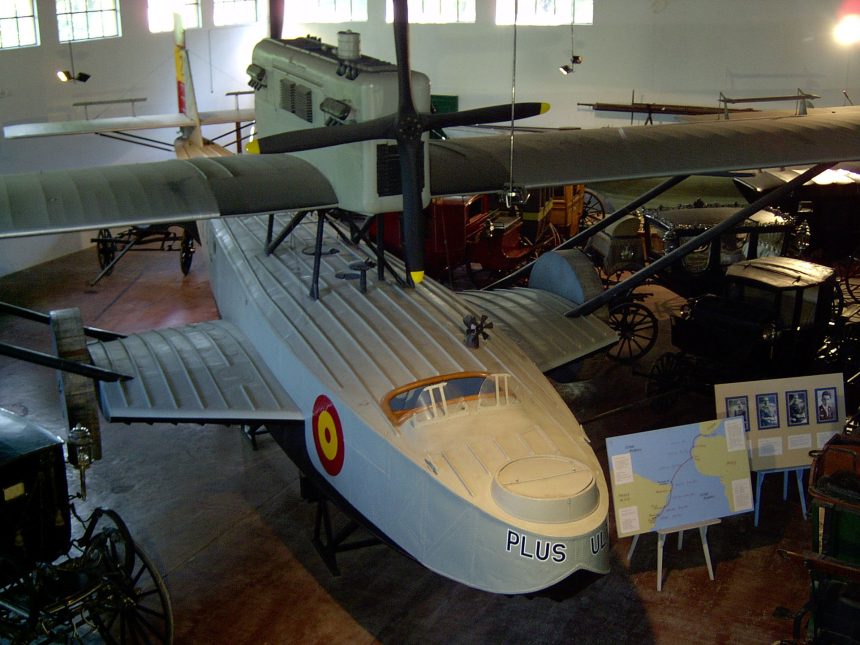
During the flight between Spain and Argentina, the Plus Ultra made stops in Gran Canaria, Cape Verde, Fernando de Noronha, Pernambuco (Recife), Rio de Janeiro, and Montevideo. In total, the flight covered 6,381 miles over a 59-hour and 39-minute duration. After the completion of the history-making flight, the Plus Ultra was gifted to the Argentine Navy. The aircraft ended up as an airmail hauler. The aircraft was shipped back to Spain in 1985 for a planned restoration to airworthiness, to commemorate the 1926 flight. Given the amount of work it would have taken to make Plus Ultra fly, it was decided to instead make the Dornier a static restoration. In 1988, static restoration of the Plus Ultra was completed, and the aircraft was shipped back to Argentina. It is now on display in Luján, Buenos Aires. Additionally, a replica of the Plus Ultra was built in 1992, which is on display at the Museo del Aire in Madrid, Spain. The Dornier Do J flying boat was a German design that featured a crew of 3, with a capacity for 8 to 10 passengers. Two 355-horsepower Rolls-Royce Eagle IX V-12 engines powered the Do J to a maximum speed of 115 mph (with cruise airspeed being 90). The Do J had a range of 430 nautical miles and a service ceiling of 11,500 feet.