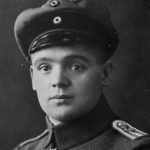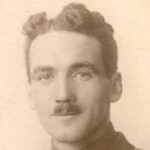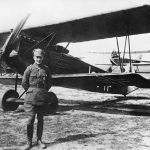
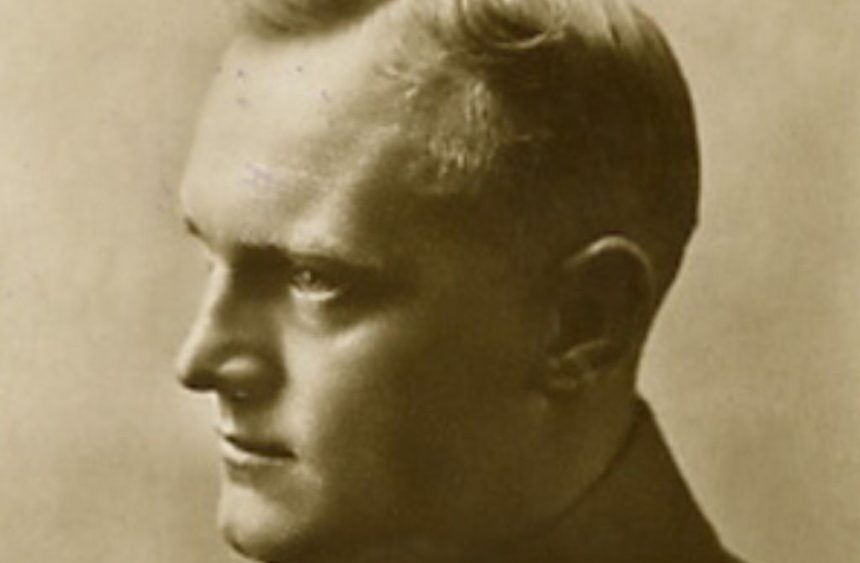

In WWI, there was a German ace who was a school teacher before joining the war. Heinrich Bongartz, born on January 31, 1892, in Westphalia, joined the German military in August 1914 when he was assigned to serve with an infantry regiment at Verdun. Then he was transferred to the German Air Service to train as a pilot and became a Leutnant in March 1916. After completing his training, he joined a reconnaissance unit, the Tactical Bomber Wing 5. He then had a brief stint with Tactical Bomber Squadron 27, which was soon renamed Protection Squadron 8. In April 1917, Bongartz was finally assigned to fly fighter planes with Royal Prussian Jagdstaffel 36. His first victory came on April 6, 1917, when he shot down a SPAD VII, followed by three more victories in the month. On May 2, after destroying a Caudron aircraft, Heinrich Bongartz officially became an ace. He claimed three more victories in May, followed by three in July, bringing his personal score to 11. On July 12, he was awarded both classes of the Iron Cross for his bravery. The next day, Bongartz was wounded for the first time of the five times he was injured during the war. Because of this wound, he did not score again until September 26.
Ace Journey of Heinrich Bongartz
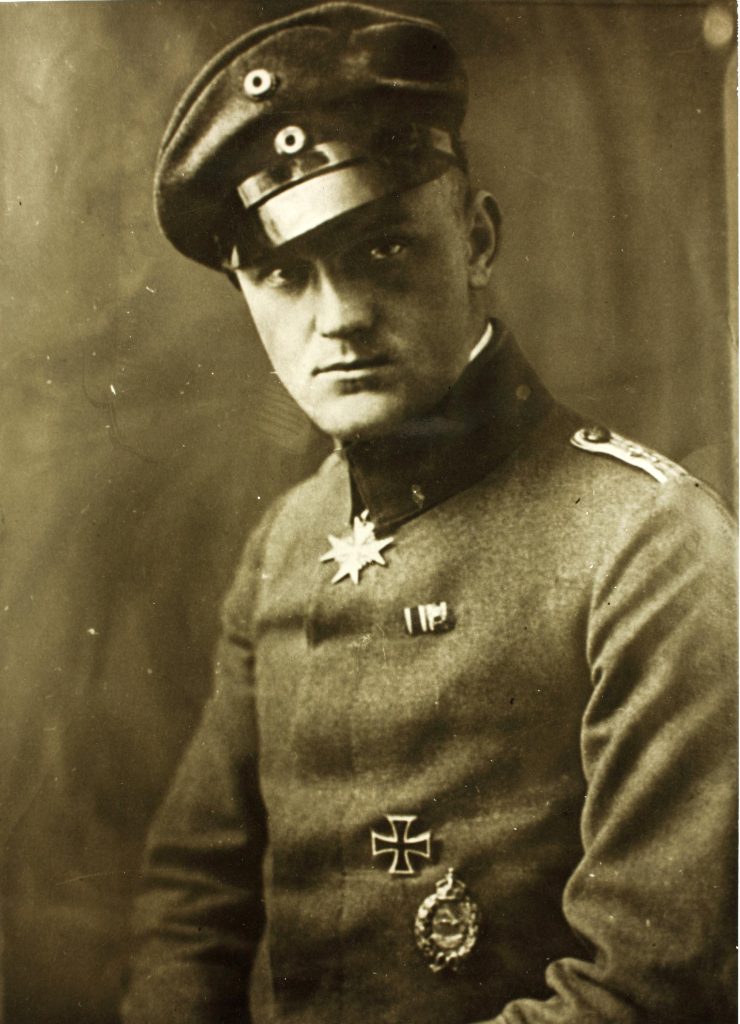
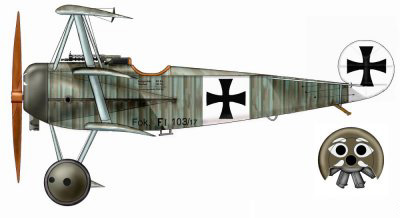
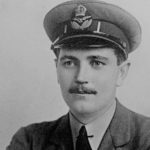
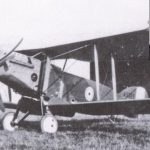
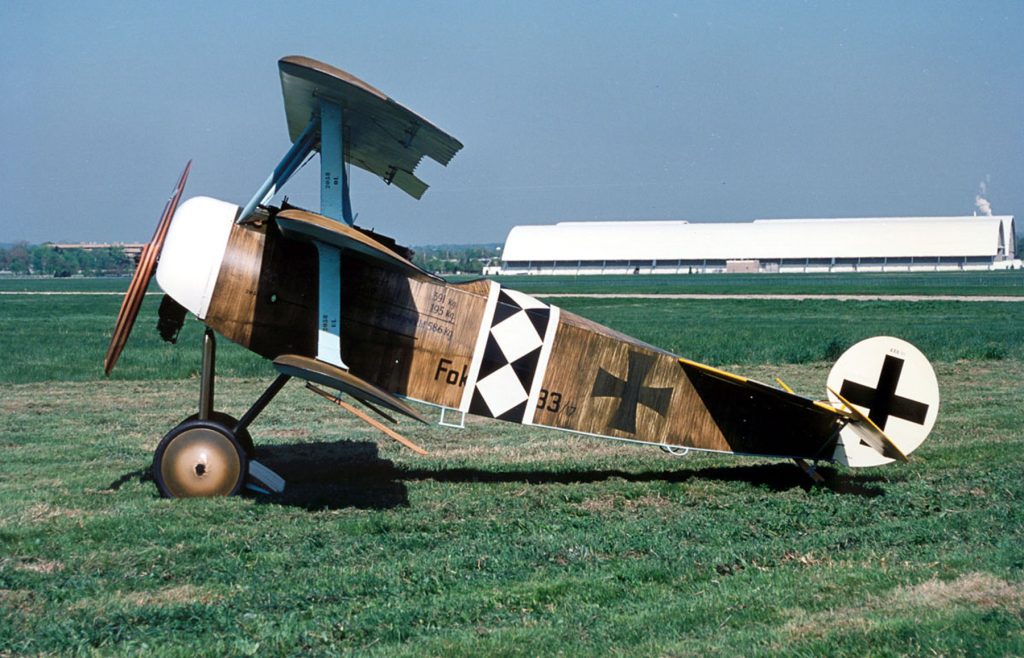
In September 1917, Heinrich Bongartz took command of Jasta 36. In October, he shot down eight more enemy planes, bringing his total to 20. In November 1917, he was wounded again but managed to down five enemy aircraft. On November 24, 1917, he received the Royal House Order of Hohenzollern. On December 23, 1917, Kaiser Wilhelm II awarded him the Pour le Mérite, commonly known as Blue Max. He achieved two victories in December, one in January 1918, two in February, and three in March, bringing his total to 33 confirmed victories. On March 30, 1918, he was shot down by anti-aircraft fire and suffered injuries. On April 25, 1918, he was wounded again. However, on April 29, Heinrich Bongartz took on several Royal Air Force planes from No. 74 Squadron by himself. Heinrich Bongartz had Captain Mick Mannock chasing him, while Captain C. B. Glynn attacked him head-on. During the battle, a bullet hit him in the left temple, took out his left eye, and got stuck in his nose, making it hard for him to breathe. He almost crashed to the ground but fought through the pain and regained control of his plane. Despite feeling severe pain and being half-conscious, he managed to land his Fokker Dr.1 Triplane near Kemmel Hill, but it flipped over. He crawled out from under it. With this, Bongartz’s war ended, and his partial blindness and loss of depth perception stopped his fighting, but did not end his flying career. His airplane was heavily damaged, with 28 bullet holes in the front alone, and was eventually scrapped.
WWII and Death
After Heinrich Bongartz recovered from his injury, he became the leader of the Aircraft Test Center at Aldershof. While he was a test pilot, he wrote a report on the Dornier-Zeppelin D.I prototype. It was the first plane to use a stressed-skin and torsion-box structure. After the war ended, he became the Director of the German Aeroplane Inspectorate. He helped deactivate the air service where he had served bravely. Later, he fought against the Spartacists, who were trying to take over the German government. However, a leg wound he received in this fight ended his military career. In January 1921, he crashed during an exhibition flight and got injured again, but he didn’t let that stop him from flying. Later, he became the Director of German Air Trade. Luftmacht Deutschland, his book, was published in 1941. During WWII, Heinrich Bongartz took part as a lieutenant colonel in supply from 1941 to 1942 at Pleskau on the Eastern Front. In 1943, he became a night-fighter commander in Denmark. In 1944, Heinrich Bongartz took charge of night fighter operations in Finland. He transferred again and continued to serve until the war ended. He survived WWII but died of a heart attack on January 23, 1946, while in Rheinberg. In the Aces series, Heinrich Bongartz was a well-thought-out pilot and leader. Despite severe wounds, he continued serving in the military, showcasing his passion and dedication. Read stories about more aces HERE.