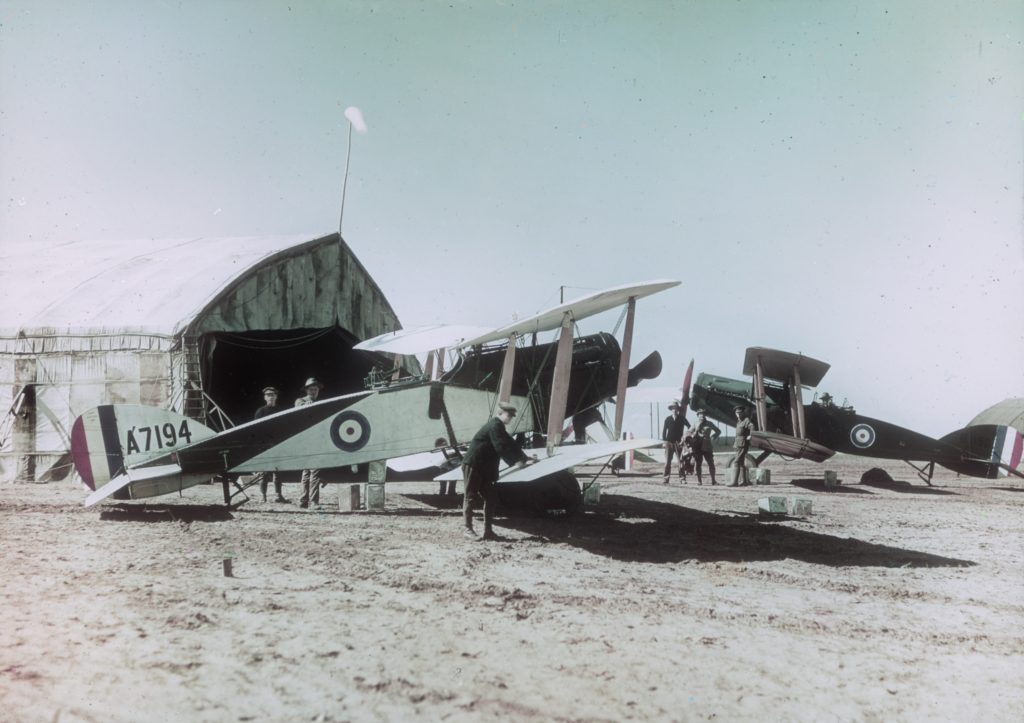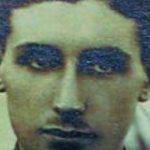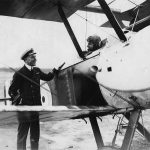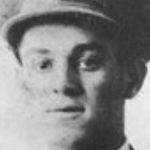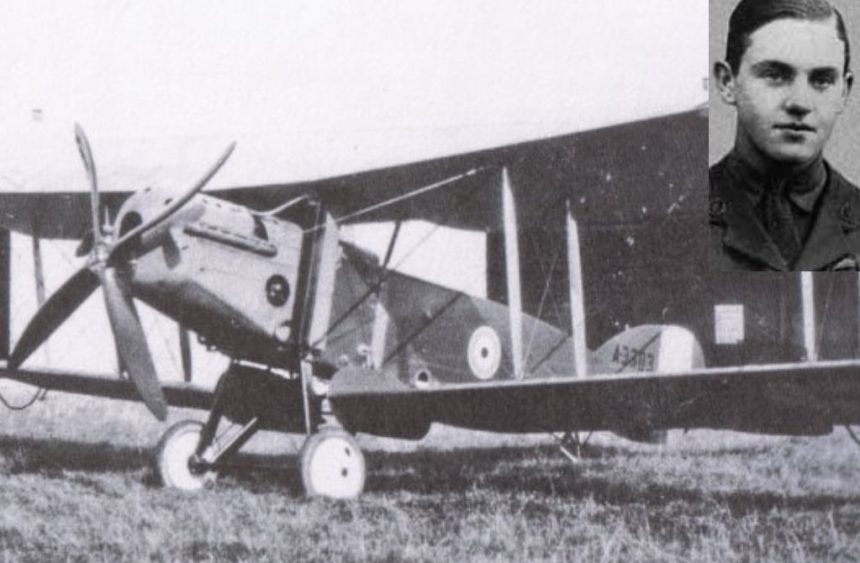

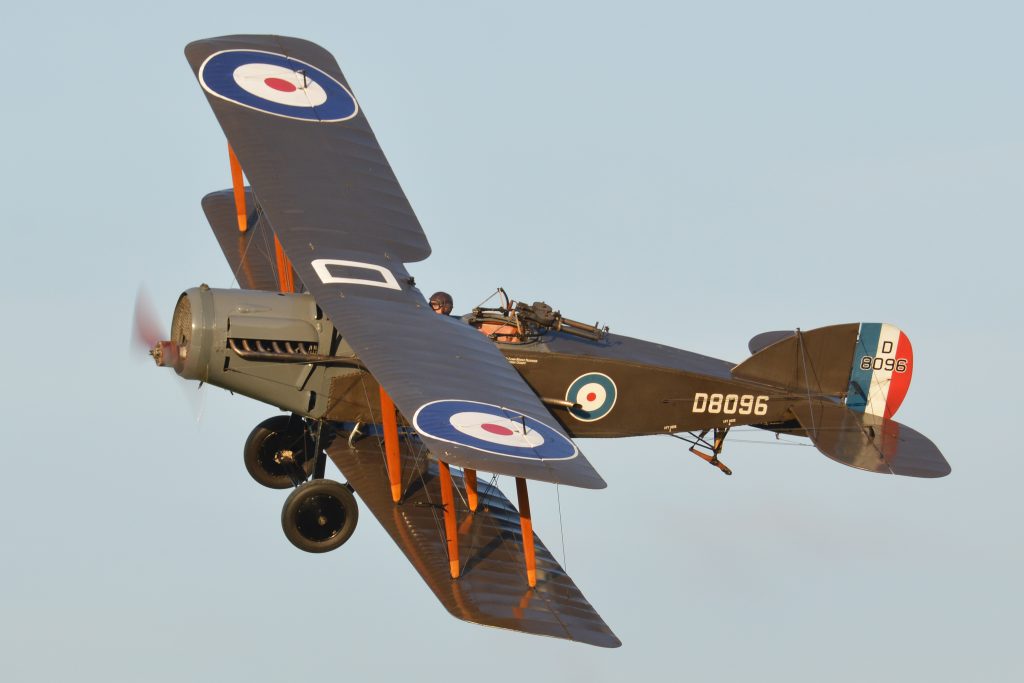
During WWI, there was a British ace, William Frederick James Harvey, who first served with the Royal Engineers before transferring to the Royal Flying Corps (RFC). Born on January 8, 1897, in Sussex, Harvey served with the Signal Company of the Royal Engineers until he joined the RFC in December 1916. After training, he joined the No. 22 Squadron RFC in December 1917. He flew the two-seat Bristol F.2b fighter, often called the Brisfit, in this squadron. His first victory came on March 16, 1918, when he shot down a Pfalz D.III, followed by another victory on March 18. After destroying two Albatros D.Vs on March 24, he shot down another Albatros D.V on March 25 to officially become an ace. He scored one more victory in March. He and his observers scored six aerial victories in May and five more in July, bringing his personal total to 17.
Journey of William Frederick James Harvey
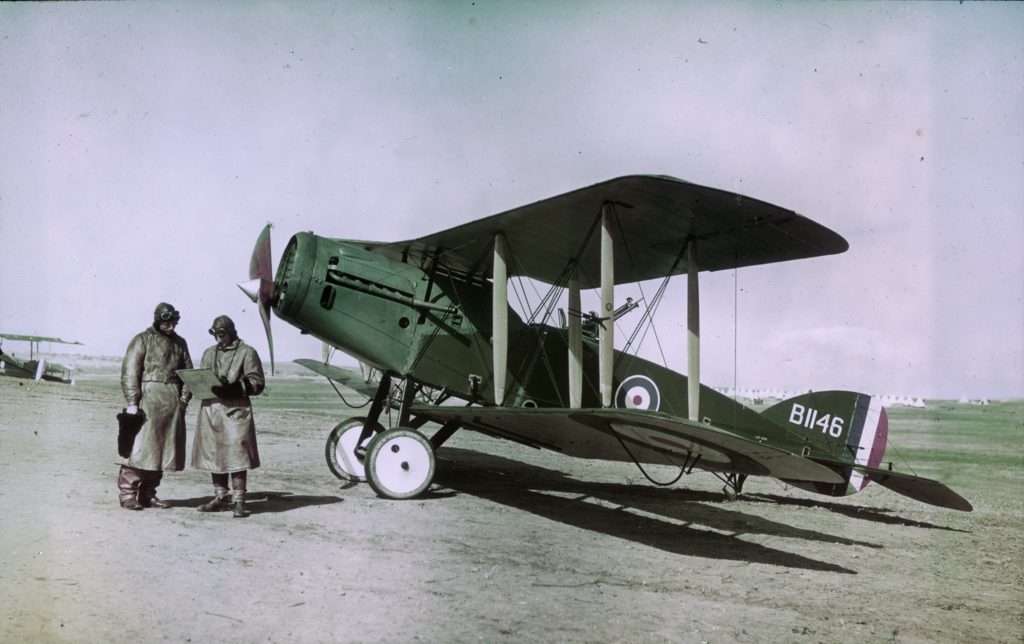
On August 3, William Frederick James Harvey was awarded the Distinguished Flying Cross, with a citation, “As a fighting pilot, this officer has the real offensive spirit regardless of personal danger. He has destroyed several enemy machines whilst fighting against superior numbers.” William Frederick James Harvey scored nine more victories in August, and by August 22, 1918, Harvey and his observers had shot down 18 aircraft using the front gun of the Bristol Fighters and eight with the rear gun. His personal score was 26, and his victories included six each of Pfalz D.IIIs and Fokkers, four each of C-type aircraft and Albatros D.Vs, three balloons, one each of DFW C, Rumpler C, and Halberstadt C. For his WWI contributions, he was awarded the Distinguished Flying Cross Bar, citing, “A brilliant fighting pilot, who has proved himself a capable leader in many offensive patrols. During the August operations, he personally accounted for seven enemy machines and, in company with another pilot, destroyed an eighth, displaying courage and tenacity of high order.”
Postwar Life and Legacy
After the war, William Frederick James Harvey served as an instructor with the 33 TD Squadron in the Army of the Rhine. After leaving the Royal Air Force, he became a farmer. Harvey married Mary Gurdon in 1920, who was the sister of his friend John Everard Gurdon, who was in the same squadron. During WWII, Harvey left his farm to rejoin the Royal Air Force. For his WWII service, he was awarded the Member of the Order of the British Empire. After the war, he retired to Kent and wrote many aviation articles. He also wrote a history of his old squadron, called ‘PI in the Sky: A History of No. 22 Squadron, Royal Flying Corps & RAF in the War of 1914-1918,’ which was released in 1971. William Frederick James Harvey also wrote several articles for “Air Pictorial” magazine and later became president of the British chapter of “Cross & Cockade.” At 75, he died on July 21, 1972, in Wingham, Kent. In the Aces series, William Frederick James Harvey was a courageous pilot and a well-thought-out leader. Read stories about more Aces HERE.