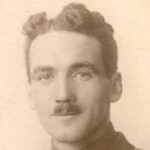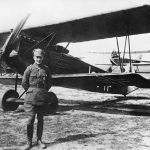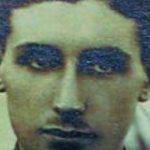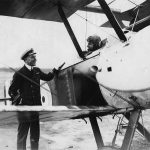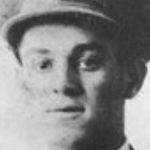
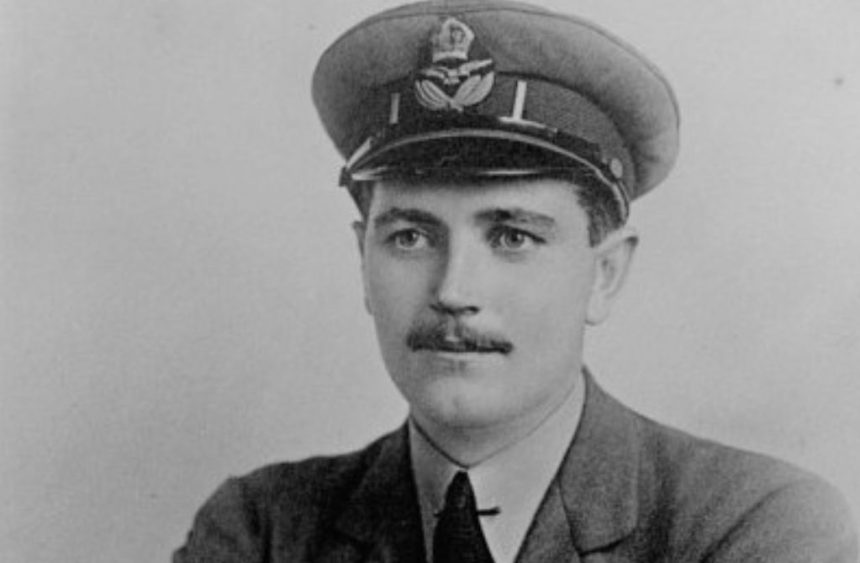

In WWI, Canadian aces had a valuable impact on the front lines. But there was one who was not a pilot, but still left an impact on WWI aviation and became an ace. Harold Leslie Edwards, born on April 28, 1893, in Ontario, flew in planes as an observer in WWI skies. Before joining the military, he was a chauffeur and auto mechanic. After joining the army in 1915, he reached England in October 1916, where he served with the 38th Battalion of the Canadian Expeditionary Force (CEF) and was promoted to corporal in November 1916. He was injured on April 8, 1917, and was awarded the Military Medal on May 26, 1917.
Ace Journey of Harold Leslie Edwards
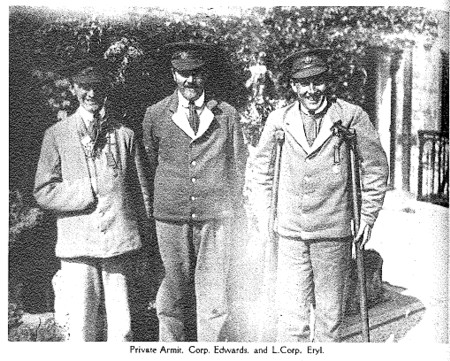
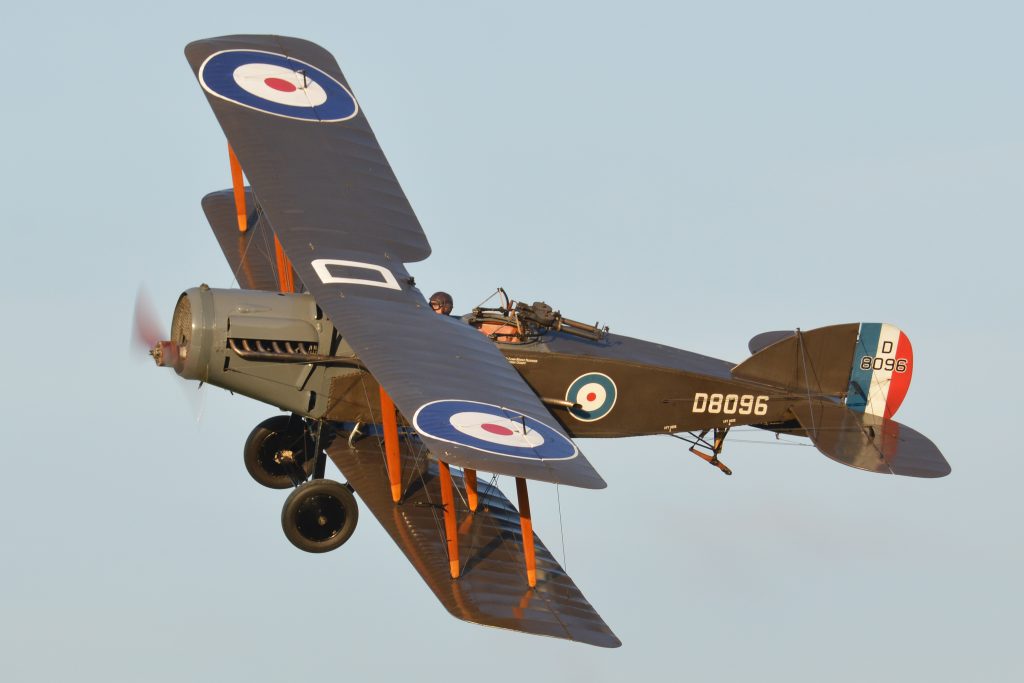
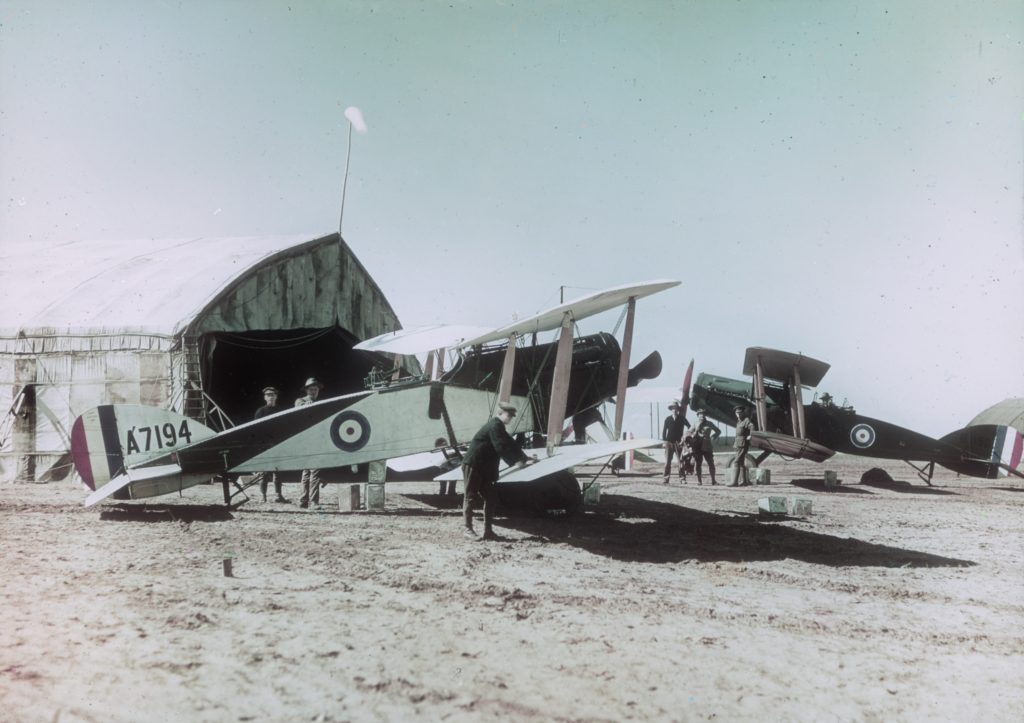
His Military Medal explained how he got injured. It said, on the morning of March 26, 1917, near Souchez, an enemy explosion at 5:20 am damaged a mining shaft, which caused a dug-out housing twenty men to be severely affected. Three men managed to escape, but the rest were trapped inside. Nearby, Corporal Rainford, Sergeant Briscoe, Privates Harold Leslie Edwards and Carey entered the dug-out without thinking of their safety and rescued ten men, despite the presence of gas flames. However, they found seven men dead. The rescuers also helped those affected by the gas, but some of them became ill. After recovering and being discharged from the CEF in June 1918, Edwards joined the Royal Air Force. Harold Leslie Edwards became a 2nd Lieutenant and worked as an observer with No. 20 Squadron on July 28, 1918, where he flew in Bristol F.2 Fighters. The pilots he worked with in action included aces Paul Iaccaci, Captain Horace Percy Lale, Lt. William McKenzie Thomson, and Capt. Geoffrey Hooper. His first victory came on July 30, 1918, followed by another victory in August. After shooting down an aircraft on September 5, he destroyed two more the next day to become an ace officially. He claimed 16 more victories in September to reach a personal score of 21. All 21 of his targets were Fokker D.VIIs.
Postwar Life
Harold Leslie Edwards was shot in the lungs during battle on October 21, 1918, and couldn’t participate in the war again. For his WWI contributions, Harold Leslie Edwards was awarded the Distinguished Flying Cross on December 3, 1918, with a citation, “When on offensive patrol, during 16th September, this officer with nine other machines, engaged twelve enemy scouts. In the combat that ensued, he destroyed one, his pilot accounting for a second, and they took part in destroying a third. In all, 2nd Lieutenant Edwards has accounted for nine enemy machines, setting an excellent example of gallantry worthy of high praise.” In January 1919, he returned to Canada and spent much of his time at St. Andrews Military Hospital in Toronto. On June 1, 1919, Edwards officially became unemployed from the Royal Air Force. After the war, he worked as a car salesman. He lived in the Toronto area for the rest of his life and passed away in 1951. He is buried in Franktown. In the Aces series, Harold Leslie Edwards was not a pilot, but an observer ace. Harold Leslie Edwards never flew an aircraft himself, but did the pilot’s work with his gun sitting behind the pilot. Read stories about more aces HERE.