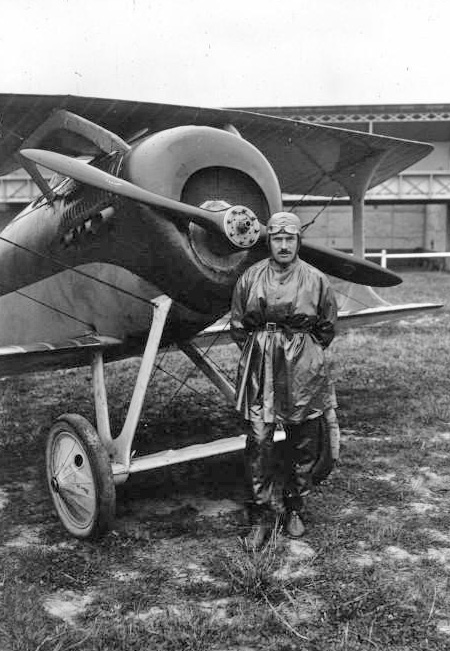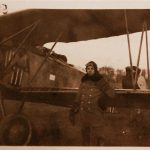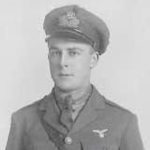
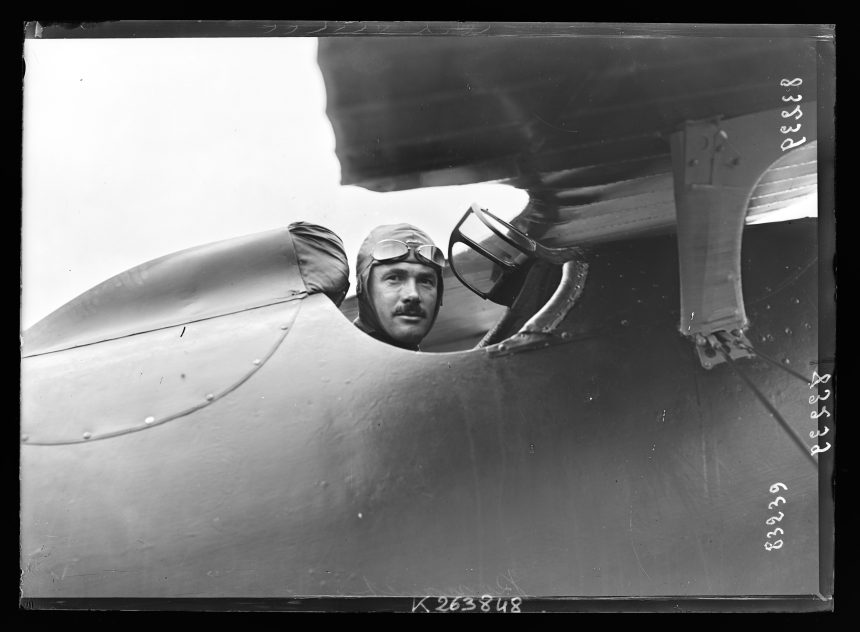

Many aces in WWI became very attached to flying and continued flying even after the war. Some of them joined civilian airliners or kept flying in the military. A few of them chased world records and even achieved them. One such ace was Bernard Henri Barny de Romanet, who was born on January 28, 1894, in Saint-Maurice-de-Sathonay, France. Barny de Romanet joined the French army in October 1913. He served in combat with cavalry and infantry regiments before transferring to the French Air Service in July 1915. He received his Pilot’s Brevet in January 1916 and was posted to C51 as a reconnaissance pilot. In February 1917, after training on single-seat fighters, Bernard Henri Barny de Romanet was reassigned to N37. He used to fly single-seater Nieuport fighters in this unit.
Ace Journey of Bernard Henri Barny de Romanet
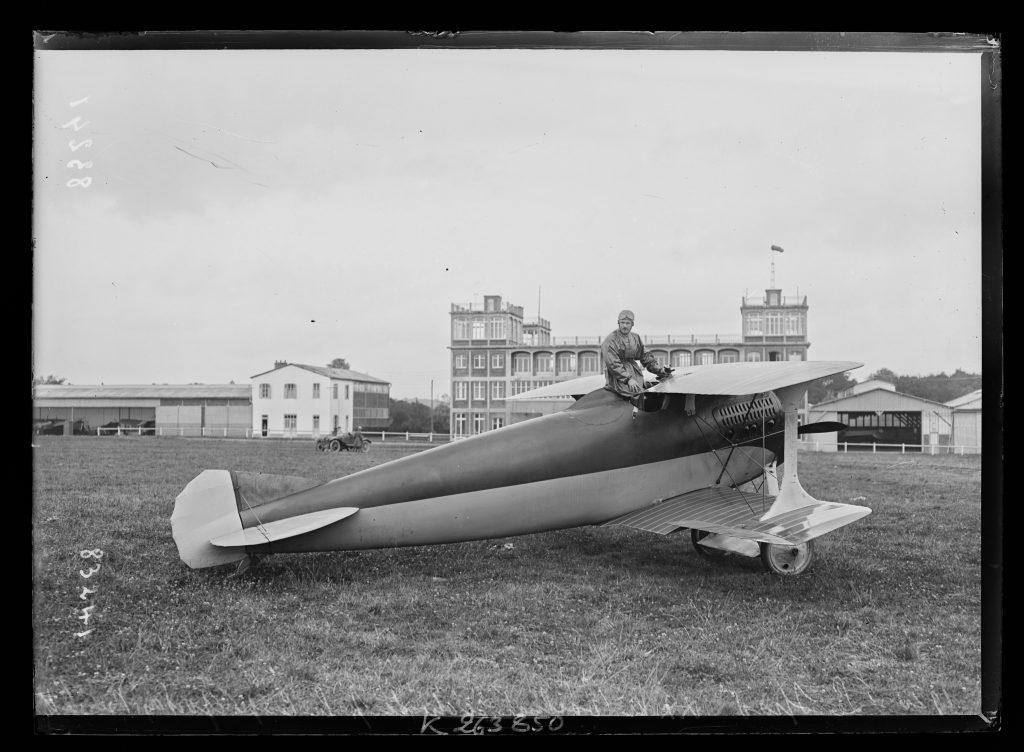
His first victory came on May 3, 1917, when Bernard Henri Barny de Romanet shot down an EA aircraft. For this, he was awarded a Médaille Militaire, with a citation, “Elite pilot, as brilliant in pursuit aviation as he was in reconnaissance. Has had numerous combats, giving proof under all circumstances of the highest military qualities. On May 3, 1917, he attacked, over their lines, two enemy scouts and downed one of them.” After his first victory, Bernard Henri Barny de Romanet took a break from combat flying for almost a year to finish specialized fighter training. His second victory came in March 1918, followed by a third in May. After shooting down an aircraft on June 1, he became an ace on June 30, when he shot down a Fokker D.VII. Bernard Henri Barny de Romanet claimed two more victories in July and three in August, bringing his score to 10. He was then tasked with forming Escadrille 167, a squadron that used Spad aircraft. He took command of the squadron and scored eight victories in October, bringing his WWI score to 18.
The Legacy
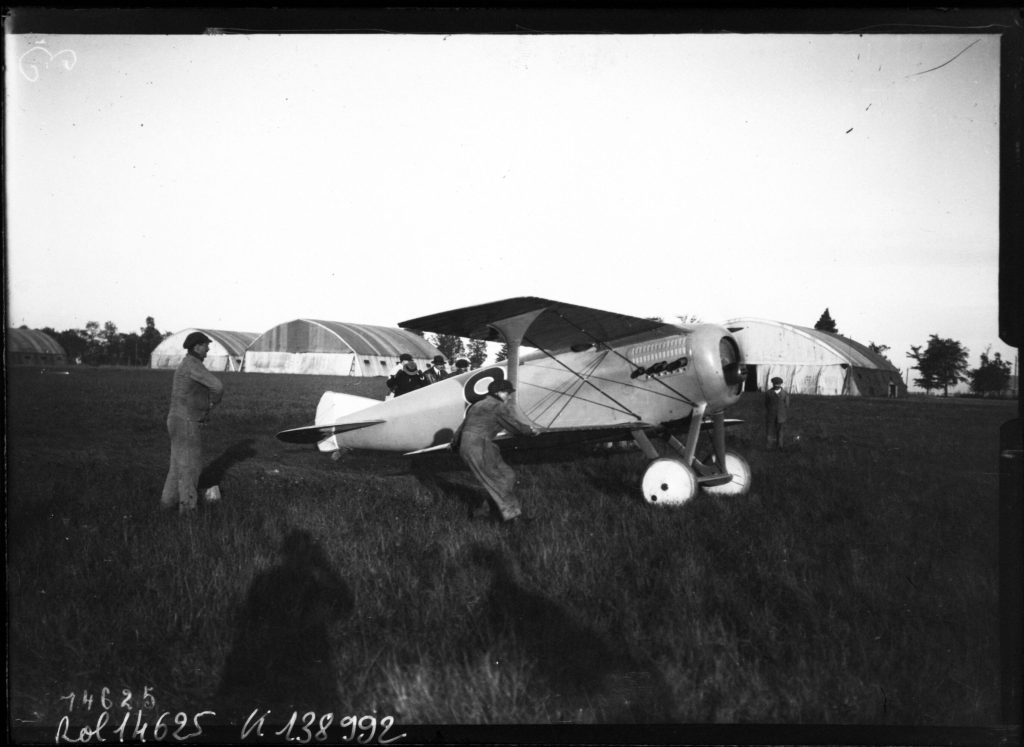
Bernard Henri Barny de Romanet was awarded Chevalier de la Légion d’honneur for his WWI efforts, with a citation, “Elite officer, who received notice in the cavalry at the beginning of the war by bold reconnaissances, then in observation aviation, and finally in pursuit aviation where his brilliant qualities as a pilot, his coolness, and his daring in combat are always cited as examples. He inspires his patrols to attack enemy planes very superior in number, putting them to flight and downing one of them. Also, recently he downed two German planes successively, reporting therewith his 16th and 17th victories. Médaille Militaire for feats of war. Six citations.” After the war, Barny de Romanet became a successful pilot in sports aviation. Bernard Henri Barny de Romanet broke the World Air Speed record twice in 1920. However, his love for aviation took his life. Barny de Romanet died in a flying accident on September 23, 1921. He was testing the aircraft he would use in the 1921 Coupe Deutsch de la Meurthe race when the accident happened. The cause was the fabric coming off the aircraft’s wing. He is buried at the Cimetière Saint-Brice in Mâcon. In the Aces series, Bernard Henri Barny de Romanet was a true champion ace and a lover of flying, a skill he took with him. Read stories about more Aces HERE.