







By Randy Malmstrom
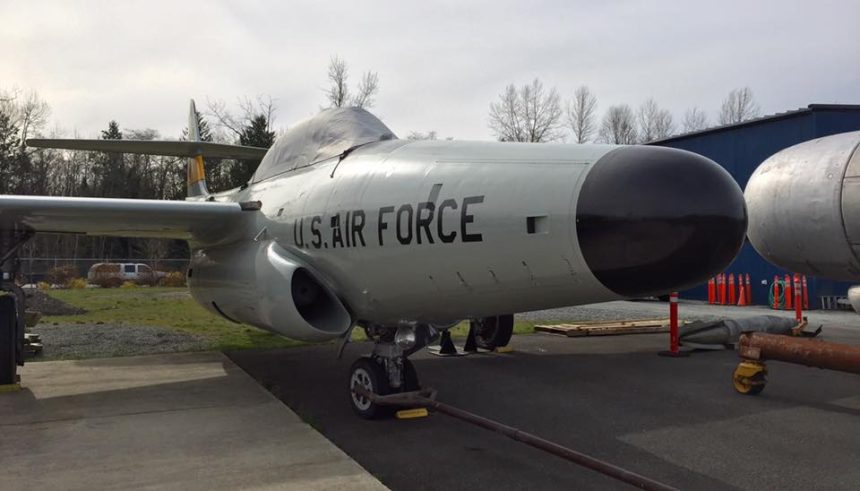
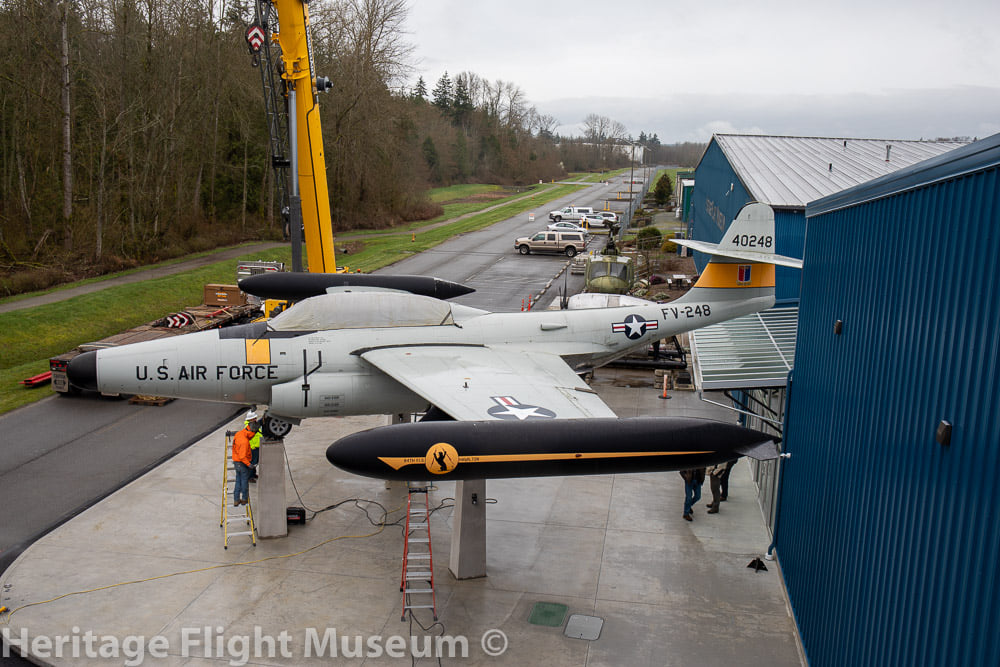
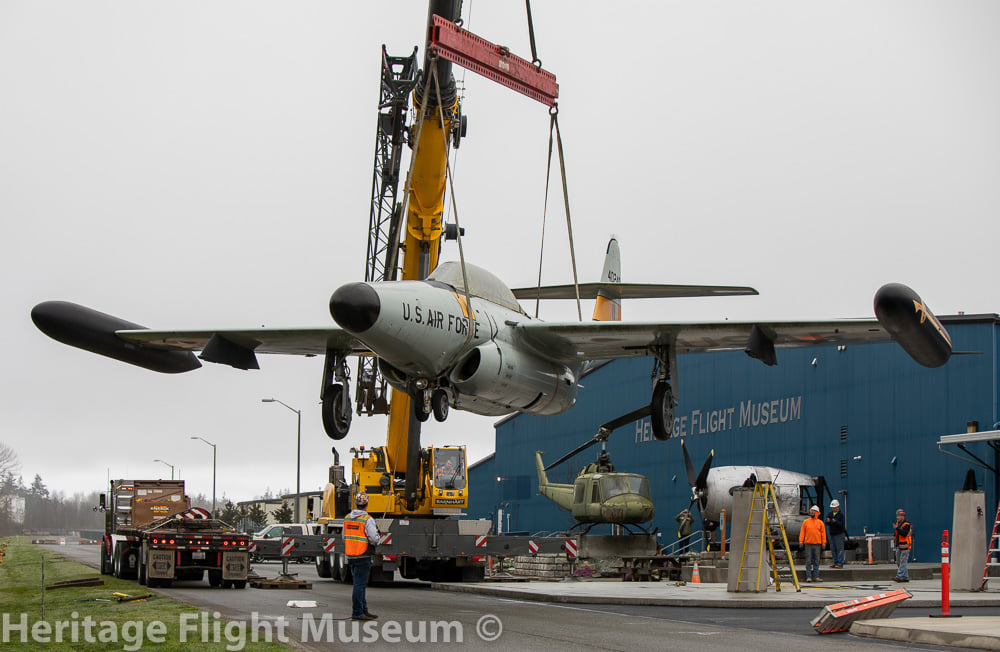
Northrop F-89J Scorpion, s/n 53-2453. This particular aircraft is now at Heritage Flight Museum (HFM) in Burlington, Washington. From what I have seen, it was built as an F-89D-50-NO model by Northrop Aircraft in Palmdale, California, and delivered to the U.S. Air Force on February 4, 1955, after which it became part of the 61st Fighter-Interceptor Squadron (Northeast Air Command) at Ernest Harmon Air Base in Newfoundland. In August of 1957, it was sent back to the Northrop plant to become one of 350 D models to be converted to the F-89J standard. In December of that year, it was assigned to the 54th Fighter-Interceptor Squadron (Air Defense Command) at Ellsworth Air Force Base, South Dakota, then deployed to Vincent Air Force Base, Arizona, Davis-Monthan Air Force Base, Arizona, and Glasgow Air Force Base, Montana. In October of 1960, it began flying for the Air National Guard when it was assigned to the 111th Consolidated Maintenance Squadron in Philadelphia, and later in April of 1961, the 103rd Fighter-Interceptor Squadron, also of Philadelphia. In July of 1962, the aircraft moved to Montana, where it served with the 186th Fighter-Interceptor Squadron and 120th Fighter Group, both in Great Falls. In November of 1966, it was dropped from the inventory and transferred to museum status. It served as a teaching tool at an aviation maintenance school at Helena Regional Airport in Montana before being declared surplus once more and was won at a GSA auction by HFM for $600.
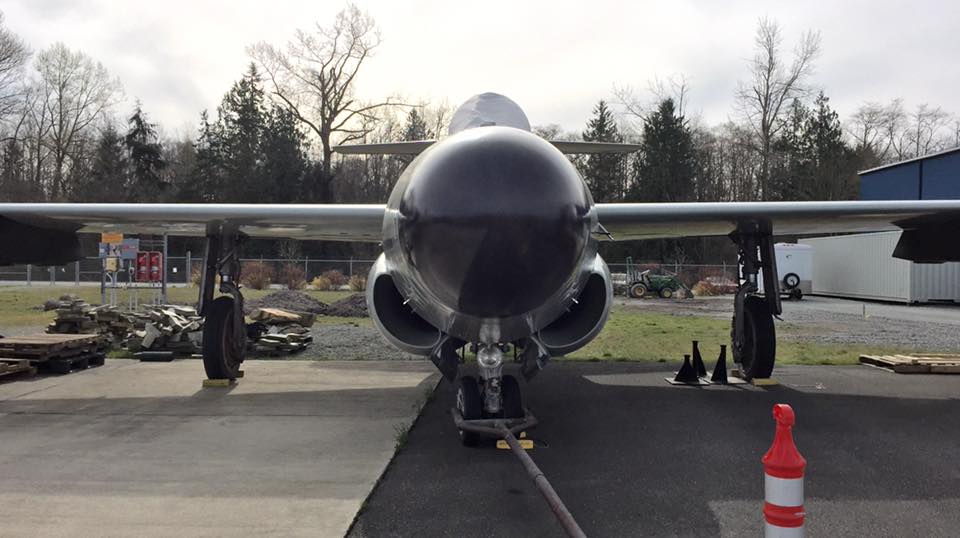
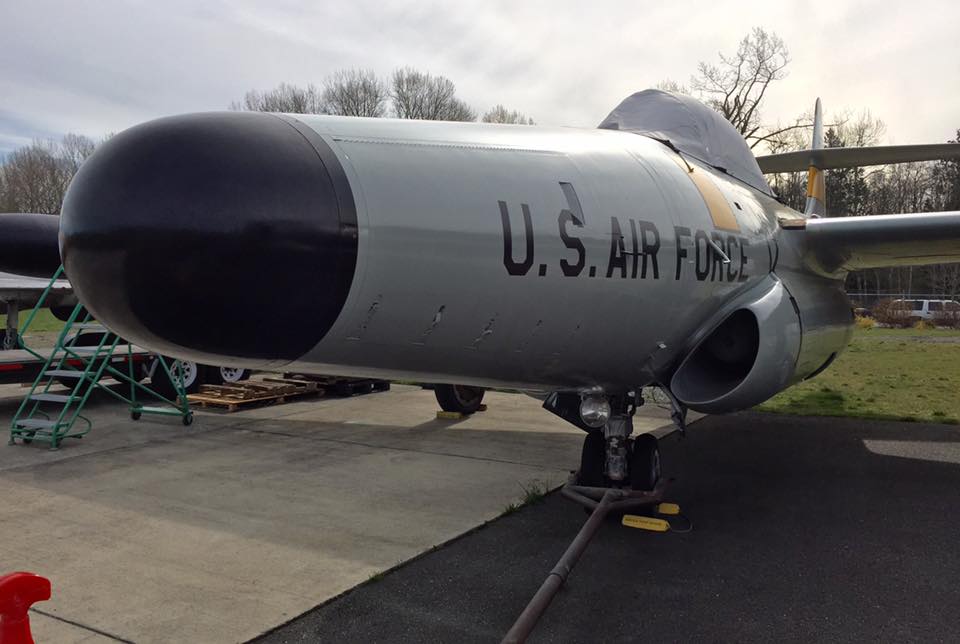
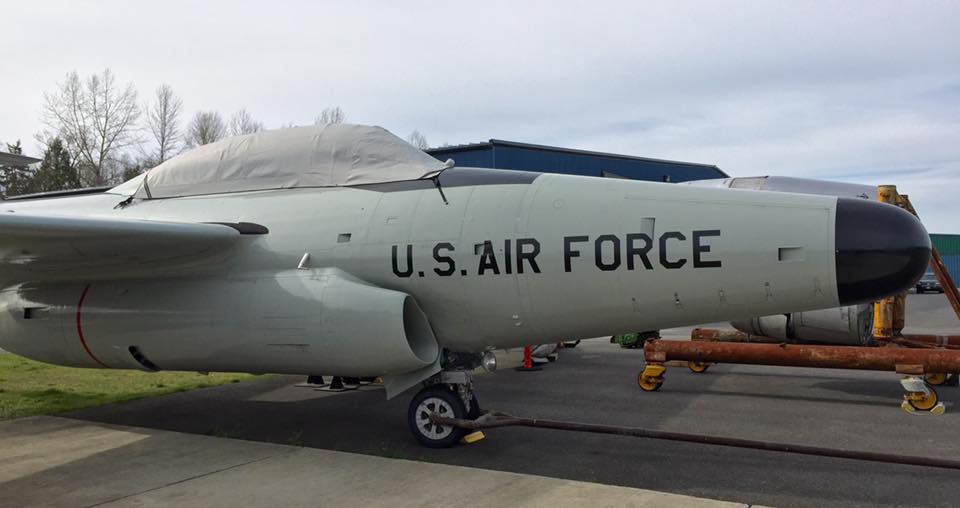
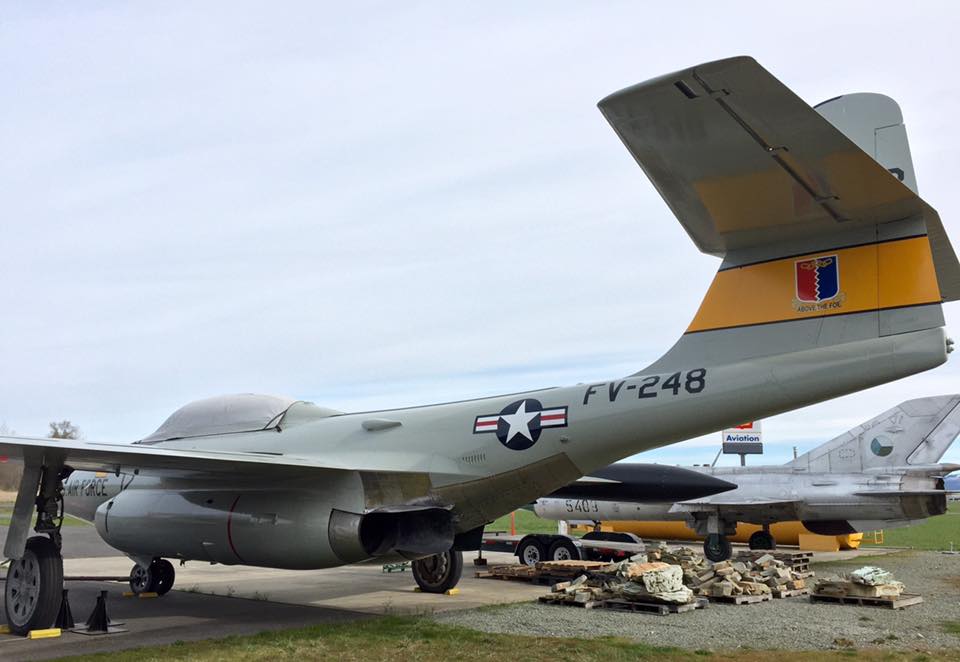
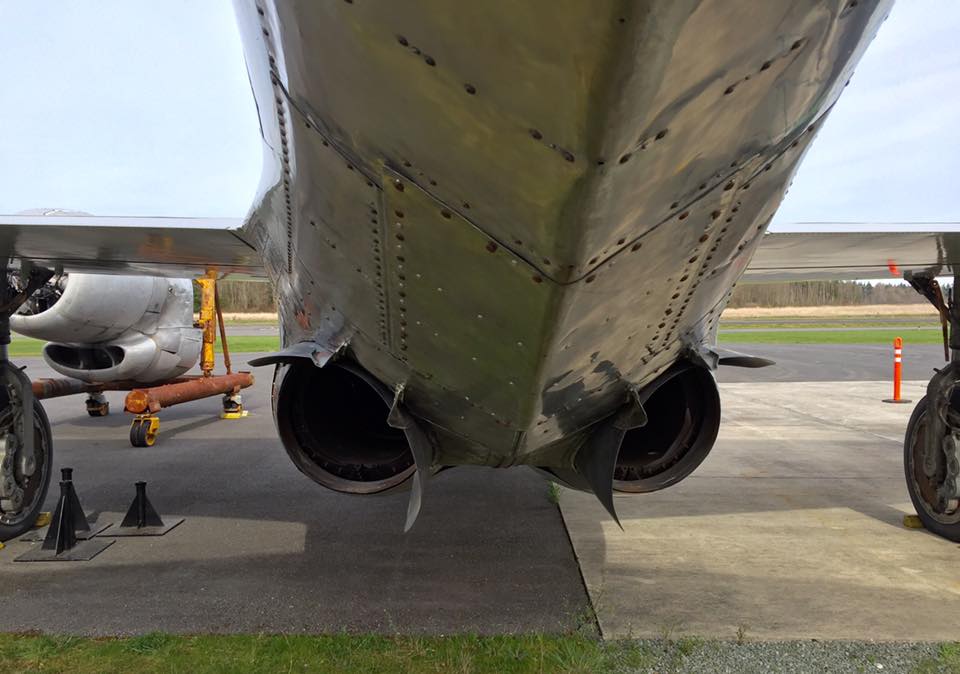
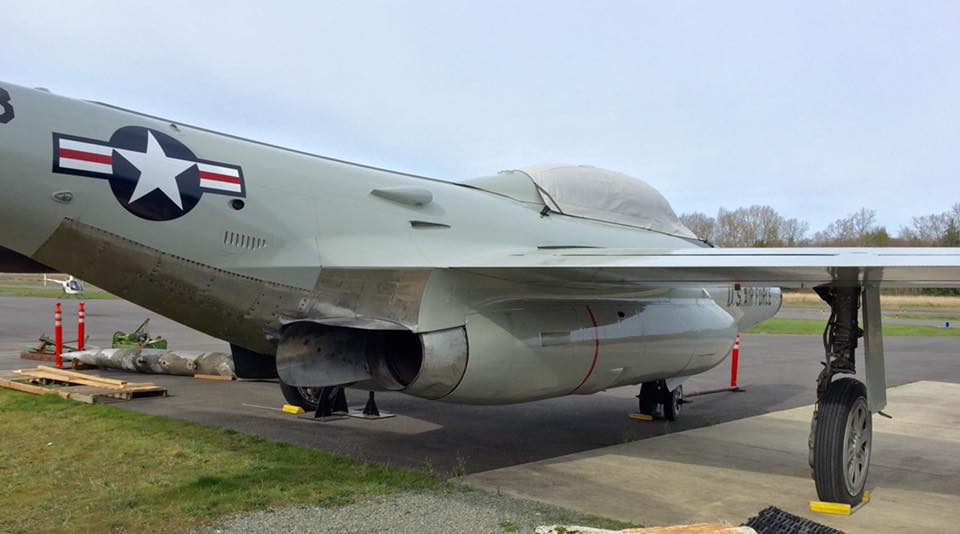
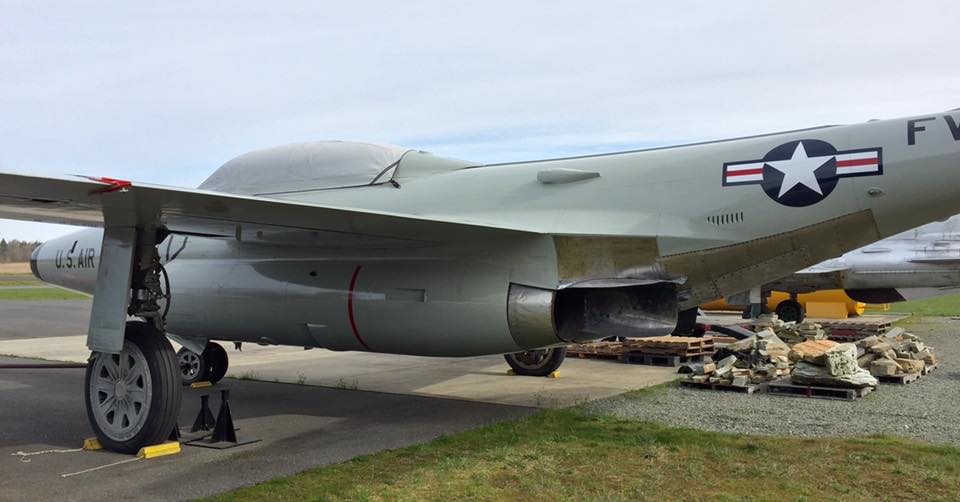
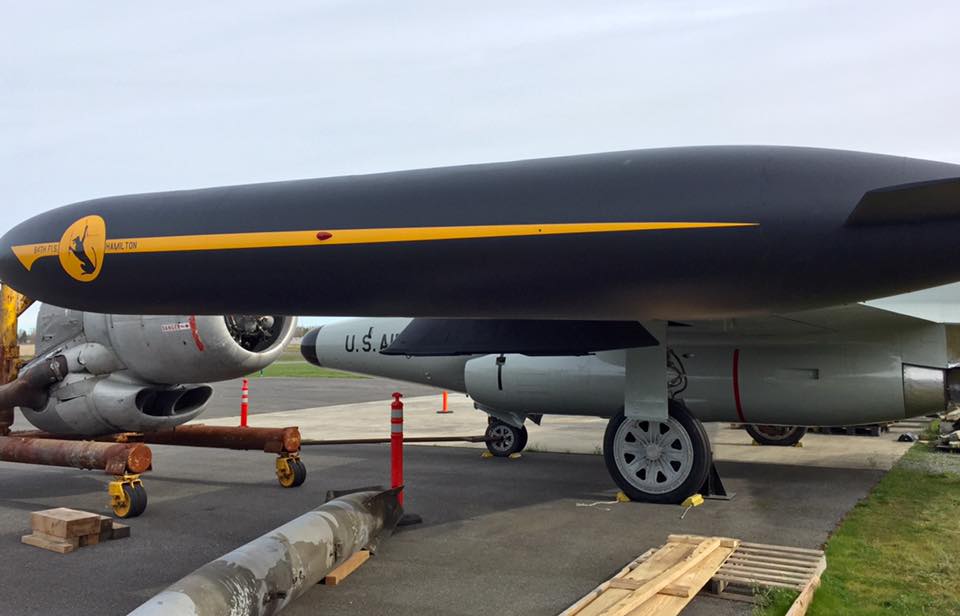

Out of over 1,000 F-89 aircraft built, this is one of a fairly small number to survive. My photos from 2016 at HFM. On May 3, 1947, Northrop was awarded a contract to build two prototypes designated XP-89. The F-89 was intended to reach speeds approaching Mach 1 (about 650 mph depending on altitude of course). I have been told that during the night before its first test flight on Aug. 16, 1948, at Muroc Dry Lake (later Edwards Air Force Base), a group of engineers fabricated a new belly shape out of wood and fiberglass so it could fly Mach 1. The air and ground crews at Muroc remarked that it looked like a scorpion ready to strike, and the name was later officially recognized by the Air Force. I understand the aircraft design picked up a lot of FOD (Foreign Object Debris) on the runway.
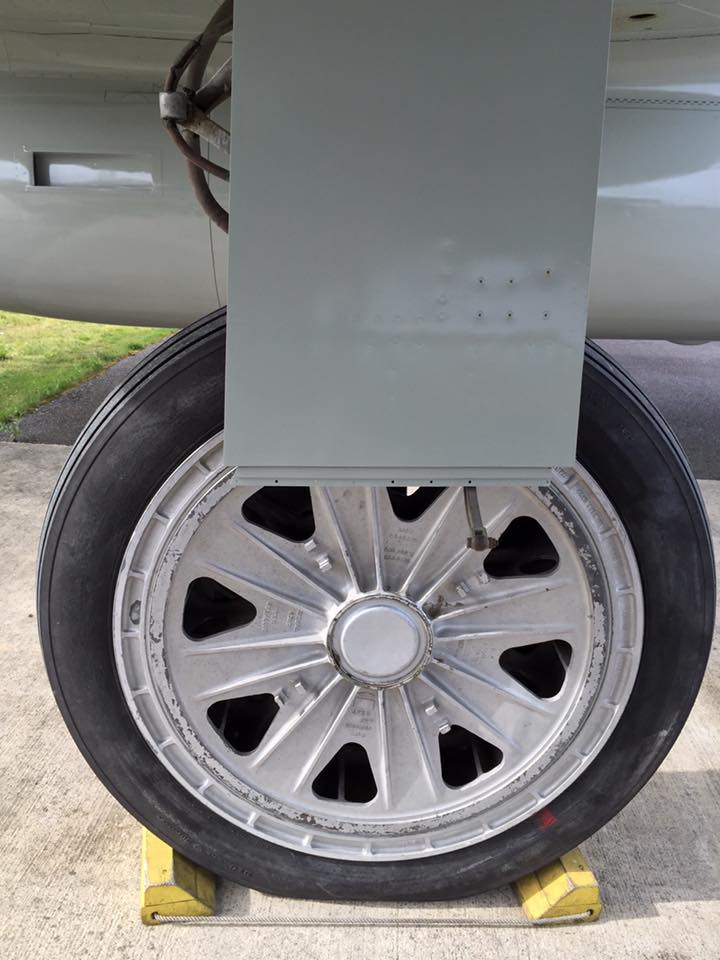
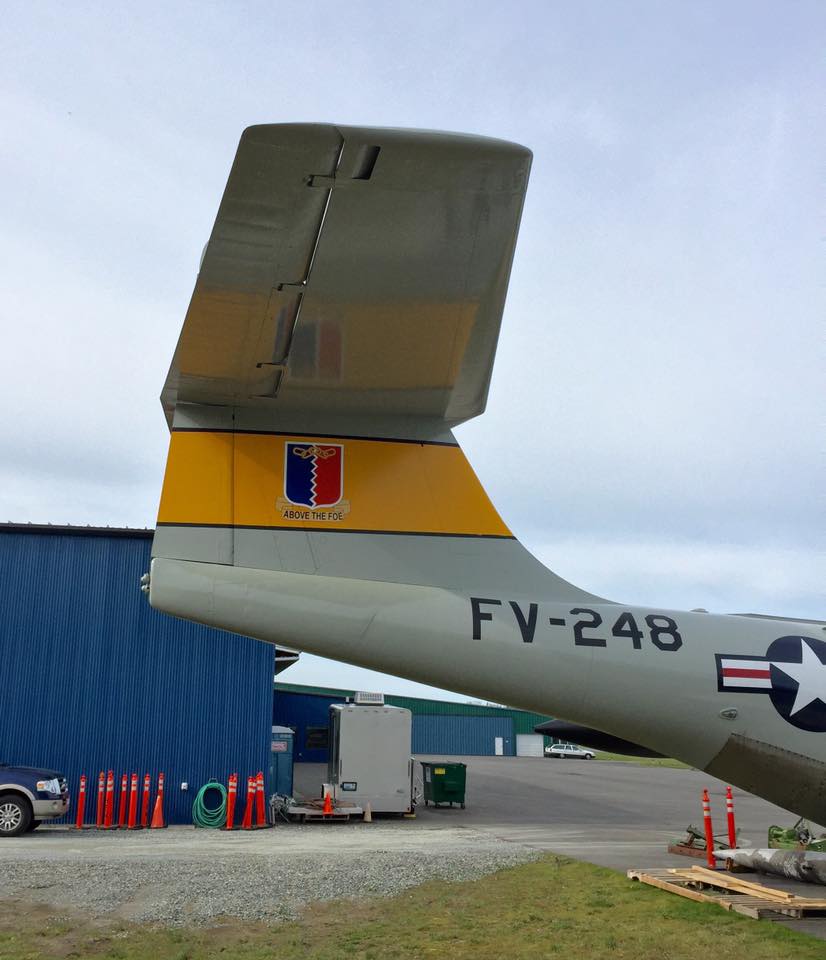
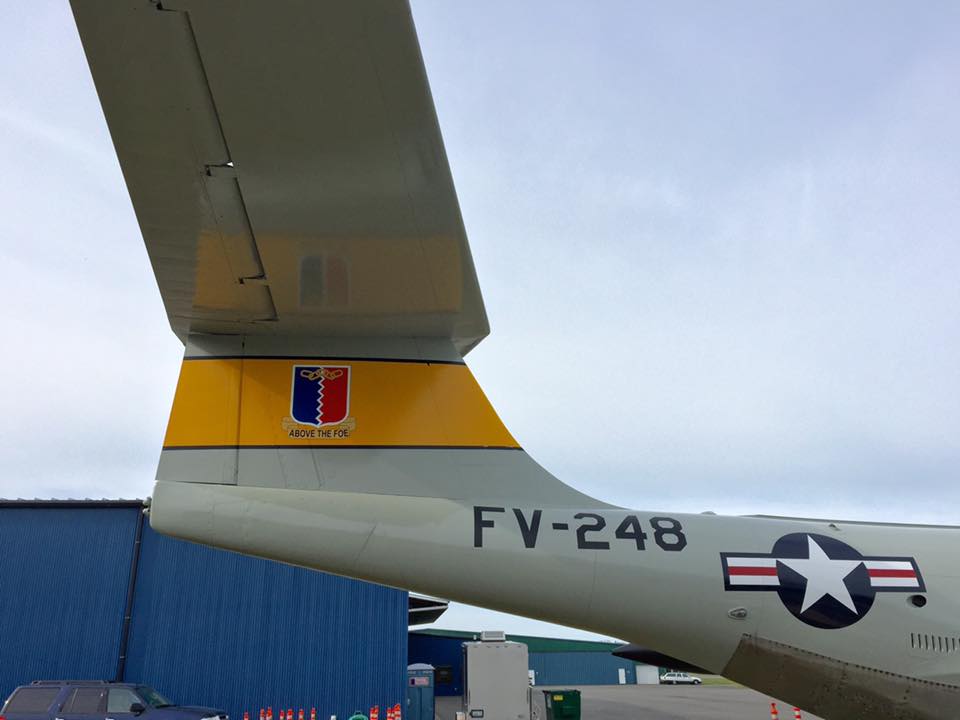
Editor’s notes: The HFM’s Scorpion is painted in the markings of F-89D-75-NO s/n 54-0248, which served with the 57th Fighter-Interceptor Squadron at Keflavik Airport (later NAS Keflavik) Iceland at the same time that Heritage Flight Museum’s founder and Apollo 8 astronaut William “Bill” Anders served in the squadron. In March 2022, the museum installed 53-2453 on three reinforced concrete pillars at the entrance to the museum, where it remains on outdoor display to this day.
About the author 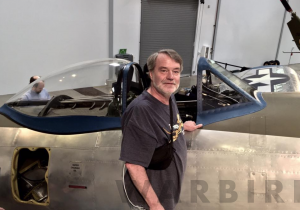 : Randy Malmstrom grew up in a family steeped in aviation culture. His father, Bob, was still a cadet in training with the USAAF at the end of WWII but did serve in Germany during the U.S. occupation in the immediate post-war period, where he had the opportunity to fly in a wide variety of types that flew in WWII. After returning to the States, Bob became a multi-engine aircraft sales manager and, as such, flew a wide variety of aircraft; Randy frequently accompanied him on these flights. Furthermore, Randy’s cousin, Einar Axel Malmstrom, flew P-47 Thunderbolts with the 356th FG from RAF Martlesham Heath. He was commanding this unit at the time he was shot down over France on April 24th, 1944, spending the rest of the war as a prisoner of war. Following his repatriation at war’s end, Einar continued his military service, attaining the rank of Colonel. He was serving as Deputy Wing Commander of the 407th Strategic Fighter Wing at Great Falls AFB, MT, at the time of his death in a T-33 training accident on August 21, 1954. The base was renamed in his honor in October 1955 and continues to serve in the present USAF as home to the 341st Missile Wing. Randy’s innate interest in history in general, and aviation history in particular, plus his educational background and passion for WWII warbirds, led him down his current path of capturing detailed aircraft walk-around photos and in-depth airframe histories, recording a precise description of a particular aircraft in all aspects.






I believe the aircraft in this article is wearing the markings of the 84th FIS.
Cheers.