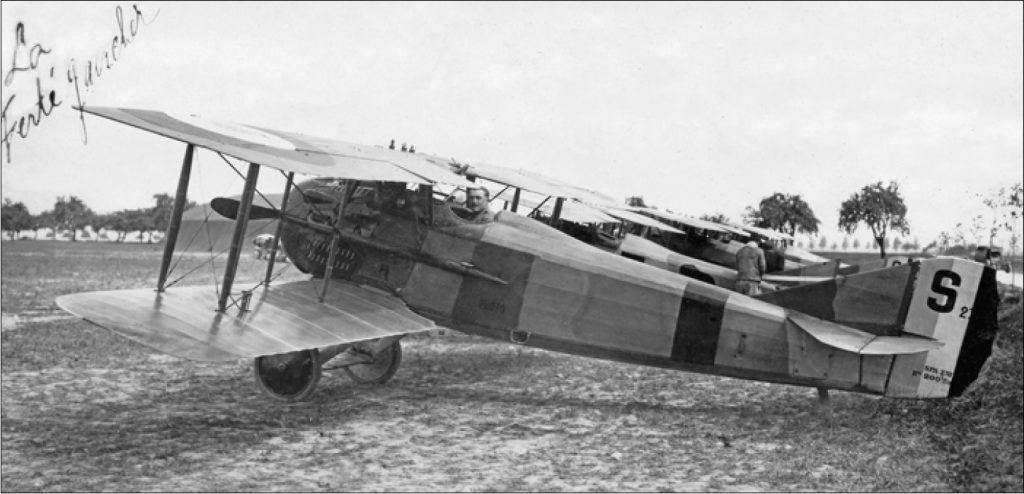
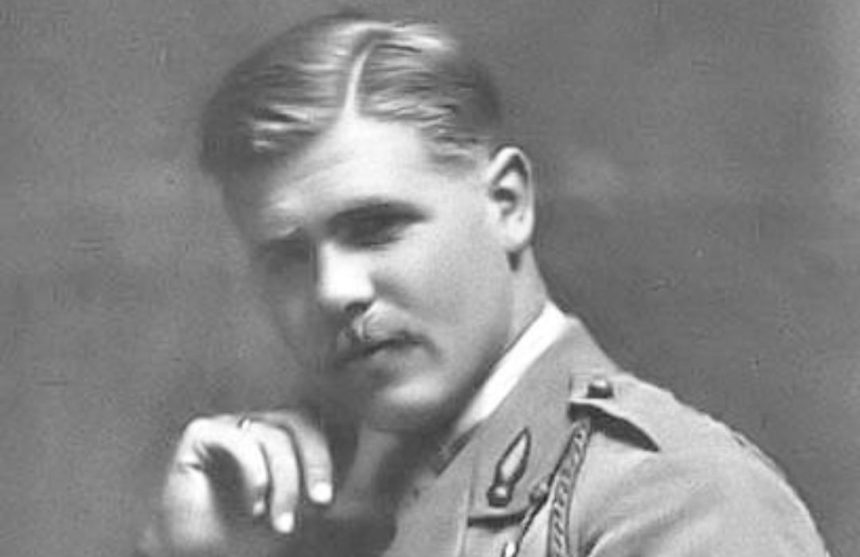

An American citizen, Frank Leaman Baylies, became an ace in WWI flying with the French Air Service. Born on September 23, 1895, in New Bedford, Baylies joined the United States Ambulance Service in May 1916. He served on the Western Front, in Serbia, and Macedonia. However, he was turned down by the American Air Service because of his poor eyesight. Instead, he enlisted in the French Air Service in May 1917. After earning a Pilot’s Brevet, he was assigned to SPA 73 in Dunkirk in November 1917. A month later, Frank Leaman Baylies became a pilot with the Storks Group at SPA 3. In early 1918, Baylies turned down a commission with the United States Air Service because he wanted to stay with the French. He achieved his first victory on February 19, 1918, followed by two victories in March and two in April to become an ace. After scoring on May 2 and 3, his eighth victory came on May 9. But that was an unusual one. A disagreement sparked between René Fonck and two Americans, Baylies and Edwin C. Parsons. While Fonck had more than thirty victories, Baylies and Parsons found his comments about success to be rude. Upset by Fonck’s arrogant talk, they made a bet with him. One of them would shoot down an enemy plane before Fonck did, and the loser would buy the winner a bottle of champagne.
Ace Journey and Death
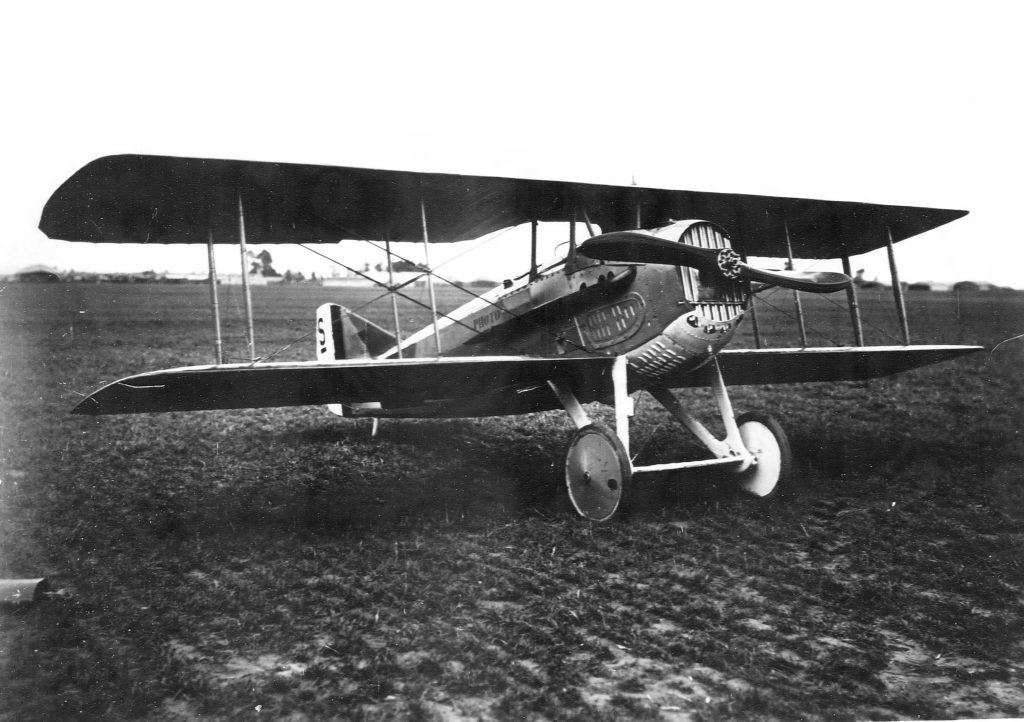
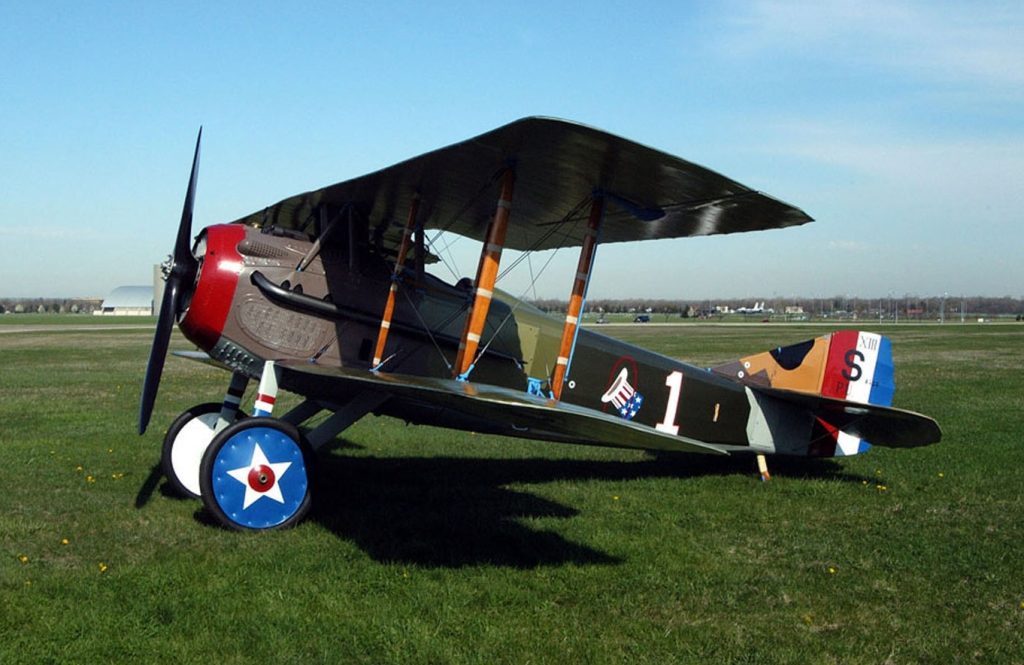
Frank Leaman Baylies flew out in poor weather and shot down a Halberstadt CL.II. Rather than accept the bet, Fonck, in a bad mood, pressured them to change it. He suggested that whoever shot down the most German planes that day would win. Fonck remained grounded for most of the day due to fog, but it cleared enough for him to take off in the afternoon at 1500 hours. Between 1600 and 1605 hours, he shot down three enemy reconnaissance planes. A few hours later, he shot down three more. Fonck aimed for these planes because they could direct artillery fire onto French troops. He proved his point by downing six of them in just three hours. He scored four more victories in May to reach a personal score of 12. Frank Leaman Baylies accepted a US commission but continued his work with the French. He was killed in a dogfight against Fokker Dr.I Triplanes from Jasta 19 on June 17, 1918. Baylies and his wingmen thought they were joining a group of British Sopwith fighters. Just before engaging, he realized they were actually Fokker Dr.I triplanes. Frank Leaman Baylies tilted his SPAD XII on a wingtip to turn away. Three German planes attacked him, but he managed to get behind one; then the fourth Fokker dived on him and shot him down. German ace Rudolf Reinau is usually credited with shooting down Baylies.
The Legacy
Major Edmund Gros, from the Air Service Signal Reserve Corps, wrote a letter to Baylies’ mother after his death, which said, “Your son met a glorious death. He was one of the shining lights of our Aviation. He was a soldier without fear and without reproach. You must apply to him the eloquent words spoken in the British Parliament with respect to aviators; you must not turn your mind to sorrow, you must turn it towards all the glory which your son has won and the name which he will leave behind him when the story of this great war is written. He has taken his place by the side of all those heroes who gladly gave up that which is most precious of all, their lives, for the greatest ideal, the happiness of the human race.” Read stories about other Aces HERE.