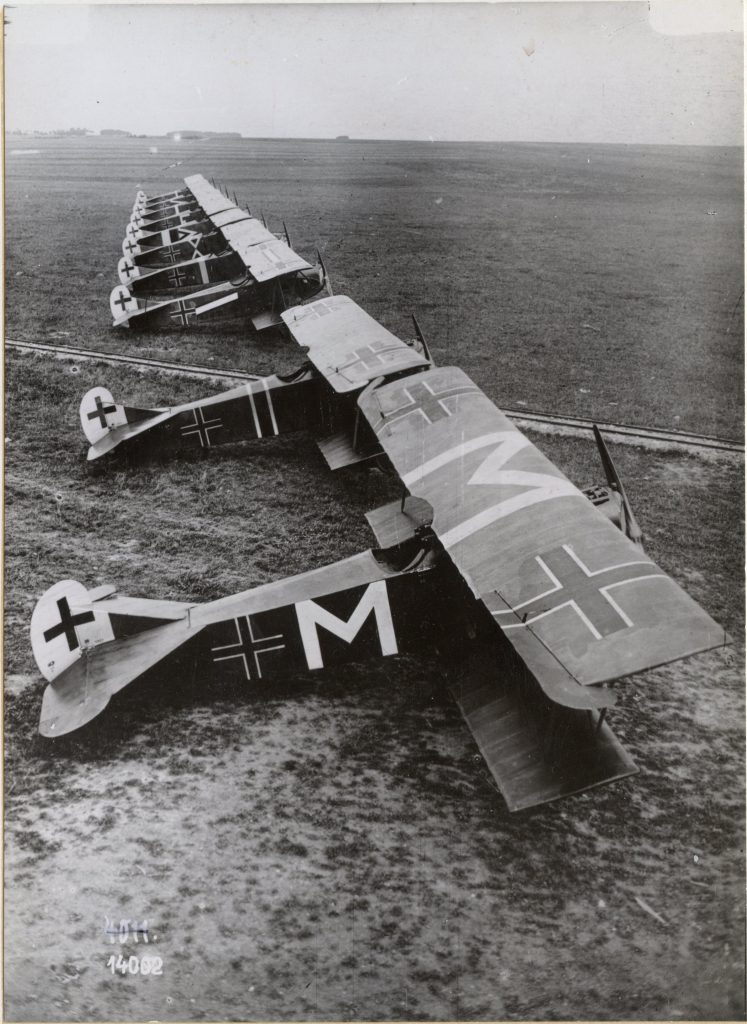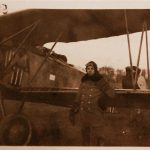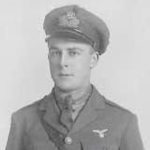
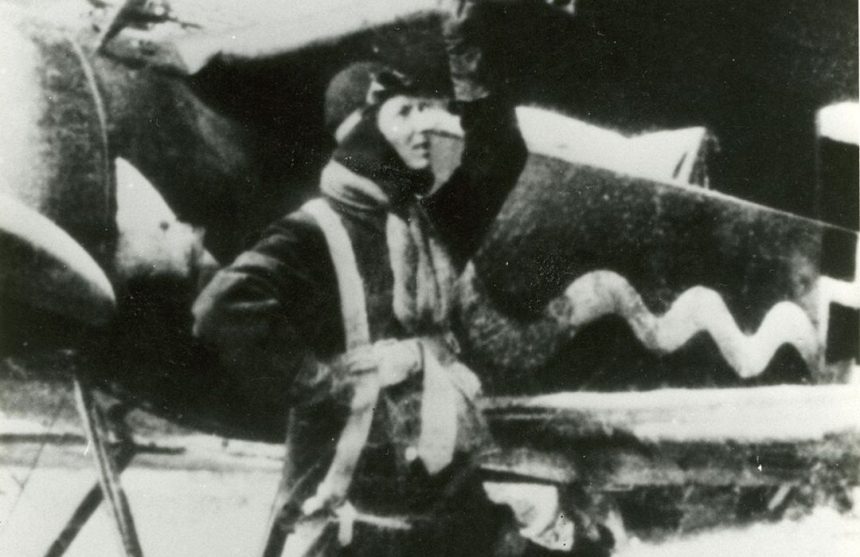

German WWI flying ace Franz Hemer was a skilled concert cellist before the war. Franz Hemer was born on June 6, 1894, in Pfeddersheim, Worms, Grand Duchy of Hesse. Hemer was assigned to Flieger-Abteilung (Artillerie) 283 before moving to Jagdstaffel (Jasta) 6 on September 10, 1917. He scored his first victory on October 27, 1917, when he shot down an RE.8. He scored again in 1917 on November 12, and after this, he flew a Fokker Dr. 1. He painted a wavy yellow line along the fuselage, resembling his wavy hair, which earned him the nickname “Locken.”
Ace Journey of
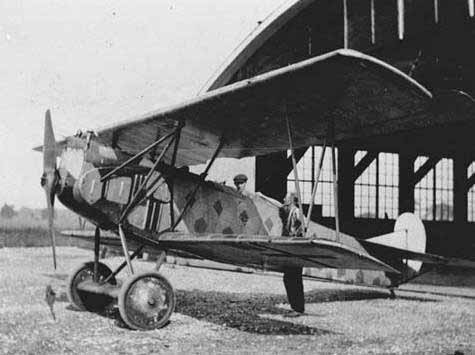
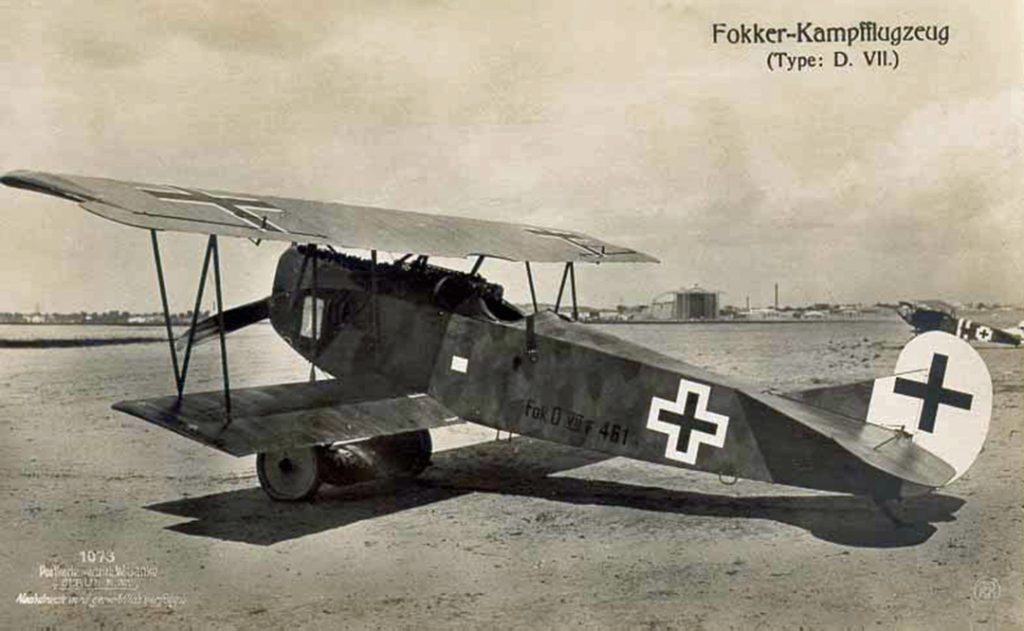
After scoring two victories in mid-March 1918, Franz Hemer became an ace on March 27, when he shot down a Sopwith Dolphin. He scored two more victories in April and three in May, after which he was upgraded to a Fokker D.VII. Further, he scored one victory in June, five in July, and two in August, bringing his score to 18. Franz Hemer scored his last battle on August 8, 1918, and the next day, he was injured in action when his Fokker D.VII was shot down during a fight with Royal Air Force DH.9s from No. 49 Squadron RAF, which were supported by Sopwith Camels. While recovering, he was promoted to Leutnant. However, Franz Hemer did not return to flying duty before the war ended.
The Legacy
After the war, not much is documented about his life apart from the fact that Franz Hemer became the managing director of König & Bruder, a fur trading company based in Leipzig, with its head office in Vienna. He passed away on October 18, 1982, in Frankfurt. Among his 18 victories, six were Sopwith aircraft, four were SPAD, three were R.E.8 aircraft, and one each of the S.E.5a, D.H.4, D.H.9, Nieuport 28, and Bréguet 14 aircraft. In the Aces series, Franz Hemer was a German flying ace who loved music and was awarded the Royal House Order of Hohenzollern, the Iron Cross, 1st and 2nd Class, and the General Honor Decoration (Hesse) for his WWI endeavors. Read stories about more Aces HERE.