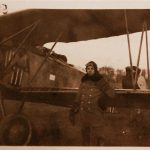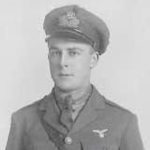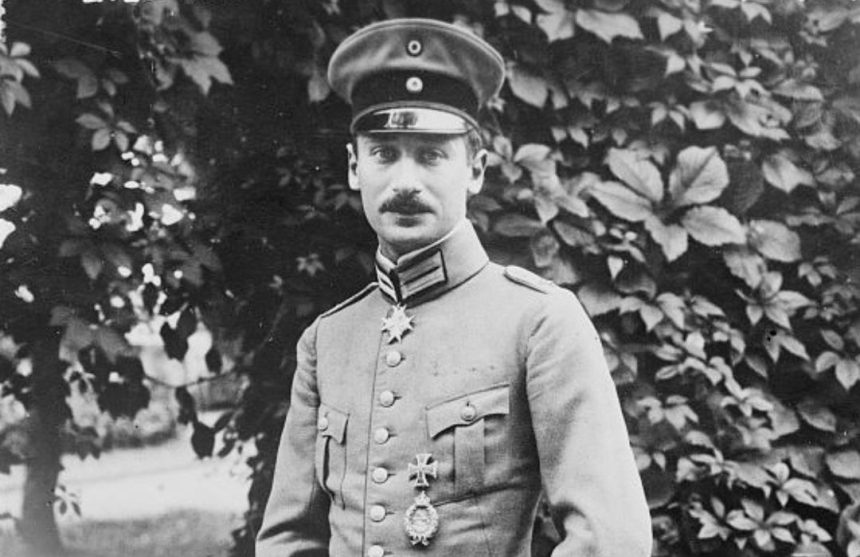

There was an ace in the German Air Service in WWI who was awarded the Pour le Mérite (commonly Blue Max), and yet his name was once removed by the Nazi government from the list of WWI heroes because he was Jewish. Wilhelm Frankl was born on December 20, 1893, in Hamburg. He later moved to Frankfurt am Main and then to Berlin. After finishing school, Wilhelm Frankl became interested in flying and went to Johannisthal, a center for aviation in Germany before WWI. His flight instructor was Melli Beese, the first female pilot in Germany. Frankl earned his pilot’s license, number 49, on July 20, 1913.
Ace Journey of Wilhelm Frankl
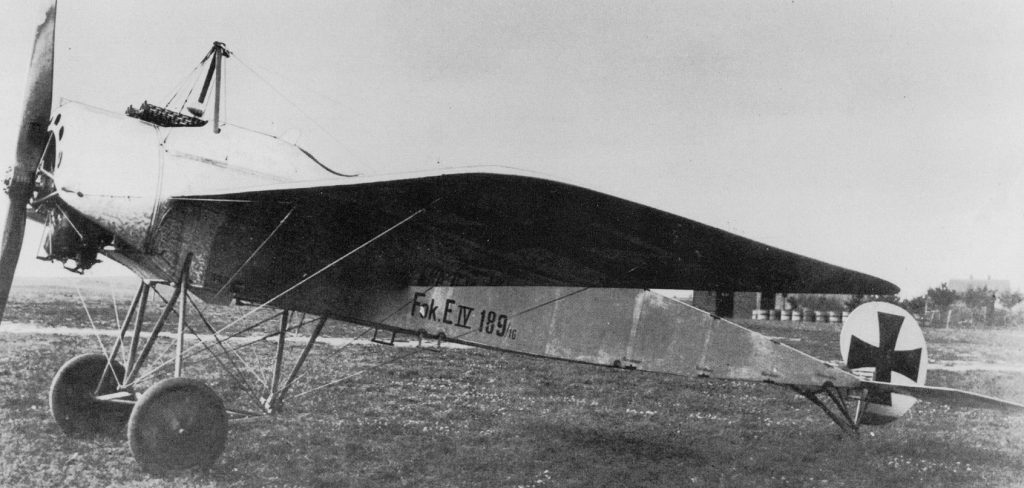
When WWI started, Wilhelm Frankl volunteered to fly for his country. His flying skills and personality impressed his bosses. Before synchronized machine guns could fire safely through a plane’s propeller, it was very difficult to achieve aerial victories. However, on May 10, 1915, Wilhelm Frankl was flying as an observer in Feldflieger Abteilung 40 (FFA 40) when he shot down a French Voisin using a carbine. For this achievement, he received the Iron Cross First Class award. It was his sole victory of the year 1915. It took him eight months to achieve his second victory. On January 10, 1916, while flying a Fokker Eindecker with KEK Vaux, he shot down another Voisin that had a 37mm Hotchkiss cannon. By February 1, he had four victories. Three months later, on May 4, he became an ace. On May 16, he was promoted to Leutnant. He scored another victory on May 21. Later in May, he received the Knight’s Cross with Swords of the Royal House Order of Hohenzollern and also the Hanseatic Cross of Hamburg. At that point, Wilhelm Frankl was one of only eight aces in the German air force. His bravery earned him the Pour le Mérite after his eighth confirmed victory. He received the Blue Max on July 16, 1916.
The Legacy
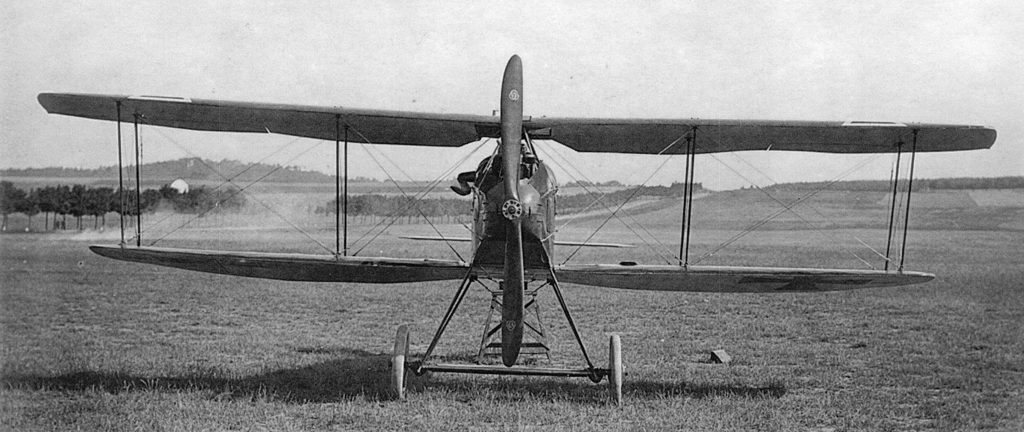
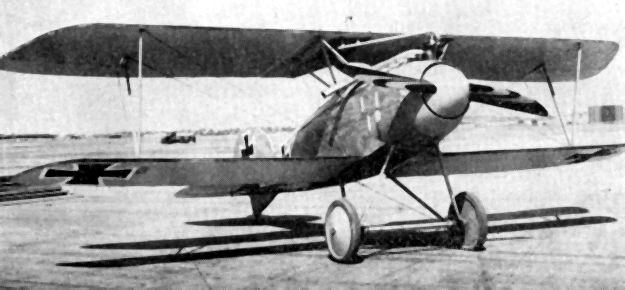
In August, Wilhelm Frankl scored three more victories and transferred to Jasta 4. Further, he scored four in September and two in October, bringing his victories to 15. In late December 1916, Frankl took command of Jasta 4. After a break of six months, Wilhelm Frankl achieved a quadruple victory on April 6, 1917, and scored his 20th victory the next day. Wilhelm Frankl died on April 8, 1917. While he was fighting Bristol F.2 Fighters from No. 48 Squadron RFC, his Albatros D.III lost its lower wing during combat. As a result, he and his plane fell 800 meters. Wilhelm Frankl died between the towns of Vitry and Sailly in France and was buried in Charlottenburg. Frankl’s Jewish background, though he had converted to Christianity to marry, led to his name being omitted from records of WWI pilots who received the Blue Max. After WWII, his name was added back to the list of German flying aces. On November 22, 1973, the German Air Force, known as the Bundesluftwaffe, named an air force barracks in Neuburg an der Donau after Wilhelm Frankl. The barracks, called the Wilhelm-Frankl-Kaserne, is now the base for Taktisches Luftwaffengeschwader 74. In the Aces series, Wilhelm Frankl was a brave ace who gave everything for his country, but his country failed to provide him the honor he deserved earlier. Read stories about other Aces HERE.