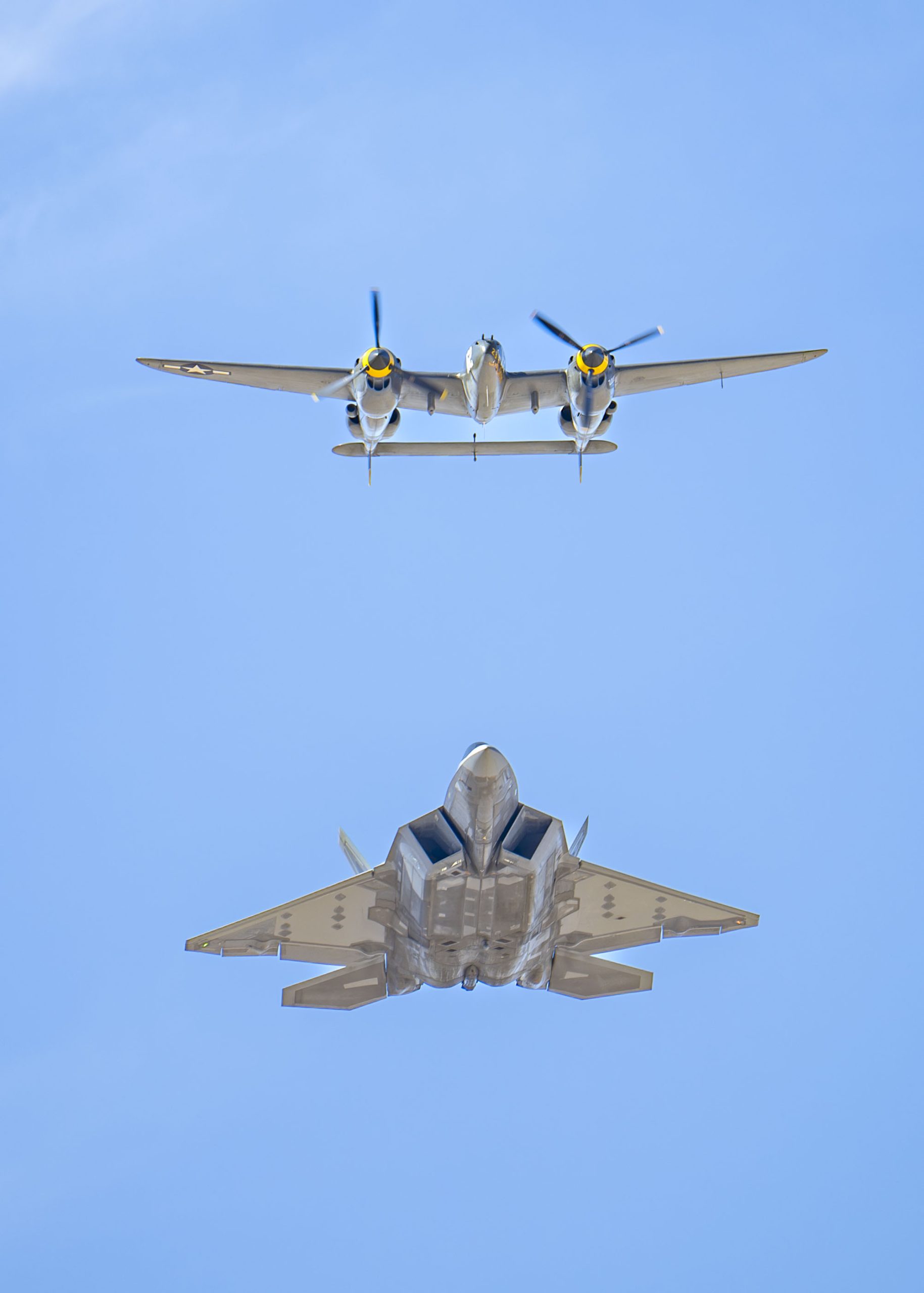
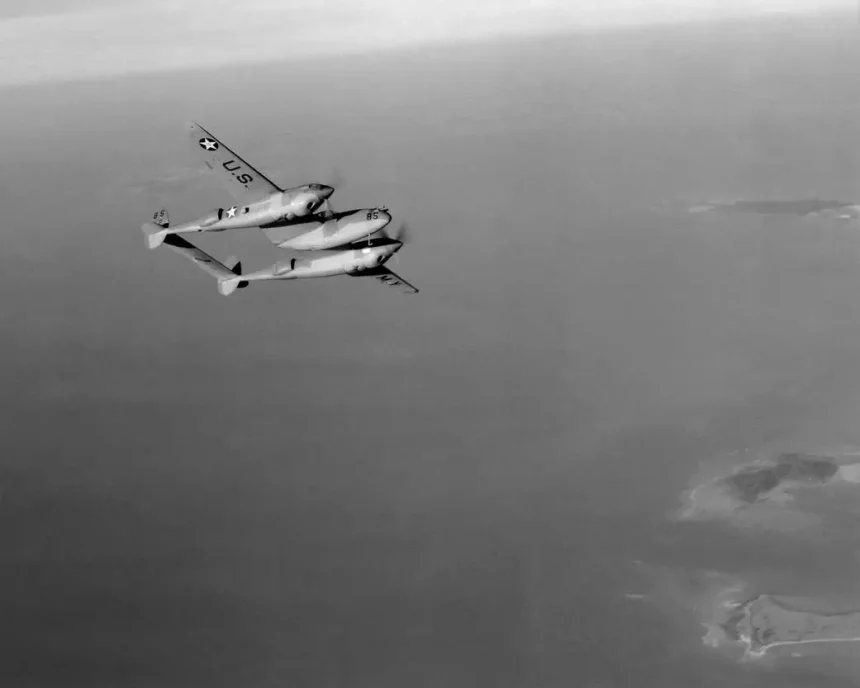

When World War II began, the Lockheed P-38 Lightning stood out in American service. It had twin engines on slim booms, a central pod for the pilot and guns, and could fly farther and higher than earlier fighters. The P-38 was fast, stable, and well-armed. In normal flight, there was no sign that it would soon encounter high-speed airflow that pilots had never seen before. By 1941, as pilots pushed the P-38 in training and testing, they noticed a serious problem. In steep dives from high altitude, the aircraft could exceed 390 miles per hour and keep accelerating. At speeds between Mach 0.65 and 0.75, the airplane started to act differently. The tail would shake, the nose would drop, and pulling back on the controls had no effect. One pilot later described the sensation as the stick felt “cast in about two feet of concrete.”
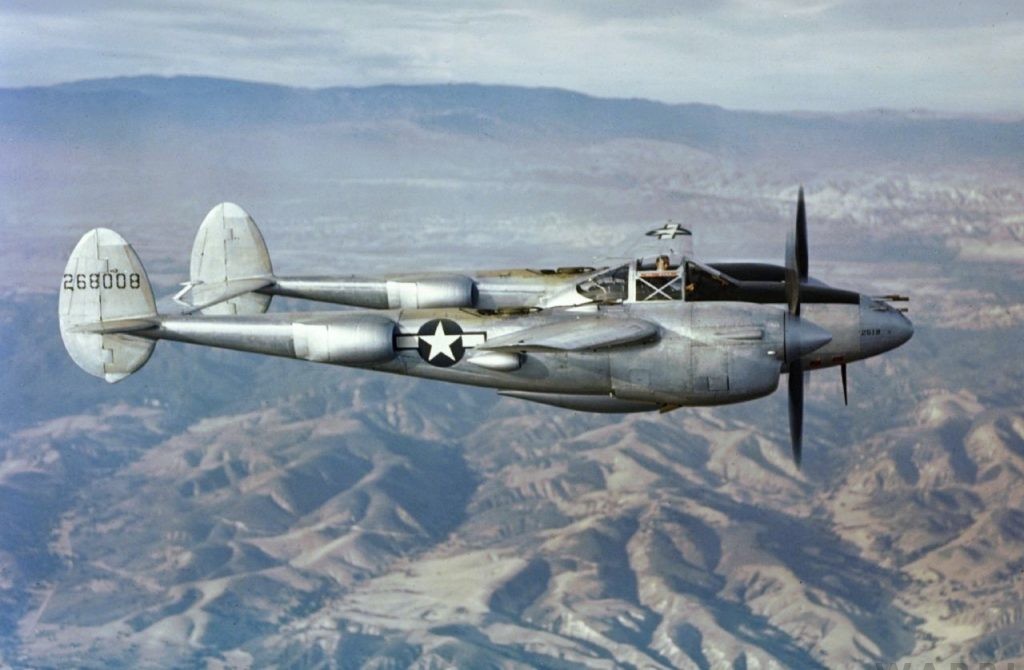
This was not just heavy controls. The airplane was locked by aerodynamic forces that pilots had not been trained to handle. At high subsonic speeds, the airflow over the P-38’s wing did not remain subsonic. The aircraft itself never exceeded the speed of sound, but the air accelerating over its curved upper wing surface could exceed Mach 1, leading to the formation of shock waves near the wing’s center section. Those shock waves altered the pressure distribution across the wing, increasing drag and, more critically, reducing lift in the region where the wing carried much of its load. The aerodynamic center, the effective center of lift, moved aft.
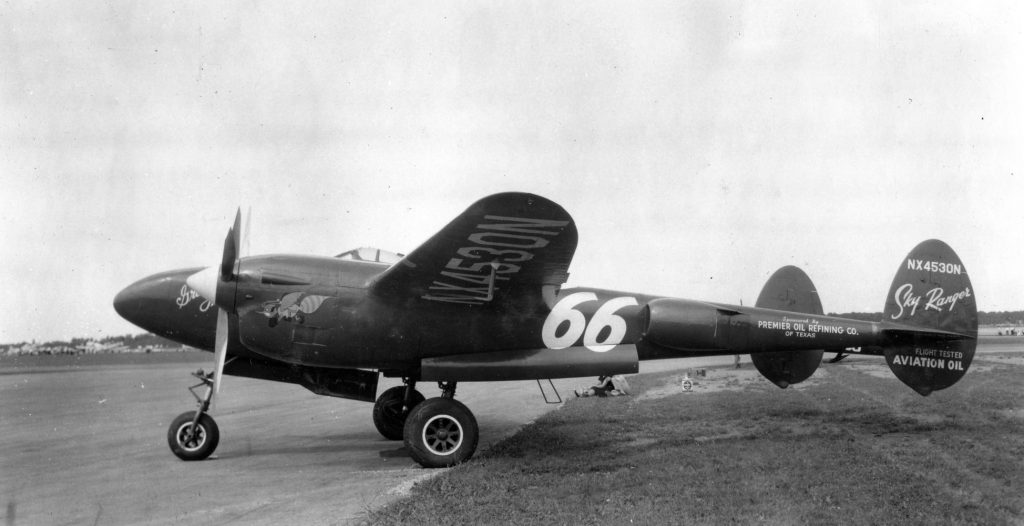
When this happened, the airplane’s nose pitched down hard. In a dive, the nose dropped even more, making the descent steeper and faster. The shock waves also weakened the tail. The elevator lost authority, so pilots could not pull out of the dive. Later, this was called ‘Mach tuck,’ but for P-38 pilots, it was just a dive they could not stop. Some P-38 Lightnings recovered as they descended into thicker air and slowed. Others did not. Some broke apart before reaching a lower altitude. This problem led many people to believe there was a ‘sound barrier’ that made planes impossible to control. The Lightning was actually a big, advanced fighter, with a wingspan of 52 feet and a length just under 38 feet. Depending on the version, it could fly between about 390 and over 410 miles per hour. It served as a long-range escort, interceptor, and ground-attack aircraft, and in the Pacific theater, it became one of the Army Air Forces’ most effective tools.
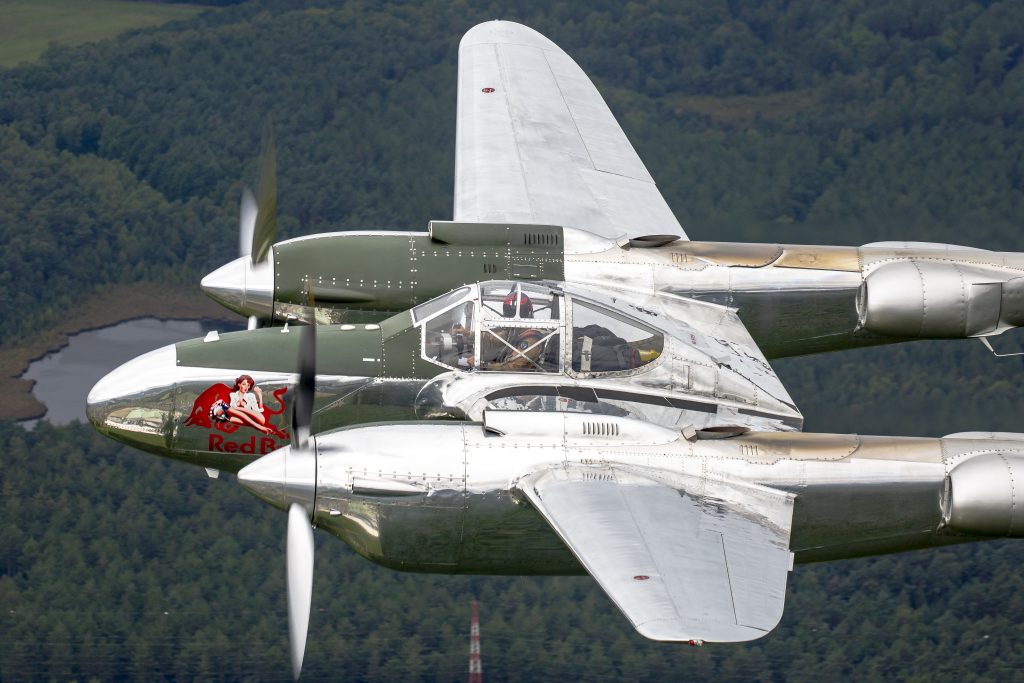
Yet in high-altitude dives, precisely the maneuver required to pursue or disengage from an enemy, the airplane revealed a weakness that had nothing to do with engine power or pilot courage. It was a matter of compressibility, which was needed to chase or escape from enemies. The P-38 showed a weakness that was not about engine power or pilot skill. The problem was compressibility, a concept that was still new to most engineers in 1941. Researchers needed to test models at speeds close to Mach 0.75 but were concerned about their equipment and didn’t fully understand how the air would behave. This delay slowed progress. Later, NACA engineers ran special tests with small P-38 models, including one that was one-sixth the size in a 16-foot tunnel. They found a sudden change in pitching moment above Mach 0.65. The lift dropped on the wing center, and the nose-down force increased, showing why the aircraft would dive more steeply.
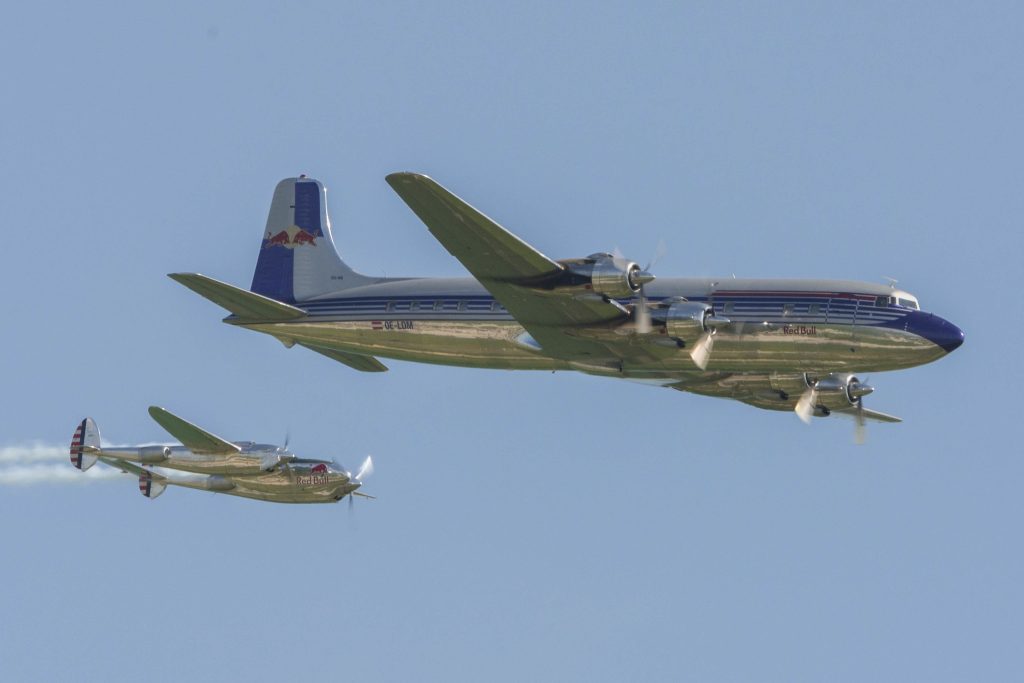
Pitot surveys in the wind tunnel showed that aerodynamic changes, such as the divergence of the lift, drag, and pitching-moment coefficients, occurred at a Mach number about 0.15 above the critical Mach number, indicating that these effects become more pronounced beyond that threshold. Sometimes, air from where the wing met the body disturbed the tail, causing it to shake and weakening the elevator. The plane wasn’t just diving anymore because the air pressure at high speeds was changing how it flew and making it hard to control. Engineers worked through trial and error, reshaping the body, adding new parts, changing angles, or tweaking the controls. Some even raised the tail to improve the plane’s flight, but the most promising solution was to reshape the plane’s body to allow air to flow more smoothly where the wing met the fuselage. This slowed down the formation of strong shock waves. Wind tunnel tests showed that some of these changes made it easier for pilots to pull out of fast dives.
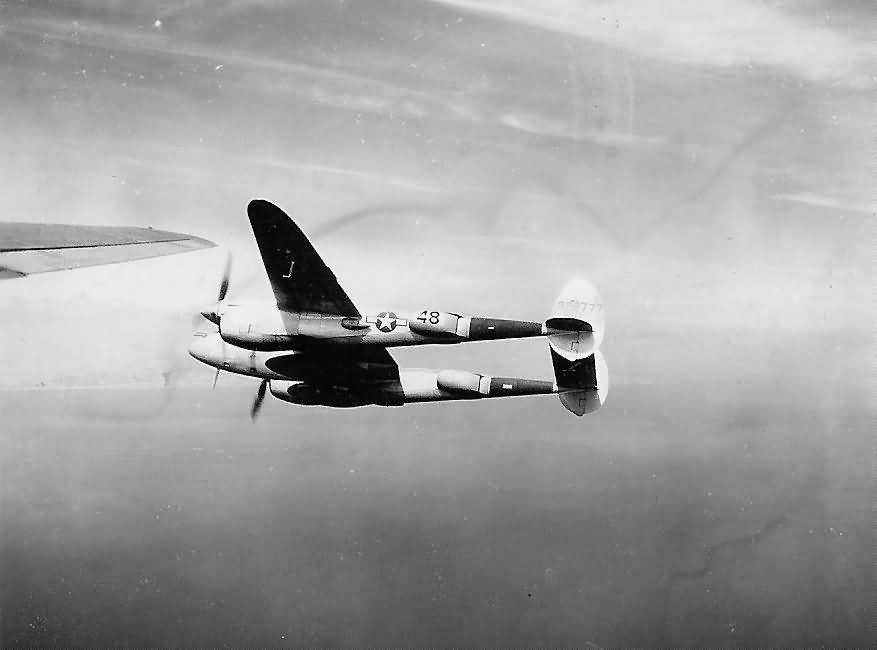
The best fix turned out to be special flaps under the wings, called dive-recovery flaps. When pilots were in a fast dive, these flaps changed the airflow and helped keep the nose from dropping too much, so they could pull out safely. Once these flaps were tested and proven in wind tunnels, they were added to new P-38 Lightnings and even put on older ones. What once confused and scared pilots was now something they could deal with. Fixing this problem taught everyone that flying in the real world can be very different from what you learn in books. Because of these challenges, engineers saw the need for better research tools and new planes built just to test high speeds.
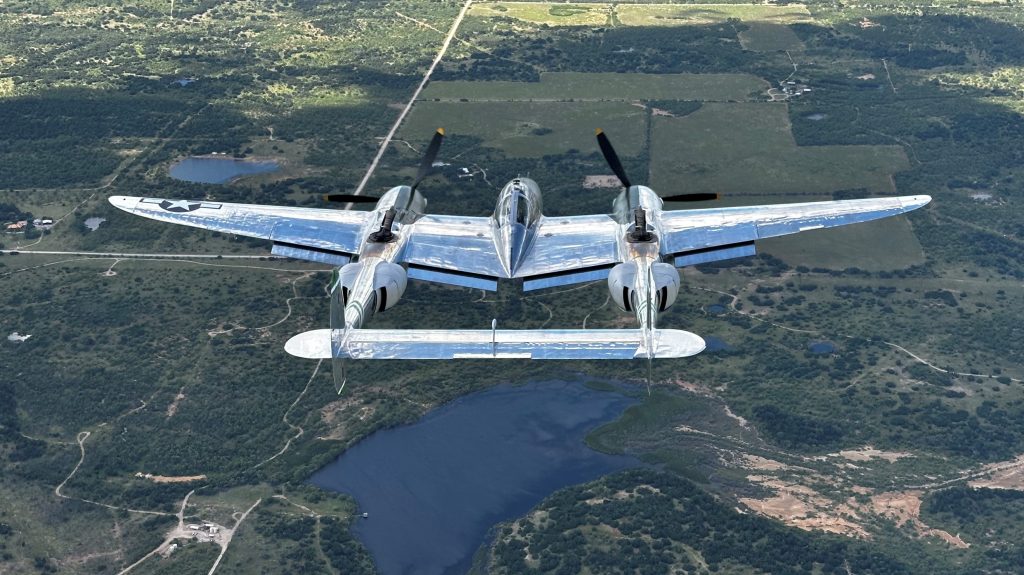
The problems with the P-38 taught everyone a lot. These lessons helped engineers build new planes, such as the Bell X-1, so they could learn to fly safely at very high speeds. The P-38 Lightning didn’t just solve its own problem; it helped everyone learn how to make better, faster planes. At first, nobody really knew why the P-38 suddenly lost control in a dive. At one moment, everything felt normal, and the next, the plane was out of control. By the end of the war, people finally understood what was going on and how to fix it. These lessons stuck with designers. They learned that even small changes to a plane’s shape could make a big difference at high speeds, and that what worked at slow speeds didn’t always work when you went faster. The P-38 was one of the first planes to face these problems during real combat. The P-38 Lightning didn’t break the sound barrier, but it helped make flying at those speeds possible for everyone who came after. Check out more Flight Test Files articles HERE.