
By Randy Malmstrom
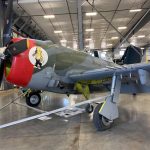
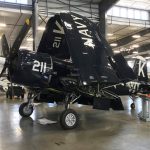
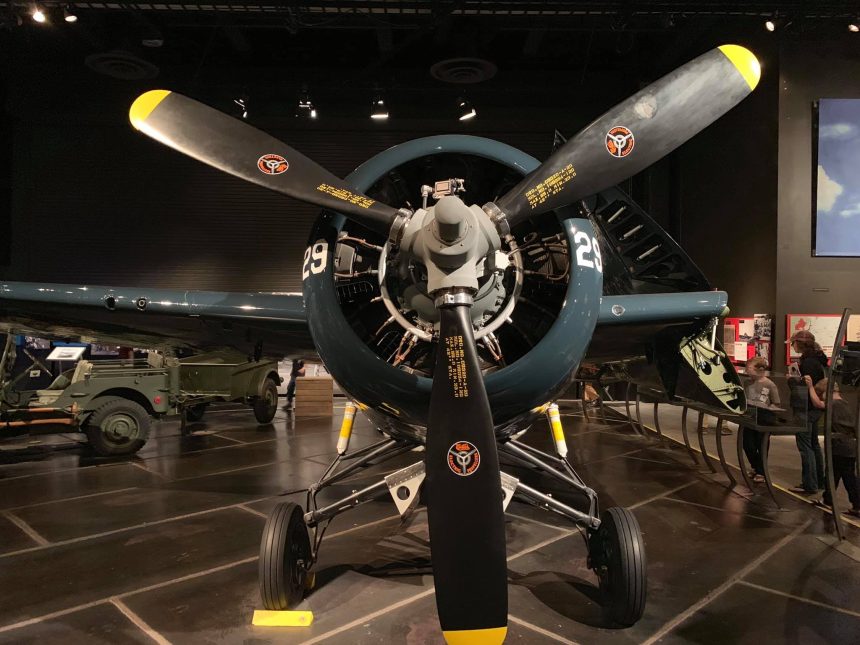
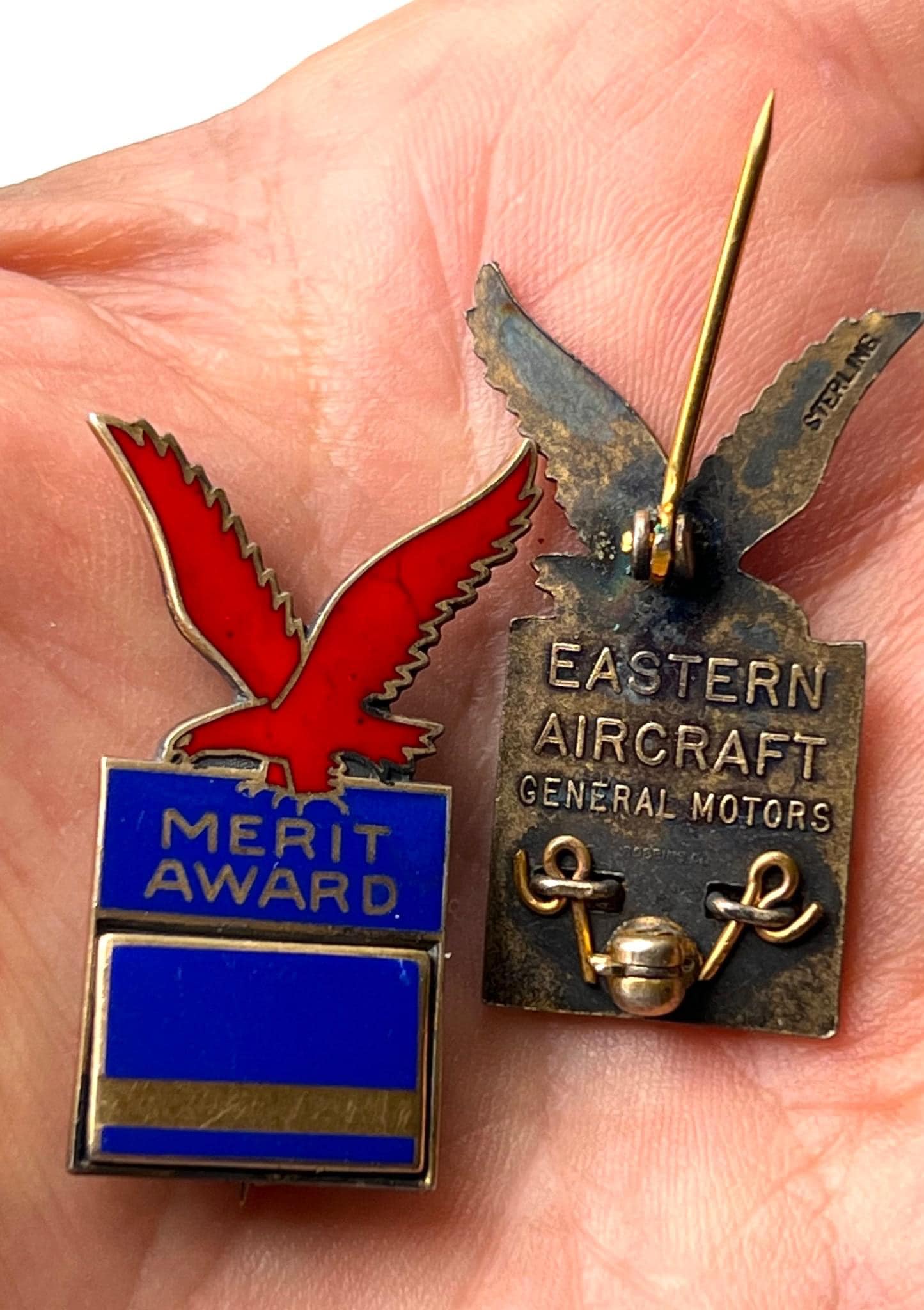
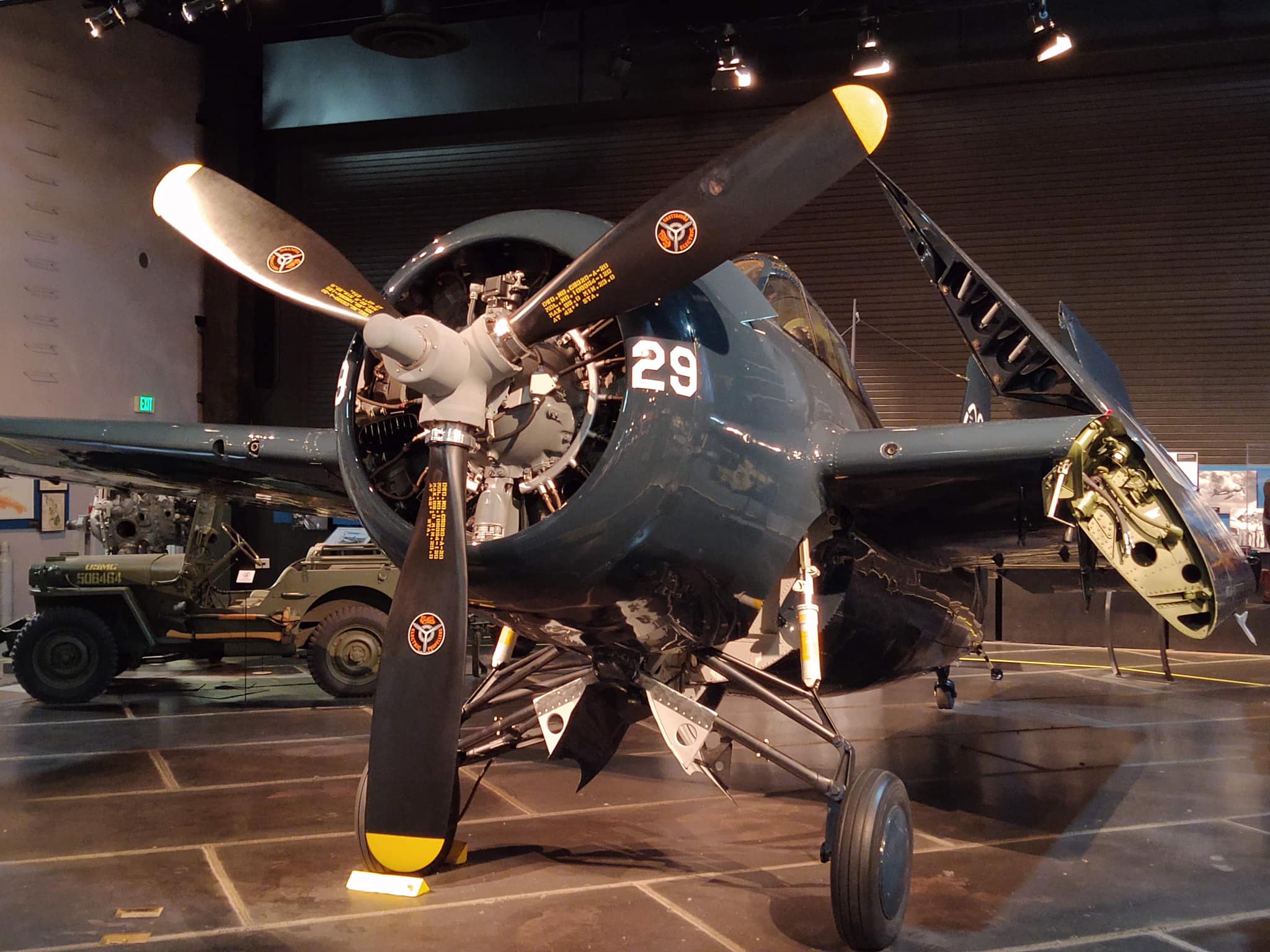
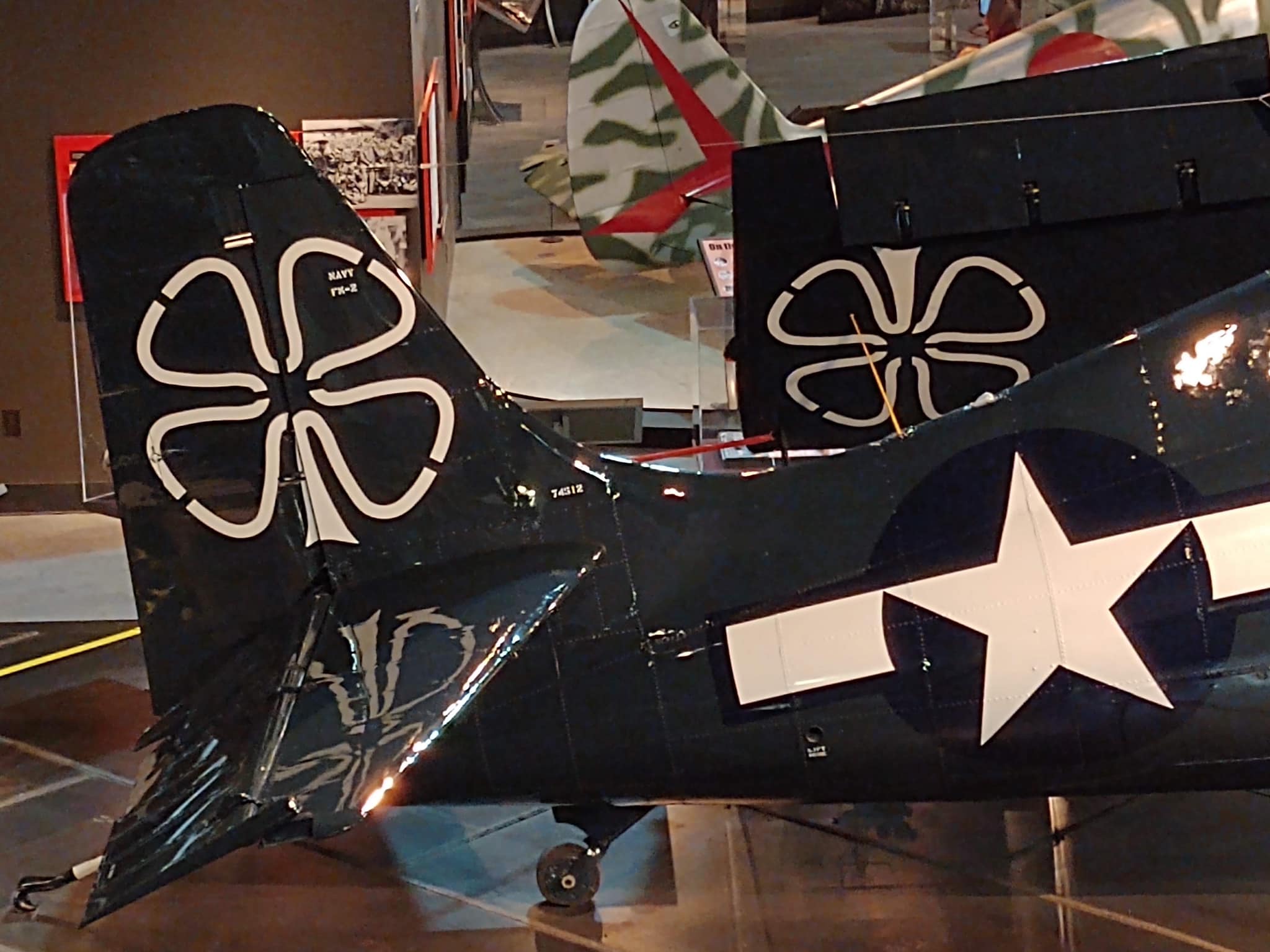
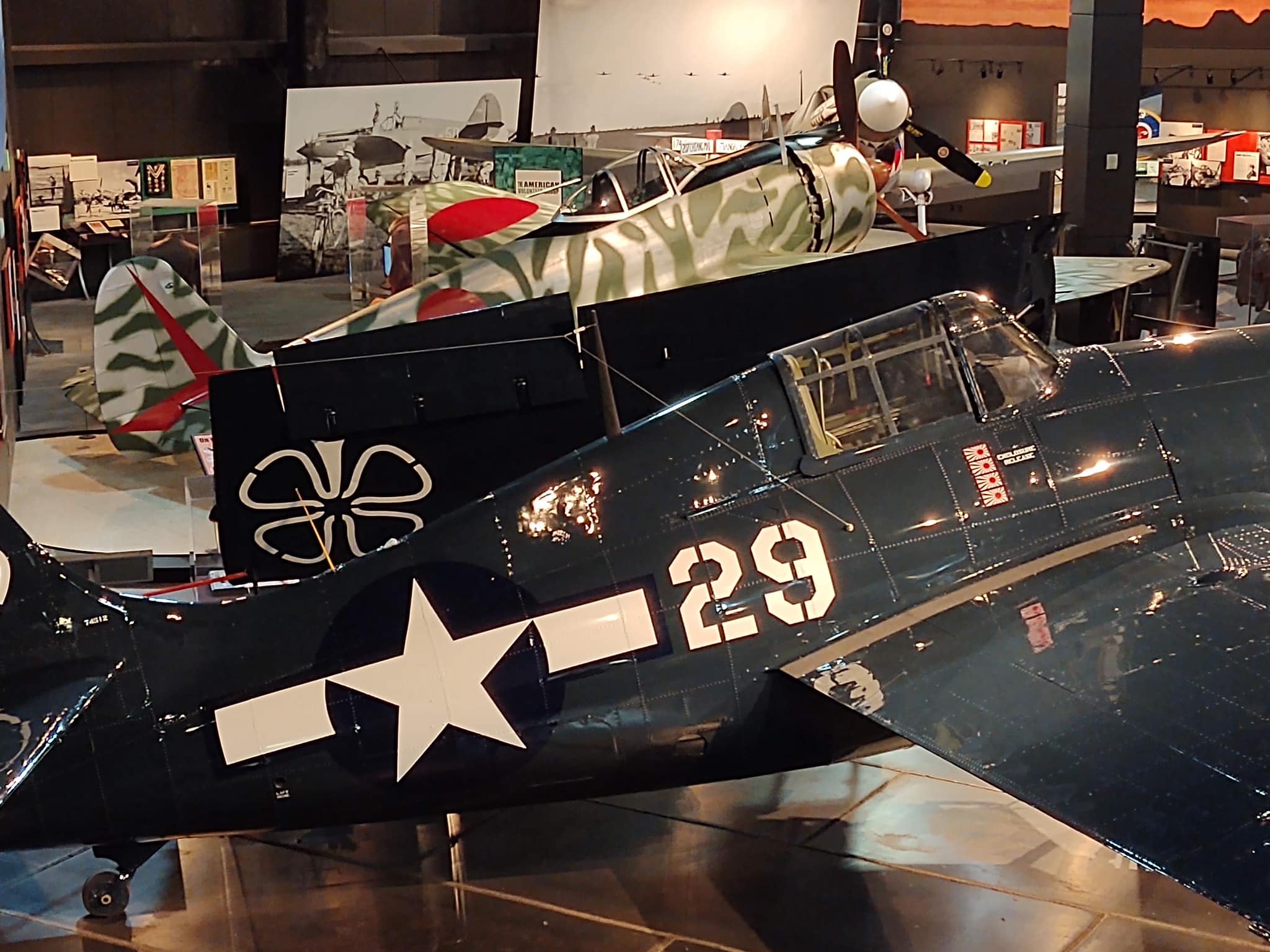
General Motors FM-2 Wildcat, BuNo 74512, Construction No. 4704. This particular aircraft was built by the Eastern Aircraft Division of General Motors Corporation (hence the “M” designation based on the U.S. Navy Aircraft Designation System) at Linden, New Jersey. A GM Suggestion Plan was introduced in 1942 and rewarded employees for ideas that helped improve manufacturing efficiency or safety. Suggestions that were adopted were rewarded (anywhere from $2.50 to $1,000 in War Savings Stamps or War Bonds), and a Merit Award pin was awarded (see attached photo courtesy of Stacey Kunch – thank you). Photos are by me and Don England, formerly of MOF – thanks very much.
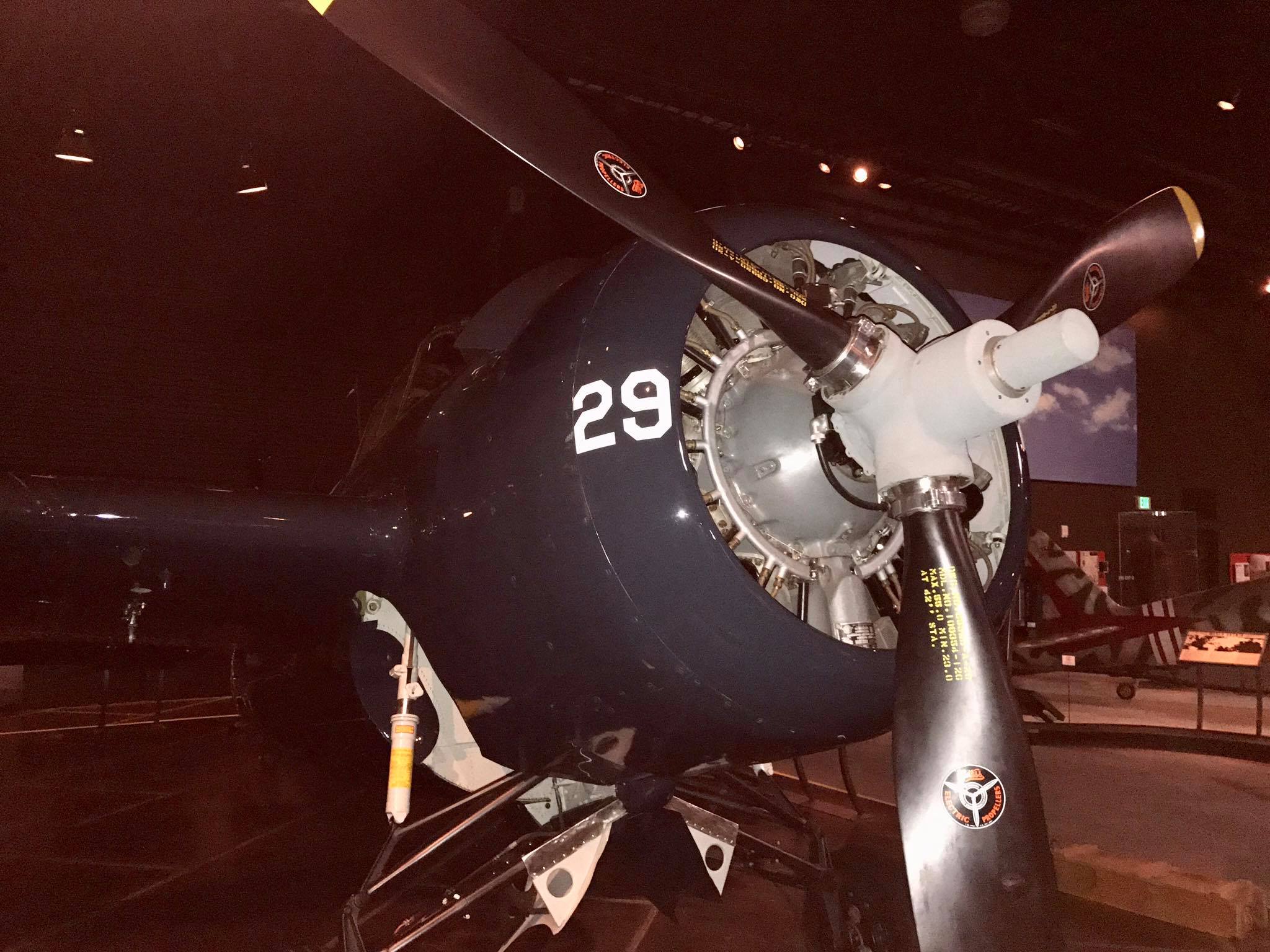
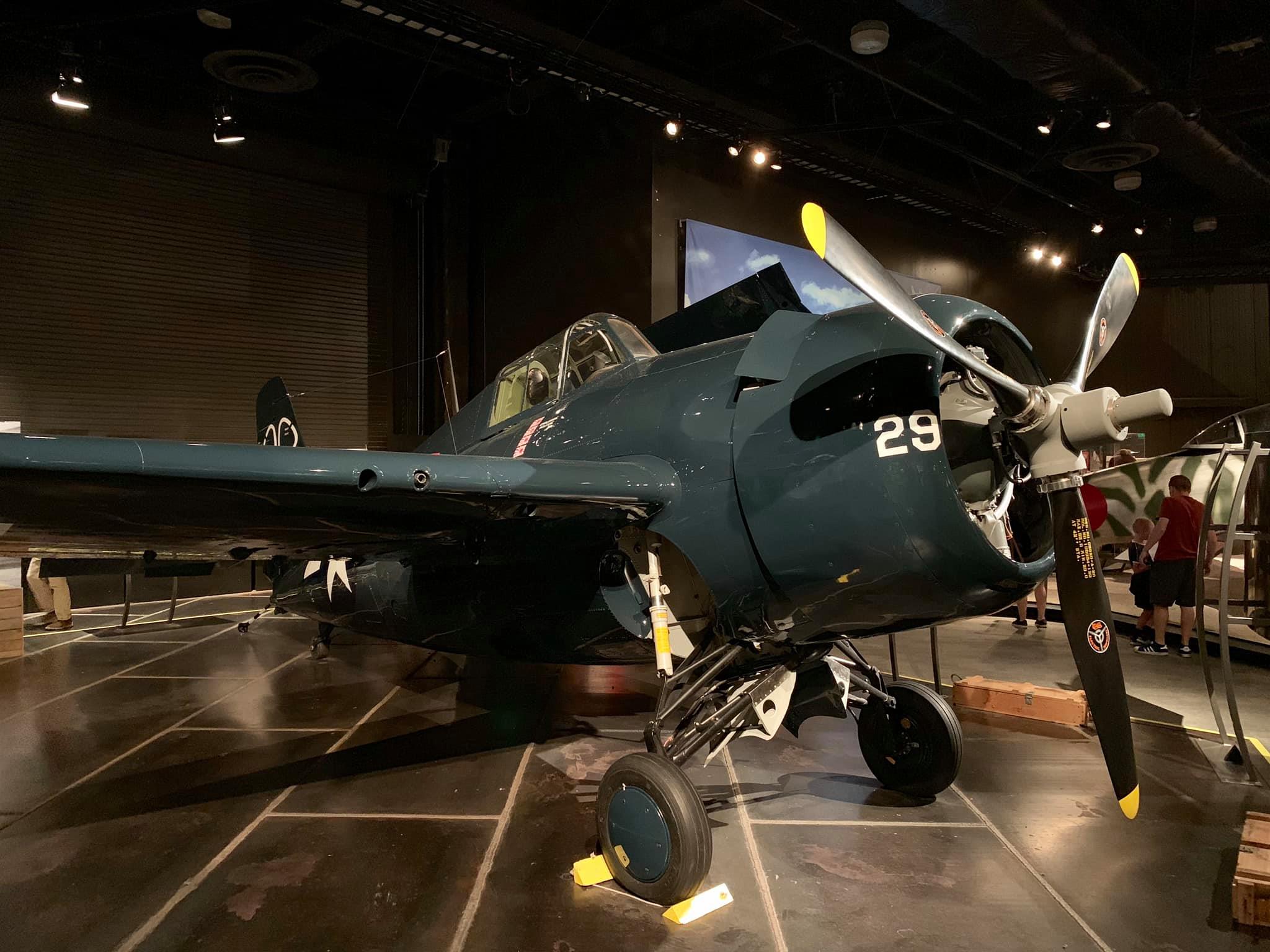
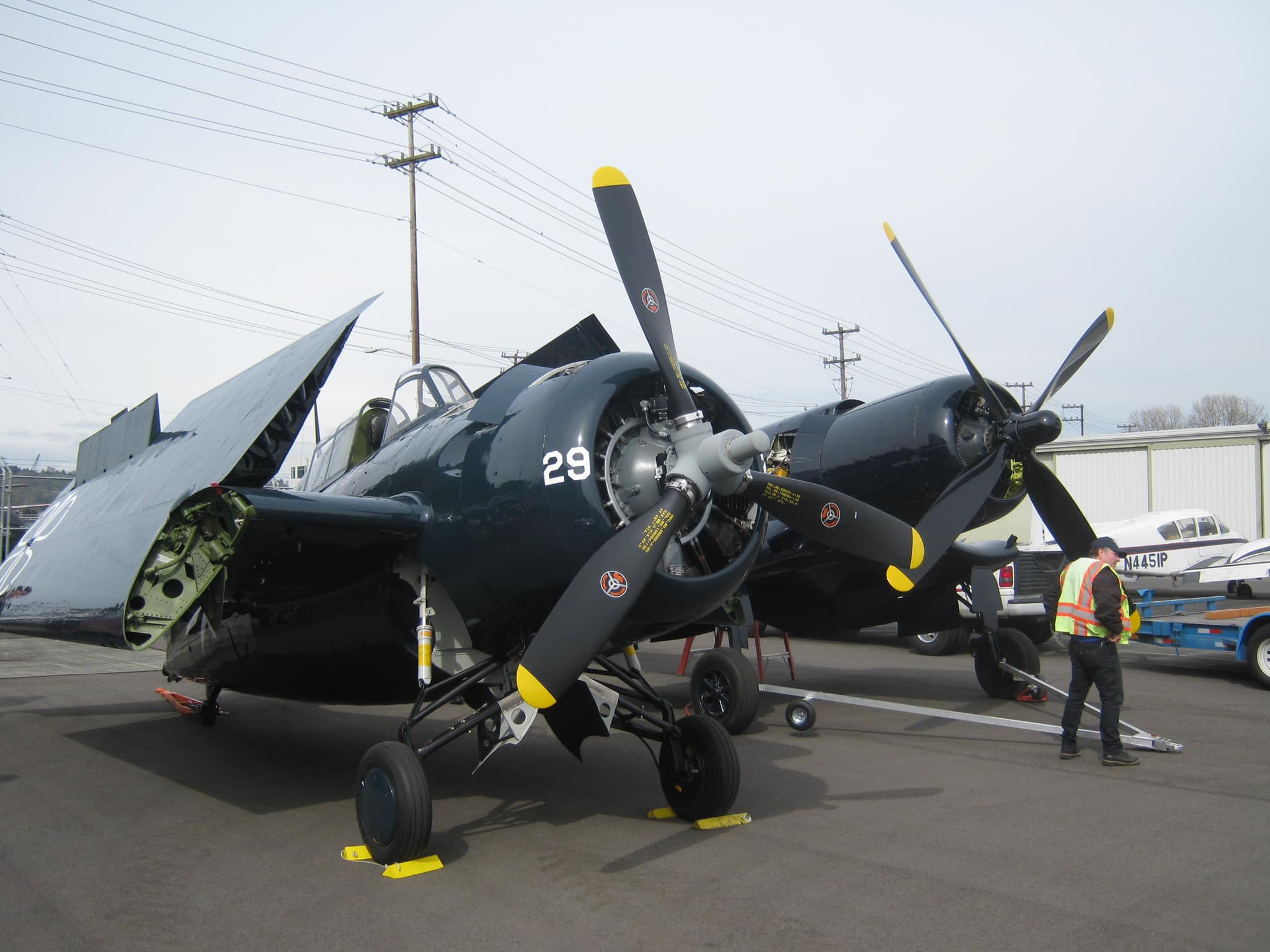
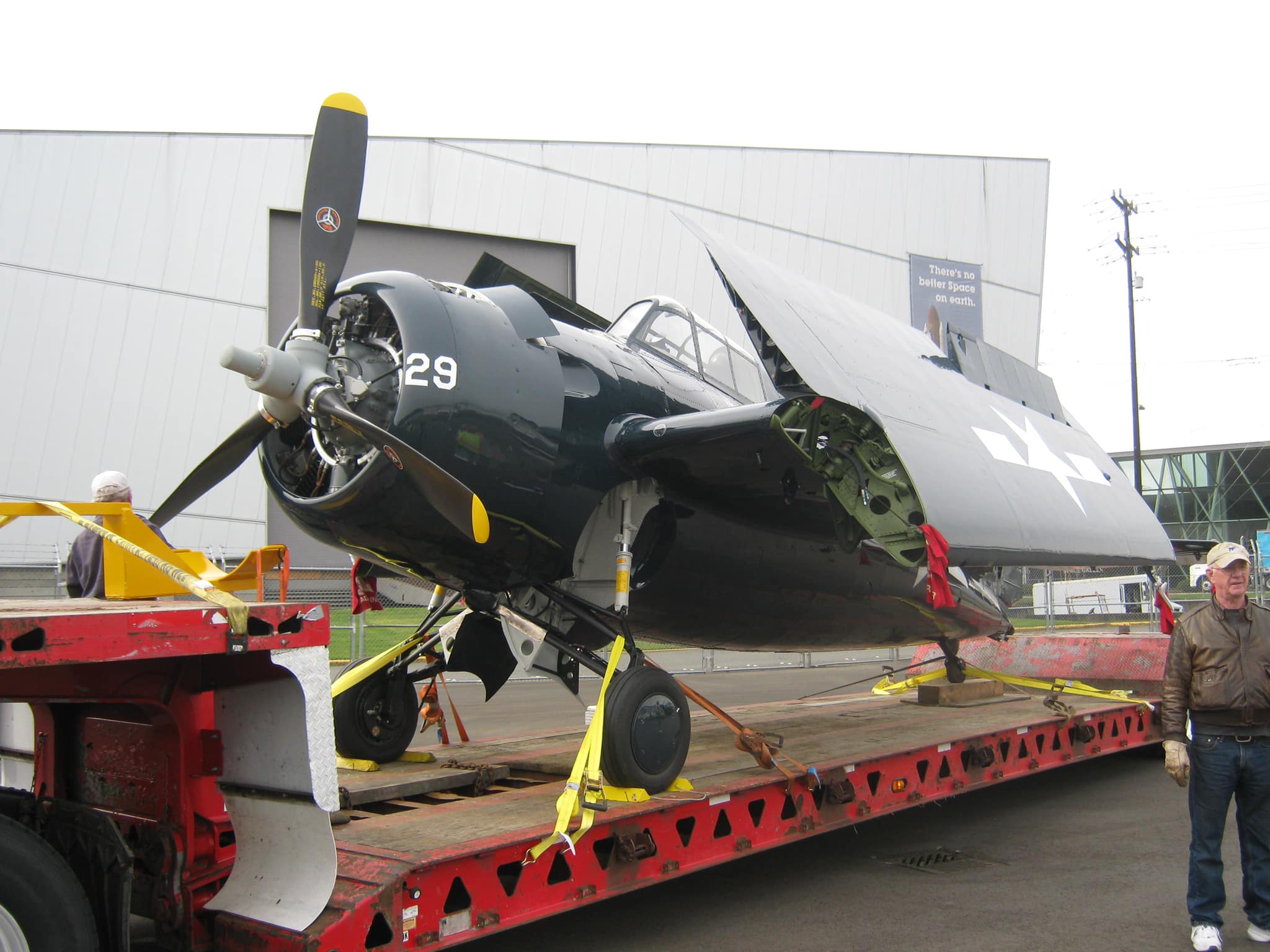
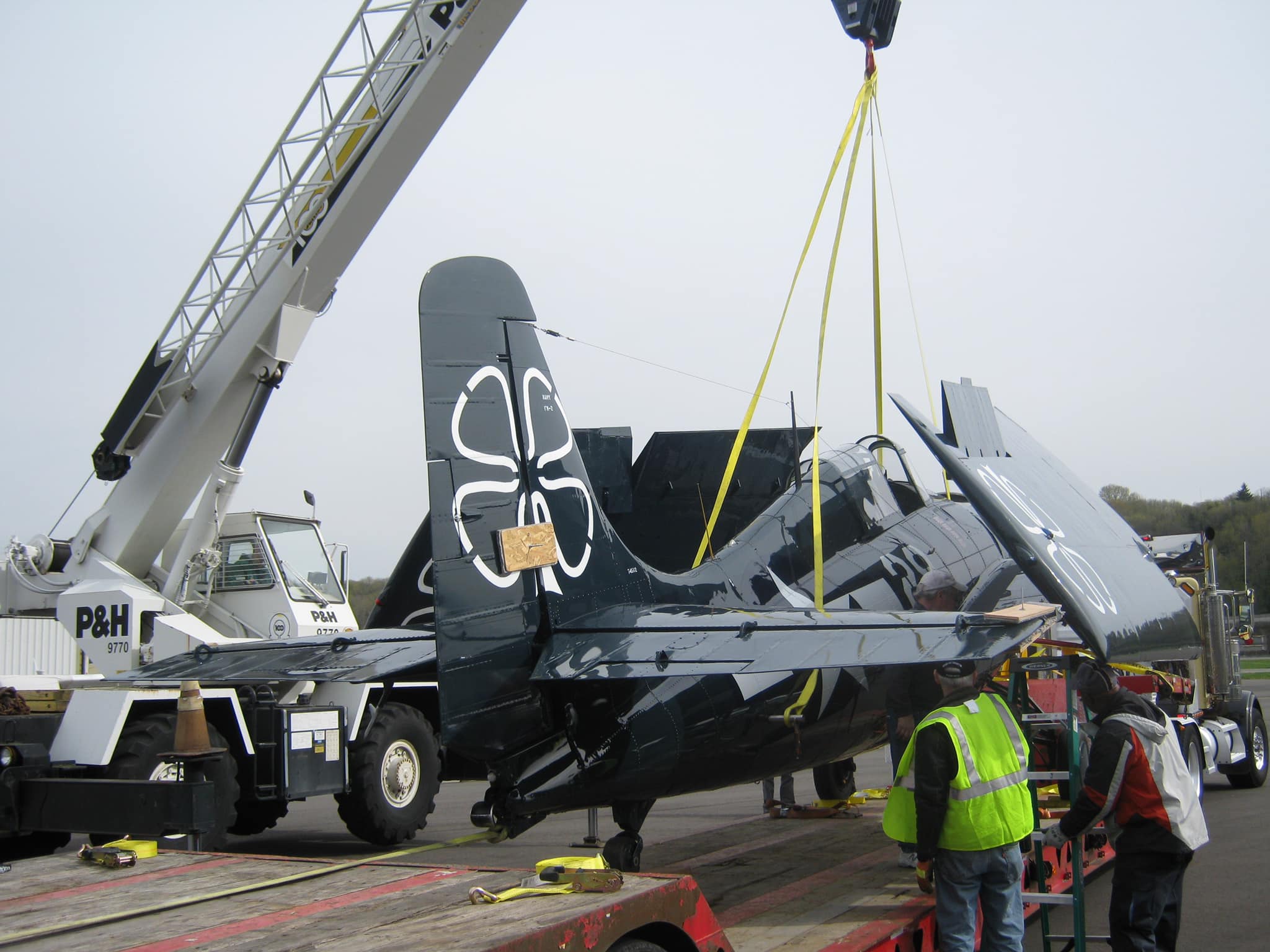
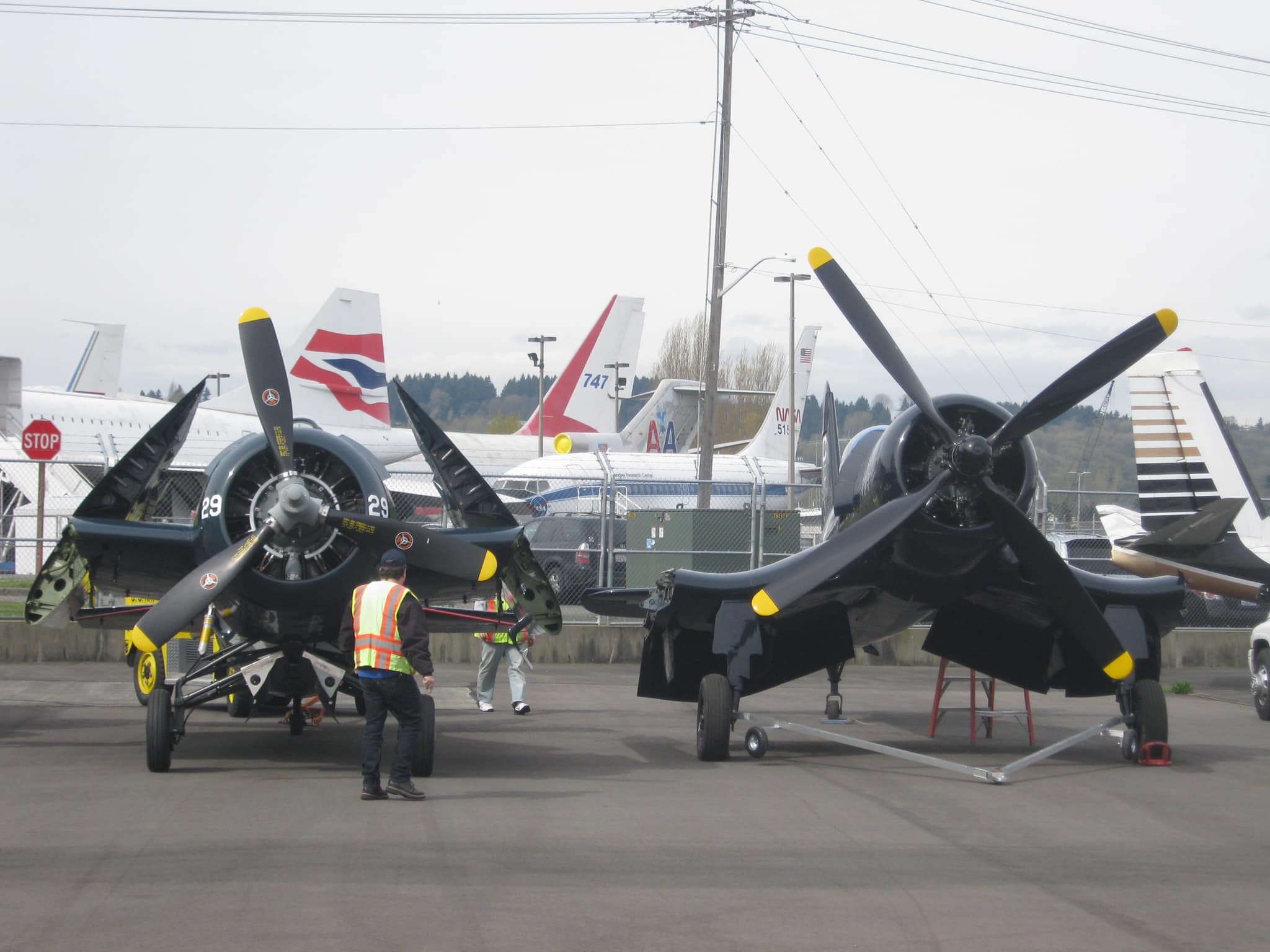
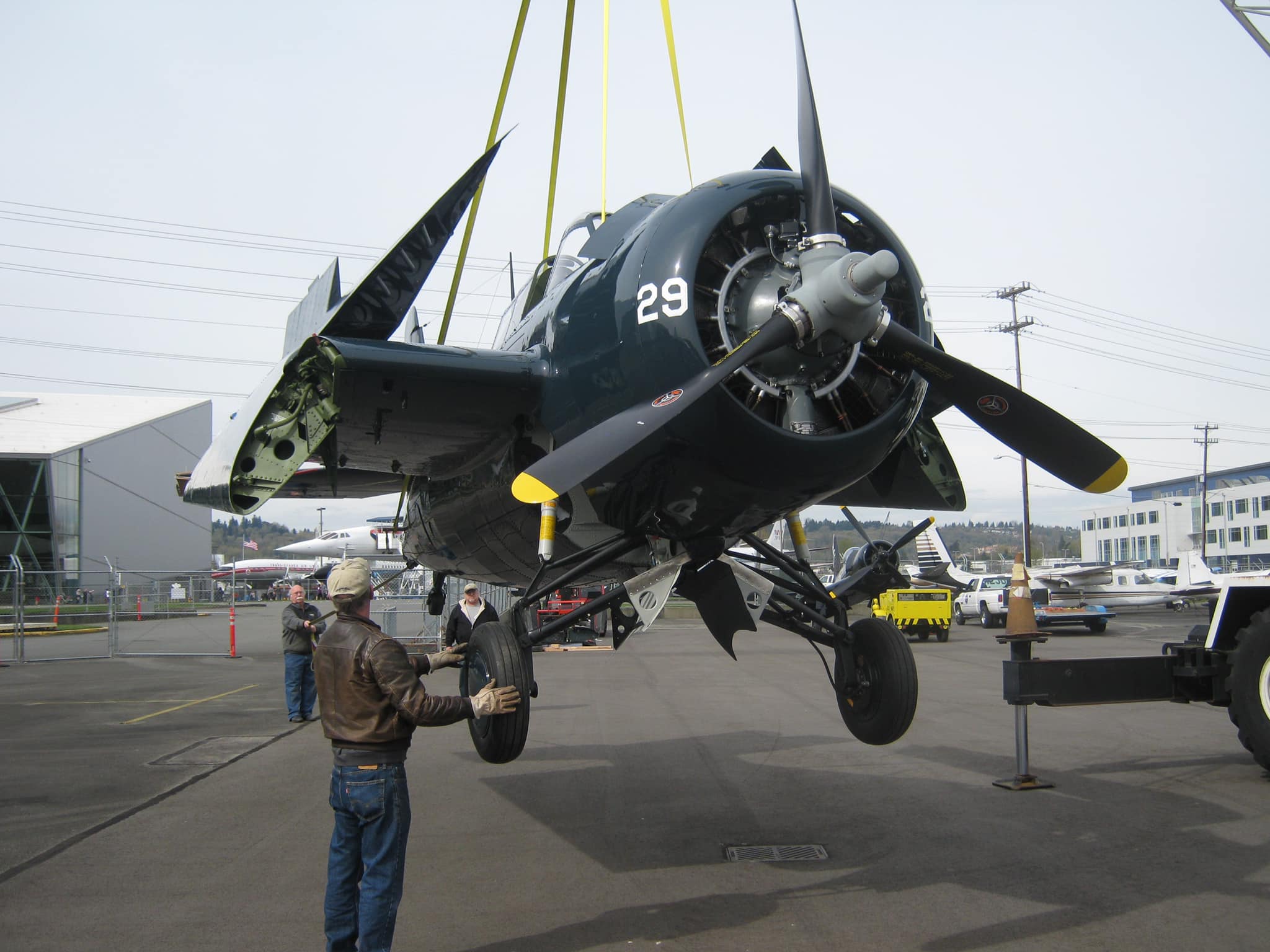
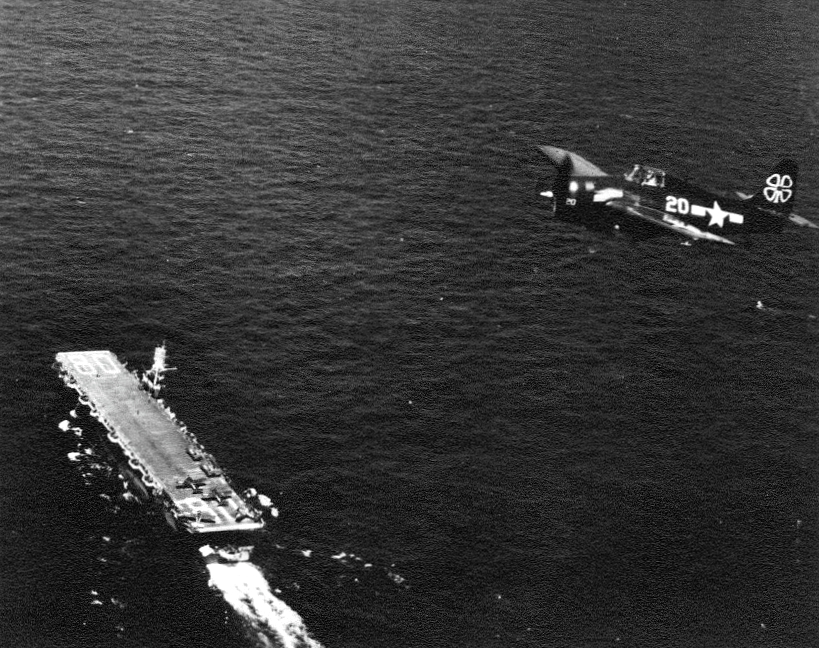
This airplane was delivered to the U.S. Navy in 1944 and served with the United States Pacific Fleet Air Force Composite Squadron Ninety-Three (VC-93), which originated at Naval Air Station, Sand Point, Washington, on February 23, 1944. As White 29 of VC-93, piloted by LTJG Hatherly “Red Horse” Foster, III, of Milton, Massachusetts, it was delivered to the USS Petrof Bay (CVE-80), a Casablanca-class escort (or jeep) carrier (hence the hull classification “CVE”) and was one of the 20 fighters aboard CVE-80 that flew approximately 1,400 sorties (ca. 70 per aircraft) and participated in the Battle of Okinawa including attacks on Kerema Retto, Miyako Jima and Ishigaki Shima. Its assignments included anti-Kamikaze patrols, Local Combat Air Patrol (LCAP), Target Combat Air Patrol (TCAP), and Direct Support Group (DSG = strafing and bombing in advance and support of ground troops). The squadron was credited with 17 air victories, with LTJG Foster being the squadron’s most successful, credited with 4 victories. Three of those victories were Kamikaze aircraft, and he followed them through flak from American ships to shoot them down. One was an Aichi D3A, Allied reporting name “Val,” and another a Nakajima Ki-43, Allied reporting name “Oscar.”
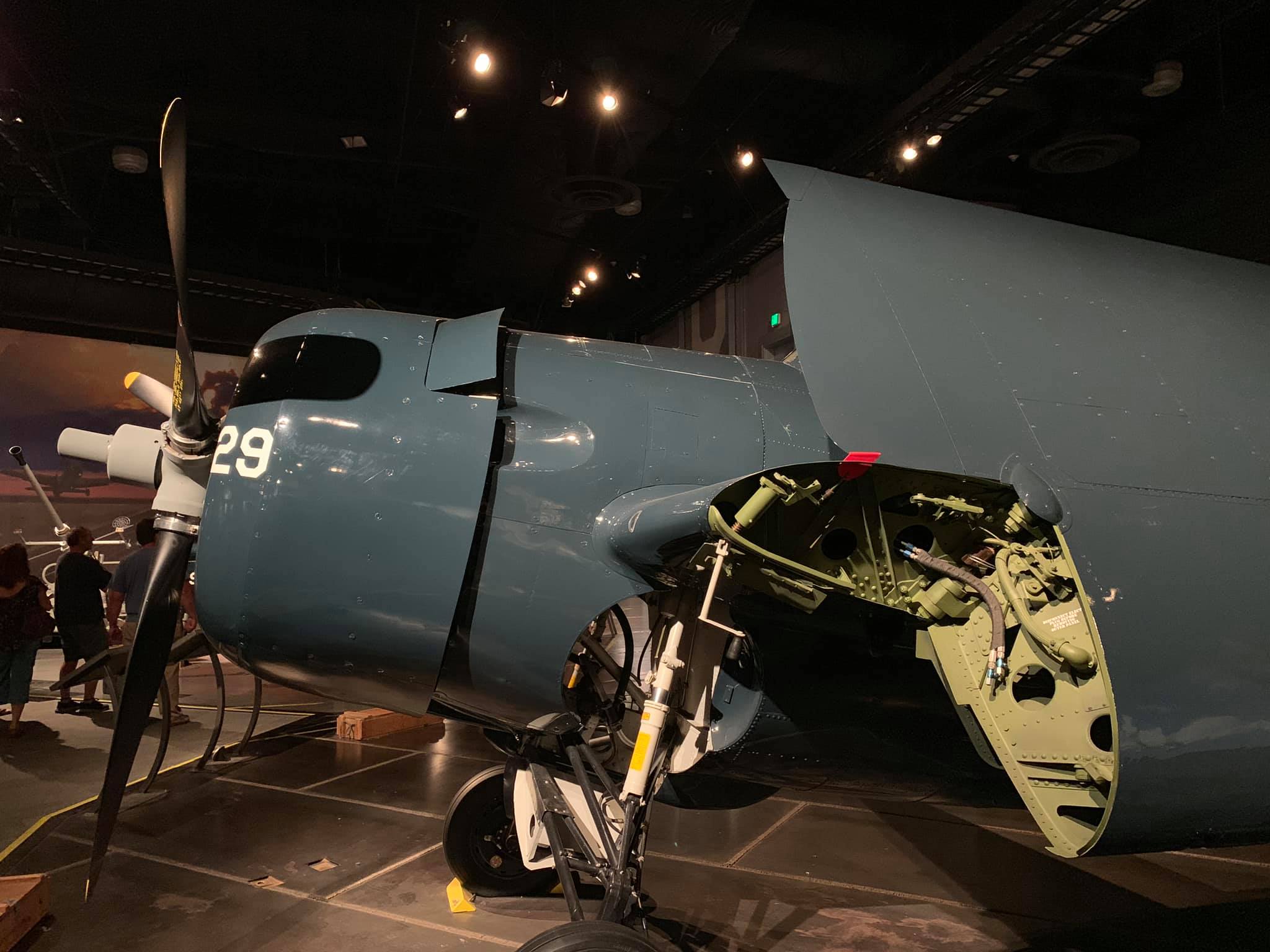
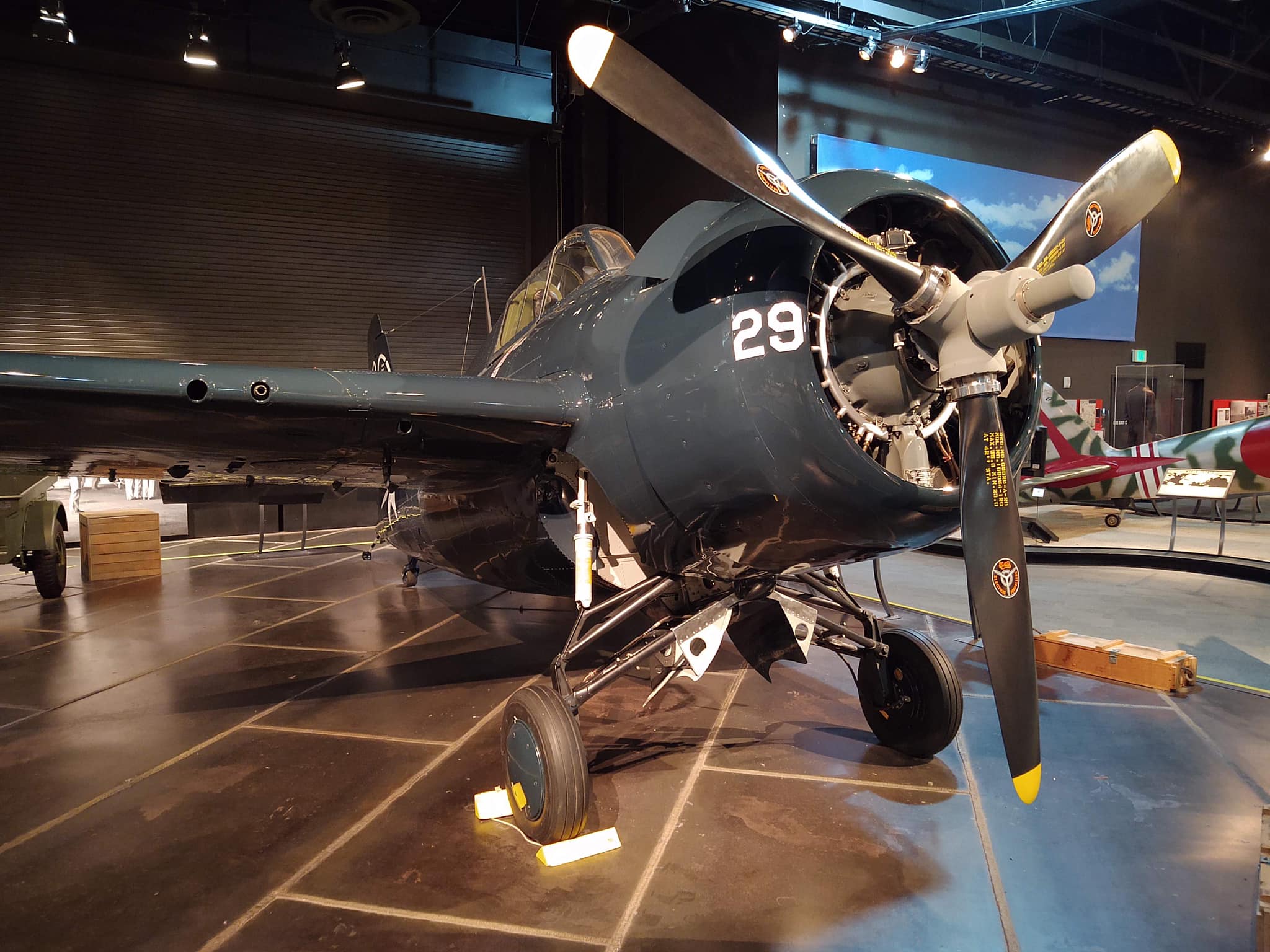
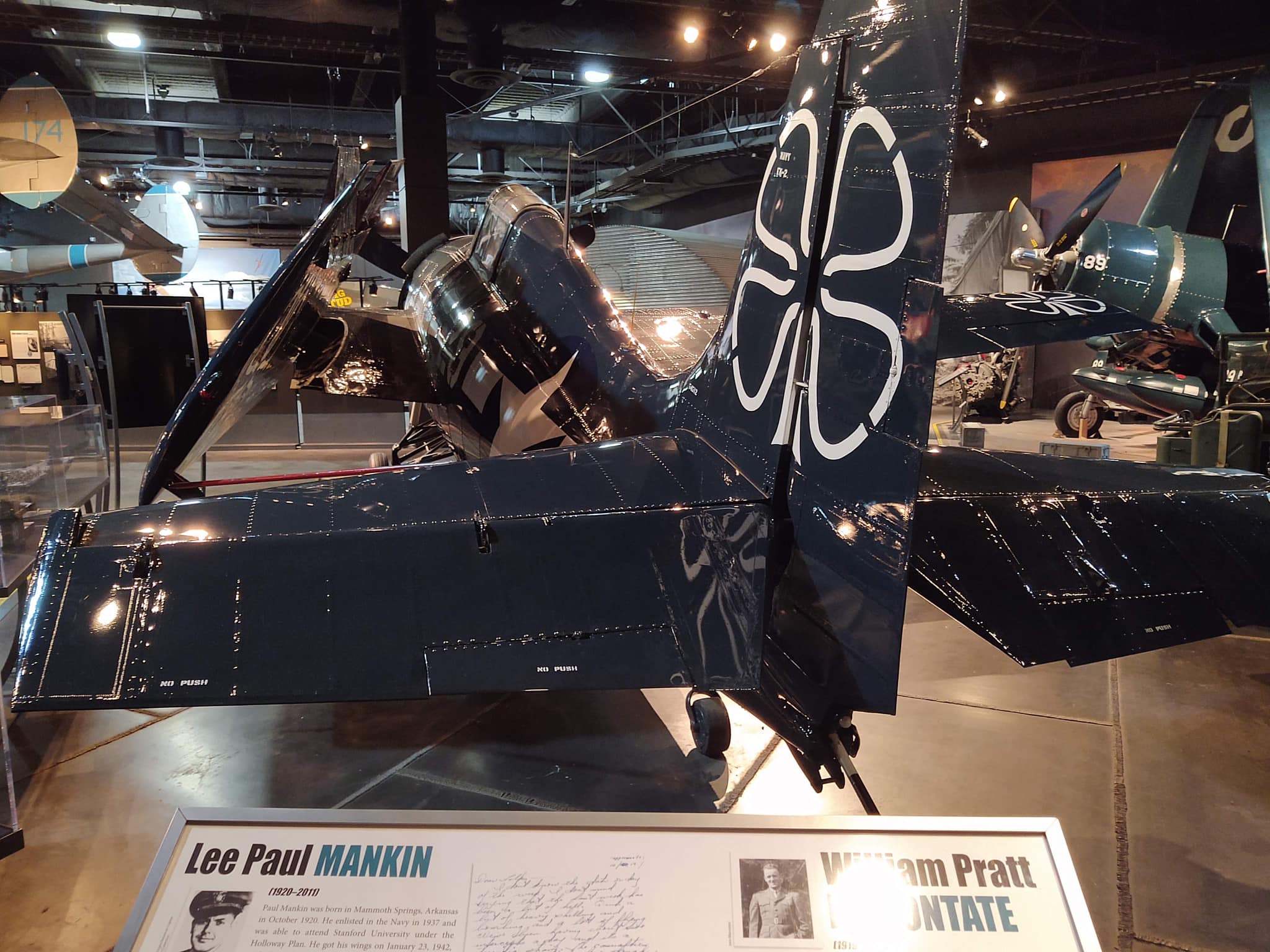
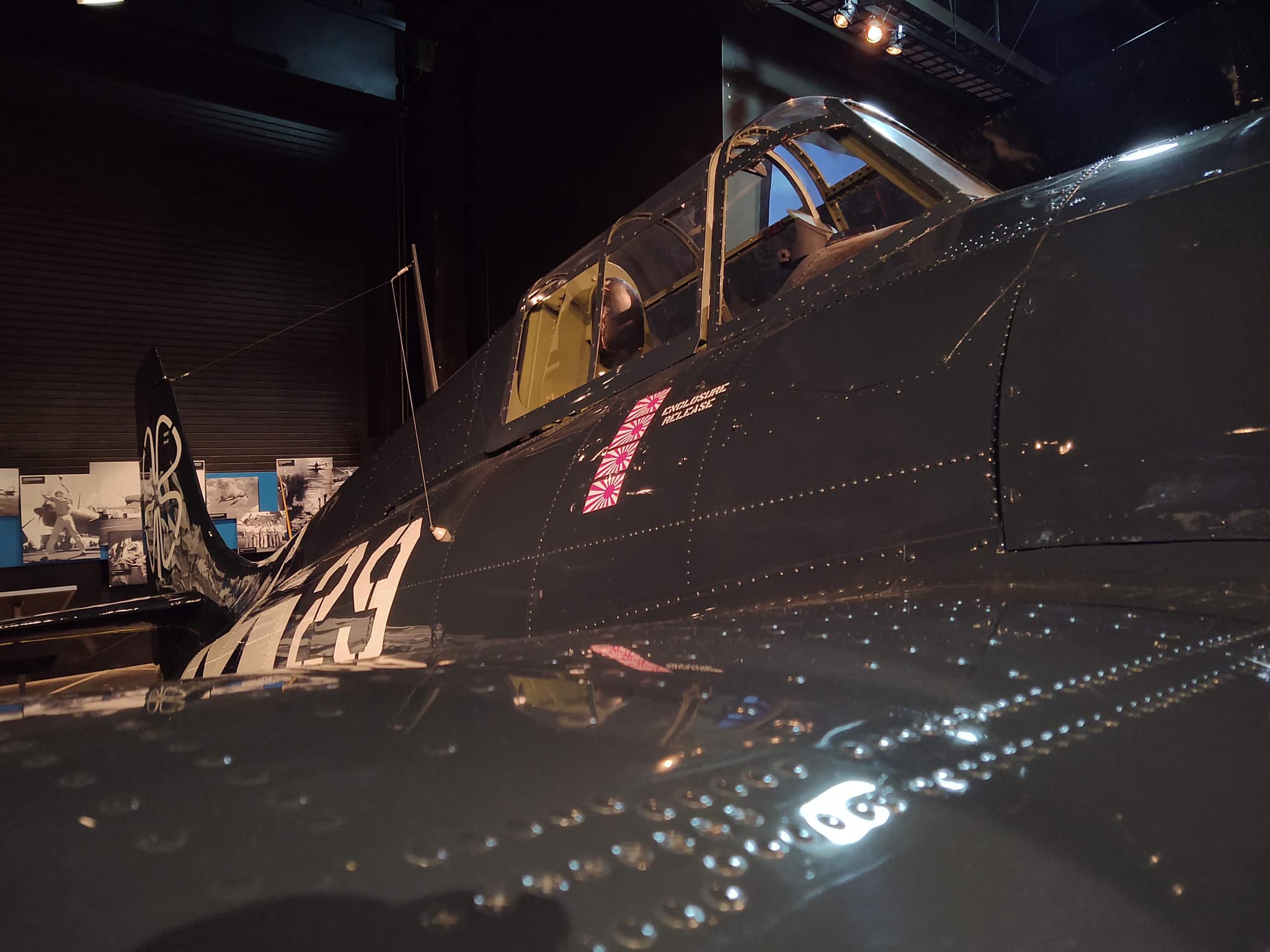
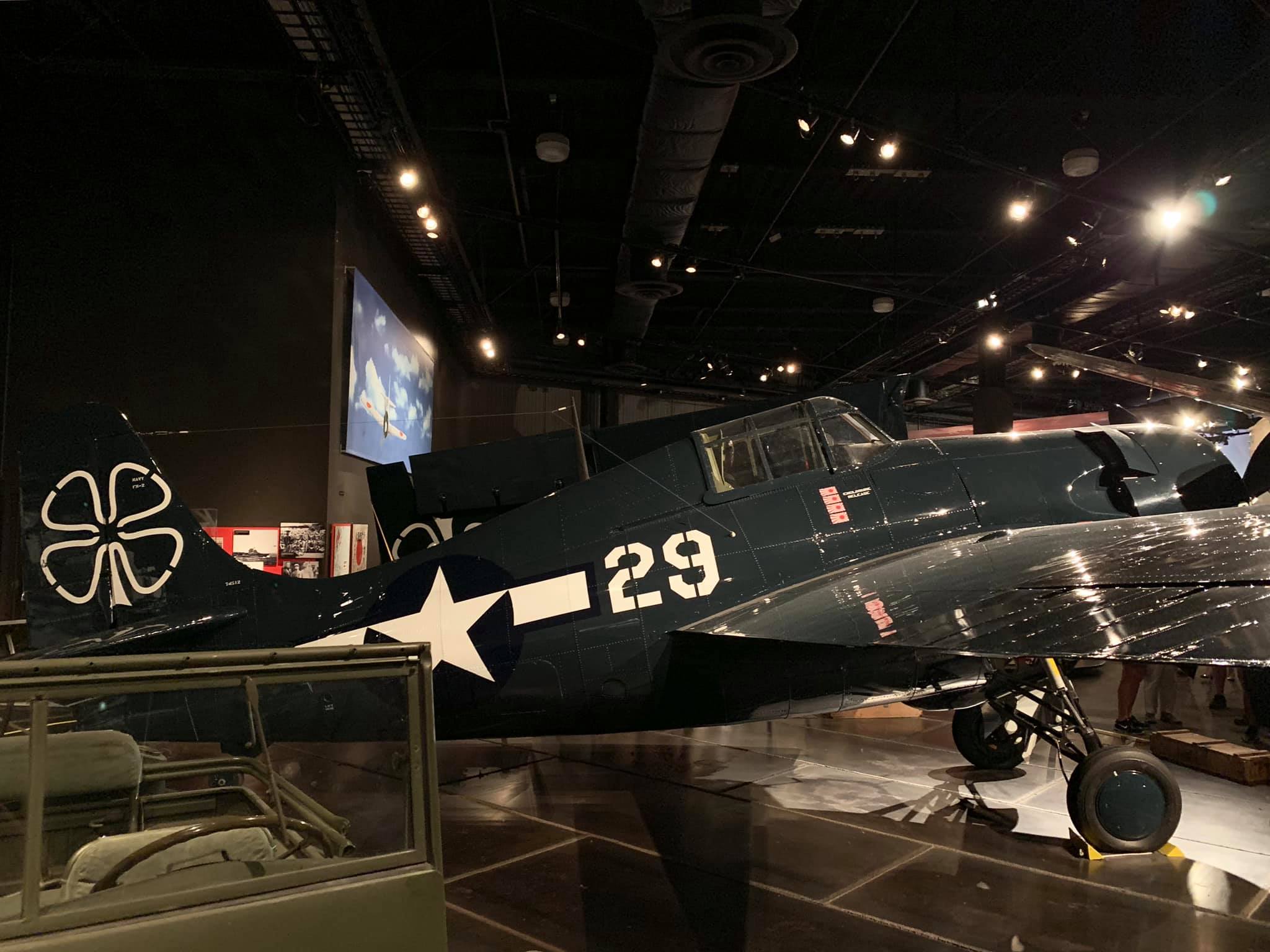
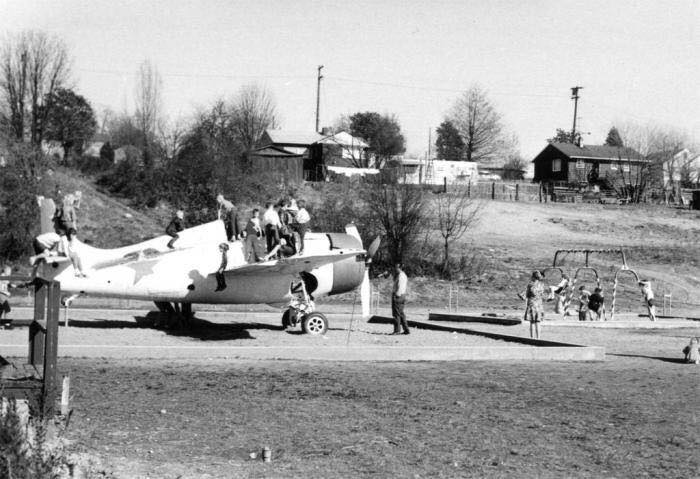
After WWII, the aircraft spent 13 years at the U.S. Marine Corps Reserve Center in Tacoma, Washington. It was retired in 1959, and the U.S. Marine Corps gave the airplane to the Seattle Parks Department, which put it on display at Astroland playground at White Center in Seattle, where it was a playground fixture – see historic photos (Seattle-area residents have told me they remember it there). Restoration efforts by the Museum of Flight (MOF) in Seattle, Washington, began in 1998, with final restoration completed by the Museum of Flight Restoration Center on Paine Field in Everett, Washington, in April 2014, and it is on static display at the MOF.
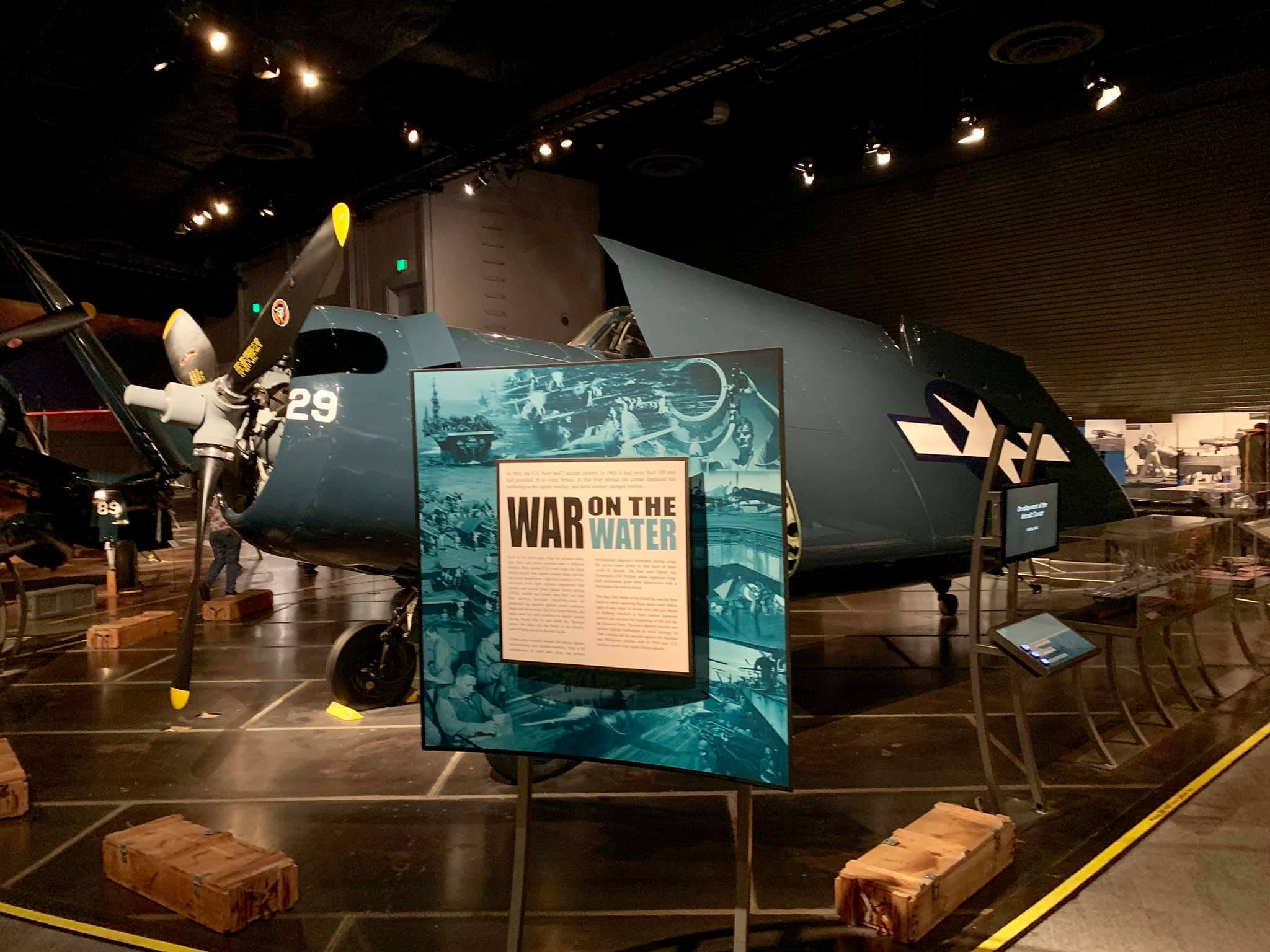
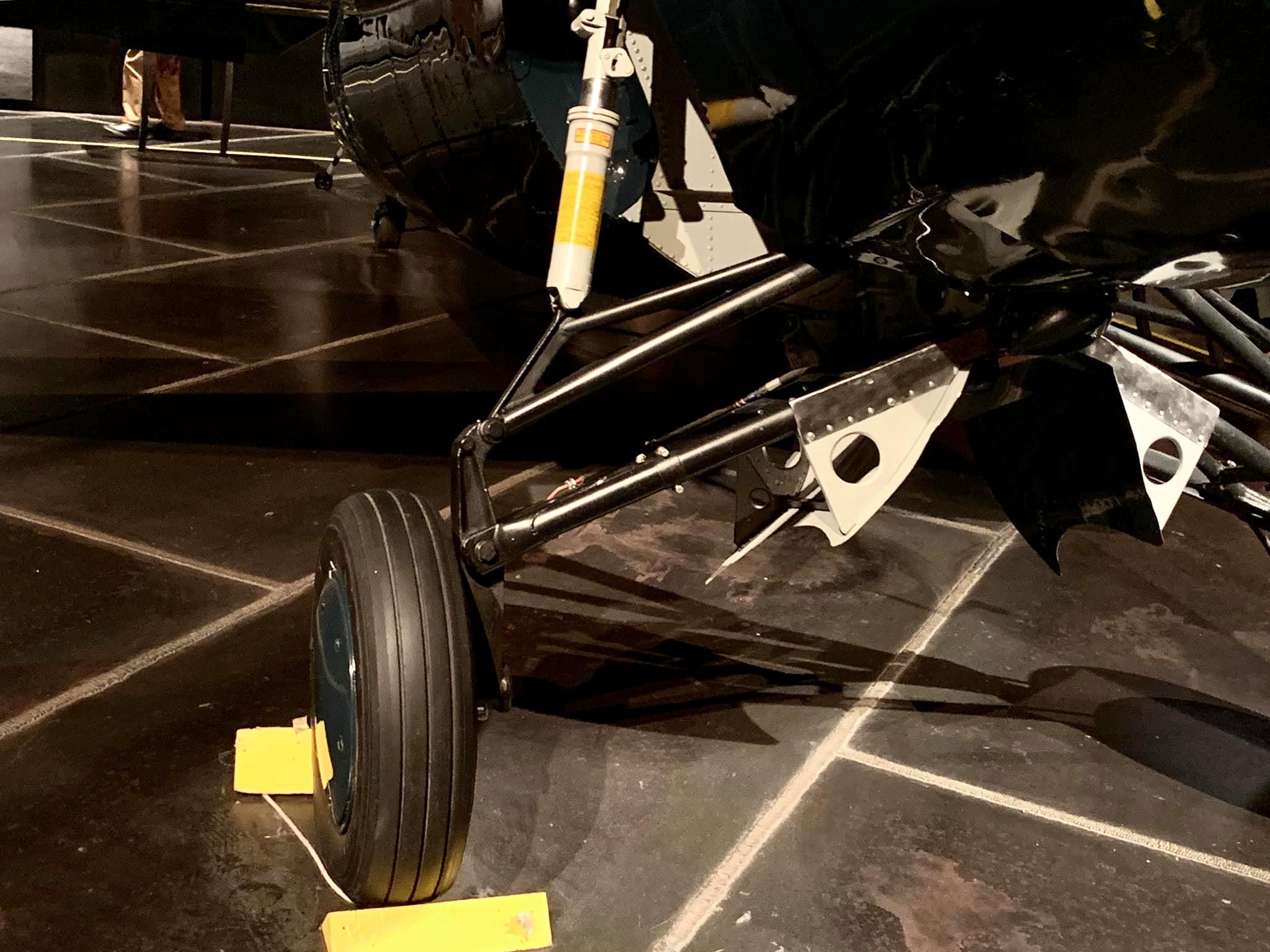
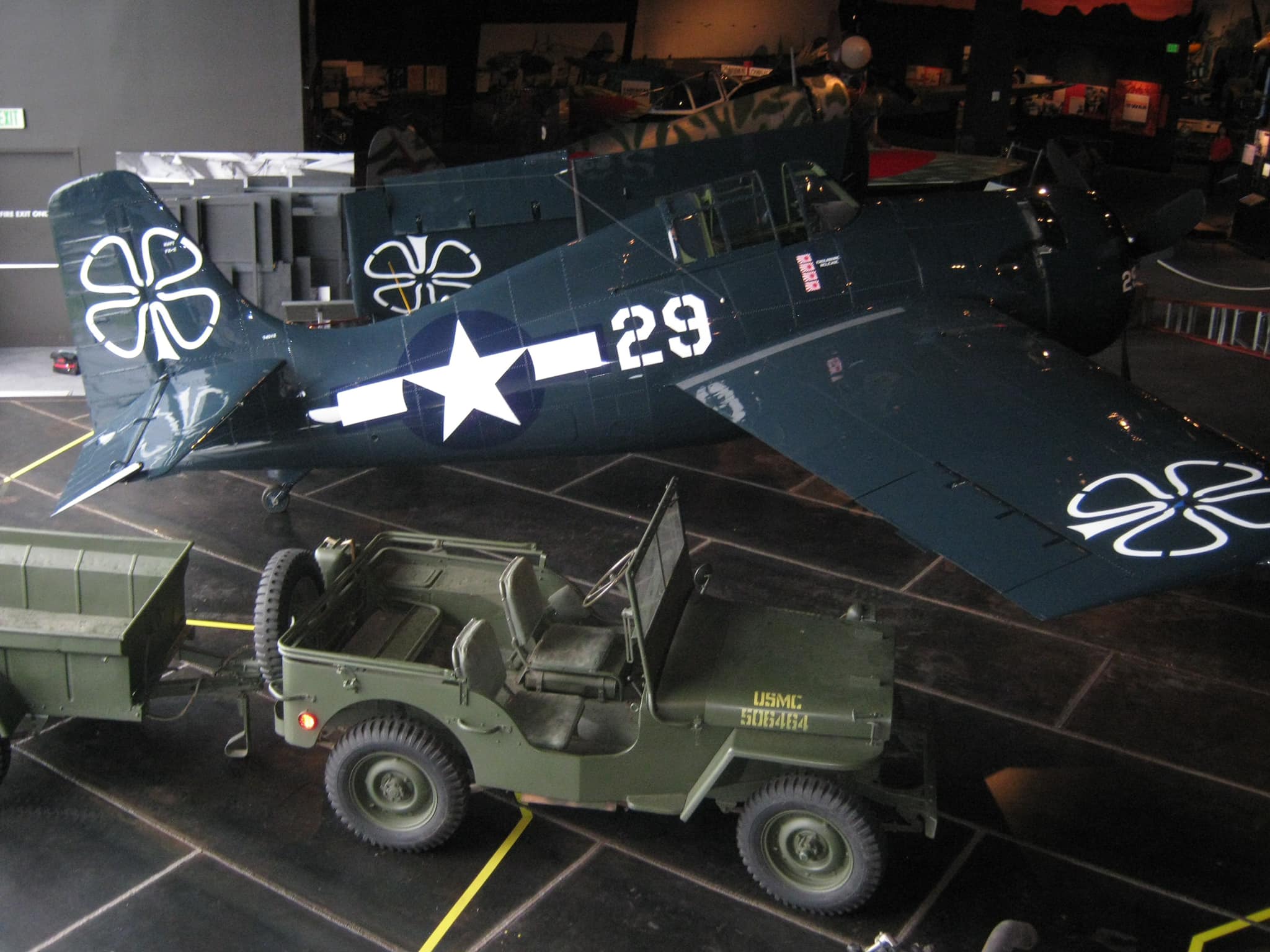
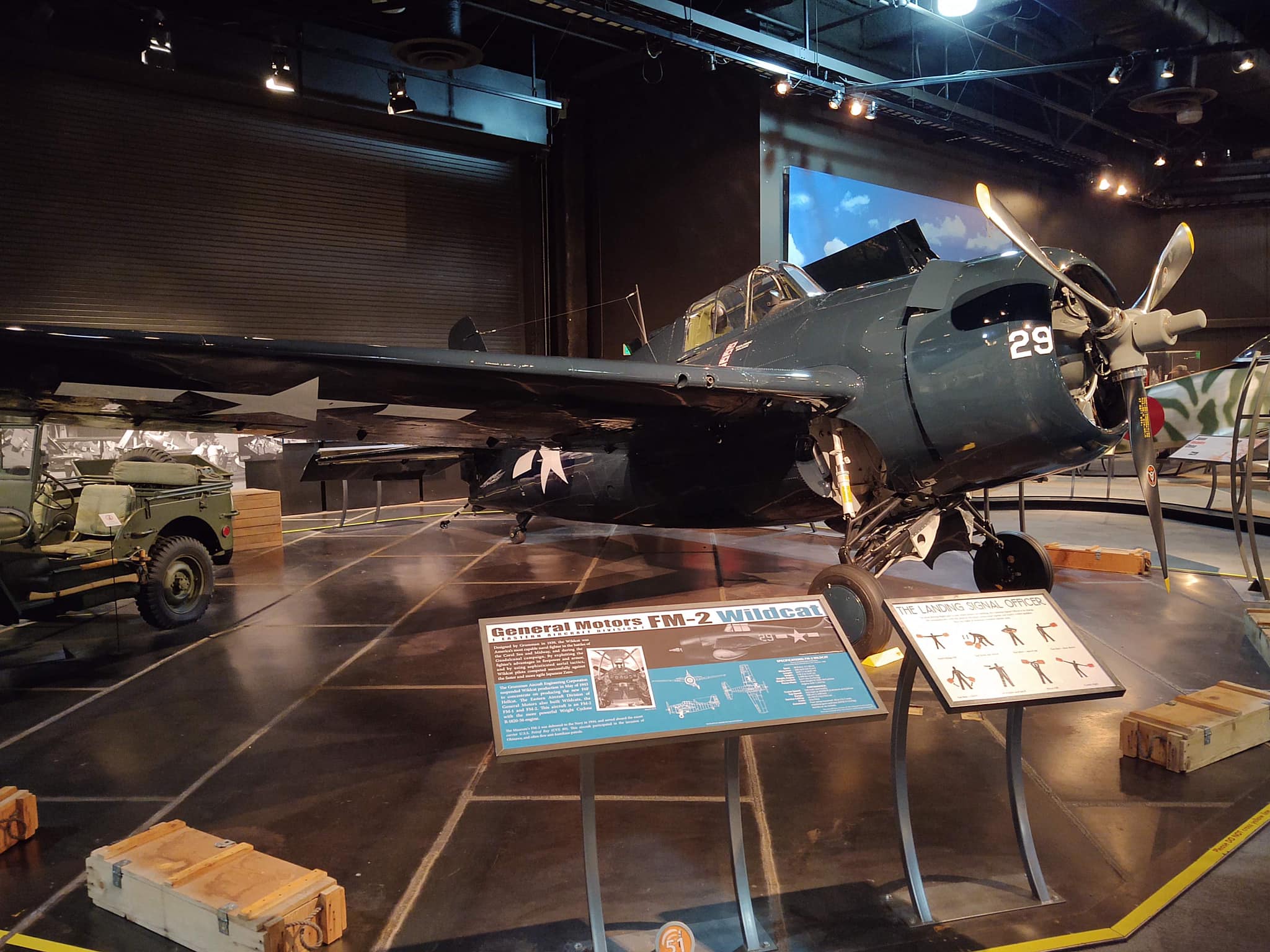
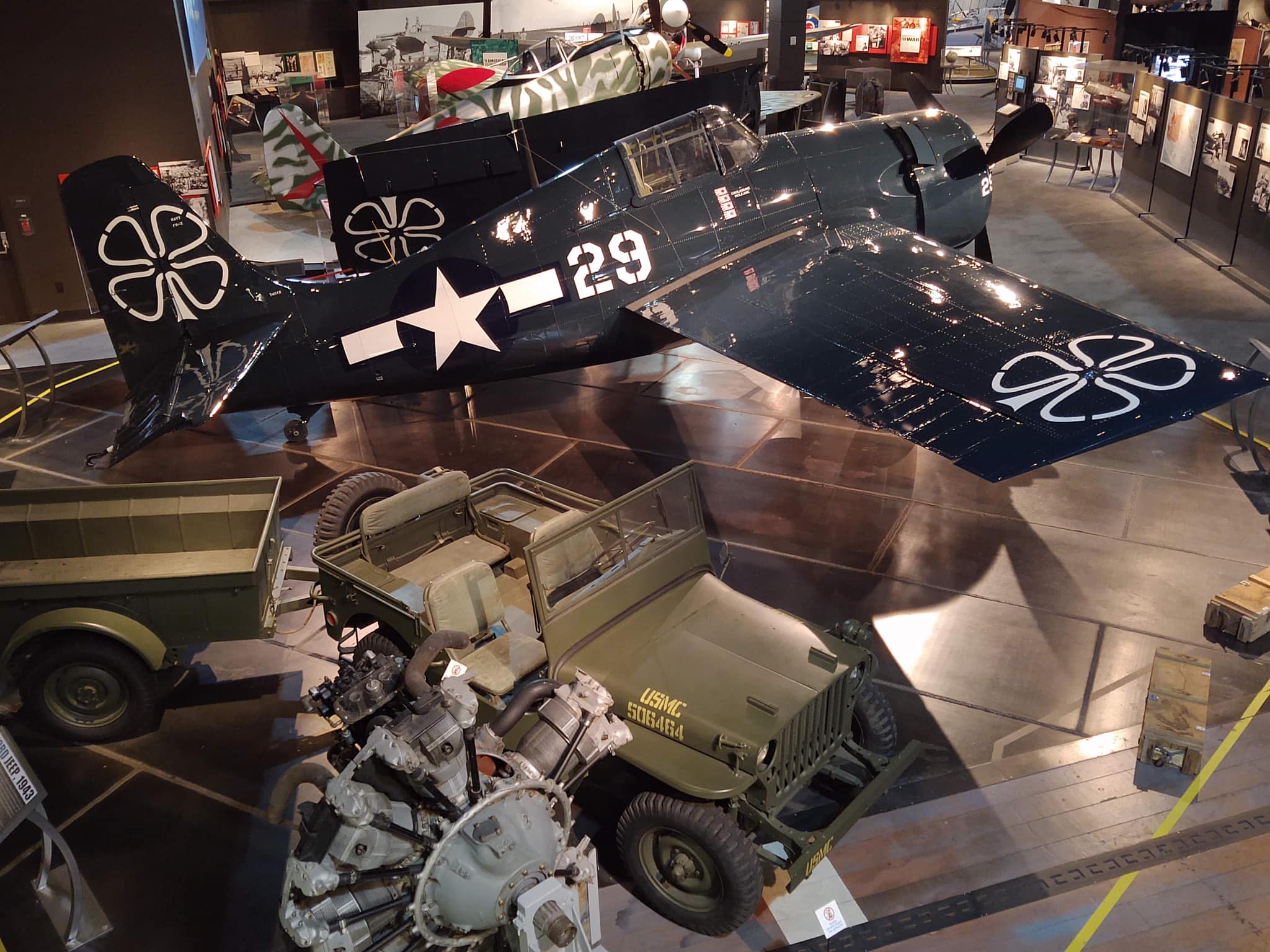
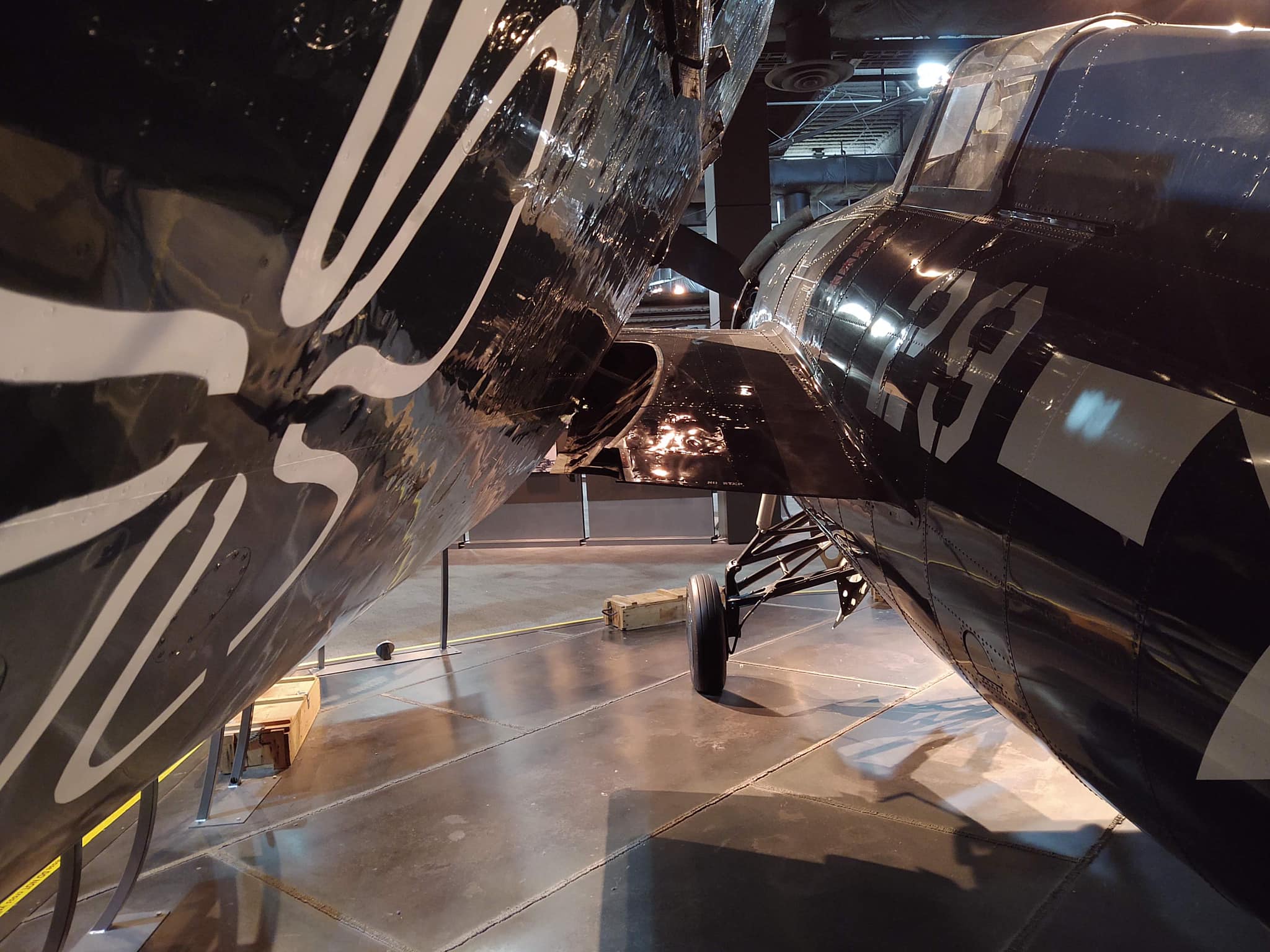
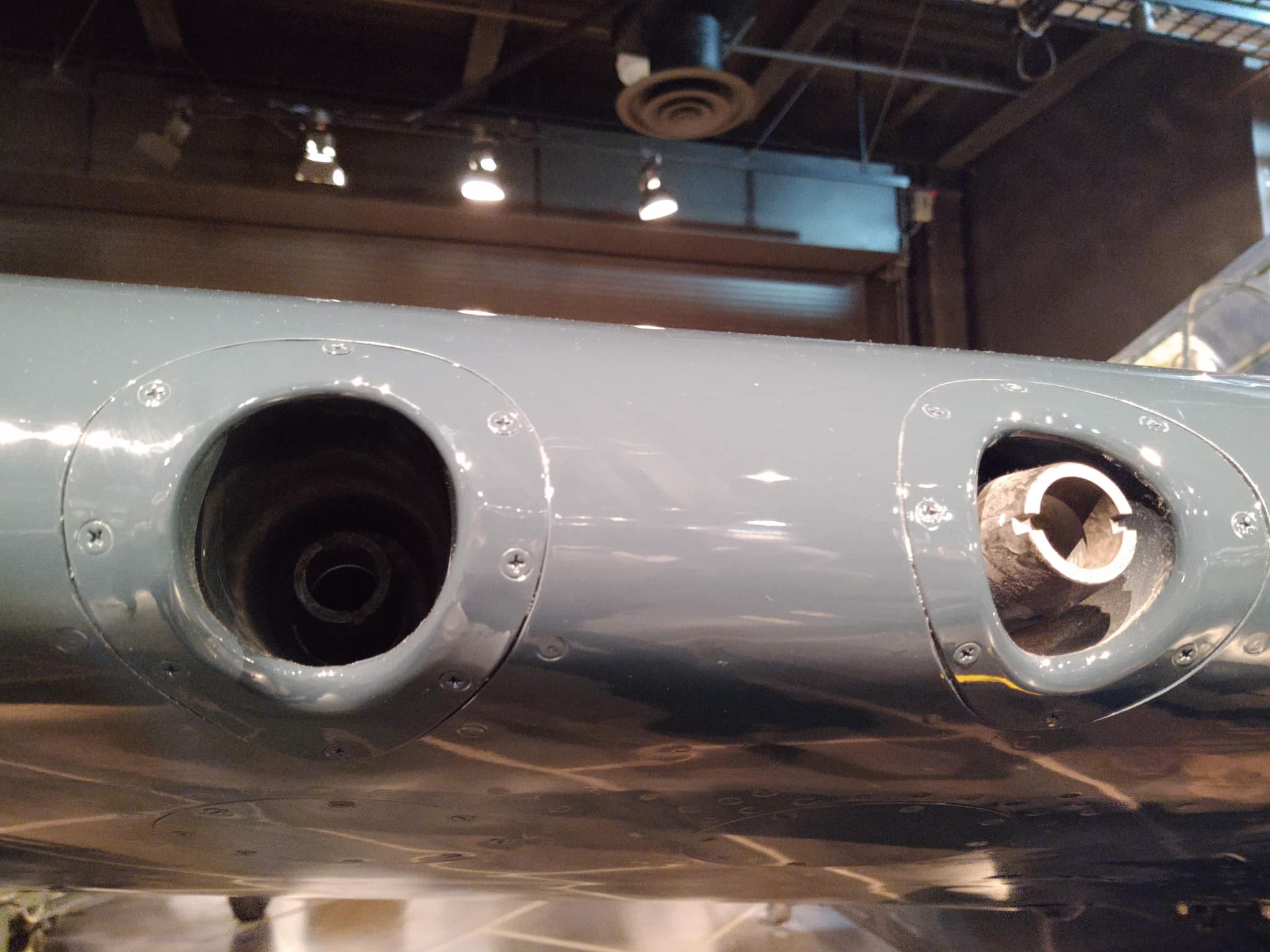
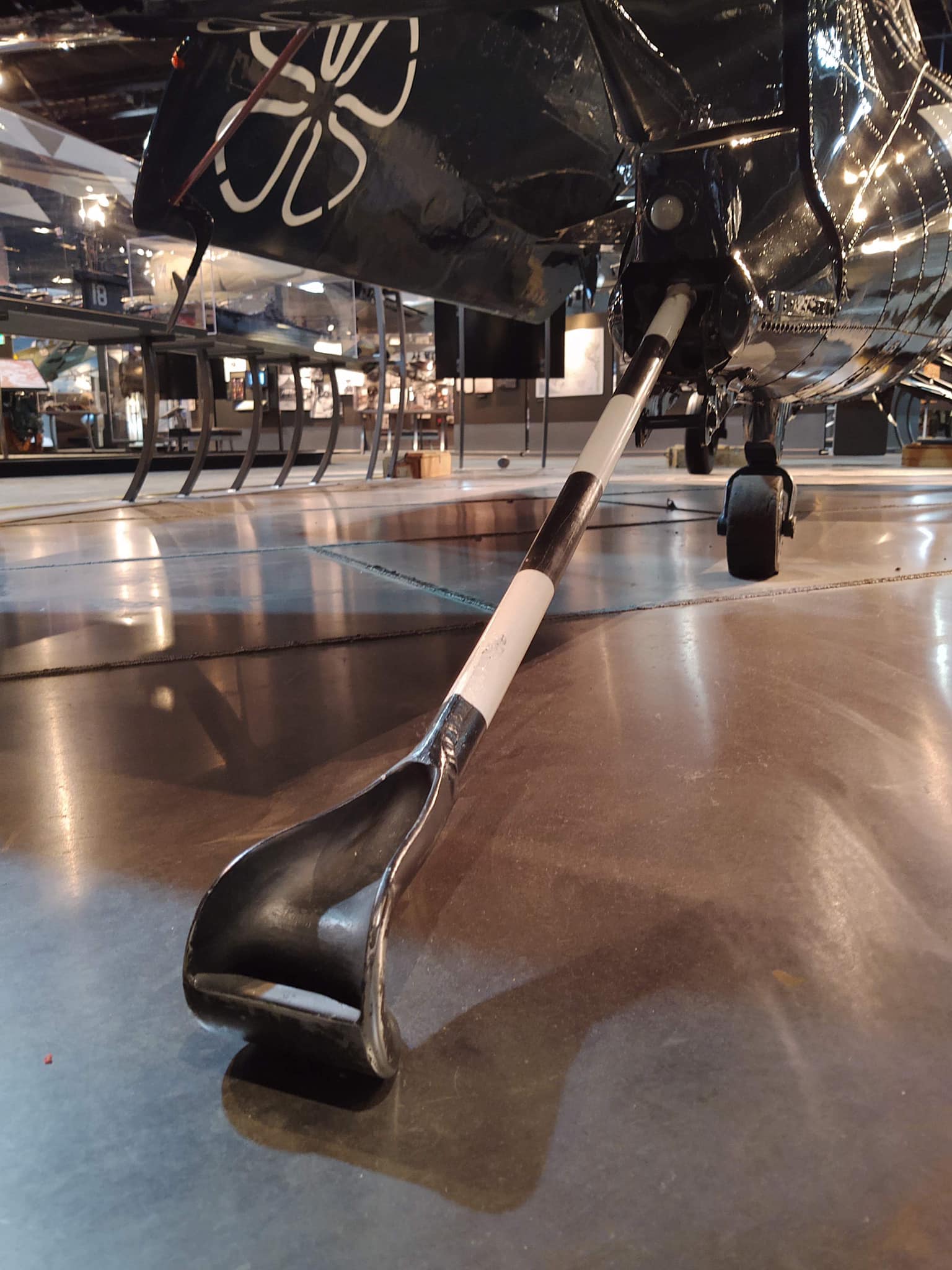
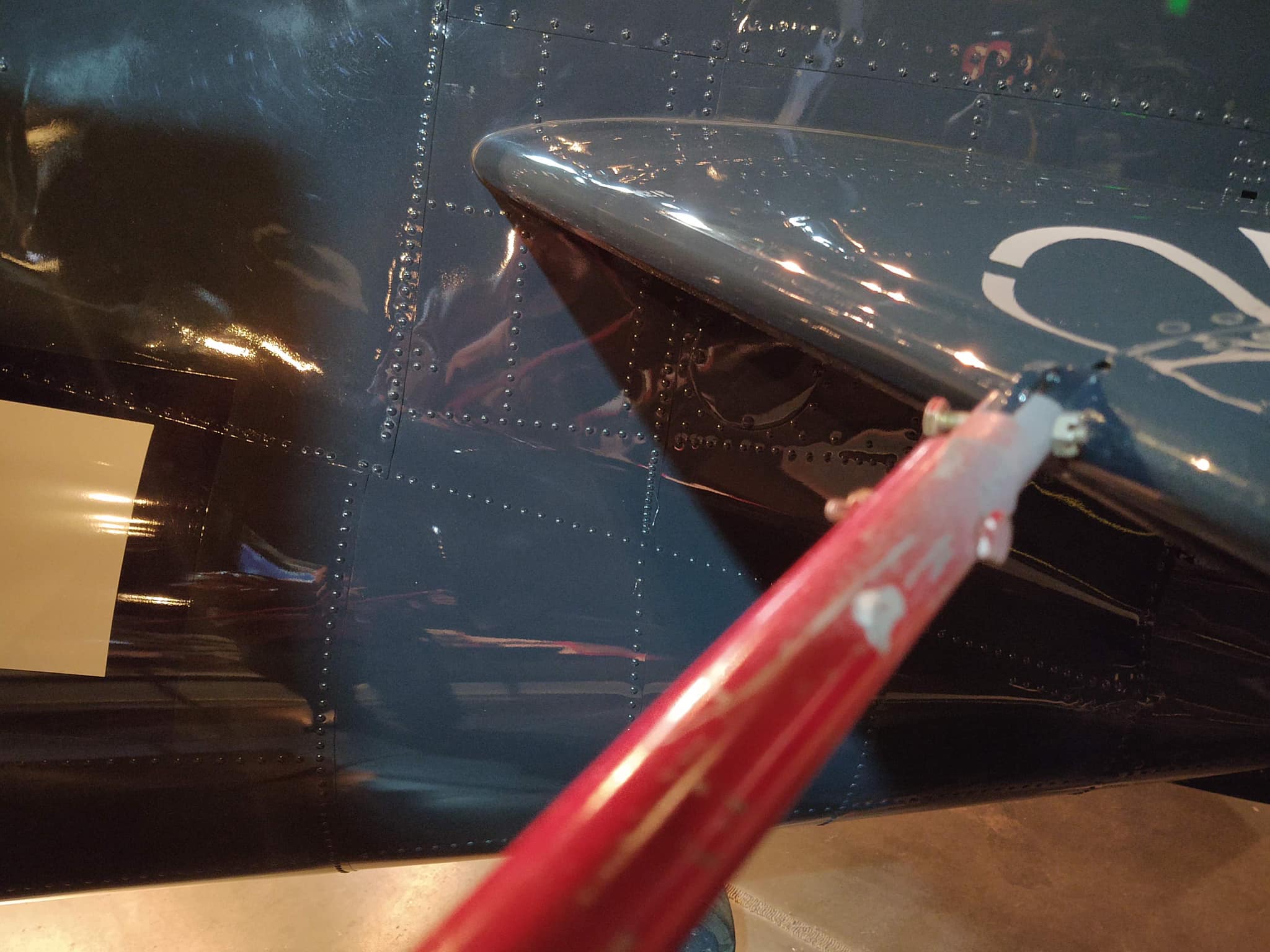
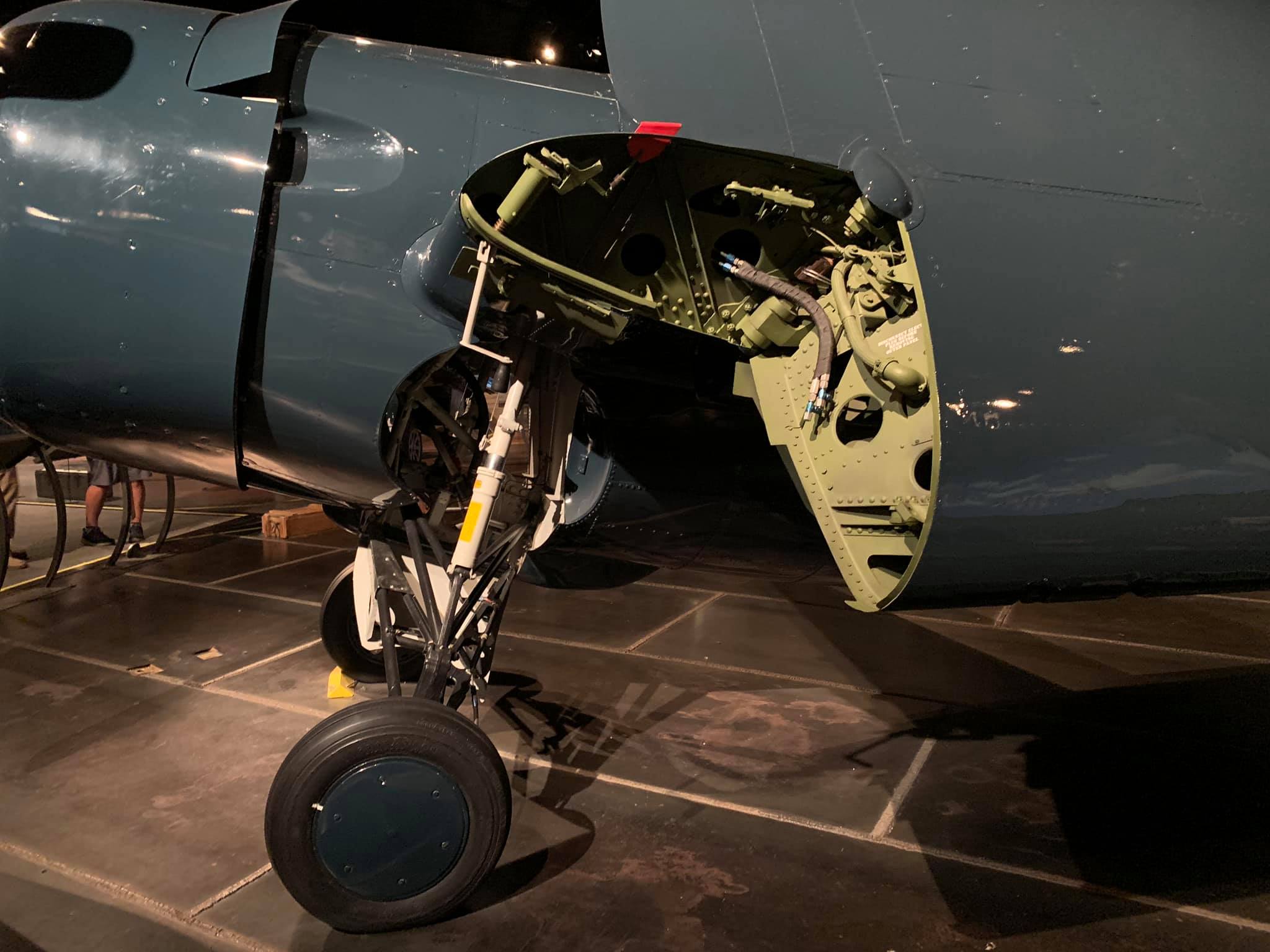
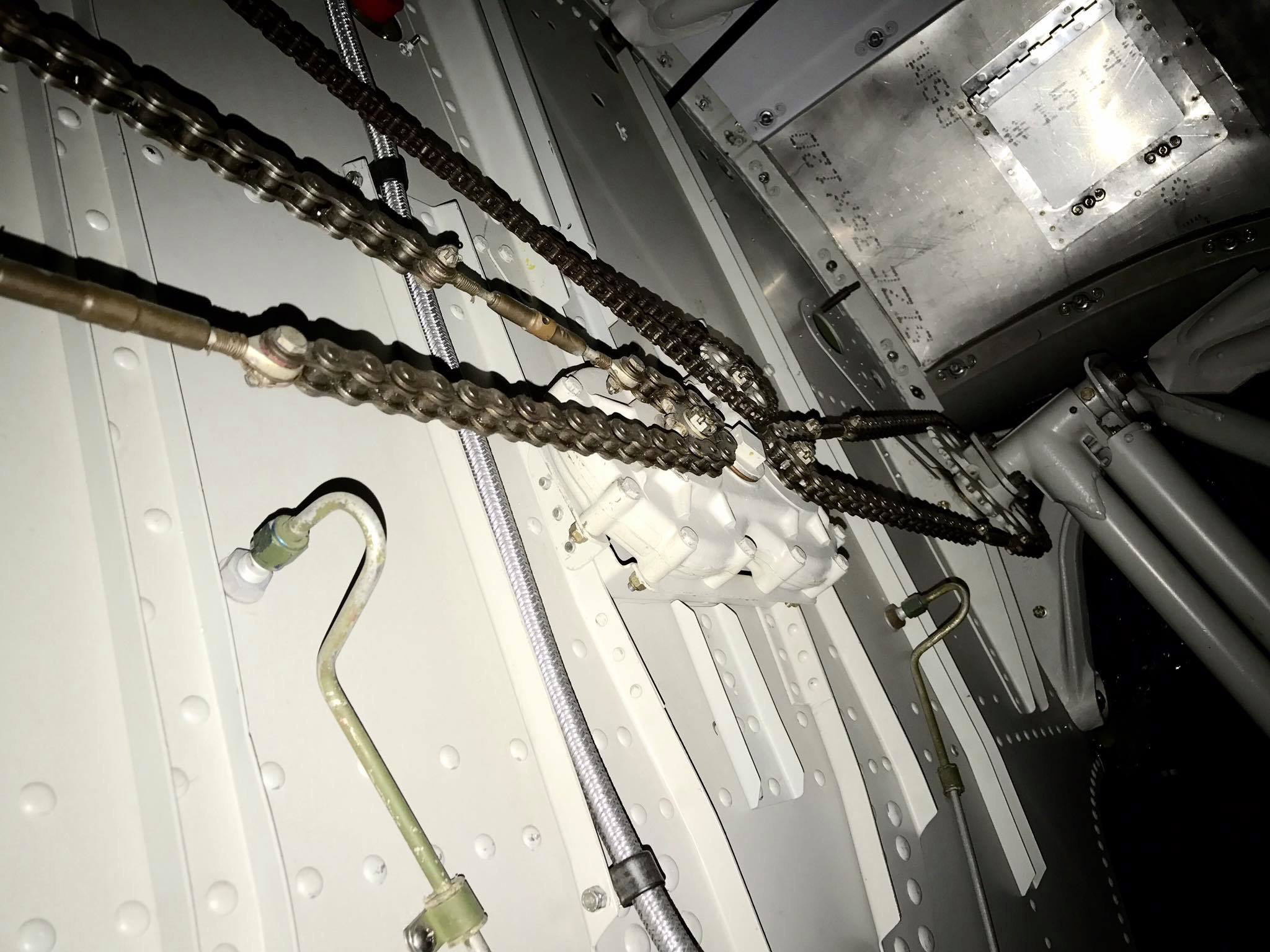
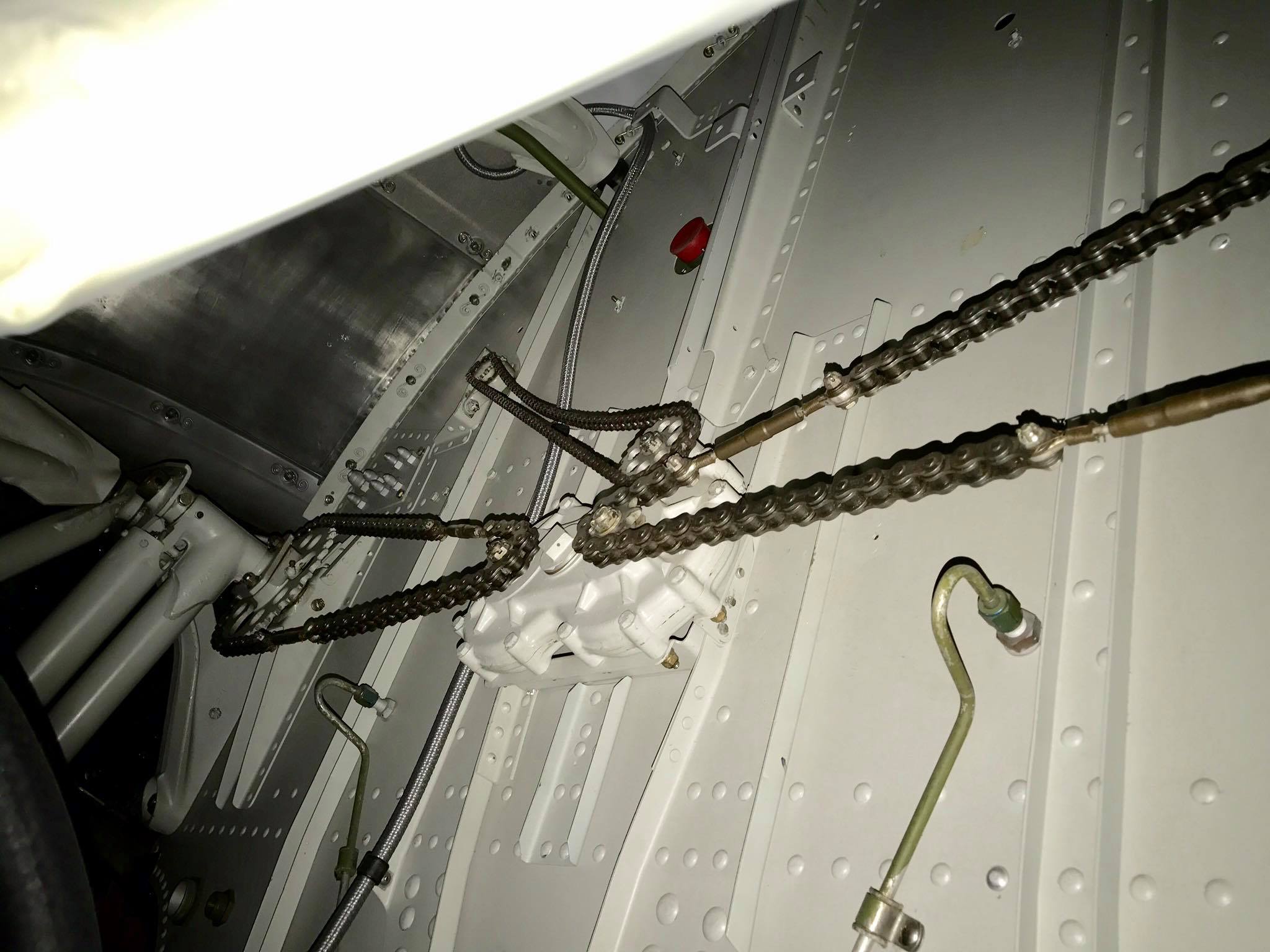
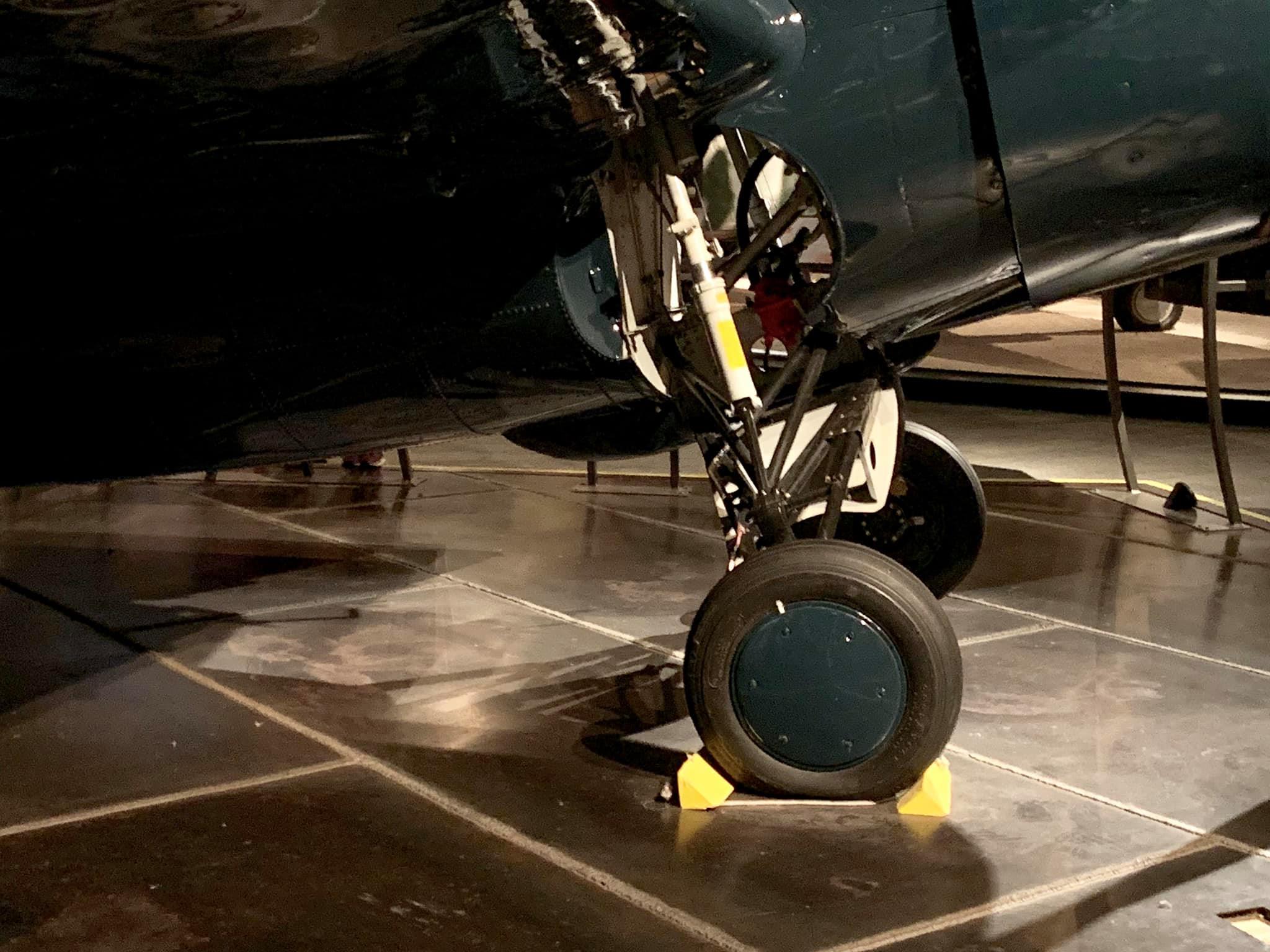
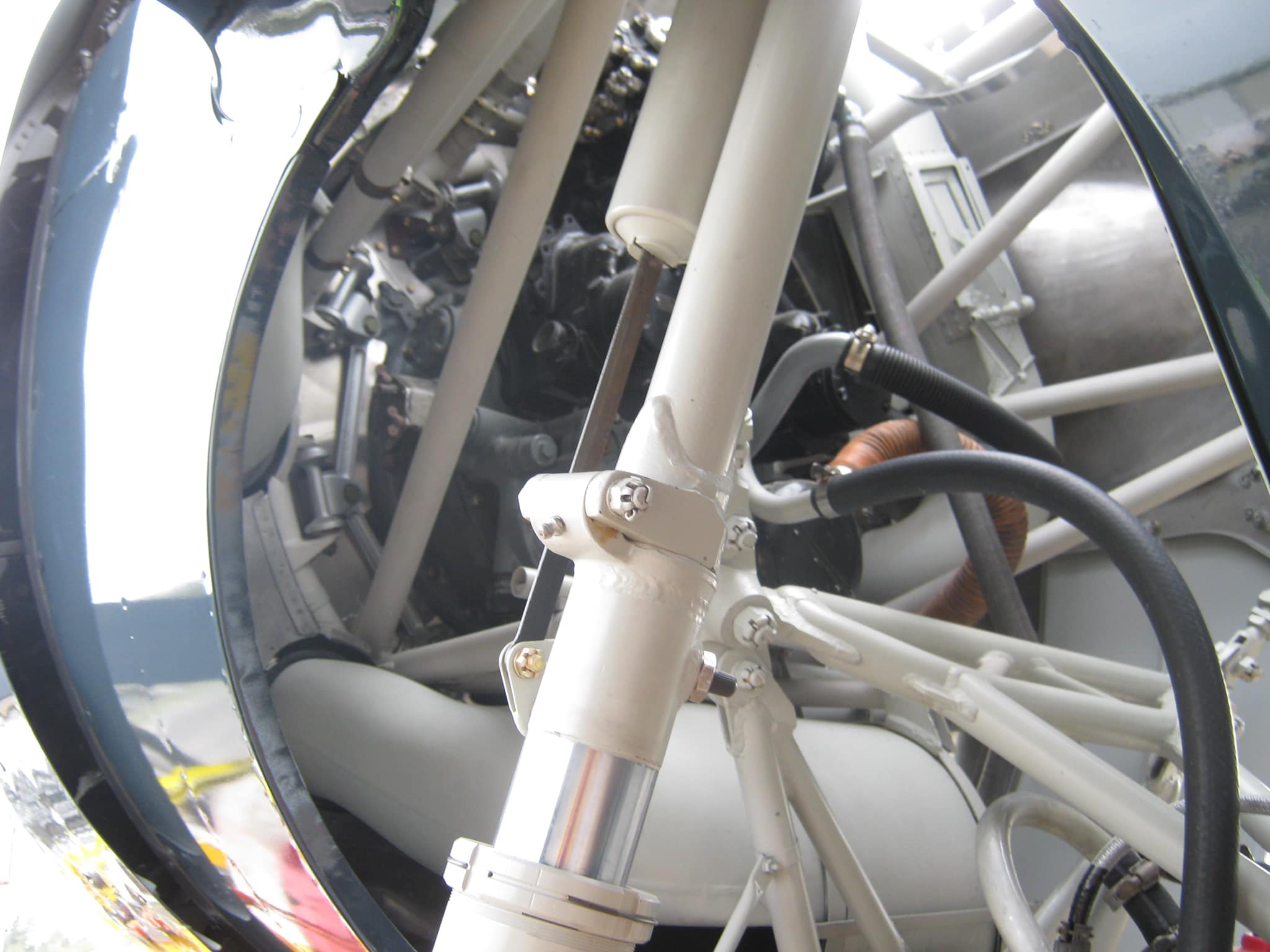
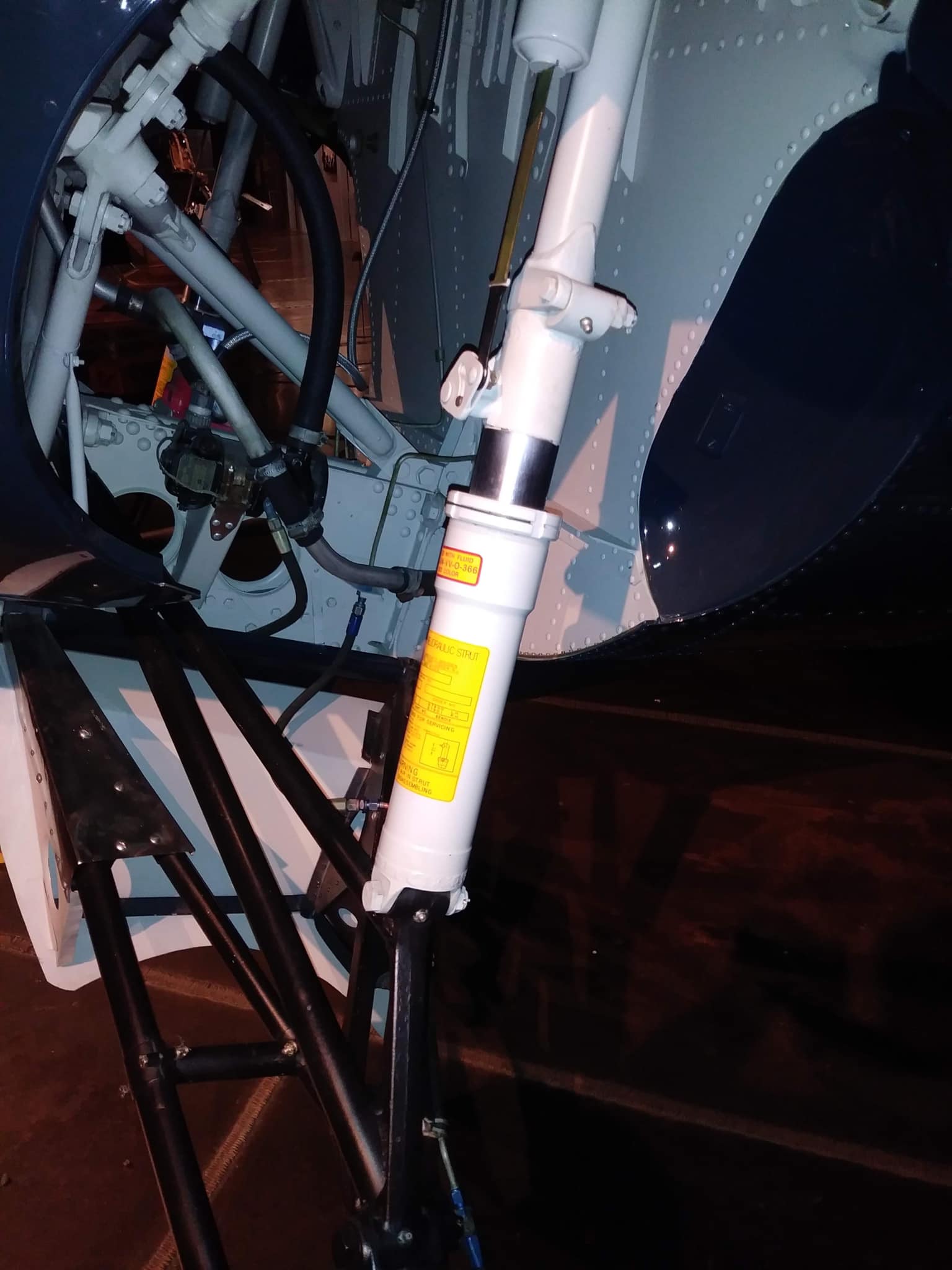
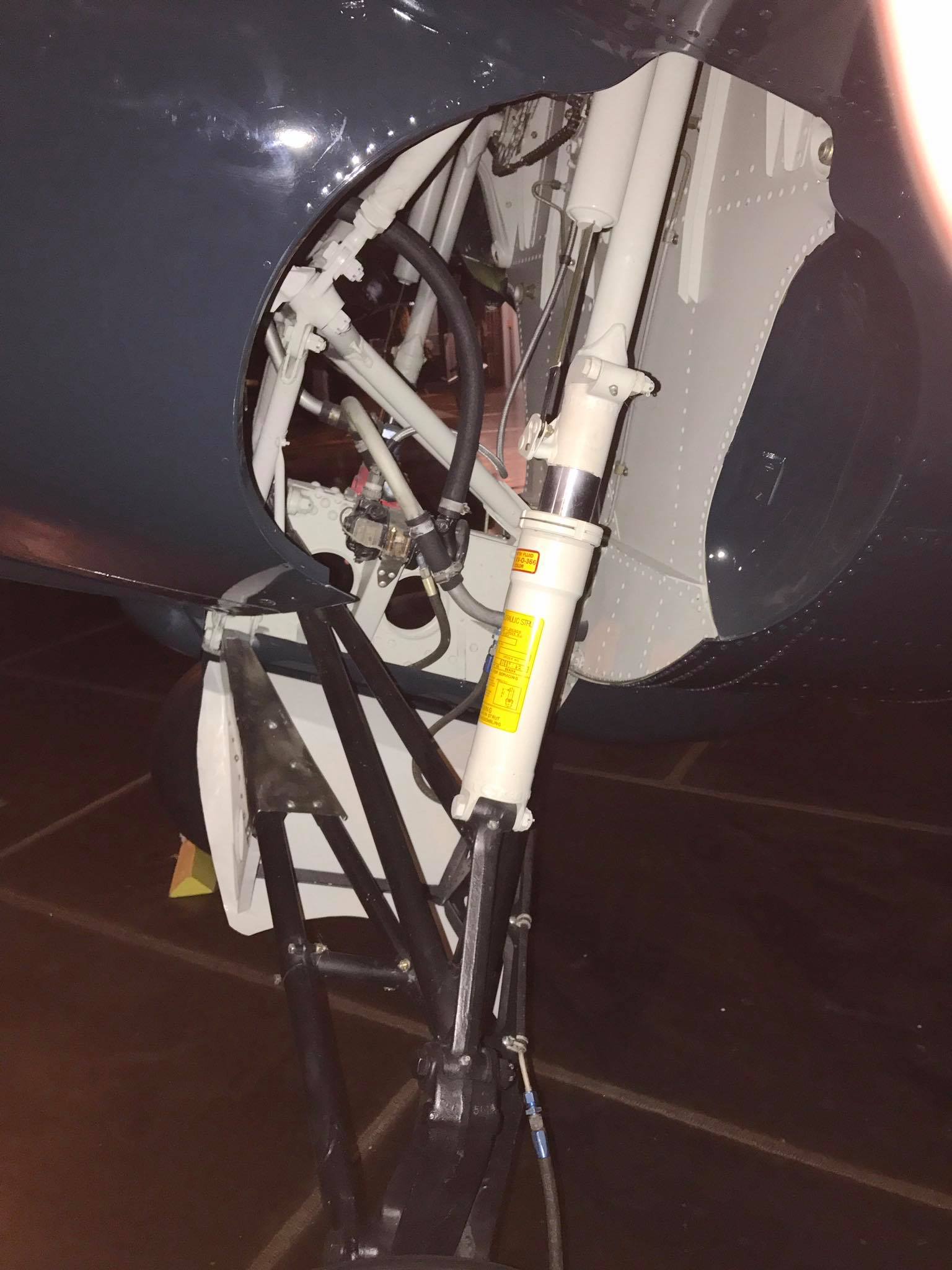
Beginning in April 1942, Eastern began building Grumman-designed aircraft under contract (Grumman did not have the capacity at that time to maintain its existing aircraft and also meet the demand for new orders). Leroy Grumman pondered how to make more room on the hangar decks with folding wings and took an eraser and two paper clips and showed the engineers what he had in mind in what became the “Sto-Wing” design for the Wildcat, Avenger, and Hellcat. The Wildcat was initially fitted with hydraulic cylinders to retract and deploy the wings, but the added weight reduced performance. The Wildcat also has manually operated main landing gear that stows into sockets in the fuselage. To retract and drop the gear requires 31 cranks by the pilot’s right hand, after securing the friction lock on the throttle and letting go to fly the aircraft, and keeping his hand on the crank, or it will unwind.
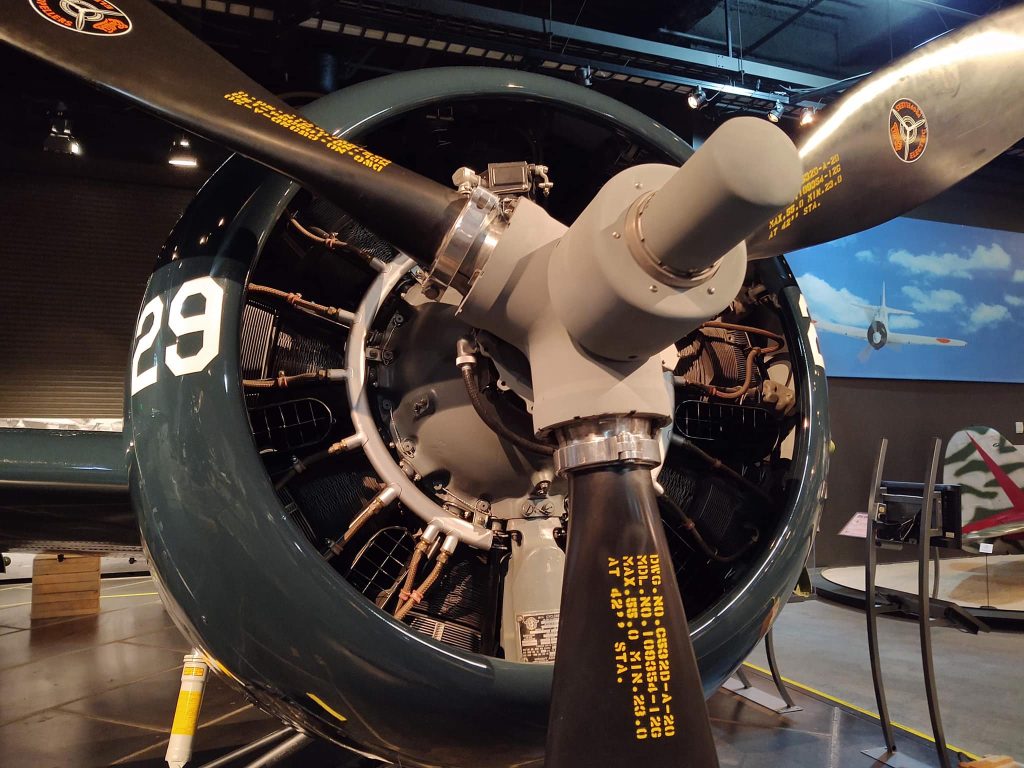
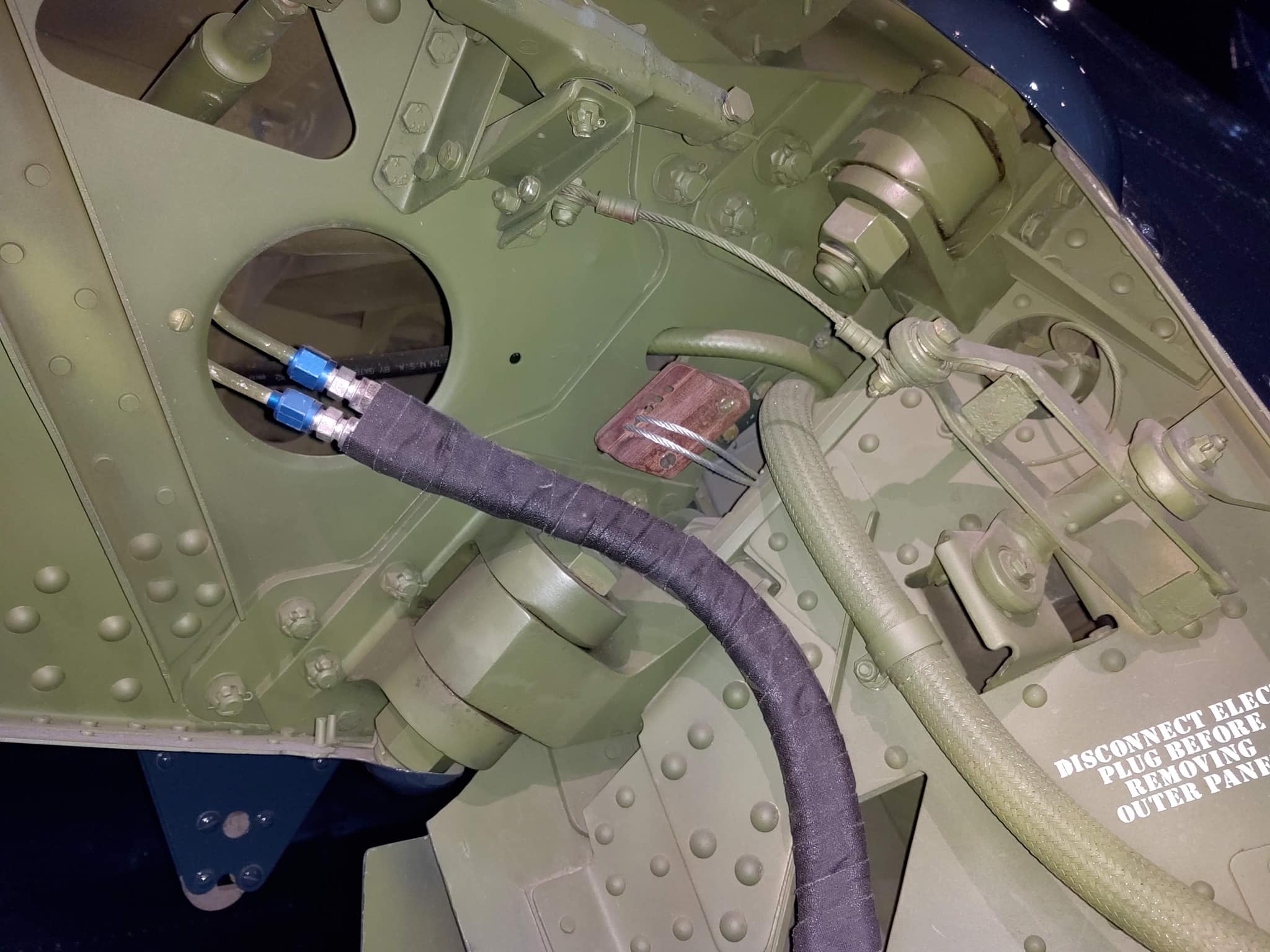
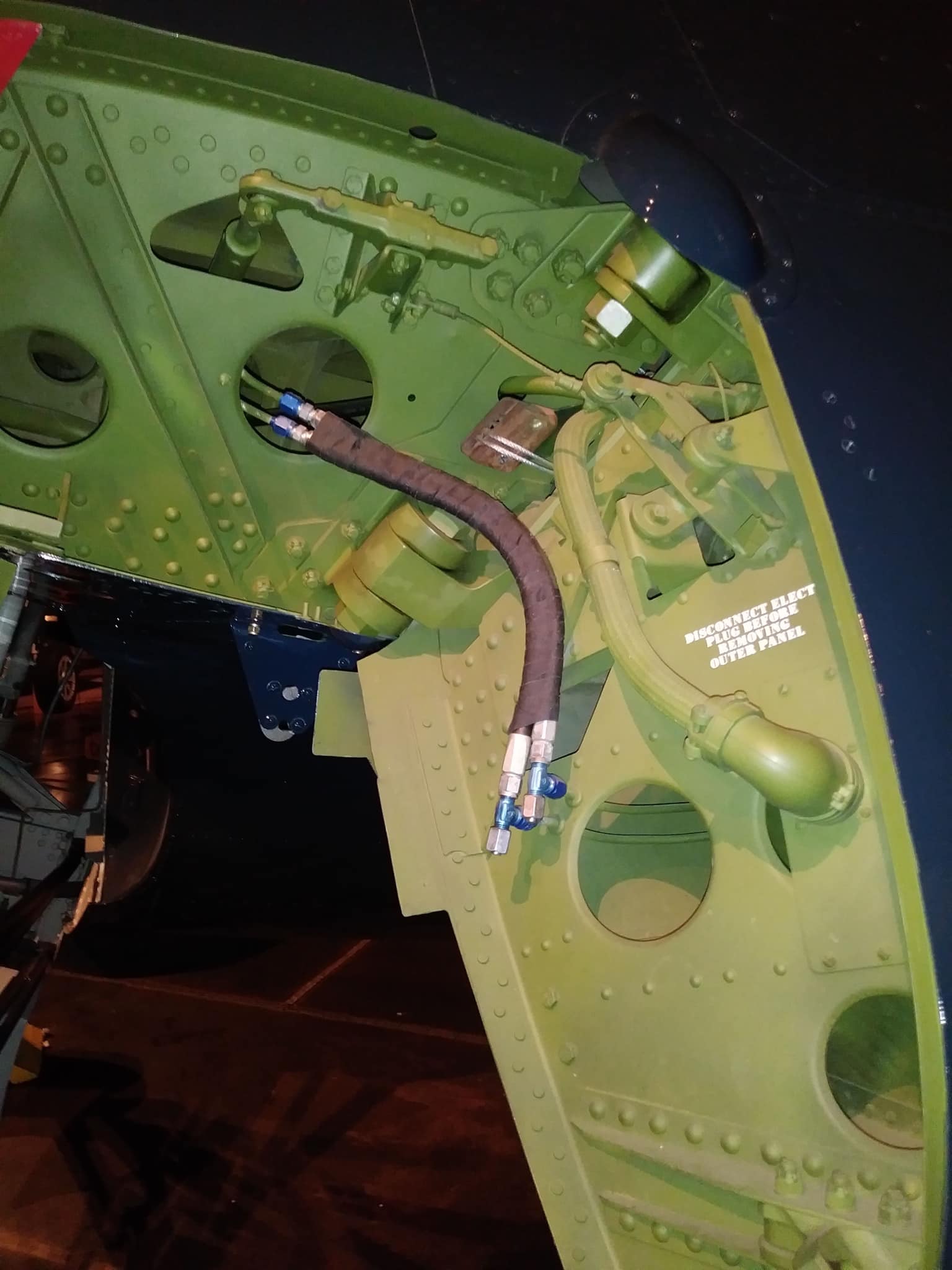
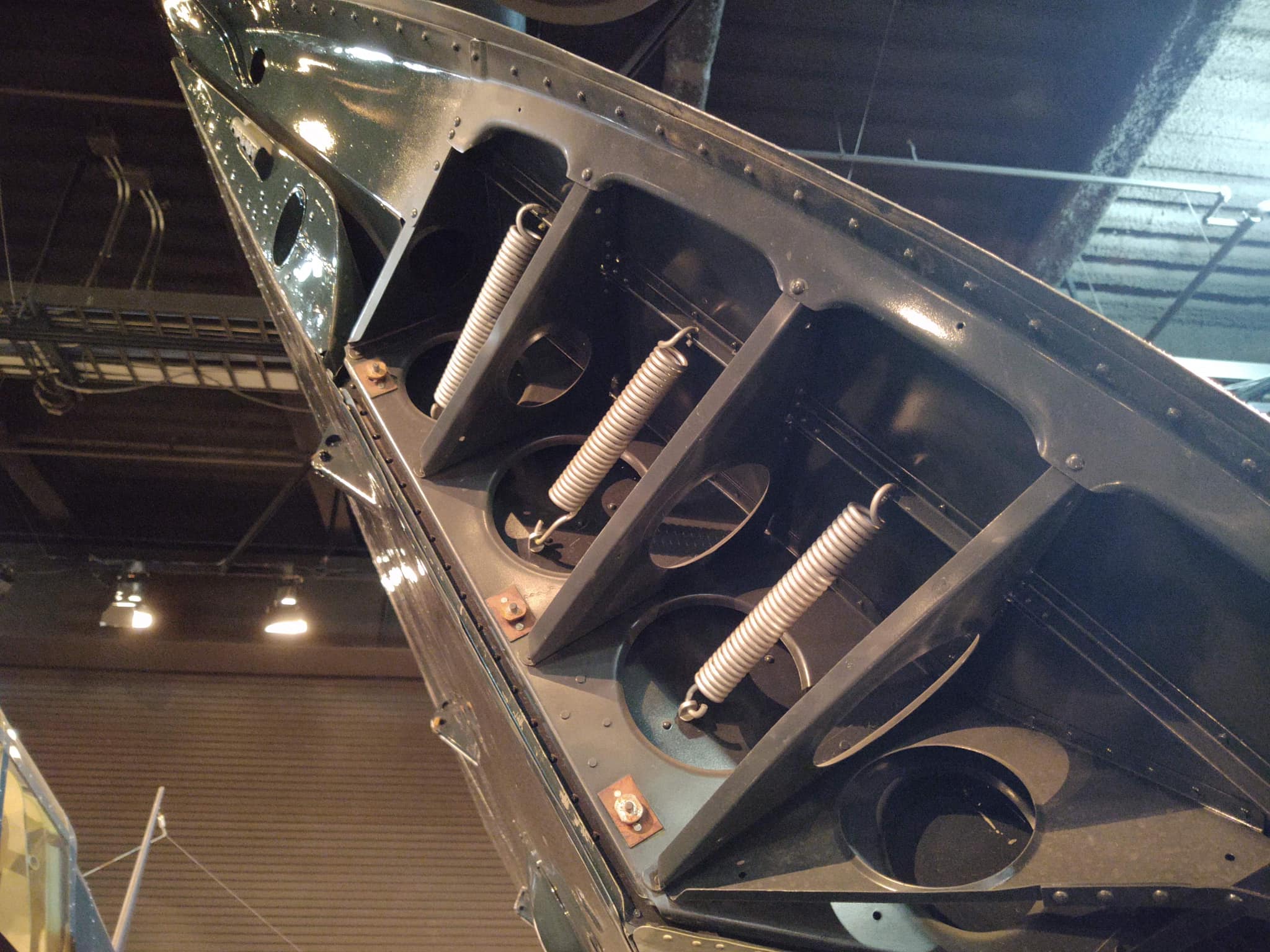
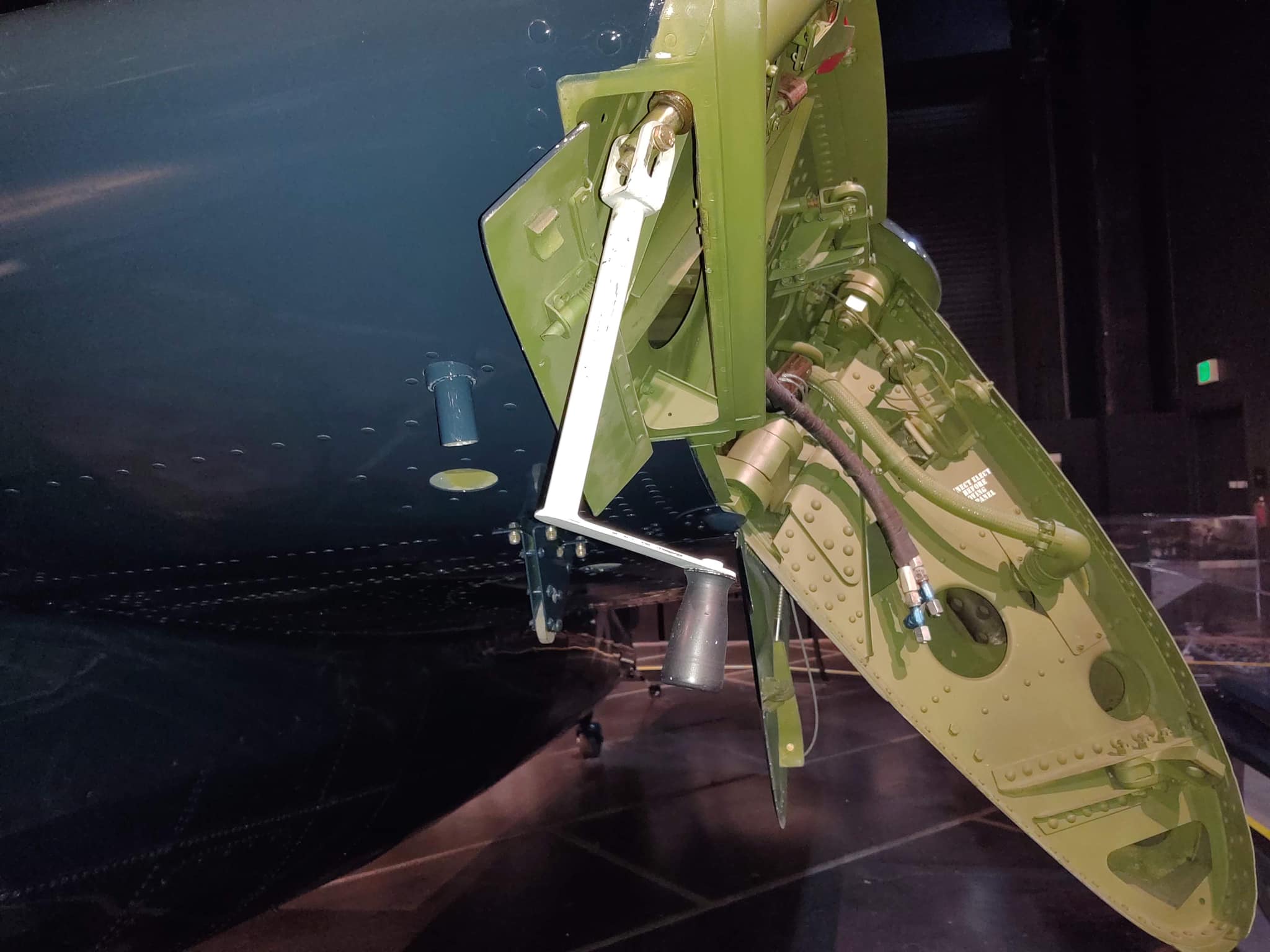
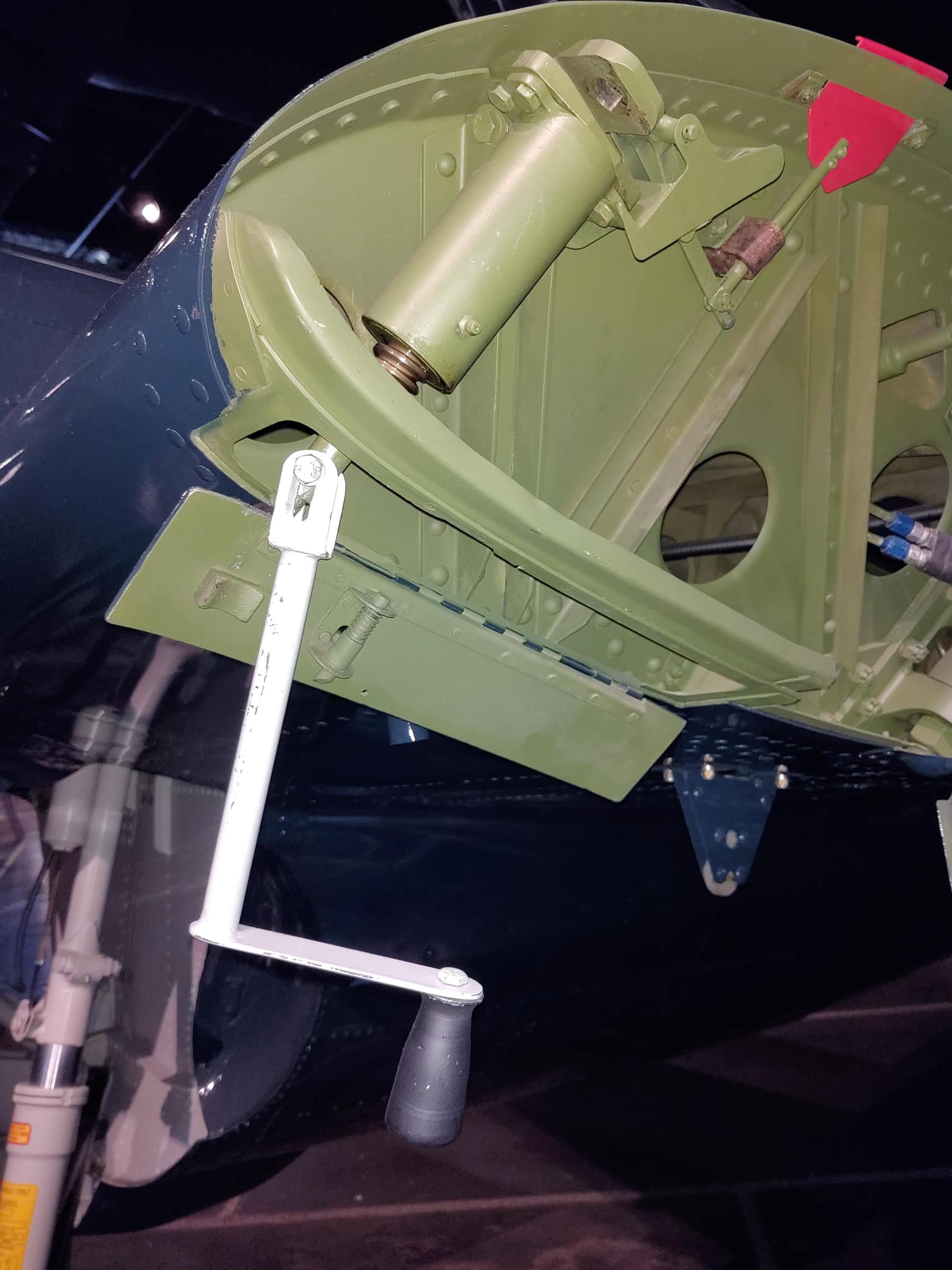
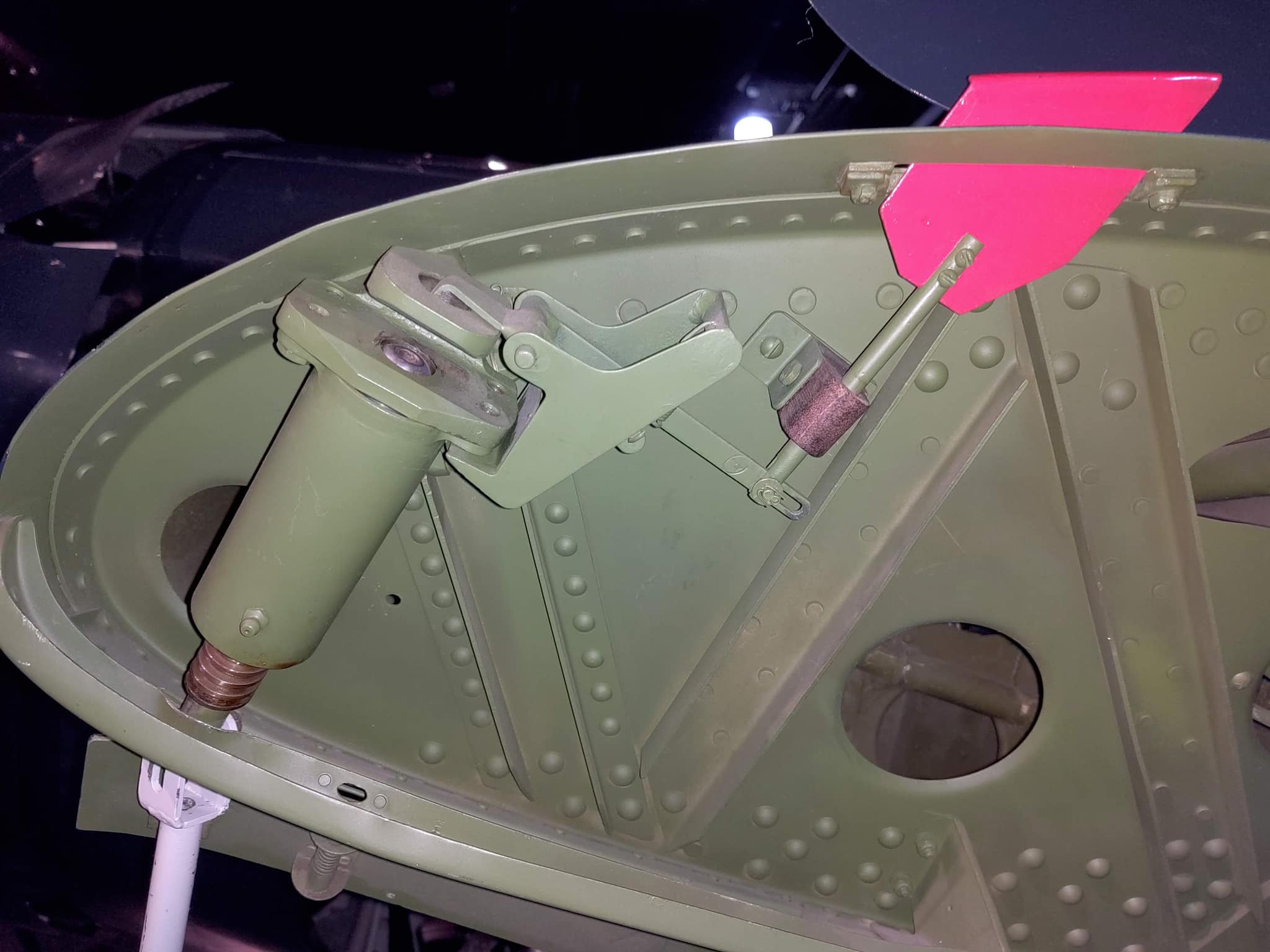
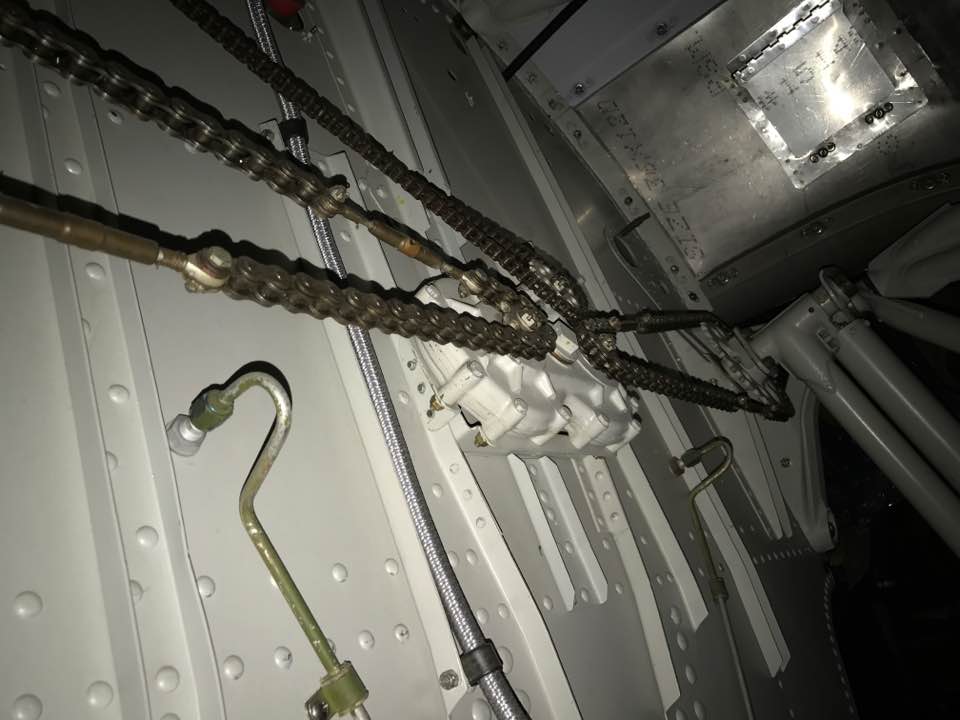
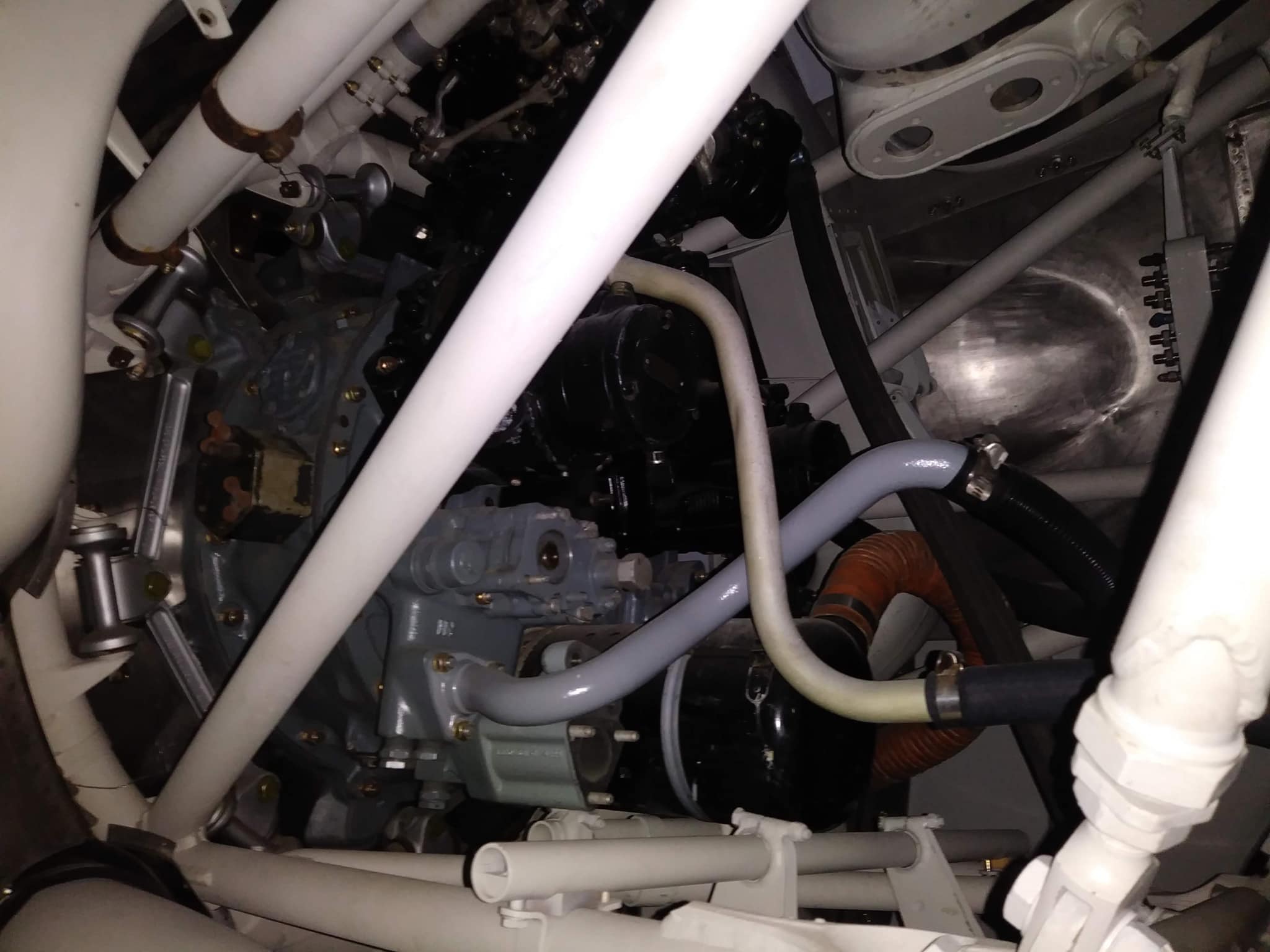
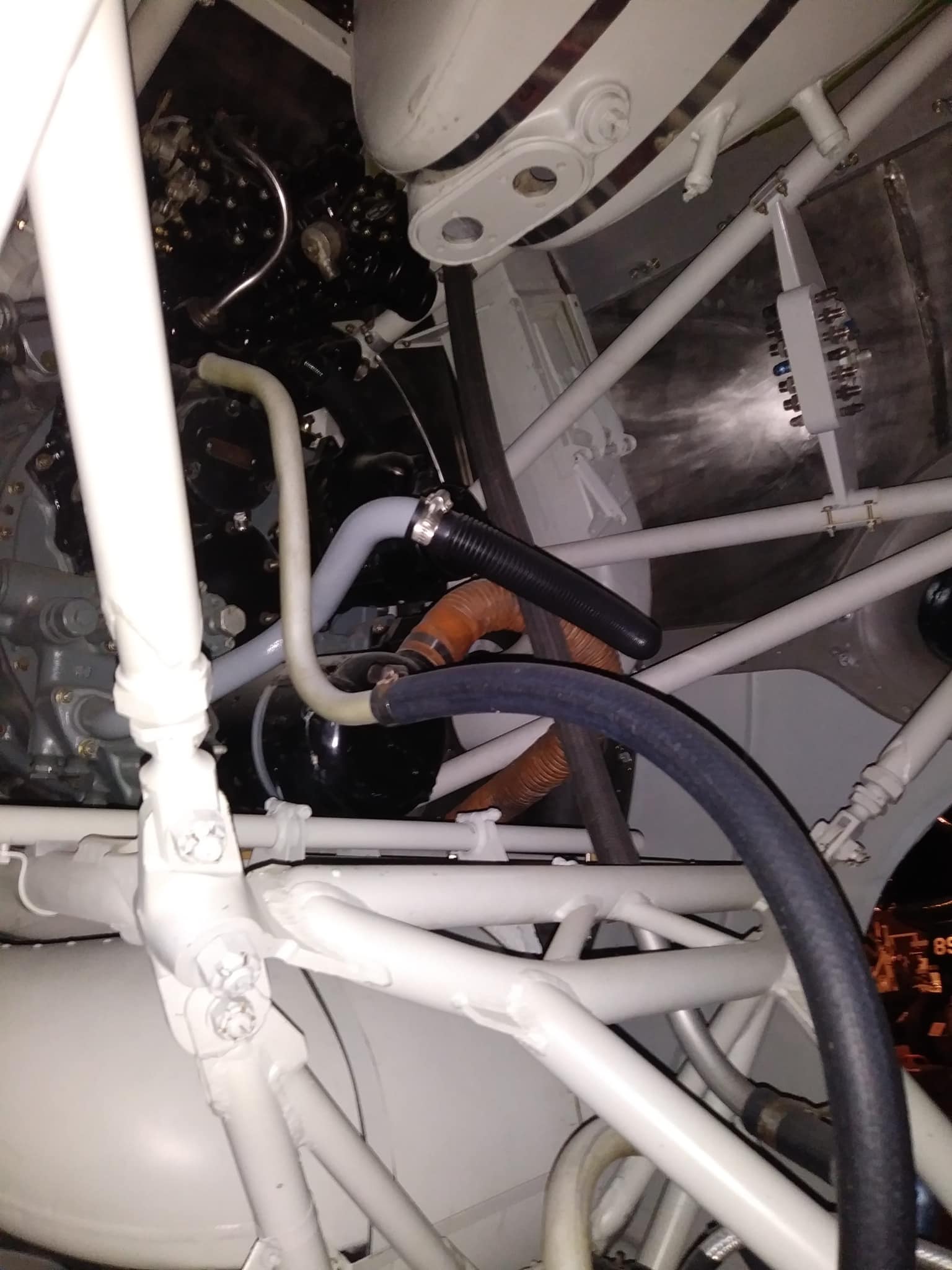
There are bicycle-type chains in the wheel wells that raise and lower the landing gear. This accounts for the “wobble” sometimes seen on takeoff and landing, since it was sometimes difficult for the pilot to keep a steady hand on the stick with his left hand while cranking the gear up or down with his right. The narrow track “roller skate” track of the gear caused ground-looping when landing on airstrips. This was not such a problem on carriers since the arresting cable would catch the aircraft before it got far. The FM-2 variant had the lighter but more powerful Wright R-1820-65 Cyclone 9 engine (rather than the Pratt & Whitney R-1830 Twin Wasp engine of prior variants), and typical armament of the FM-2 included four Browning .50 cal. machine guns in the wings, and it could carry up to 250 lbs., consisting of two bombs mounted under the wings or six 5-in. HVAR rockets on launch rails; the FM-2 also had a taller tail fin to compensate for the increased torque.
About the author 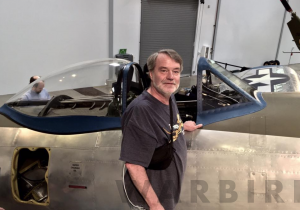
Randy Malmstrom grew up in a family steeped in aviation culture. His father, Bob, was still a cadet in training with the USAAF at the end of WWII but did serve in Germany during the U.S. occupation in the immediate post-war period, where he had the opportunity to fly in a wide variety of types that flew in WWII. After returning to the States, Bob became a multi-engine aircraft sales manager and, as such, flew a wide variety of aircraft; Randy frequently accompanied him on these flights. Furthermore, Randy’s cousin, Einar Axel Malmstrom, flew P-47 Thunderbolts with the 356th FG from RAF Martlesham Heath. He was commanding this unit at the time he was shot down over France on April 24th, 1944, and spent the rest of the war as a prisoner of war. Following his repatriation at war’s end, Einar continued his military service, attaining the rank of Colonel. He was serving as Deputy Wing Commander of the 407th Strategic Fighter Wing at Great Falls AFB, MT, at the time of his death in a T-33 training accident on August 21, 1954. The base was renamed in his honor in October 1955 and continues to serve in the present USAF as home to the 341st Missile Wing. Randy’s innate interest in history in general, and aviation history in particular, plus his educational background and passion for WWII warbirds, led him down his current path of capturing detailed aircraft walk-around photos and in-depth airframe histories, recording a precise description of a particular aircraft in all aspects.