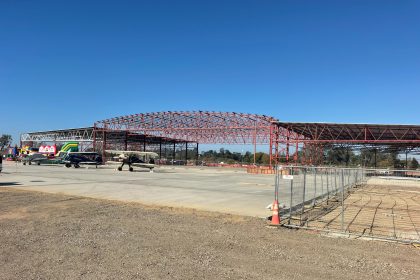
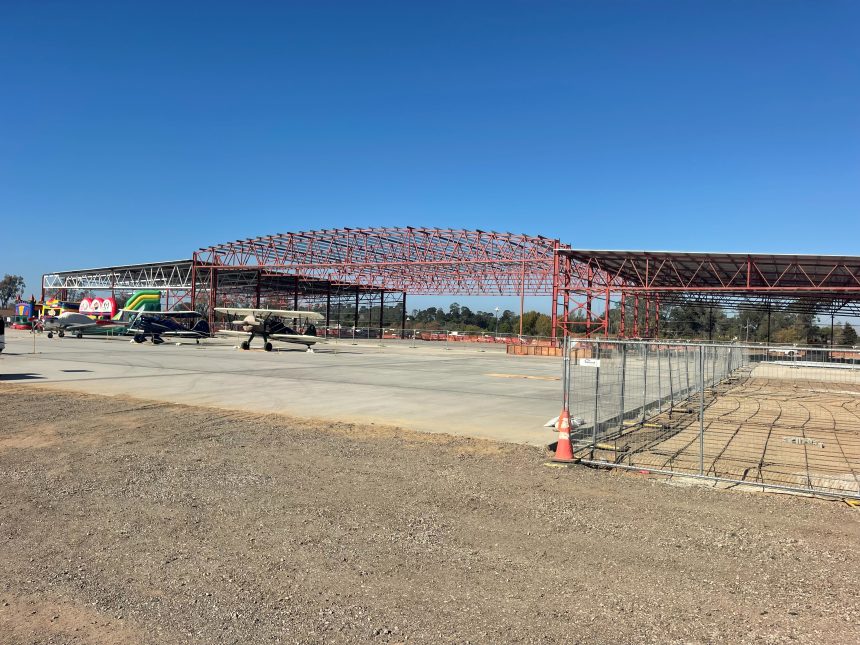

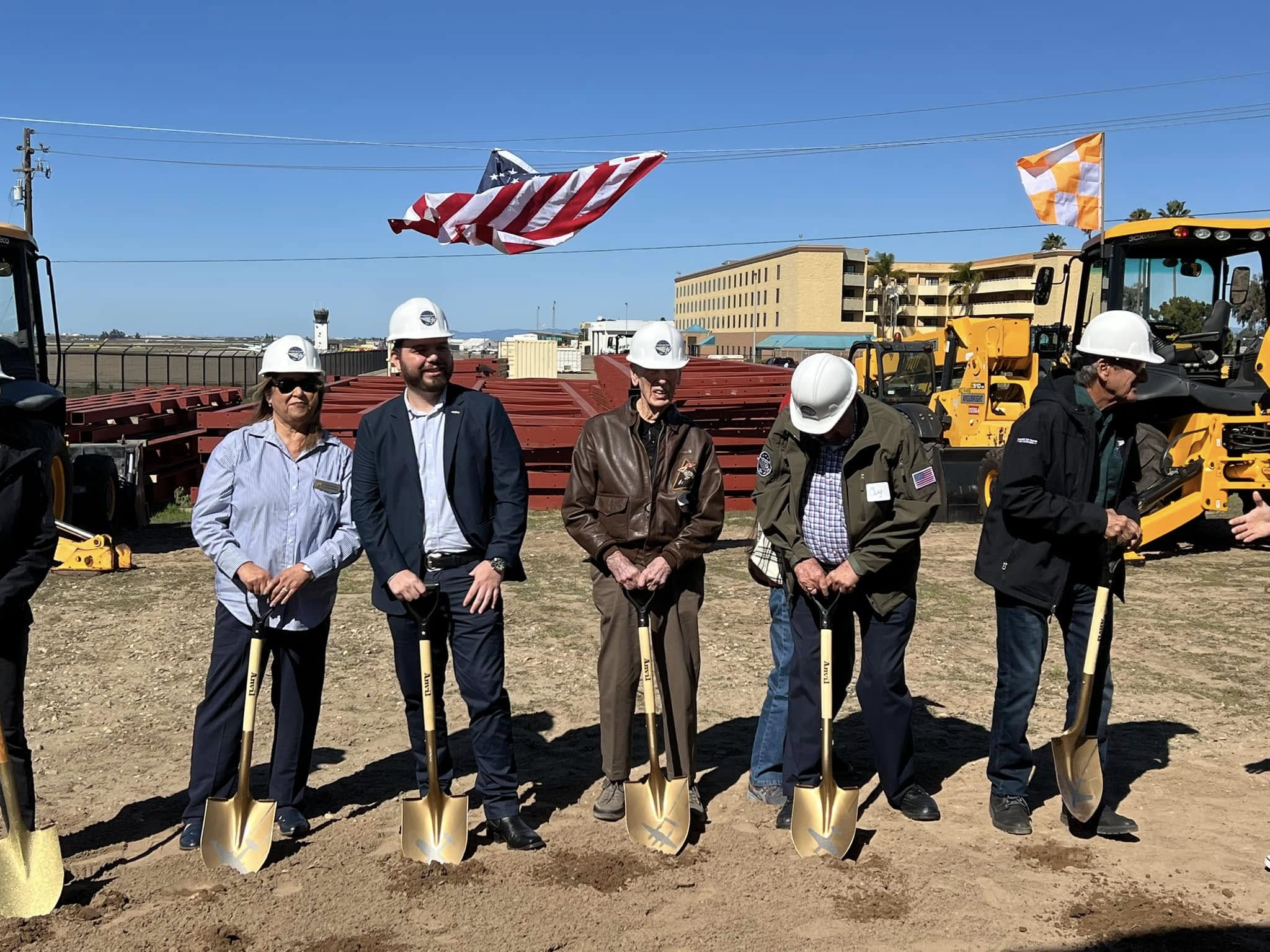
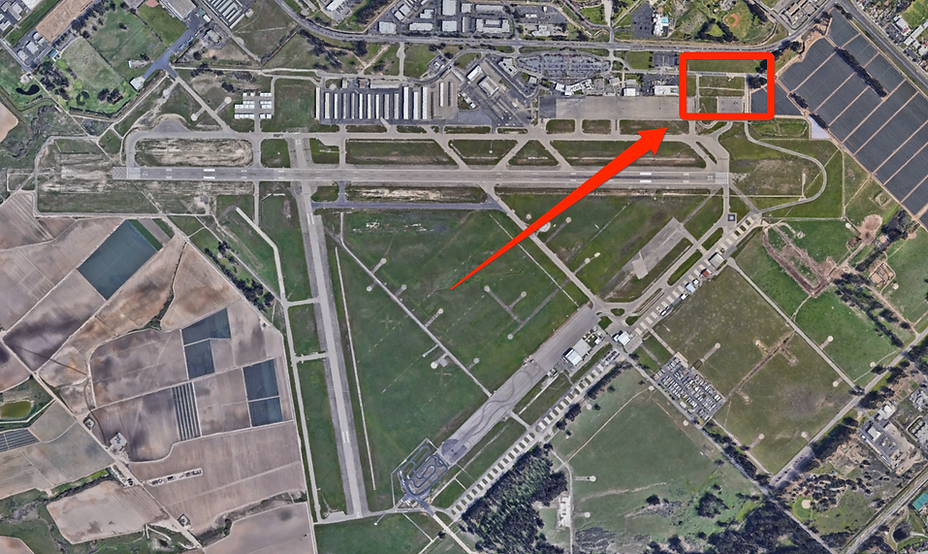
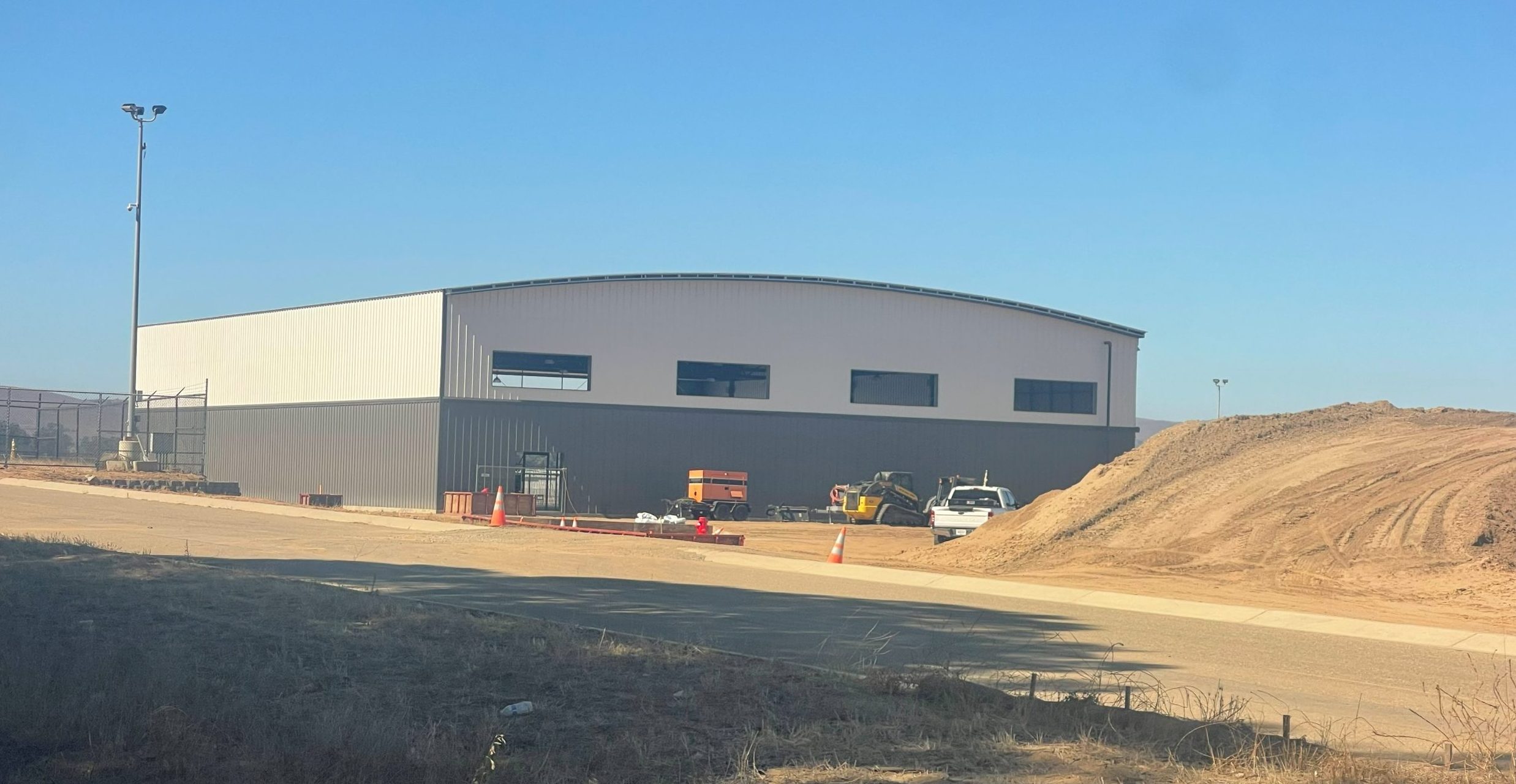
For more than three years now, the Planes of Fame Air Museum has been planning to establish its newest location at the historic Santa Maria Public Airport, as covered in our previous reports HERE. Since the groundbreaking ceremony held on February 20, 2025, the first of the new display hangars at Santa Maria, Hangar Alpha, has been rising from the ground up, while Hangar Delta, the new restoration hangar, stands structurally complete and is now having its internal infrastructure installed. Meanwhile, plans have already been drawn for a further two hangars (Bravo and Charlie) to be constructed on the 23-acre site, placed within easy access of Santa Maria Airport’s primary and secondary runways.
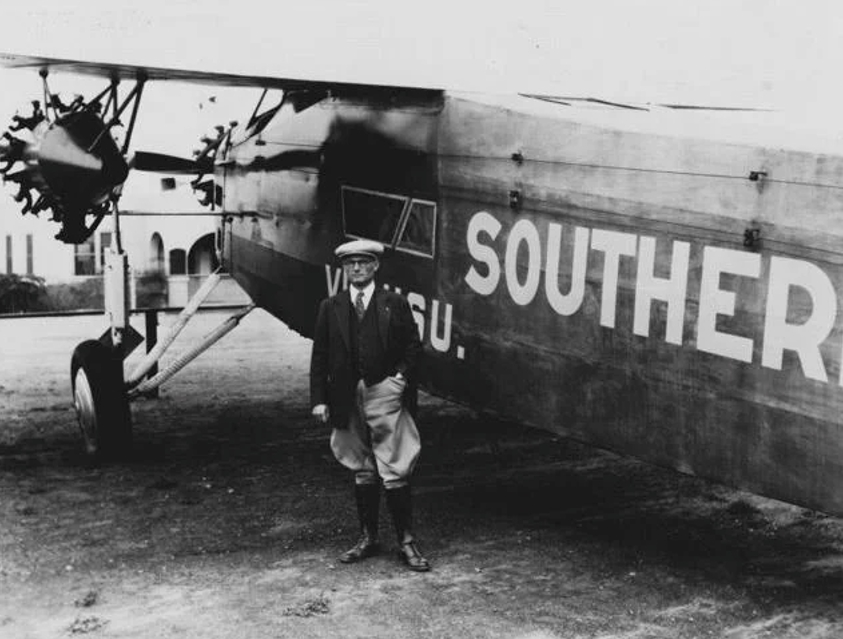
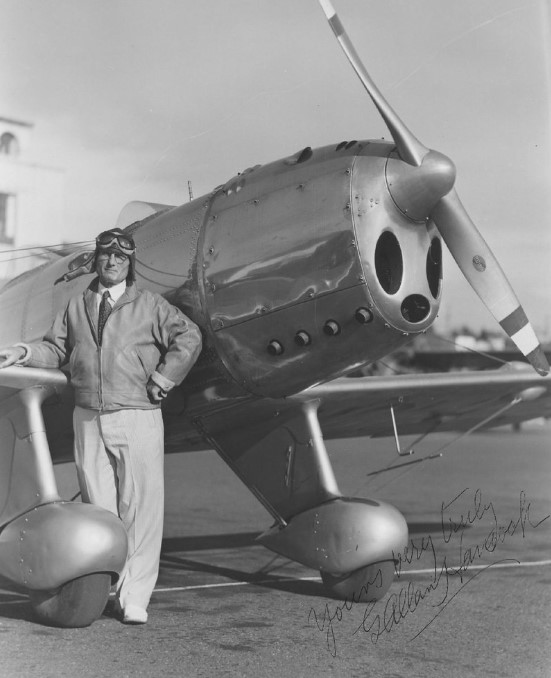
For Santa Maria, this marks the start of a new chapter in its rich aviation legacy, which stretches back to the 1920s, when Captain George Allan Hancock, a wealthy philanthropist from Los Angeles, established the Hancock College of Aeronautics and the small airfield Hancock Field that is now the site of Allan Hancock College. Hancock was a major benefactor to Australian aviators Sir Charles Kingsford Smith and Sir Charles Ulm, as he would purchase the Fokker F.VII trimotor Smith would christen as the “Southern Cross”, which they would use to make the first Trans-Pacific flight from the USA to Australia in 1928. During WWII, the Hancock College of Aeronautics and Hancock Field served as a training facility for more than 8,400 U.S. Army Air Force cadets in both ground school and flight training.

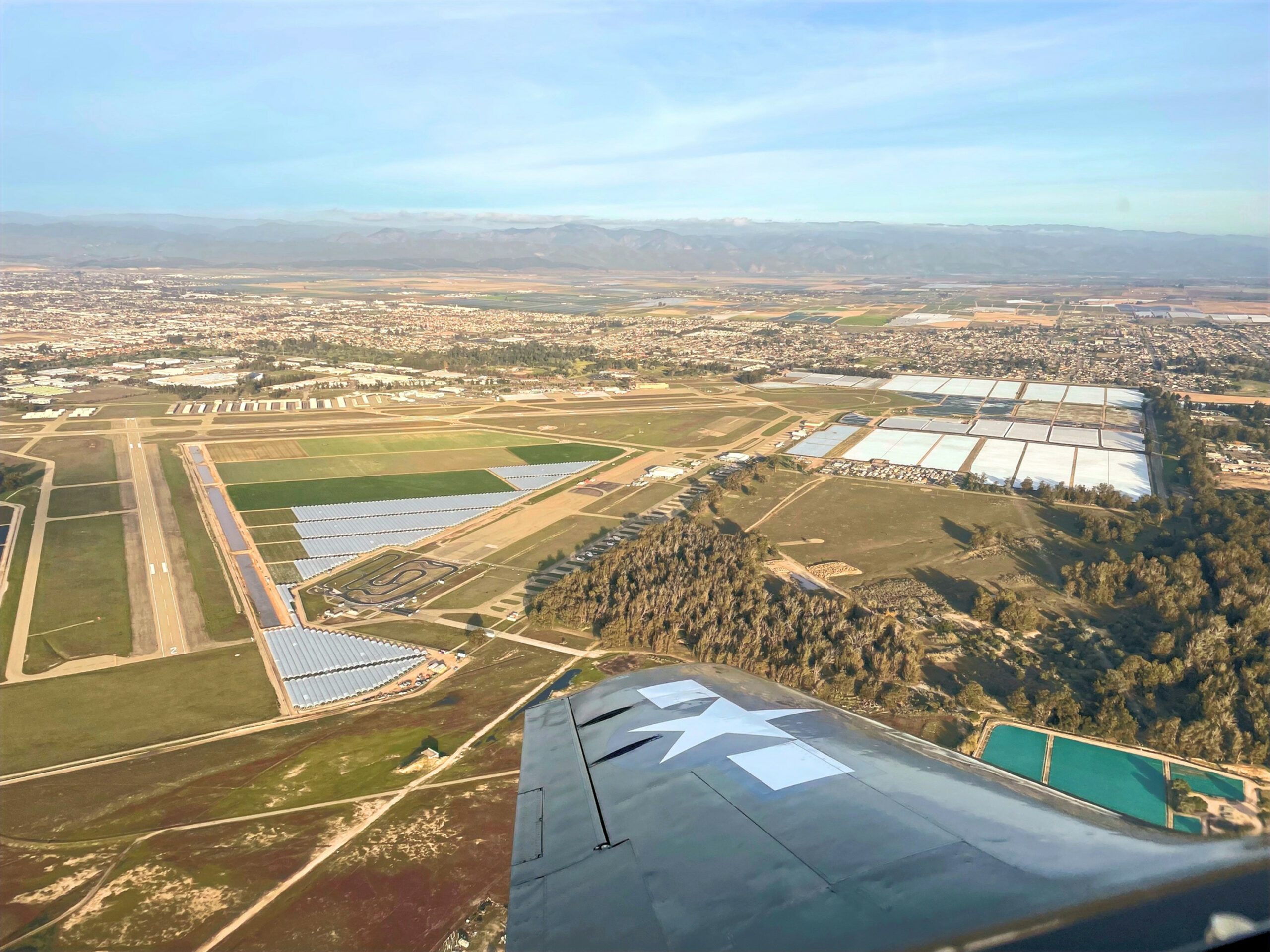
In 1942, the US Army Corps of Engineers constructed the current Santa Maria Public Airport as Santa Maria Army Airfield, initially to be a training base for North American B-25 Mitchell medium bombers, but when it was found the runway could not hold the weight of the B-25s, the Army Airfield was turned into a training base for Lockheed P-38 Lightning pilots to become familiar with the aircraft before being deployed to Europe or the Pacific. About 30 miles south of Santa Maria Airport is also Vandenberg Space Force Base, which serves as the primary rocket launch facility on the US West Coast and serves as a base for SpaceX to launch satellites into orbit.

For Planes of Fame, Santa Maria represents an operating area with fewer constraints to the airspace above Chino and the landscape around Chino Airport. During the 1970s and 1980s, the Inland Empire region that Chino is located in was largely rural, with dairy farms surrounding Chino Airport, but in recent years, the Inland Empire has seen an ongoing surge in development, with real estate becoming filled with new housing developments to the south of the airport, and over the last five years, the dairy farms just north of the airport have been taken over with the construction of new warehousing facilities. Added to this, commercial air traffic for Ontario International Airport has also been increasing. These factors mean that it has become harder for the safe operation of vintage aircraft.
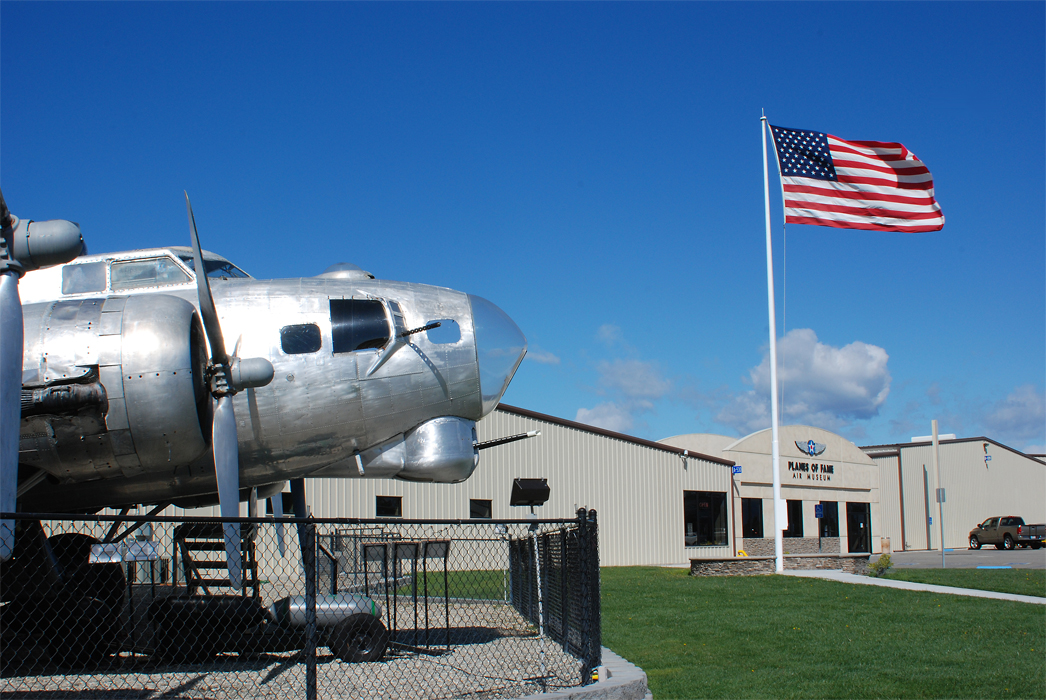
During the 2026 Central Coast AirFest, the museum also had maps showing the upcoming hangars at the airshow’s information tent. The maps showed how the new facility will be built in three phases, with Phase One currently nearing completion. The biggest display hangar at the new Planes of Fame in Santa Maria will be the 56,000 square foot Hangar Alpha, which sits in front of what will soon be the new museum’s parking lot. The layout of Hangar Alpha will be similar to that of three conjoined hangars at the Chino location (the Edward T. Maloney Hangar, the Bob and Josie Pond Hangar, and the USS Enterprise Hangar). Like the Maloney, Pond and Enterprise hangars at Chino, Hangar Alpha will house the museum’s WWII aircraft and aircraft from the Golden Age of Aviation (1919-1939). The one aircraft Planes of Fame has officially confirmed will be heading to Santa Maria is the iconic Boeing P-26A Peashooter, one of just two surviving examples of the first American all-metal monoplane fighter and the only original example that still flies. Hangar Alpha will also be the hangar used as the new museum’s event venue in order to host such functions as weddings, banquets, memorial services, and other events that are hosted regularly at the Chino location. Hangar Alpha will also be the home to the new museum’s entrance lobby and gift shop.
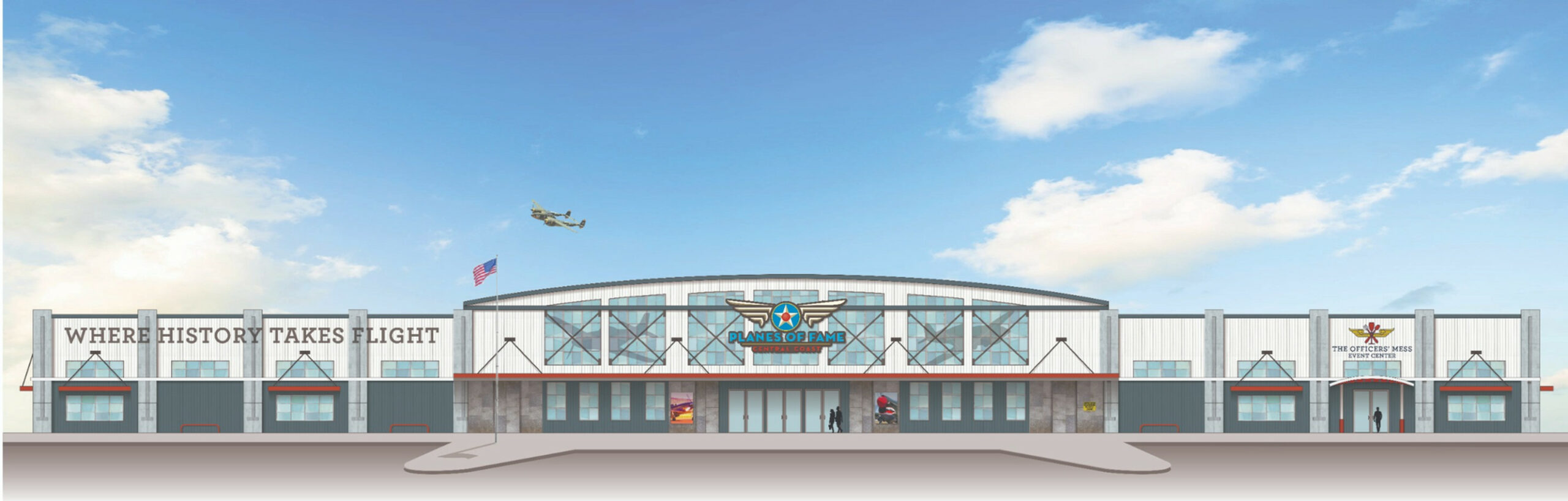
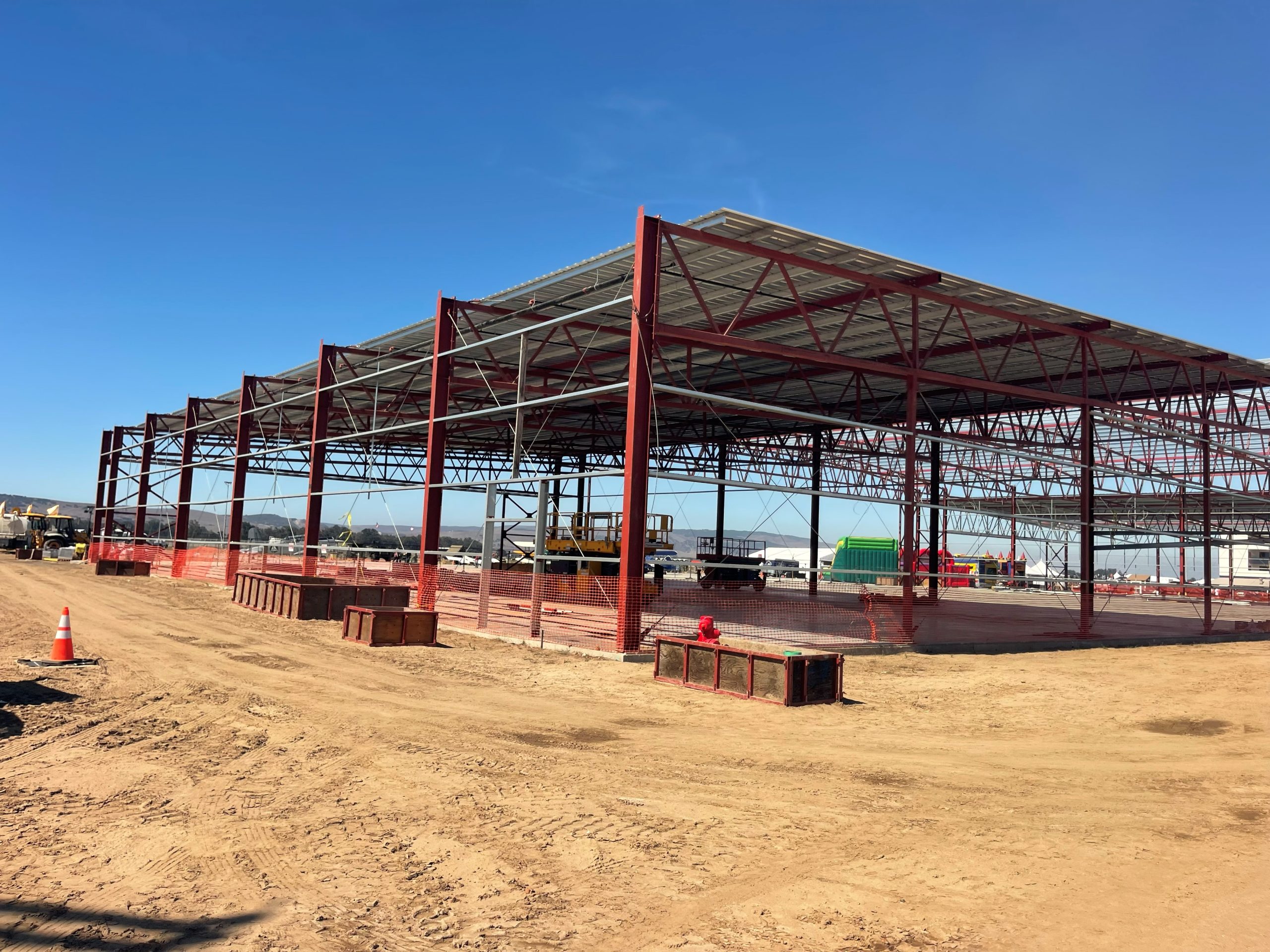
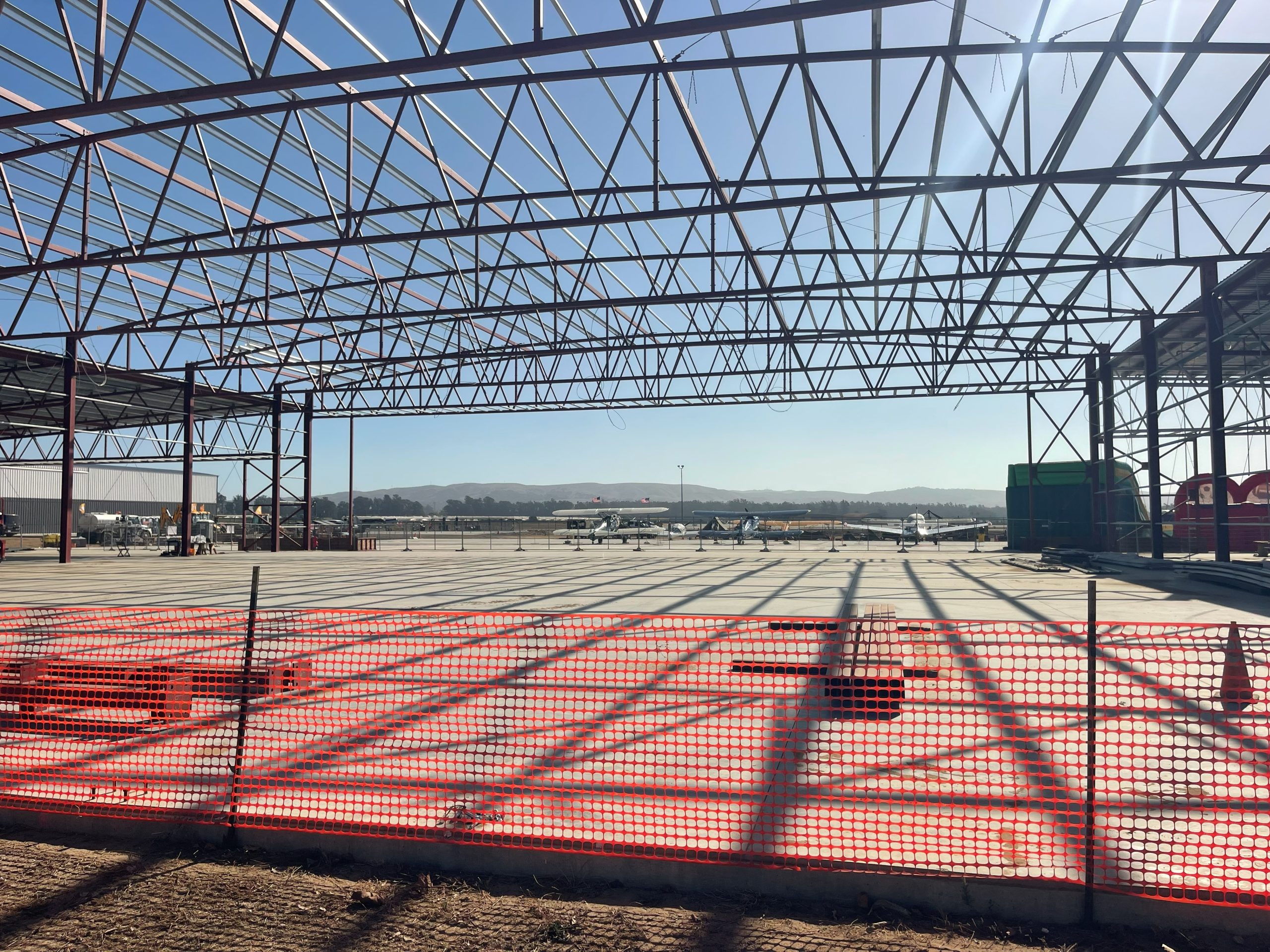
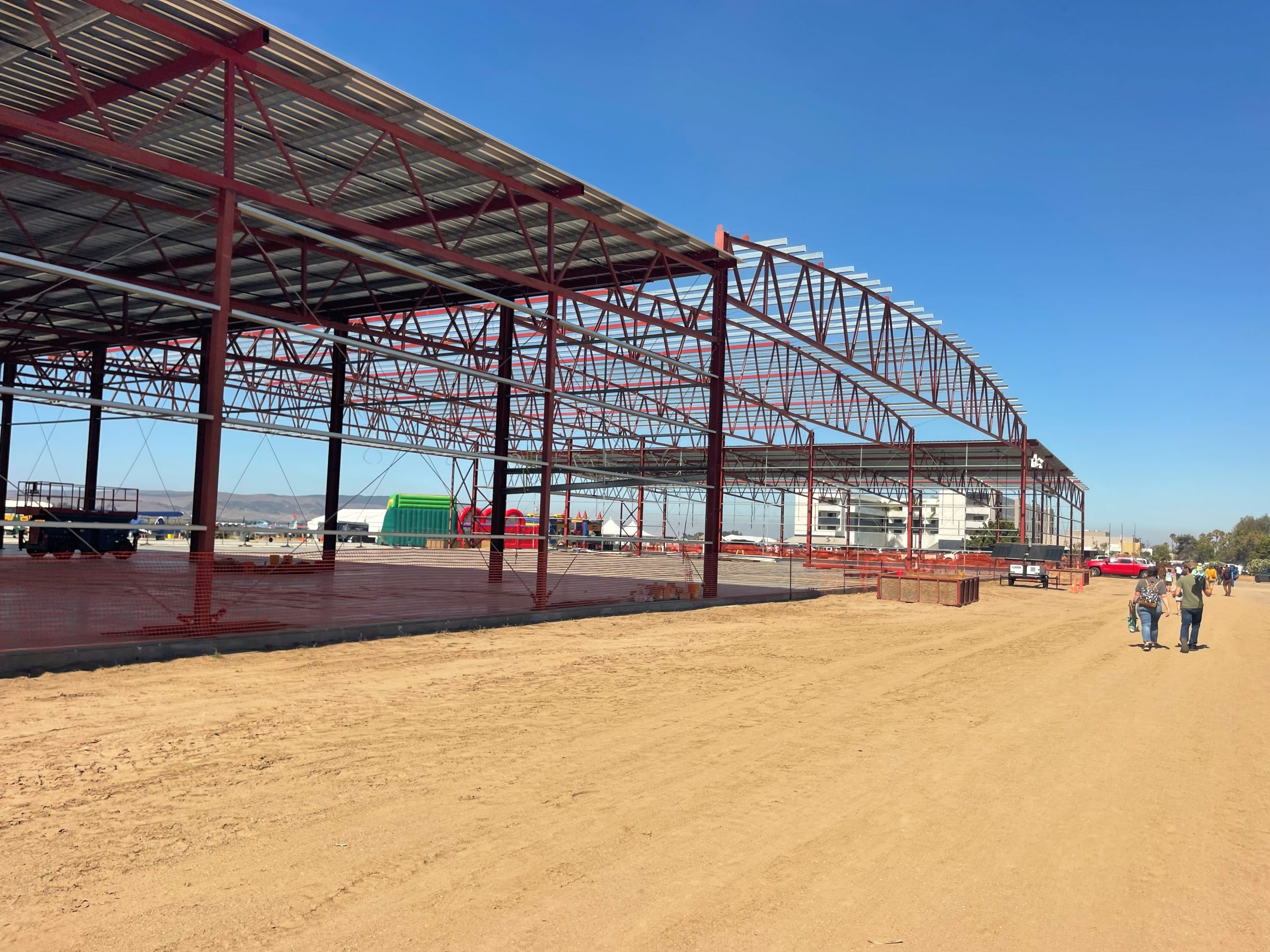
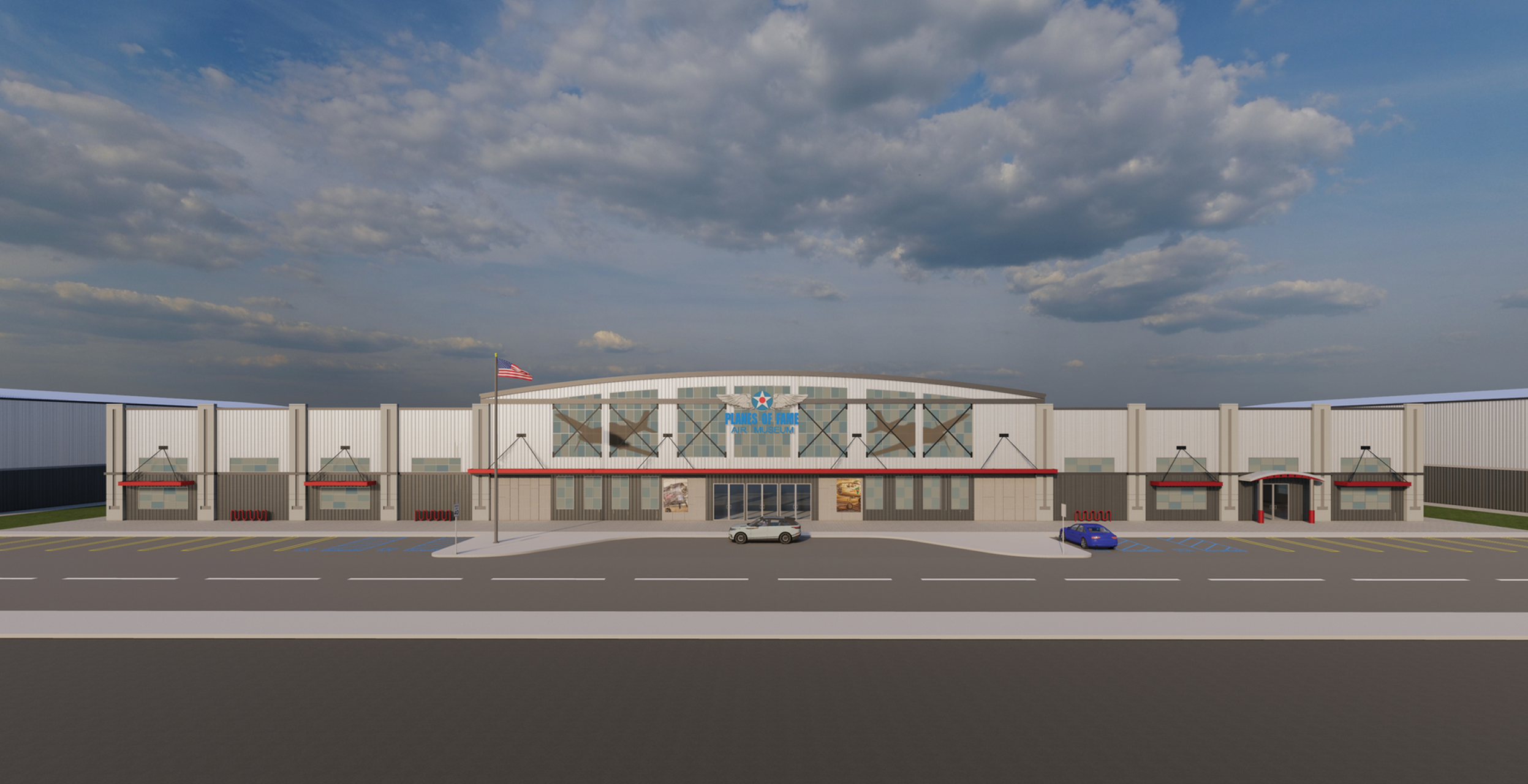
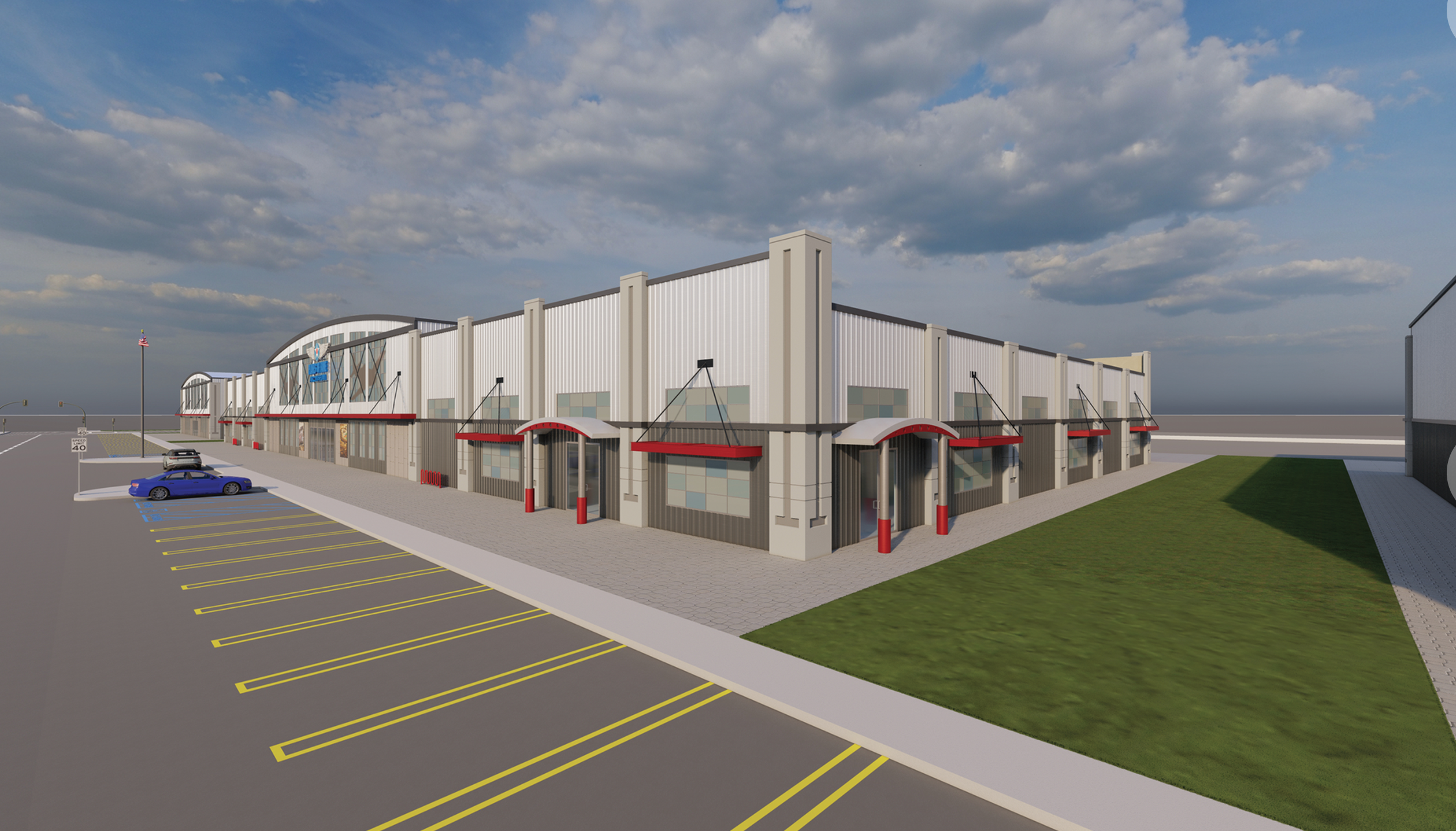
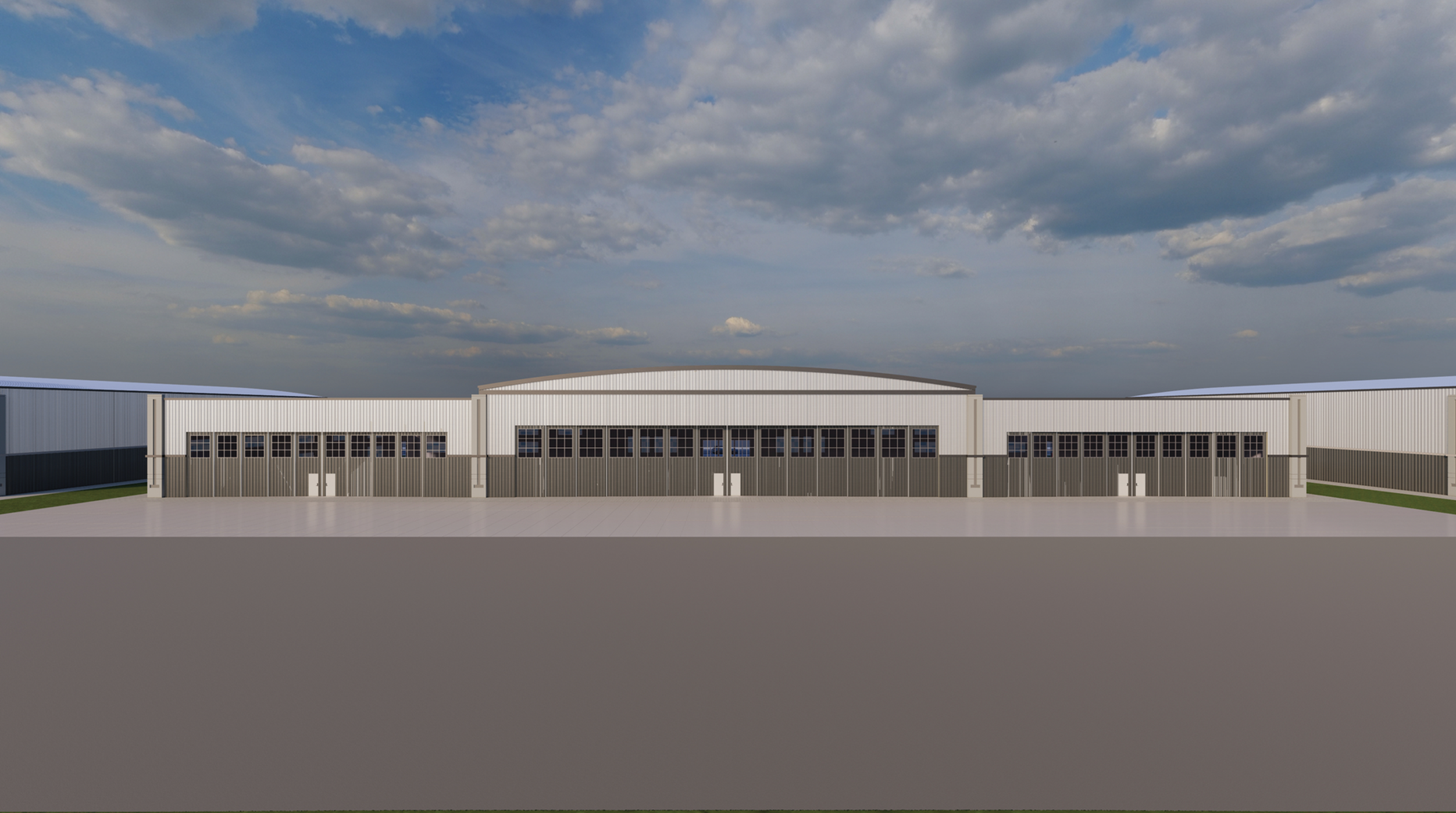
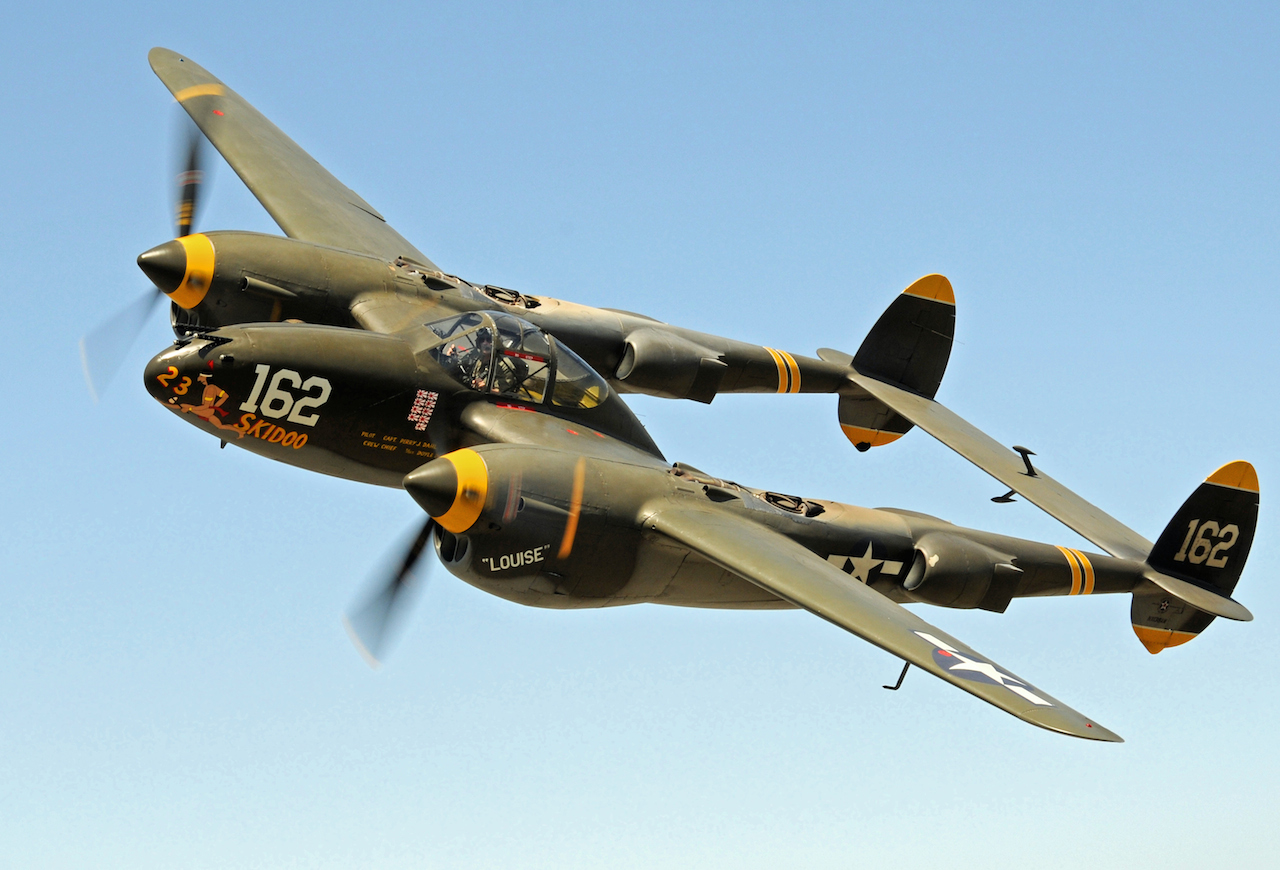
While the biggest part of Phase One will be Hangar Alpha, that is only half of Phase One. The other half is the nearly finished Hangar Delta. This 12,000 square foot hangar will serve as the Santa Maria museum’s restoration hangar, and it is anticipated that when the infrastructure inside the hangar is fully fitted, several ongoing restoration projects at Chino will be selected for transportation to Santa Maria. One restoration project at Chino that might well find itself in Santa Maria is the museum’s Bell YP-59A Airacomet, a pre-production model of the first American jet aircraft, and fittingly, Planes of Fame’s very own YP-59A, 42-108777, was once stationed at Santa Maria Army Airfield in 1945 with the 412th Fighter Group (now the 412th Test Wing at Edwards AFB). Also stationed at Santa Maria Army Airfield was the Planes of Fame’s own P-38J Lightning, 44-23314, now flown in the markings of fighter ace Perry J. Dahl’s “23 Skidoo”.
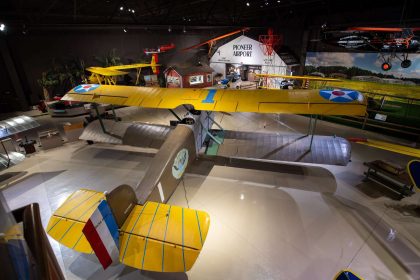
In addition to Phase One, there are two more hangars planned to be constructed in the near future at Planes of Fame Santa Maria. Phase Two of the expansion will be Hangar Bravo, a 44,500 square foot hangar that will house the POF’s World War I aircraft and the pre-WWI collection labelled as part of the Dawn of Flight collection. After Hangar Bravo, Phase Three will call for the construction of Hangar Charlie. This 25,000 square foot hangar will become the home of the museum’s array of Cold War aircraft, which includes American, British, and Soviet jets of the 1950s and 1960s.

Ahead of the aircraft ramp in front of Hangar Alpha, the museum also plans to place a runway viewing space, complete with a lawn and terrace seating, which no doubt will provide a great setting to watch aircraft flight operations, especially in the late afternoon hours set against the backdrop of nearby Orcutt’s rolling hills to the south. With the exception of the P-26 Peashooter, the Planes of Fame has not made any official announcements for exactly which aircraft will be brought up from Chino. There is also the possibility that in addition to aircraft being sent up from Chino, some aircraft may also be sent from the Planes of Fame’s former museum at Valle, Arizona, which is currently being used as a storage facility and is the site of the ongoing effort to get the museum’s Douglas A-26C Invader back in the air. Speculation online has been rife with concerns of the Chino location closing, but the museum’s public statements thus far express that Chino will be operating in conjunction with the new Santa Maria location.

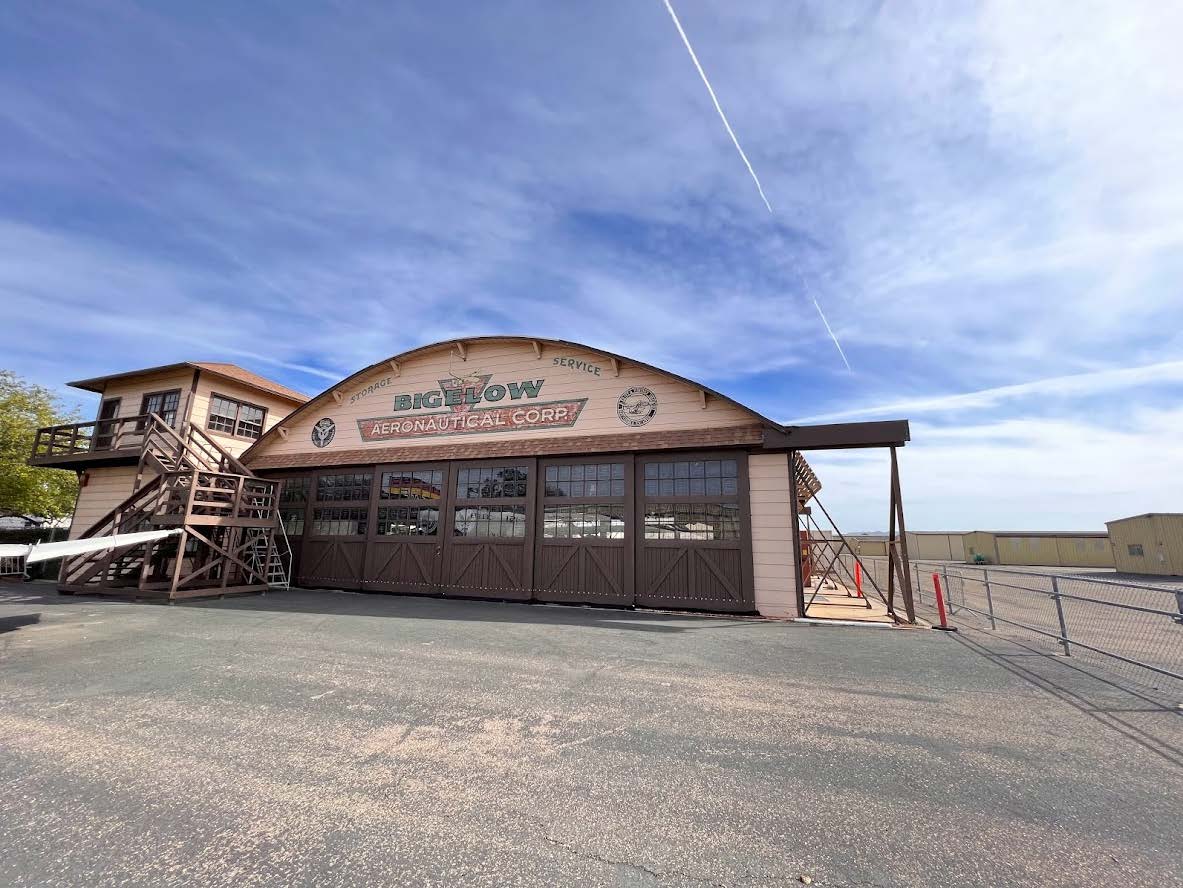
Additionally, the old Radisson Hotel at Santa Maria Airport, which stands next to the construction site of the new Planes of Fame location, has been bought by Delta Hotels, a subsidiary of Marriott International, and is currently undergoing major renovations and modernizations. Once complete, the hotel will be ideally placed for travelers coming to see the Planes of Fame right next door. In addition to the new Planes of Fame location, Santa Maria Airport is also home to the Santa Maria Museum of Flight, which we covered in this article HERE. The Santa Maria Museum of Flight has been around since 1984, and it intends to stay in place at Santa Maria Public Airport, where it is on the opposite end of the airport’s north side from the new Planes of Fame location.
Though the addition of the new facility at Santa Maria will mark a major development for the Planes of Fame Air Museum, it is also receiving a large amount of support from the local community of Santa Maria. The Planes of Fame is already highly involved in the planning of the annual Central Coast AirFest, which is sponsored by numerous local businesses, and the city government of Santa Maria has been highly supportive of the development of the new Planes of Fame location to encourage visitors to frequent the city located on US Route 101 between Santa Barbara and San Luis Obispo. Once it is open to the public, Planes of Fame Santa Maria will take its place as one of the many attractions among California’s scenic Central Coast region, and its warbirds will soon be a frequent sight over Santa Maria’s hills and the nearby Pacific Ocean. For more information, visit Planes of Fame’s website HERE and the website dedicated to the Planes of Fame Santa Maria location HERE.

For more information, visit Planes of Fame’s website HERE and the website dedicated to the Planes of Fame Santa Maria location HERE.