
By Randy Malmstrom
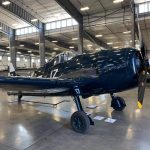
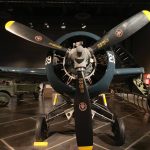
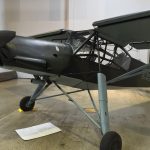
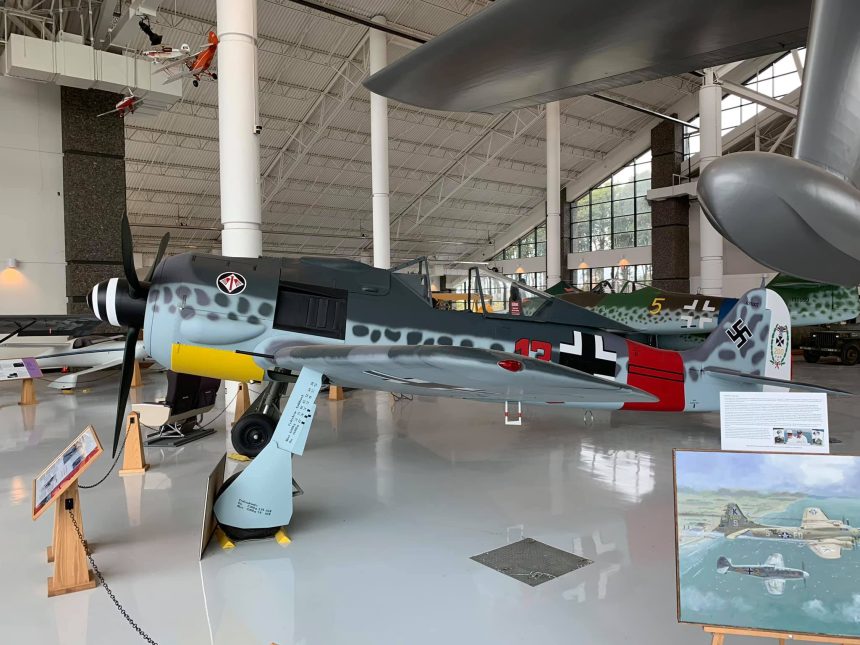
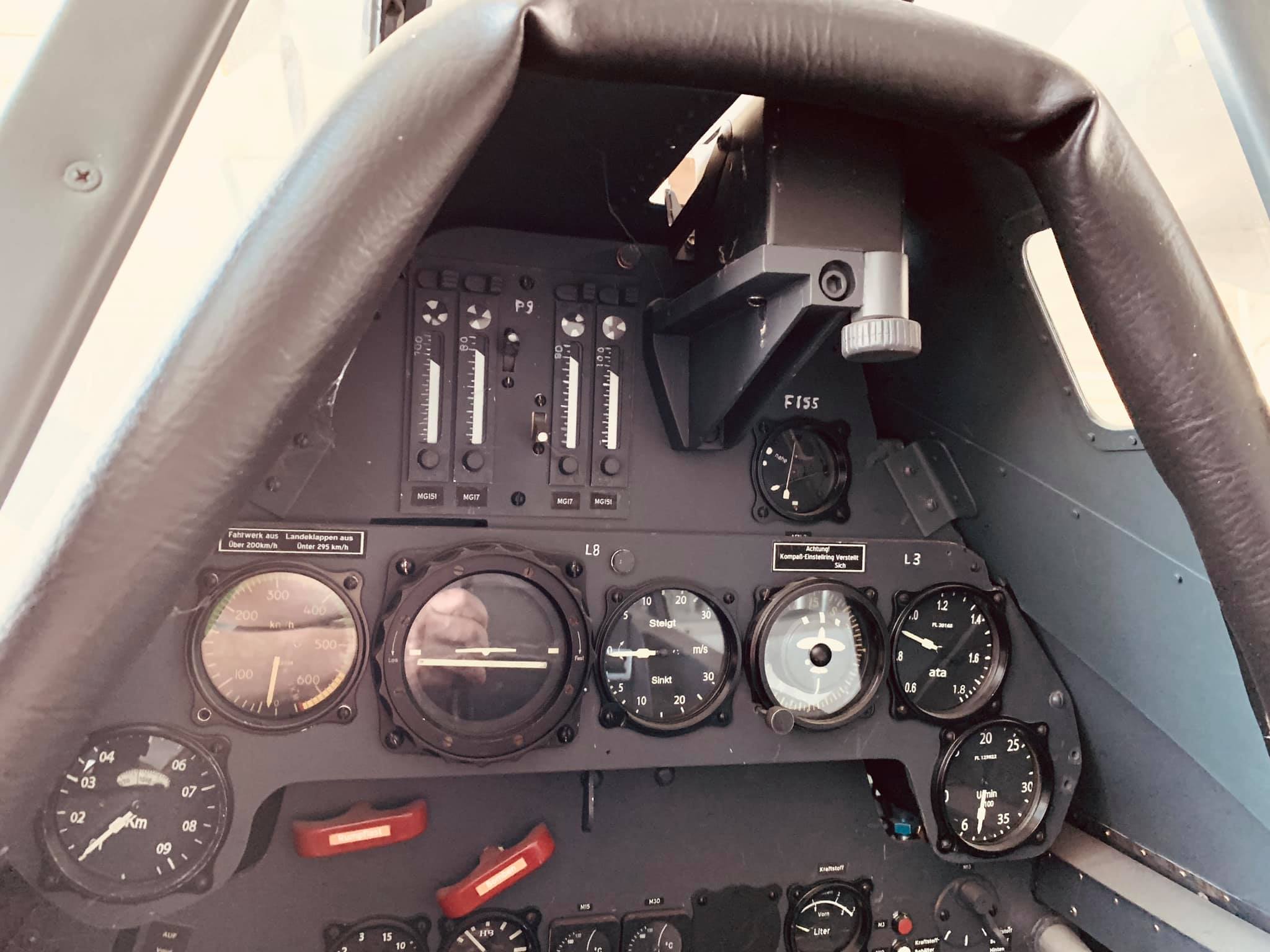
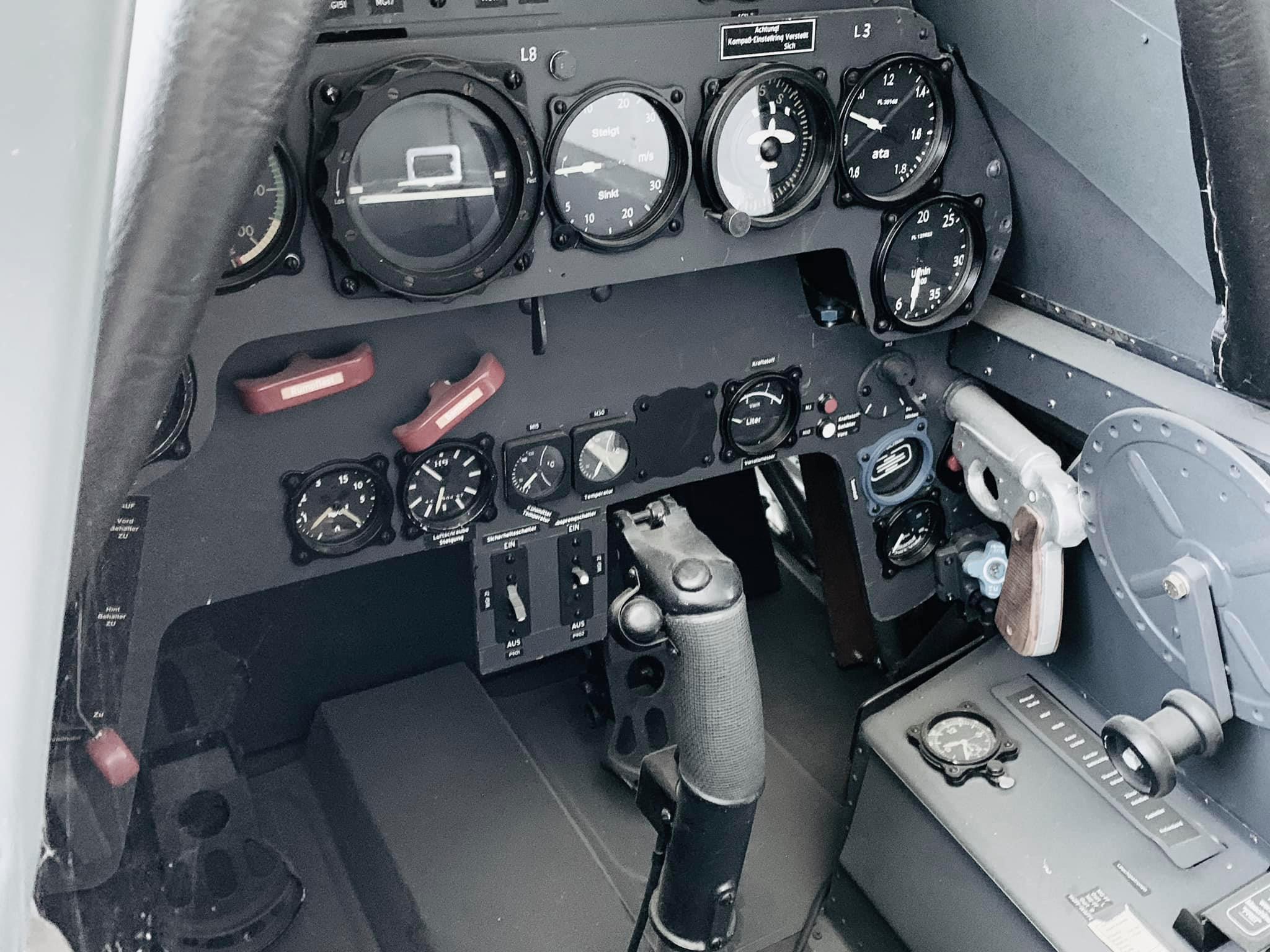
Focke-Wulf Fw-190A-7 replica. This non-flying reproduction was begun as a private endeavor with a kit (average price: $750,000 USD) from the Bavarian company Flug Werk GmbH (the company ceased operations around 2014) and finished by Legend Flyers at Paine Field in Everett/Mukilteo, Washington. It is painted in the markings of Red 13, Werknummer 431007, of Heinz “Pritzl” Bär, commander of II./JG-1 in 1944. The white rudder denotes the Knight’s Cross with Oak Leaves and Sword. He is credited with 200 victories as of April 22, 1944. As I recall, Flug Werk Fw-190 reproductions were fitted with a Russian Shvetsov ASh-82 or a Dongan HS-7 engine (which is a Chinese-built copy of the Shvetsov ASh-82).

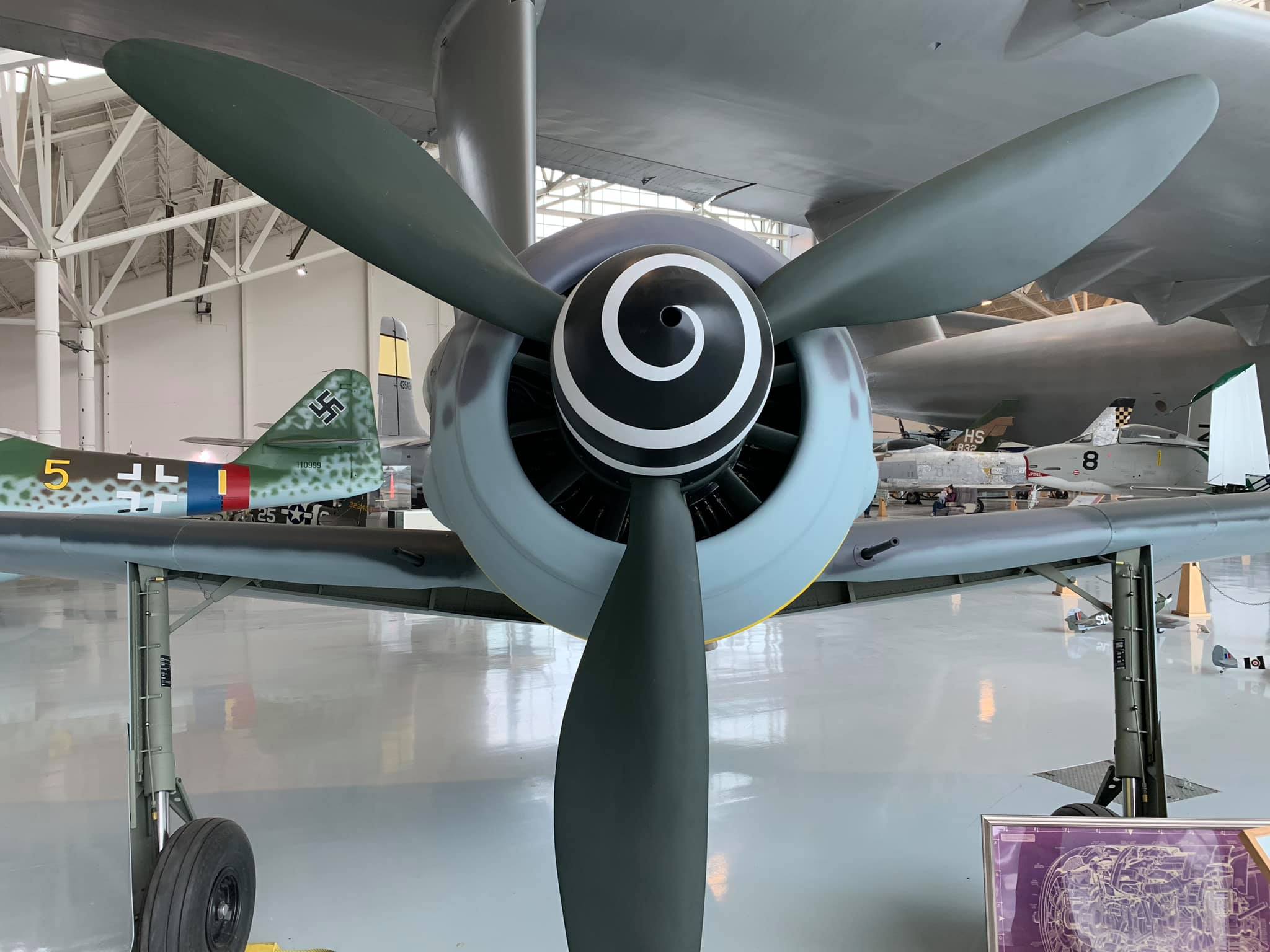
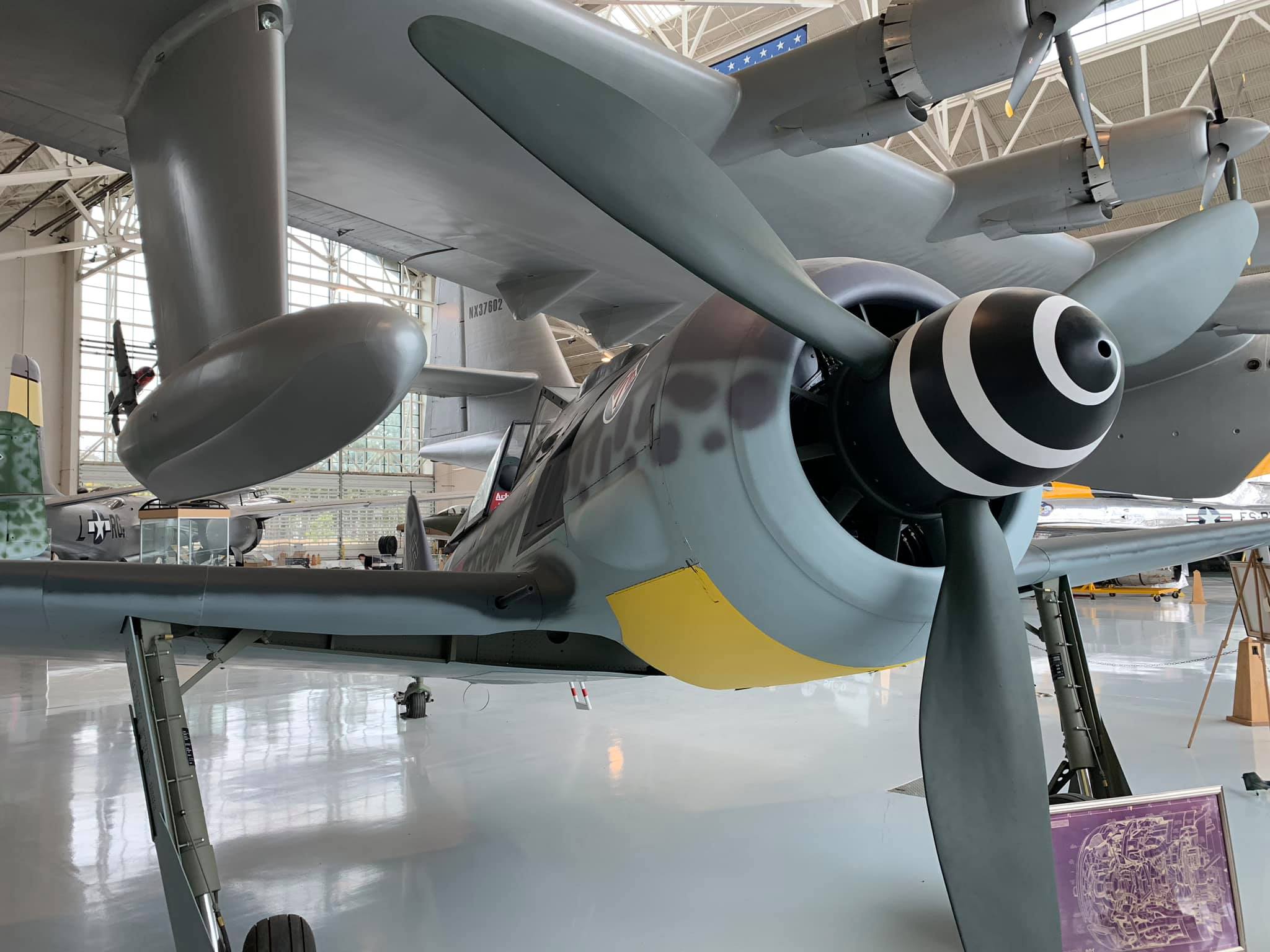
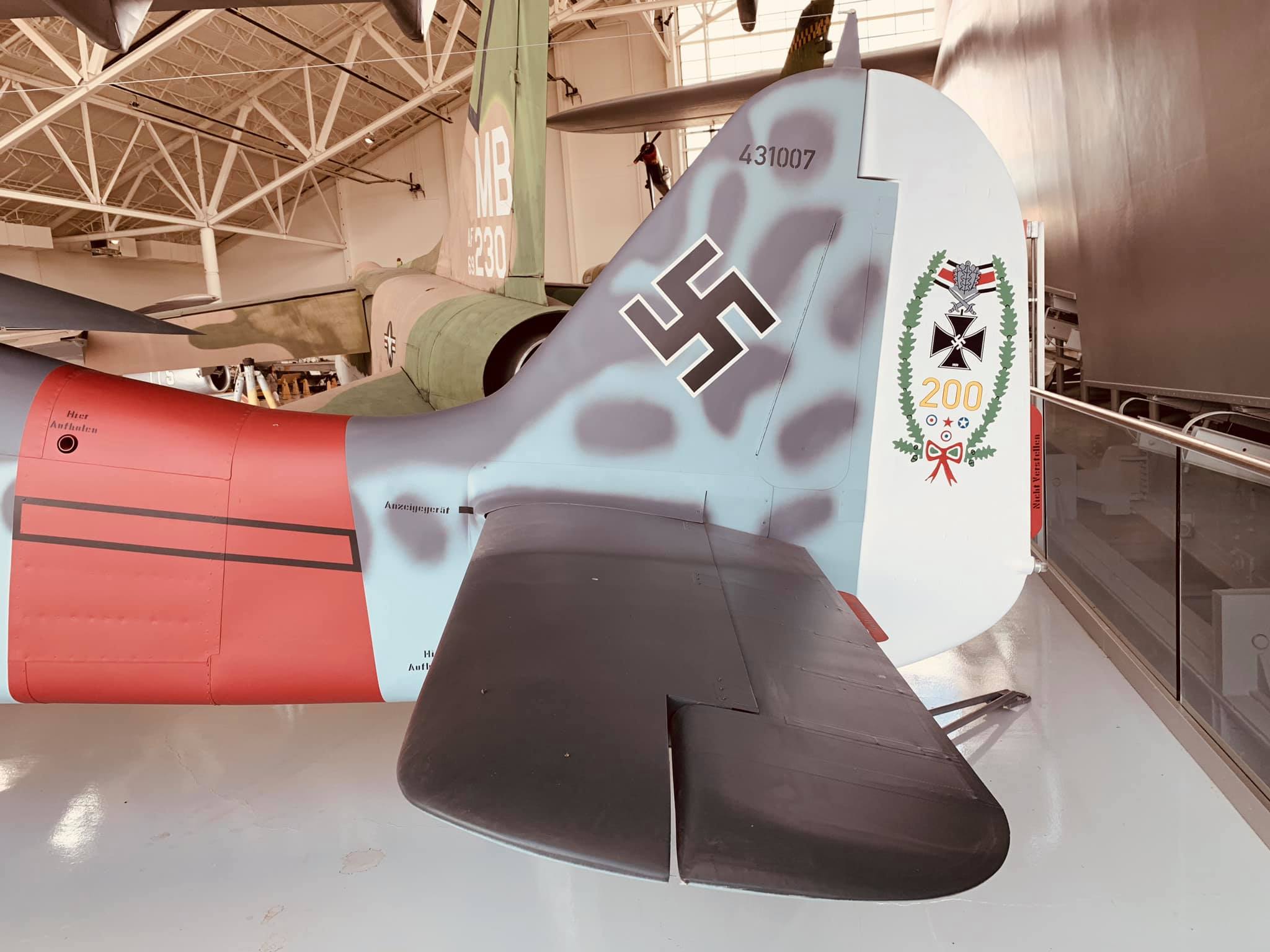
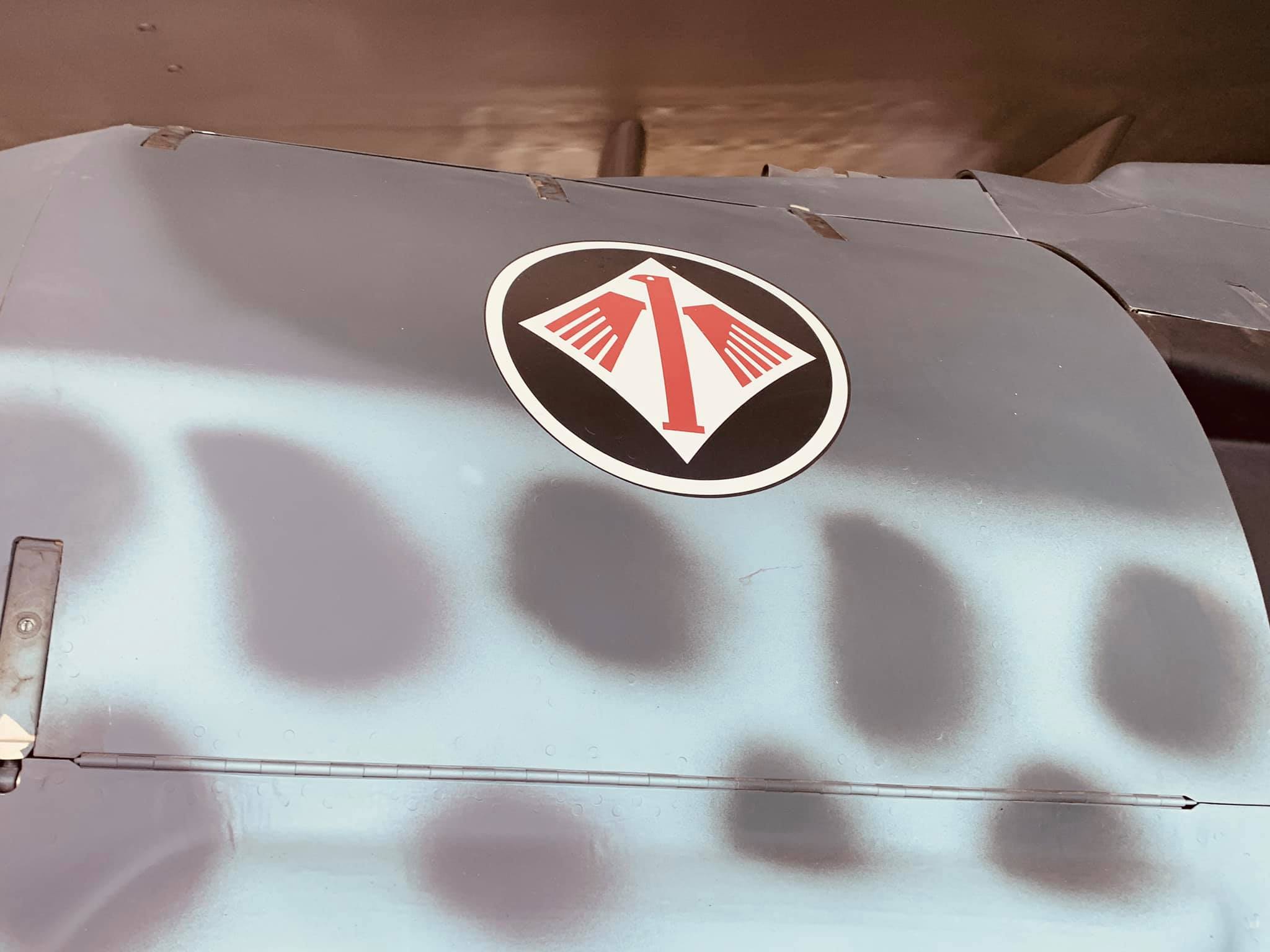
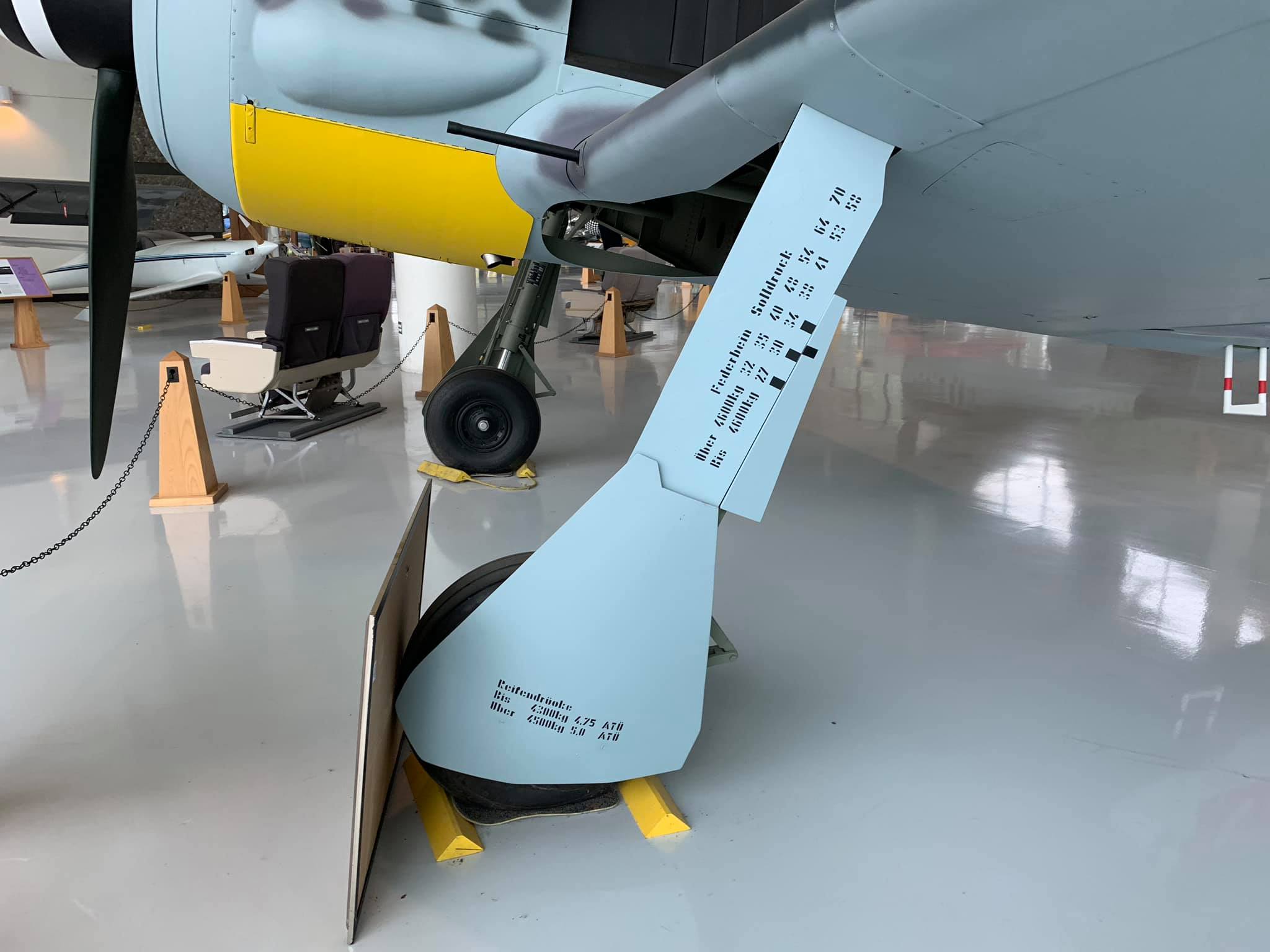
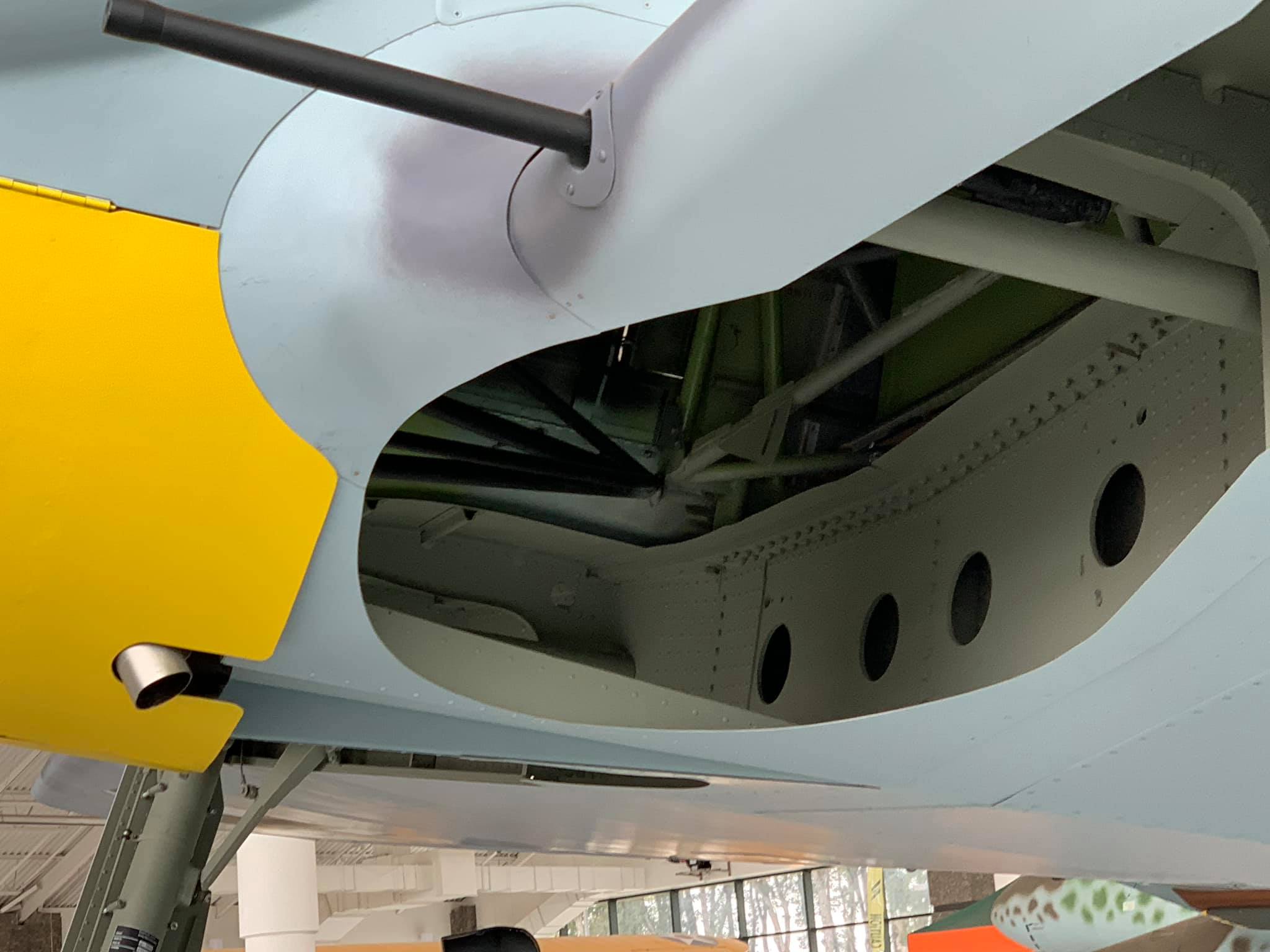
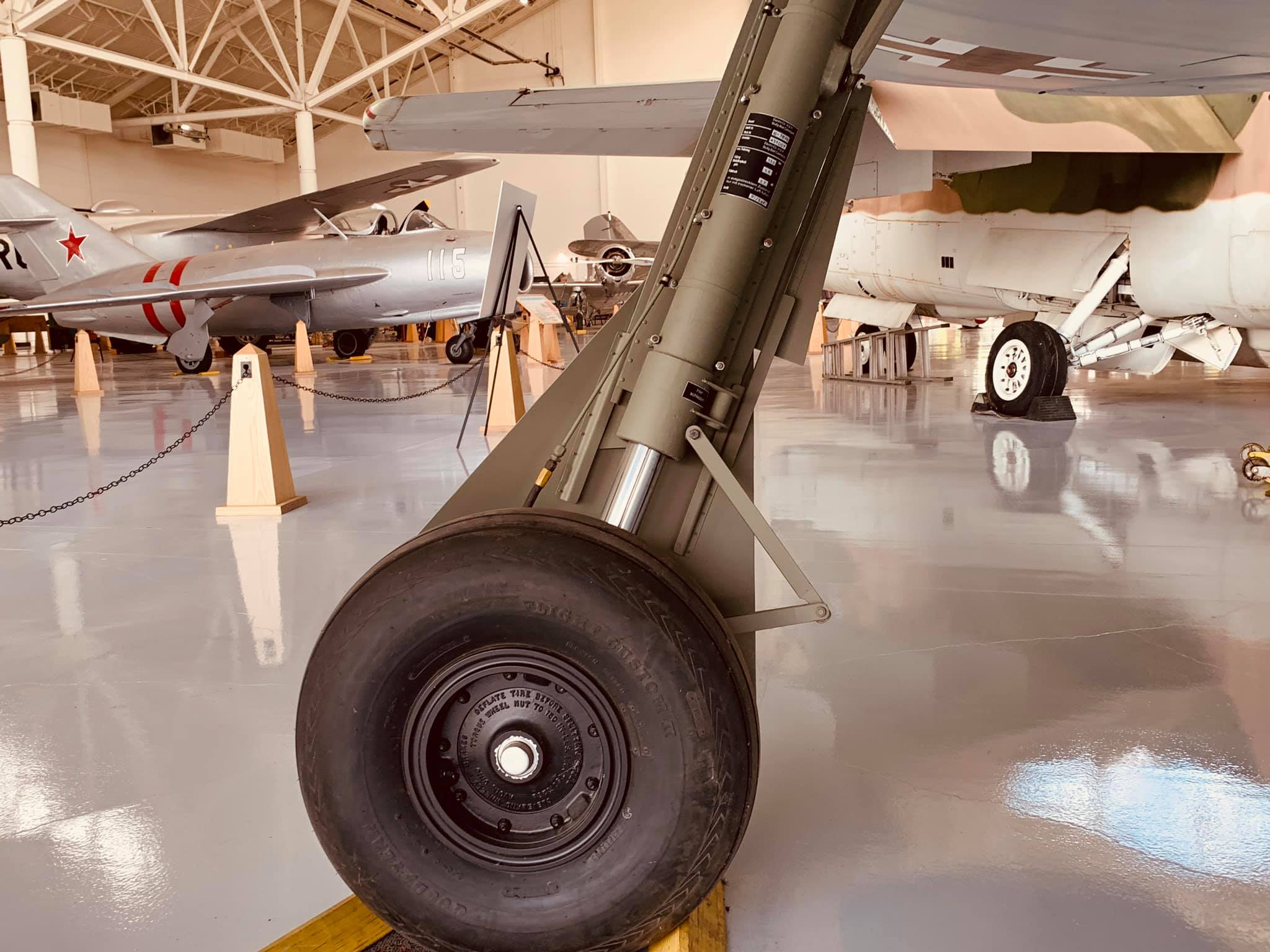
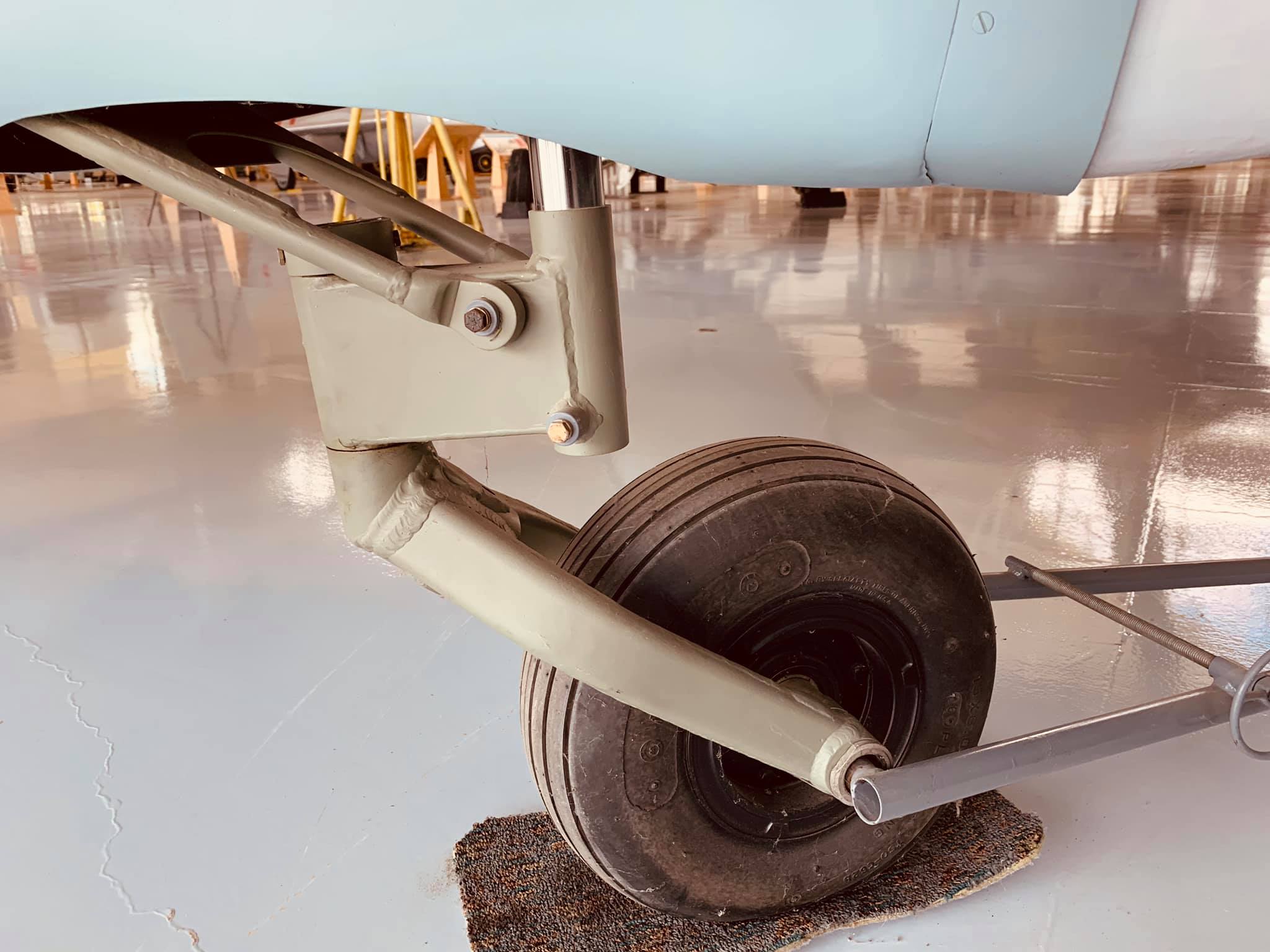
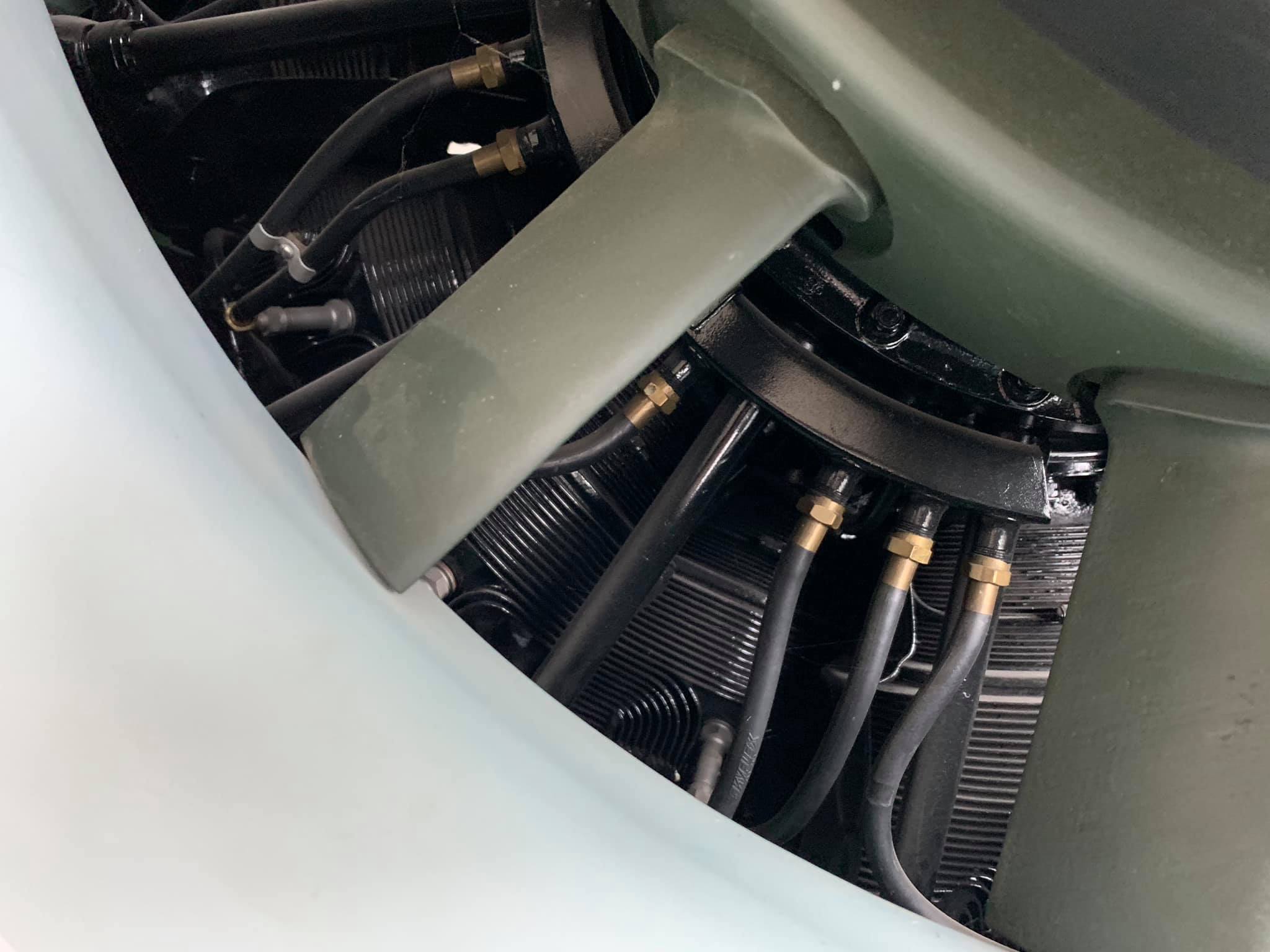

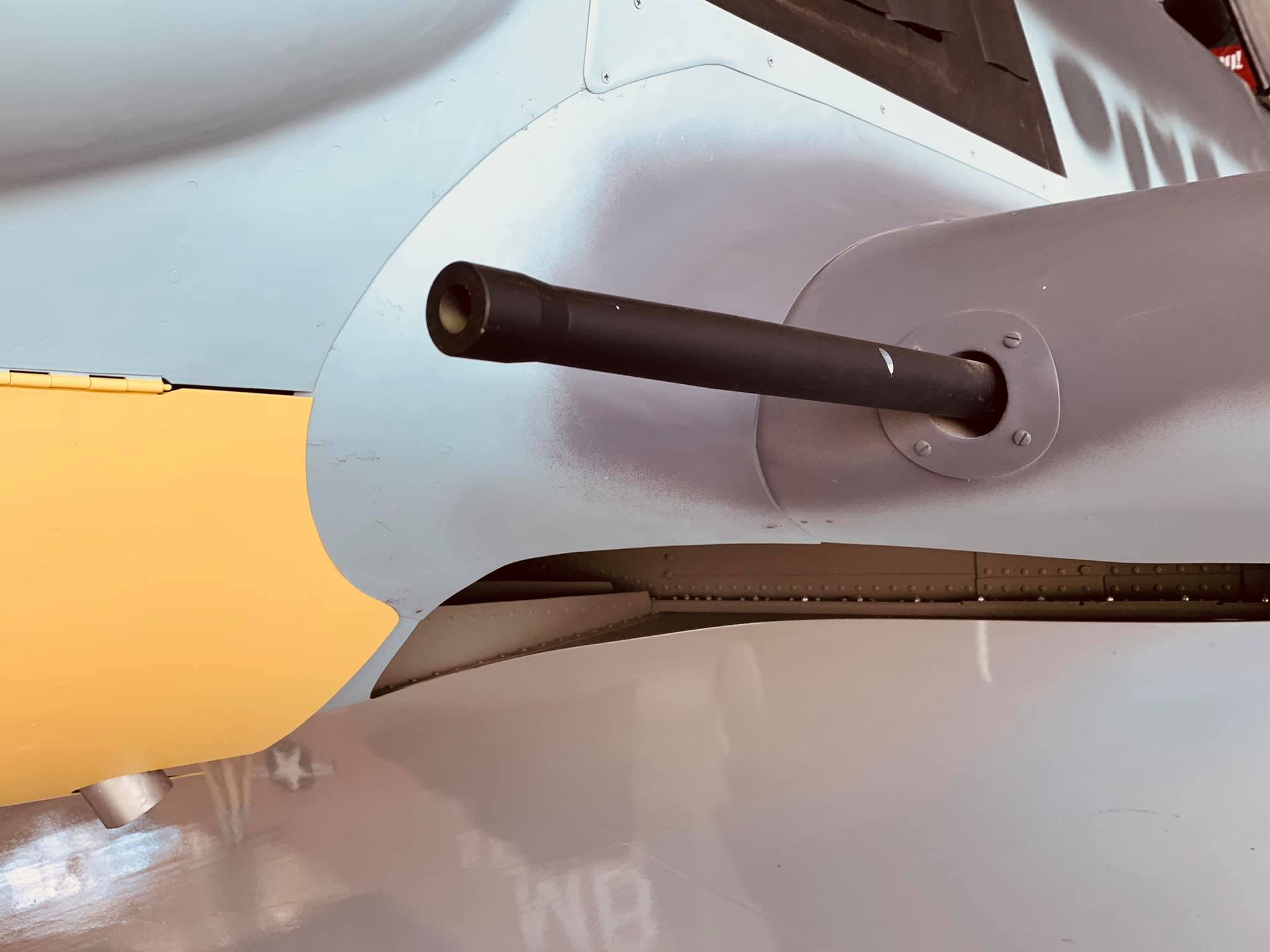
The Fw-190 was fitted with a BMW 801 D radial engine with a set of cooling fins forward of the engine. The engine performance was controlled largely by the Kommandogerät (control device). Armament varied by version, area of deployment and application (fighter, ground attack, etc.) but included Rheinmetall MG 17.7 mm machine guns in the cowling and two Mauser MG 151 20 mm cannons in the wings (removed for bomb racks). There were mechanical landing gear indicator rods (or bayonets) attached to the main landing gear struts and protruding through the top wing surfaces. The tail wheel was retracted by a cable attached to the right landing gear strut and ran to the tail wheel assembly, and there was an access panel on the left side of the tail fin.

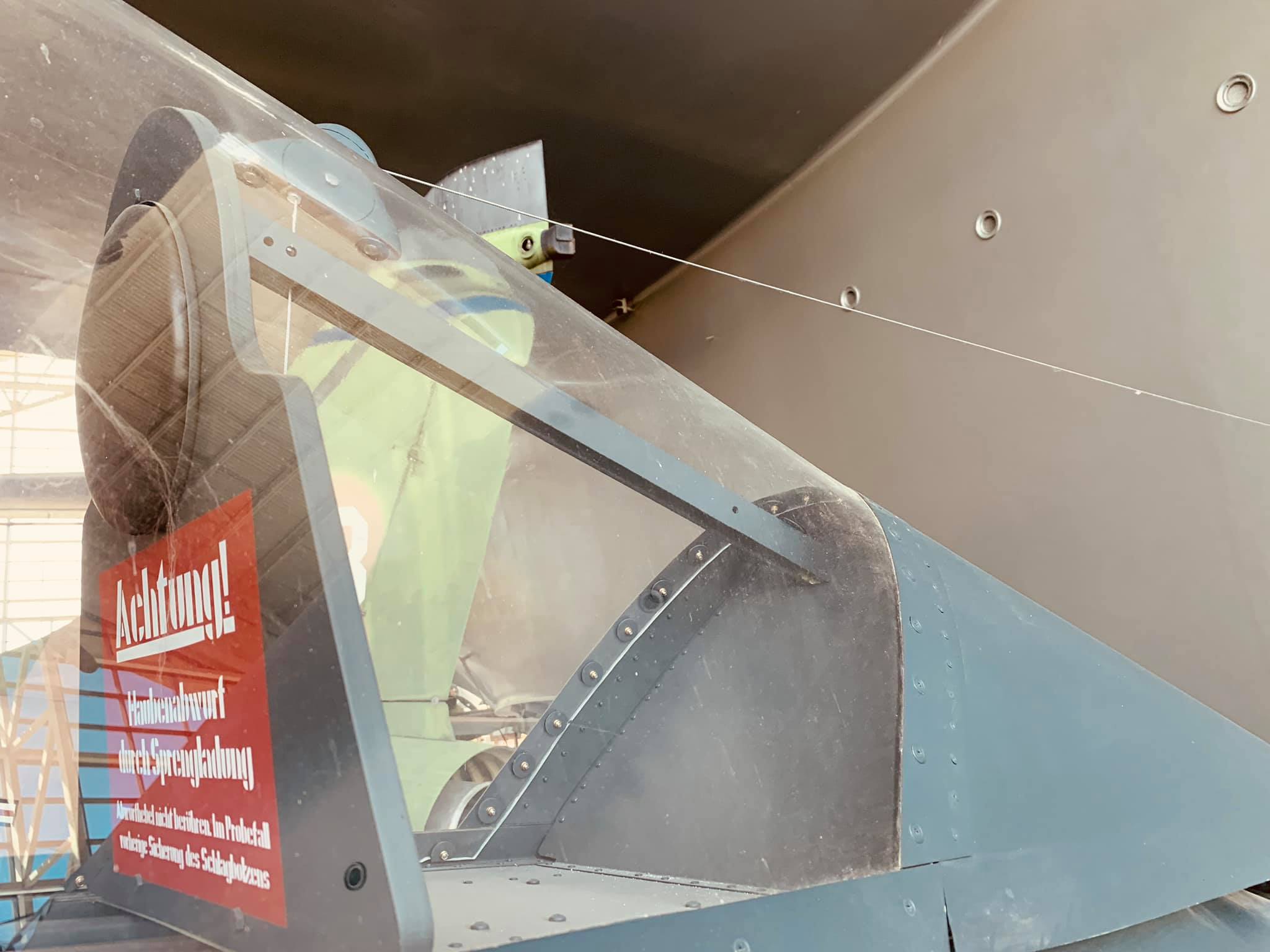
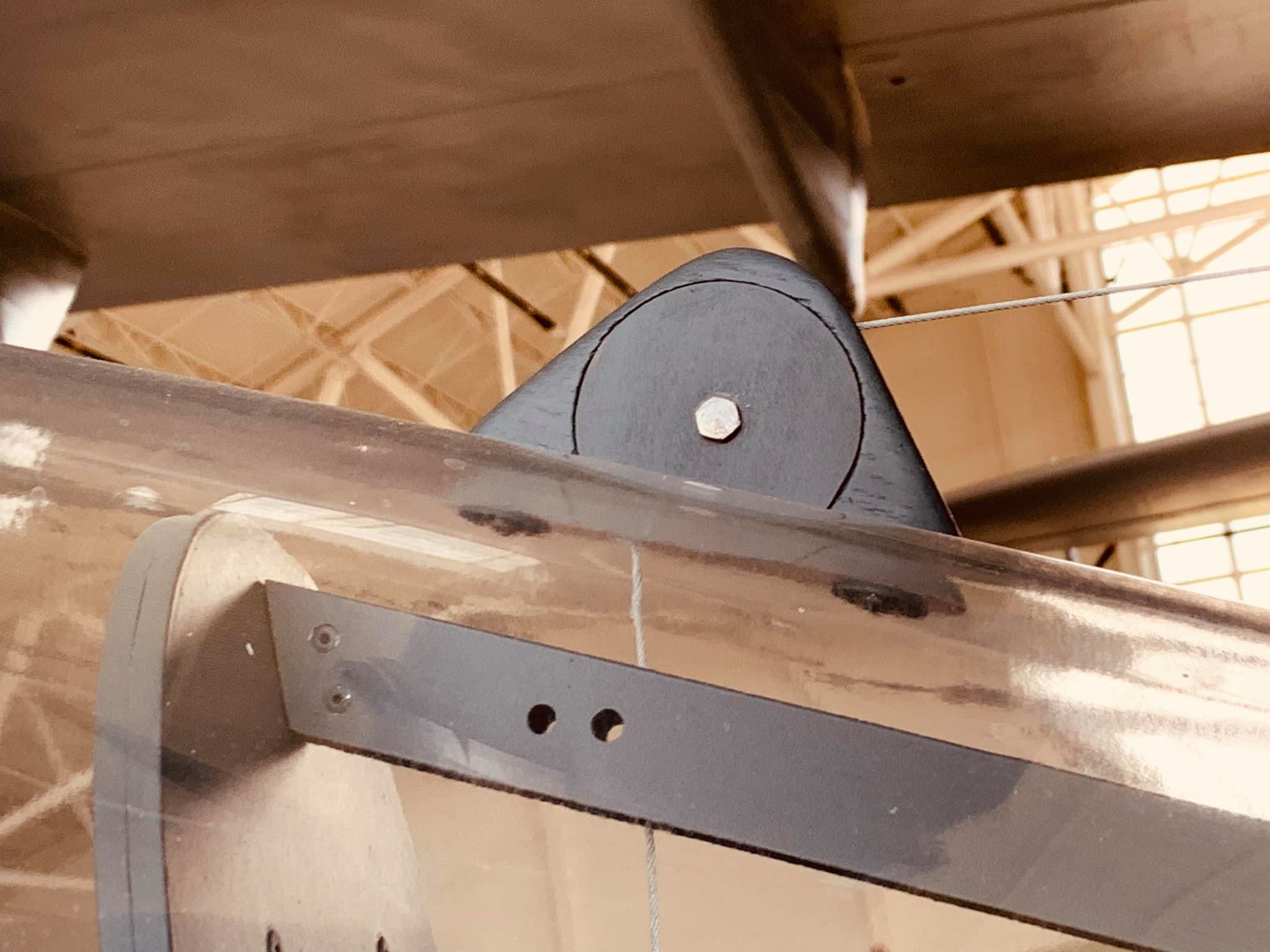
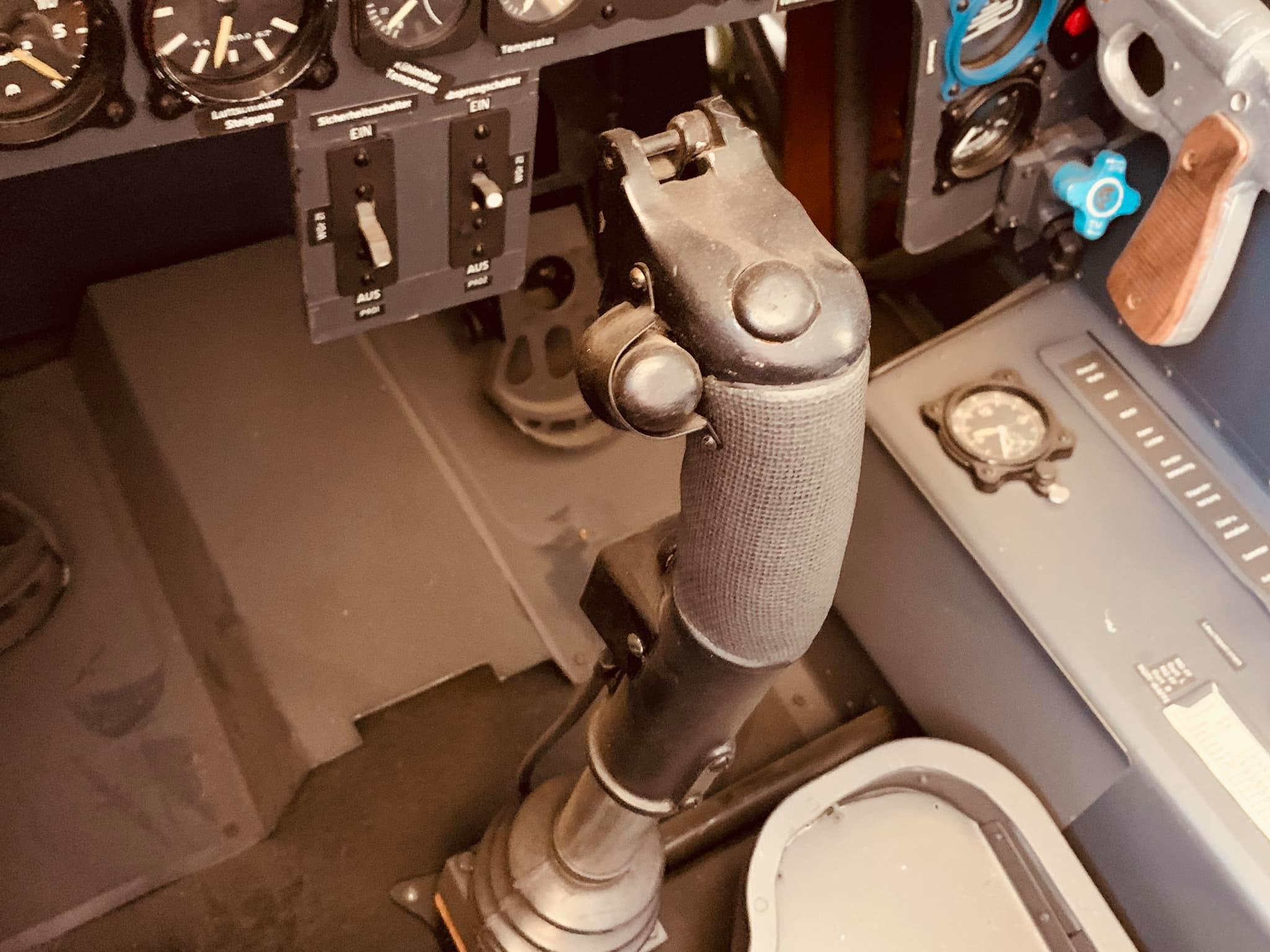
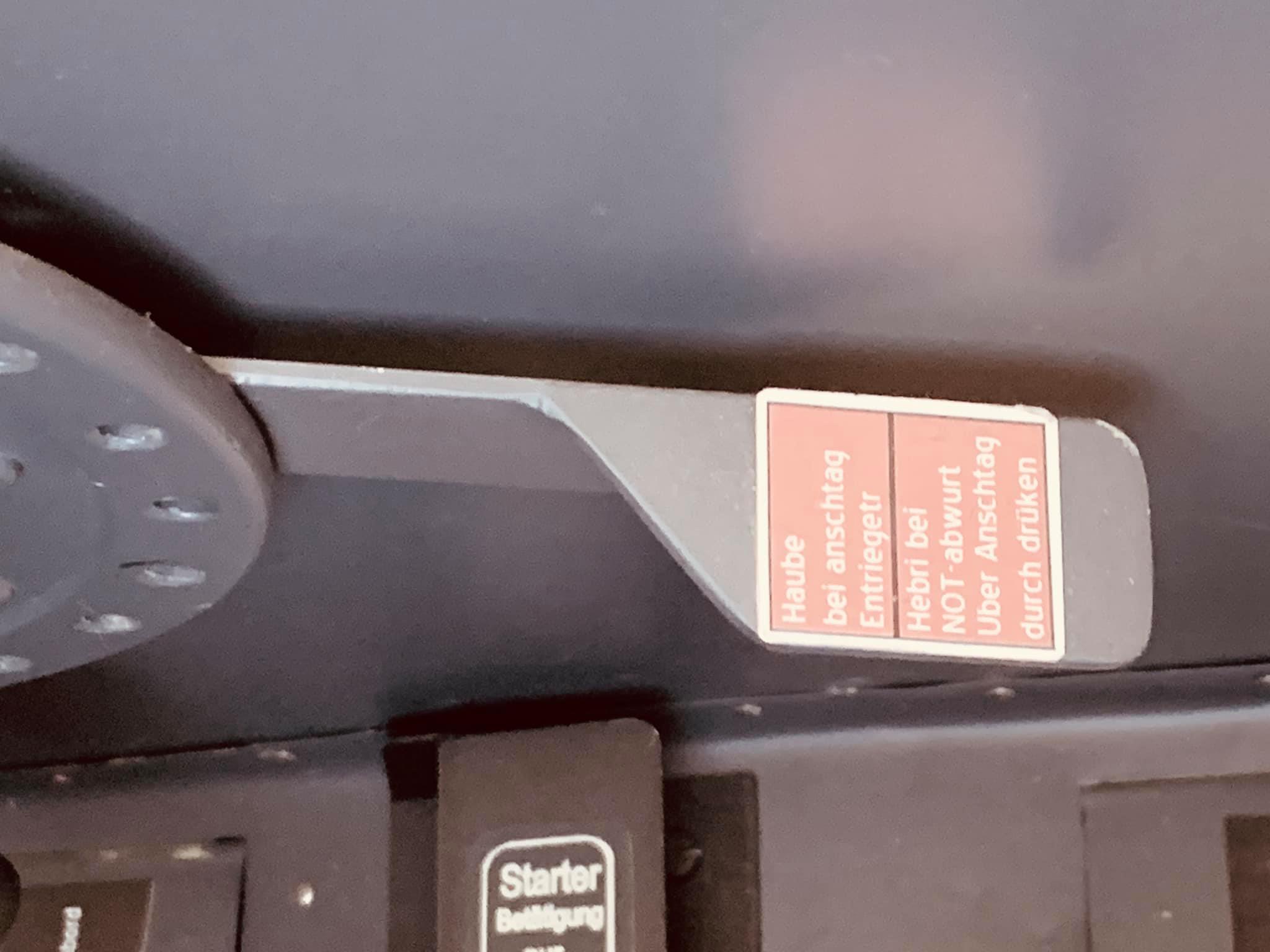
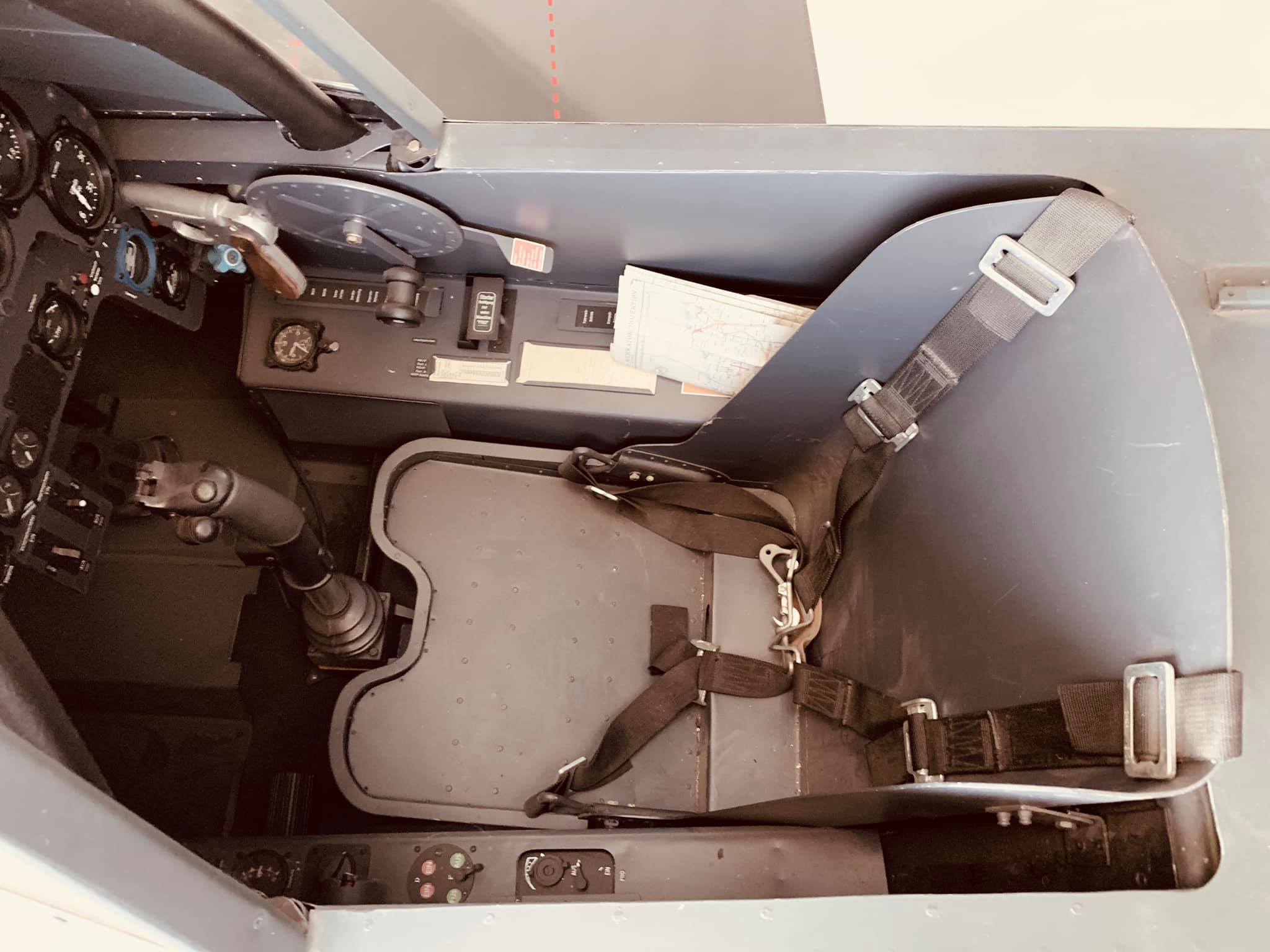
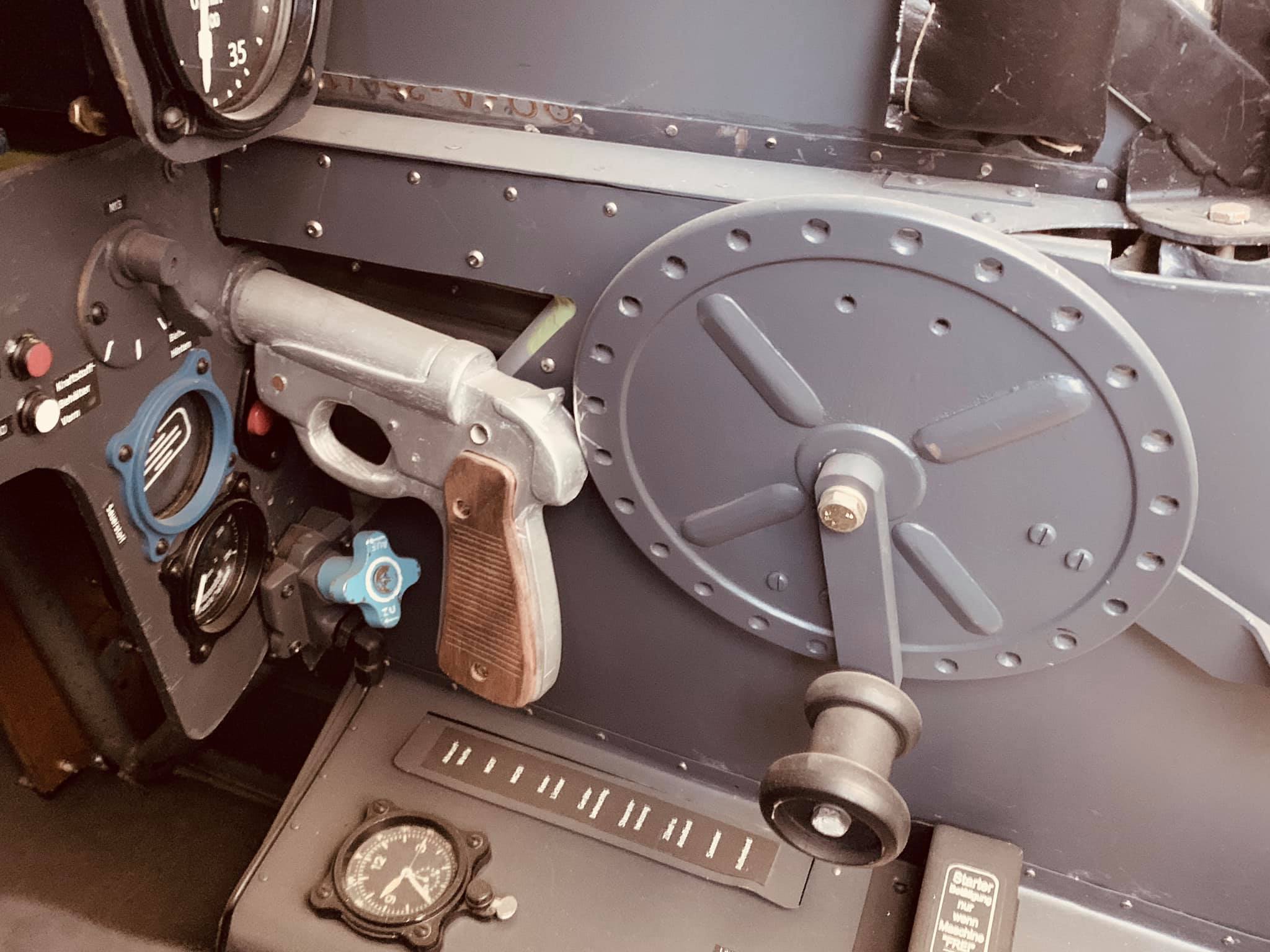
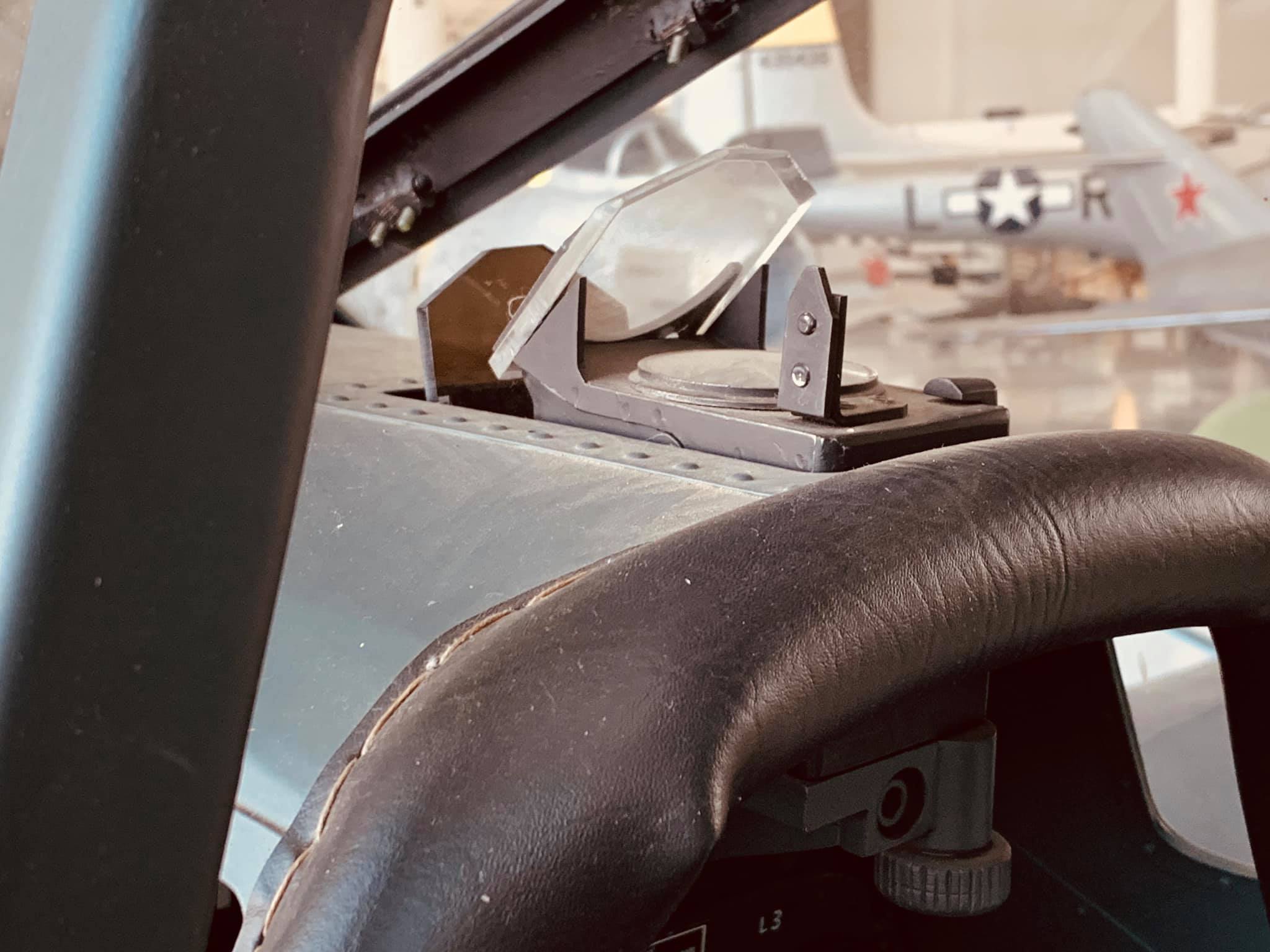
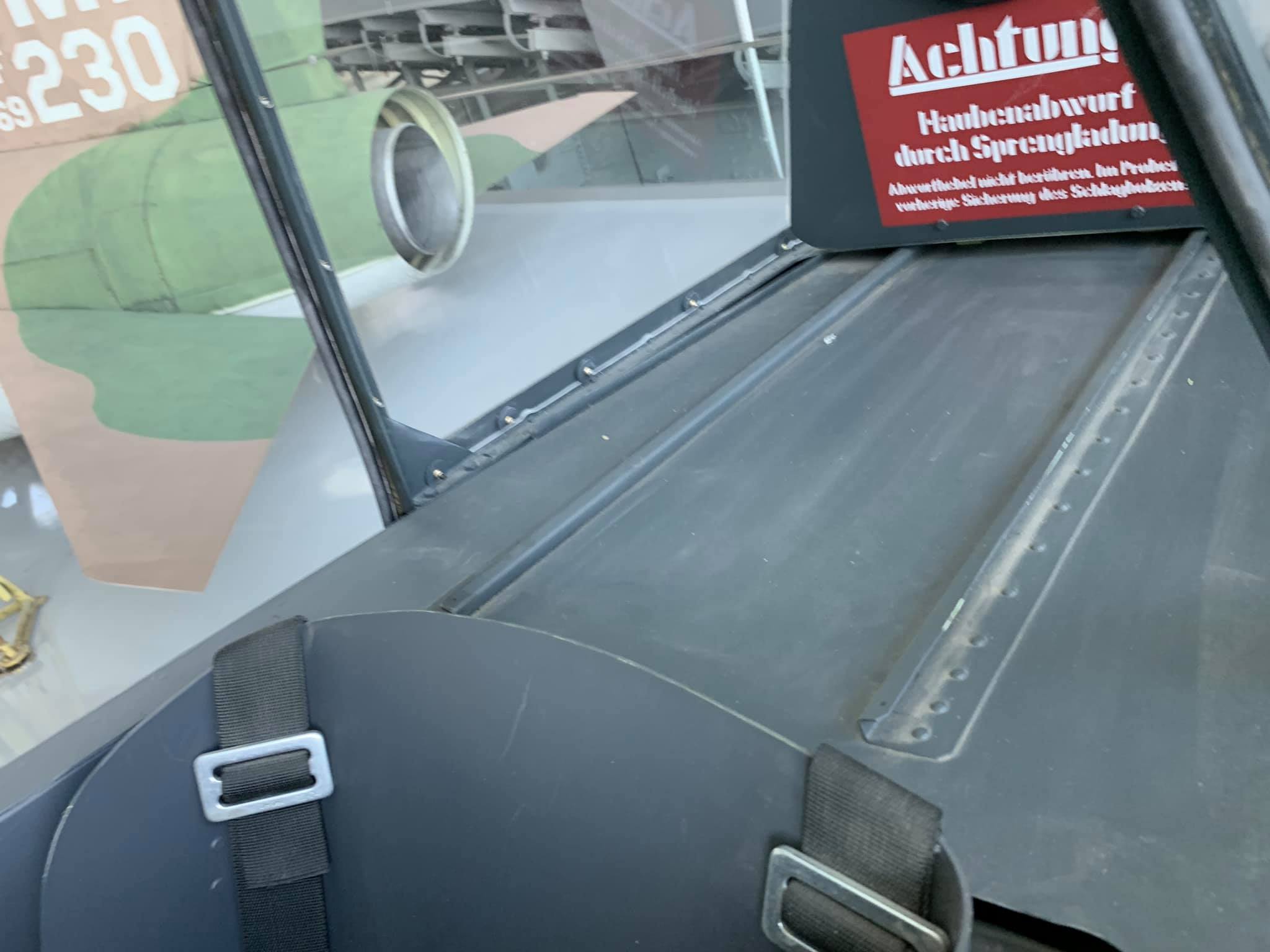
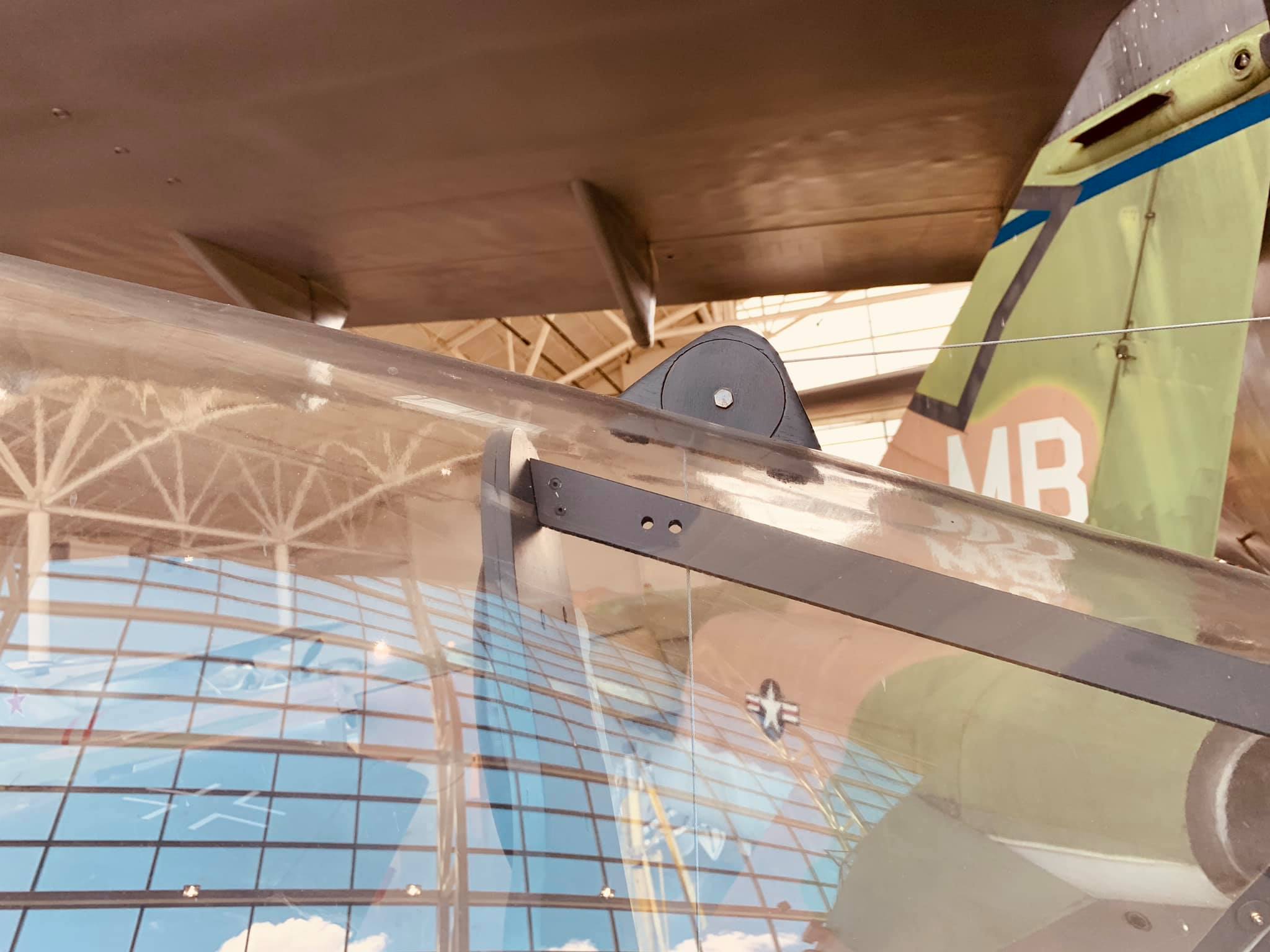
The “Achtung” warning on the armor behind the pilot’s seat reminds ground crews that there is an explosive canopy release; this is due to the difficulty of opening it manually when the aircraft is at speed. The canopy was hinged on top to accommodate the change in width of the cockpit. Until later in WWII, the top of the canopy had an antenna wire pulley to keep the low-frequency wire taut between the tail fin and canopy regardless of the canopy’s position (to my knowledge, it was largely discarded to expedite manufacturing).

Editor’s notes: According to the restoration firm Legend Flyers, construction of this aircraft was originally done as a homebuilt project by a man in Colorado but was never completed by the original owner. The partially completed airframe, made of a mix of aluminum, steel tubing and fiberglass, was sent to Legend Flyers’ hangar at Paine Field, Everett/Mukilteo, Washington and completed as a static display for the Evergreen Aviation and Space Museum (now the North American Aerospace Museum) in January 2012.

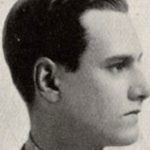
 About the author: Randy Malmstrom grew up in a family steeped in aviation culture. His father, Bob, was still a cadet in training with the USAAF at the end of WWII but did serve in Germany during the U.S. occupation in the immediate post-war period, where he had the opportunity to fly in a wide variety of types that flew in WWII. After returning to the States, Bob became a multi-engine aircraft sales manager and, as such, flew a wide variety of aircraft; Randy frequently accompanied him on these flights. Furthermore, Randy’s cousin, Einar Axel Malmstrom, flew P-47 Thunderbolts with the 356th FG from RAF Martlesham Heath. He was commanding this unit at the time he was shot down over France on April 24th, 1944, and spent the rest of the war as a prisoner of war. Following his repatriation at war’s end, Einar continued his military service, attaining the rank of Colonel. He was serving as Deputy Wing Commander of the 407th Strategic Fighter Wing at Great Falls AFB, MT, at the time of his death in a T-33 training accident on August 21, 1954. The base was renamed in his honor in October 1955 and continues to serve in the present USAF as home to the 341st Missile Wing. Randy’s innate interest in history in general, and aviation history in particular, plus his educational background and passion for WWII warbirds, led him down his current path of capturing detailed aircraft walk-around photos and in-depth airframe histories, recording a precise description of a particular aircraft in all aspects.