
By Randy Malmstrom
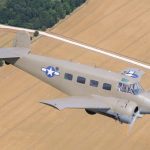
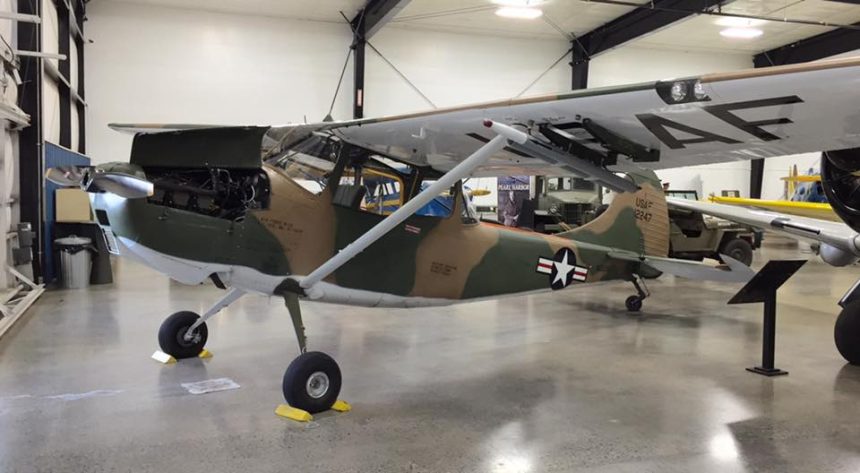
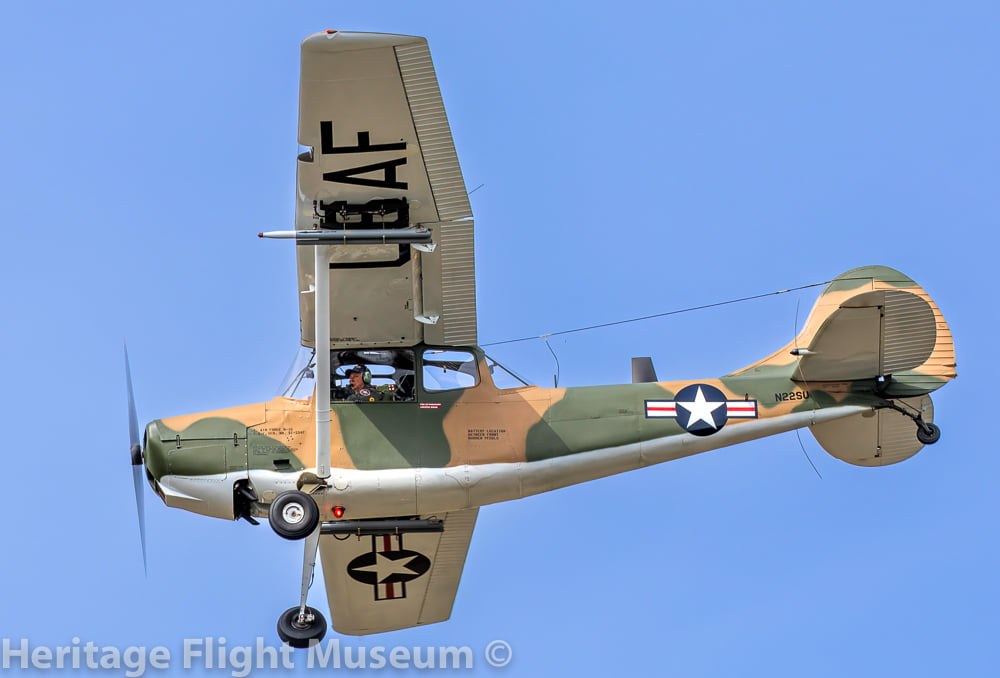
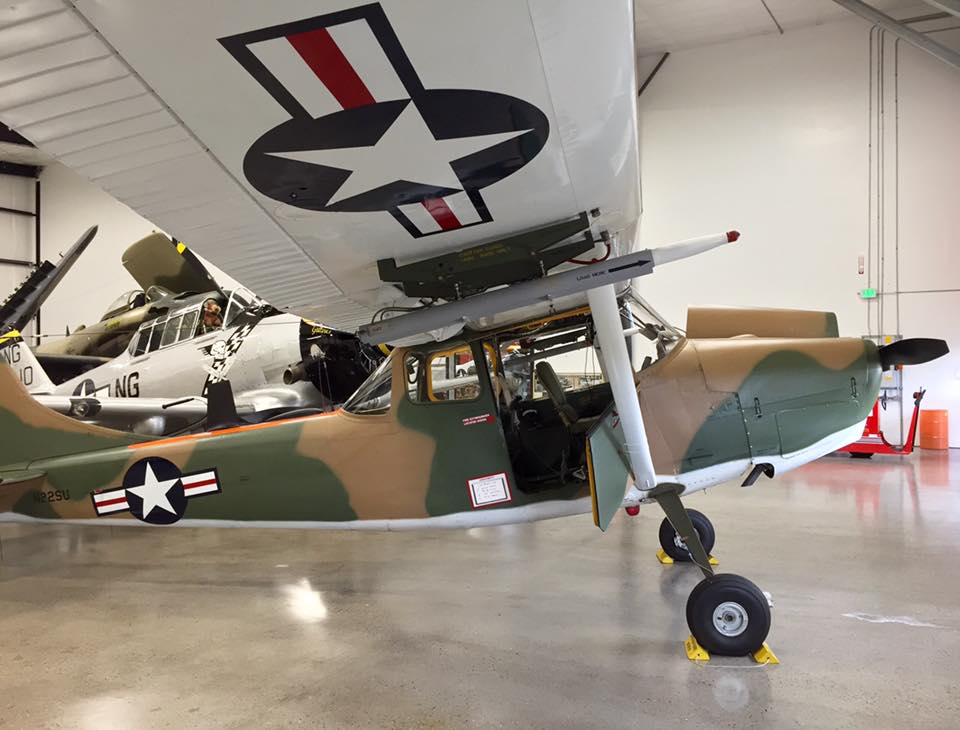
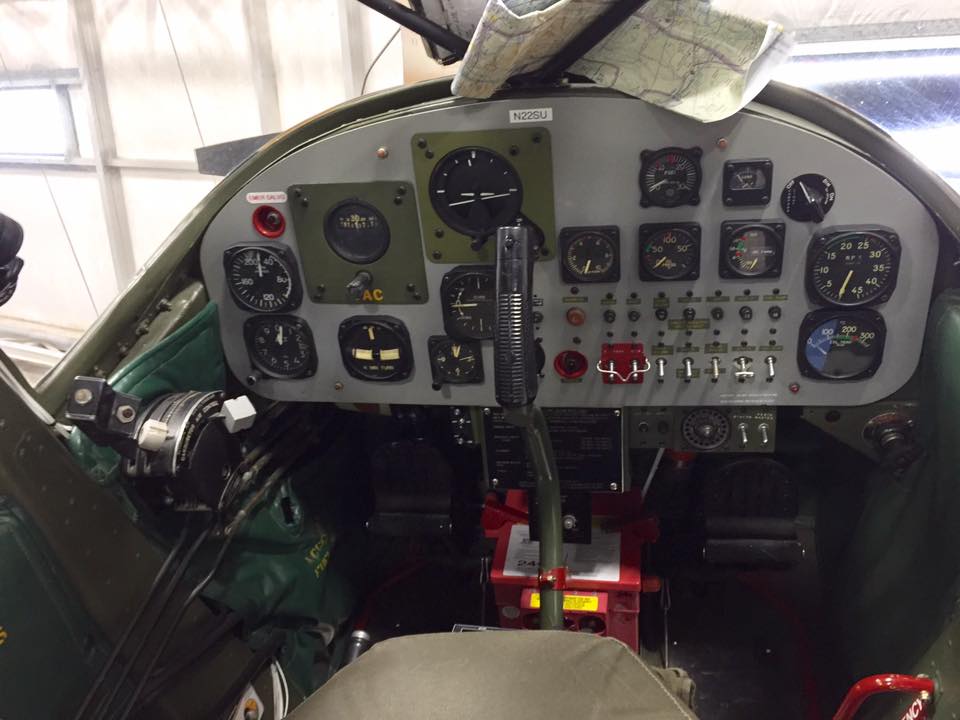
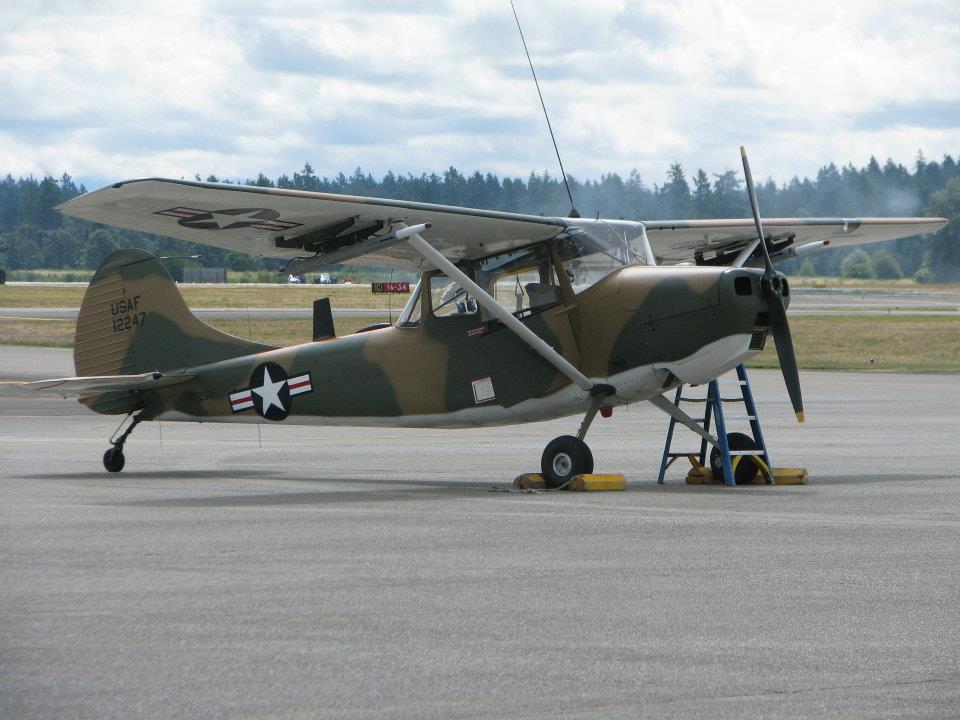
Cessna O-1A (L-19A) Bird Dog, s/n 51-2247, N22SU. Based on the serial number stenciled on this particular aircraft, it was built in 1951, but I do not have its specific flight history. It was purchased by Heritage Flight Museum in February of 2005 and is painted as an O-1G. It was designated by the U.S. FAA as a “Cessna-Macone 305A” (“Macone” referring to John Macone, who had rebuilt the aircraft and used it as a glider tow for Sugarbush Soaring). According to Macone, three combat veteran 305 aircraft had been acquired at auction to be rebuilt as glider tow aircraft (not uncommon for the aircraft type). Parts were scavenged, and bullet holes were patched from all three to create two aircraft. One of the firewalls had the 1953 inscription “Well Done, Korea,” and below that there was a date and a Vietnam location. A slug was removed from the right aileron of one of the aircraft. My photos at Heritage Flight Museum at Skagit Regional Airport in Burlington, Washington (north of Seattle).
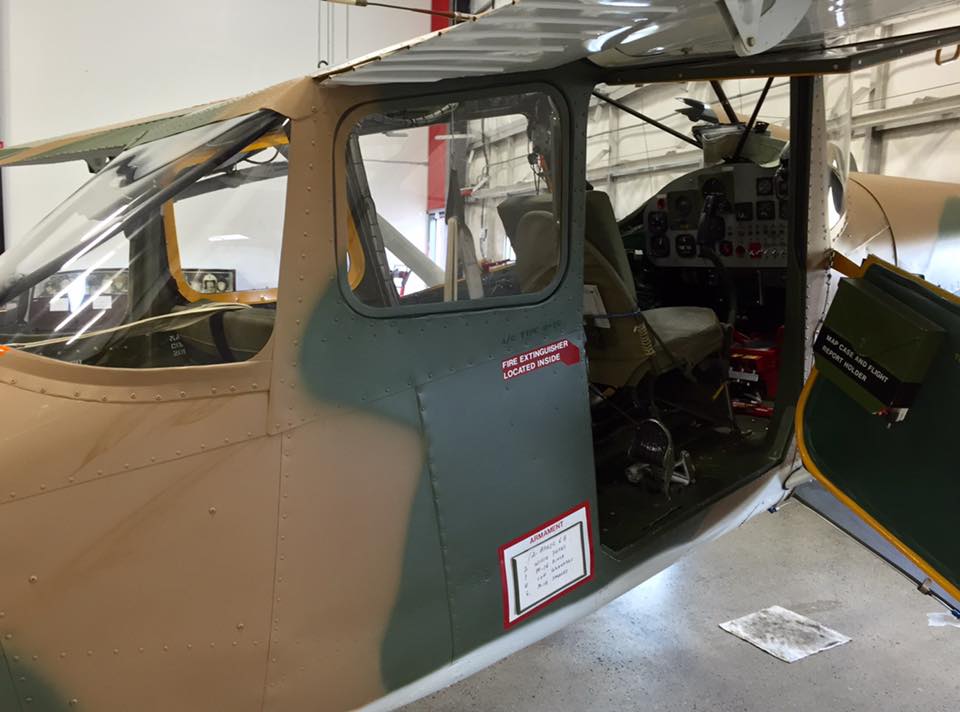
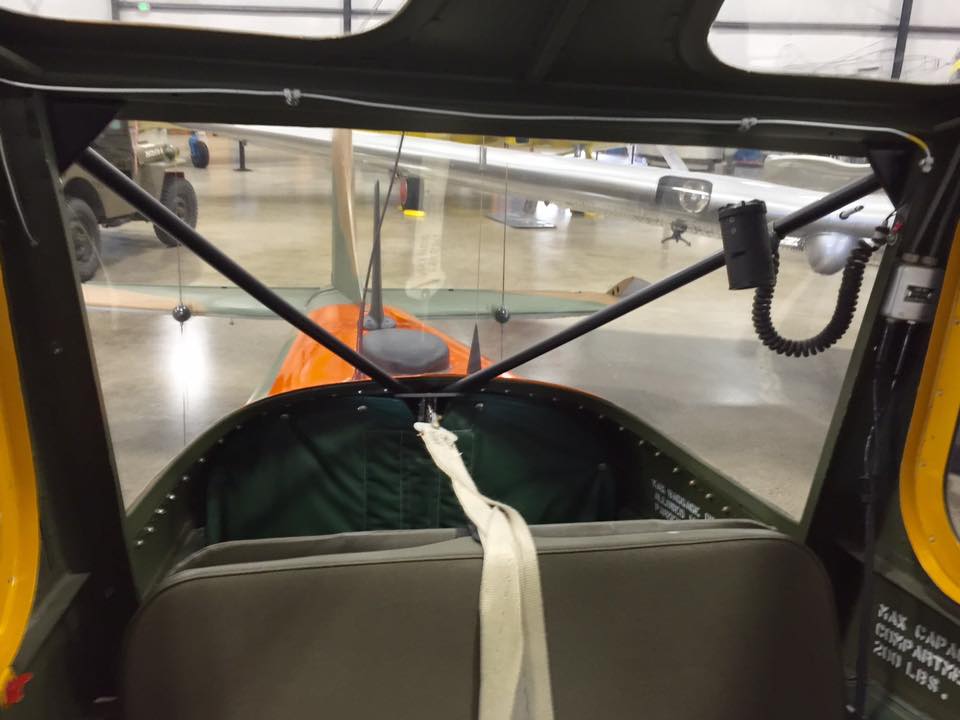
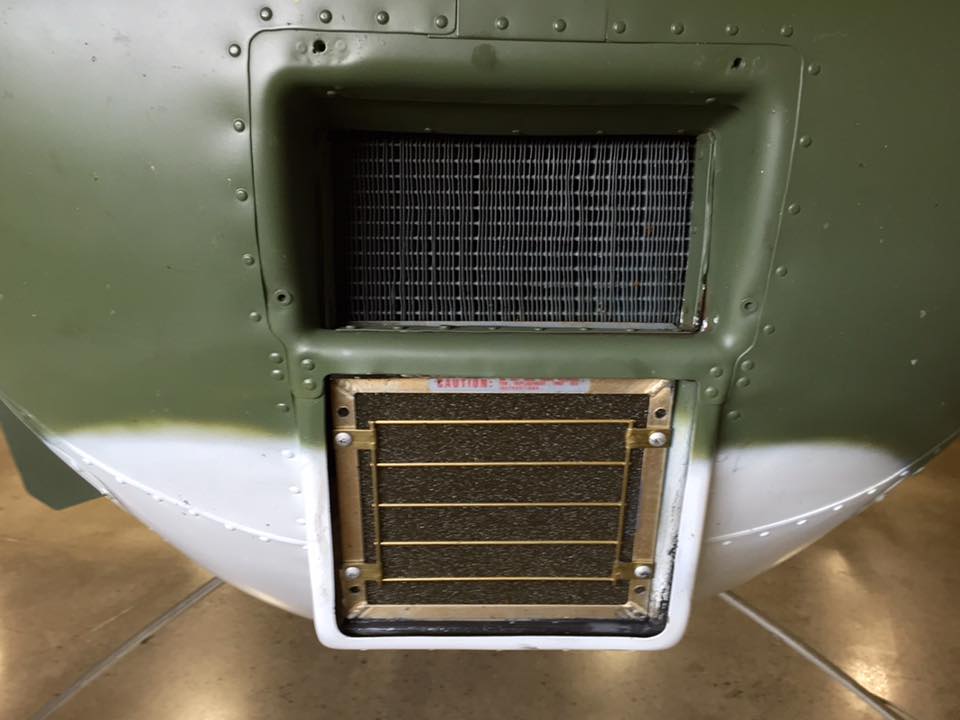
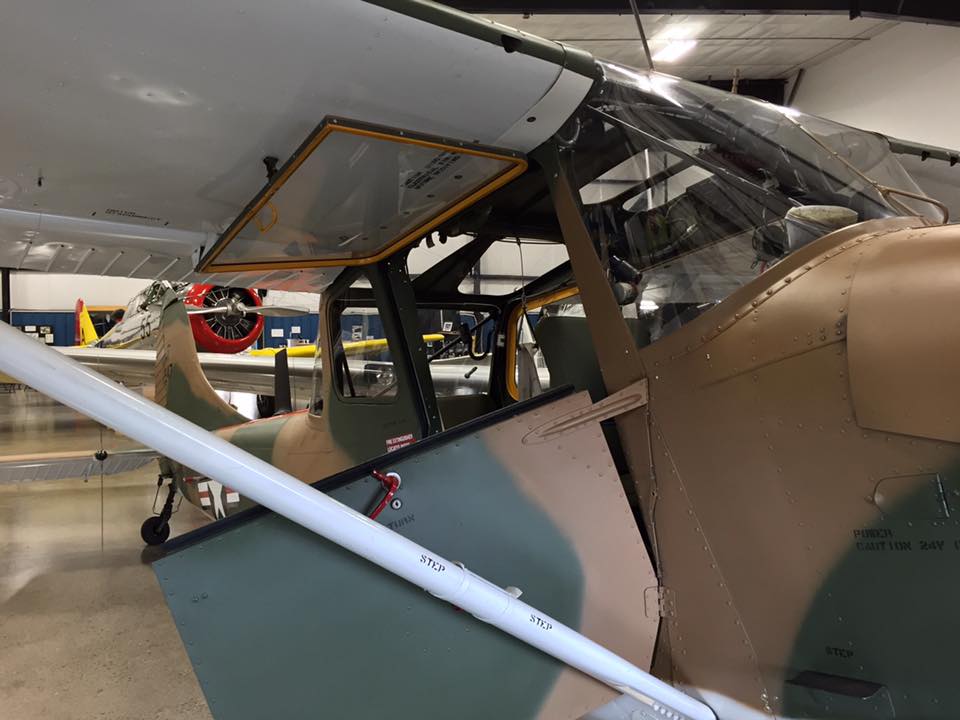
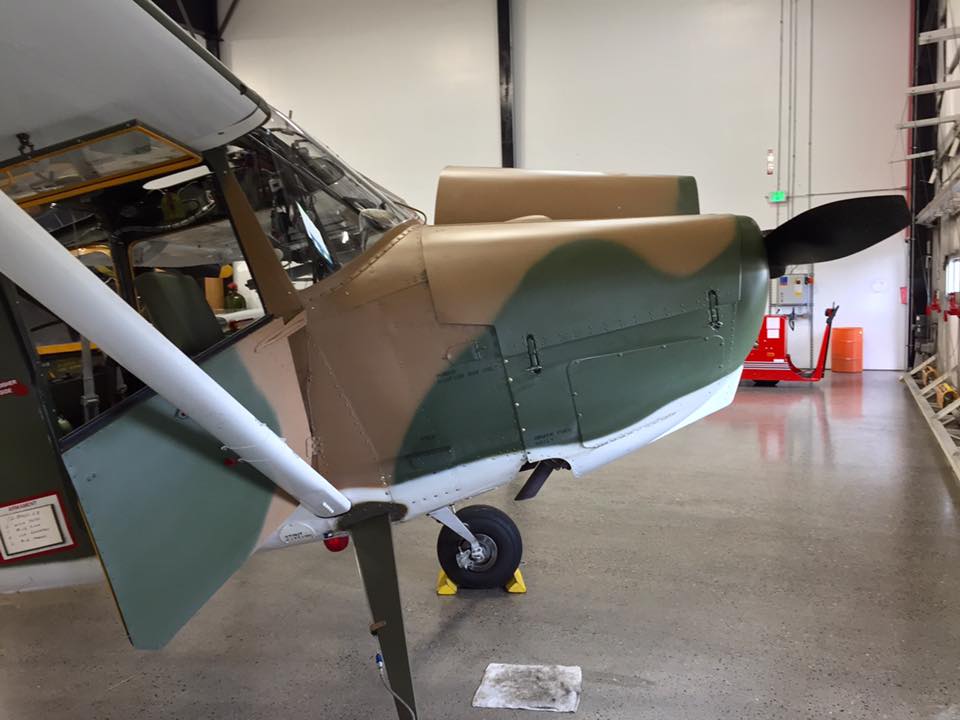
Following WWII, the U.S. Army put in an order for a new, all-aluminum, two-seat observation/liaison aircraft. On May 29, 1950, Cessna Aircraft Company was awarded the initial contract for 418 aircraft with its Model 305A (based on the Cessna 170), and the L-19 (liaison) became the first all-metal, fixed-wing aircraft ordered by and for the U.S. Army following the separation of the U.S. Army Air Forces from the U.S. Army in 1947. The L-19 received the nickname “Bird Dog” as a result of a contest held with Cessna employees. The winning entry was submitted by Jack A. Swayze, an industrial photographer who worked for Cessna for nearly 40 years before his retirement. In September 1951, he was proclaimed the winner and awarded $200 and a one-week paid vacation; a Cessna pilot flew him and his wife Alice in a Cessna 195 from the Wichita plant to Chicago and back to visit family and friends. The name was chosen because of the aircraft’s designated role to seek and find the enemy and remain overhead until artillery (or attack aircraft) could be brought in against the enemy, somewhat reminiscent of a gun dog (bird dog) used by game hunters. The crew would then observe the exploding rounds and call in adjustments to the fire by radio to artillery units or aircraft.
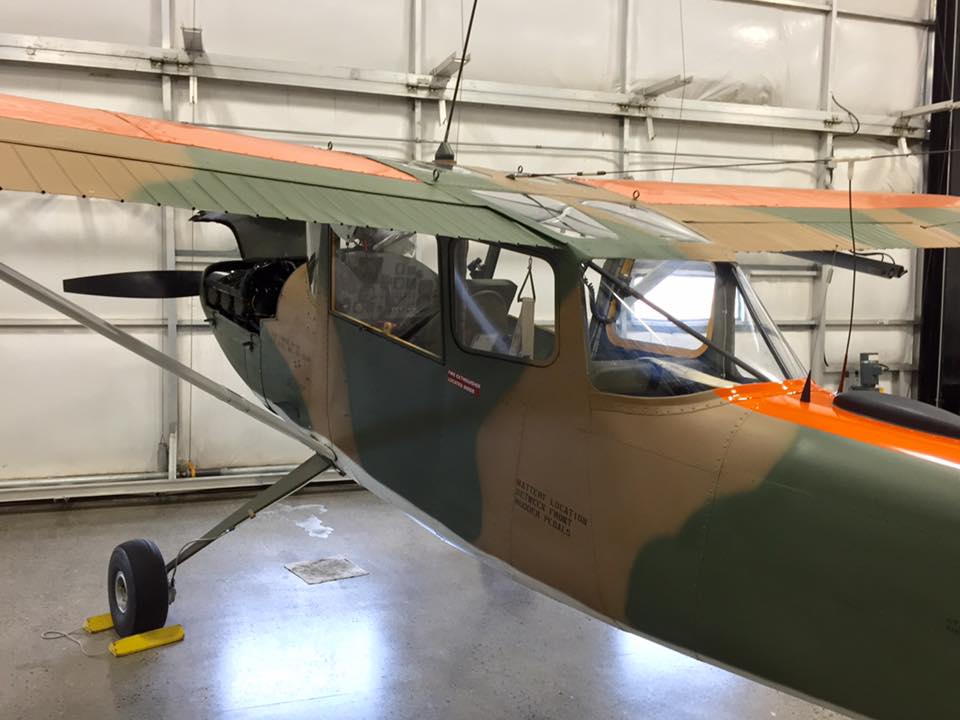
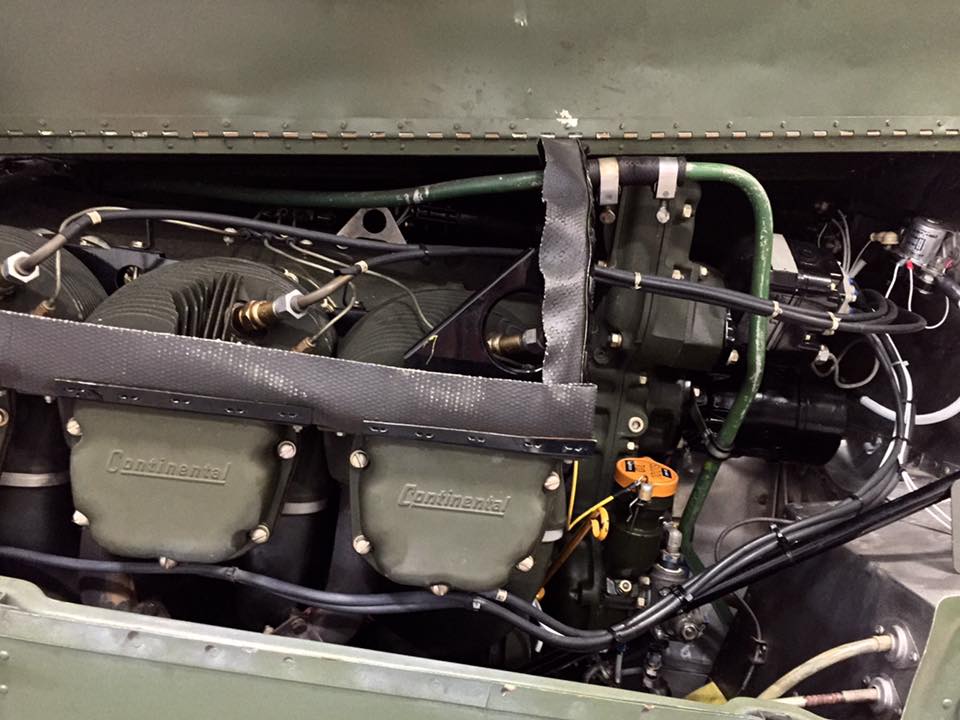
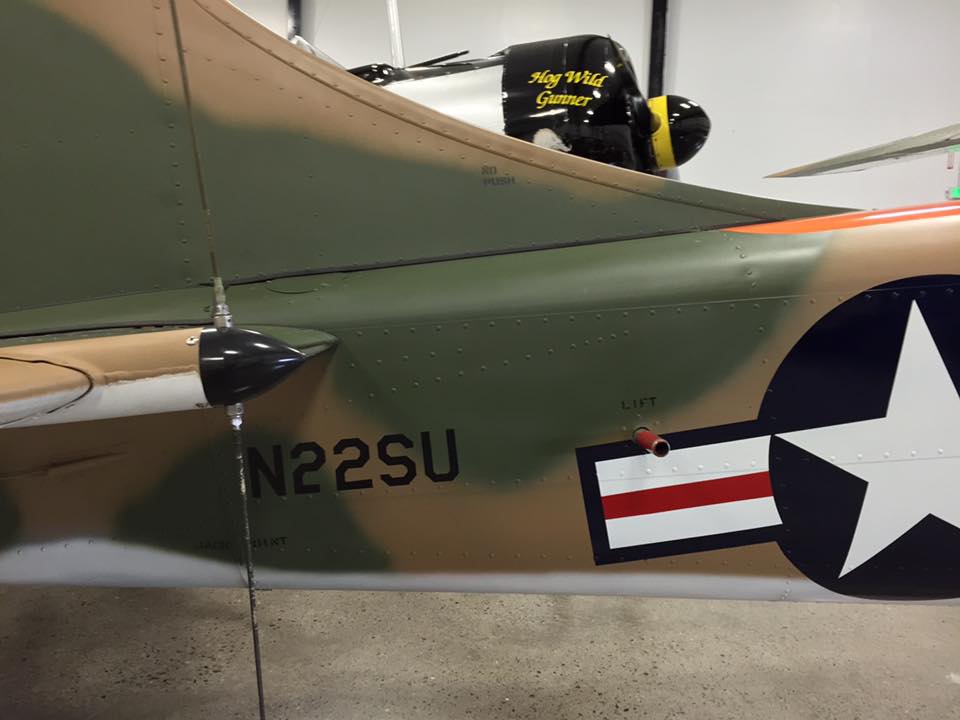
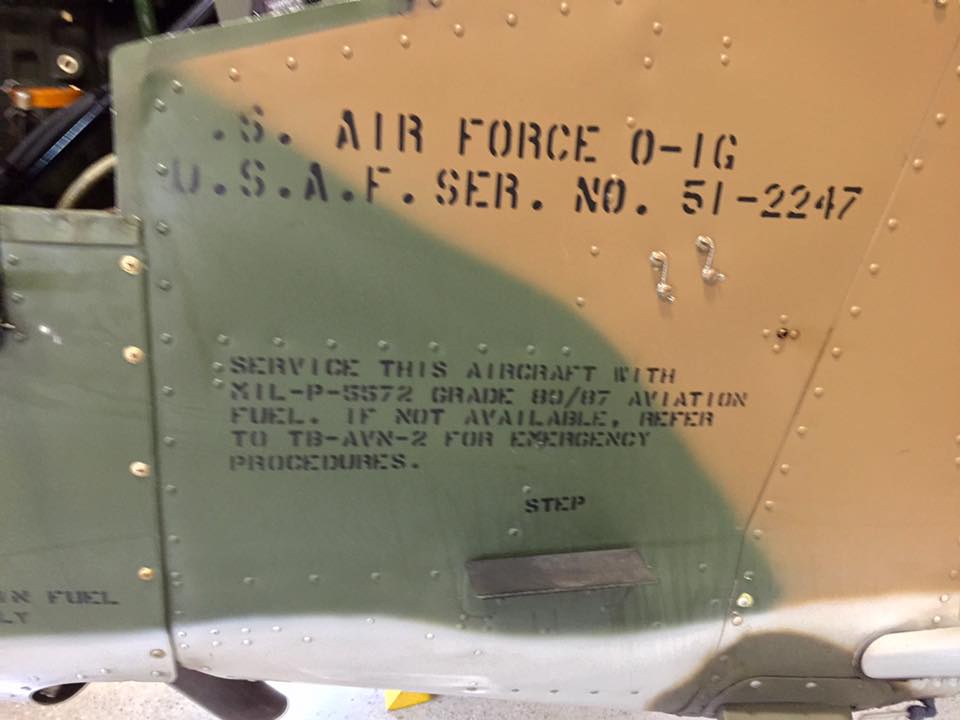
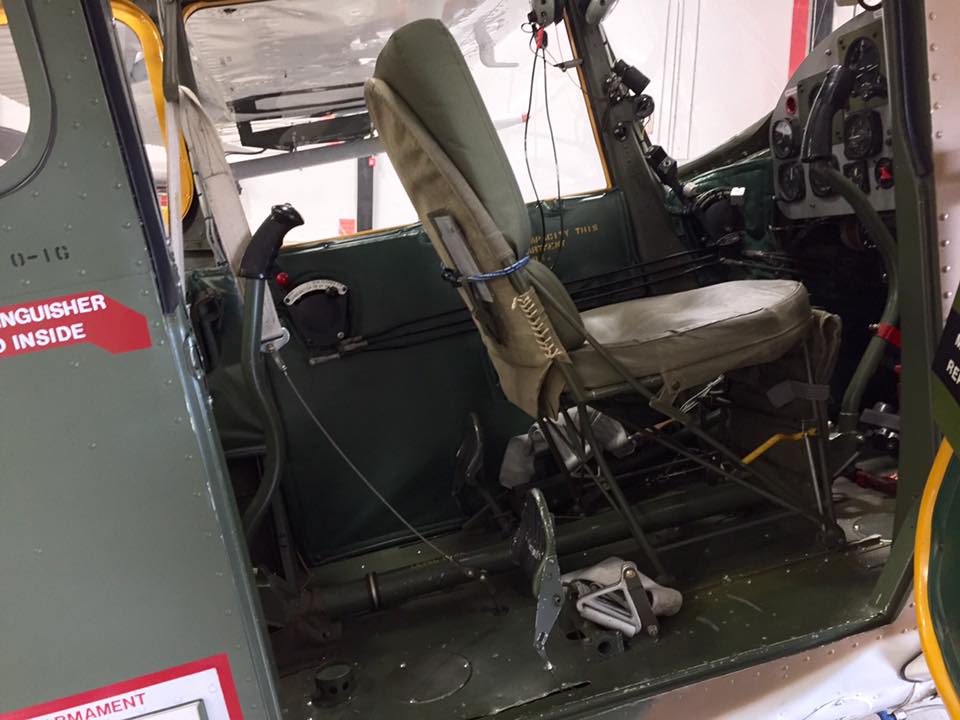
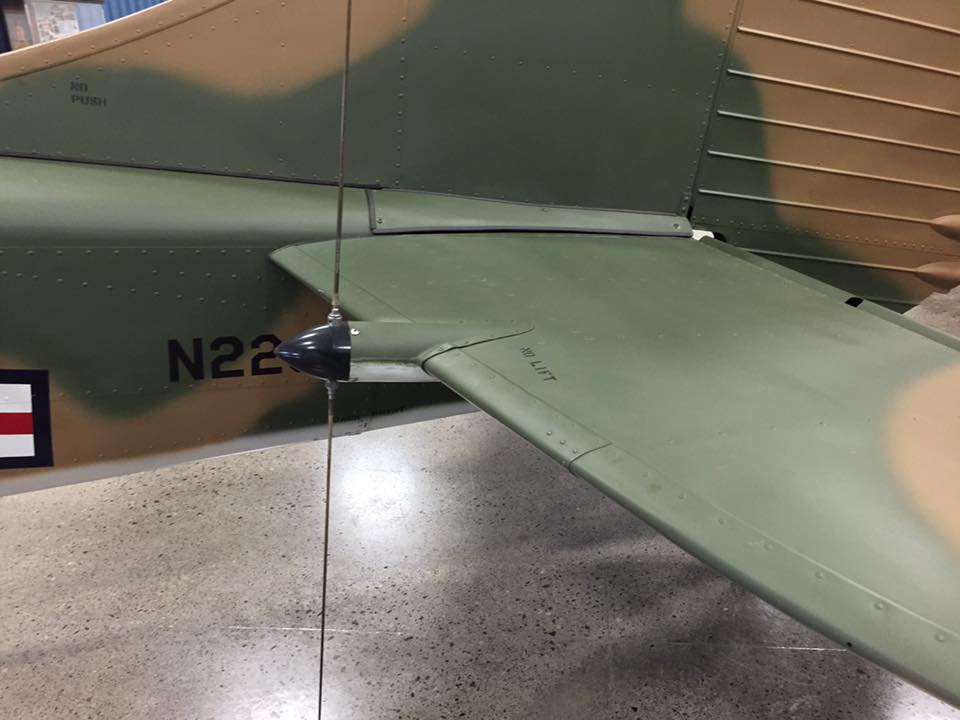
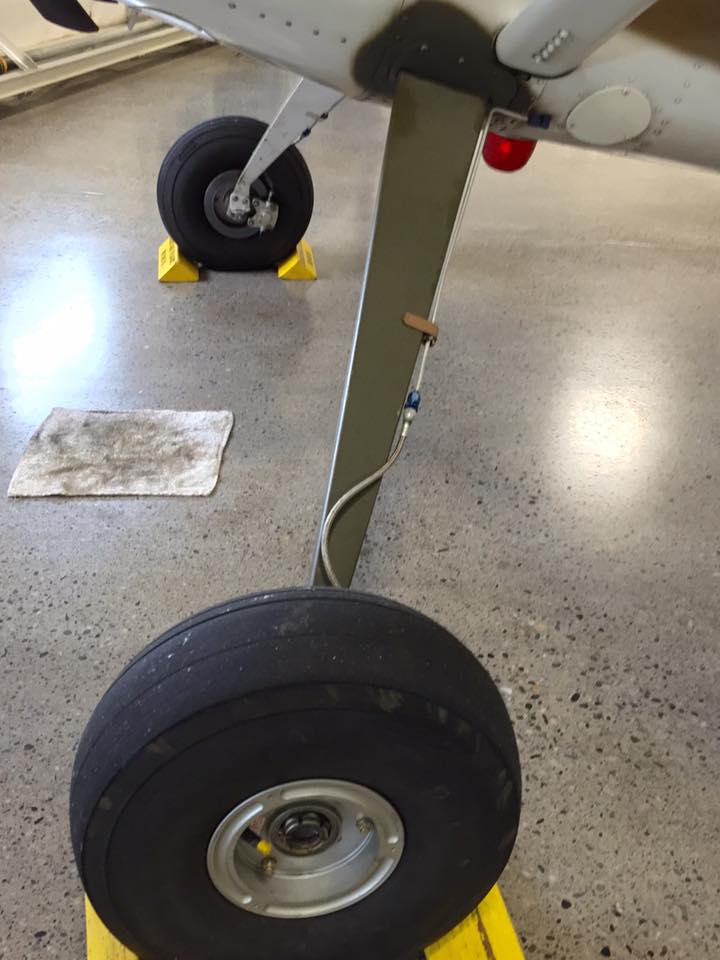
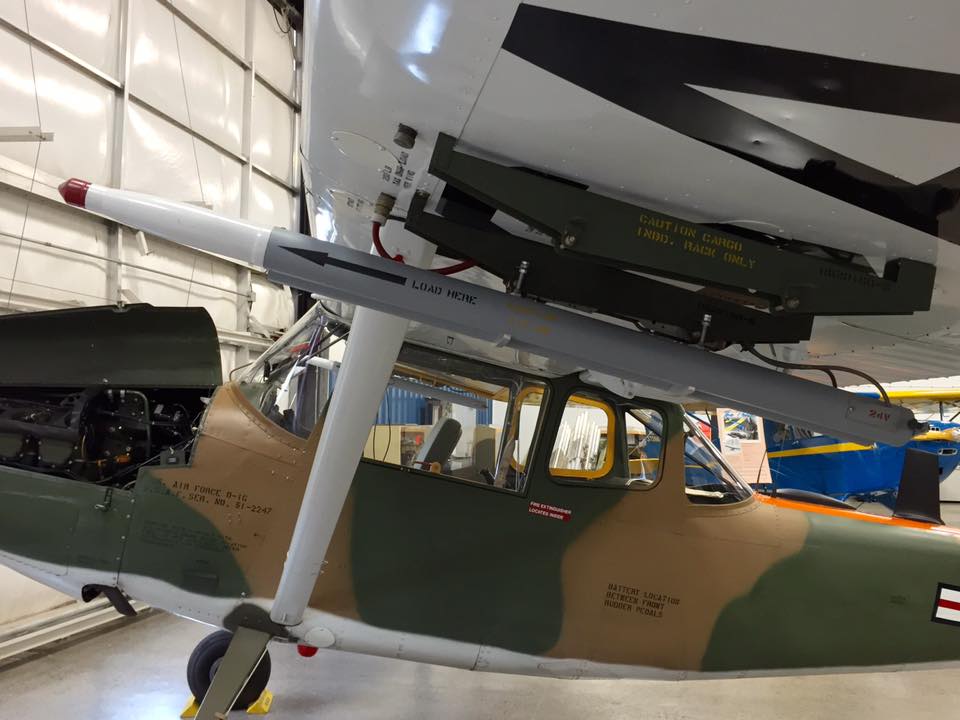
With the outbreak of the Korean War, the Bird Dog was pressed into service and was flying missions by February 16, 1951. Redesignated the “O-1” (observation) in 1962, of the 2,486 that had been produced by October 1954, sixty were diverted to the U.S. Marine Corps with the designation OE-1 and were flown by the USMC in Korea and later in Vietnam (I understand the first deliveries to the Vietnam area were in 1962 aboard the USS Princeton). During the Vietnam War, the Bird Dog was assigned to U.S. Air Force Forward Air Control (FAC) duty (during clandestine operations as “in-country” forward air controllers between 1964 and 1973, they were flown as “Ravens” in the Kingdom of Laos). They were modified with a VHF radio and under-wing hardpoints for smoke and magnesium marker rockets for target identification for overhead attack aircraft (F-4 Phantoms and F-105 Thunderchiefs – “Thuds”).
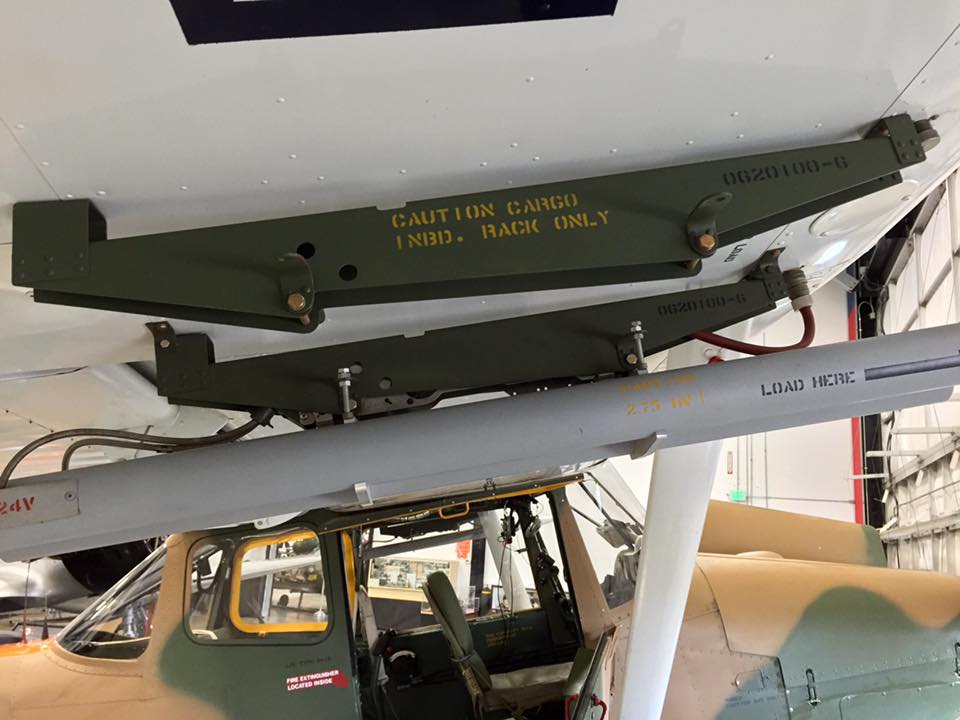
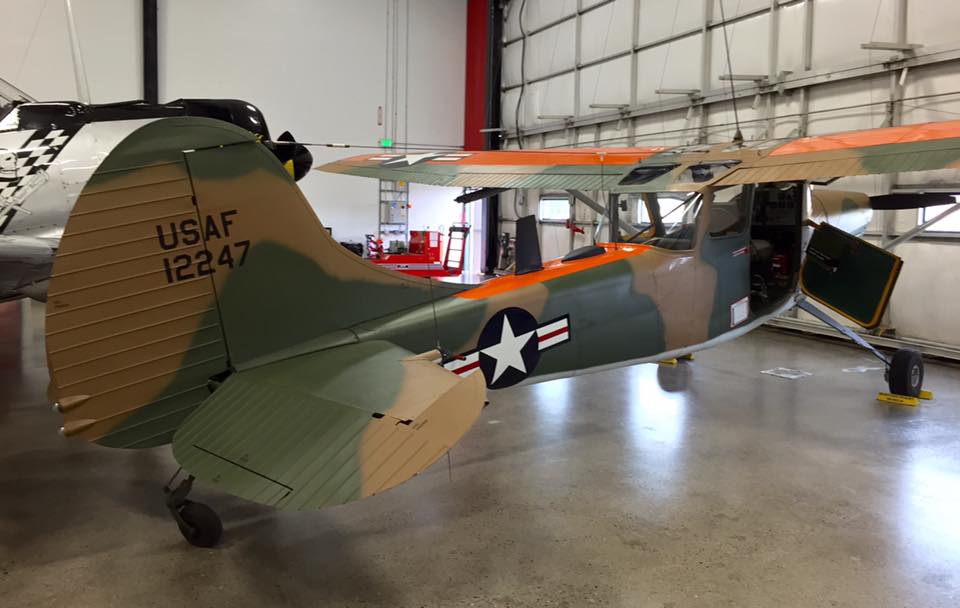
The U.S. Air Force aircraft were usually painted in solid gray. The U.S. Army aircraft were painted solid Olive Drab, or in some cases, all white, or white with orange on top. In some cases, there were no identifying markings, or interchangeable markings with sliding panels on the sides of the fuselage. Having spotted a target, the Bird Dogs would radio the DASC (Direct Air Support Center), which, as a rule, would be able to get attack aircraft to the spot within half an hour. Once the markers were deployed, the call to the attack aircraft was “Hit my smoke.” The mission included remaining at the target to assess the effectiveness of the strike, report damage, and call in additional strikes as needed. Among others, 36 Royal Australian Air Force pilots were attached to the U.S. Air Force between 1966 and 1971, and many flew the Bird Dog in FAC missions, 15 being awarded the Distinguished Flying Cross.
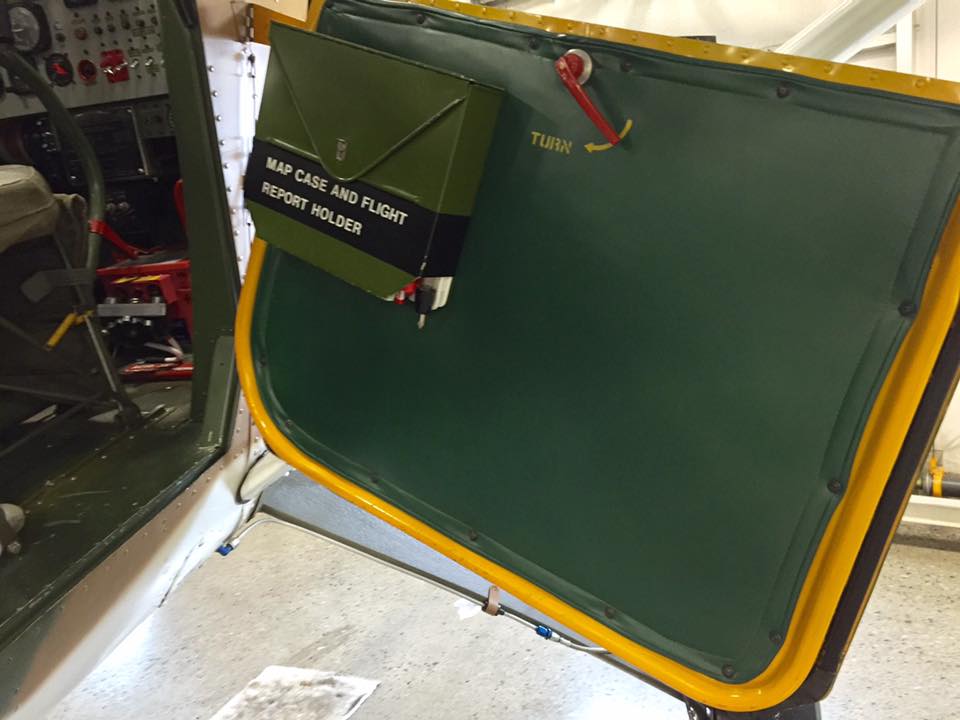
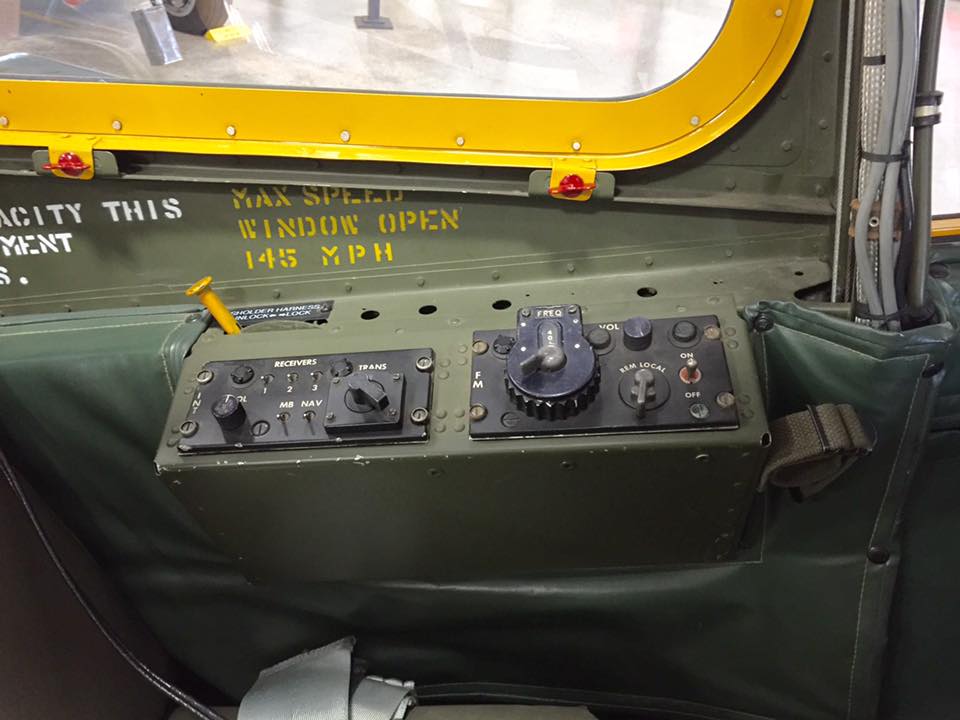
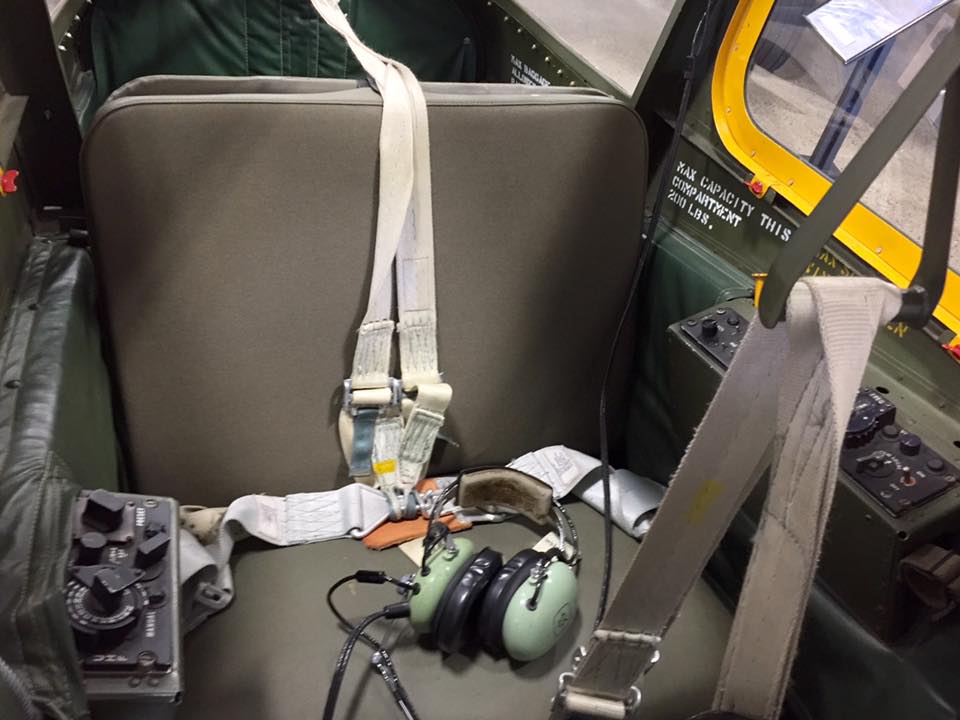
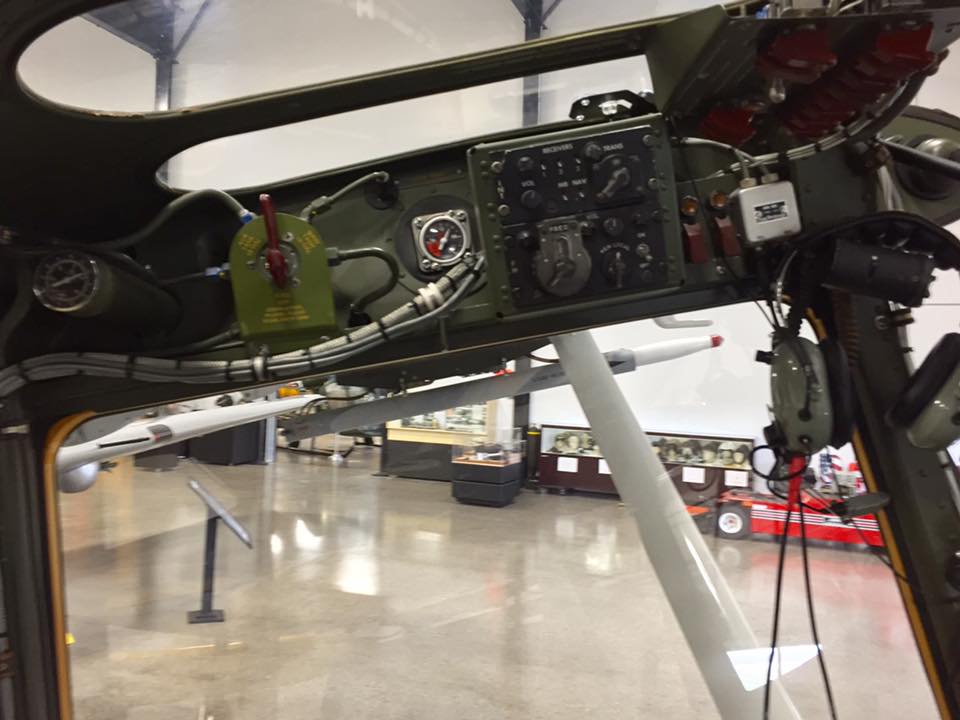
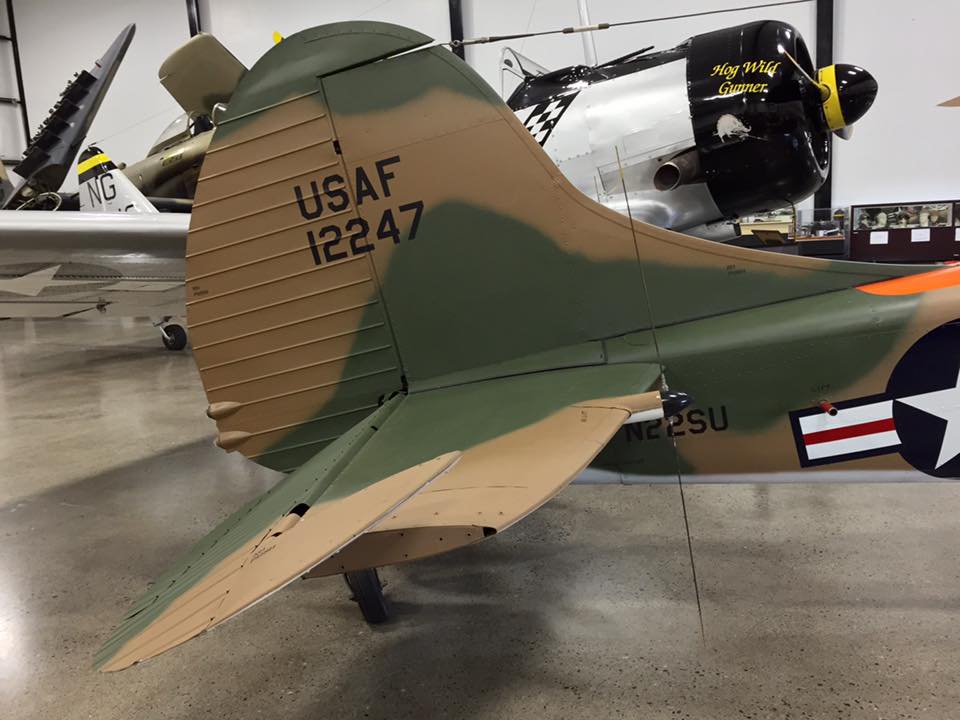
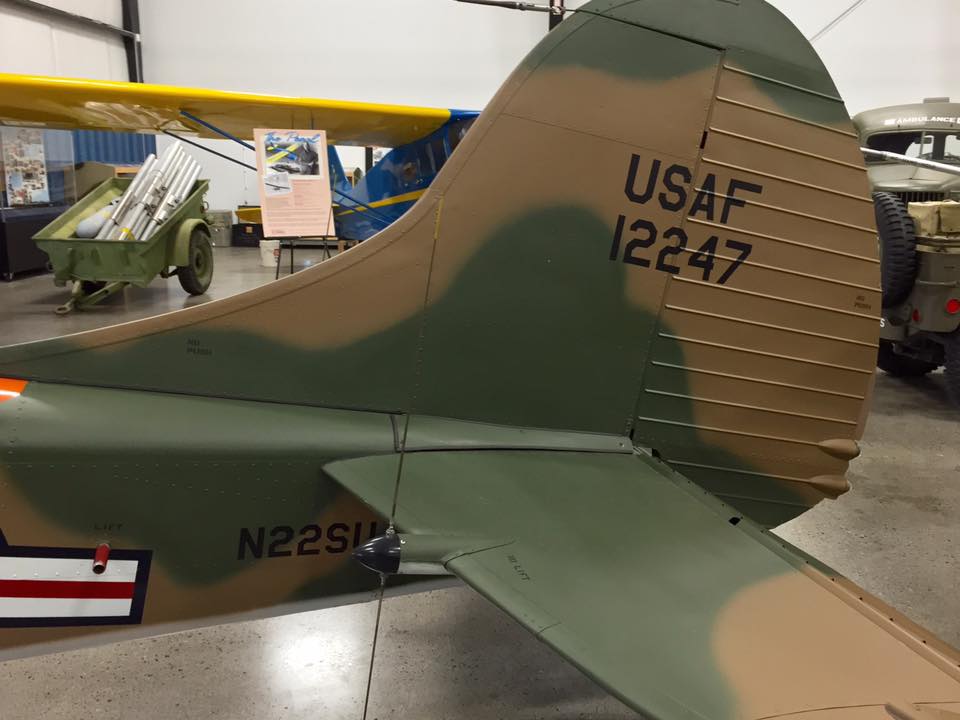
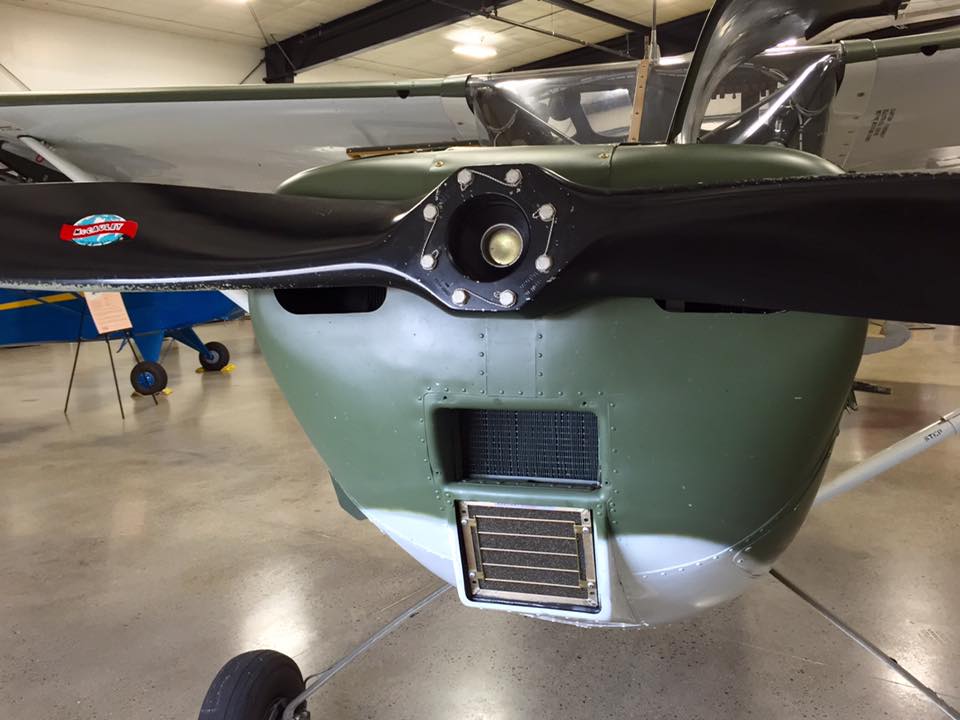
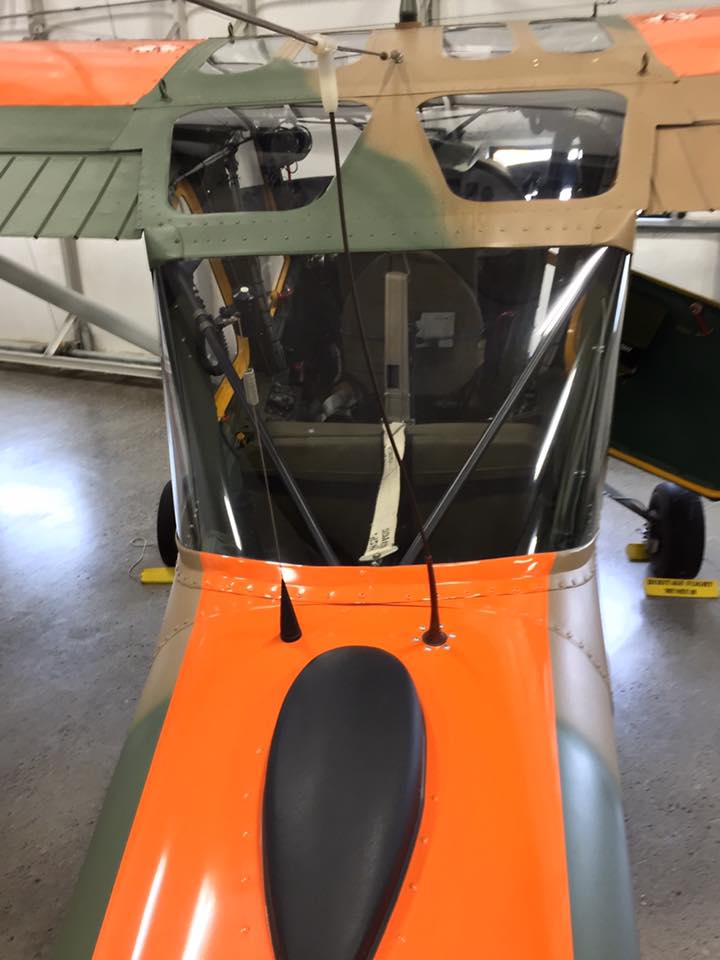
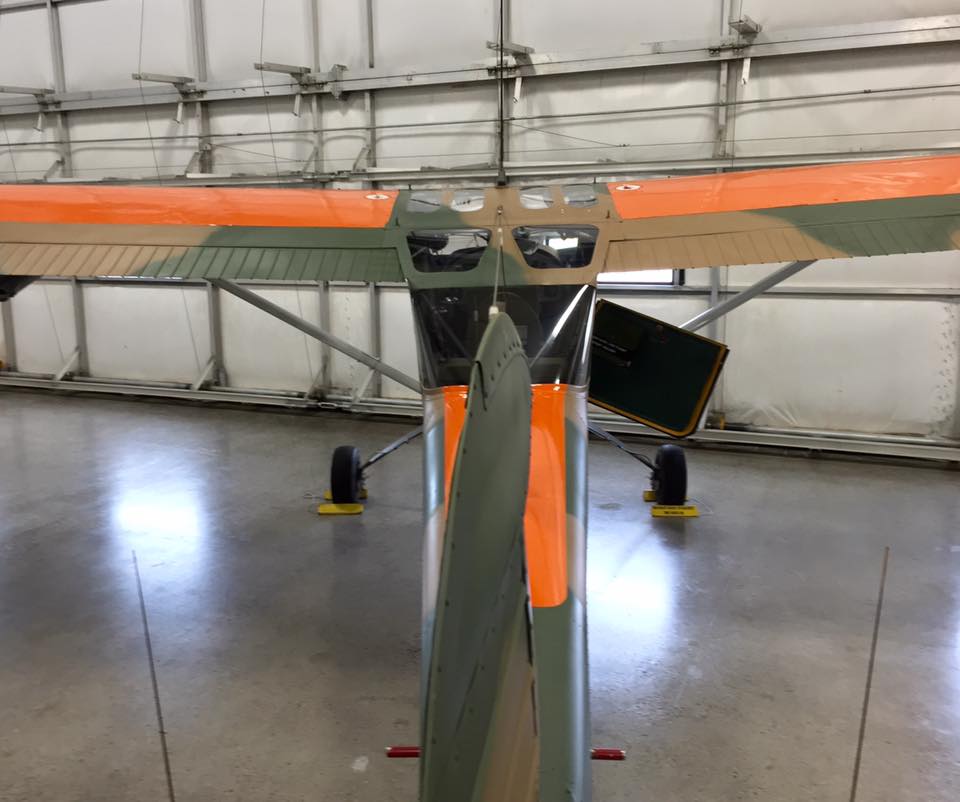
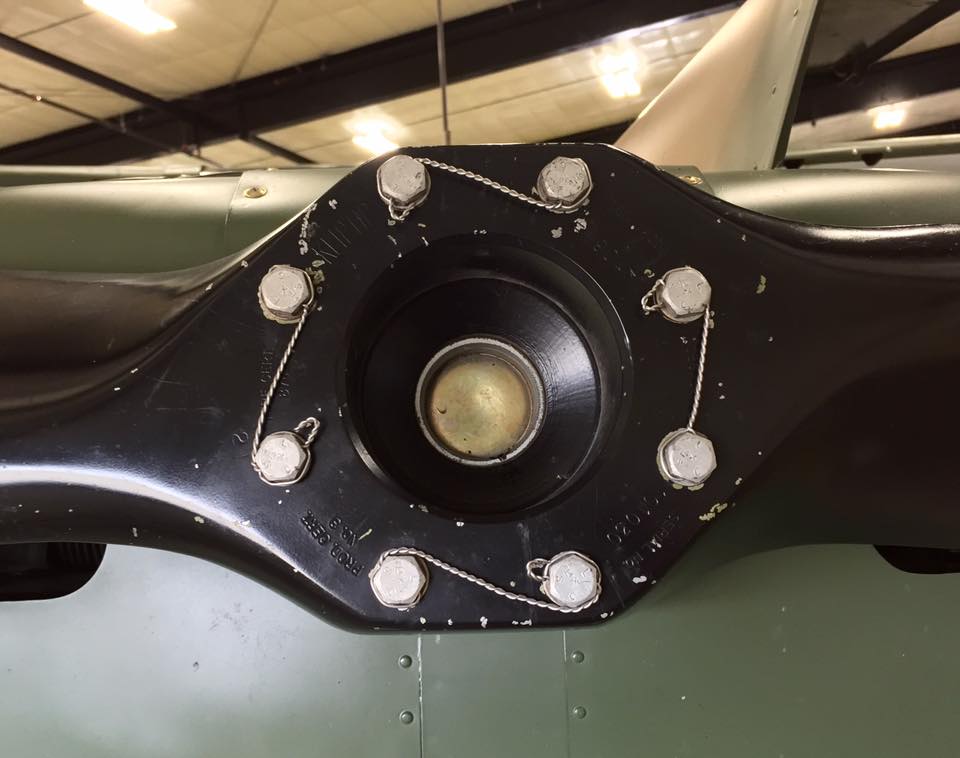
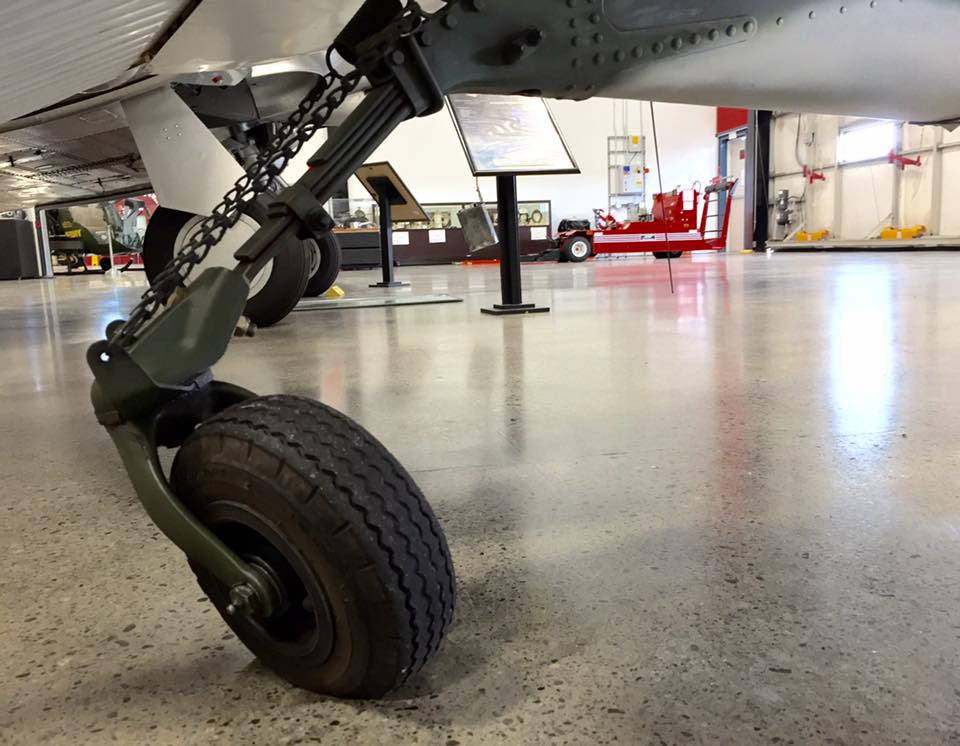
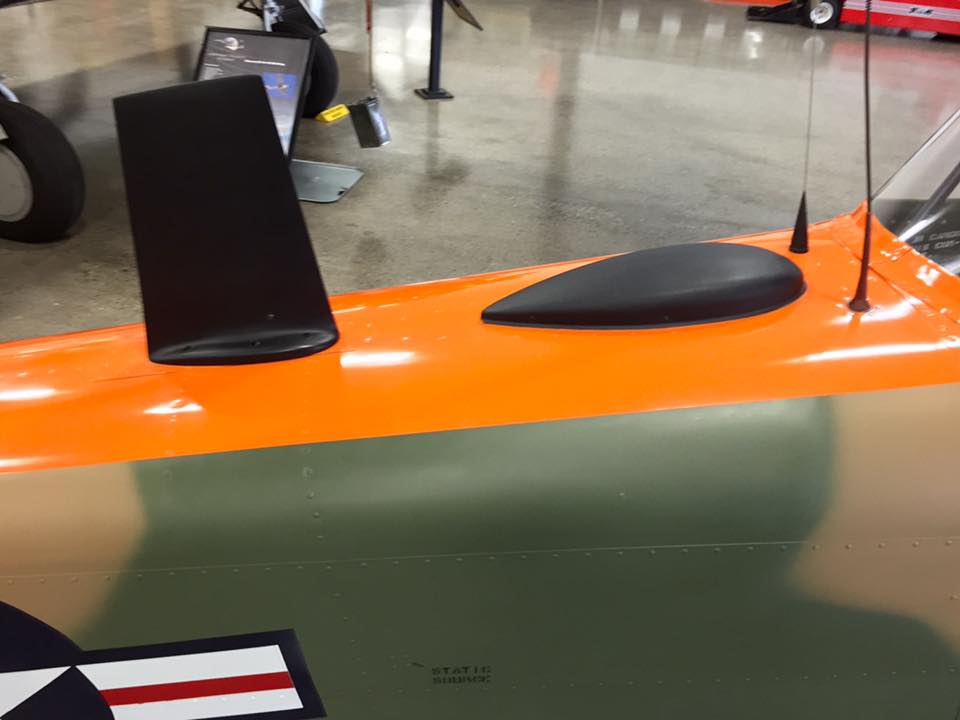
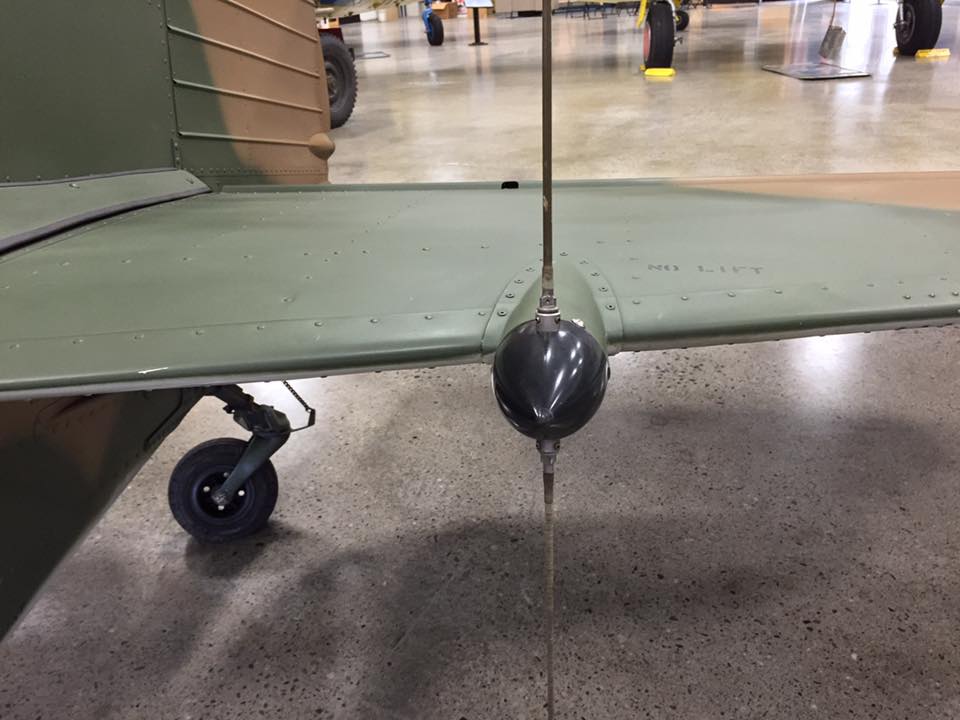
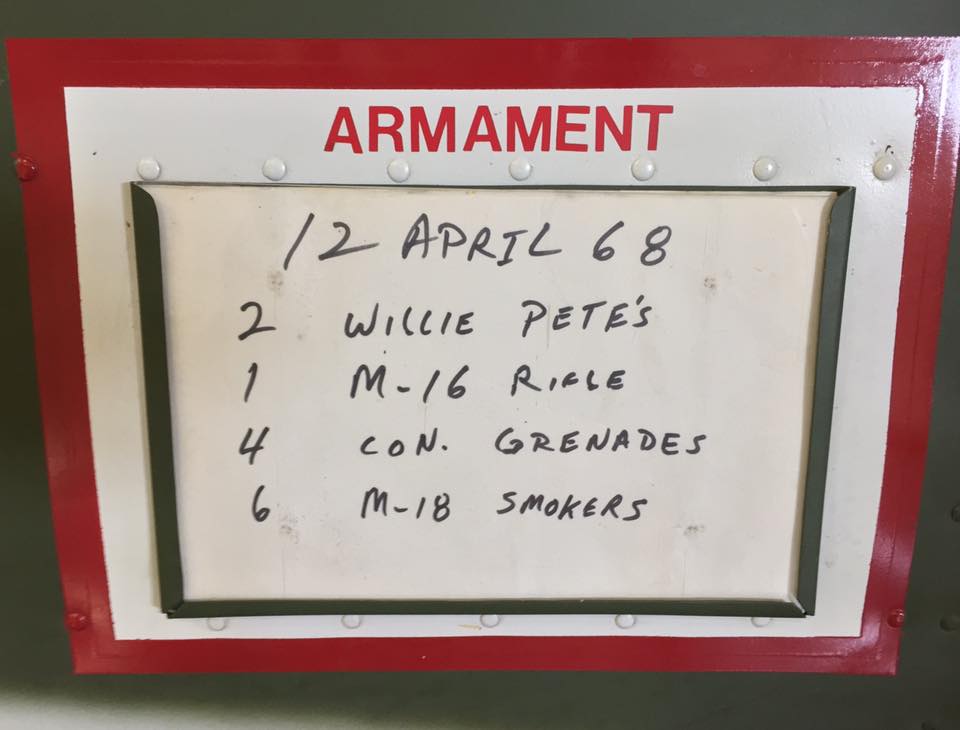
In all, a total of 3,395 aircraft were built by the time production ended on January 22, 1957. The militaries of nearly two dozen countries worldwide flew the O-1. Powerplant: one Continental O-470-11, 213 hp. engine. Armament varied, but included four under-wing pylons for mixed stores of smoke canisters, “Willie-Pete” white phosphorus marker rockets, and the crew could carry one or more M-16 rifles and concussion hand grenades in the back seat behind the pilot. Its slotted Fowler flaps could lower to 60 degrees, giving it very little real estate needed to land. This aircraft is fitted with a pair of Lapointe AT-624/AR antennas on the horizontal stabilizer.
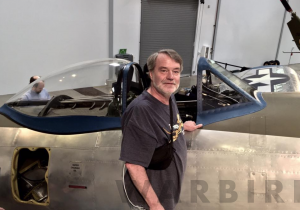 About the author: Randy Malmstrom grew up in a family steeped in aviation culture. His father, Bob, was still a cadet in training with the USAAF at the end of WWII but did serve in Germany during the U.S. occupation in the immediate post-war period, where he had the opportunity to fly in a wide variety of types that flew in WWII. After returning to the States, Bob became a multi-engine aircraft sales manager and, as such, flew a wide variety of aircraft; Randy frequently accompanied him on these flights. Furthermore, Randy’s cousin, Einar Axel Malmstrom, flew P-47 Thunderbolts with the 356th FG from RAF Martlesham Heath. He was commanding this unit at the time he was shot down over France on April 24th, 1944, and spent the rest of the war as a prisoner of war. Following his repatriation at war’s end, Einar continued his military service, attaining the rank of Colonel. He was serving as Deputy Wing Commander of the 407th Strategic Fighter Wing at Great Falls AFB, MT, at the time of his death in a T-33 training accident on August 21, 1954. The base was renamed in his honor in October 1955 and continues to serve in the present USAF as home to the 341st Missile Wing. Randy’s innate interest in history in general, and aviation history in particular, plus his educational background and passion for WWII warbirds, led him down his current path of capturing detailed aircraft walk-around photos and in-depth airframe histories, recording a precise description of a particular aircraft in all aspects.