







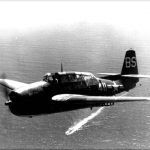
The US Navy had many squadrons after WWII, but one squadron was established and disestablished three times, each time serving a different role. The squadron was Attack Squadron (VA-45), and it was at the forefront to witness the rise of naval aviation. The first iteration of VA-45 was established as Torpedo Squadron VT-75 on June 1, 1945. It was based at Naval Auxiliary Air Station Chincoteague. The squadron was formed during the last months of WWII. It became VA-4B on November 15, 1946, and then changed to VA-45 on September 1, 1948. Known as the Fish-Hawks, the squadron operated several aircraft during its short five-year existence. It received the SBF-4E and SBW-4E in June 1945, and the SB2C-4E Helldiver in September. By March 1946, it was flying the SB2C, and in March 1947, it switched to the AD-1 Skyraider. The squadron also got the AM-1 Mauler in February 1949 but returned to the AD-1 in October of that year. The squadron’s home ports changed as well. It moved from Chincoteague to NAS Norfolk in March 1946, and then to NAS Jacksonville in February 1949. However, this first Attack Squadron 45 had a short postwar career and was disestablished on June 8, 1950.
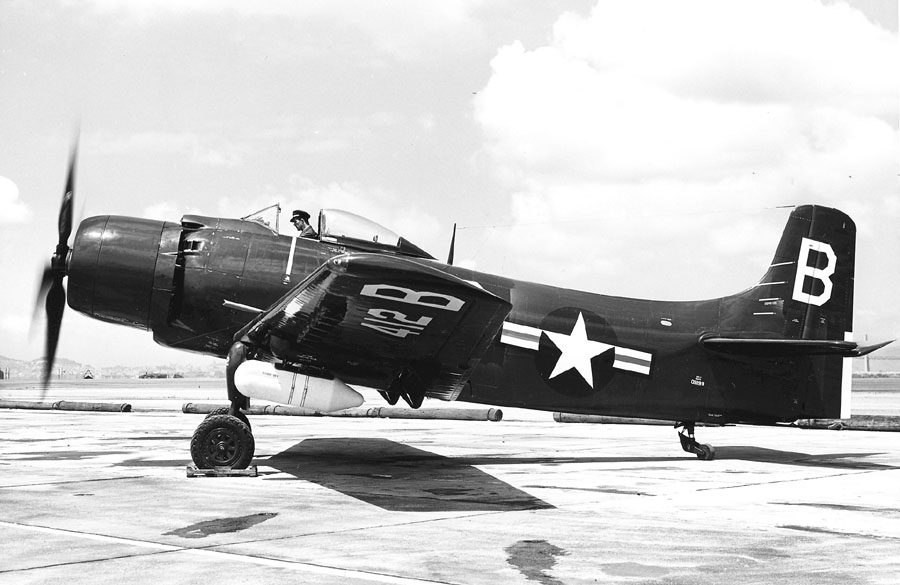
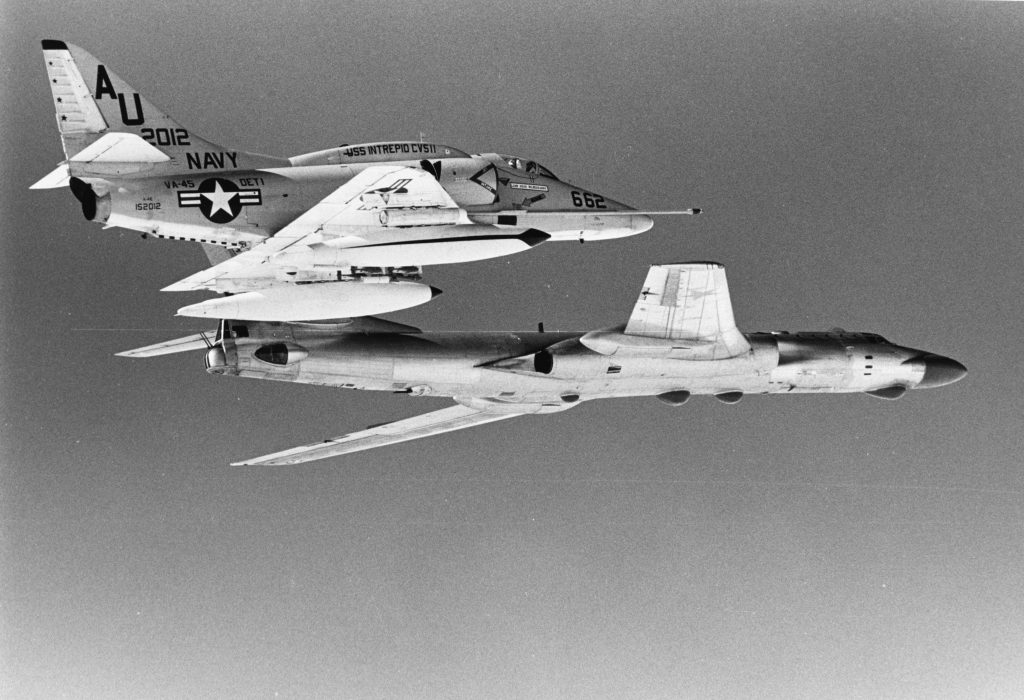
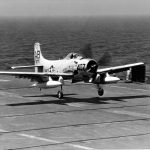
Just three months later, a second squadron called Attack Squadron 45 was created on September 1, 1950. Unlike the Fish-Hawks, this unit became known as the Blackbirds and fought in the Korean War. The squadron started with the AD-2 Skyraider, receiving this aircraft in September 1950. It later upgraded to the AD-4 in February 1952 and then to the AD-6 in June 1954. Its most important mission was during the Korean War. On June 13, 1953, Attack Squadron 45 conducted its first combat operation while deployed aboard the aircraft carrier USS Lake Champlain. The squadron’s Skyraiders provided a strong attack capability, making them one of the Navy’s go-to aircraft for close support and strikes during that time. The second Attack Squadron 45 was active for only a few years after the Korean War and was disbanded on March 1, 1958. However, the VA-45 designation continued. On February 15, 1963, the US Navy created a new squadron, the third VA-45, by separating the jet-training role from VA-44 at NAS Jacksonville. The new squadron focused on jet training and adversary air combat, rather than combat attack operations. It also kept the Blackbirds’ name and insignia from the second VA-45. In the 1970s, VA-45 operated with Carrier Anti-Submarine Air Group 56 on the USS Intrepid. Attack Squadron 45 Detachment 11 was deployed to the Mediterranean from April to October 1971. VA-45 Detachment 1 made another deployment to the Mediterranean from November 1972 to May 1973.
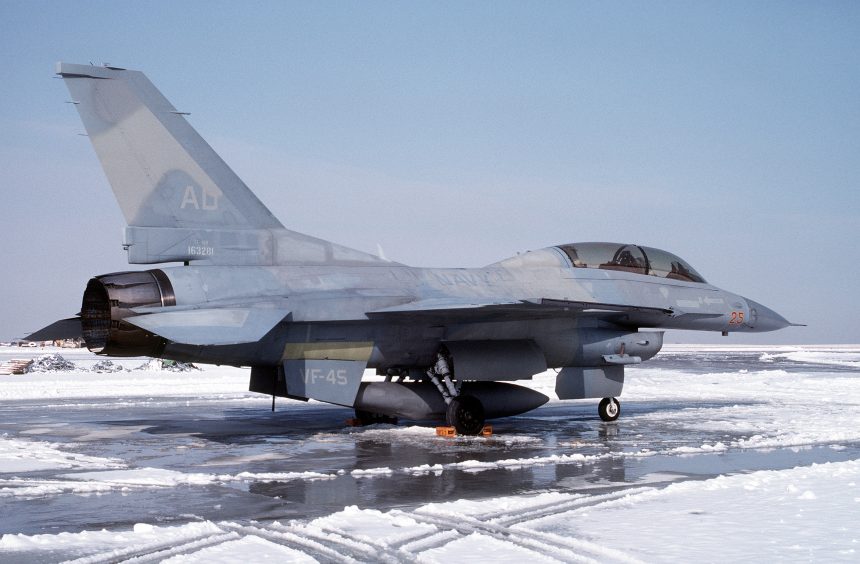
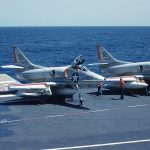
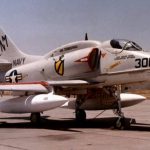
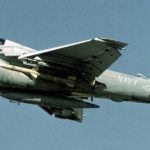
In the 1980s, the squadron’s role changed again. On February 7, 1985, Attack Squadron 45 became Fighter Squadron 45 (VF-45). The squadron was based at NAS Cecil Field and later at NAS Key West. The Blackbirds provided support for US Navy pilots by simulating enemy aircraft. Instead of training for traditional attack missions, the squadron helped naval aviators practice against enemy fighter simulations. To support this mission, VF-45 used different aircraft. They first operated the TA-4F/J Skyhawk, followed by the F-5N and F-16N fighters. These aircraft allowed Navy crews to train against tactics that mimic potential enemy forces. After serving for over thirty years in its third version, VF-45 was officially disbanded on March 31, 1996. The squadron’s long history shows how much US Navy aviation changed after WWII. The first Attack Squadron 45 used planes like the Helldiver for torpedo and dive-bombing missions. The second version flew the powerful Skyraider in combat during the Korean War. The third squadron became a jet-training and adversary unit before becoming VF-45.
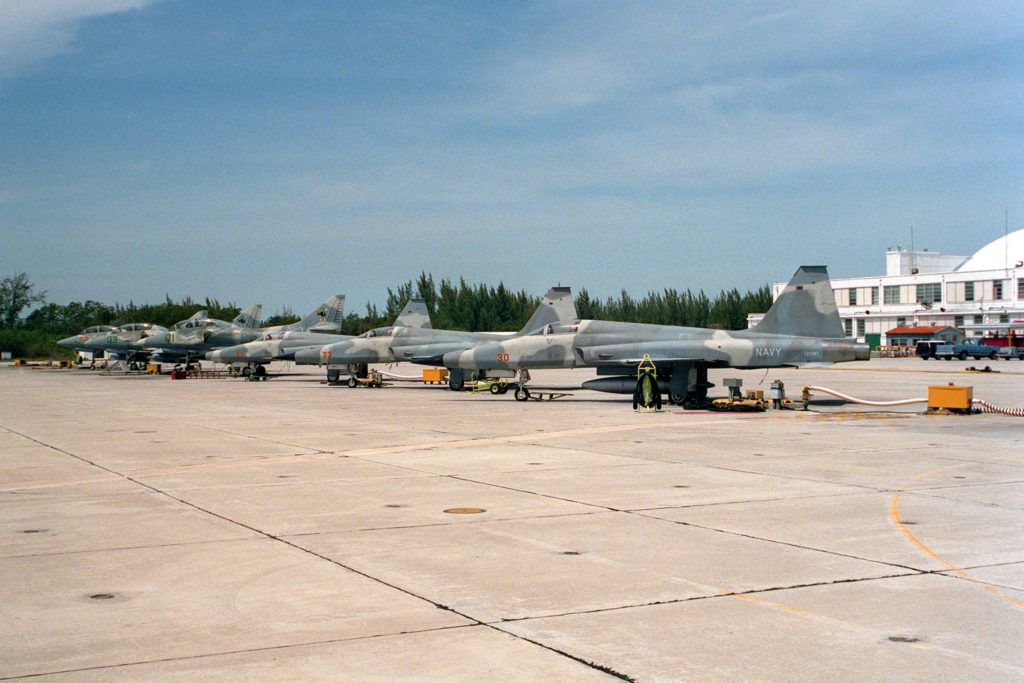









When VF-45 flew F-5s, they were E Models originally meant for the former South Vietnamese Air Force, the N model F-5’s are ex Swiss Air Force examples that the Navy bought in the m8d 2000’s once the Swiss Air Force had withdrawn the majority of their F-5 fleet, long after VF-45 Zhad been decommissioned.