







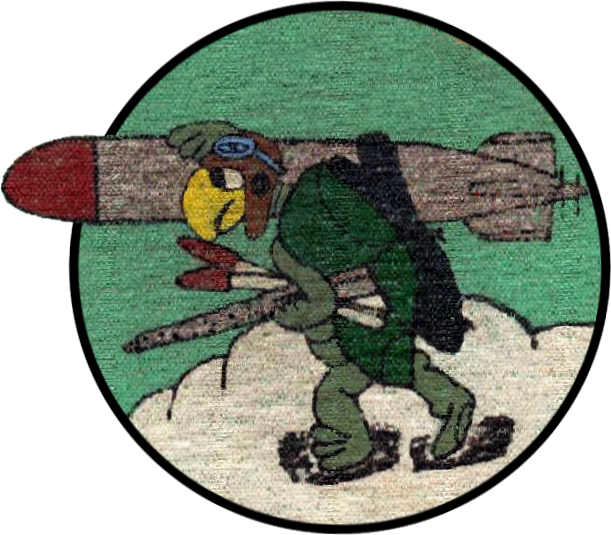
WWI and WWII saw many US squadrons being created, some for attack and some for patrol. Some of those squadrons exist to this day; however, others were renamed or merged into larger squadrons. One of the squadrons that was established in the final years of WWII was the US Navy Torpedo Squadron 41 (VT-41). Torpedo Squadron 41 was established on March 26, 1945, at a time when the traditional role of torpedo attacks was fading. Planes were starting to carry bombs and later depth charges to fight submarines. In keeping with the squadron’s objective of delivering big weapons, the Torpedo Squadron 41 symbol featured a green turtle carrying a big torpedo. The turtle’s blue aviator goggles and brown flying helmet might have suggested dependability. The squadron’s main weapon against opposing ships was the red-nosed, gray-bodied torpedo, which was secured with a black strap. Behind the turtle, a tiny black bomb demonstrated its new use in post-war anti-submarine operations.
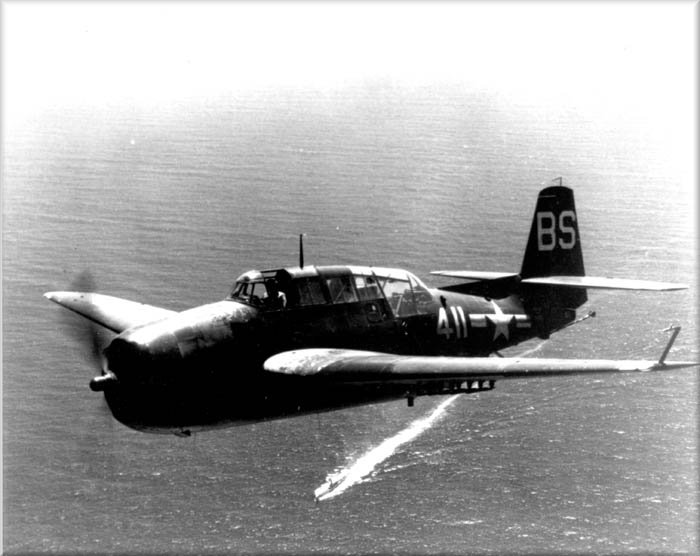
Torpedo Squadron 41 operated the Grumman TBM Avenger torpedo bomber at Naval Air Station Seattle, Washington. The Grumman TBF Avenger, known as the TBM for the versions made by General Motors, was a WWII torpedo bomber designed for the US Navy and Marine Corps. General Motors’ Eastern Aircraft Division took over its production in 1942. The Avenger first fought at the Battle of Midway, where five out of six aircraft were lost. However, later it became the most widely used torpedo bomber in the war, especially in the Pacific Theater. The Avenger helped sink major ships like the Yamato and Musashi and achieved around 30 submarine kills, including the I-52. After the war, the Avenger was modified to stay in service until the 1960s. In May 1945, Torpedo Squadron 41 moved to Naval Air Station San Diego, California. VT-41 was part of Escort Carrier Air Group 41, which changed its name to CVEG-1 in 1946. After training the squadron in the latter part of WWII, the Commander of the Pacific Fleet designated anti-submarine warfare as the main mission of Torpedo Squadron 41 in March 1946. On November 15, 1946, Torpedo Squadron 41 was renamed VA-1E, which meant “1st Attack Squadron” for escort carriers. On December 4, 1946, Escort Carrier Air Group 1 (CVEG-1) was assigned to the USS Badoeng Strait, and VA-1E was assigned the tail code “BS,” which stands for the call sign “Beef Steak.”
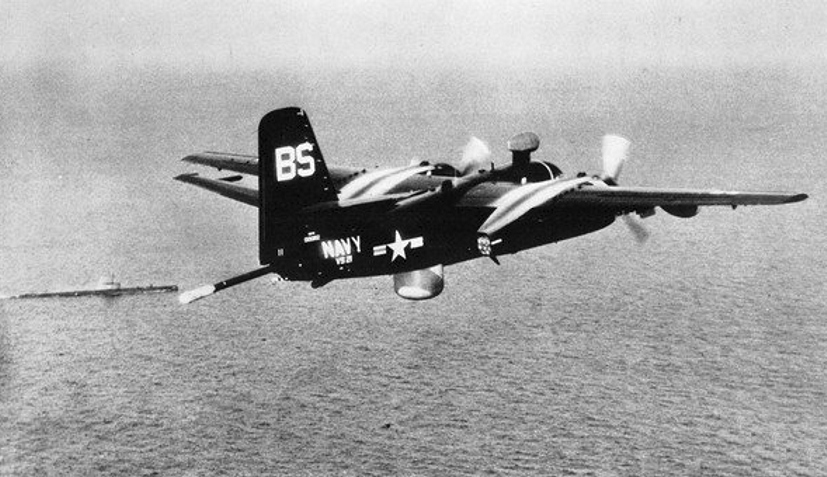
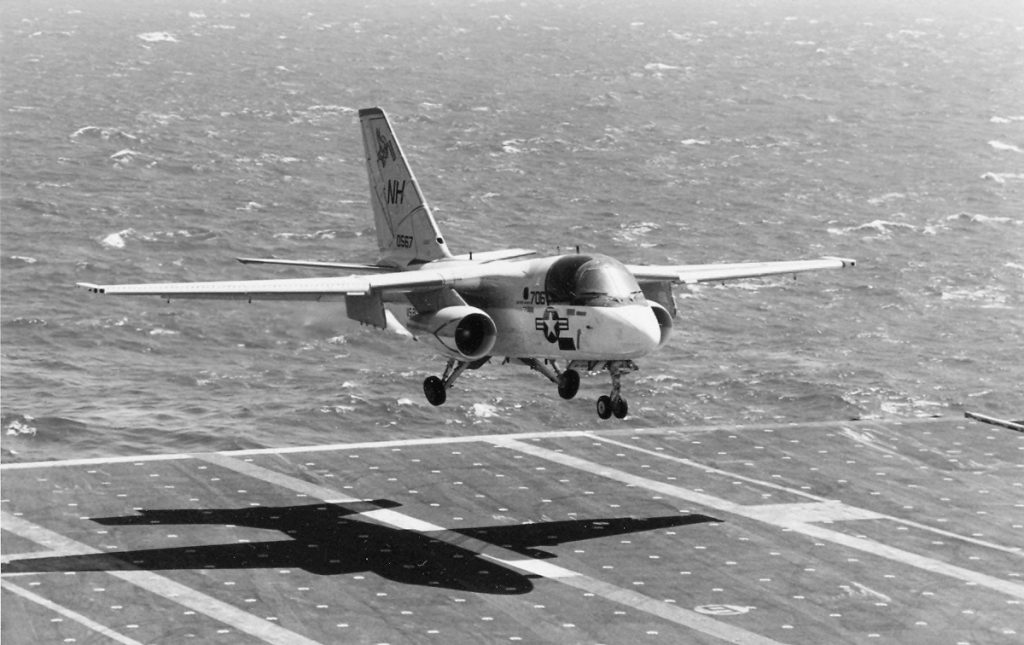
Between 1947 and 1948, the VA-1E squadron conducted regular anti-submarine warfare (ASW) exercises on the Badoeng Strait, located between the US West Coast and the Western Pacific. The squadron played an important role in testing ASW tactics and methods aboard the Badoeng Strait. In September 1948, when the US Navy returned to an earlier naming system, both VA-1E and VF-1E squadrons were combined into Composite Squadron 21 (VC-21), which led to the disbanding of VA-1E and VF-1E on September 1, 1948. VC-21 became one of six new anti-submarine squadrons. On April 23, 1950, VC-21 was renamed Anti-Submarine Squadron 21 (VS-21). Later, on October 1, 1993, it was further renamed Sea Control Squadron 21 (VS-21). VS-21 was disbanded on February 28, 2005, ending the history of a unit established during WWII as a torpedo squadron that operated from 1945 to 2005, primarily focusing on anti-submarine warfare while flying from aircraft carriers.


US Naval aviation units DO NOT USE THE SAME DESIGNATIONS AS THE USAF, so VA-1E stands for ESCORT ATTACK SQUADRON-ONE, and not “1st Attack Squadron for Escort Carriers.”