
(Image credit: VAN)
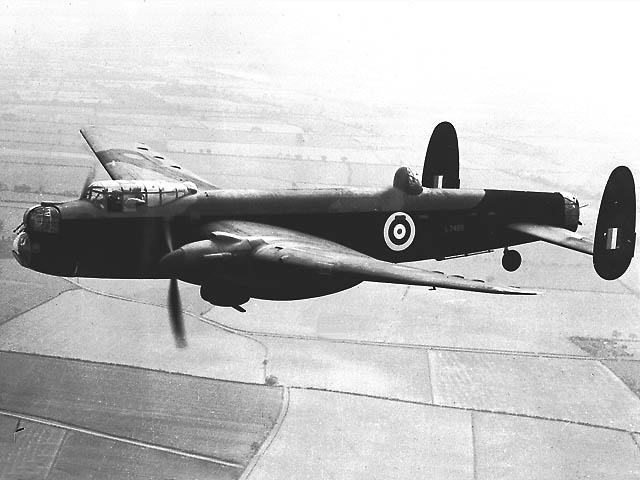
On this day in aviation history, 86 years ago (July 23, 1939), the Avro Manchester took to the skies for the first time. Known officially as the Avro Model 679, this twin-engine heavy bomber was developed in the United Kingdom in the early stages of World War II. Designed by Avro to be easy to build and maintain, the Manchester reflected the urgent wartime need for fast production and quick turnaround on repairs. The aircraft was developed in response to the British Air Ministry’s Specification P.13/36—the same requirement that also led to the Handley Page Halifax.
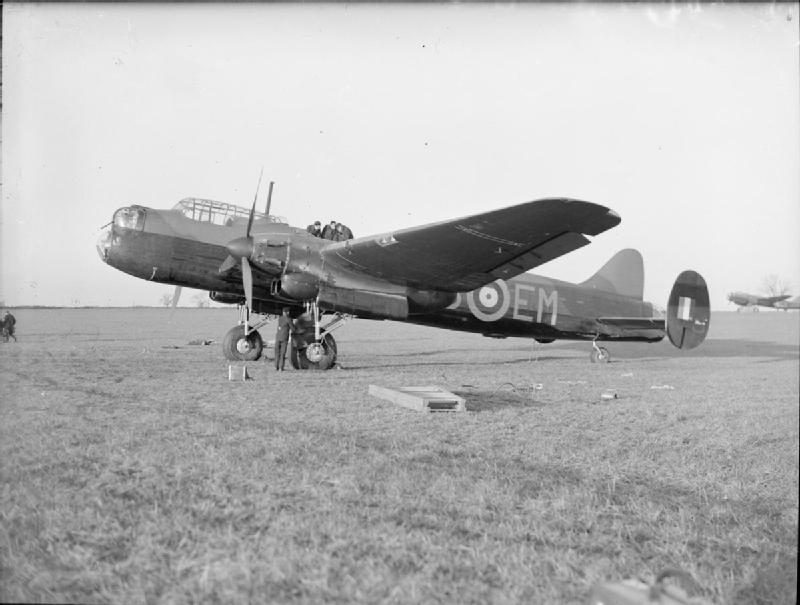
In its early operational life, the Manchester saw limited use due to persistent reliability issues, particularly with its powerplant. The Manchester Mk I was powered by two Rolls-Royce Vulture I X-24 piston engines, each producing 1,760 horsepower. It could reach a top speed of 265 mph, had a range of approximately 1,000 nautical miles, and a service ceiling of 19,200 feet. For defense, the aircraft was equipped with eight .303-inch Browning machine guns—mounted in the nose (two), dorsal turret (two), and tail turret (four). Though it had the capacity to carry up to 10,350 pounds of bombs, the Manchester’s performance was hampered by its unreliable engines and various teething problems. As a result, only 209 units were produced, and the aircraft was soon deemed unsuitable for large-scale operations.

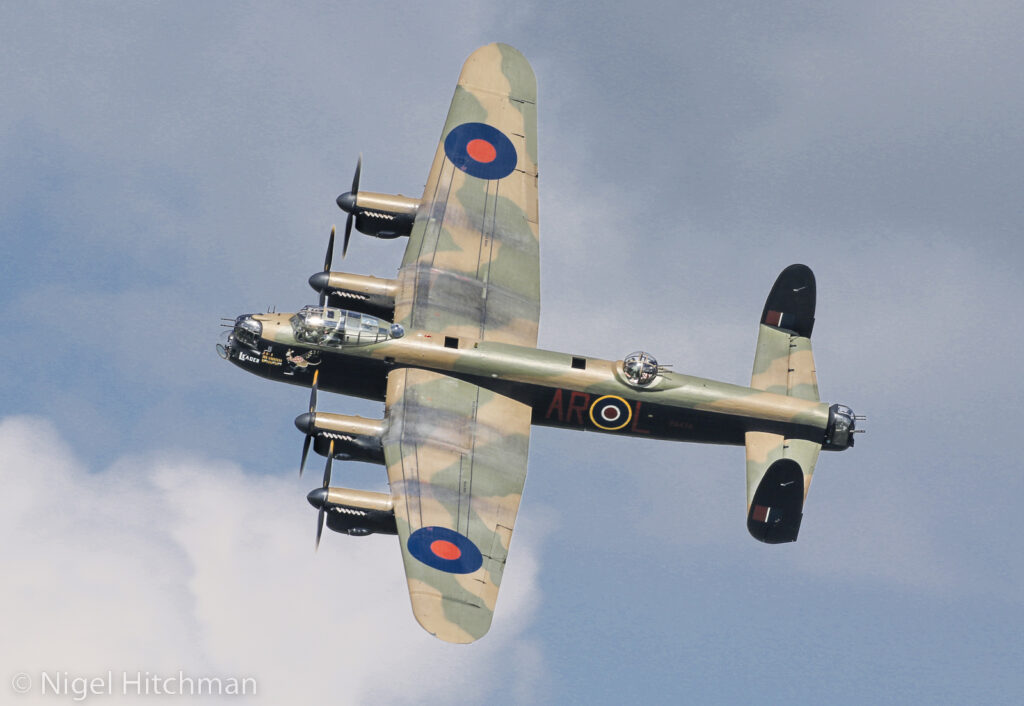
However, the Manchester’s story didn’t end in failure. The platform laid the foundation for one of Britain’s most successful bombers of the war—the Avro Lancaster. The transition began with the Manchester Mk III, which featured a four-engine configuration and ultimately evolved into the Lancaster. Outfitted with powerful Rolls-Royce Merlin V-12 engines and refined systems, the Lancaster would become a cornerstone of RAF Bomber Command.
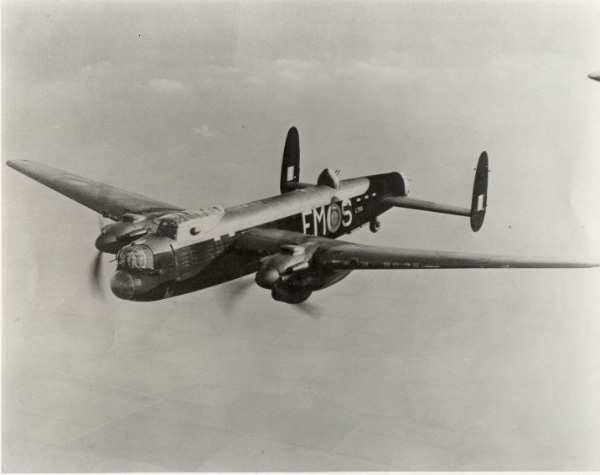
As the Lancaster took over front-line duties, the Manchester was relegated to training roles, preparing pilots and crews for the newer, more capable aircraft. While no Avro Manchesters are known to survive today, their legacy lives on through the Lancaster—two of which (soon to be three) are still flying today. Far from being a failure, the Manchester played a pivotal role in shaping one of the most iconic bombers of World War II.