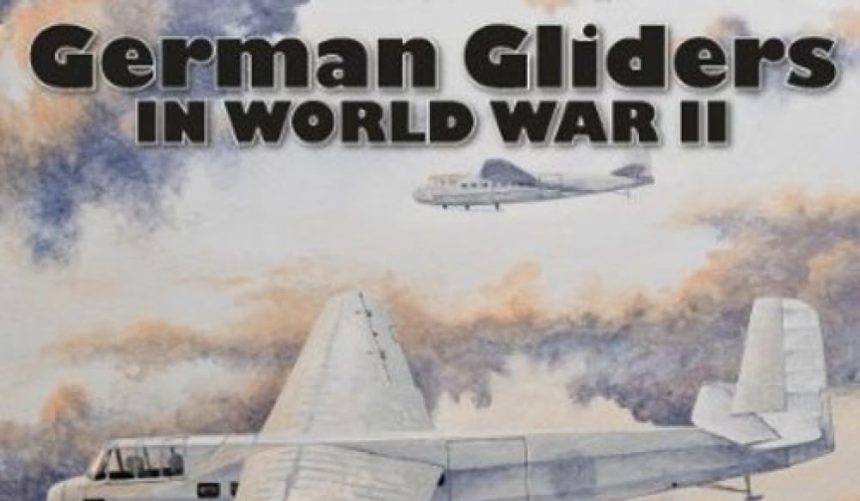

German Gliders in World War II: Luftwaffe Gliders and their Powered Variants by Heinz Mankau & Peter Petrick, reviewed by Joe May, available on Amazon.
During WWII, only three of the nations involved employed gliders on a large scale. They were used for landing assault troops, transporting weapons, delivering ammunition, or toting cargo—usually into active combat zones. The countries were Nazi Germany, Great Britain, and the United States (USA). Nazi Germany, out of the three, was especially invested in glider designs and, unlike the other two nations, produced powered gliders as well as armed gliders. Nazi Germany also developed multi-plane towplane-per-glider arrangements as well as other unique towing aircraft systems.
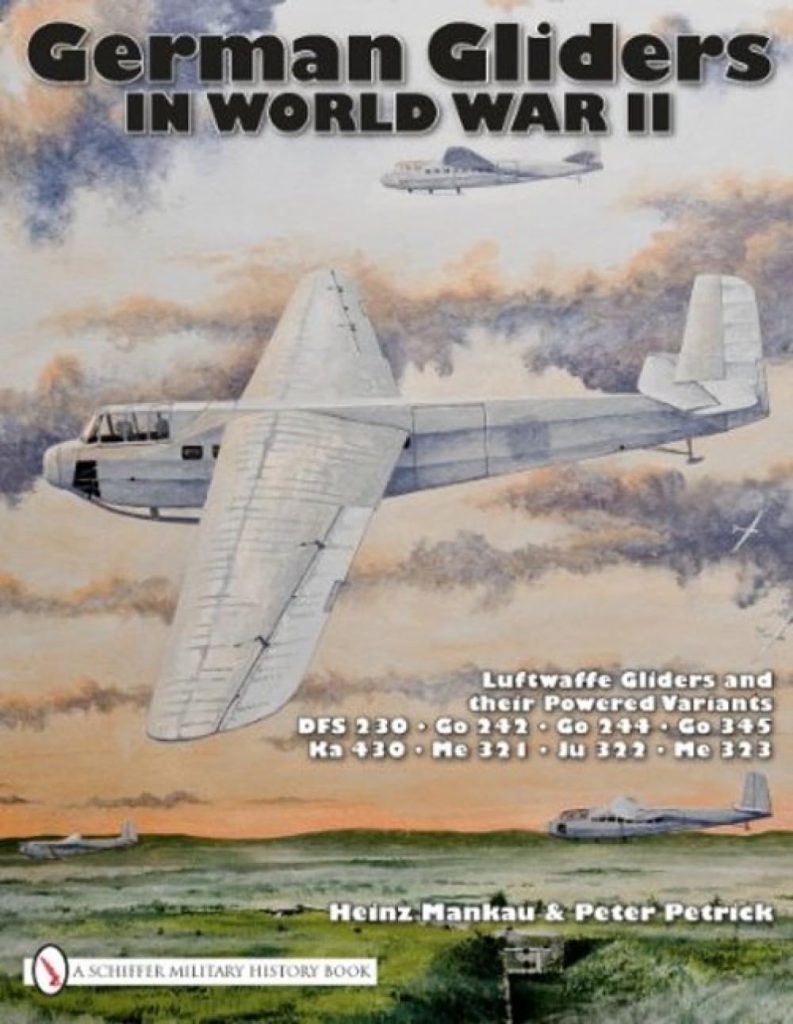
German Gliders in World War II showcases the innovation of WWII Luftwaffe glider designs, their breadth, as well as their histories. Aeronautical firms in Nazi German put the “assault” into “assault gliders;” powered gliders with rockets and piston engines; modified a Messerschmitt Me 321 Gigant (Giant) by installing six wing mounted engines which created an aircraft with the best lifting capability for the day; and joined a pair of Heinkel He 111 bomber aircraft using a wing section plus a fifth engine for the He 111Z Zwilling (Twin) becoming a super-towplane. There was also the Mistel (Mistletoe) variation using a variety of single-engine aircraft, like the Focke-Wulf Fw 56 Stösser (Goshawk) or Messerschmitt Bf 109, mounted atop a DFS 230 assault glider. Water-borne gliders using floats were also experimentally tested. The variety of towing aircraft systems is also as varied as these glider designs, and all of this development is captivating to read.
German Gliders in World War II covers eight specific glider designs, which are shown in the table below; the depth of detail and usage on the battlefield is impressive and clear. Readers will become comfortably familiar with how the Luftwaffe supported the Wehrmacht in WWII, from combat insertions to resupply of surrounded armies. Readers will also become easily familiar with the scope of these designs, a scope which significantly exceeded those of the USA as well as Great Britain.
| WWII Luftwaffe Gliders and their Powered Variants in German Gliders in World War II | |||
| DFS 230 | Go 242 | Go 244 | Go 345 |
| Ka 430 | Me 321 | Ju 322 | Me 323 |
| DFS (Deutsche Forschungsanstalt für Segelflug) | Ka (designed by Albert Kalkert for Gotha) | ||
| Go (Gothaer Waggonfabrik, commonly Gotha) | Me (Messerschmitt) | Ju (Junkers) | |
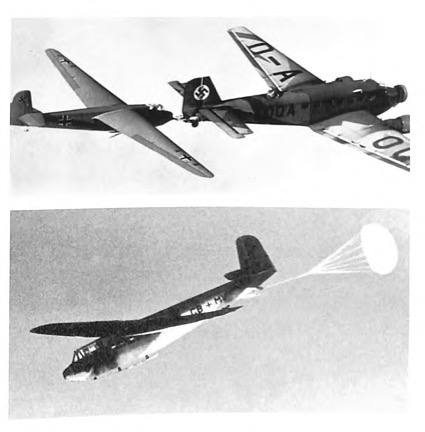
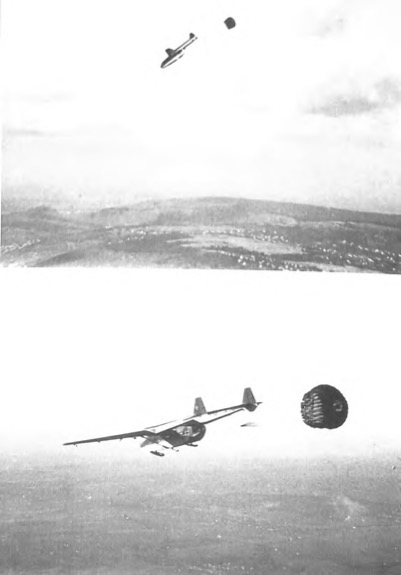
Innovation extended to towing systems using a variety of aircraft arrangements and linkages. Aside from the previously mentioned hybrid and multiple towing aircraft as well as two ropes, there were also solid linkages which may only have been employed by the Luftwaffe and in low visibility conditions between the tug and the glider. Landing gliders, especially assault gliders, was always the most challenging aspect of a glider assault. One go at it, and the landing zone (LZ) was likely obstructed, at least by previous glider landings. One solution the Luftwaffe employed was braking parachutes, and the images of these being used are intriguing, to say the least. Parachutes could be used to slow airspeed while steepening descents to stomach losing angles, as well as those used to rapidly shed airspeed to a stall at the LZ.
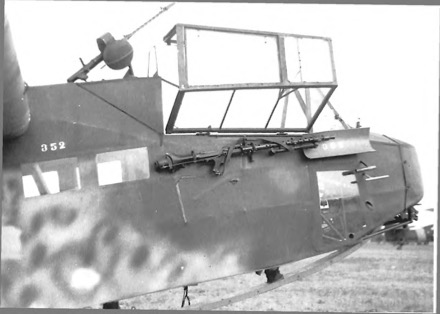
Mankau and Petrick include brief descriptive chapters as well as an appendix for an immense technical data table. The majority of the book thoroughly addresses each of the eight glider types individually in separate chapters. Each chapter details variants, armaments (if present), attachments (rockets, braking parachutes), and towing systems if specialized. Each chapter includes a plethora of images and possesses text that is comprehensive as well as comprehensible.
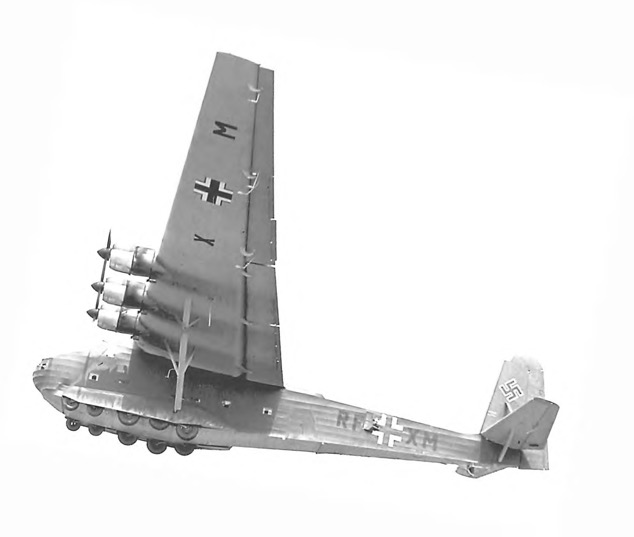
Each glider is interesting in its own way, and the authors deftly tell of each type’s story. Two stand out for their unique nature among unique aircraft: the Ka 430, which was a prototype seaplane design, included a flying boat-like hull for assault landings on lakes or rivers. The other unique design is the Messerschmitt Me 323 powered glider, a significant variant of the Me 321 glider but with six engines and significant defensive armament. The many variants of the Me 323 are also interesting, as is the authors’ insightful telling of how it was instrumental in testing ejection seats for aeronautically advanced Luftwaffe fighter aircraft. This tantalizing information, and much more, can pleasingly have readers turning page after page of German Gliders in World War II.
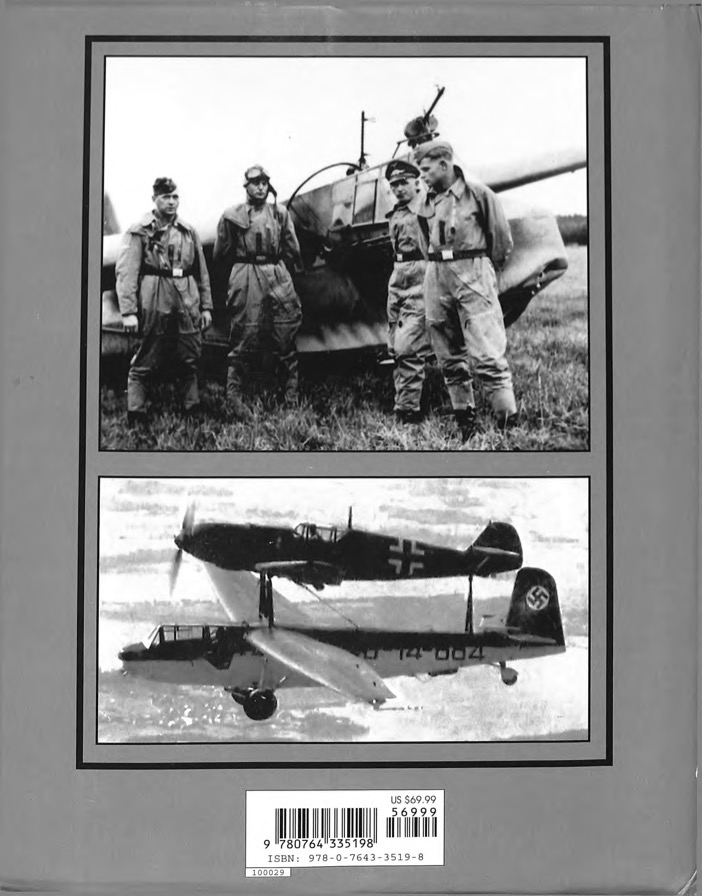
Chronicle is the chapter of primary interest to WWII historians as well as glider historians. In diary-like entry fashion—date by date—are briefly described missions, conferences, operations, and pertinent meeting results. This chapter is rich and expansive, in its eighty pages of material, giving the depth, breadth, and progression of the Luftwaffe’s gliders. German Gliders in World War II completely addresses why Nazi Germany created these glider designs and how they were employed. It is encyclopedic, attractive on a table, and would greatly enhance bookshelves devoted to aviation, aviation history, WWII history, as well as tactical support for air assault history.
| Hardcover
Publisher: Schiffer Military History (2010) Size: 11” x 9” Index: X (a chapter for each glider type) Bibliography: ✔︎ (with an appendix) Notes: X Photos: ✔︎ (tons) Cost: $70 ISBN: 978-0-7643-3519-8 Page Count: 304 pp. Available on Amazon |