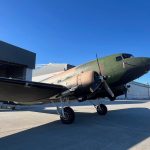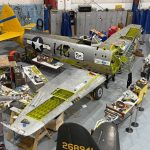

The Commemorative Air Force (CAF) operates one of the largest fleets of World War II aircraft in the world—181 airplanes ranging from B-29 and B-24 bombers to trainers like the PT-19. These aircraft are maintained and flown by approximately 40 CAF units, or “wings,” across the United States, all with a shared mission: to keep history alive by bringing these aircraft to the public. At the center of this effort is Noel Mareno, CAF’s Director of Maintenance, who has been in the role for about a year and a half. One of his recent initiatives brought together experts from across the organization for a focused B-25 Mitchell maintenance workshop, held March 6–8—an event designed to unify knowledge and improve how these iconic aircraft are cared for.
Why Focus on the B-25?
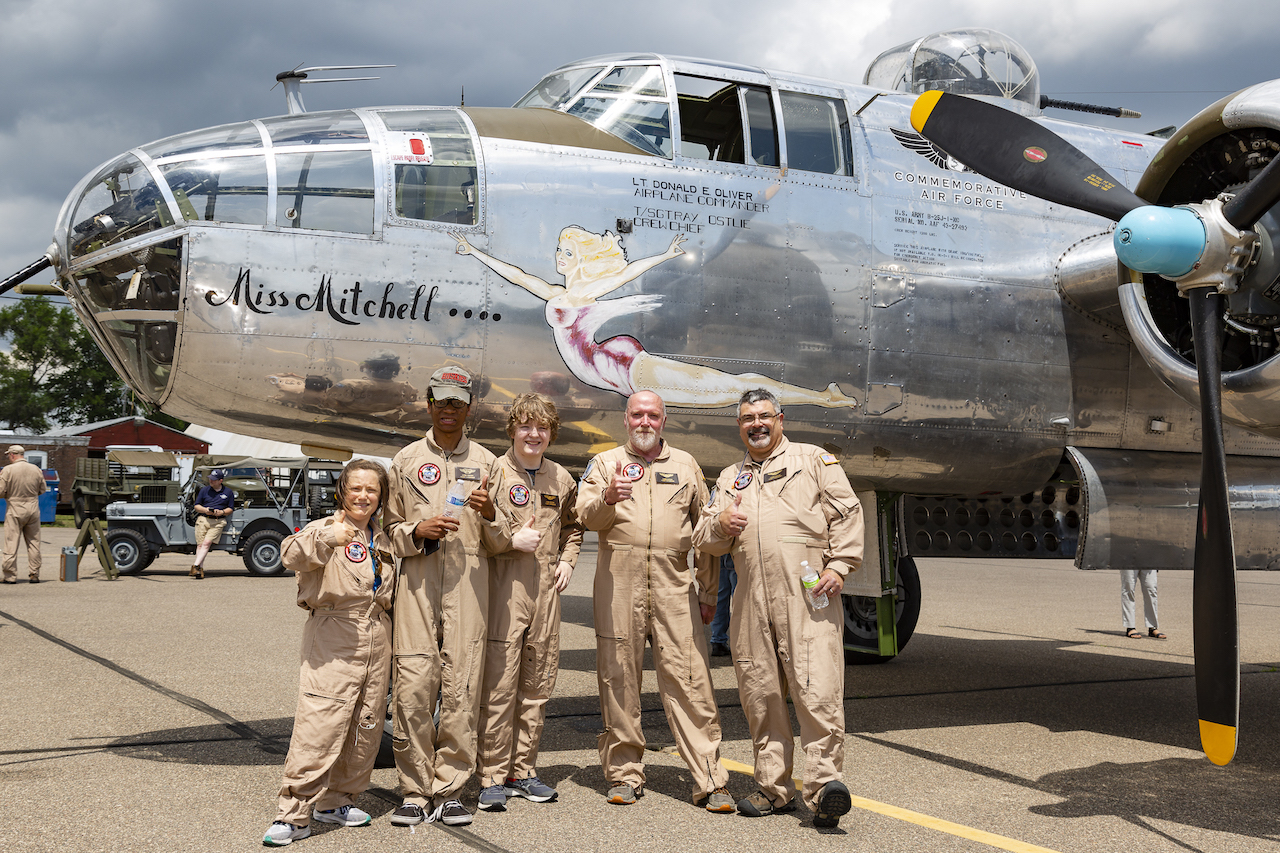
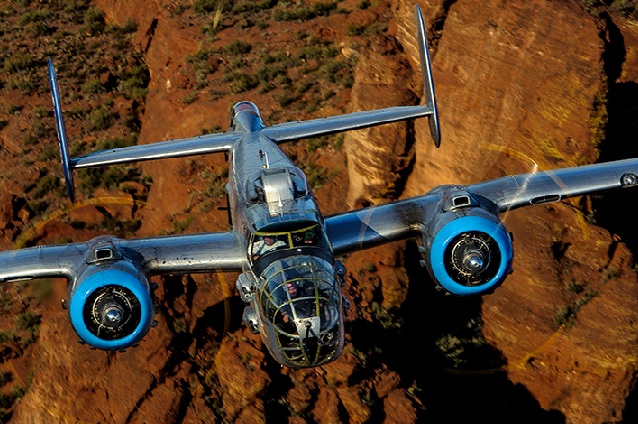
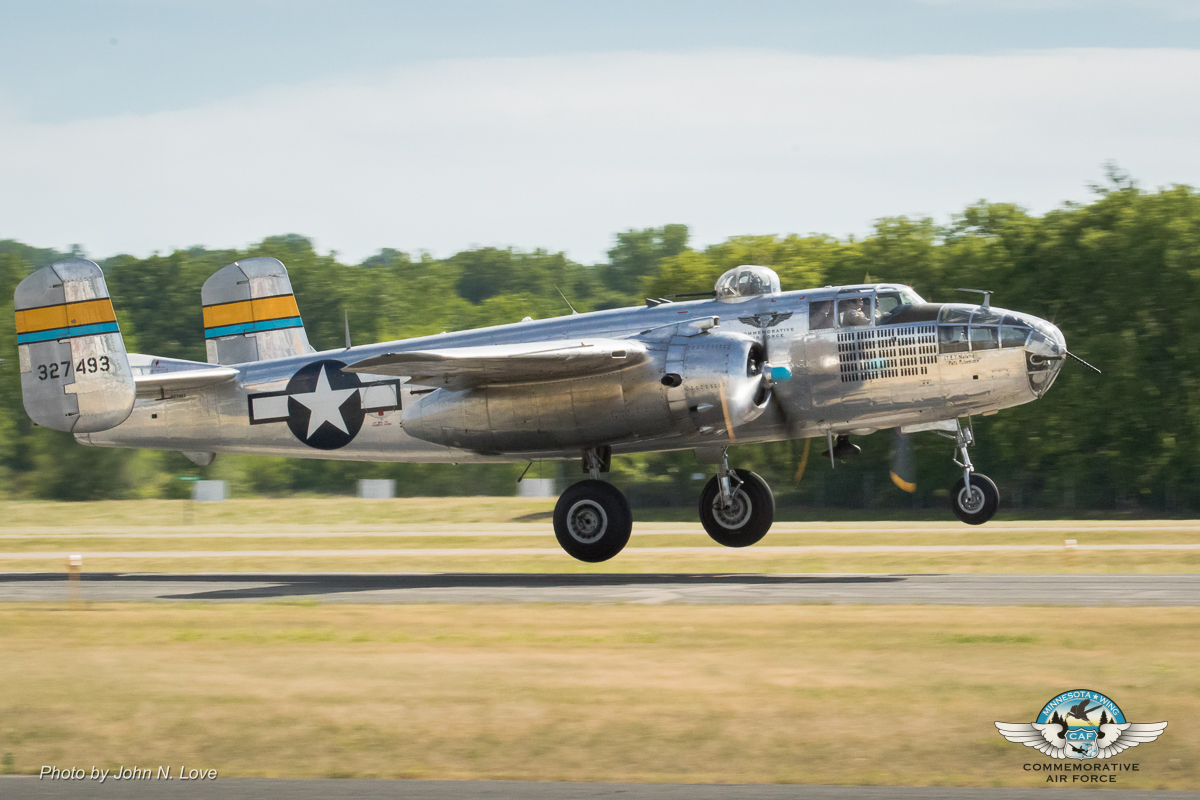
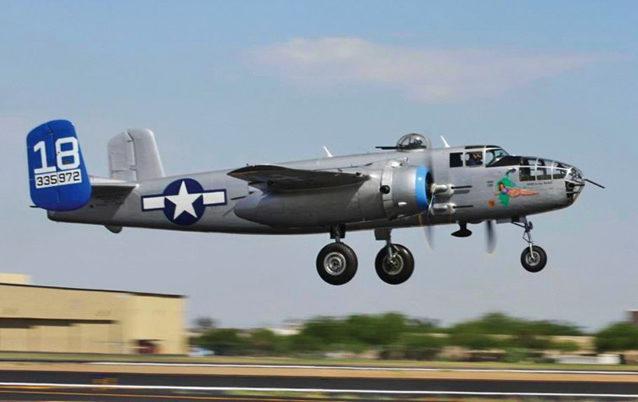
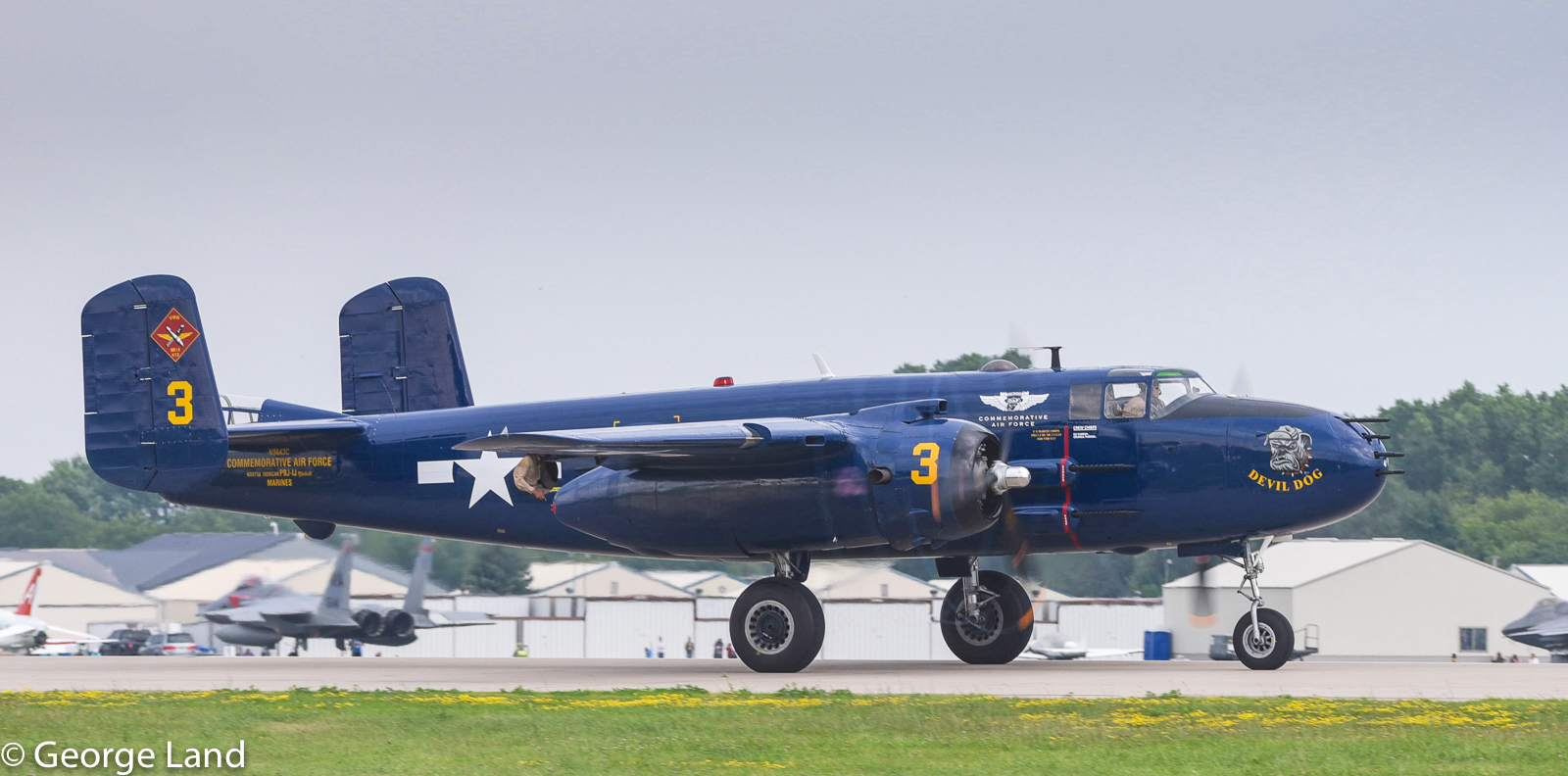
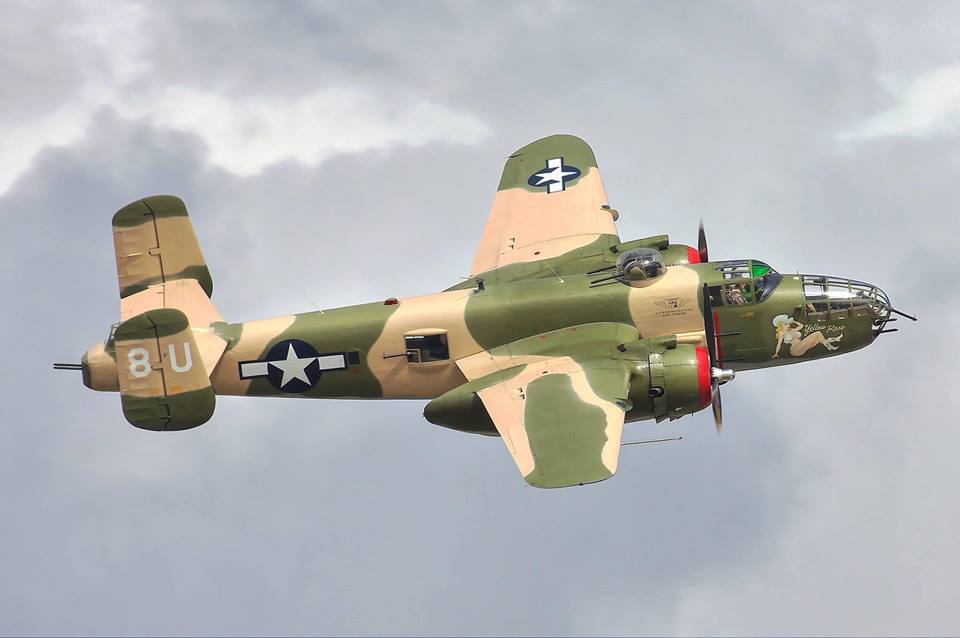
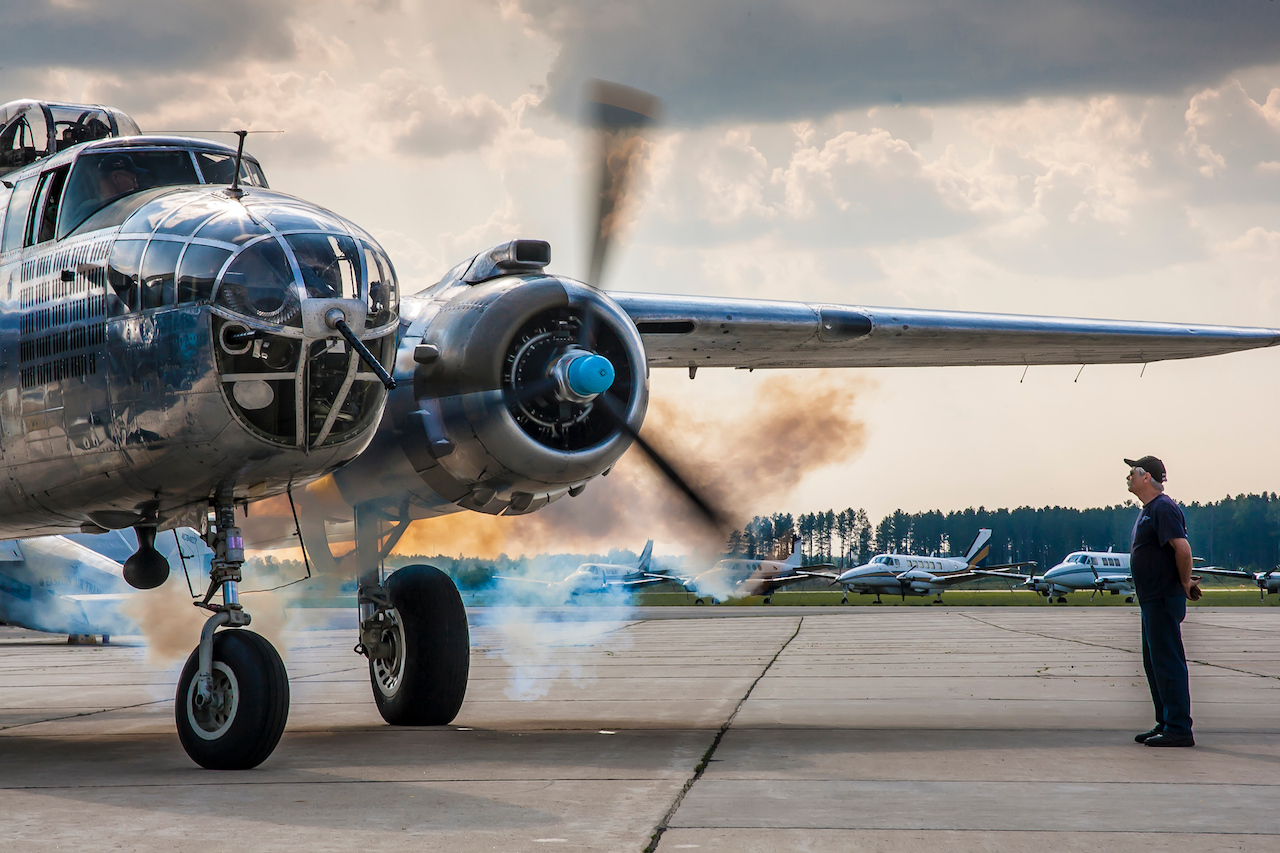
The North American B-25 Mitchell presents unique challenges within the CAF fleet. With six aircraft spread across different regions—including Texas, the Midwest, the West Coast, and Arizona—each unit has developed its own experience base over time. “The B-25 is unique in that it has its own set of challenges,” Mareno explains. “Parts availability, maintenance practices, and especially the R-2600 engines all require specialized knowledge.” Rather than allowing that knowledge to remain siloed, the workshop brought together representatives from the CAF units operating the aircraft, including the Arizona Airbase, Missouri Wing, Minnesota Wing, Devil Dog Squadron, Centex Wing, and SoCal Wing ( not present this time). By gathering these groups in one place, the CAF aimed to share expertise, align practices, and standardize how the aircraft are maintained across the country.
Bringing the Experts Together
Each CAF wing includes key leadership roles such as operations, safety, and maintenance officers. For this event, maintenance officers from the participating units traveled to Texas to collaborate, exchange ideas, and learn from one another’s experience. The workshop began informally on Friday evening, March 6, with a dinner and a special presentation from Larry Kelley, operator of the privately owned B-25 Panchito. Although not a CAF aircraft, Kelley is well known in the warbird community and brought valuable insight—along with a powerful historical presentation about the Doolittle Raiders and their experiences in China. “It was a very heartwarming presentation,” Mareno notes. “It really brought alive the sacrifices that the Raiders endured.”
A Hands-On, Full-Weekend Workshop
The core of the workshop took place over the weekend of March 7–8, combining structured discussions with hands-on learning. Saturday’s sessions covered airframe maintenance, parts sourcing, and the growing use of electronic maintenance tracking systems. Participants also discussed engine manufacturers, inspection protocols, and common issues observed in both engines and airframes. The group then traveled to Georgetown, Texas, where the CAF’s Devil Dog B-25 is based. With the aircraft opened up, including removal of cowlings, attendees conducted detailed, hands-on inspections. This allowed them to point out best practices, evaluate current maintenance approaches, and identify areas for improvement in real time. Sunday continued with deeper discussions around inspection tracking and consistency in maintenance procedures, wrapping up around midday after an intensive and productive exchange of ideas. “It was real brisk discussions,” Mareno says. “A lot of good information was exchanged.”
Decades of Experience, Shared
One of the most valuable aspects of the workshop was the depth of experience in the room. Some participants have been working on these aircraft since the 1980s, bringing decades of firsthand knowledge. “That’s a great deal of experience,” Mareno emphasizes. “They’ve seen trends, they know how to troubleshoot, they know where to get parts—and sharing that is critical.” The workshop reinforced the importance of consistency across geographically dispersed units, helping ensure that all B-25s in the CAF fleet are maintained to the same high standard.
A Proven and Welcomed Initiative
While this was not the first B-25 workshop, it continues a tradition held approximately every three years. Based on past success, participation and enthusiasm remain high. “The units are very excited to do it,” Mareno says. “Some even brought more than one person because they see the value. They walk away with better ways to maintain the airplane.” Even by Sunday, attendees remained engaged and eager to continue discussions—clear evidence of the workshop’s impact.
The Bigger Picture: Preserving History Safely
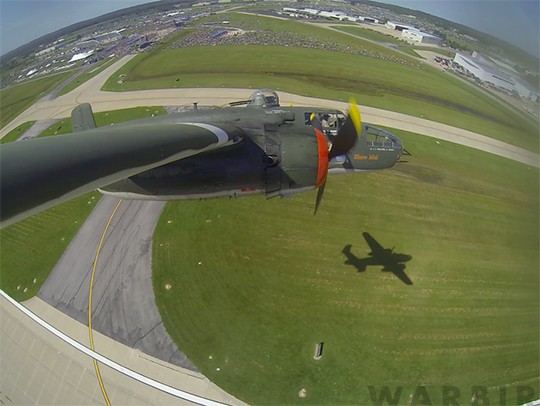
For Mareno, the workshop’s importance goes beyond technical alignment. It’s about preserving fragile, historic aircraft for future generations. “These aircraft continue to be fragile,” he explains. “We want to make sure we’re maintaining and operating them properly to extend their life.” That mission is central to the CAF’s purpose. These aircraft are not just static displays—they fly, they perform, and they offer the public a rare, living connection to history. “They’re unique in how they sound, how they fly,” Mareno says. “We can offer rides in them. But to do that, we have to maintain a strong safety record and consistent maintenance practices.” While the workshop focused on the B-25, its lessons extend across the entire CAF fleet, ensuring that these historic aircraft continue to inspire and educate for years to come. For more information about Commemorative Air Force, visit www.commemorativeairforce.org.