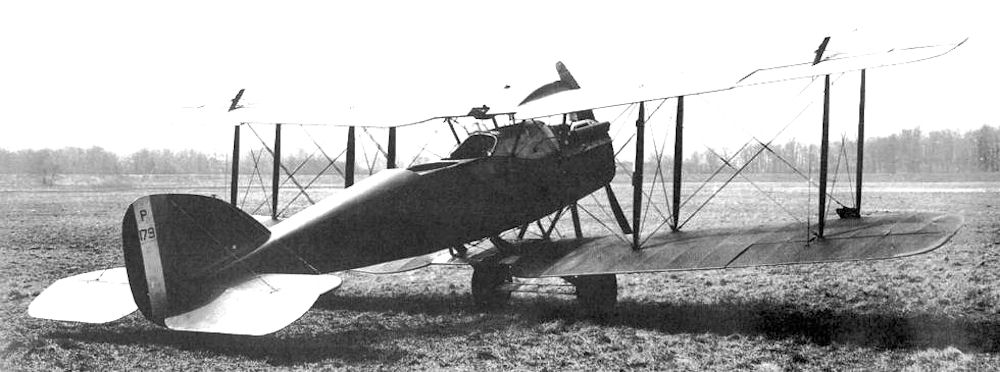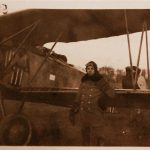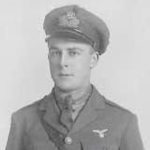
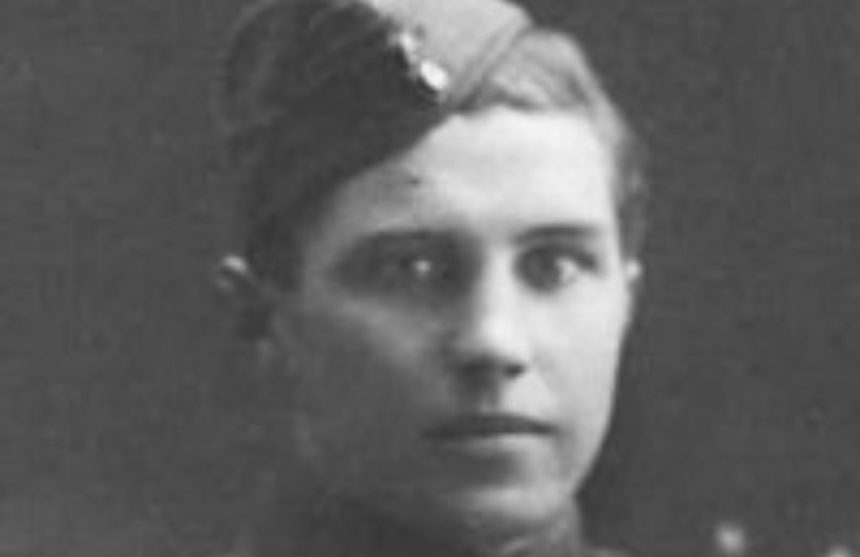

Many aces who served in WWI went into other professions when the war ended. But some stayed on and improved their flying skills. One of those aces was John Stanley Chick, born on December 22, 1897, in Wales. Chick began his military career as a sapper with the Royal Engineers in 1914. In February 1917, he joined the Royal Flying Corps as a Cadet at Denham and became a second lieutenant on May 3, 1917. Chick received his pilot’s certificate, No.4735, on May 27, 1917. In November 1917, he was assigned to No. 11 Squadron. Flying a two-seater Bristol F.2 Fighter, he achieved all his victories in the first four and a half months of 1918. His first victory was on January 1, 1918, followed by another on 28. On March 12, 1918, he shot down a German observation plane and four Fokker Dr.I fighters and officially became an ace. In March, he scored three more times to reach his total of 10. On April 1, 1918, John Stanley Chick was promoted to lieutenant. After shooting down two more aircraft on May 9, on May 15, he ended his winning streak by setting a German observation plane on fire, destroying two Fokker Dr.I, and shooting down a Pfalz D.III fighter, bringing his score to 16. That same day, he became a flight commander with the temporary rank of captain.
Ace Journey of John Stanley Chick
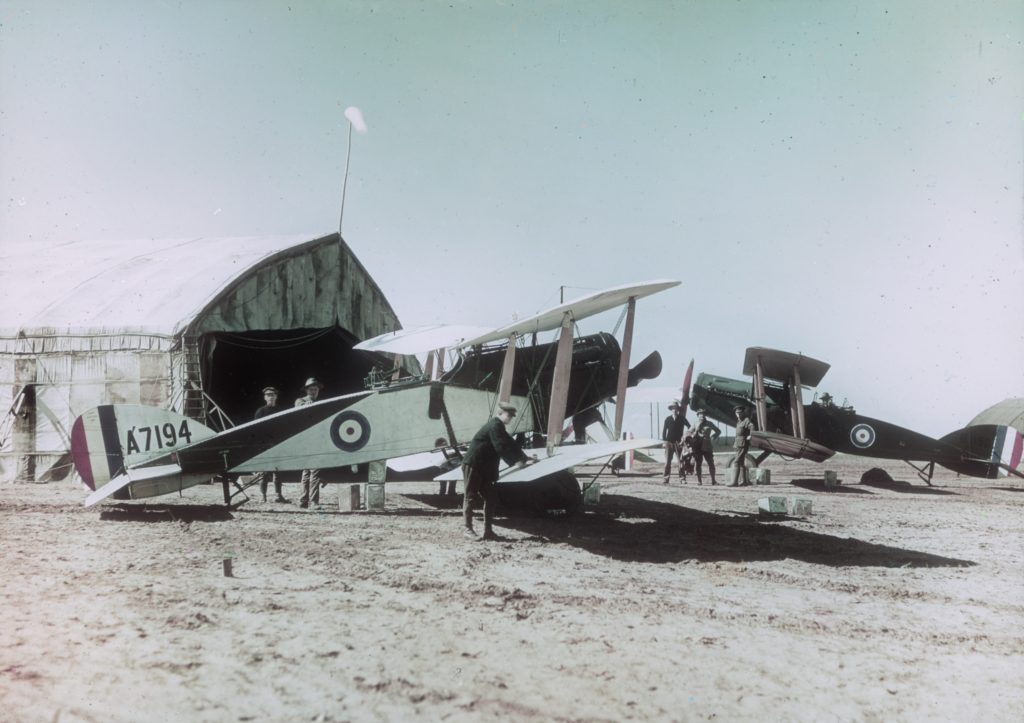
In May, John Stanley Chick was also awarded the Military Cross (MC), with a citation, “For conspicuous gallantry and devotion to duty. While leading a patrol of four machines over the enemy’s lines, he attacked an enemy two-seater machine, which his observer drove down completely out of control. Shortly afterwards, the patrol engaged nineteen enemy machines; he dived onto the uppermost machine and drove it down in a series of spins and side-slips completely out of control. He then attacked two others and brought them down in the same manner, while his observer drove down another out of control. On another occasion, his formation, consisting of five machines, attacked twenty-five enemy aeroplanes. He destroyed one of the enemy and drove another out of control. He set a magnificent example of courage and skill.” On April 13, 1919, after the war, John Stanley Chick gave up his rank of acting captain as the Royal Air Force was downsizing. On August 1, 1919, he became a flying officer. On October 8, 1919, he started pilot duties with No. 100 Squadron RAF. Sixteen days later, he received a permanent commission as a flying officer. On June 28, 1920, he was assigned to No. 24 Squadron RAF. Later that year, on December 7, he transferred to No. 60 Squadron RAF. In 1922, John Stanley Chick began working as a test pilot at the Royal Aircraft Establishment in Farnborough, where he was part of an aerobatics team that flew S.E.5 planes. On June 30, 1923, he was promoted to flight lieutenant. He won the Grosvenor Challenge Cup in 1925 and came in second in the Daily Mail Light Aircraft Competition in 1926. Both events were British light aircraft racing and trial events held during the 1920s.
Legacy and Death
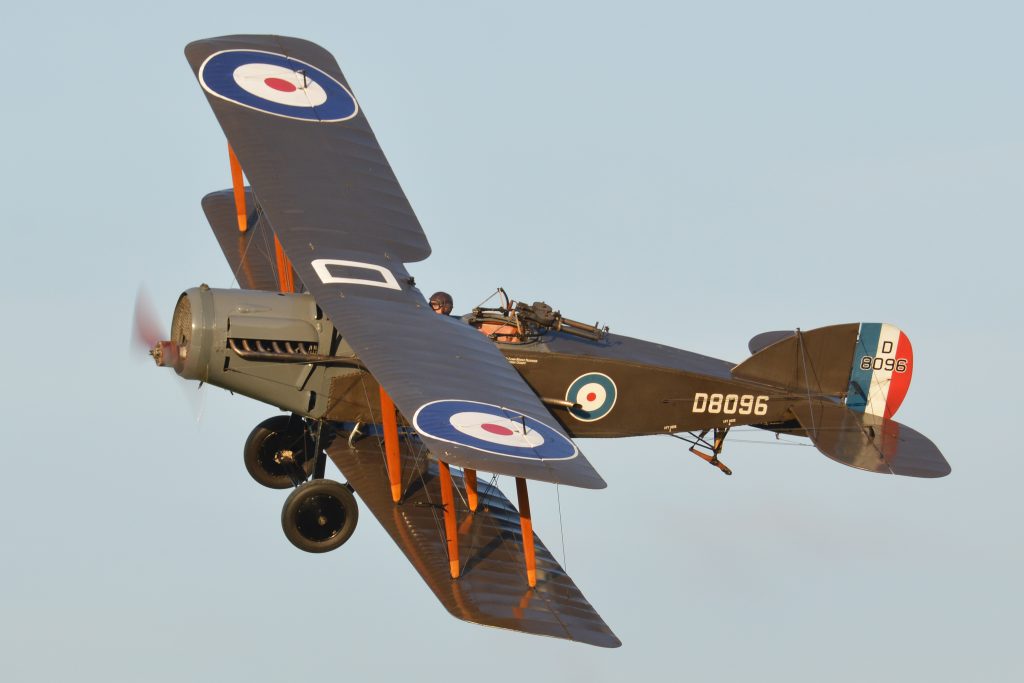
Later in 1926, John Stanley Chick joined the new High Speed Flight at RAF Felixstowe. He then attended the Instructors Course at the Central Flying School and earned an A1 rating. He started a tour of duty at the Central Flying School on June 22, 1927. He ended the decade by leading the Central Flying School aerobatics team in 1929. On January 19, 1931, John Stanley Chick started attending the Royal Air Force Staff College. He became a flight commander in No. 203 Squadron RAF on January 23, 1932, and was promoted to squadron leader on February 1, 1932. On January 15, 1934, he took charge of the Station Flight of Cambridge University Air Squadron at RAF Duxford. He was promoted to wing commander on April 1, 1937. Just before World War II began, in February 1939, he became the Officer Commanding of No. 49 Squadron RAF. During WWII, he became a temporary group captain on June 1, 1940. In 1941, Chick was chosen to lead RAF Luqa. On April 23, 1942, he joined the Middle East Command. He was promoted to acting air commodore around November 16, 1942. The next year, on February 21, 1943, John Stanley Chick was assigned to Special Duty. John Stanley Chick retired on December 27, 1947. After retiring, he served as the Civil Defence Officer for Colchester from 1951 to 1957. He died at the age of 62 on January 21, 1960, in Colchester, Essex, England. In the Aces series, Chick was not an ordinary pilot. During four and a half months of combat, John Stanley Chick scored all 16 of his victories on just seven separate days. The flying he did after the war also brought him awards and recognition. Read more stories about other aces HERE.