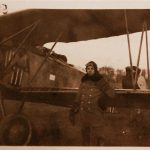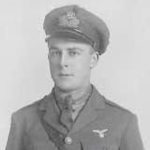
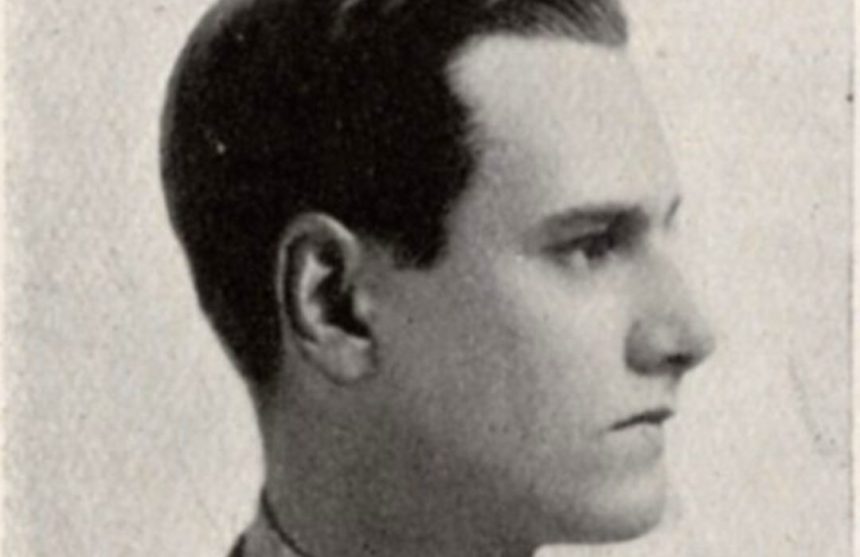

During WWI, aces from several countries joined various battles. There was an ace, Thomas Colvill-Jones, who spent most of his time in Argentina before becoming a pilot and eventually an ace. Thomas Colvill-Jones was born on November 1, 1897, in Buenos Aires, Argentina. He was the second son of Abbie and Robert Colvill-Jones, a British couple. In April 1910, the family moved to England. Thomas and his older brother Robert attended Dulwich College for about nine months, living at The Orchard. After that, they went to Victoria College in Jersey. In the summer of 1912, the family returned to South America.
Initial Victories of Thomas Colvill-Jones
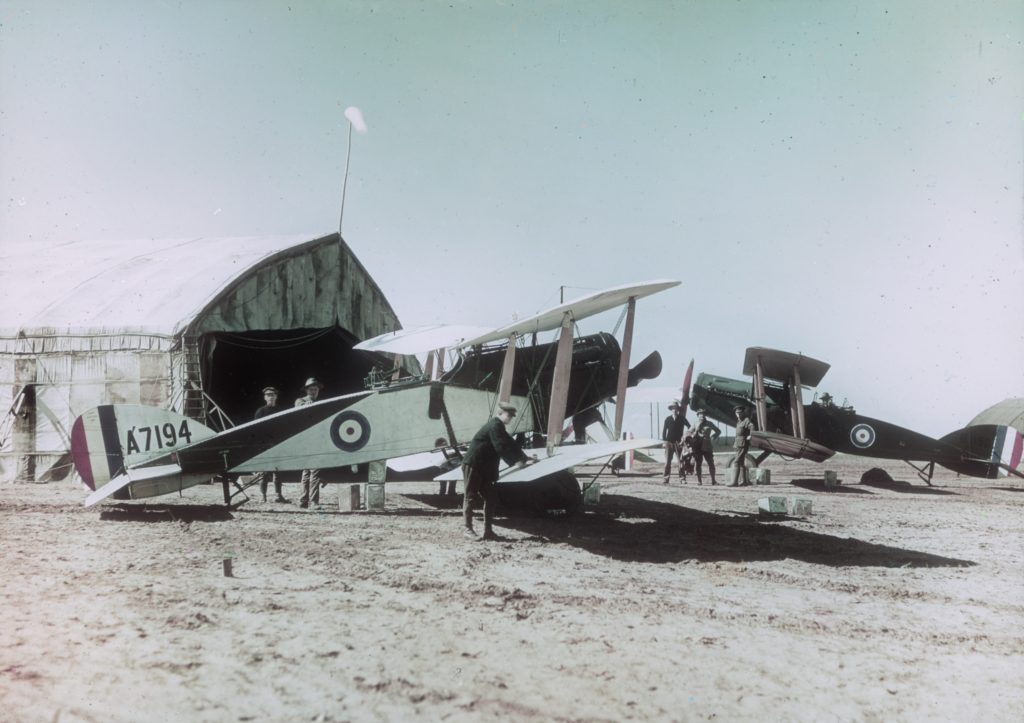
Once back, Thomas Colvill-Jones worked at the Central Argentine Railway. He started in the drawing office and later became an Assistant Engineer in the San Martín section. Thomas was also a skilled tennis player, the champion of the Villa Devoto club, and regularly participated in numerous annual tournaments in Buenos Aires. In early 1917, he returned to England and joined the Artists Rifles. He later got a temporary job in the Royal Engineers. However, Thomas Colvill-Jones was very interested in flight, so he asked to transfer to the Royal Flying Corps, where he trained as a pilot. He was posted to the front lines in late 1917 and was stationed near Ypres. His first victory came on October 18, 1917, when Thomas Colvill-Jones shot down an Albatros D.V, followed by another victory in November, to end 1917 at a personal score of two.
Ace Journey and Death
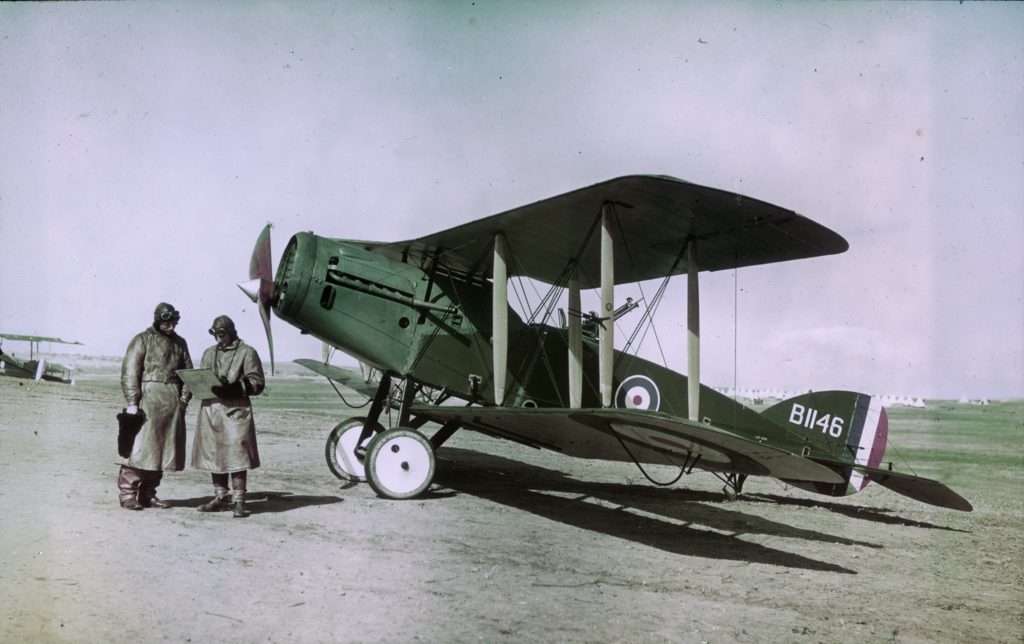
After claiming two victories in mid-January 1918, Thomas Colvill-Jones became an ace on January 28. He scored two victories each in February and March, and by the time the Royal Flying Corps became the Royal Air Force, he had already shot down nine German aircraft. In April, he added two more victories, bringing his total to eleven. It made him one of the most successful South American pilots in the war. However, on April 25, 1918, he was reported missing. For a while, his fate was unclear. Later, it was confirmed that Thomas Colvill-Jones was badly wounded and captured by the Germans on April 25. He never recovered from his wounds and died at the prisoner-of-war camp in Limburg an der Lahn, Germany, on May 24, 1918. Out of his 11 victories, seven were Albatros aircraft, two were C-type aircraft, and one each was a Pfalz D.III and a balloon. In the Aces series, Thomas Colvill-Jones was a brave pilot and ace who sacrificed his life in the line of duty at age 20. Read stories about other Aces HERE.