






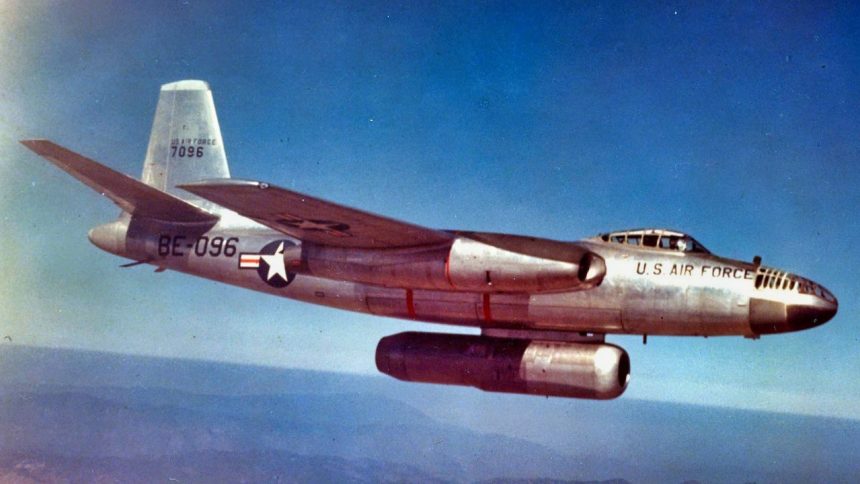

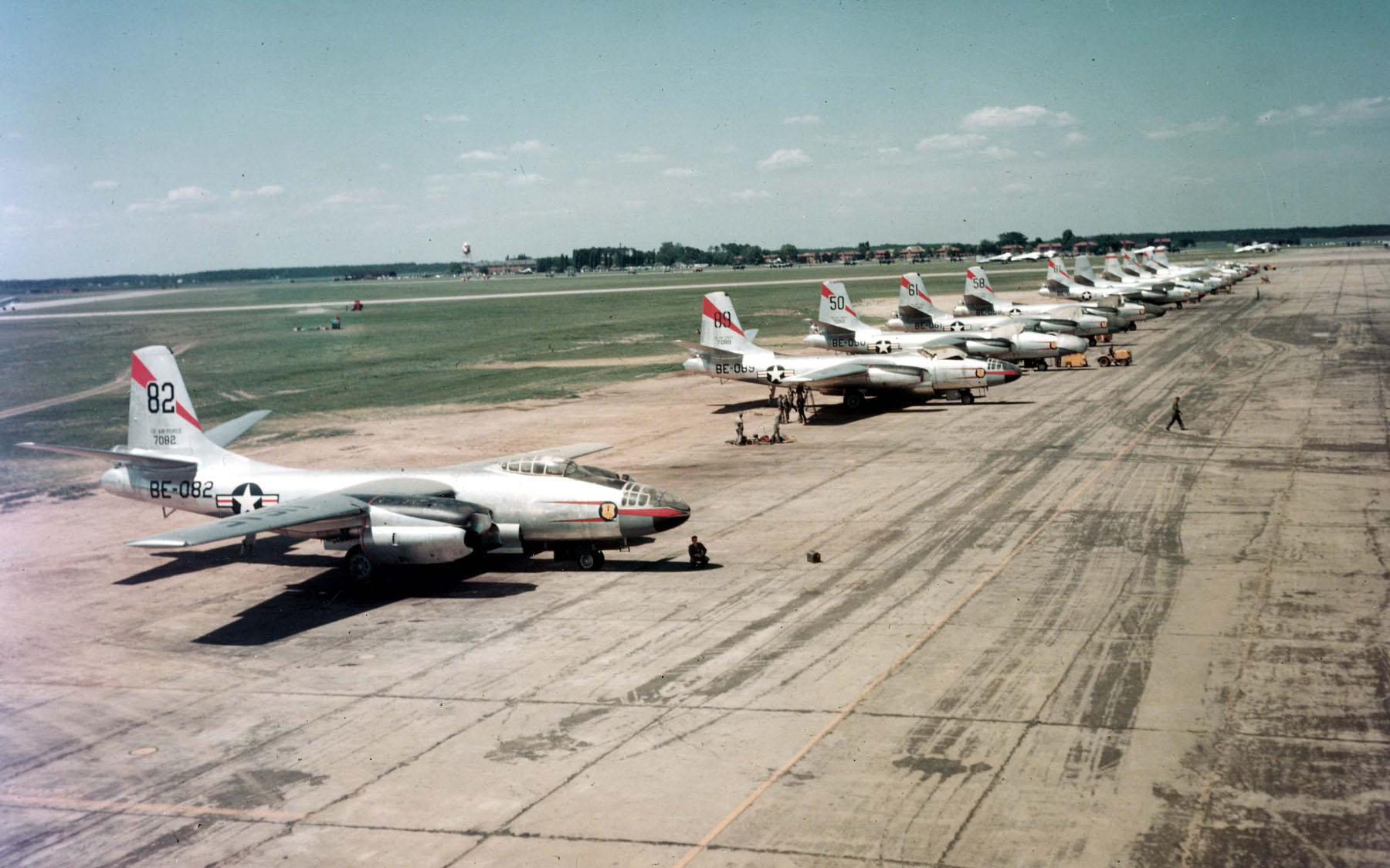
It has often been the case in the history of military aviation that even moderately successful aircraft can be all but forgotten, especially when that warplane has never fired a shot or dropped a bomb in anger. Such is the case for America’s first operational jet bomber; the North American B-45 Tornado. Developed in response to a demand from a US Army Air Force for a jet bomber following the combat debut of the Arado Ar 234 Blitz, the world’s first operational jet bomber, and kept active to counter the Soviet Air Force in the event that the emerging Cold War went hot, the first XB-45 prototype made its first flight on March 17, 1947, at Muroc Army Airfield (now Edwards Air Force Base).
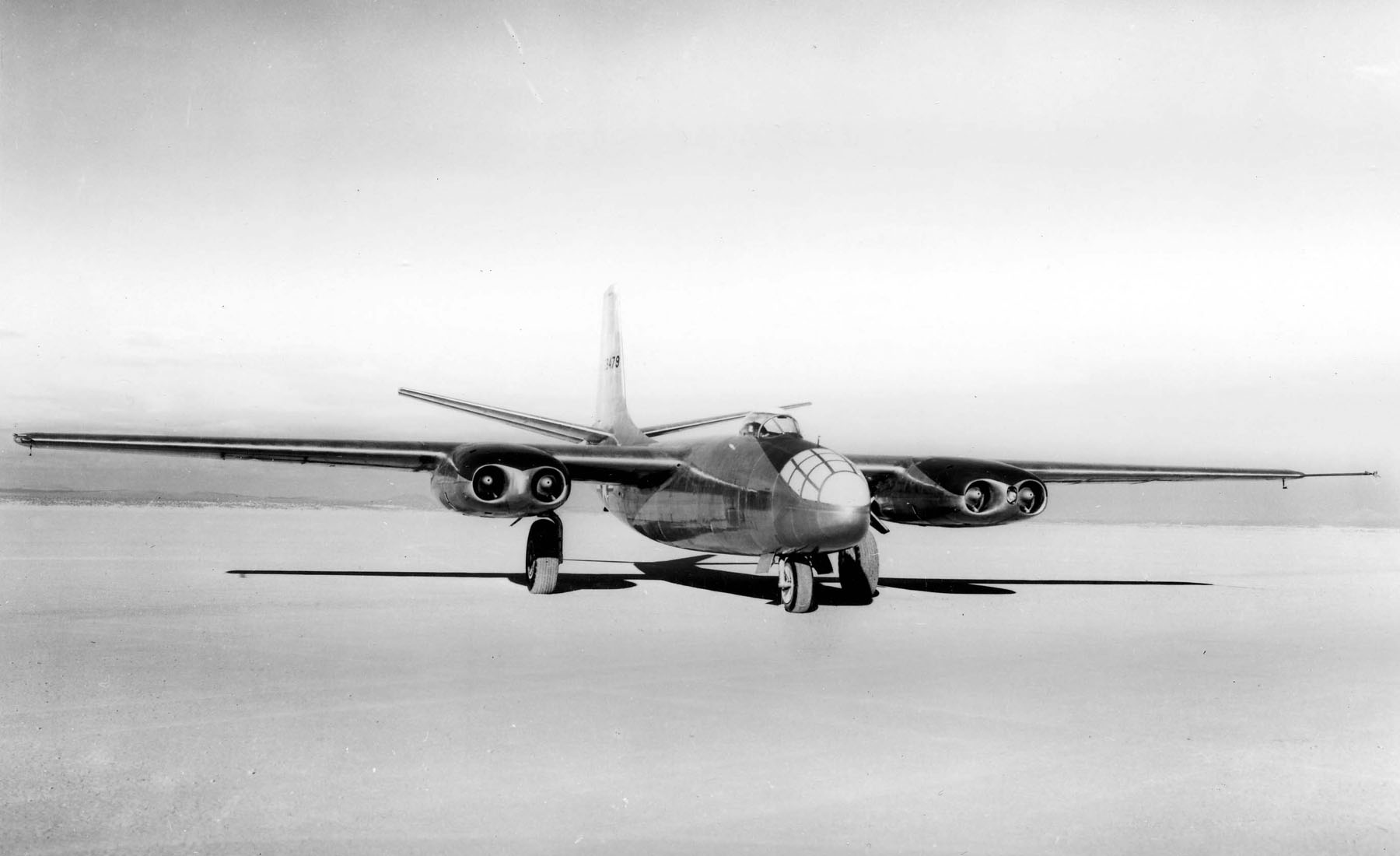
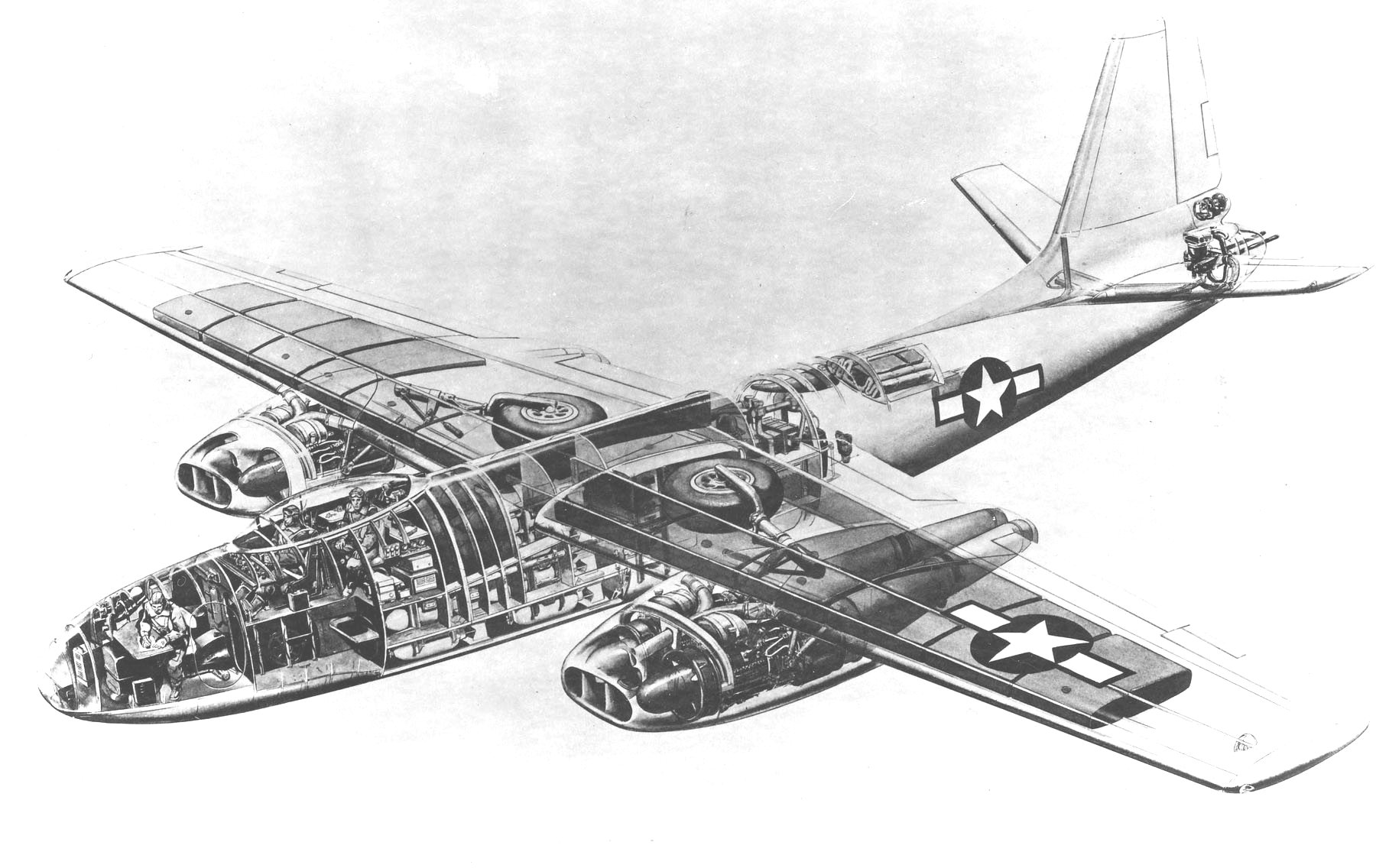
Upon entering operational service on April 22, 1948, the B-45 Tornado was the USAF’s primary jet bomber from the end of the 1940s to the very start of the 1950s. Powered by four General Electric J47 turbojet engines, the Tornado was manned by a four-man crew (Pilot, Co-Pilot, Bombardier/Navigator and Tail Gunner).
At the same time that the B-45 Tornado was the USAF’s frontline jet bomber, the revolutionary Boeing B-47 Stratojet, which first flew nine months after the Tornado, was beginning to enter the Air Force’s inventory. With the prototypes having had to overcome many technical setbacks, initial tests from the B-47 program showing great potential performance, and a shrinking defense budget in the wake of post-WWII demobilization, 51 of the 190 B-45As on production contracts between the Air Force and North American were cancelled before they were ever built.
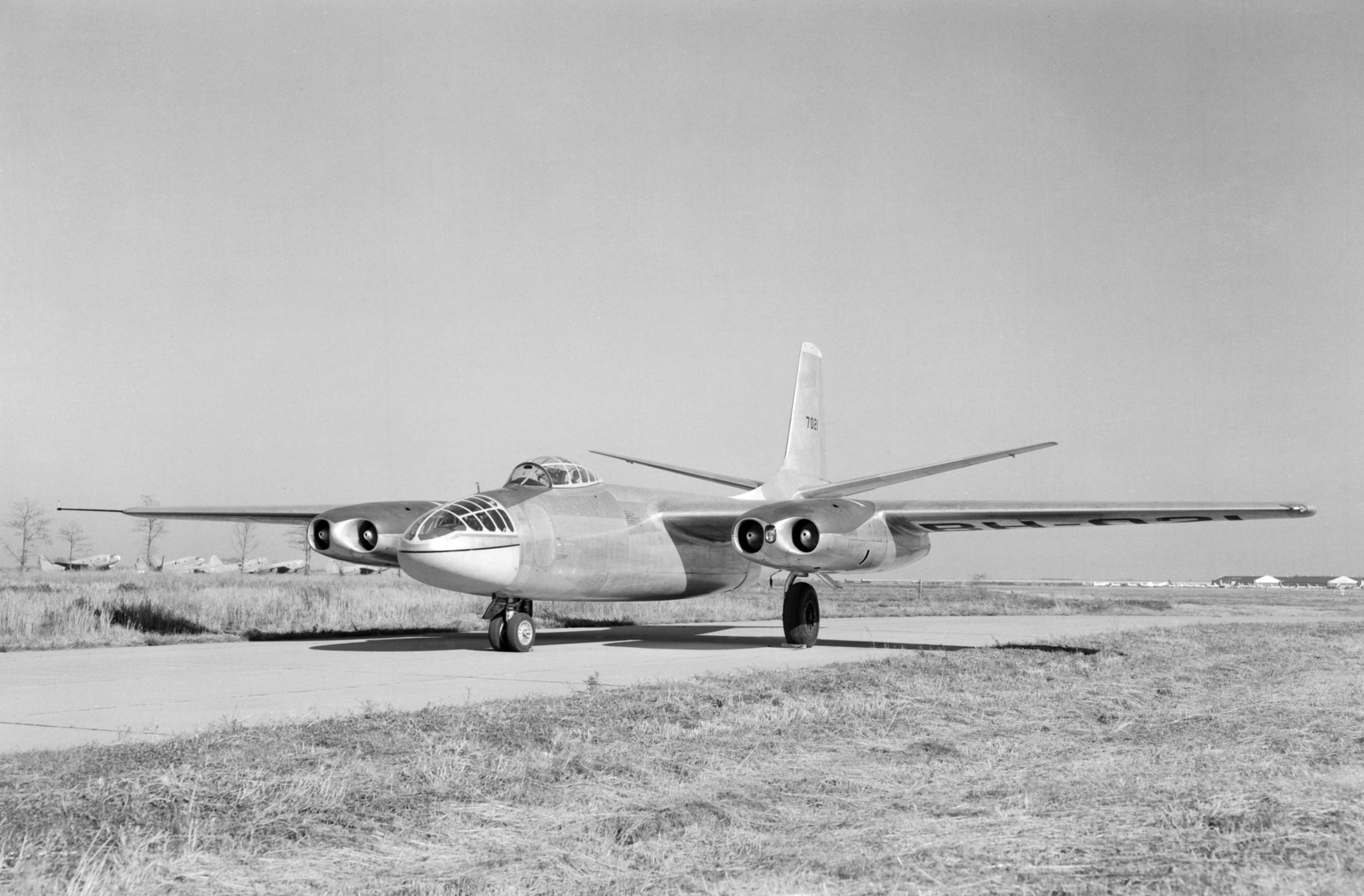
When the Korean War broke out, the B-45As simply did not have the range to make the ferry flight to Hawaii, let alone fly to occupied Japan, and the Tornado was too large to be effectively transported aboard WWII-surplus Liberty and Victory-class transport ships. As such, the USAF decided to send the Tornados to Europe as part of the Tactical Air Command (TAC) to deter a Soviet attack on Western Europe.
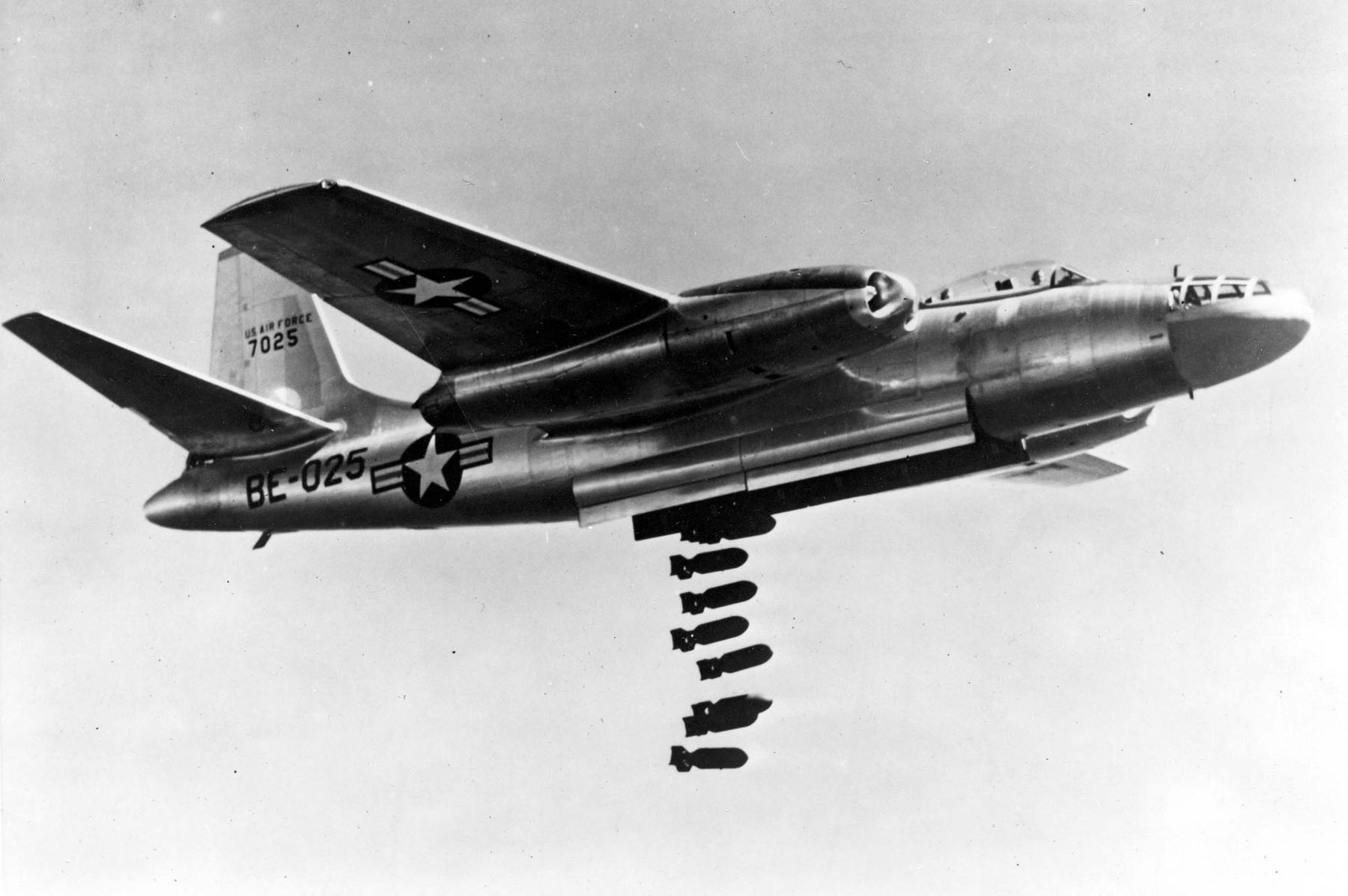
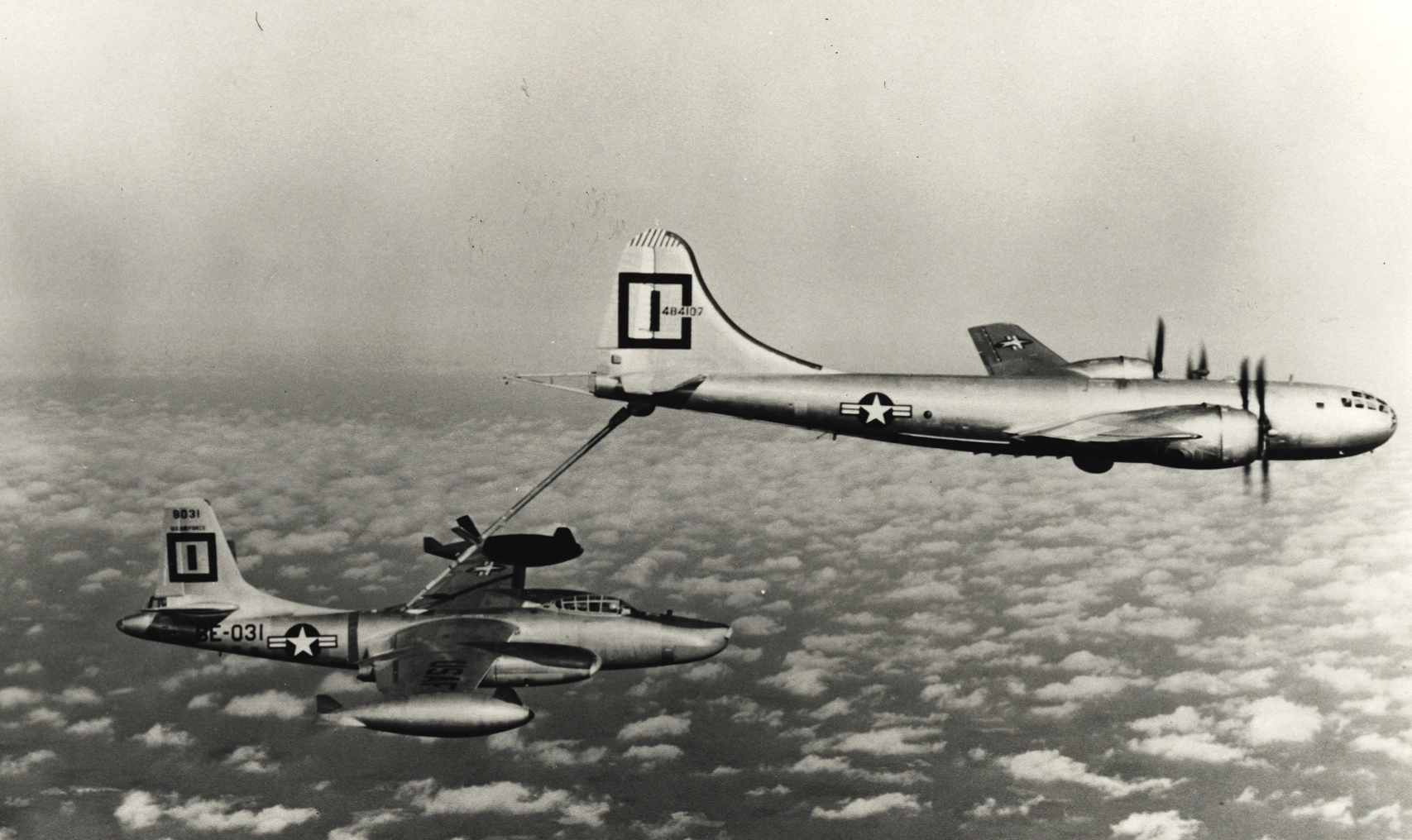
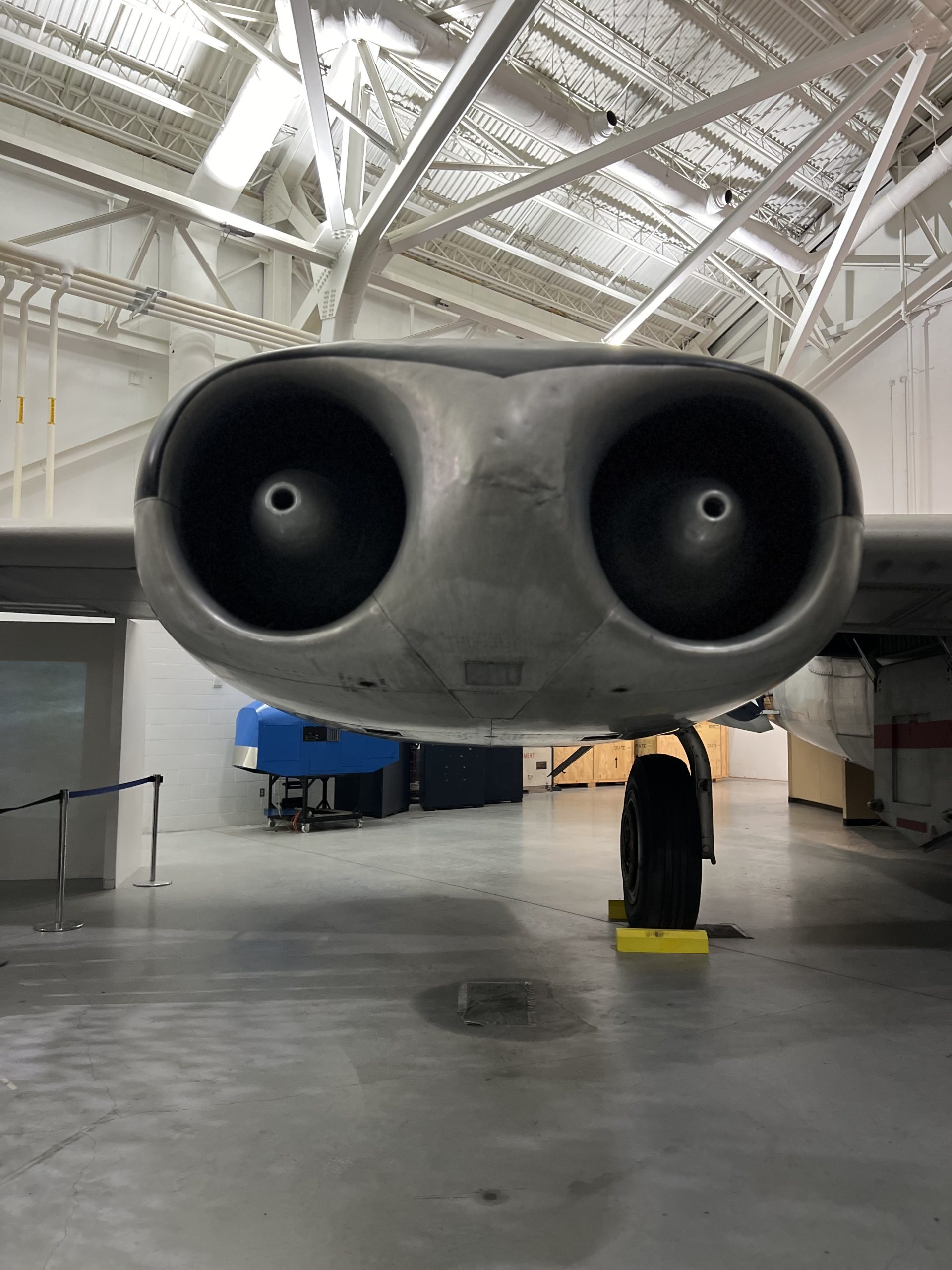
As the United States began developing more nuclear bombs, it sought to have its first operational jet bomber be armed with these new, destructive weapons. However, the B-45 Tornado was not initially designed to accommodate nuclear weapons, and when the engineers at North American Aviation finally got the security clearance to pore over the dimensions of the bombs then in service, they realized that a large wing spar stretching across the width of the bomb bay would prevent a nuclear bomb from being carried by the B-45. Nonetheless, the USAF authorized a program to begin modifying 40 of the 96 B-45As in service to be nuclear-capable. The result would mean modifying the wing spars to accommodate three types of nuclear bombs, the addition of additional electronic support equipment, extra fuel tanks, and a remotely operated tail turret, which were all modified at the Air Material Command (AMC) Depot at Norton Air Force Base in San Bernardino, California, under the program name Operation Fandango (also known as Operation Backbreaker). In addition to its role as a strategic bomber, the final variant of the B-45 Tornado, the RB-45C, would become an effective photo-reconnaissance platform. The nose section that previously housed the bombardier’s compartment was faired over and fitted with an oblique camera. The crew still consisted of four men, but the Bombardier/Navigator was now the Photo/Navigator. Additionally, the RB-45C could be equipped with two Jet-Assisted Takeoff (JATO) rockets for faster takeoffs or two 214-gallon droppable tanks suspended underneath the engine nacelles for a water injection system for extra takeoff thrust, and was modified to be capable of inflight refueling, with a receptacle added behind the cockpit canopy.
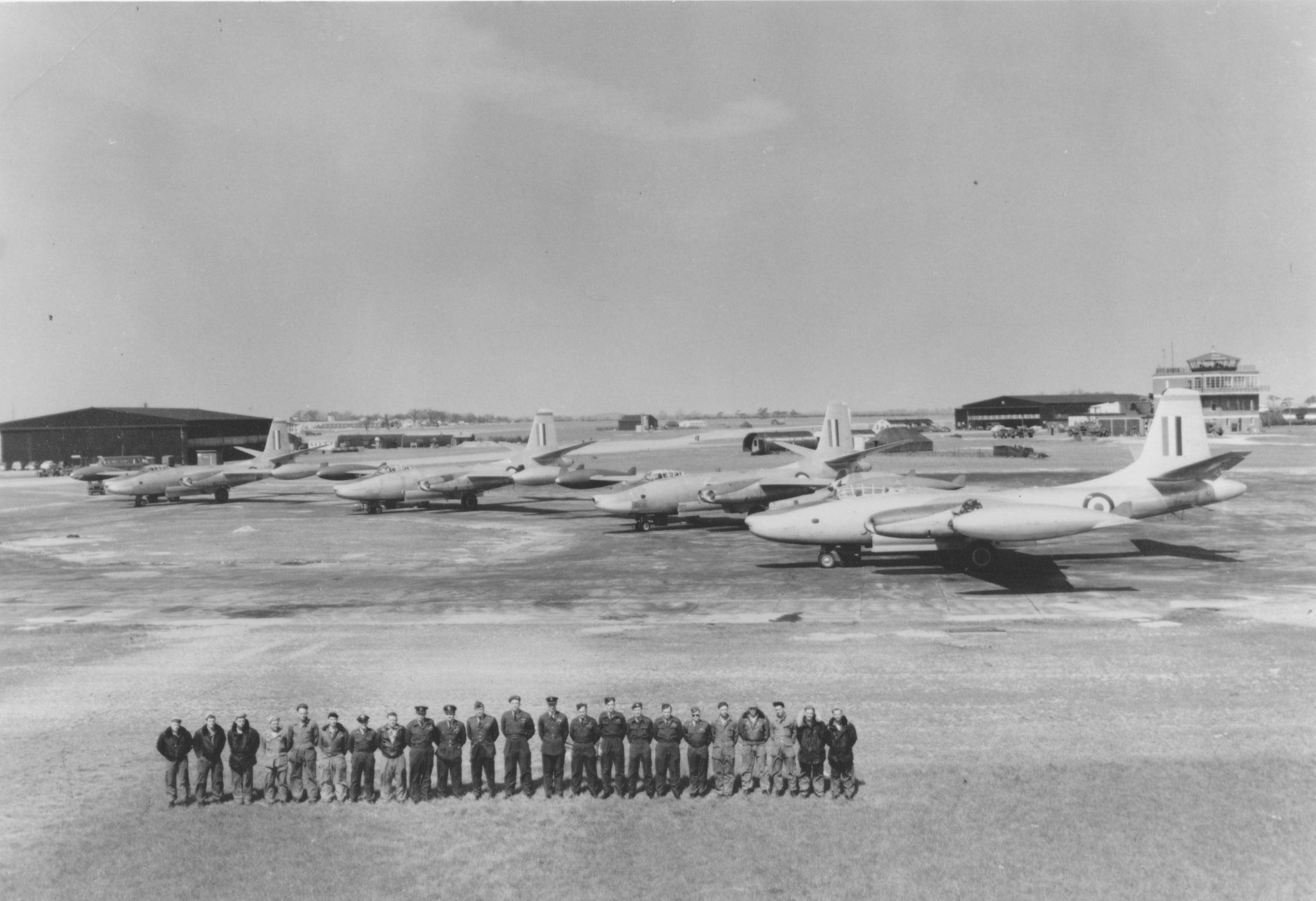
The RB-45C variant provided valuable intelligence to US forces during the Korean War, while RB-45Cs stationed in England were painted in RAF markings and flown by RAF crews of No. 35 Squadron and No. 115 Squadron on clandestine electronic-reconnaissance and photo-reconnaissance missions into the Soviet Union as part of Operation Ju-jitsu. This was because USAF crews were not officially permitted to fly into Soviet airspace, but the RAF command had no such policies. However, the Soviet jet interceptors such as the Mikoyan-Gurevich MiG-15 still posed a threat to the Tornados, as on December 4, 1950, RB-45C 48-015 of the 91st Strategic Reconnaissance Wing was intercepted by five MiG-15s and shot down over the Korea Bay near the mouth of the Yalu River with the loss of two crewmembers in action (Co-pilot Maj. Jules E. Young and navigator Capt. James Picucci), and the capture and eventual death in captivity of Pilot Capt. Charles E. McDonough and observer Col. John R. Lovell. Meanwhile, Soviet pilot Aleksandr Fedorovich Andrianov was given credit for the shot-down, and of the four-man crew onboard, and the incident was classified to prevent a direct conflict with the Soviets.
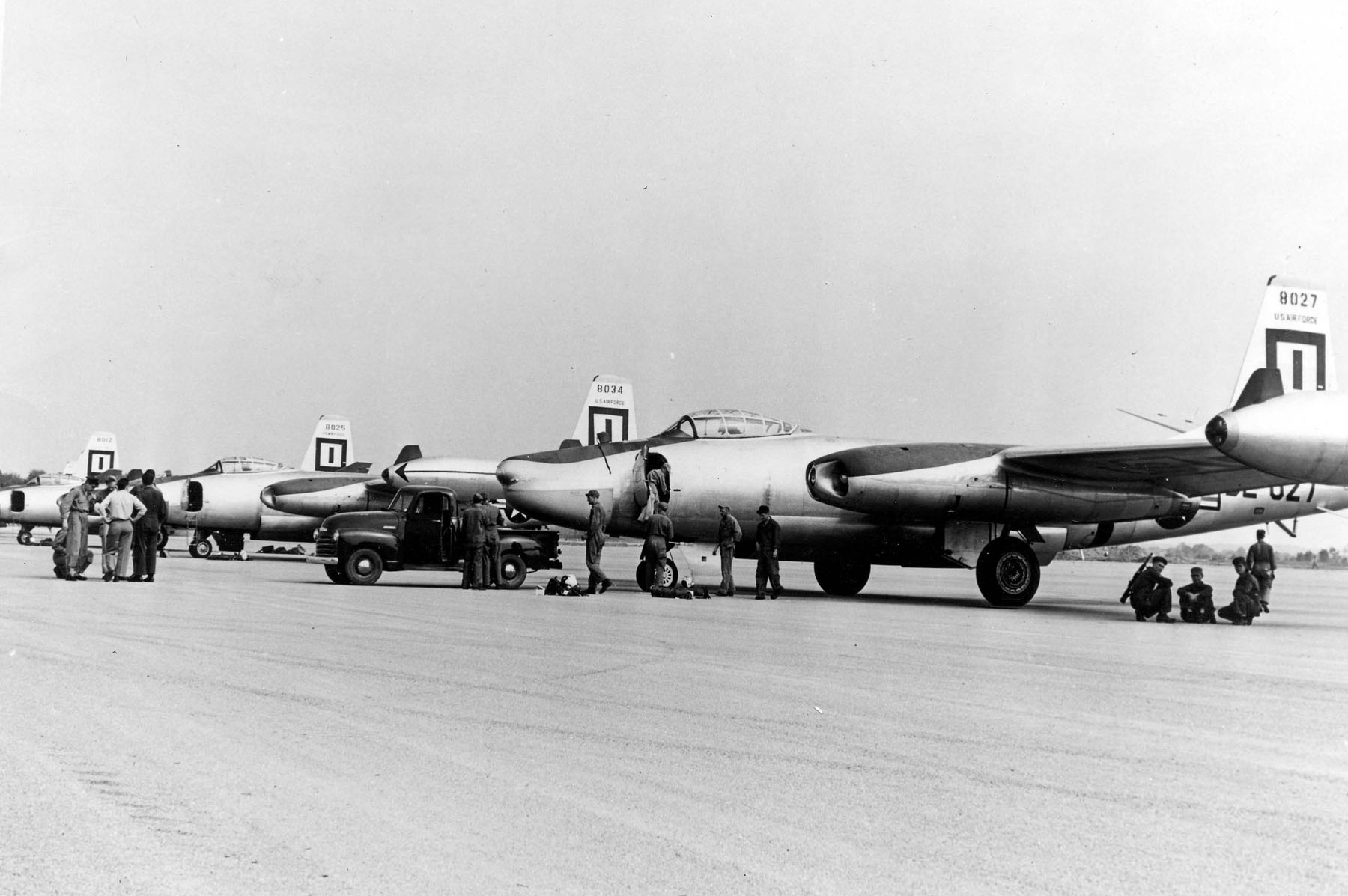
In all, a total of 143 B-45 Tornados were built (three XB-45s, 96 B-45s, ten B-45Cs, and 33 RB-45Cs). By the mid-1950s, the Boeing B-47 Stratojet would replace the North American B-45 Tornado as both a bomber and as a reconnaissance aircraft, and by 1959, the type was withdrawn from operational service. Many of the B-45 Tornados were scrapped shortly after being stricken from the USAF’s inventory, but at least three intact examples have survived to the present day and are on display to the public in the United States.
B-45A 47-0008
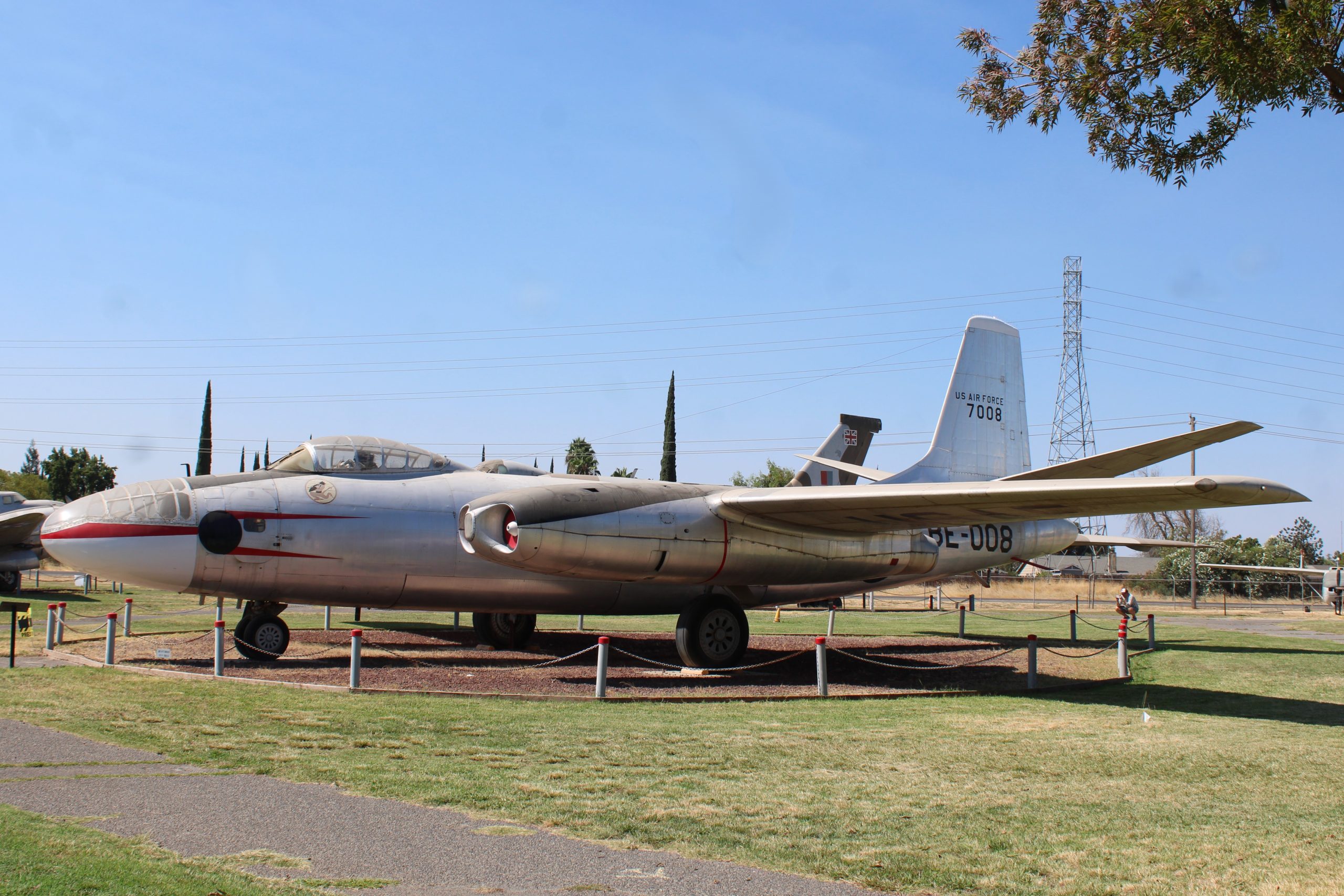
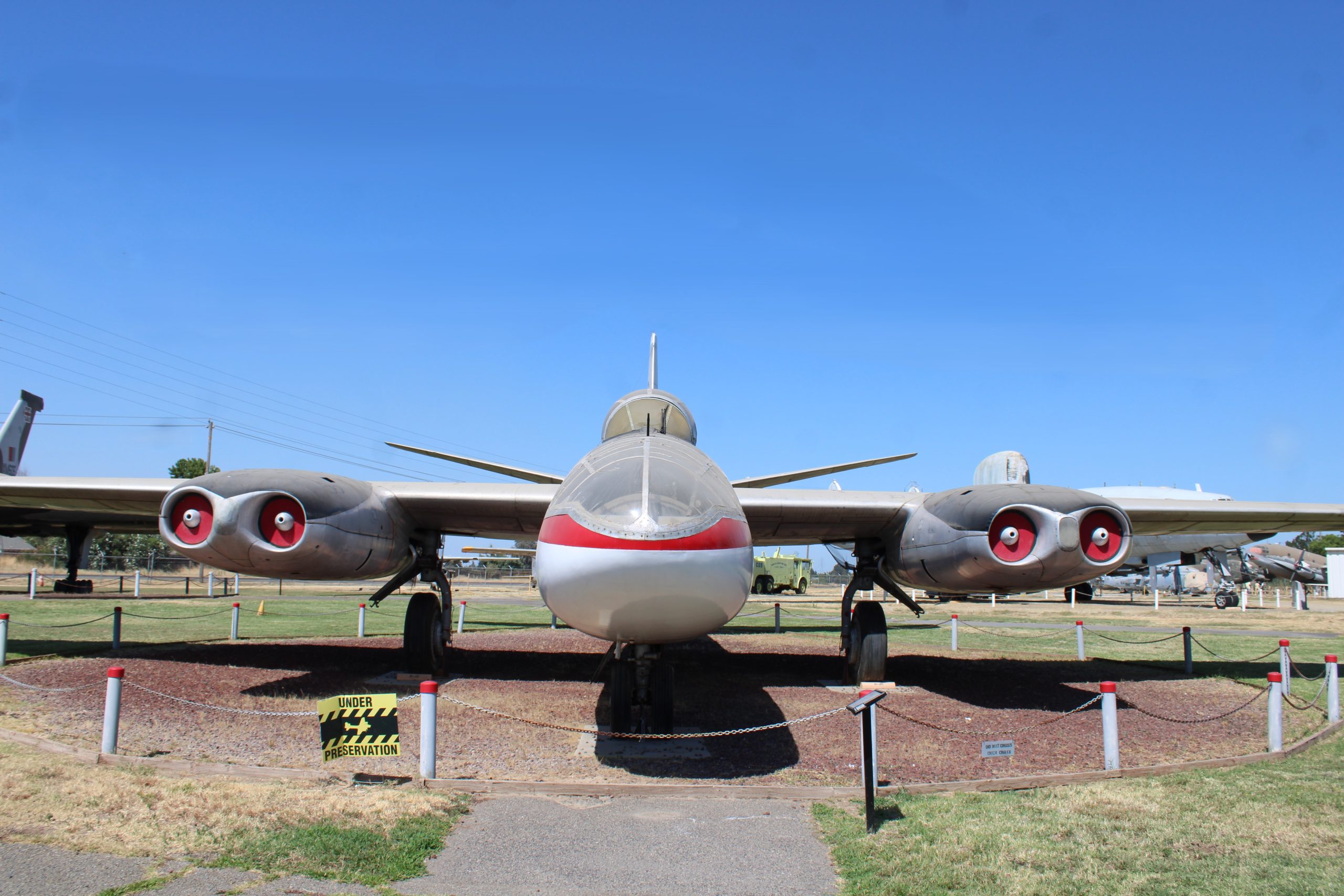
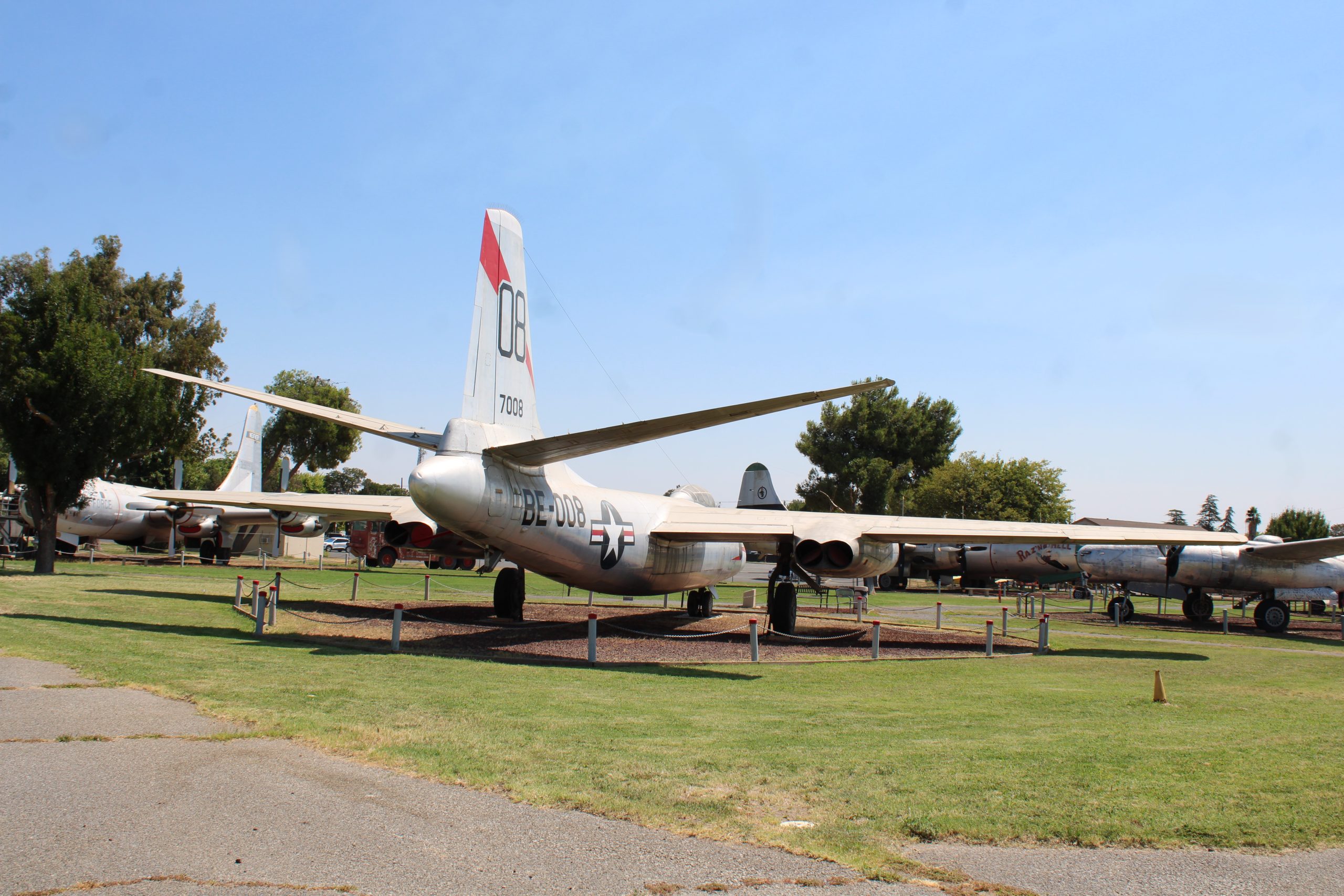
This example is both the oldest surviving North American B-45 Tornado on display and the only remaining A model left in existence. Constructed at North American Aviation’s (NAA) plant in Inglewood, CA, as construction number 147-43408, it was accepted into the USAF on December 21, 1948, and delivered two days later. Throughout its service life, aircraft 47-0008 was often assigned to the San Bernardino Air Material Area (AMA) at Norton Air Force Base (now San Bernardino International Airport). Following its first stay at the San Bernardino AMA, it served with the 84th Bomb Squadron, 47th Bomb Group at Barksdale Air Force Base, Louisiana, from 1949 to 1950 before being sent for modifications at North American Aviation’s plant in Inglewood.
On December 28, 1950, B-45A 47-0008 was assigned to the 2750th Air Base Wing at Wright-Patterson Air Force Base, Ohio. There, the aircraft would begin a new life as a test airframe when it was converted to an EDB-45A by February 14, 1951, to be used as a drone director in the development of a prototype for the Northrop SM-62 Snark cruise missile. After receiving some modifications at Northrop’s plant in Hawthorne, CA, from May to July 1951, it was flown from San Bernardino AMA to Holloman Air Force Base, New Mexico, on September 8, 1951, to partake in the trials of the N-25, the prototype Snark. A year later, the aircraft was converted by Northrop for further drone work, with 47-0008 being redesignated an EQB-45A. Shortly after this work at Hawthorne, it was flown to Patrick Air Force Base, Florida (now Patrick Space Force Base) on February 28, 1953, for further flight tests. In 1955, the aircraft was redesignated once more to become a JQB-45A, meaning it would be modified for special tests. The aircraft remained in service at Patrick, while returning to the NAA plant in Inglewood for additional modifications, until March 19, 1959, when aircraft 47-0008 was transferred to Davis-Monthan Air Force Base, Arizona, on March 19, 1959. Following a brief assignment to at Biggs Air Force Base (now Biggs Army Airfield), Texas, and its return to Davis-Monthan, JQB-45A 47-0008 was transferred to the US Navy on August 6, 1959, and was eventually transferred to Naval Air Weapons Center China Lake, California, to be used as a ground target for air-to-ground ordinance. It would remain in the deserts of China Lake until 1980, when it was transported to Castle Air Force Base in Atwater, California. By November 1979, officials at Castle Air Force Base established the Castle Air Museum. By May 1980, a B-17G Flying Fortress (featured in this article HERE) and a B-25J Mitchell had been flown to Castle to become the first and second aircraft in the museum’s collection, respectively. Then, the burgeoning museum turned its attention to the sands of China Lake, where several historic aircraft, especially a number of Boeing B-29 Superfortresses, had been recovered for preservation. A photo of this aircraft after its arrival at Castle Air Force Base can be found HERE. The Castle Air Museum would acquire a B-29 of their own from China Lake, but they also acquired B-45A 47-0008, disassembling it into several sections and transporting the aircraft by road to Castle. There, the B-45 Tornado was reassembled and restored, with missing parts replaced by hunting for other B-45 parts. One concession the restorers had to make was to install the canopy of a B-45C, which differed in construction from the original B-45A canopy, but was the only B-45 Tornado canopy available to them.
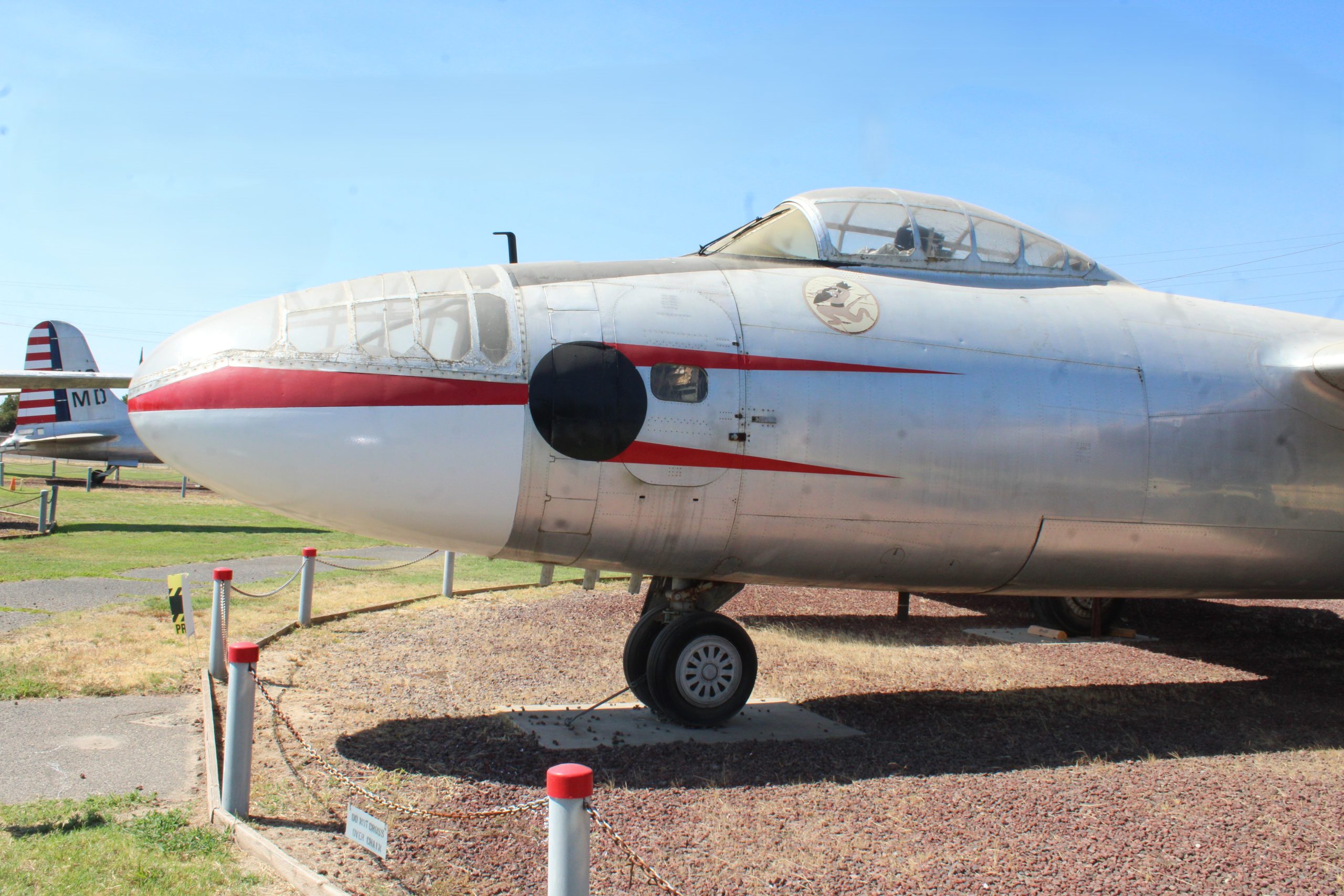
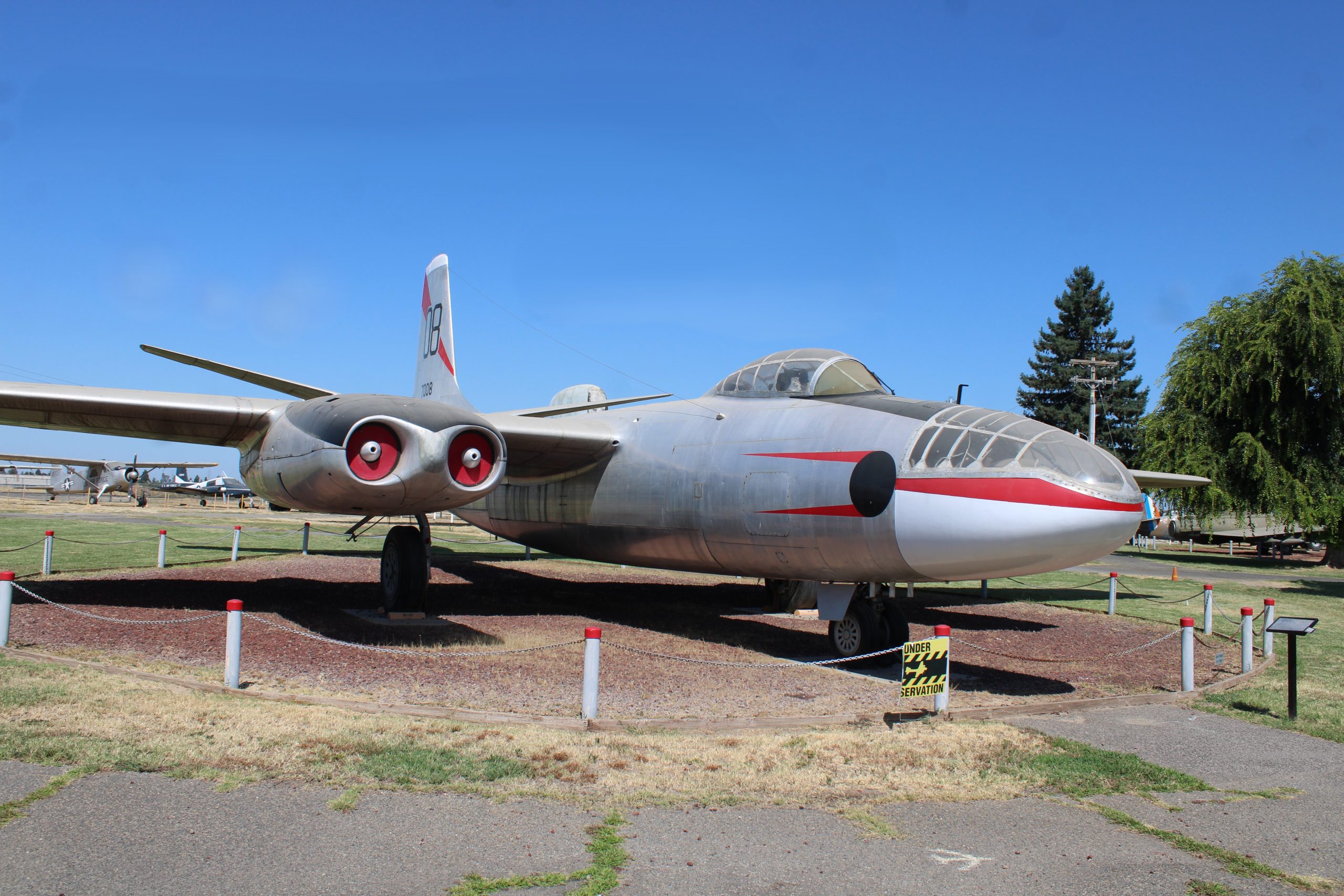
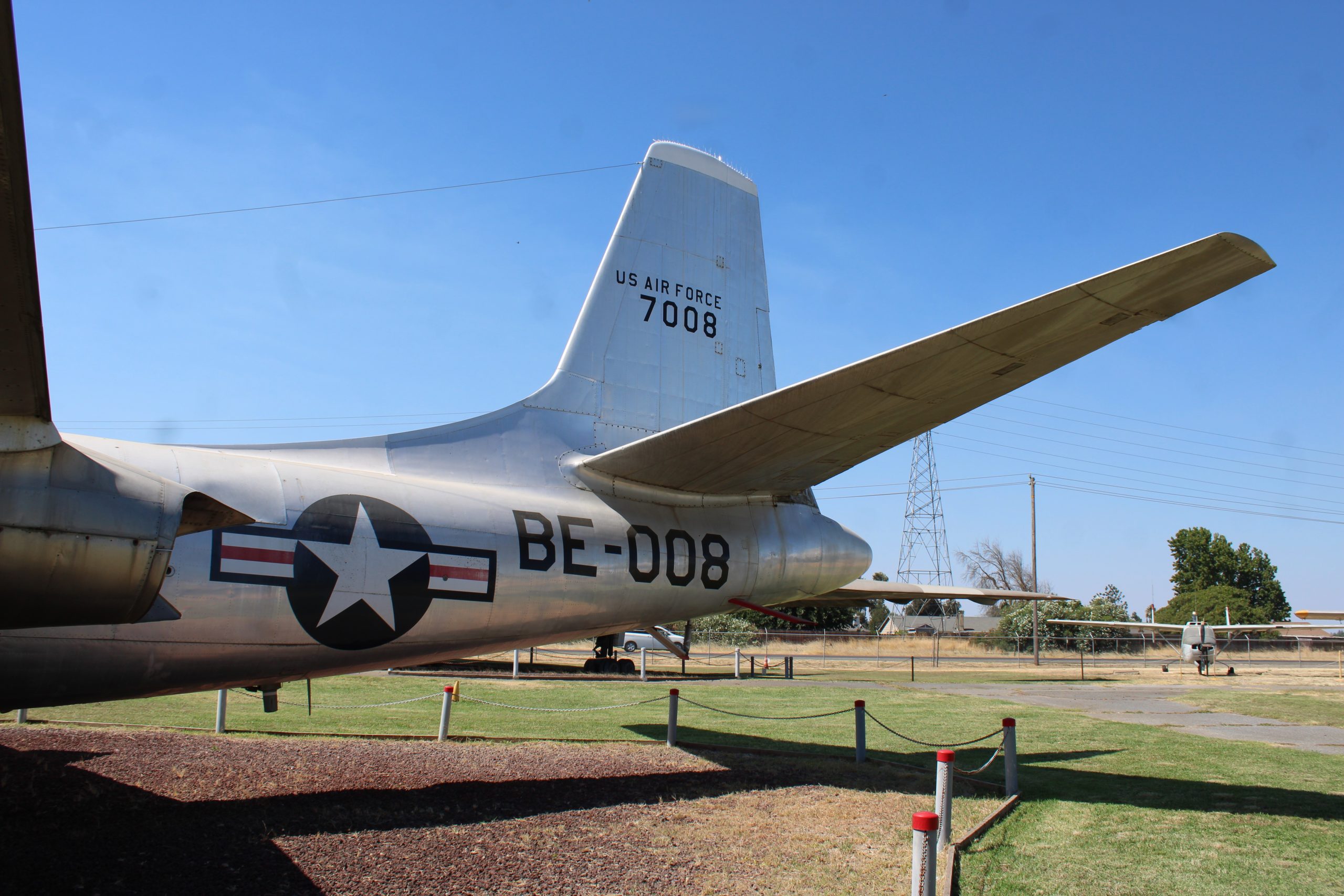
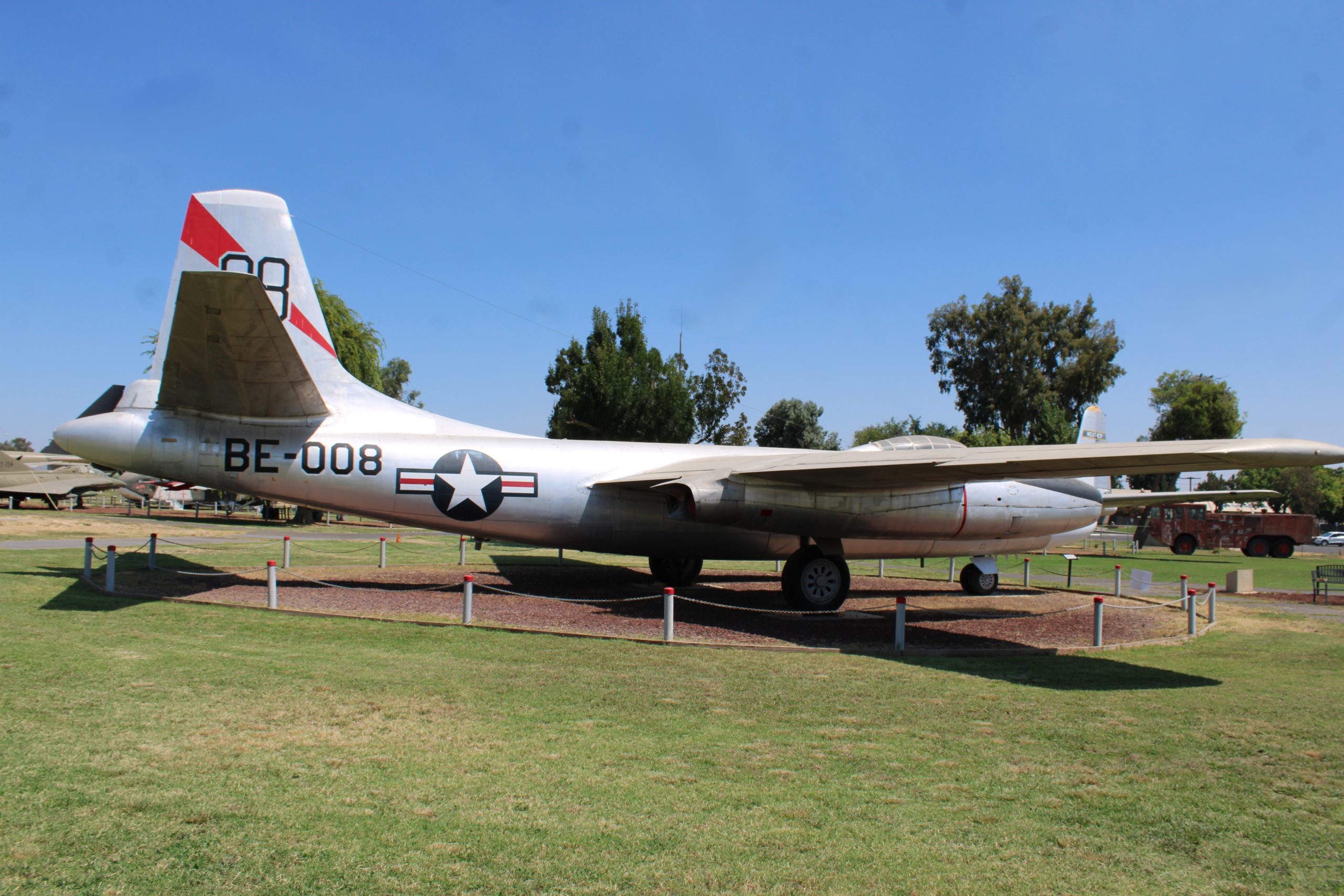
Today, B-45A Tornado 47-0008 remains on display at the Castle Air Museum, which has endured since the closure of Castle Air Force Base in 1995 and its re-establishment as Merced-Castle Airport. The aircraft wears the colors of the 47th Bombardment Group, which served at Barksdale AFB. Though the aircraft remains outdoors, a group of volunteers does their best to maintain the aircraft’s condition, and with the museum raising funds to enclose a portion of the collection, it may soon be brought indoors in due time.
RB-45C 48-0010
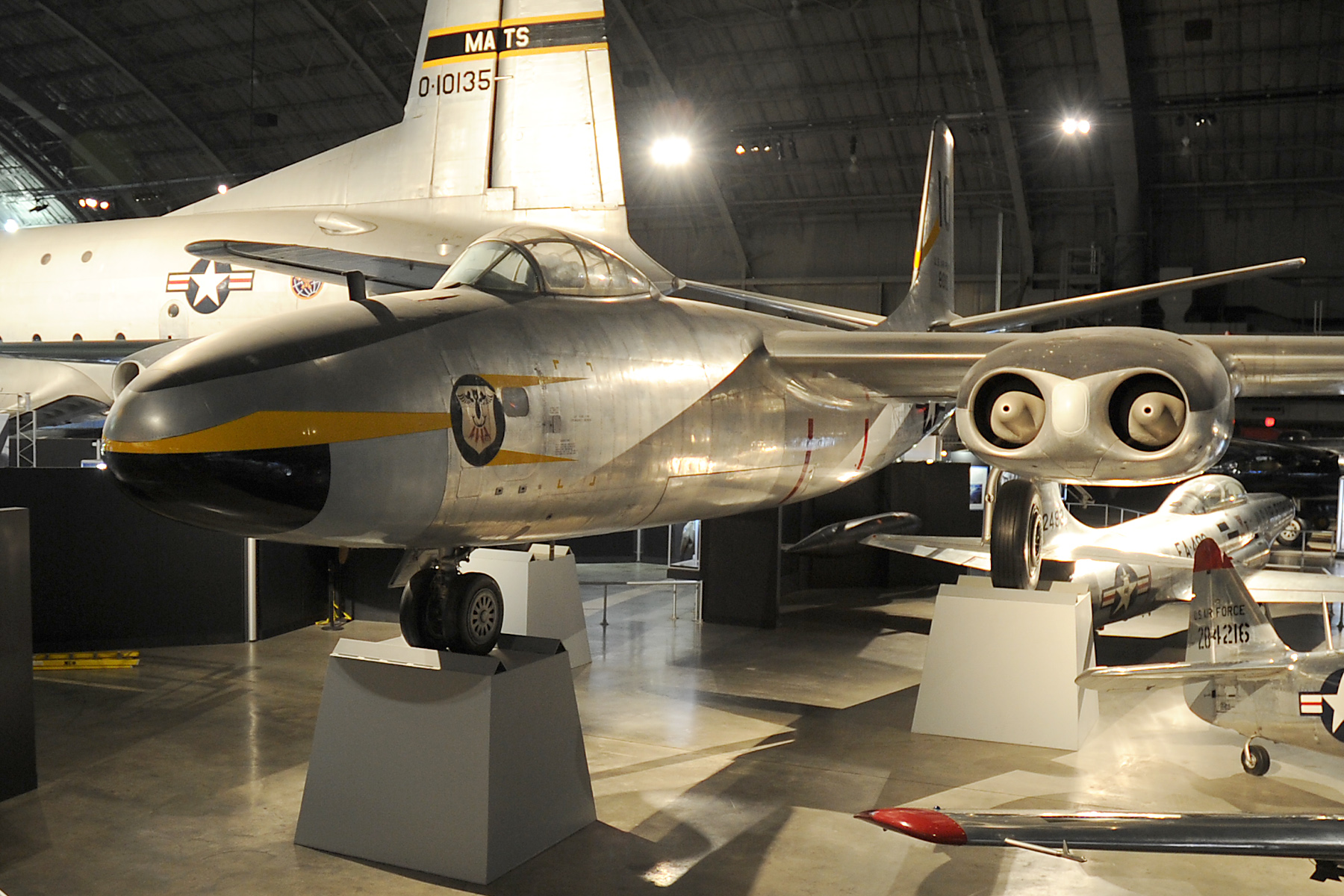
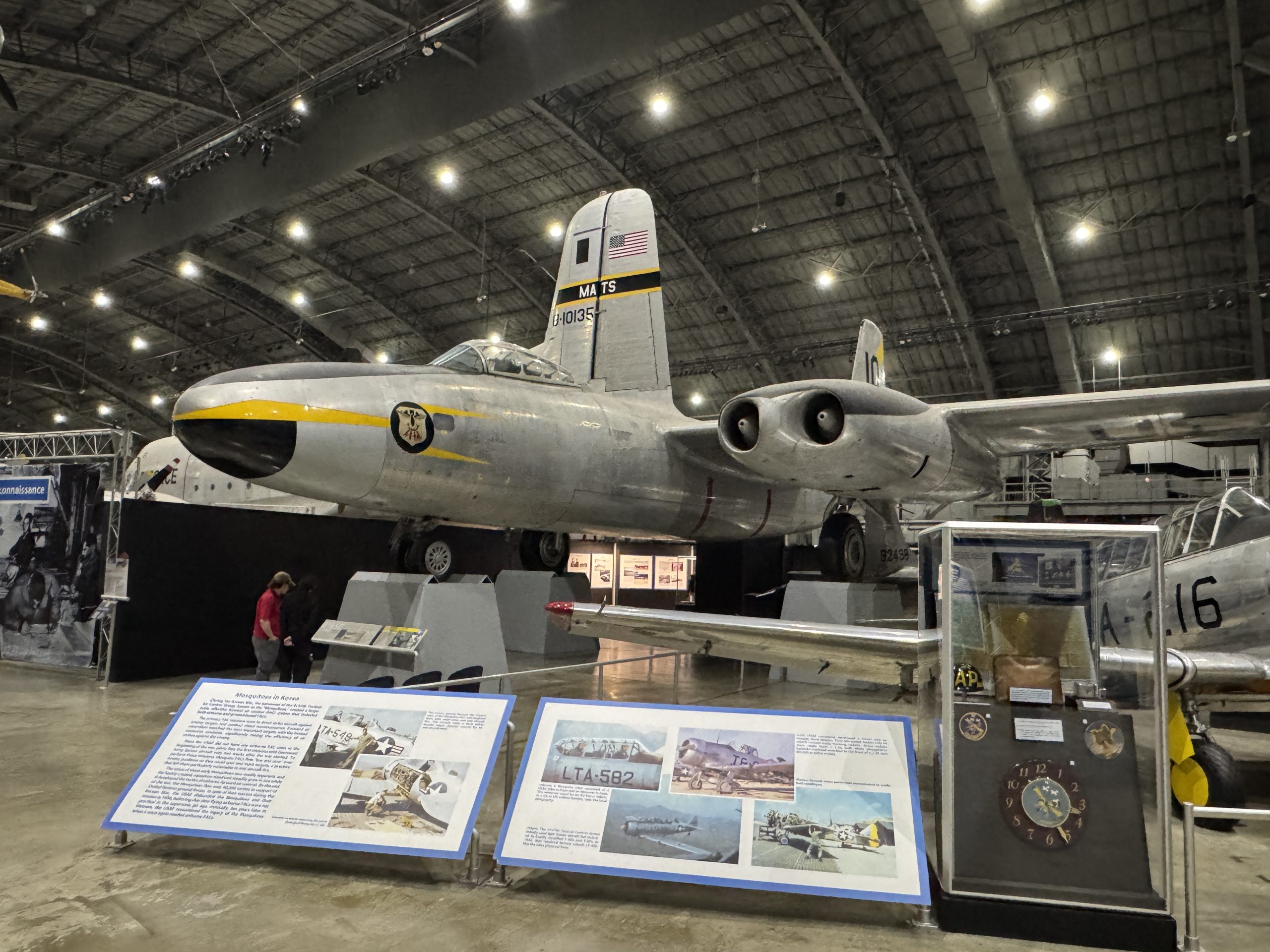
Constructed at North American Aviation’s Inglewood plant as construction number 153-38486, RB-45C 48-0010 was accepted into the USAF on April 14, 1950, and formally delivered seven days later on April 21 to the 2750th Air Base Wing at Wright-Patterson AFB. Though built as a reconnaissance aircraft, RB-45C 48-0010 never served in active duty. Instead, it was redesignated as an EB-45C and loaned first to General Electric (from June 1950 to June 1952) and later to Pratt & Whitney for the purpose of testing jet engines. It remained in operational use with Pratt & Whitney until at least 1963, flying out of Bradley International Airport near Pratt & Whitney’s headquarters in East Hartford, Connecticut. To designate its status as a test aircraft, 48-0010 was redesignated to a JB-45C on November 30, 1955, indicating it was temporarily modified for Special Tests, then redesignated as an NB-45C to state that it was permanently modified for special tests.
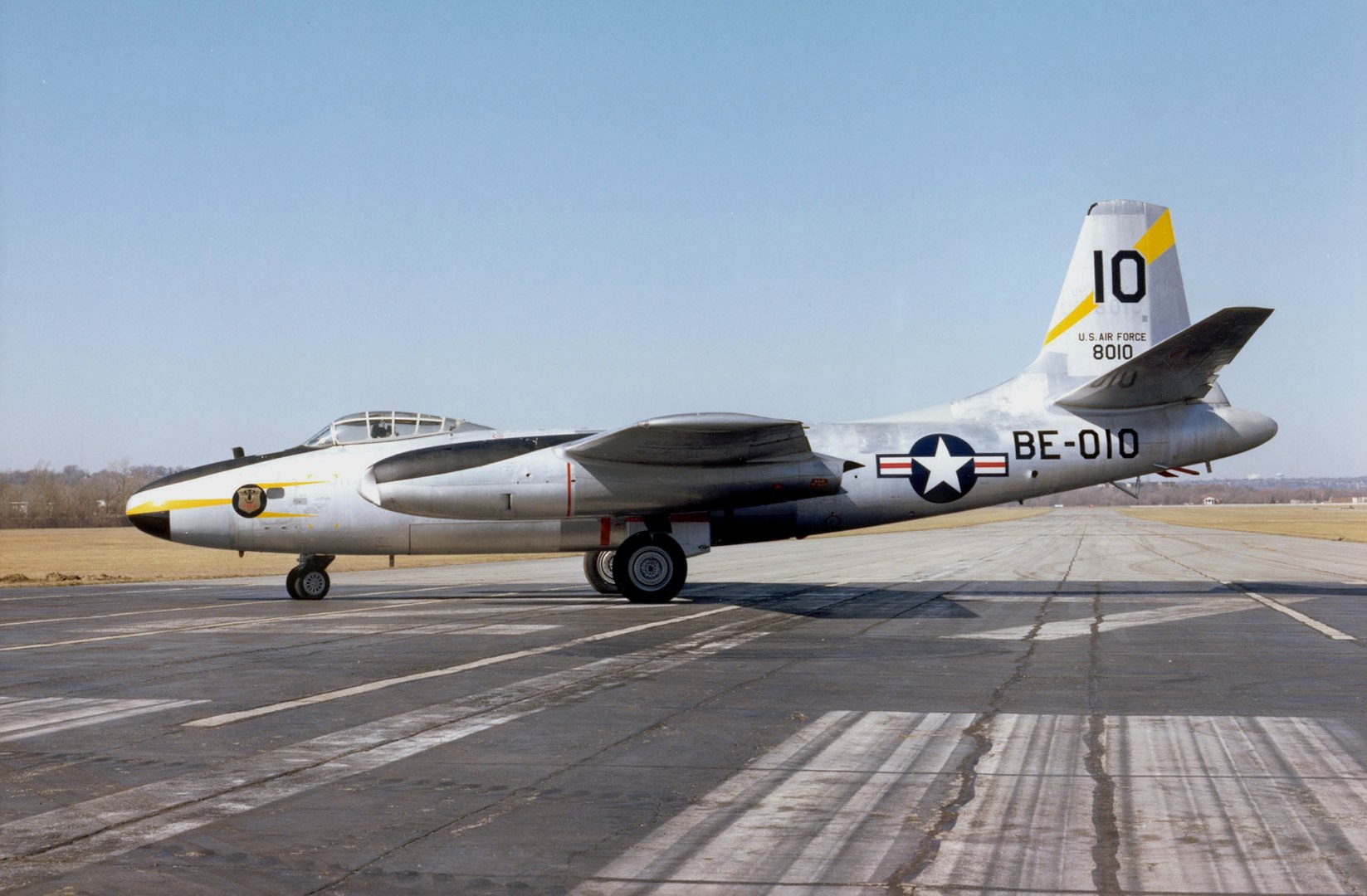
In 1971, the aircraft was flown to Wright-Patterson Air Force Base to join the United States Air Force Museum (now the National Museum of the United States Air Force). Today, the aircraft is on display in the museum’s Korean War Gallery, painted in the markings of the 47th Bomb Group from the period of 1952 to 1955, when the group was stationed at RAF Sculthorpe, England.
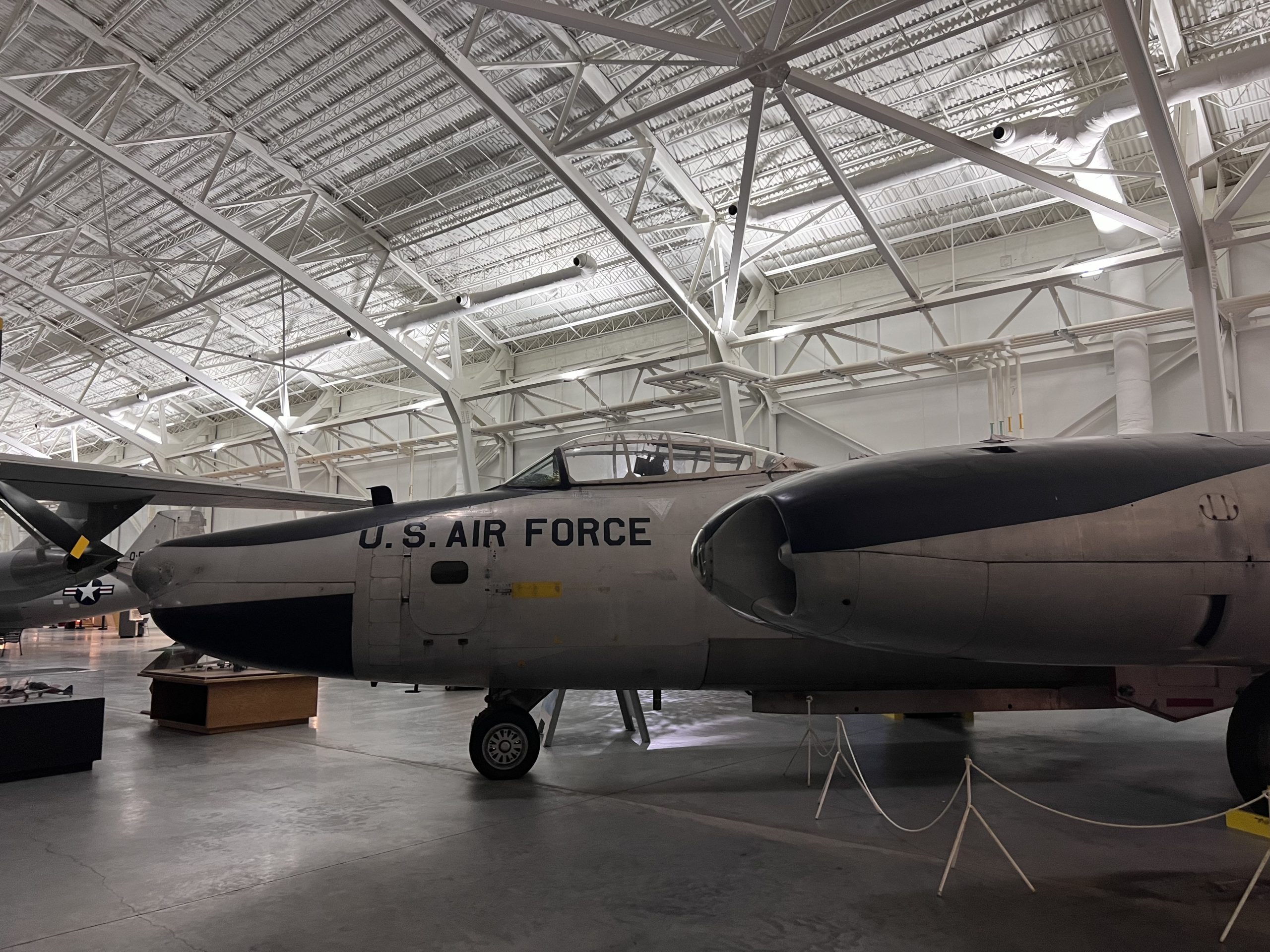
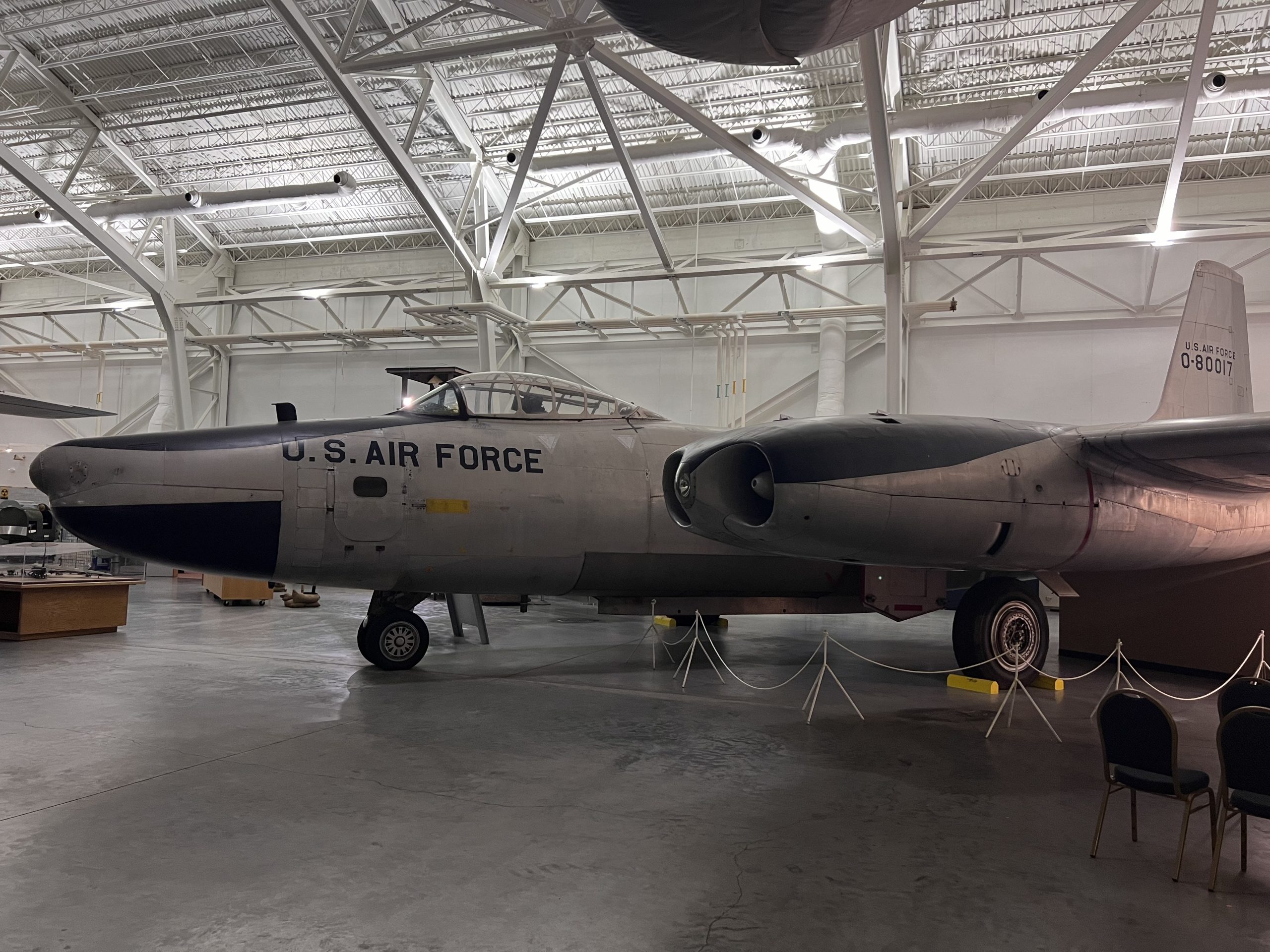
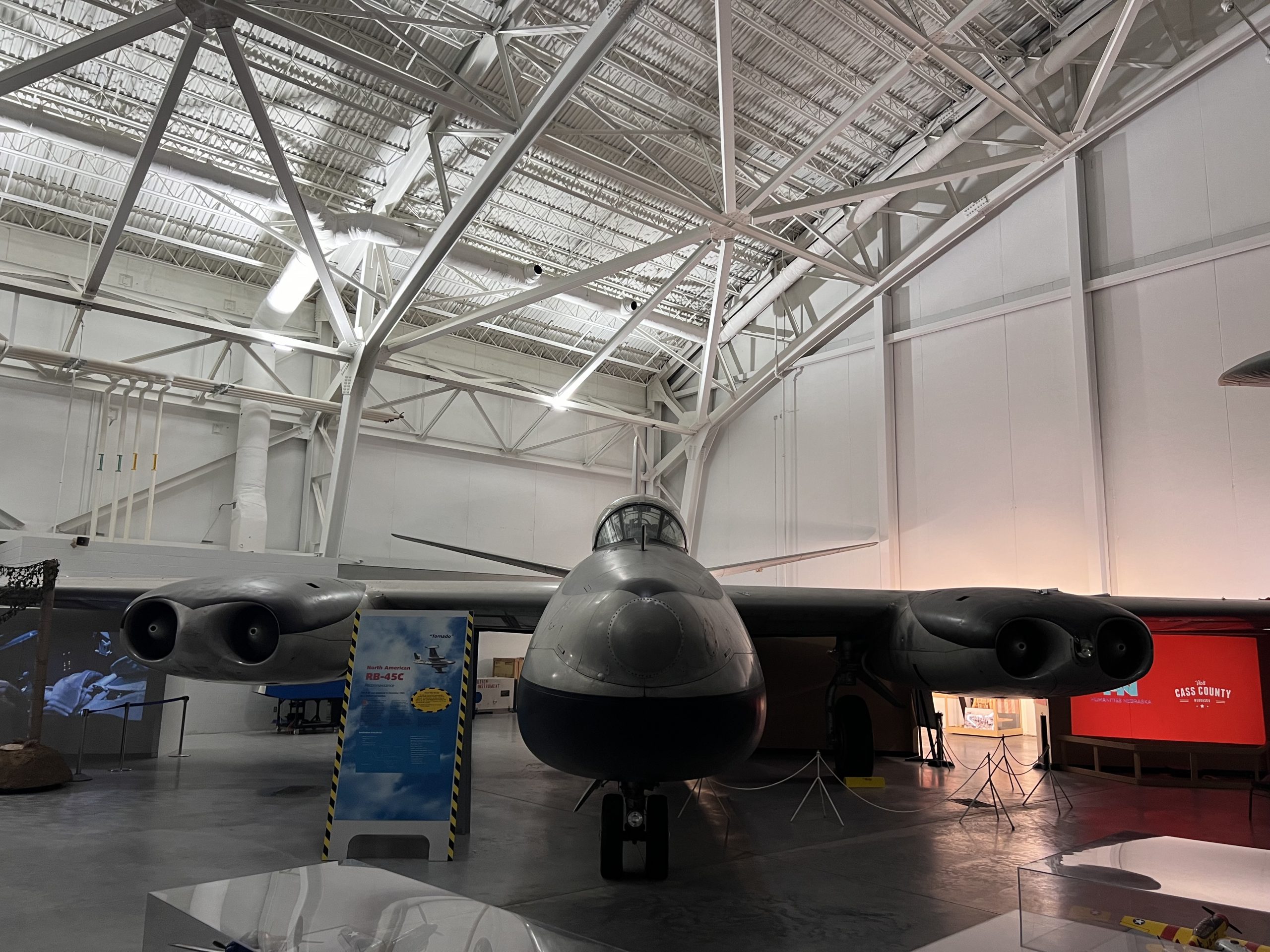
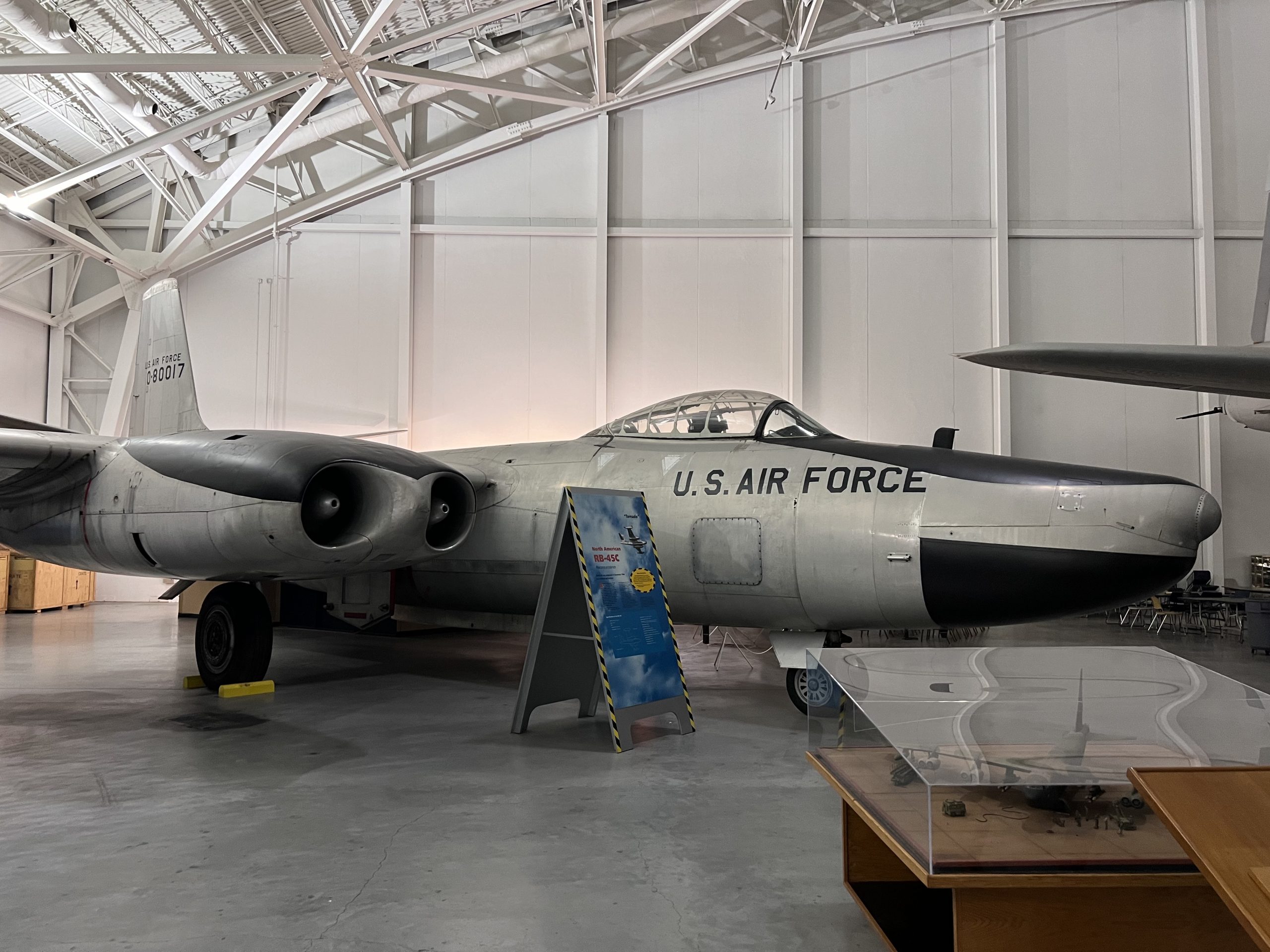
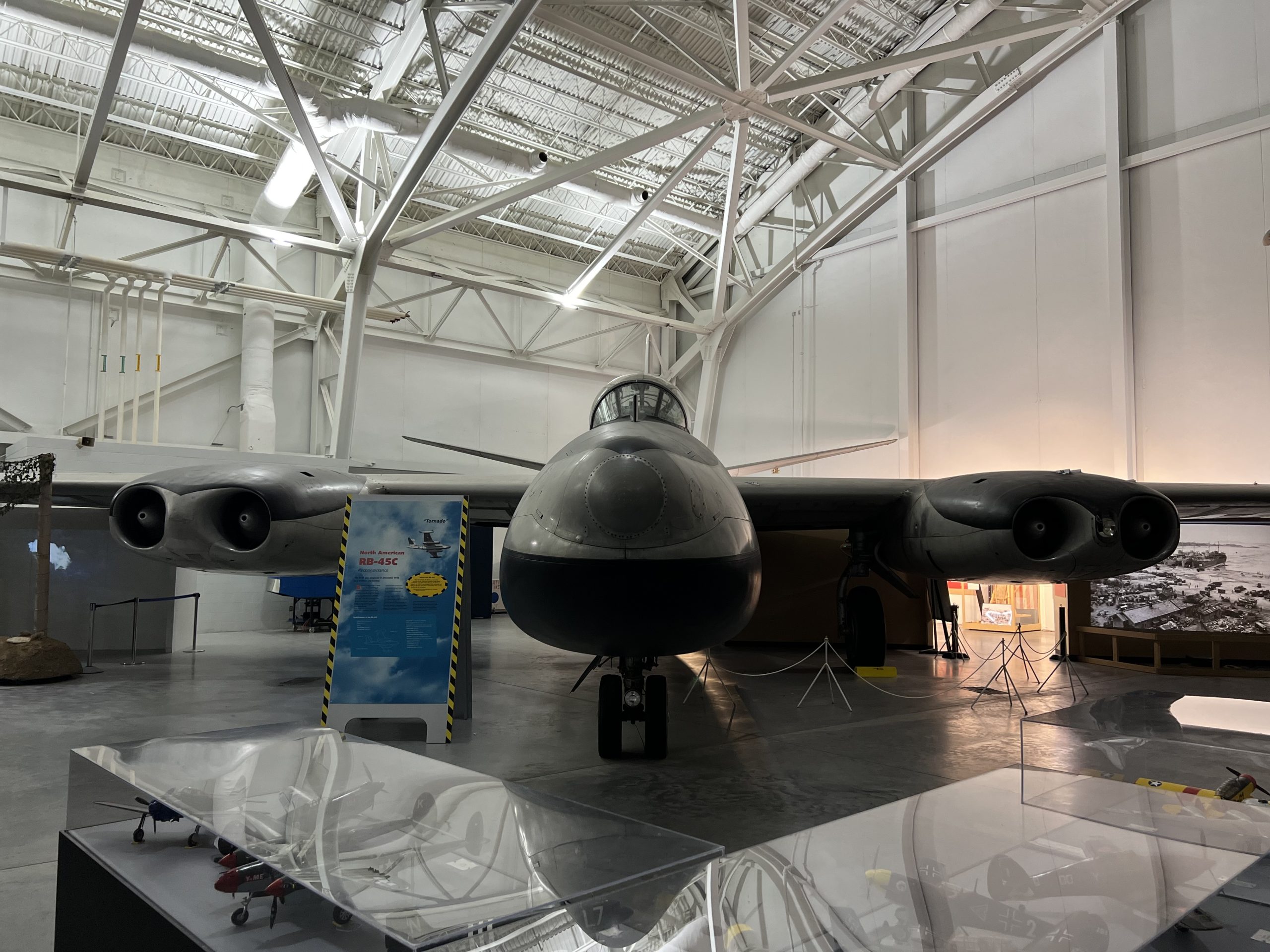
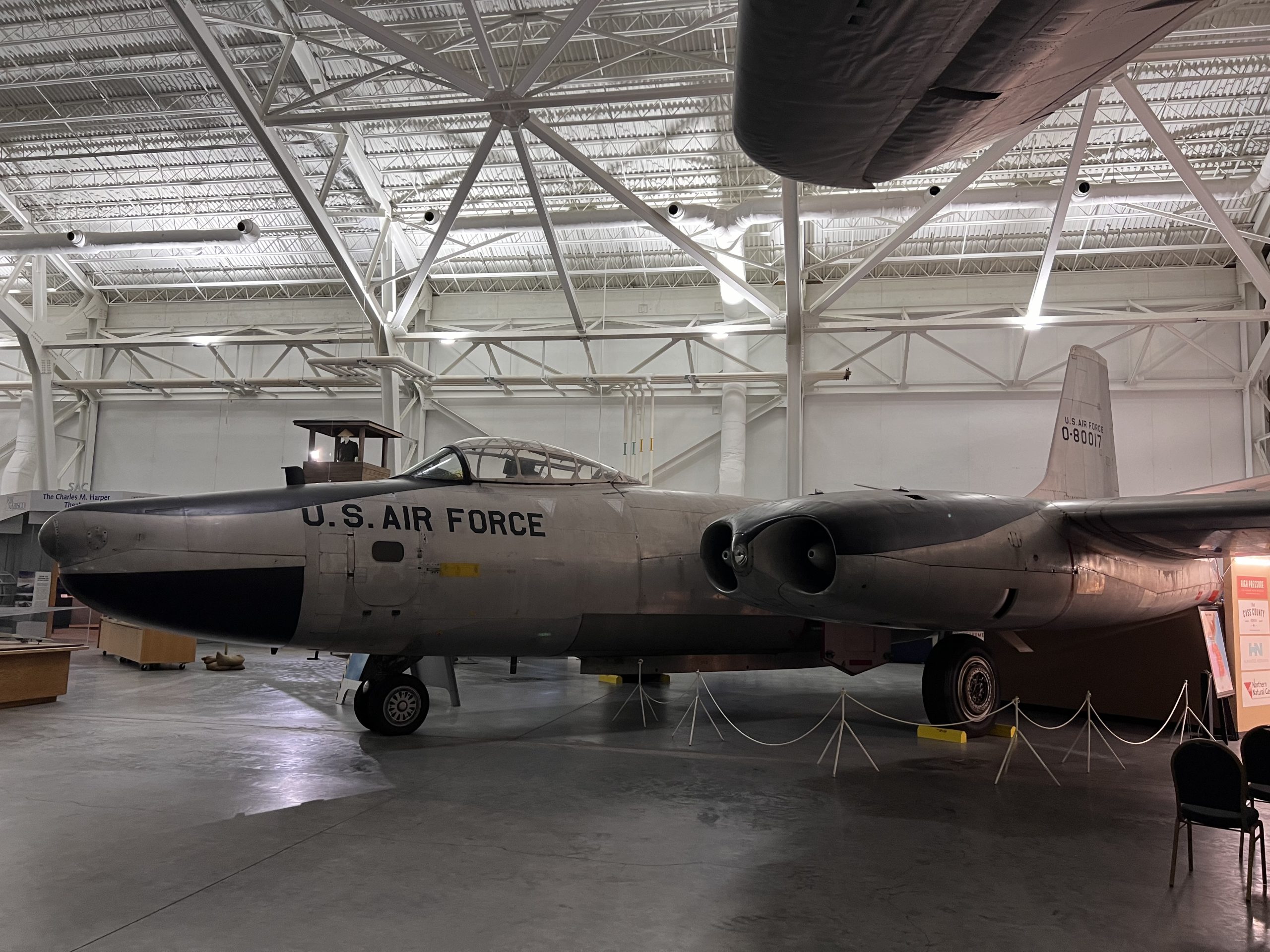
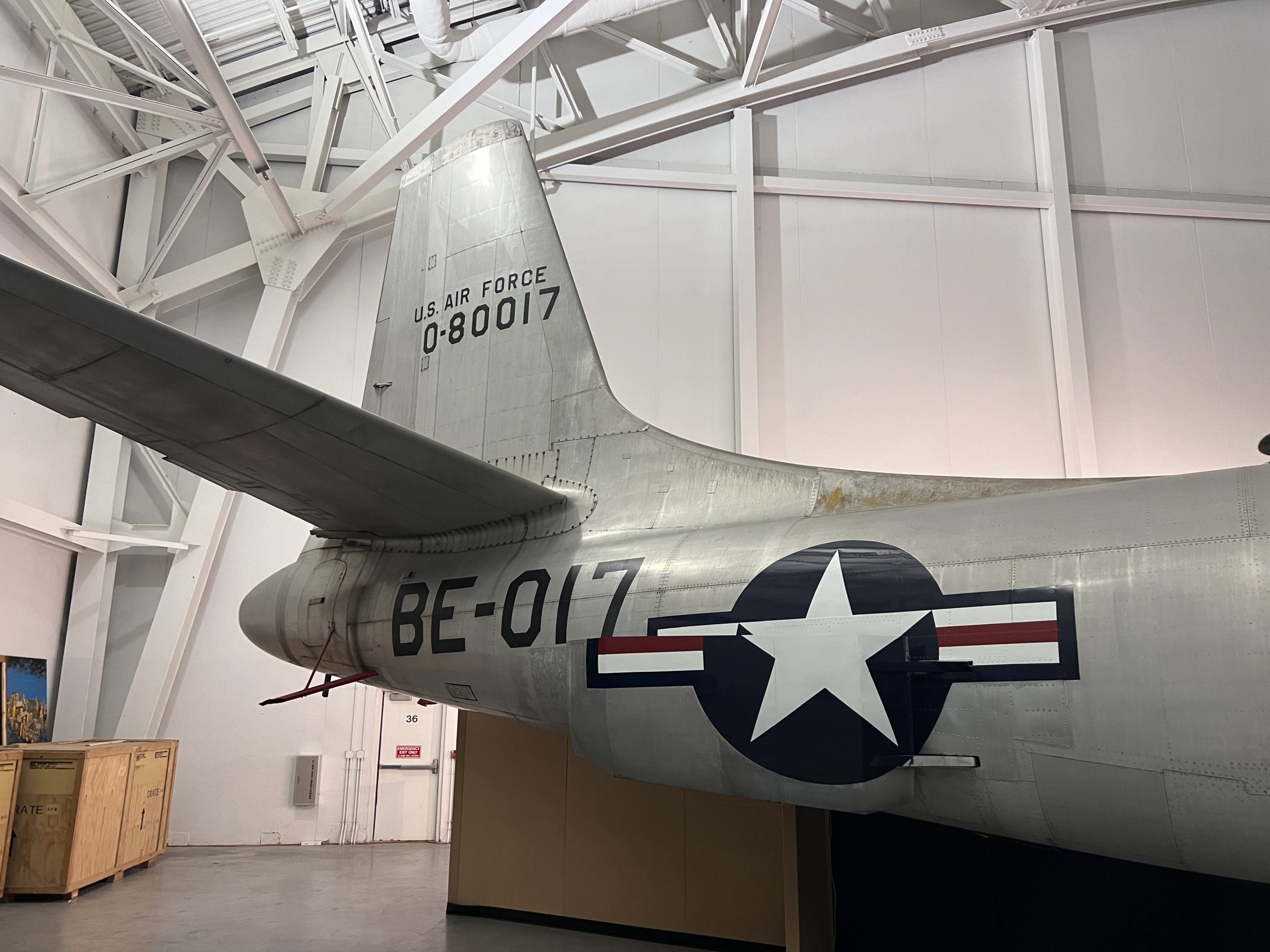
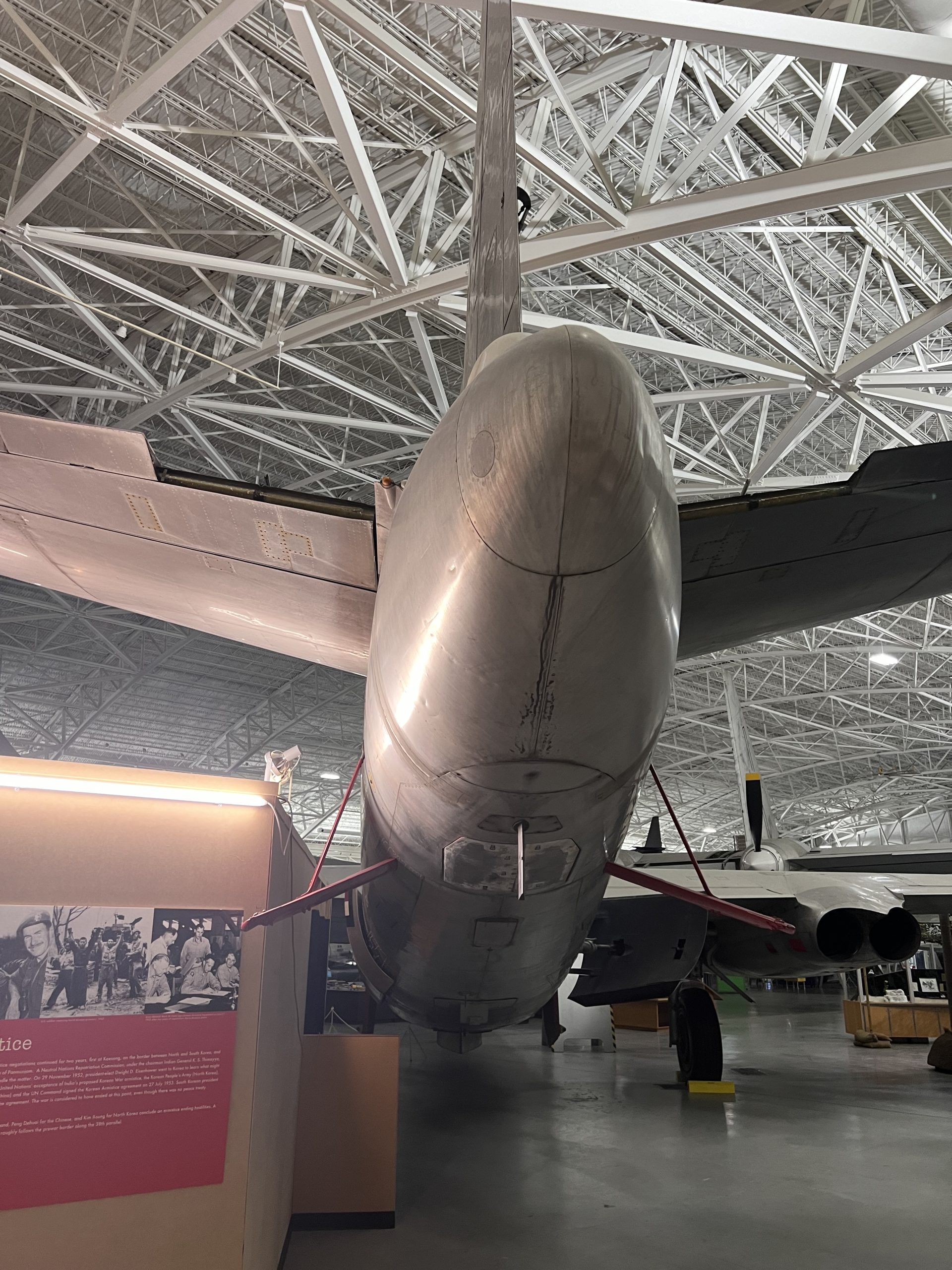
RB-45C 48-0017
Manufactured by NAA as construction number 153-38493, RB-45C 48-0017 was accepted into the USAF on July 31, 1950, and delivered on August 15. On September 13, 1950, the aircraft was delivered to the 2750th Air Base Wing at Wright-Patterson AFB and converted into an ERB-45C on October 13, 1950. It would remain at Wright-Patterson for flight testing with the Headquarters Air Research and Development Command and later the Wright Air Development Center. On June 25, 1954, the aircraft was loaned to Pratt & Whitney and redesignated as a JRB-45C on November 30, 1955, and later an NRB-45C on April 4, 1957. NRB-45C would remain on loan from the USAF until November 1971, when it was officially stricken from the USAF inventory. At the time, the aircraft was the final North American B-45 Tornado in the USAF inventory.
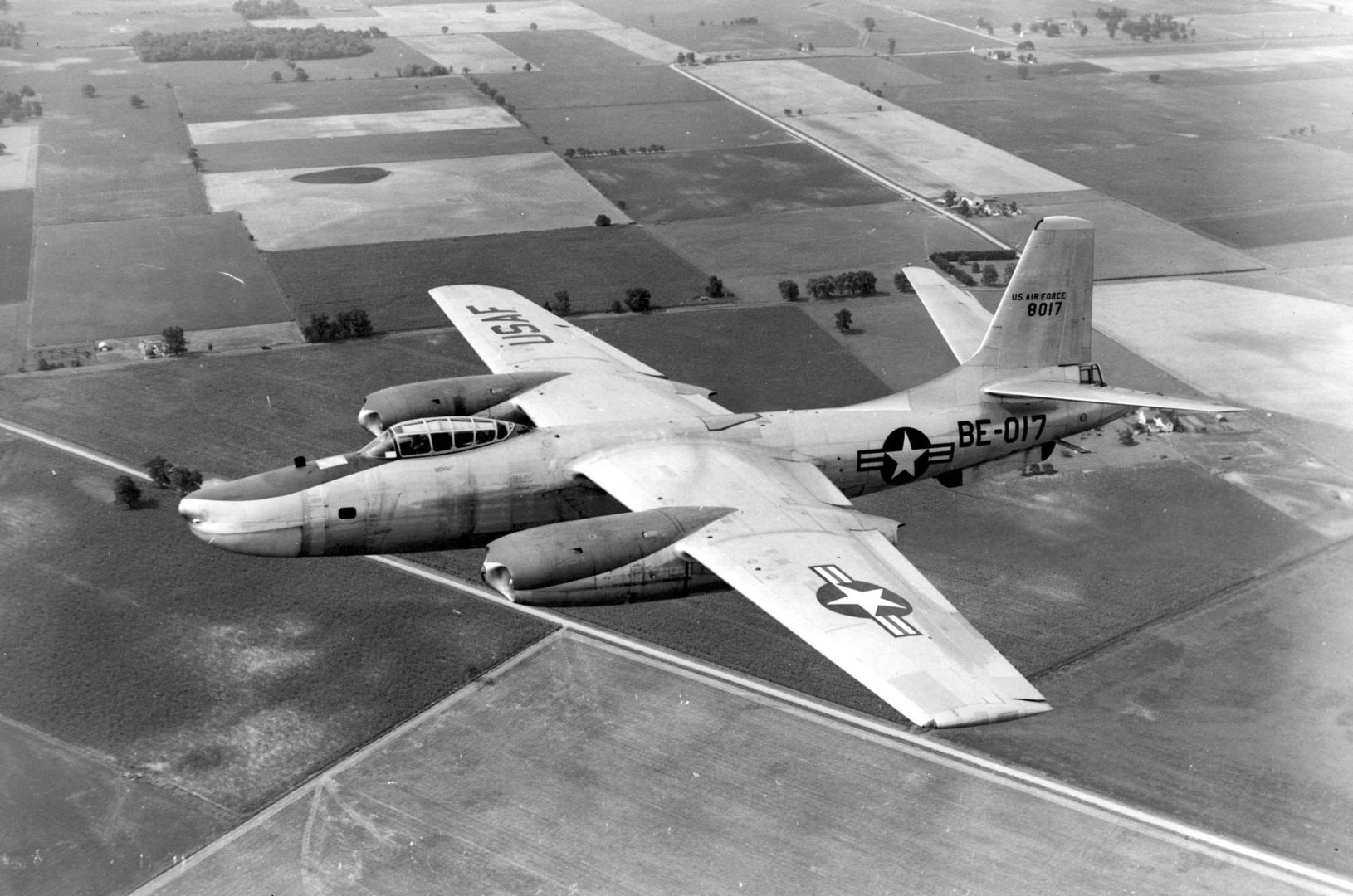
On June 22, 1972, RB-45C 48-0017 made the final flight of a B-45 Tornado when it was flown on a ferry flight from Connecticut to the Strategic Air Command Museum, then located at Offutt Air Force Base in Bellevue, Nebraska, just outside of Omaha. There it would remain on display outdoors with the rest of the collection’s bombers until 1997, when the museum moved off of Offutt AFB and developed a new property at Ashland, just off Interstate 80. Today, the aircraft is one of many aircraft on display in Hangar A of the museum, along with the museum’s Convair B-36J Peacemaker, B-17G Flying Fortress, and B-52 Stratofortress, among other aircraft.
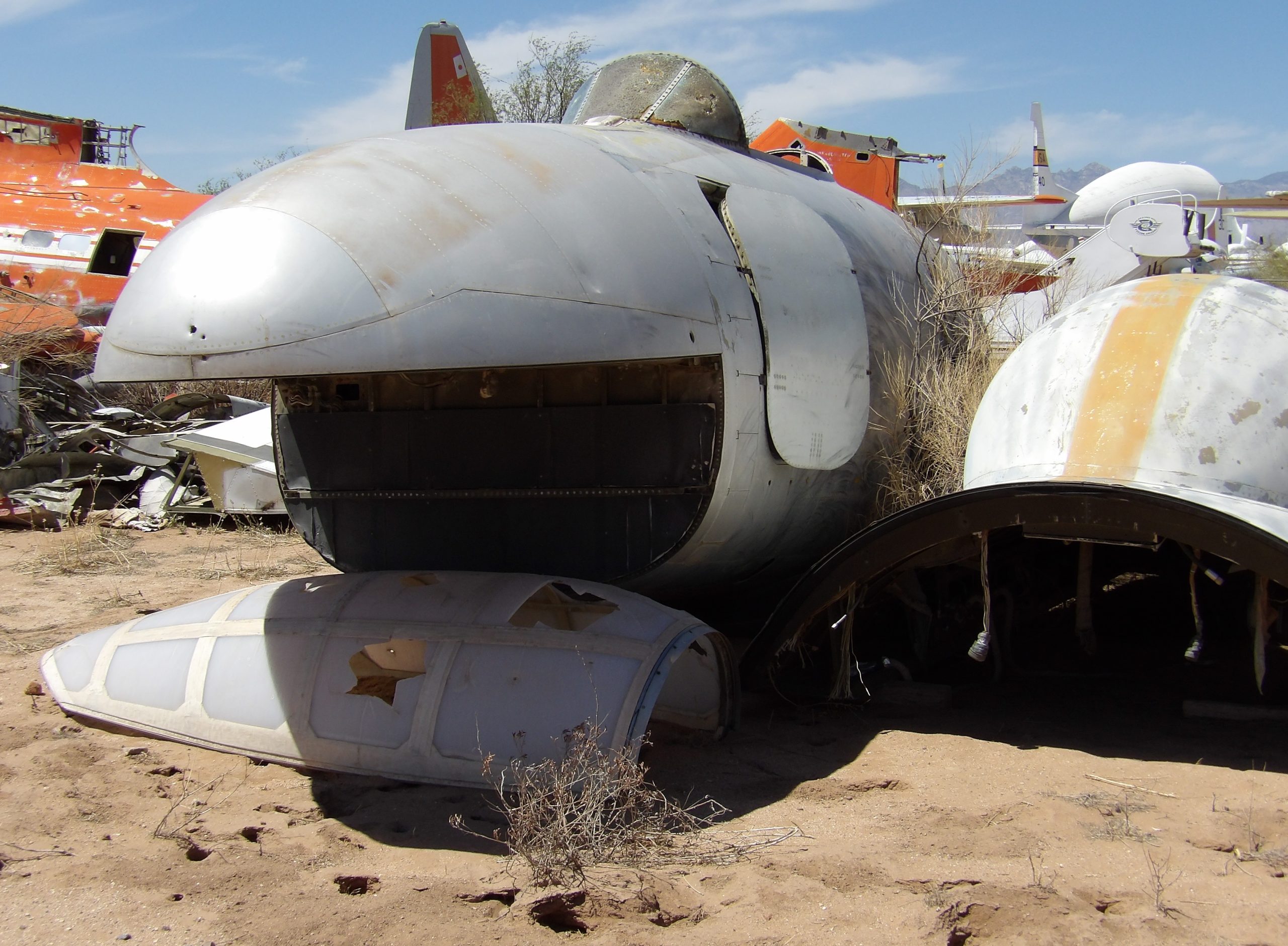
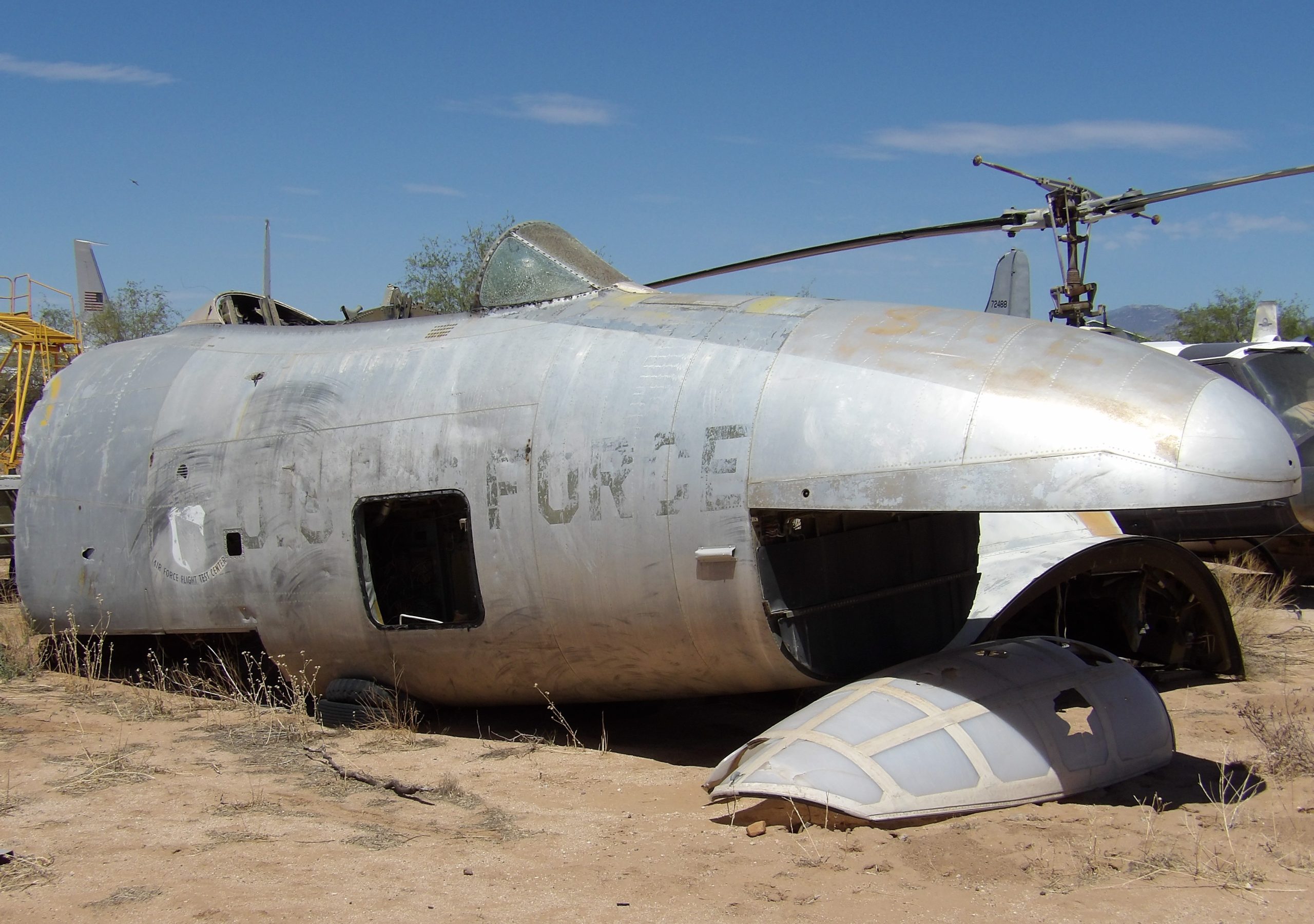
Honorable Mention: B-45A 47-0063
While there are only three intact B-45 Tornados, no list of the surviving aircraft would be complete without discussing the nose section of a B-45 preserved at the Pima Air and Space Museum in Tucson, Arizona. This is from B-45A 47-0063, and while it is no longer an intact airframe, it still warrants discussion. Built as construction number 147-43463, 47-0063 was accepted into the USAF on December 13, 1949, and delivered on January 17, 1950. It was briefly assigned to the 2759th Experimental Wing at Edwards Air Force Base, California, before being transferred to the 4925th Test Group at Kirtland Air Force Base, New Mexico, on July 8, 1951, following its conversion to an EB-45A in November 1950. After intervals of modification, work was carried out at the NAA plant in Inglewood. Aircraft 47-0063 was transferred to the 6515th Maintenance Group at Edwards AFB on March 9, 1955, before being converted to a TB-45A for flight training. Its last assignment with the Air Force would be with the Air Force Test Center at Edwards before TB-45A 47-0063 was transferred to the US Navy on June 4, 1957, and then used as a ground target on a weapons testing range managed by the New Mexico Institute of Mining and Technology at Socorro, New Mexico. By the 1970s, many stripped-out hulks or sections of airplanes on the range were selected for preservation in museums, and according to aviation chronicler Geoff Goodall, the nose of 47-0063 was brought to the Pima County Air Museum (now the Pima Air and Space Museum) in Tucson, Arizona. Today, the nose section remains unrestored in outdoor storage at the museum. For the moment, the museum has not revealed any plans for restoring the nose of 47-0063, so for the time being, the nose section remains in the museum’s boneyard.
While the North American B-45 Tornado may not be the most famous of American bombers, it still holds a place in the annals of American military aviation as the bomber that allowed the United States Air Force’s bomber wings to enter the Jet Age, and paved the way for succeeding designs to fly further, faster, and higher than the Tornado, and the few surviving examples serve as testaments to a period of transition in the United States Air Force, a step in the evolution of multi-engine bombers from the piston-engine heavy bombers of WWII to the intercontinental bombers that remain a vital link in the defense of the United States and its allies around the world.







Always sad, to see anything derelict; Aircraft, Armoured Vehicles or Ships.
I have a Landscape Photo Book of Old Warships – ‘To Sail Again , No More’ -in, or being towed, to the breakers yard.
To see such as H.M.S Warspite, a famous WW2 Battleship, being broken up,
Very very Sad.
Especially, when you remember that – Not Only A Warship, but a Home to Her Crew – and a place of Death for some.
But, having survived WW2, to be expendable and not preserved – a waste.
I can’t agree with you more, Harry.
Our family was stationed at Sculthorpe AFB from 1954 to 1957 and my Father flew the B-45 with the 84th bomb squadron. He was a Captain at the time and the Aircraft Commander.