
(Image credit: VAN)
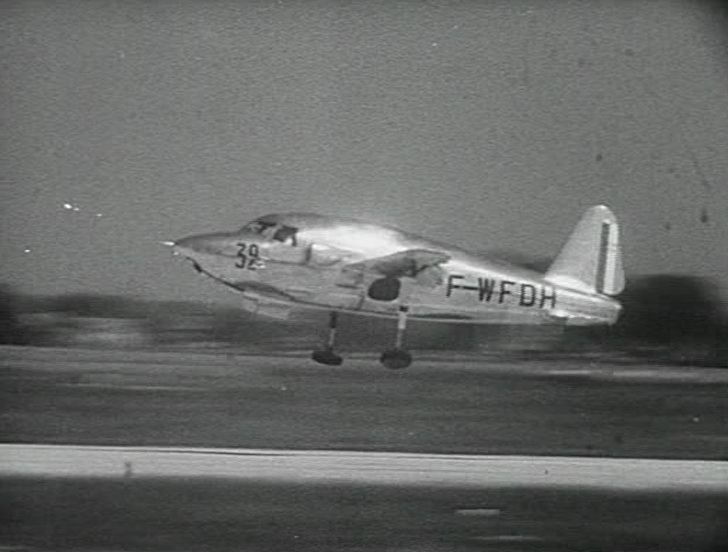
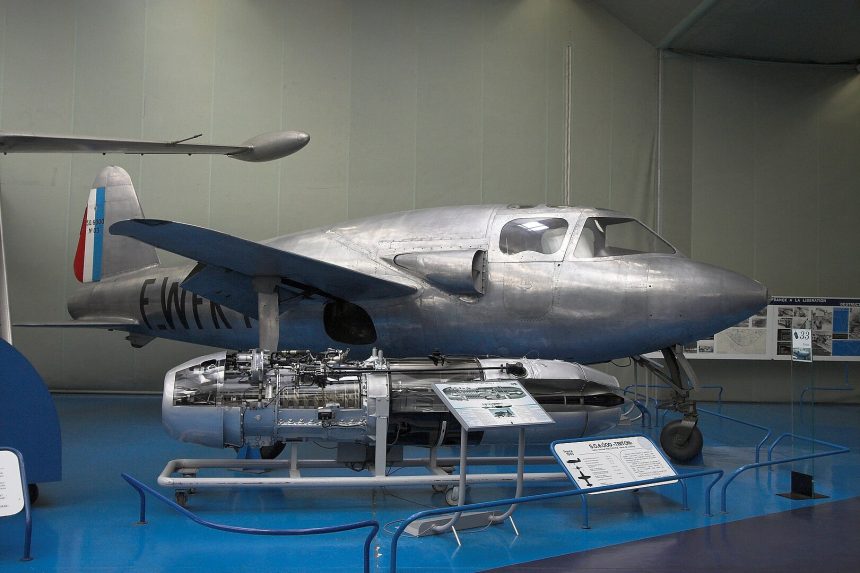
On this day in aviation history, 79 years ago (November 11, 1946), the first flight of the Sud-Ouest SO.6000 Triton took place. The Triton was an experimental aircraft that holds the title of being France’s first in-house designed and built jet-powered aircraft. A French aircraft collaboration named SNCASO developed the SO.6000. Work on the aircraft began in secret during World War II, using information discovered from German jet aircraft used in the conflict. As soon as the Second World War drew to a close, the French government ordered a requirement for a block of five prototype jet aircraft to be fostered within the nation’s aviation industries.
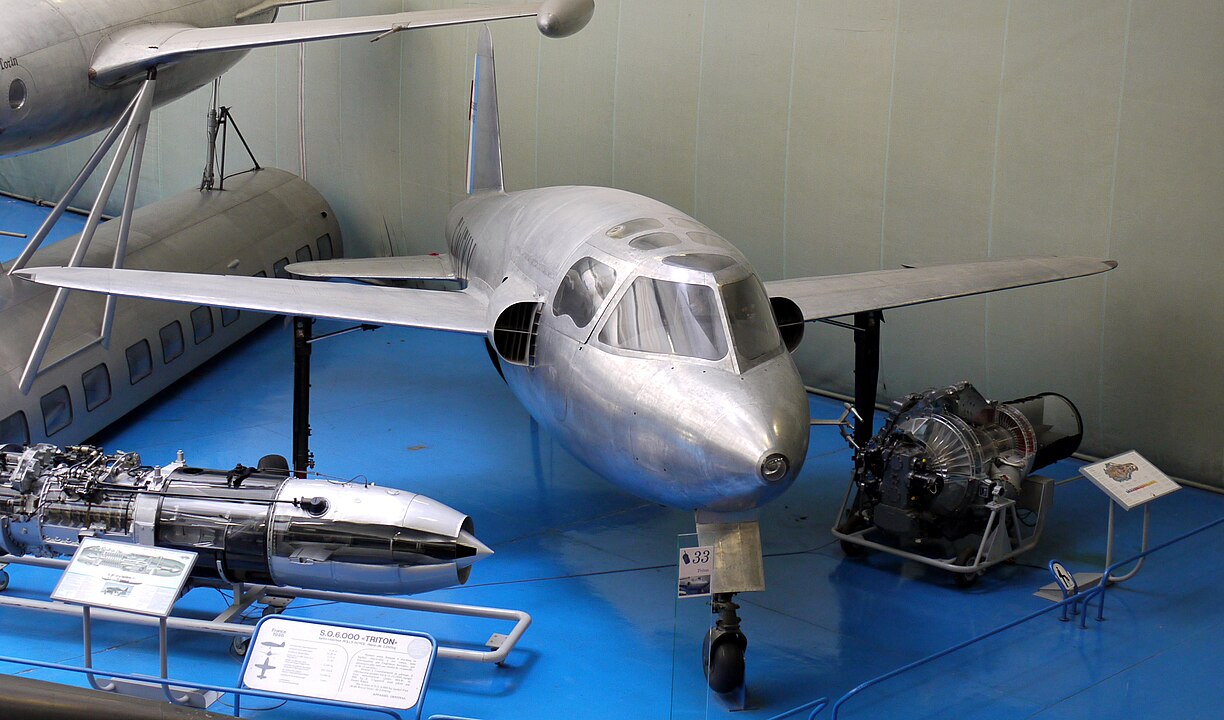
As development of the SO.6000 began, surplus German Junkers Jumo 004-B2 engines were used. This use of the Jumo accelerated the prototype’s production, as the French-built Rateau-Anxionnaz GTS-65 turbojet engine became plagued with issues in its own development. The British Rolls-Royce Nene turbojet engine was also used on a few of the Triton prototypes. On 11/11/46 – the day of the Triton’s first fight – French test pilot Daniel Rastel was at the controls. The French government was very proud of the accomplishment and the public attention that the Triton’s flight garnered, as well as the unyielding and rebuilding nation.
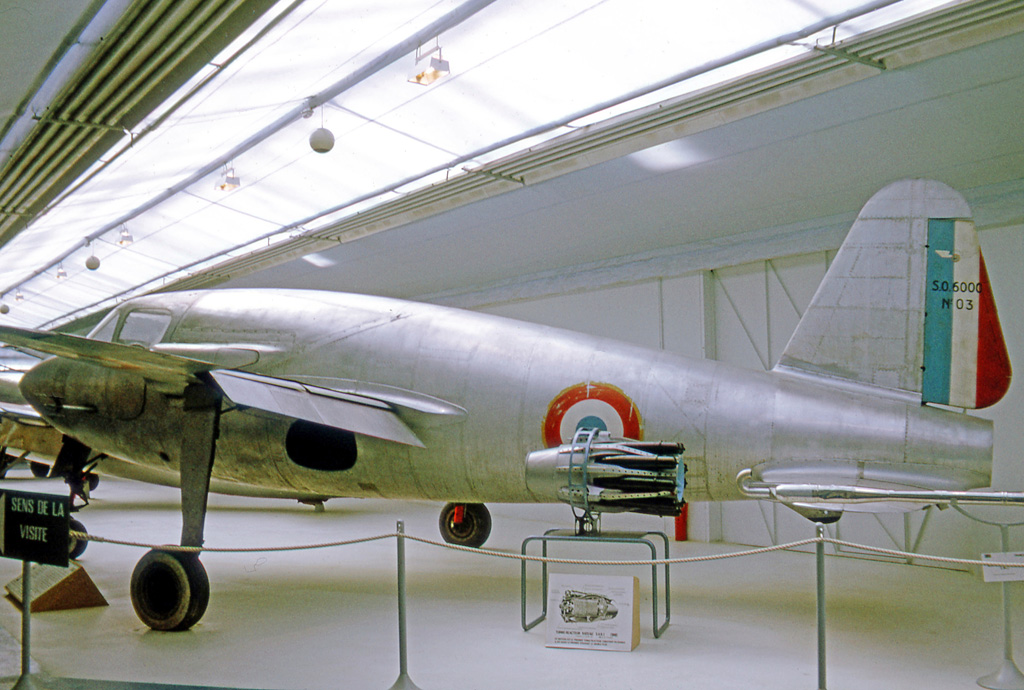
The SO.6000 was a testbed for both industrial capability and possible military implementation. However, as the aircraft proceeded through its flight testing phases, more advanced jet aircraft were becoming available. Ultimately, the Triton program was ended, and no more than the initial five prototypes were manufactured. The SO.6000J model was powered by the Junkers Jumo 109-004 engine, and two airframes were built (one was used for static testing, only.) Three SO.6000N variants were manufactured, powered by the Rolls-Royce Nene engine.
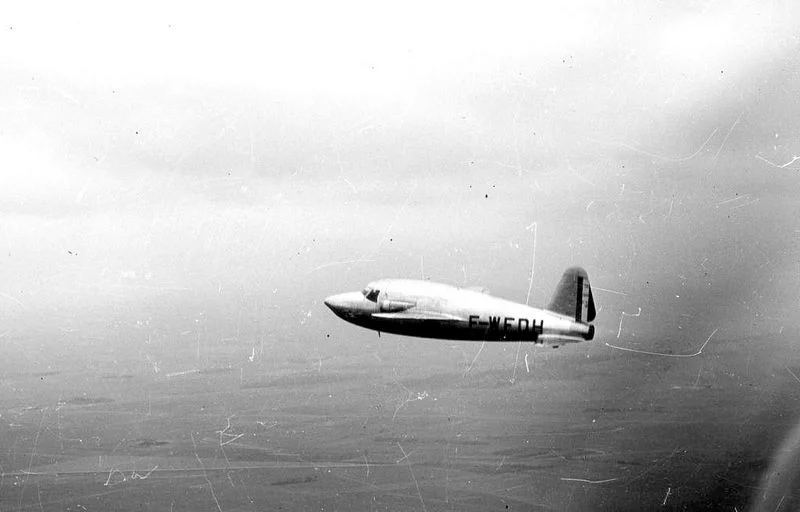
Sud-Ouest’s Triton had a crew of two, a wingspan of 32 feet – 8 inches, and a length of 34 feet – 2 inches. The SO.6000-04 maximum speed attained was 593 miles per hour. Service ceiling for the Triton was said to be 39,000 feet, while its gross weight was 10,053 pounds. Beyond these numbers, not much else is known about Triton’s performance. Despite this lack of information, what is clear is the fact that this French prototype helped propel the proud nation into the jet age.