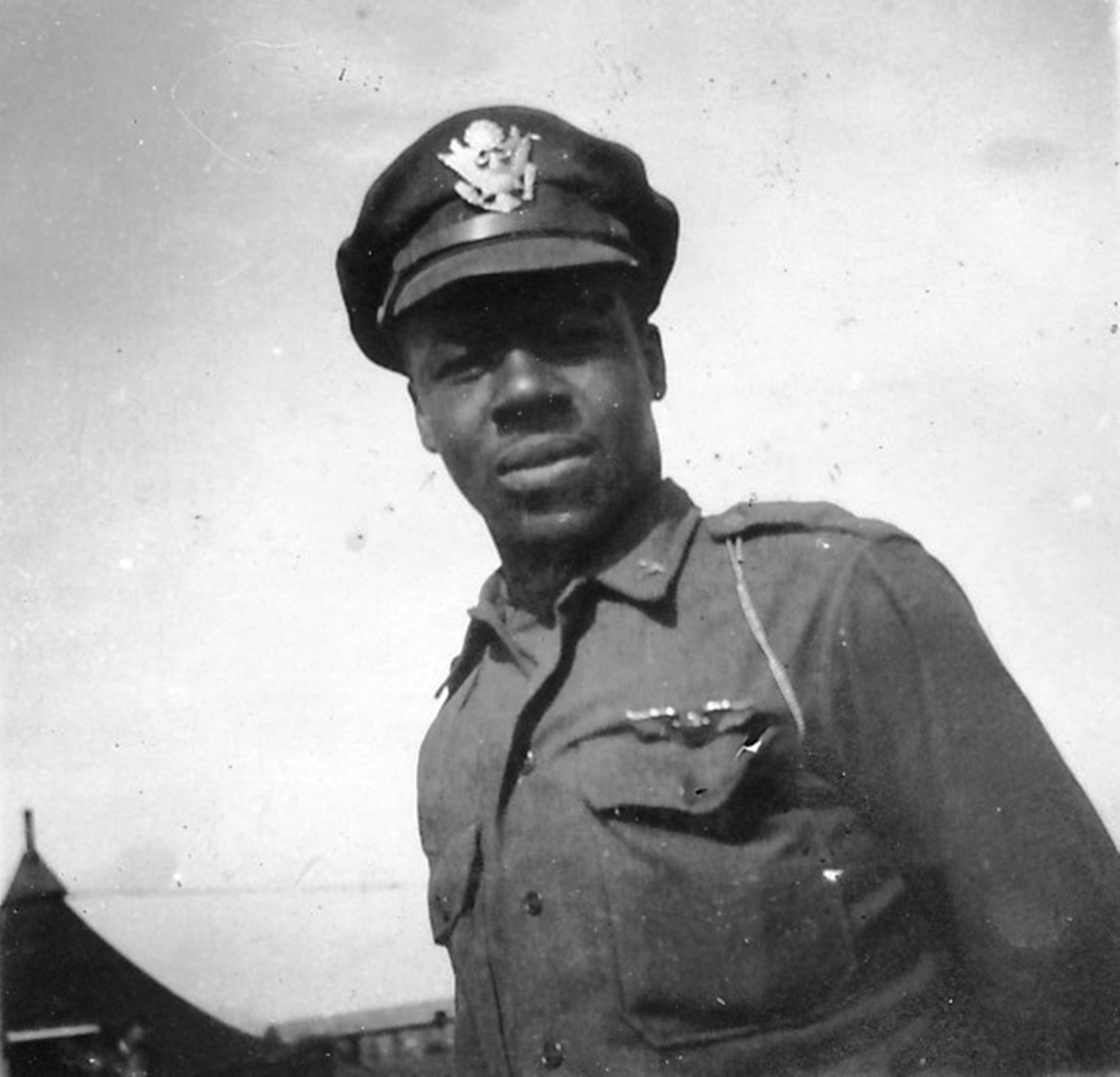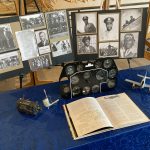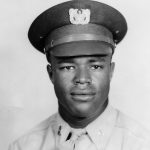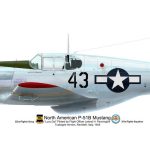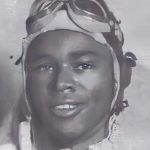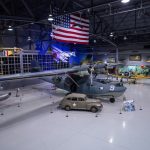
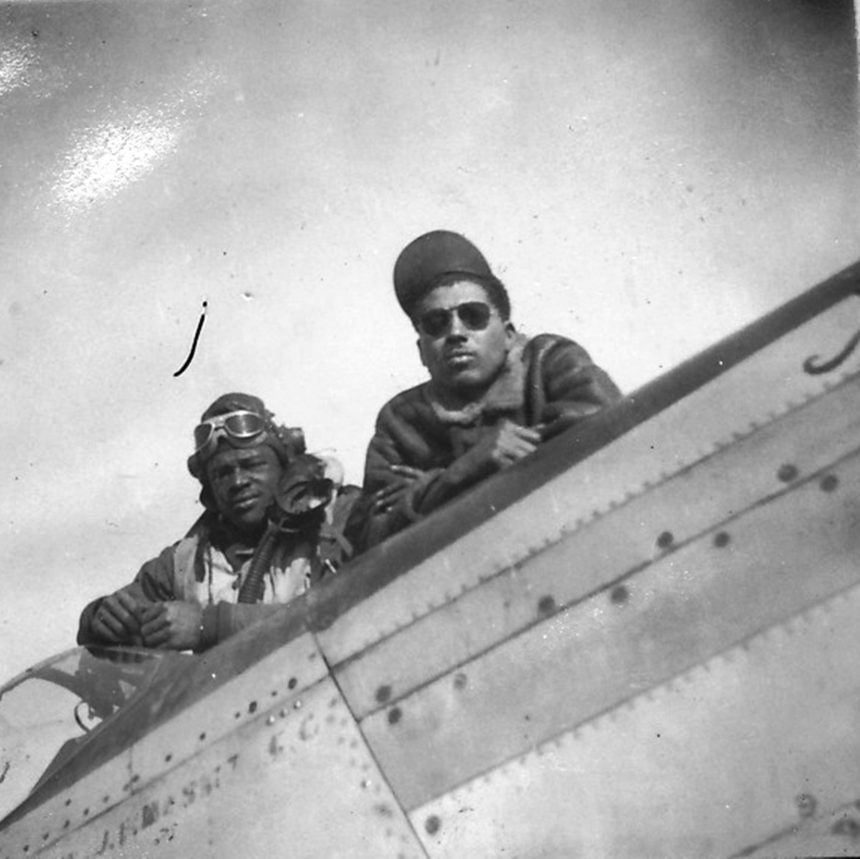

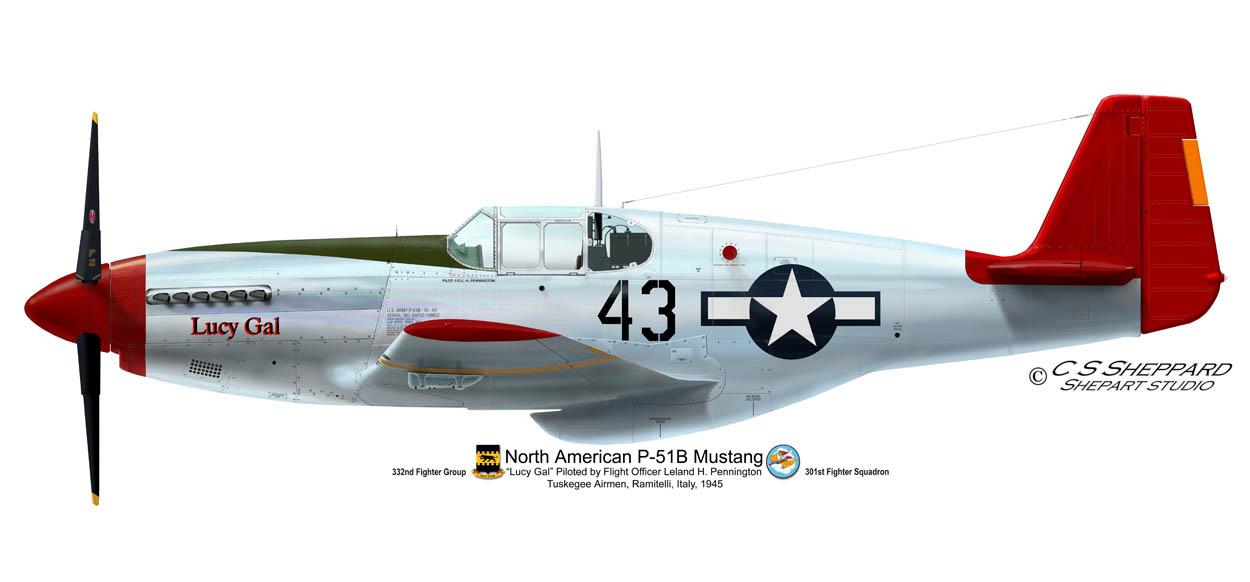
The P-51 Lucy Gal project—an effort to honor Rochester, New York Red Tail Leland Pennington—is slowly taking shape. In previous articles on my mission to keep this MIA pilot’s legacy flying, I spoke about the history of the project and the work completed so far. On April 21 of this year, we hosted Leland Pennington Day, a memorial service for this Tuskegee Airman who never came home. It was a beautiful day, and the event spurred momentum for Lucy Gal by drawing attention to the project. In the weeks since my last update, a lot of “behind-the-scenes” work has taken place. The P-51 Lucy Gal is currently a collection of parts—not yet an airframe or any major assembly. However, the arsenal of Mustang bits continues to grow.
Leland’s hometown—the City of Rochester, New York—has a rugged industrial history. During the Second World War, Rochester proved to be a vital resource for producing goods for the fight against the Axis. I previously wrote about Eastman Kodak’s Hawkeye Plant, which was responsible for creating significant, top-secret optical components for the Norden bombsight (which my grandmother, Arletta Hancock, had a hand in). Kodak was just one of many Rochester-based companies that made significant contributions to the Allied war effort. Dayton Engineering Laboratories Company, more commonly known as Delco, was another industrial staple in Rochester. Delco began operations in the 1920s as North East Appliance, a branch spun off from General Motors. The company earned a reputation for building reliable blower motors for automobiles.
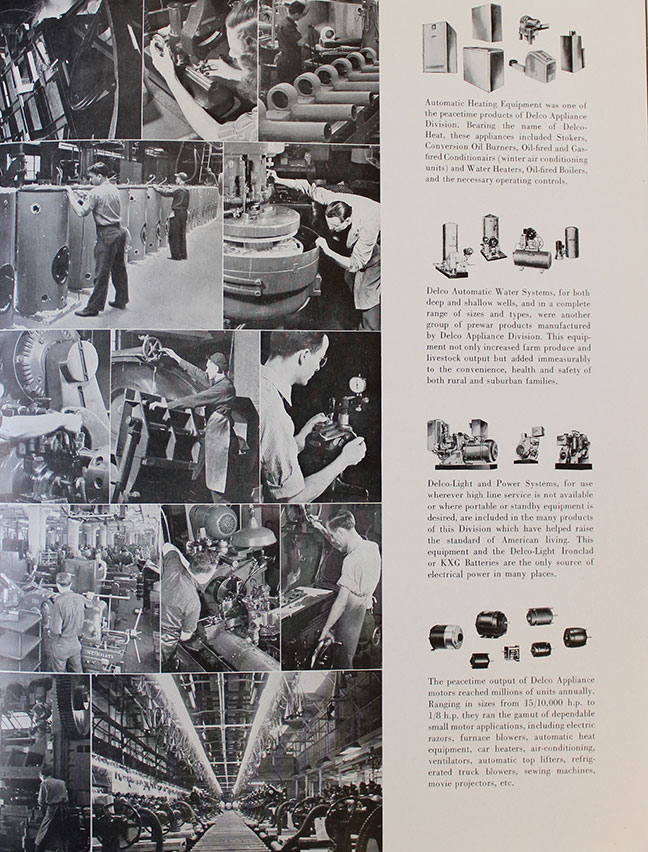
In the 1930s, General Motors shifted North East Appliance’s production efforts toward water pumps, vacuums, and radios. At the same time, the name officially changed to the Delco Appliance Division of General Motors. The company began manufacturing home appliances, such as oil-burning furnaces. The products Delco produced during the 1930s shifted often, largely dependent on market demand. Automotive heater blower motors, farm water pumps, and continued production of home appliances formed the backbone of GM’s Rochester division. When the United States entered World War II, Delco—like so many other American companies—ceased production of civilian goods to focus on war contracts.

Delco designed and built many crucial components for machines that would go on to fight the war. The Rochester-based company specialized in electro-mechanical components, such as generators and special-use motors. Delco was awarded the prestigious Army-Navy “E” (Excellence) Award for its precision manufacturing of such vital parts. One of the more notable products made by Delco during World War II were the magnetos for the P-51 Mustang’s Packard-built V-1650 Merlin engine. Without these magnetos, one of the most impactful fighters of the Second World War would never have gotten off the ground. Many more lives might have been lost to the Axis.
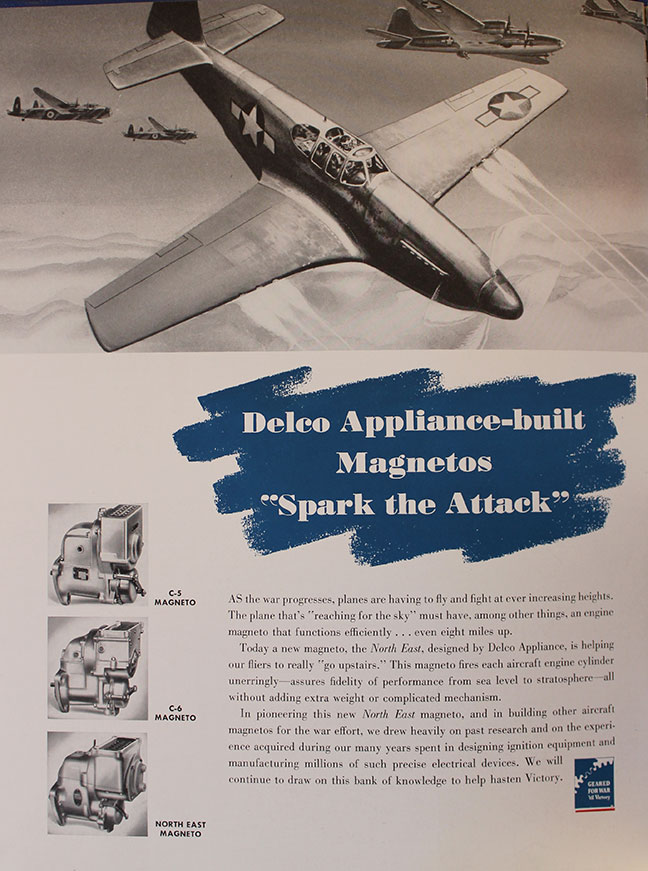
What makes the P-51’s (or any aircraft’s) magnetos so important? A magneto is a self-contained, high-voltage electrical generator. Magnetos are wired to the spark plugs and provide the electrical current needed to ignite the fuel-air mixture inside the engine’s cylinders. They can operate without external power from a battery or the aircraft’s electrical system (though those make starting much easier). Magnetos are an essential part of an aircraft’s ignition system, keeping the engine running strong in flight. Two magnetos—“Left” and “Right”—are often installed in airplanes, as their inner components can wear out. This redundancy ensures the engine has the best chance of making power in the event one magneto fails. The legendary P-51 Mustang is no exception; it too uses dual magnetos.
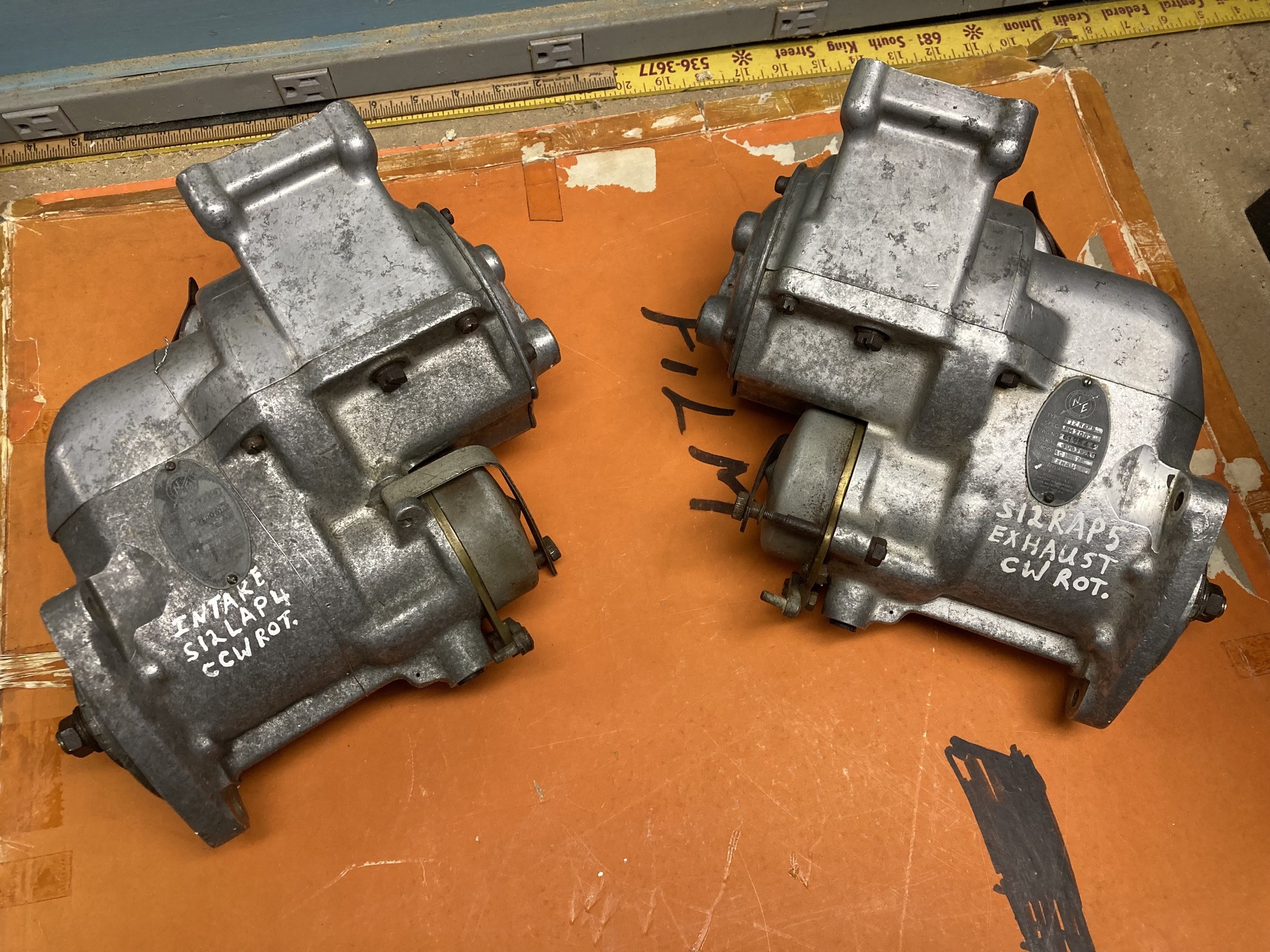
In my never-ending quest to create an airworthy tribute to Leland Pennington’s P-51B-10-NA Lucy Gal (s/n 42-106603), I am always searching for available Mustang parts. Recently, I discovered a pair of North East Magneto/Delco magnetos for the P-51—part numbers S12TAP4 and S12RAP5. Thanks to recent donations, coupled with my own contribution, I was able to acquire this “set” of magnetos. Given these components’ connection to Rochester and to Leland Pennington, I absolutely had to obtain them.
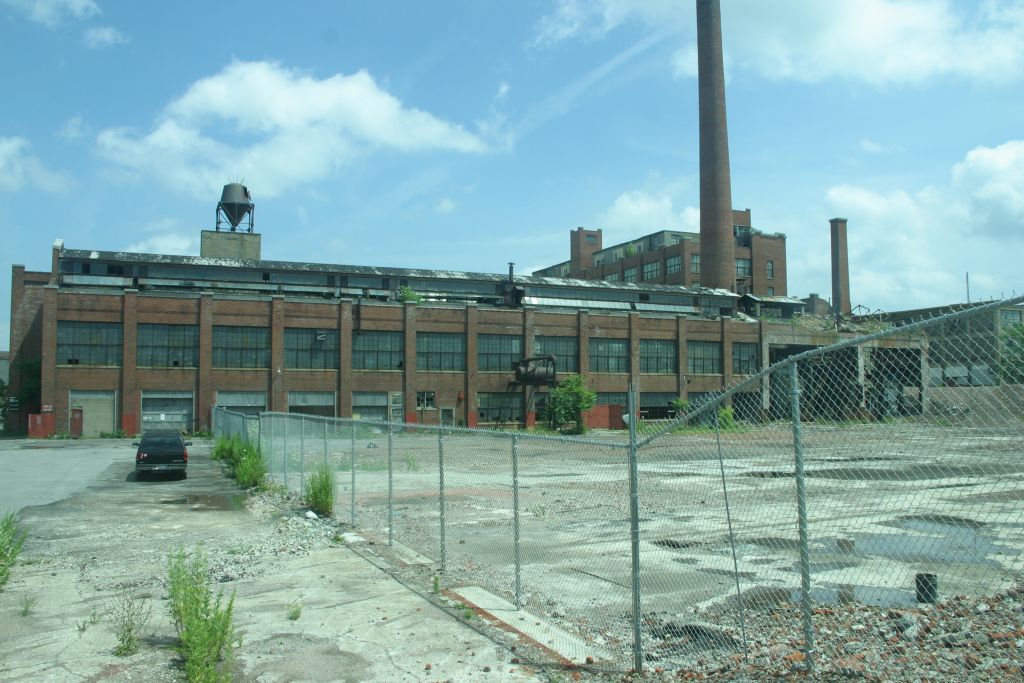
After World War II, Delco continued to manufacture quality electrical appliance components. The seven-day, 48-hour work weeks were no longer necessary, but the heart and soul that produced quality products remained. Delco continued to produce for General Motors until 1994, when it was sold to ITT Industries. In 1998, the plant and business were sold to Valeo SA, which saw a reduction in demand and shut the plant down in 2005. From there, the Delco plant on Lyell Avenue in Rochester sat empty. It fell victim to arson in the early 2010s. What remains of this once vital piece of the U.S. industrial powerhouse from WWII is now just a dirt pile on an empty lot, overgrown with weeds.
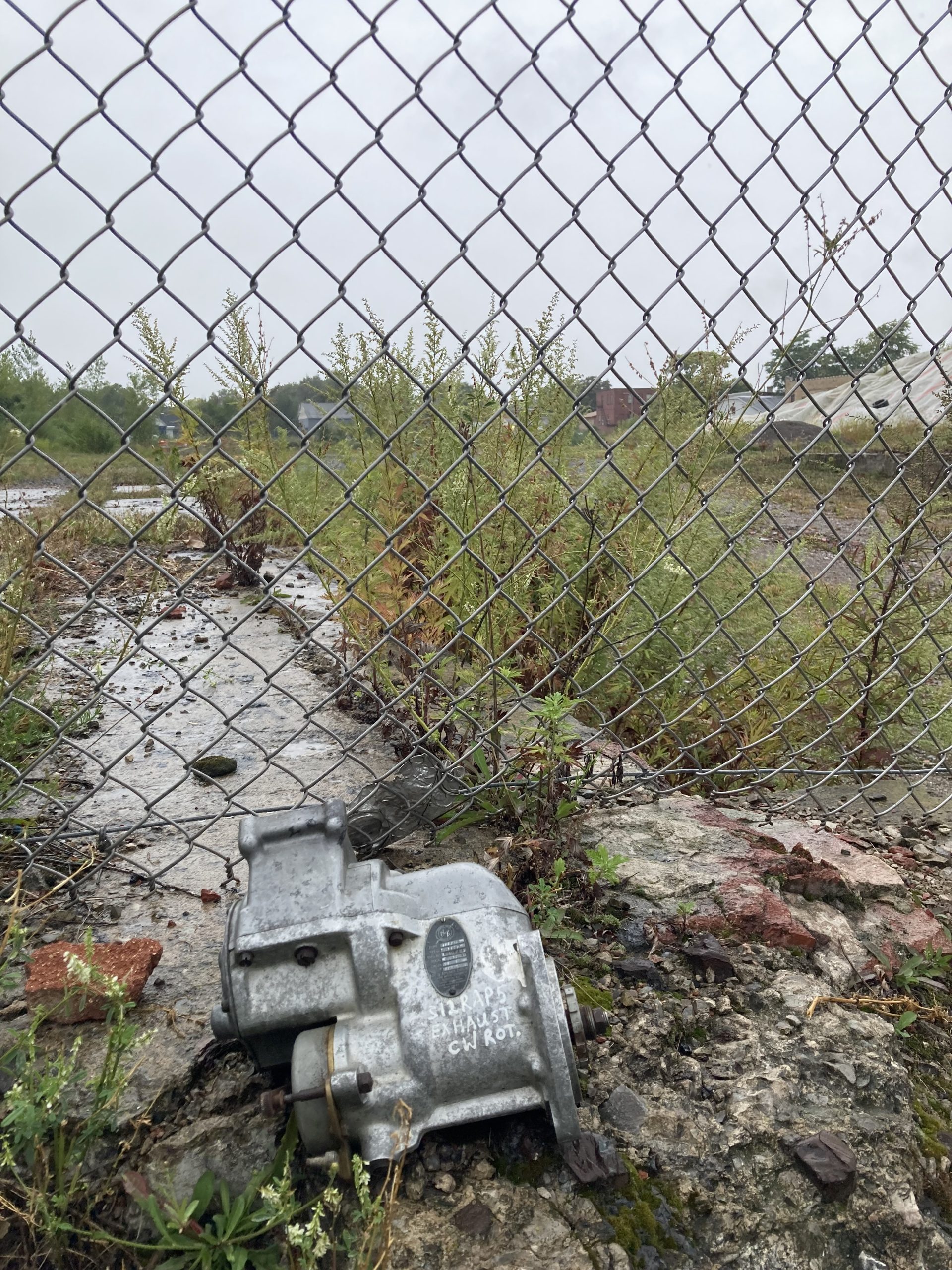
I decided to take the magnetos on a “field trip” to their birthplace in downtown Rochester—a reunion of sorts. Knowing that the building where these Mustang parts were built no longer stood brought about a painful nostalgia, especially for a time whose people are leaving us at a saddening rate. The weed-filled dirt pile on the empty parcel of land, surrounded by a gate, was also symbolic of Leland Pennington’s story. A Tuskegee Airman, once full of life and promise, now no longer here. No one knows for sure where he and Lucy Gal lay, their exact location shrouded by mystery. Much like Delco’s old site, there is no memorial to keep Leland’s legacy alive and flying.
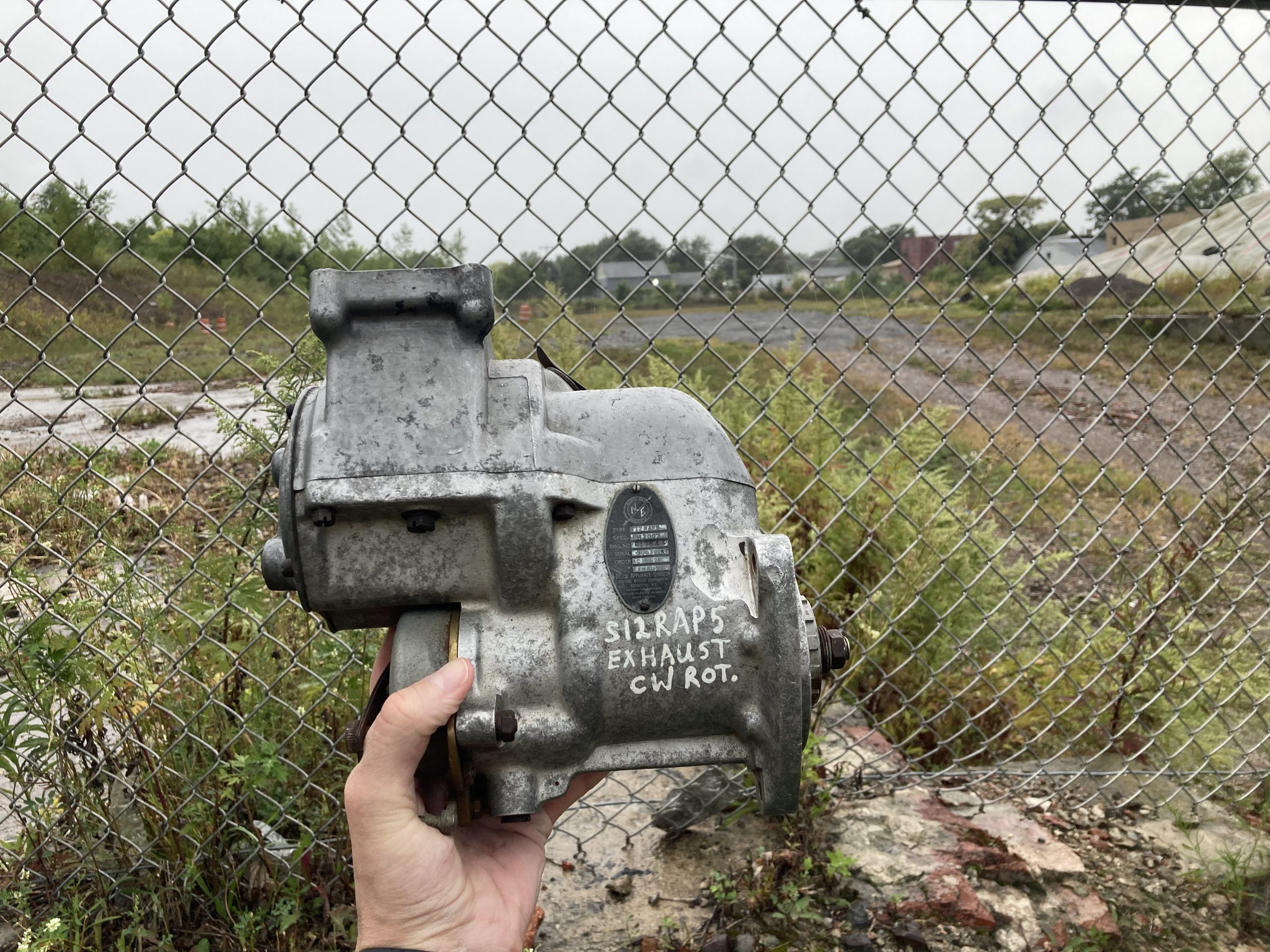
When I arrived at the old Delco site, I was met with gray skies and a light rain shower. Nevertheless, I was determined to reunite the P-51 magnetos with their birthplace. I found what appeared to be the remains of the factory’s foundation—possibly part of a loading bay—outside the fenced-in area. I placed one of the magnetos on the foundation and gazed upon the scene for a moment. This is what “warbirding” is about: connecting the past with the present. At a time when engaging with those who flew, fought, and built during World War II is increasingly rare, we can still take the physical objects from that era and connect the dots. Whether it be an aircraft, a part, or a newspaper clipping, any object from the past deserves to have its story faithfully told and tied to its origin.
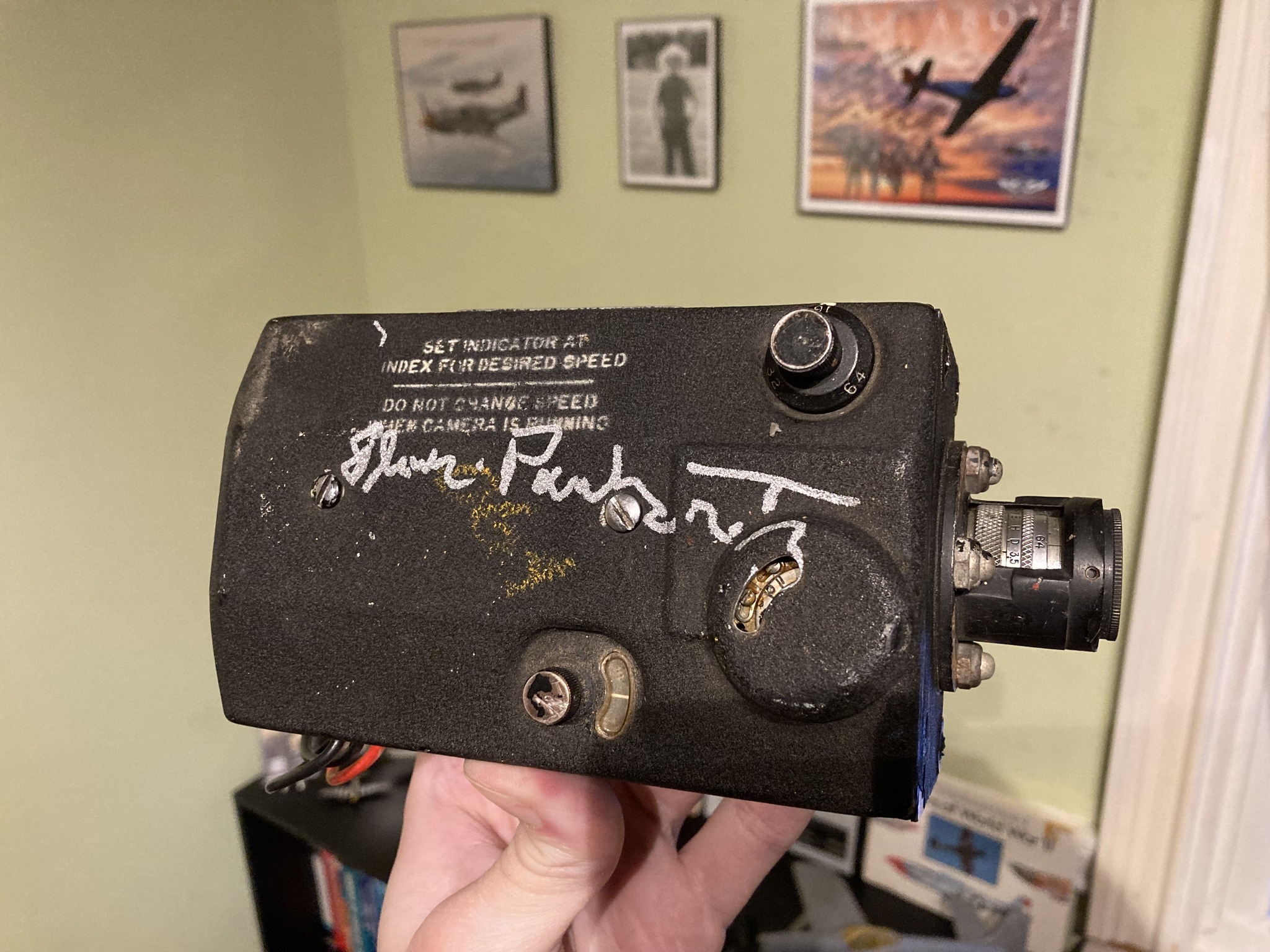
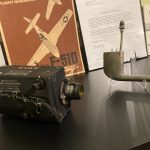
The P-51 Lucy Gal is taking on an energy unlike anything I have felt before. An ever-growing registry of parts continues to give me hope and motivation that one day, a true-to-form P-51 Mustang will grace the skies in Leland Pennington’s livery. A complete instrument panel, a pair of V-1650 Merlin engine magnetos, a gun camera (signed by Rochester P-51 WWII veteran Elmer Pankratz), a pitot tube, a B-model Mustang data plate, and the FAA N-Number N51LP give this project a solid foundation to build upon. Some may call it just a collection of parts, but I see it as the bones of a future airshow fan-favorite. If you’d like to support the P-51 Lucy Gal, please donate to our PayPal. Additionally, be sure to check out our website and social media pages for the latest project news: www.lp-51.com /www.facebook.com/penningtonp51 / www.youtube.com/@p51lucygal / austinhancock.substack.com.