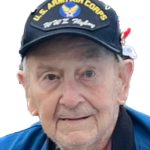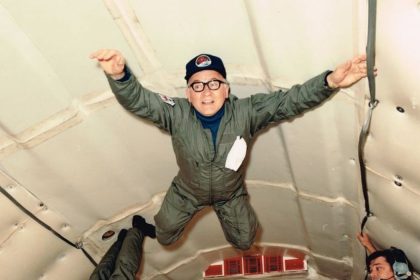
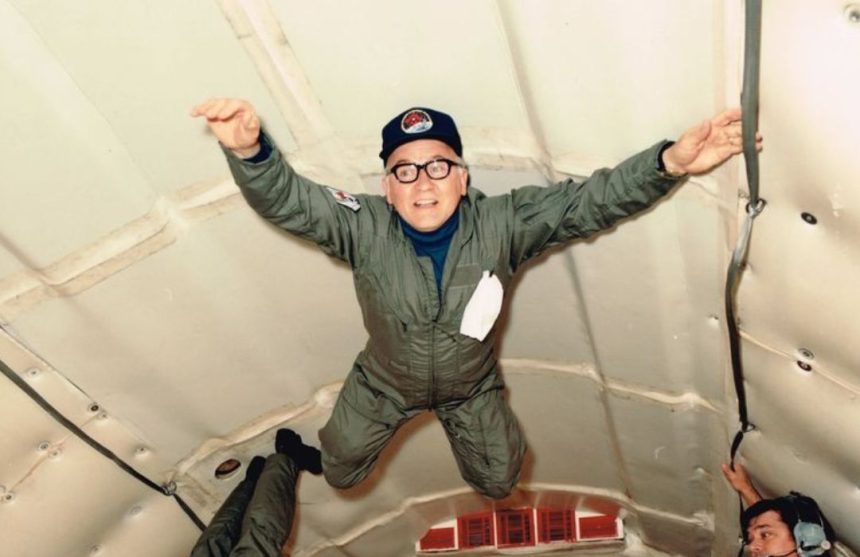

As one of the early aeronautical pioneers, Bruce Aikenhead was more involved than anyone else in Canada’s space projects. Bruce Aikenhead played an important role in building science and communication satellites for Canada and the Canadarm for the US Space Shuttle. He trained the first astronauts in both the US and Canada and worked on a project that aimed to launch projectiles into space using cannons. Born in 1923, Bruce Aikenhead served as a radar mechanic in WWII with the Royal Canadian Air Force and the Royal Air Force. After the war, he studied physics and mathematics at the University of Western Ontario. In 1955, Aikenhead joined Canadian Aviation Electronics (CAE) Industries in Montreal, working on aircraft simulators. He moved to Avro Canada in 1958, where he helped build the CF-105 Avro Arrow jet interceptor. After the Avro program was canceled in 1959, he became one of 31 engineers hired by NASA to support the early human space program. At NASA, he set up astronaut training for the Mercury program before returning to Canada in 1962 to rejoin CAE Industries.
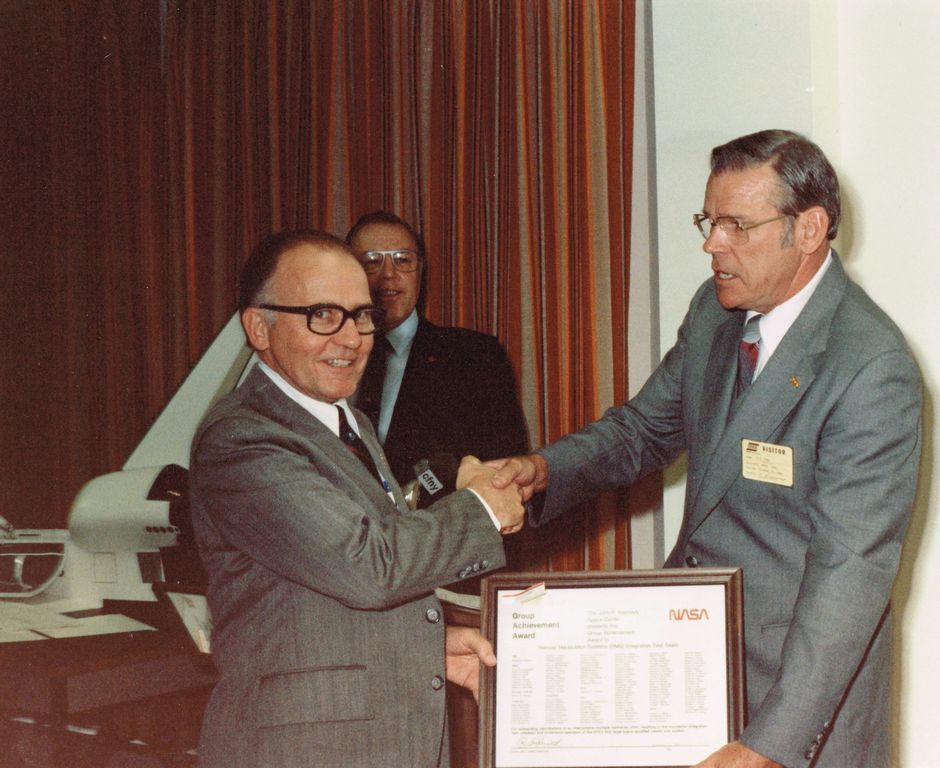
In 1966 and 1967, Bruce Aikenhead worked with cannon researcher Gerald Bull on a controversial high-altitude cannon program. Later, Aikenhead joined RCA Canada, where he contributed to Canadian satellite projects, including the ISIS 2 satellite for upper-atmosphere research and the Communications Technology Satellite, also known as Hermes. After Hermes launched in 1976, Aikenhead was hired by the National Research Council of Canada (NRC) to manage the Space Shuttle Remote Manipulator System, or Canadarm, developed with Spar Aerospace. When the Canadarm became operational in 1983, NASA invited Canada to send astronauts into space. Bruce Aikenhead was then moved to the Canadian Astronaut Program. He also helped choose Canada’s first astronaut, Marc Garneau. In 1989, when the Canadian Space Agency was created, Aikenhead became the Director General of the Canadian Astronaut Program, serving until his retirement in March 1993. Even after he retired, Bruce Aikenhead continued to promote aerospace in Salmon Arm. He often spoke to students about opportunities in the field and helped design and build space exhibits at the Vernon Science Center. Aikenhead lived quietly in Salmon Arm and was remembered for his humility about what he saw as the “good luck” of having such a memorable career.
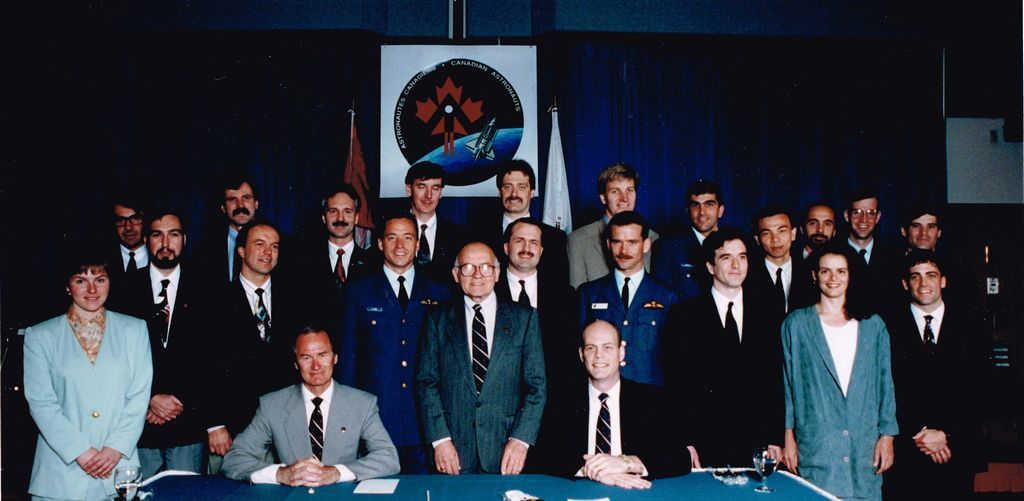
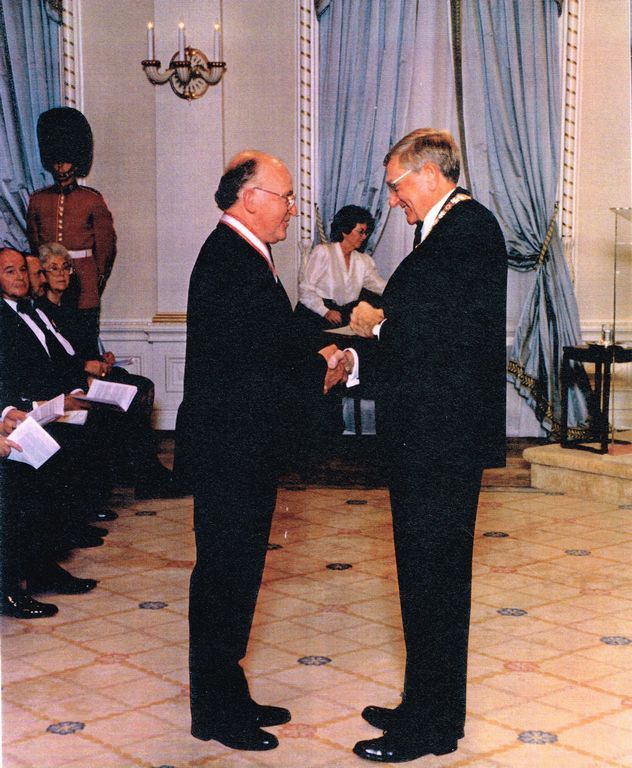
In 1997, Bruce Aikenhead received the Order of Canada. His wife passed away in 2005. He helped start the Okanagan Science Center in Vernon, British Columbia. He died of natural causes on August 5, 2019, at the age of 95. Today, Canada continues to lead in communication and scientific satellites, and Canadian astronauts and the Canadarm2 are vital parts of the International Space Station, all contributions connected to Bruce Aikenhead. His career shows the importance of international cooperation in Canada’s space program. As one of the Pioneers of Aeronautical Engineering, Bruce Aikenhead spent nearly 40 years in aerospace development and contributed to space projects such as the “International Satellites for Ionospheric Studies,” the Canadian geosynchronous satellite “Hermes,” and the “Canadarm” for NASA’s space shuttle. He also arranged the equipment and training for Marc Garneau’s flight into orbit. Read more similar stories HERE.