
(Image credit: VAN)
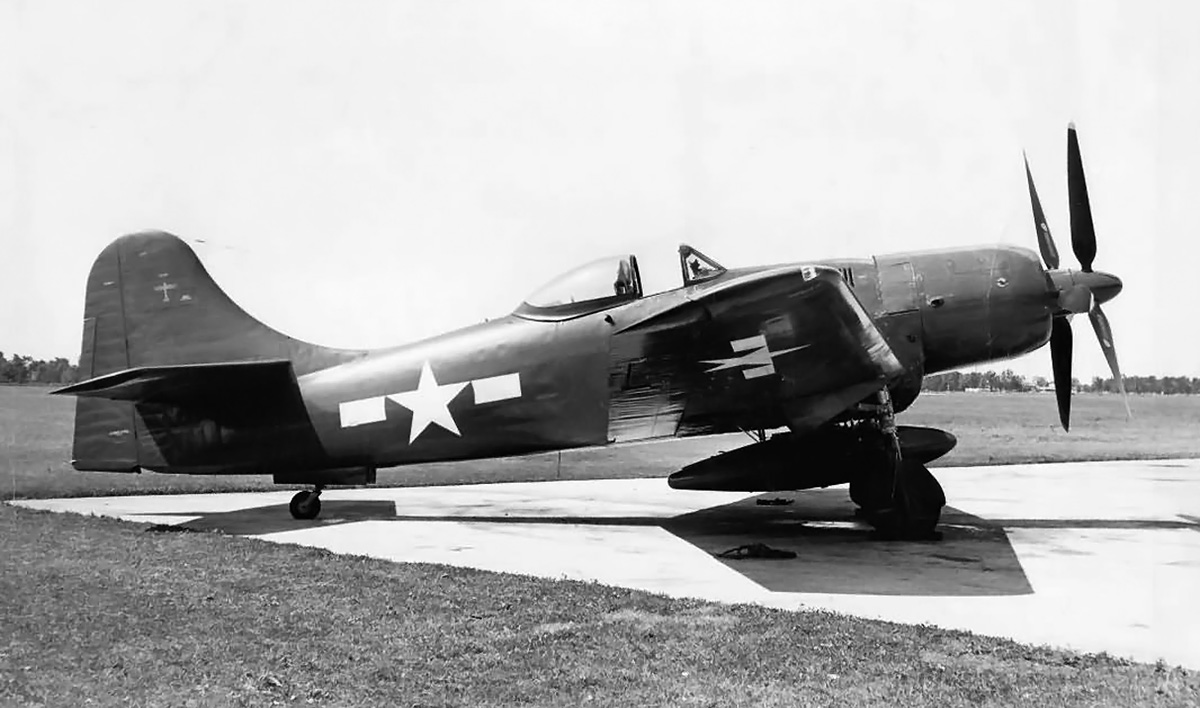
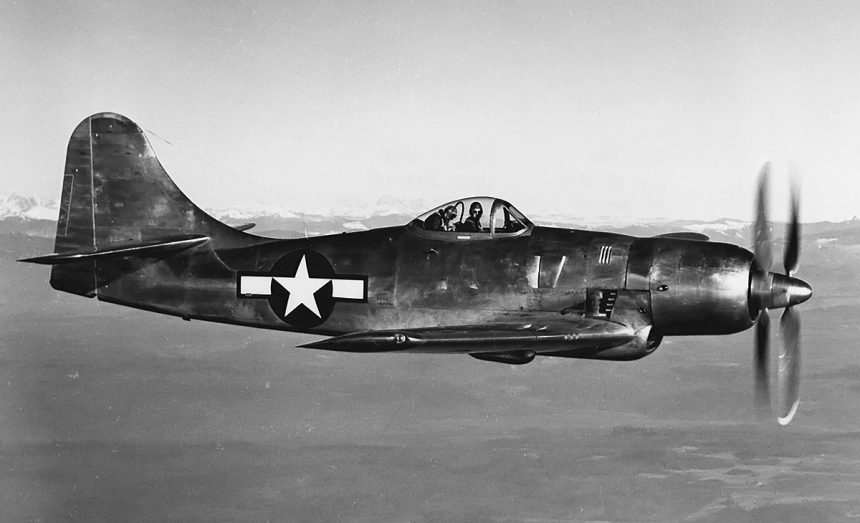
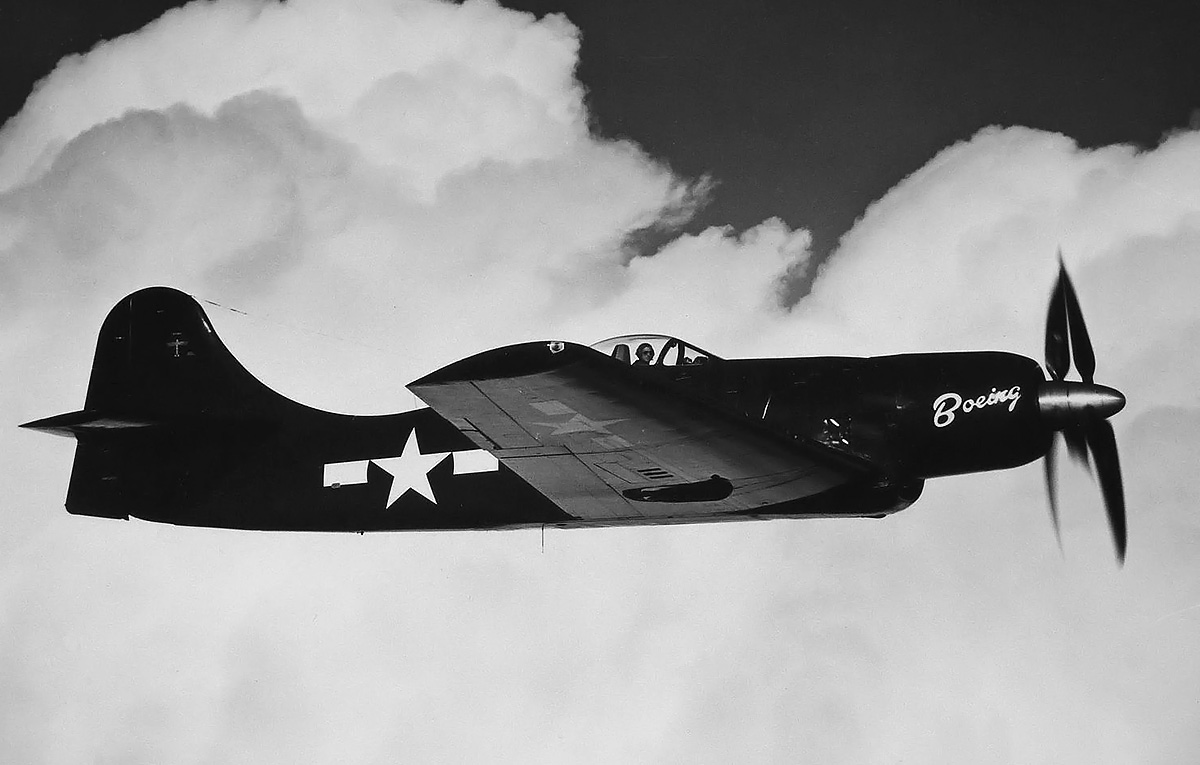
On this day in aviation history, 81 years ago (November 27, 1944), the Boeing XF8B flew for the first time. Initially called the Model 400, the XF8B was a prototype single-engined fighter. Boeing developed the XF8B during World War II as a potential long-range carrier-based fighter, one that could reach the Japanese islands from the United States’ Naval aircraft carriers. Some land-based American fighters could not reach these islands, so the need for a fighter that could reach these targets was ever-present later on in the war.
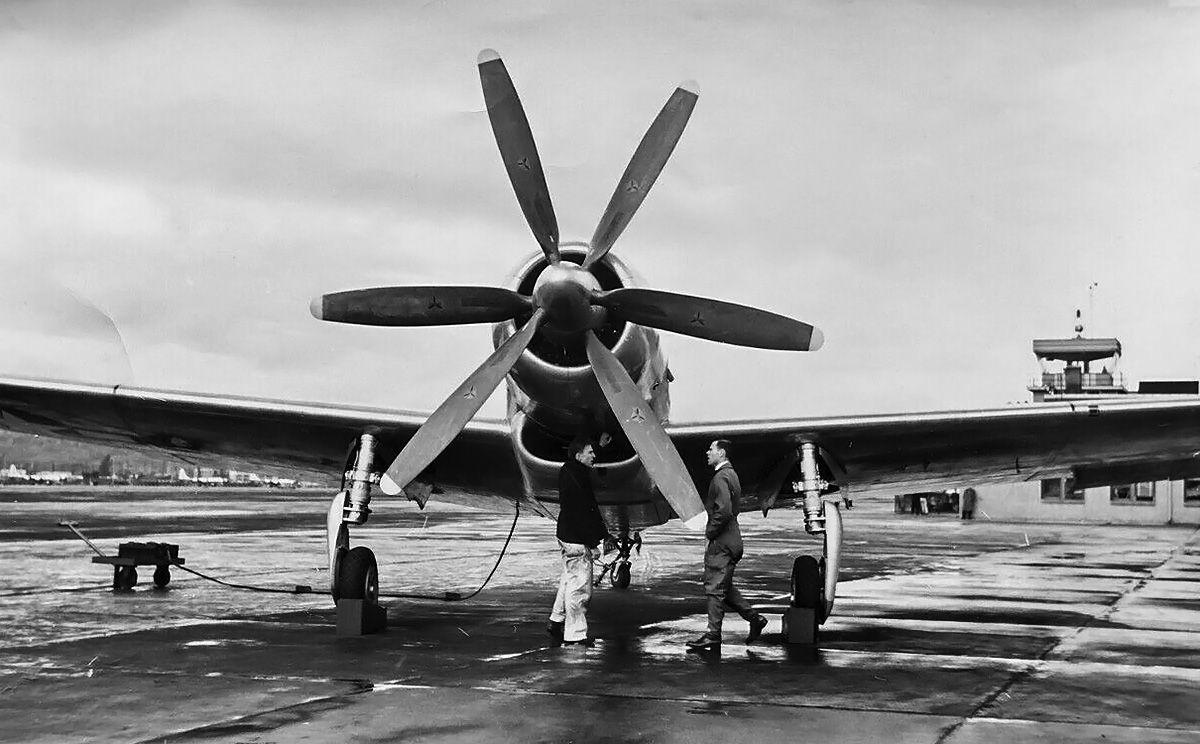
Boeing designed the XF8B as a multi-role fighter, one that could also handle interception, long-range escorts, dive-bombing, and torpedo bombing. The development of an aircraft that could be capable of so many roles would end with an airframe featuring many innovative features. When the XF8B-1 prototype rolled off the assembly line, it was the biggest and heaviest single-seat, single-engine fighter to be fostered in the US. The XF8B-1 drew the nickname “five-in-one fighter” for its proposed ability to handle so many aerial combat roles. Being the large airplane that the XF8B was, the 54-foot wingspan was given folding outer-wing sections, making carrier-capability more possible. Inside the fighter’s fuselage were an internal bomb bay and long-range fuel tanks. The end design of the “jack of all trades” Boeing fighter was large, but not cumbersome. The XF8U was streamlined, with a bubble canopy and a tail that was a variation of that used on the B-29.
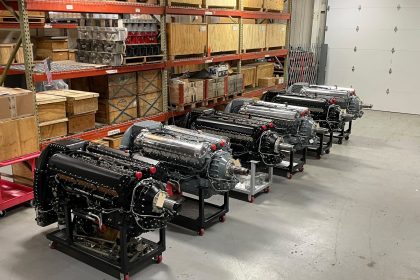
Boeing’s XF8B-1 was powered by a Pratt & Whitney XR-4360-10 28-cylinder air-cooled radial engine. This 4360 could produce 3,000 horsepower at take-off, and 3,600 hp at war emergency power, with water injection. Connected to the P&W XR-4360 were two 3-bladed Aeroprops, in a contra-rotating co-axial configuration. The XF8B had a maximum speed of 450 miles per hour, in war emergency power. Otherwise, the aircraft would cruise closer to 190 miles per hour. The range for Boeing’s multi-role fighter was found to be 2,400 nautical miles, with a service ceiling of 37,500 feet. The XF8B-1 was armed with either six 20 millimeter cannons or six 0.50-caliber machine guns. Additionally, the aircraft could be fitted with rockets under the outer wings, and up to 6,400 pounds of bombs, or two 2,000-pound torpedoes.
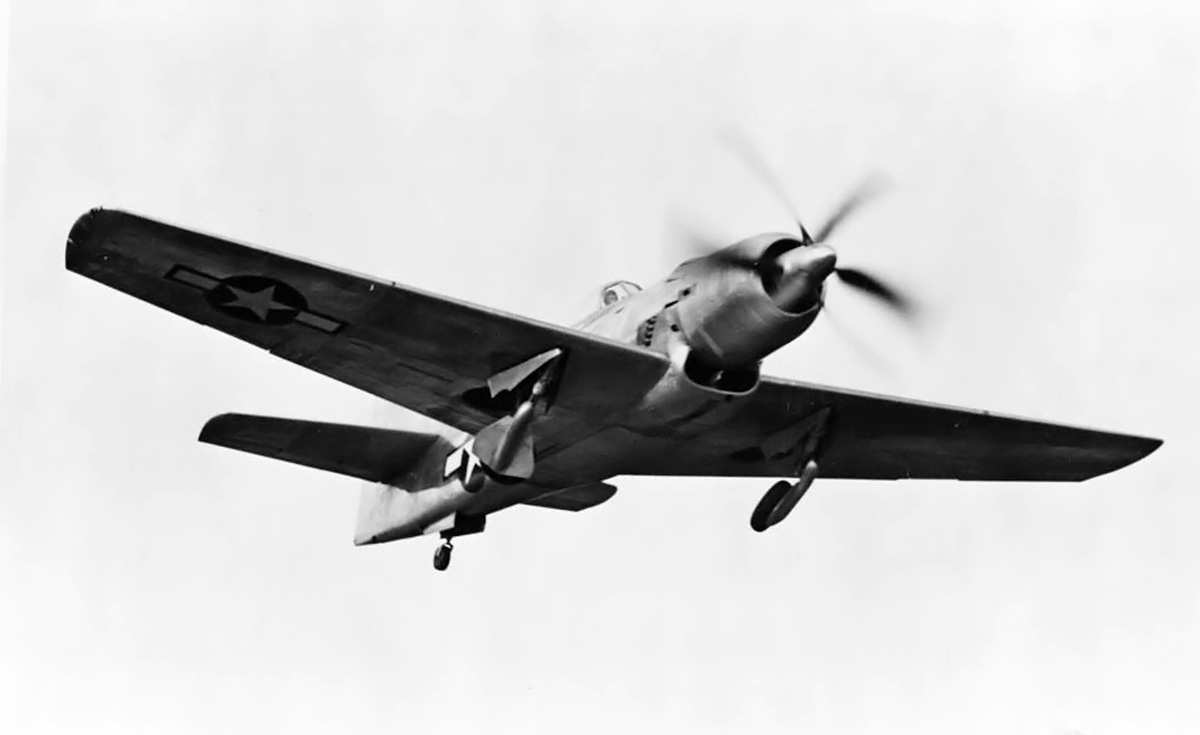
Boeing built a total of three XF8Bs for flight testing, and the aircraft performed very well. However, World War II had come to an end, and the needs of the United States Navy changed. The focus had shifted towards jet fighters, and the XF8B was no longer needed. All three prototypes were scrapped, leaving us to imagine what may have been.