
(Image credit: VAN)
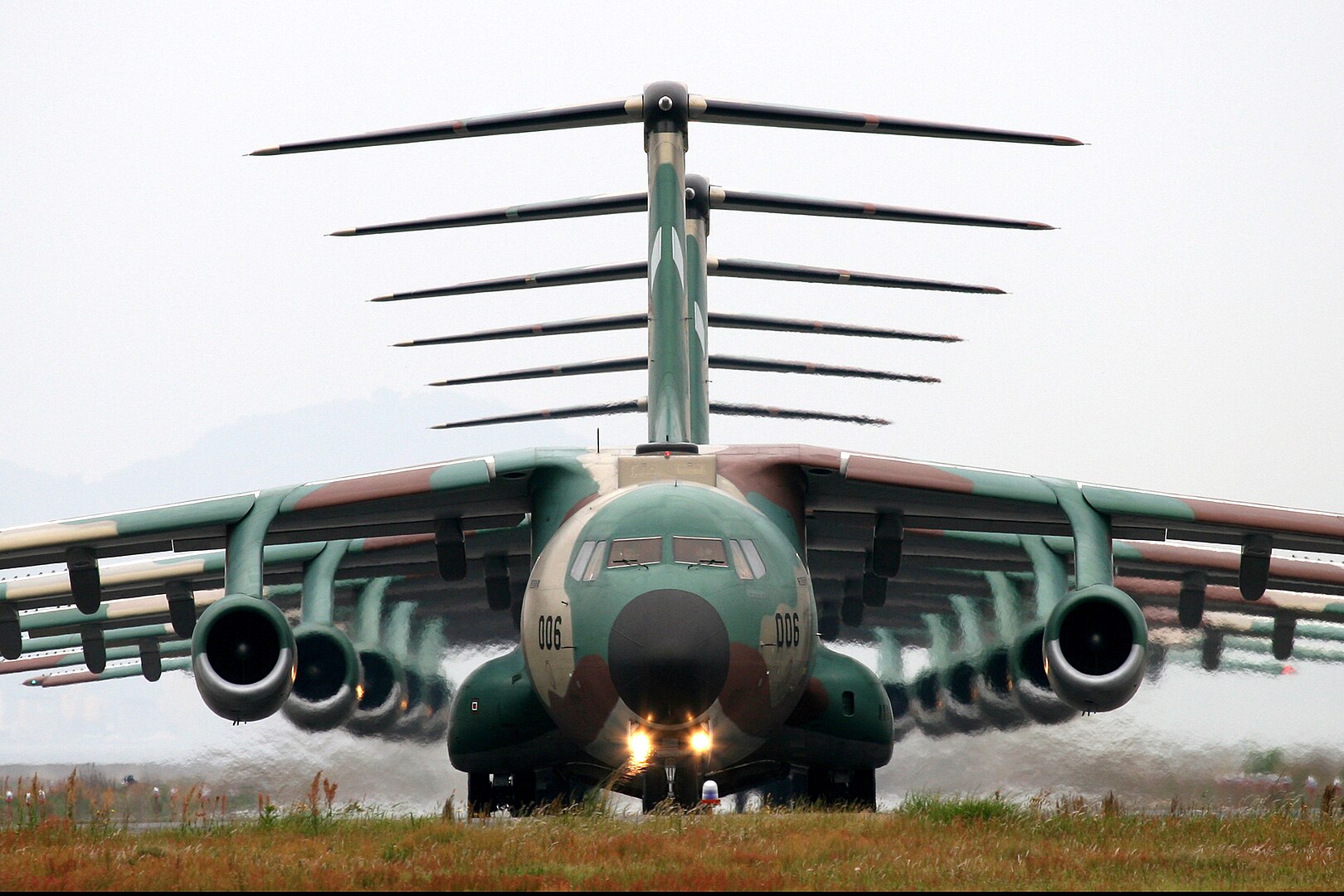
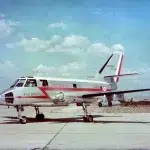
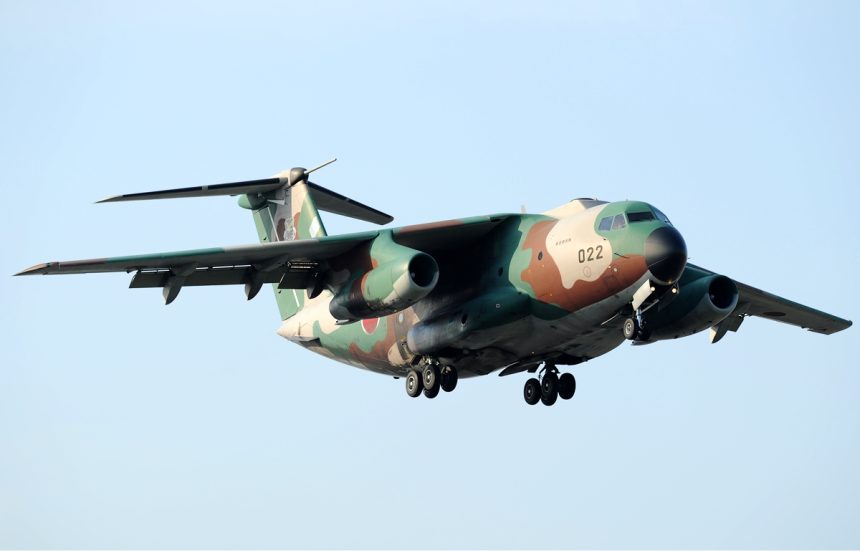
On this day in aviation history, 55 years ago (November 12, 1970), the Kawasaki C-1 took flight for the first time. The C-1 is a Japanese twin-engine military transport aircraft with short-range capability. Designed and built by Kawasaki Heavy Industries, the C-1 could be considered an “in-house” transport, as it is only flown by the Japan Air Self-Defense Force (JASDF). Development of the C-1 began in 1966 upon the issuance of a requirement by the JASDF for a homegrown jet-powered transport. The goal for this new transport was to replace the aging Curtiss C-46 Commandos that were in use at the time.
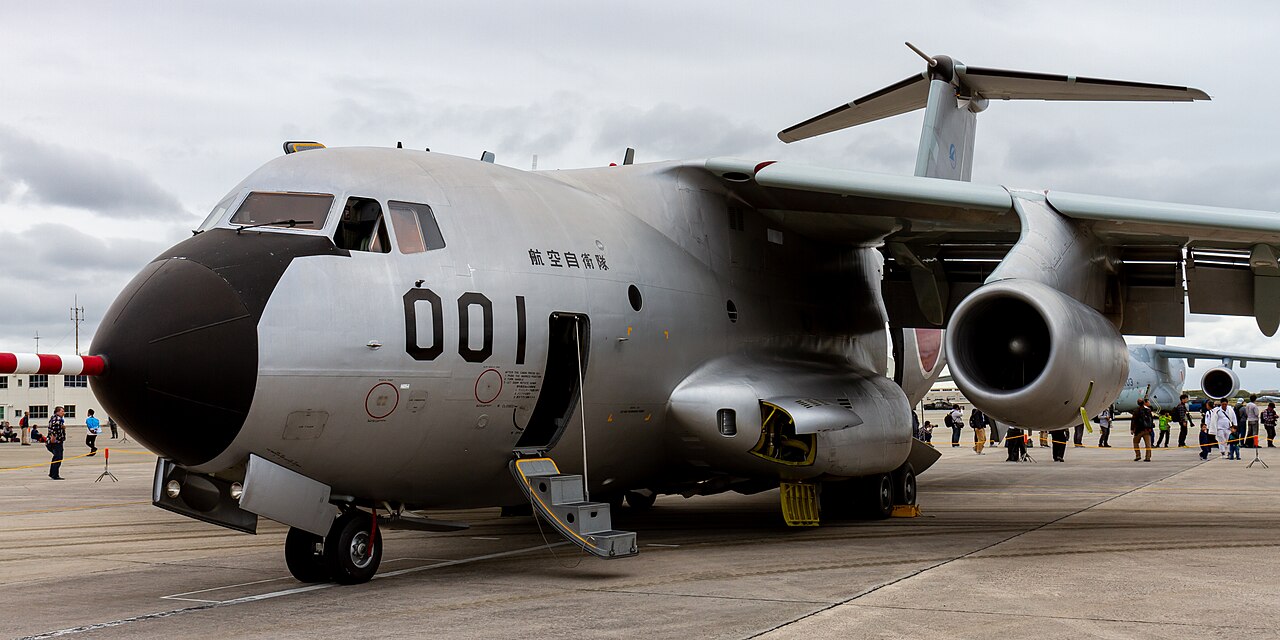
Nihon Aircraft Manufacturing Corporation (NAMC), a group of major Japanese industrial companies, was tasked by the JASDF to develop this proposed transport aircraft. NAMC had also been developing the YS.11 at the same time. NAMC named Kawasaki as the prime contractor for the new aircraft. Mitsubishi and Fuji also manufactured parts for the C-1 under Kawasaki’s tutelage. A year after the C-1’s first flight, production ramped up to meet the needs of the JASDF, and a total of 34 aircraft were built.
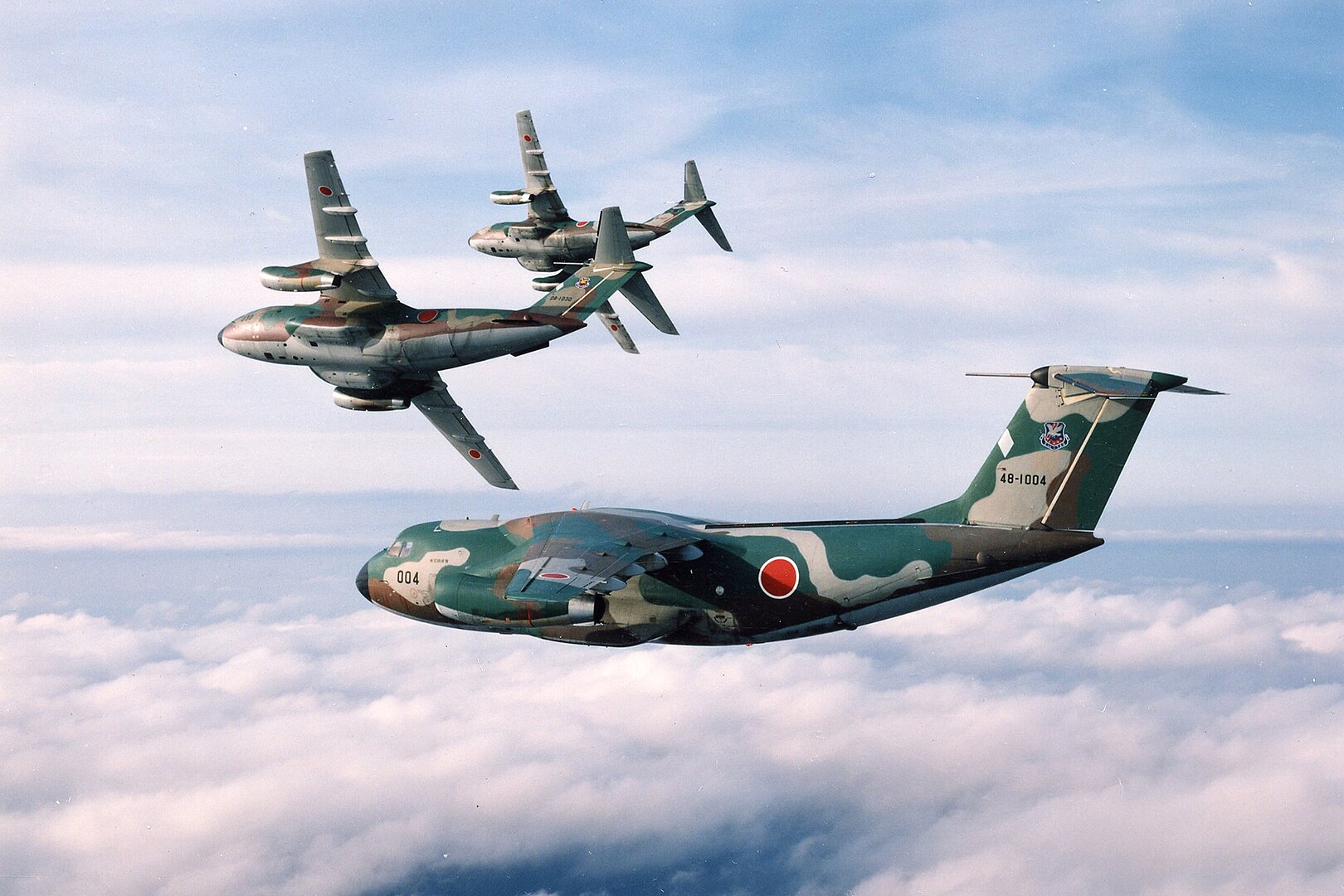
The C-1 was introduced into service in December 1974, and the aircraft served until its retirement on March 15, 2025. During the back-half of the 20th Century, and well into the 21st Century, the C-1 served as the lynchpin of the JASDF transport fleet, offering capabilities critical to military and civilian relief efforts. The range of the C-1 would prove to be prohibitive for many missions, especially when Okinawa was returned to Japan from the United States. For this reason, the C-130 Hercules and other similar transport aircraft were ordered in higher quantities as time passed.
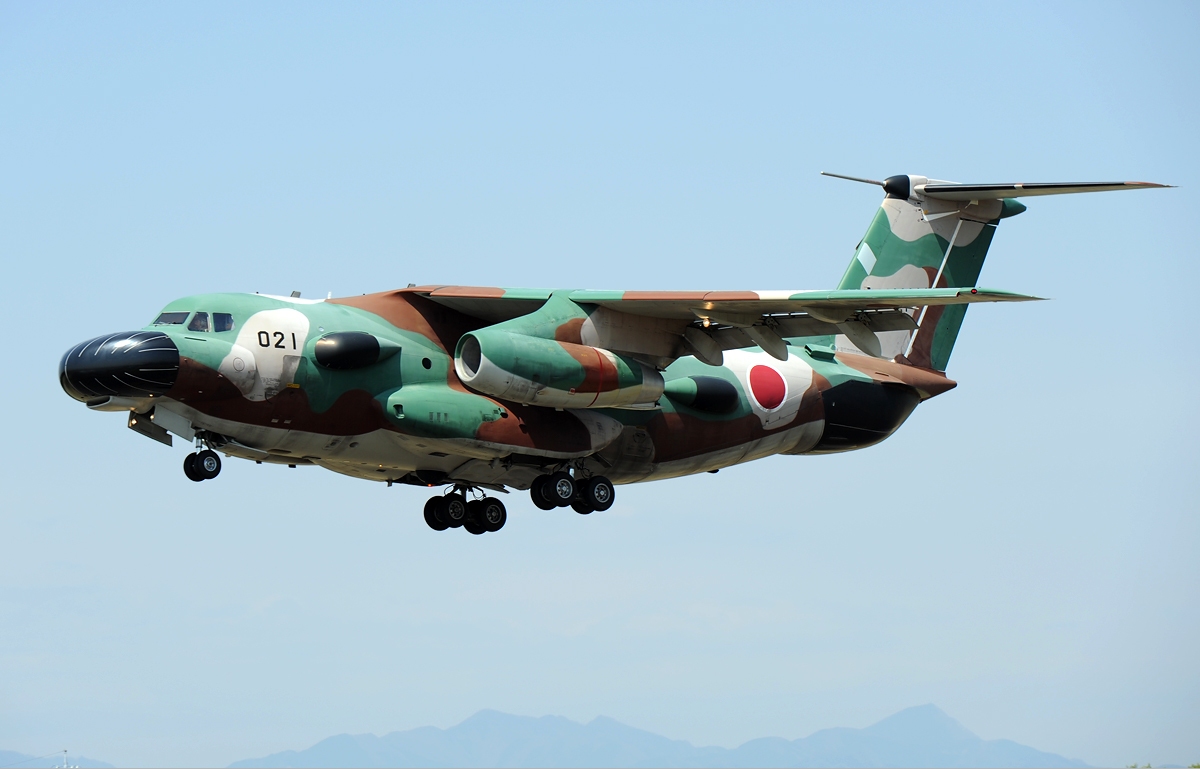
The Kawasaki C-1 had a crew of two pilots and three mission specialists. A payload of 18,000 pounds could be loaded within the C-1, which had a maximum takeoff weight of 85,319 pounds. Two Mitsubishi-built Pratt & Whitney JT8D-M-9 turbofan engines, each with 14,500 pounds of thrust, powered the C-1. The C-1 had a maximum speed of 501 miles per hour and would cruise at 408. With maximum fuel and 5,100 pounds of payload, the C-1 had a range of 1,810 nautical miles – a distance that would prove to be ineffective overall. Kawasaki’s transport had a service ceiling of 37,990 feet. The C-1 was further developed into an electronic warfare training variant, known as the EC-1.