
(Image credit: VAN)
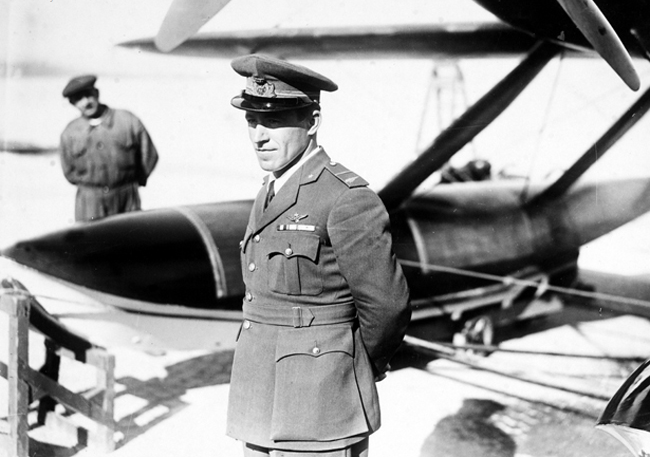
On this day in aviation history, 91 years ago (October 23, 1934), Warrant Officer Francesco Agello of the Regia Aeronautica broke the Fédération Aéronautique Internationale (FAI) world airspeed record. Flying a Macchi M.C.72, serial number MM 181, over a 3-kilometer course, Agello sustained an average speed of 709.21 kilometers per hour (440.68 miles per hour). This record surpassed his previous mark of 682.403 km/h (423.76 mph).
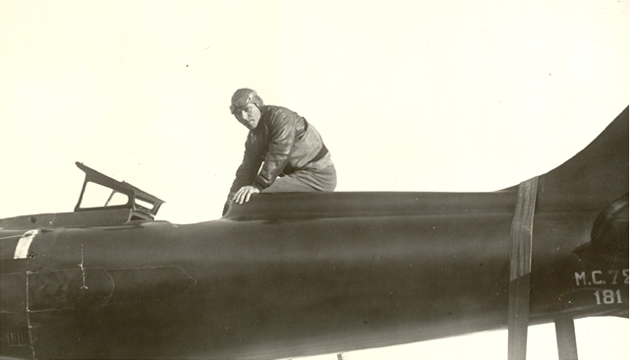
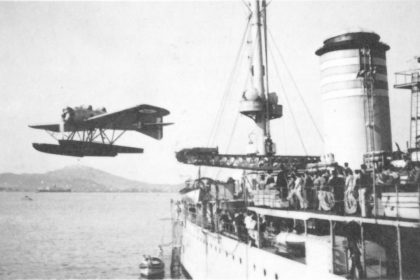
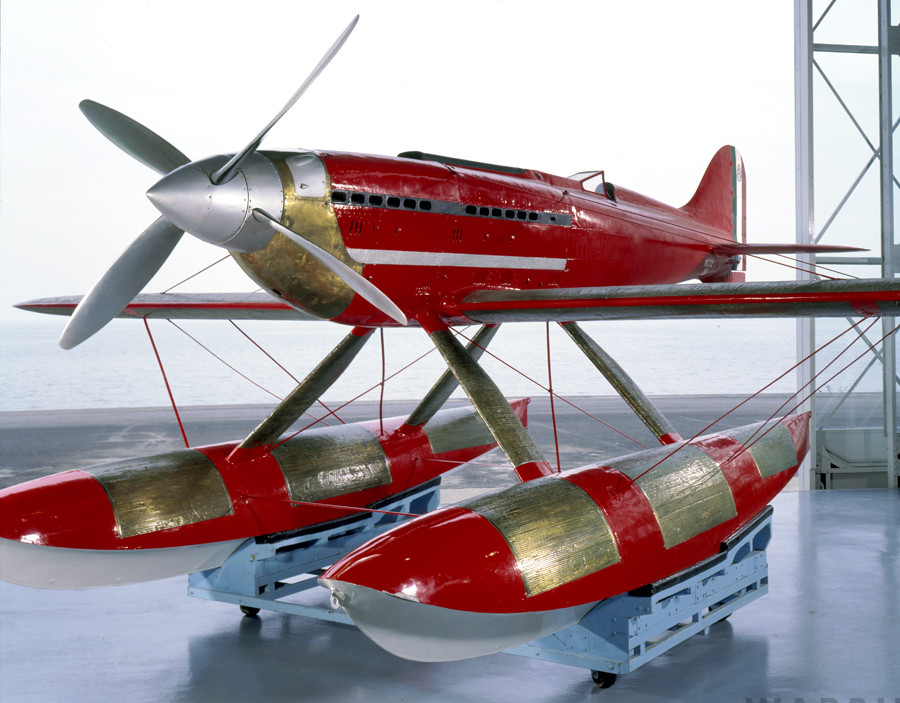
On the day of the flight, conditions were nearly perfect. Agello completed four passes over the 3-kilometer course just before 3 p.m. Following the record-breaking achievement, a banquet was held in his honor, and he was promoted to Lieutenant. The aircraft he flew—the Macchi-Castoldi M.C.72—was a seaplane, making the feat even more impressive given the additional drag caused by its pontoons.
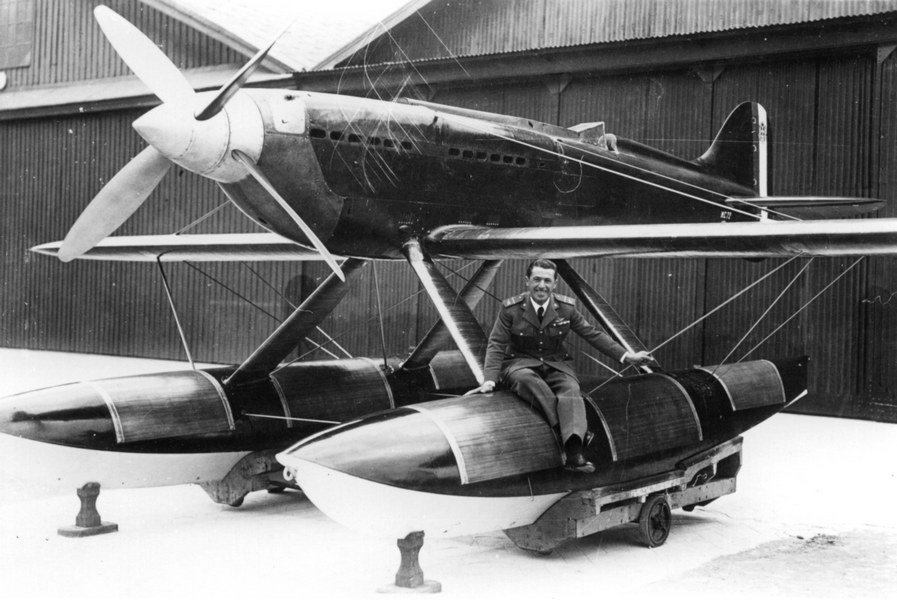
The Macchi-Castoldi M.C.72 was designed by Mario Castoldi and built by Macchi Aeronautica. An experimental floatplane, the M.C.72 was one in a series of seaplanes developed by Macchi. During the 1920s, the company focused on speed, aiming to win every air competition possible. A lineage of previous air-racing successes gave Macchi’s design team confidence, making the M.C.72’s eventual success almost inevitable. The aircraft was powered by a 2,851-horsepower Fiat AS.6 engine, which combined two V-12 piston engines to create a 24-cylinder powerhouse. These coupled engines drove a four-bladed contra-rotating propeller with a fixed pitch, allowing the M.C.72 to achieve its record-breaking speed of 709.21 km/h.
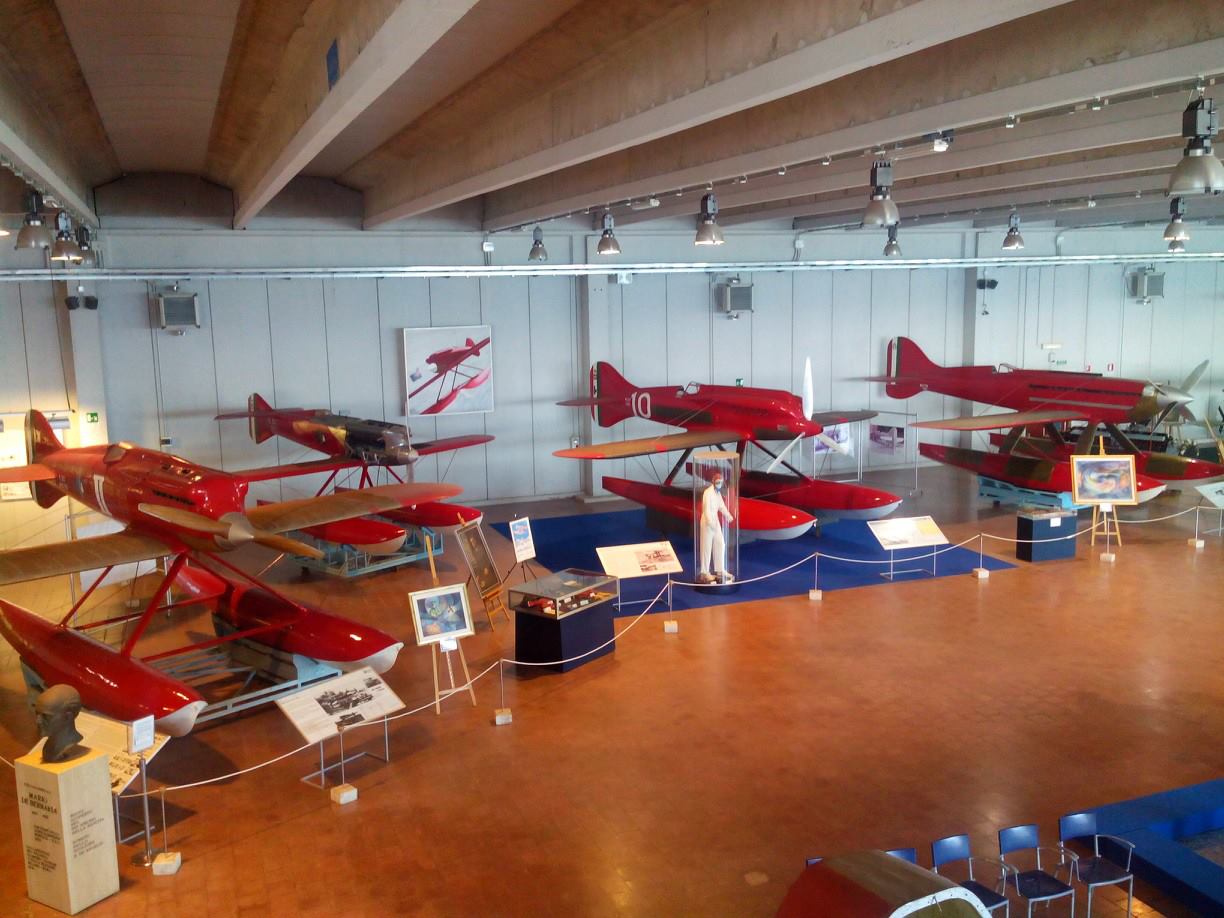
Francesco Agello was later awarded the FAI’s Henry De La Vaulx Medal twice, as well as the Medaglia d’oro al valore aeronautico. The FAI noted of his achievements: “A high-speed pilot of exceptional courage, and after competition in difficult and dangerous test flights during the development of the fastest seaplane in the world, twice he conquered the absolute world speed record.” Tragically, Agello was lost on November 26, 1942, while test-flying another famed Macchi aircraft, the C.202 Folgore fighter.