
(Image credit: VAN)
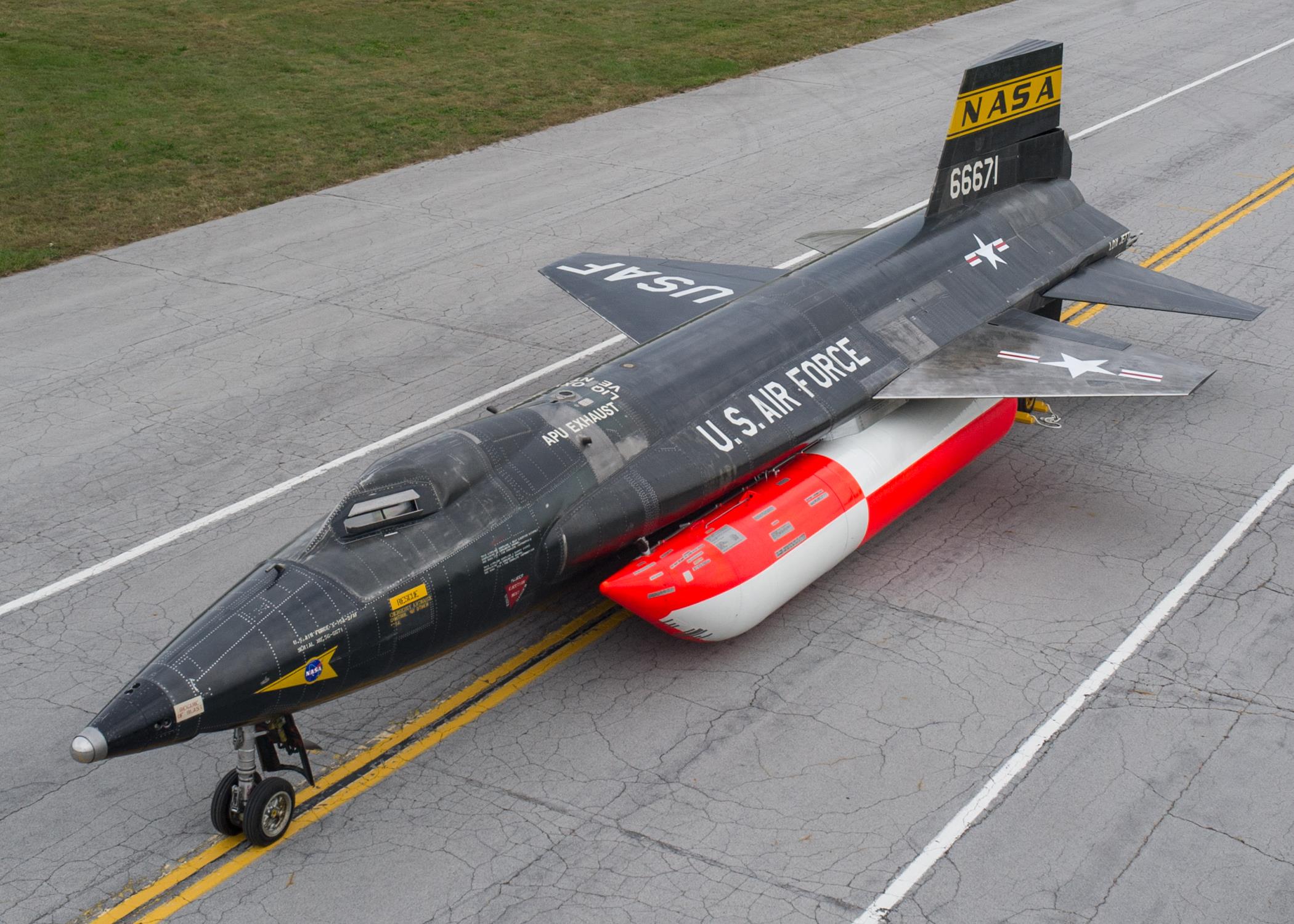
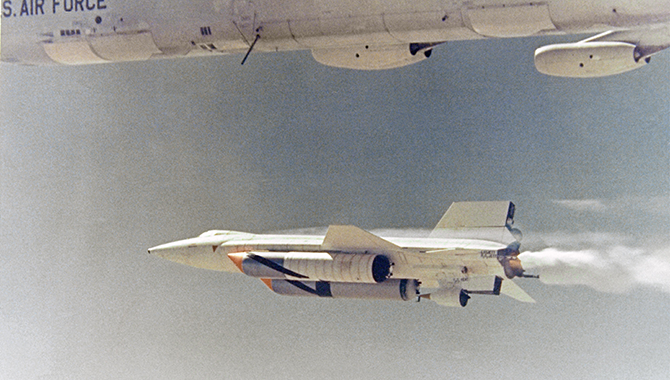
Fifty-eight years ago today, on October 3, 1967, the North American X-15 set a new world airspeed record. United States Air Force Major William J. Knight piloted X-15A-2 56-6671 on the record-breaking flight, the 188th sortie of the X-15 program. Major Knight and the X-15A-2 were carried to altitude by the Boeing NB-52B Stratofortress 52-008, known as Balls 8. At 45,000 feet over Mud Lake, Nevada, the X-15A-2 was released. Knight ignited the Reaction Motors XLR99-RM-1 rocket engine, beginning a rapid climb and acceleration into the hypersonic regime.
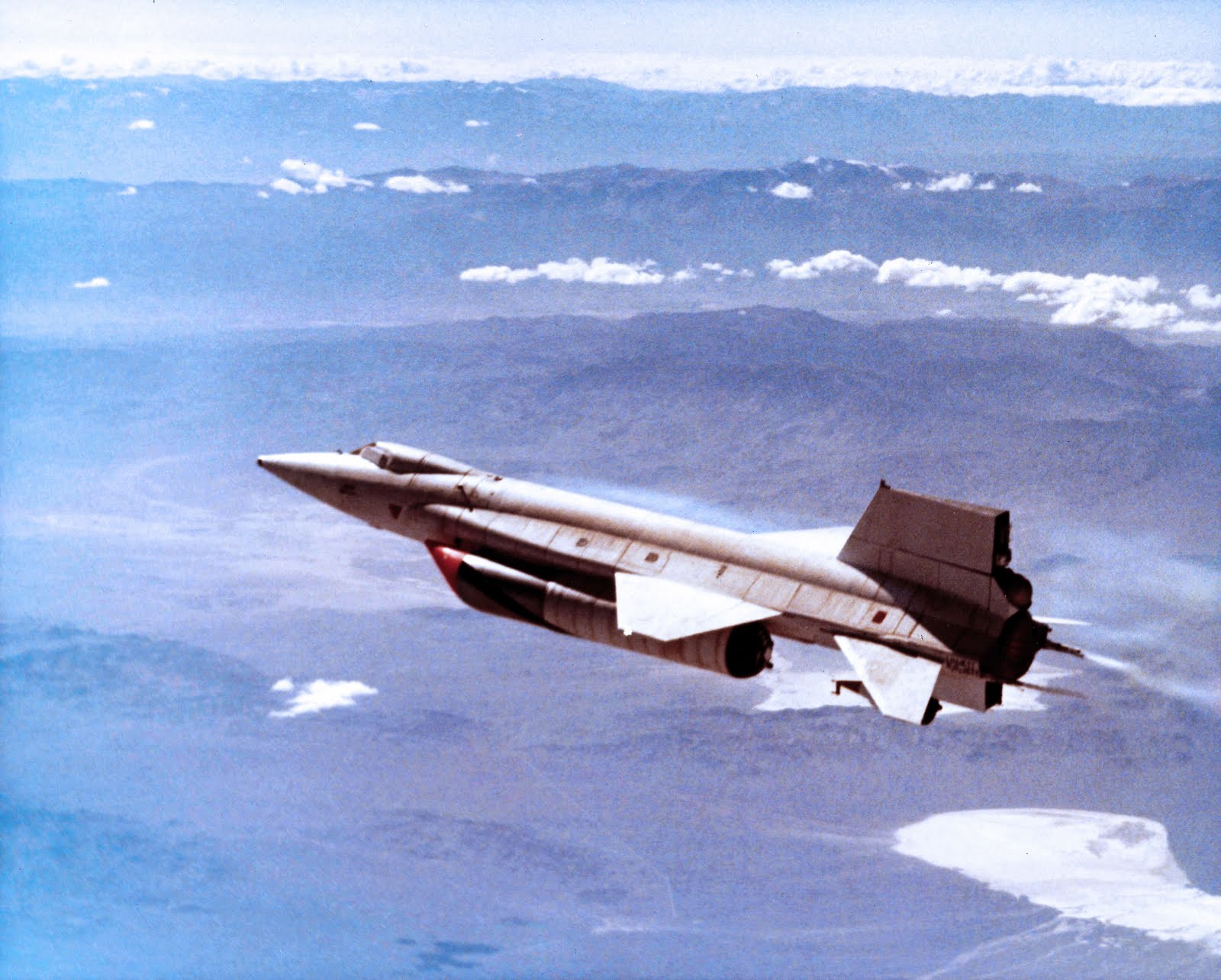
The X-15A-2 was a modified variant, featuring an extended fuselage to accommodate a liquid hydrogen fuel tank for a scramjet mounted in the ventral fin. External propellant tanks were added to extend speed and altitude capabilities, and the entire airframe was coated with an ablative material to withstand the extreme heat generated at hypersonic speeds.
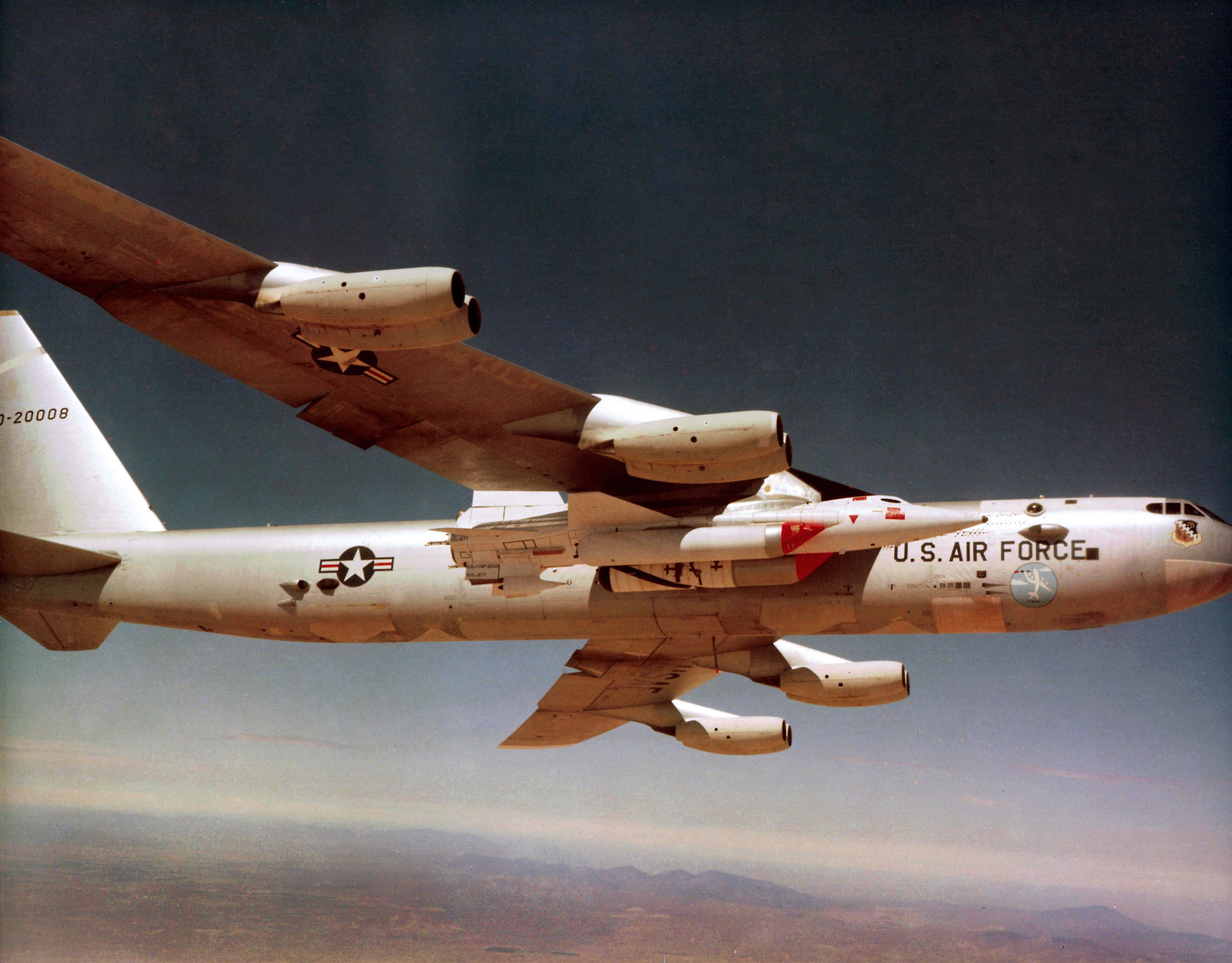
After 60 seconds of acceleration, the fuel in the external tanks was exhausted, and they were jettisoned. Knight continued the climb to 101,000 feet, then leveled off and shut down the XLR99 engine, reaching a top speed of Mach 6.72, or 4,520 miles per hour. The aircraft then descended over Rogers Dry Lake, Nevada, for landing. The scramjet caused drag and heating issues, but Knight completed the 8-minute, 17-second flight successfully.
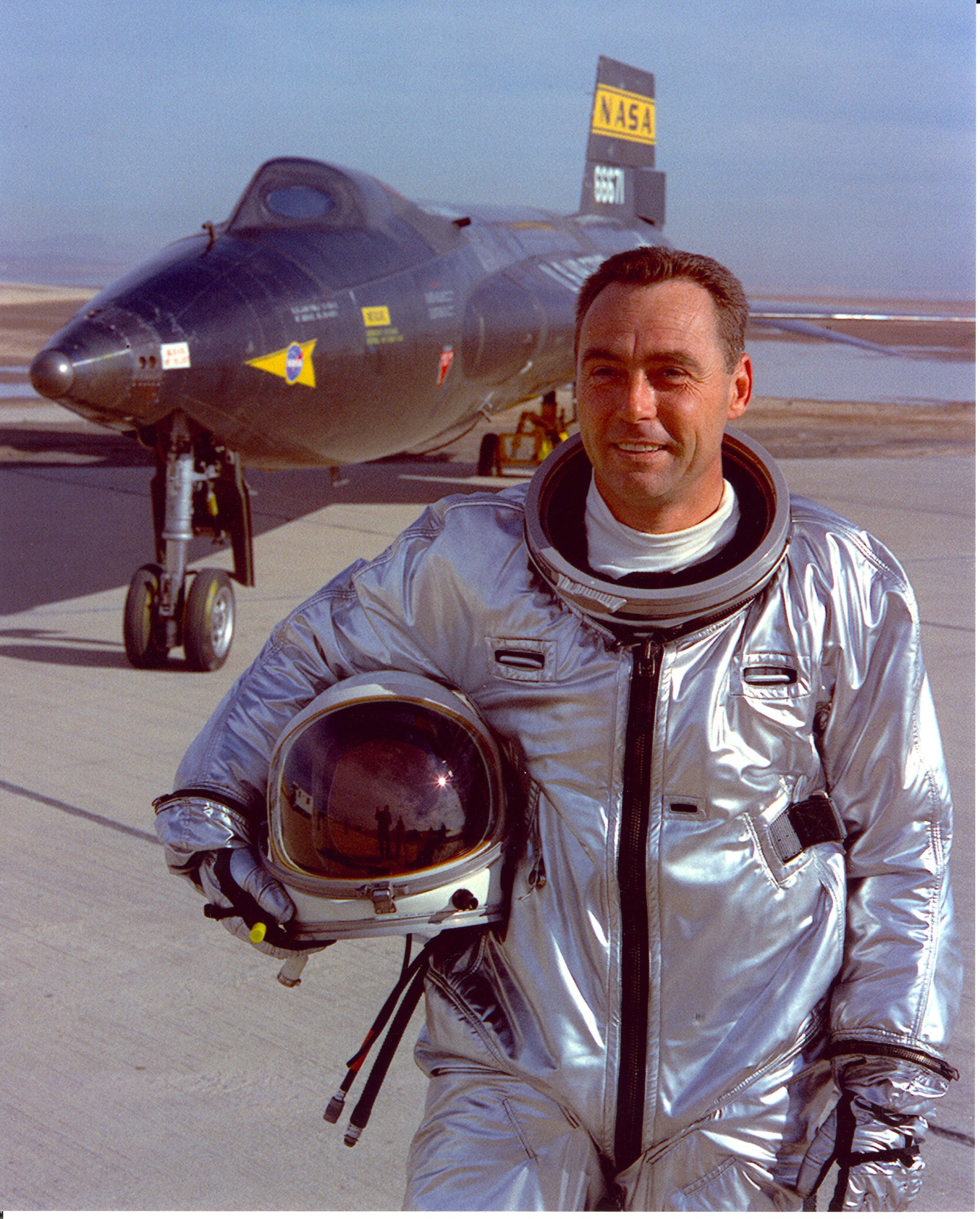
The extreme stresses of the flight caused significant damage to the X-15A-2. Most notably, the scramjet separated from the ventral fin due to intense heat exposure. The aircraft was returned to North American Aviation for repairs, but the X-15 program concluded before the modifications could be fully addressed. Today, 56-6671 is on display at the National Museum of the United States Air Force. The Mach 6.72 airspeed record set by Major Knight and the X-15A-2 remains unbroken.